Hugh Jackman and Jodie Comer give Michael Sarnoski’s sombre Robin Hood drama enough humanity to justify the grimness. The performances make it worth considering, though the script keeps returning to remorse long after we have understood the problem.
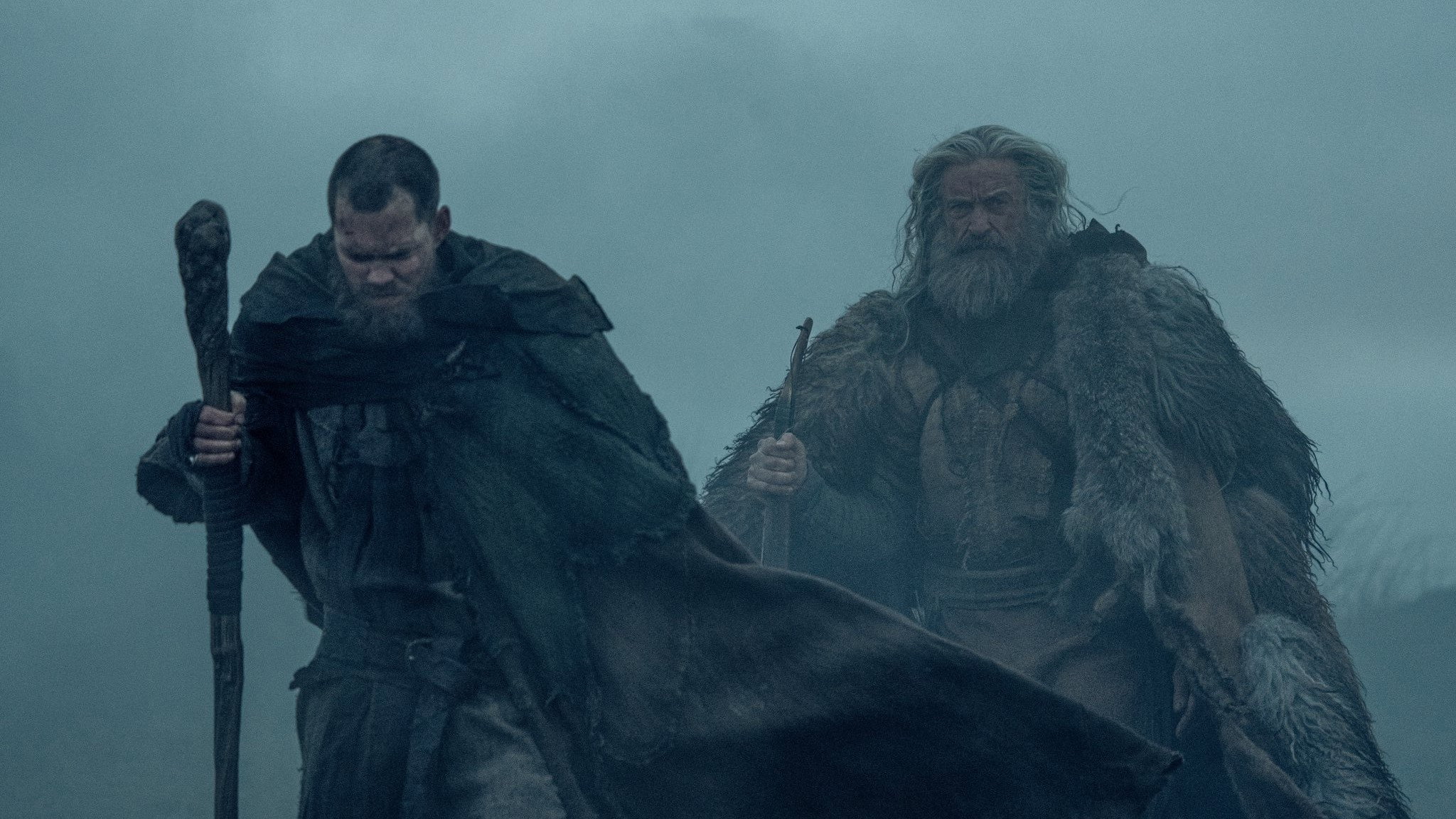
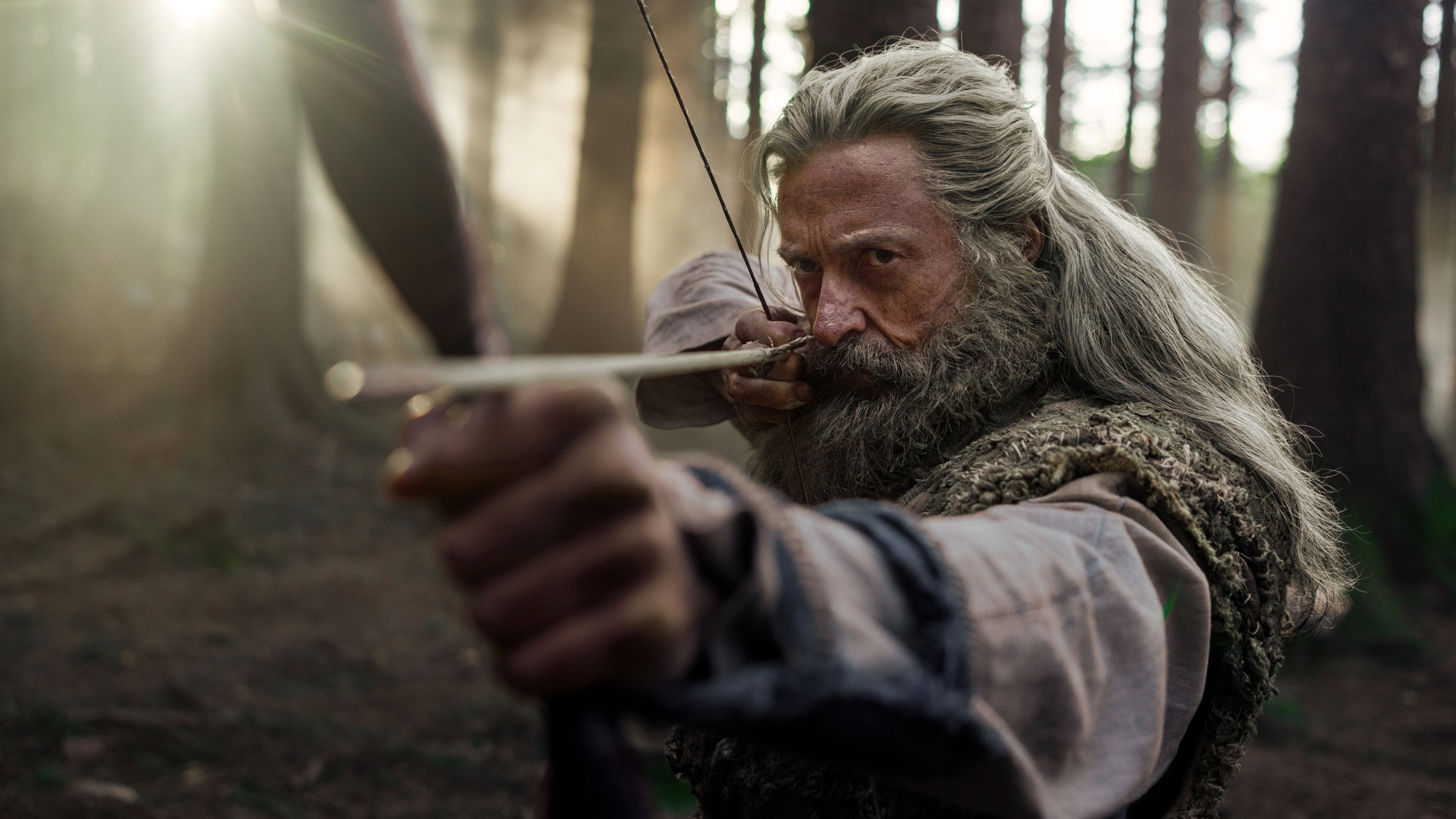
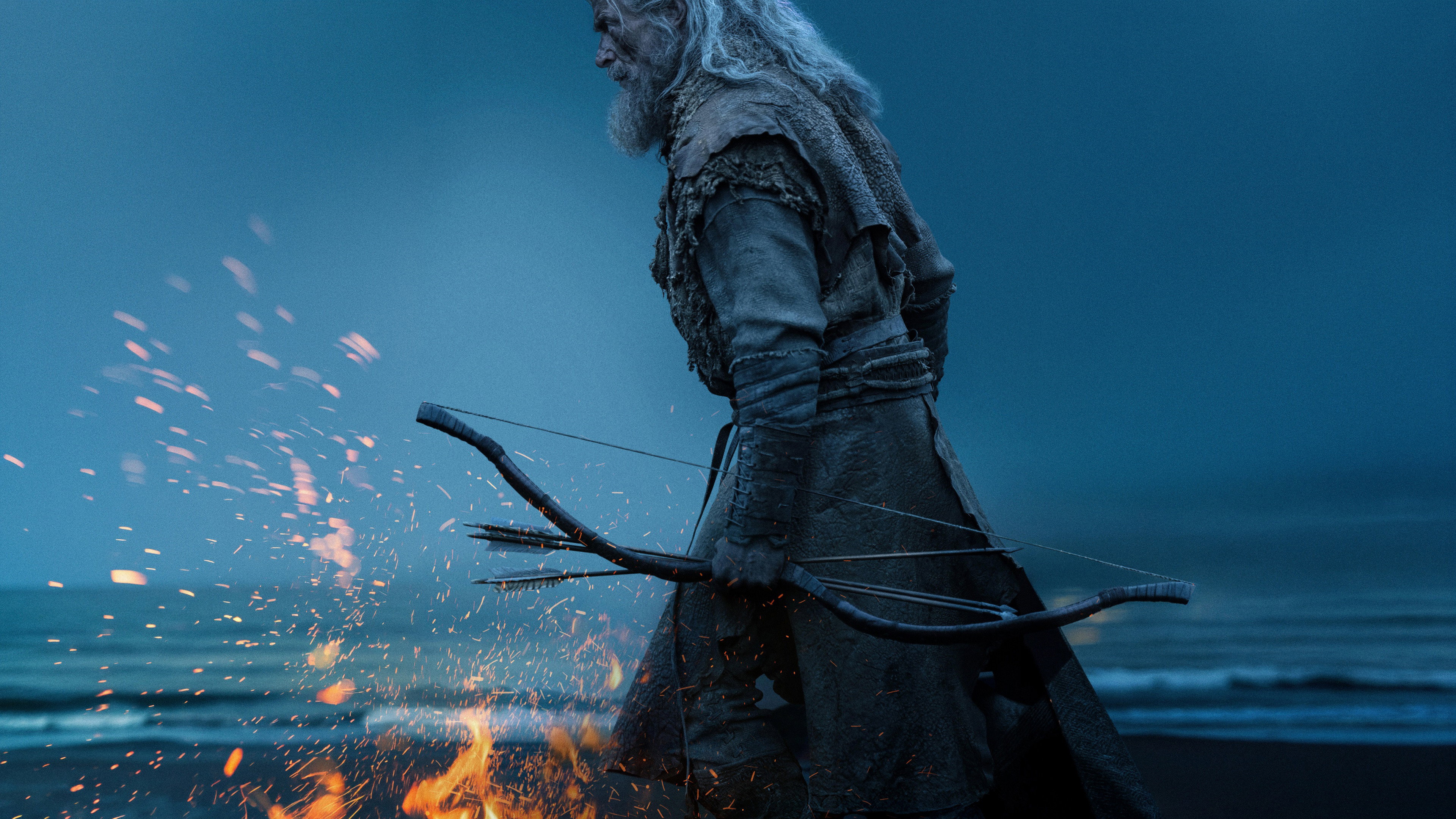
Michael Sarnoski’s The Death of Robin Hood is a sometimes affecting character drama that spends too long telling us how badly its central figure feels. Hugh Jackman’s ageing Robin is a violent outlaw troubled by his past, and Sarnoski, who also writes, is interested in what remorse might ask of him. There is little invitation to enjoy being in his company. The film is worth considering for its two leads, but the long stretches of brooding make that a qualified recommendation.
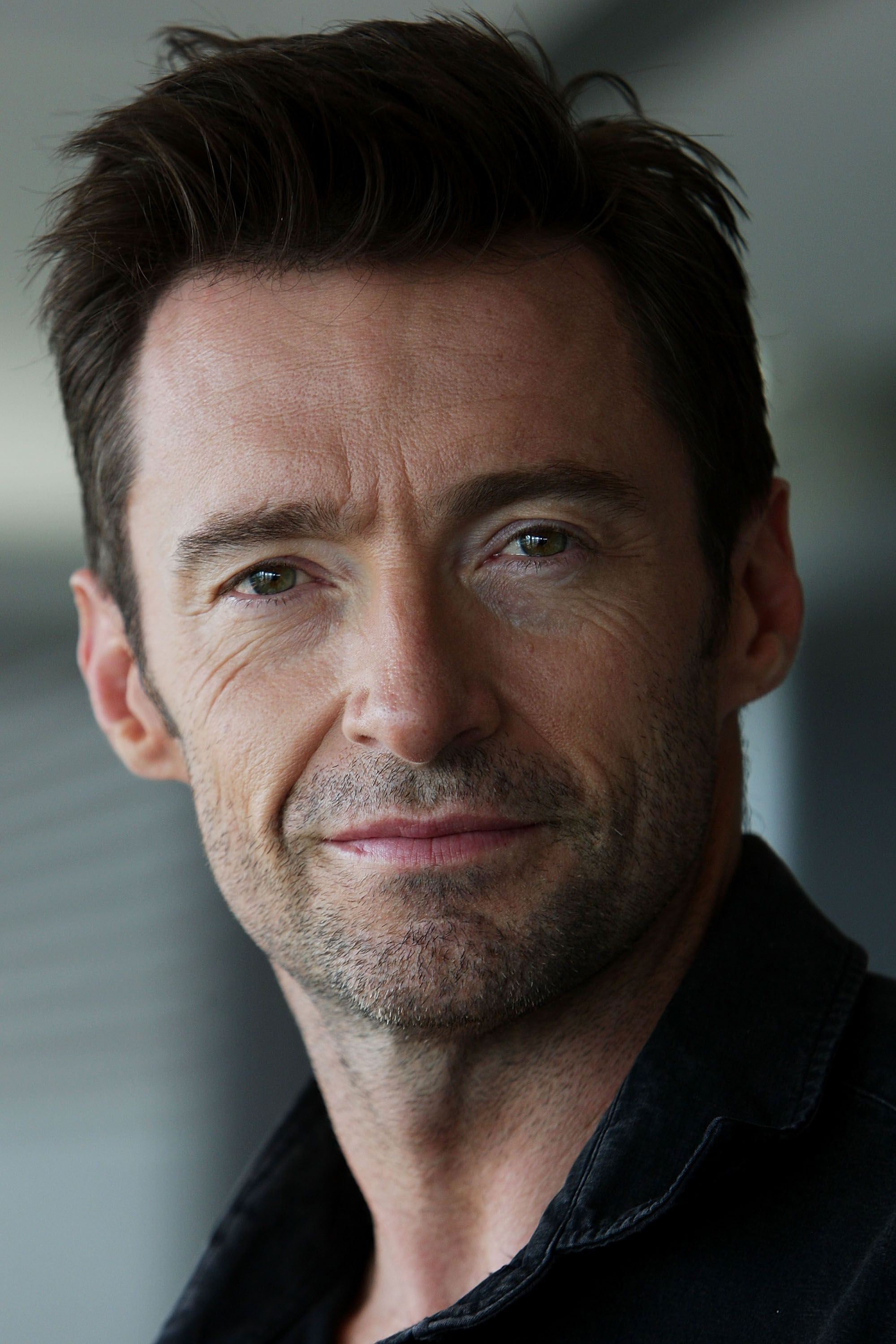
Jackman is persuasive as a man worn down by his own behaviour. A violent man looking back on his life can become an excuse for an actor to advertise suffering, but the performance here keeps us interested in whether Robin can change. Jackman gives the character sufficient humanity for that question to matter, despite the violence in his past. The difficulty is that the writing has rather less to add once the question has been asked.
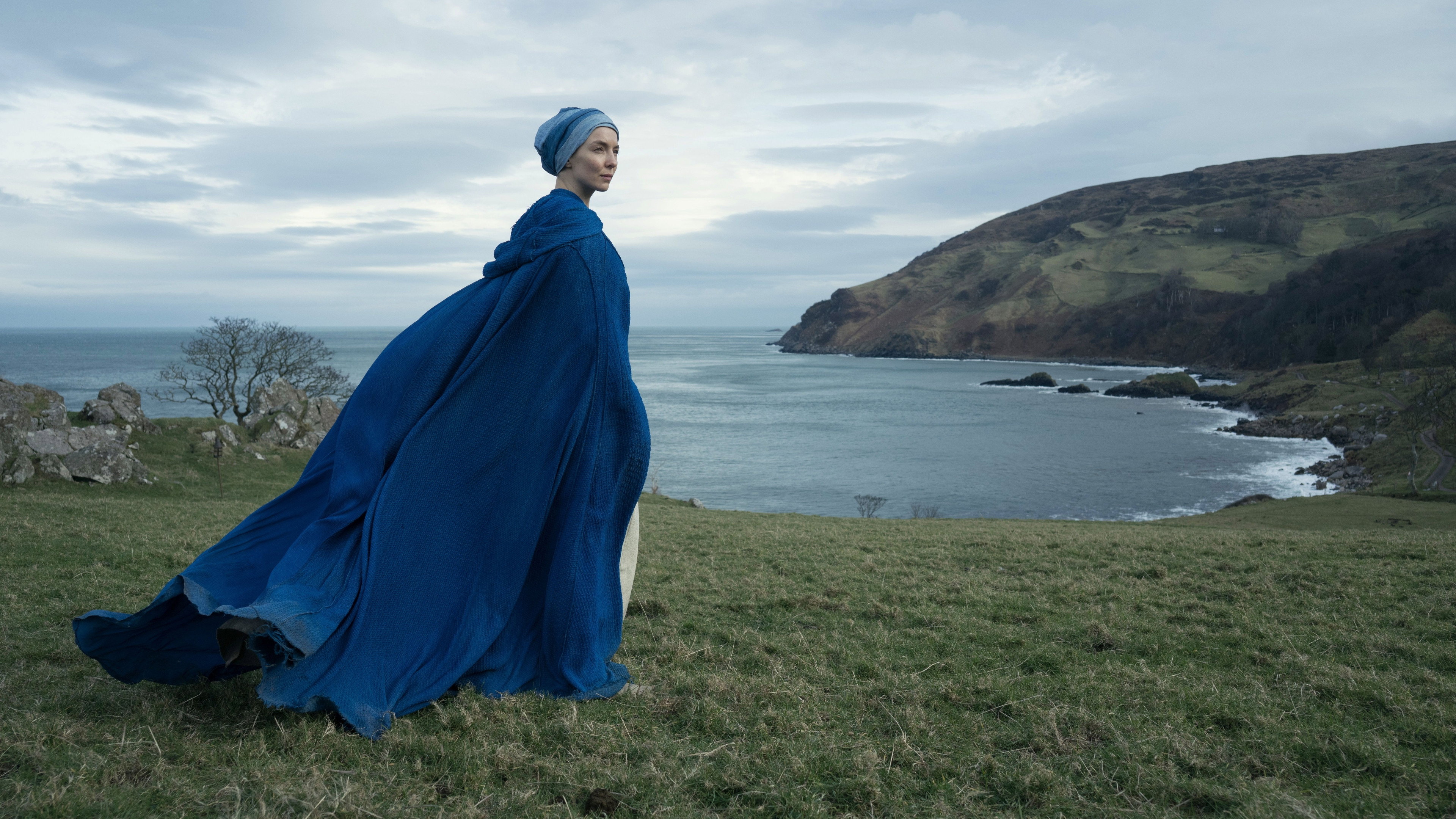
Jodie Comer, as Sister Brigid, supplies the warmth that Robin cannot provide. We were moved by her performance: her empathy makes the prospect of forgiveness feel possible for someone the film has given us reasons to distrust. It is an important contribution in a drama so ready to return to self-reproach. Sarnoski gets tenderness from his actors, and Comer gives us a reason to keep looking beyond Robin’s misery when the script seems reluctant to do so.
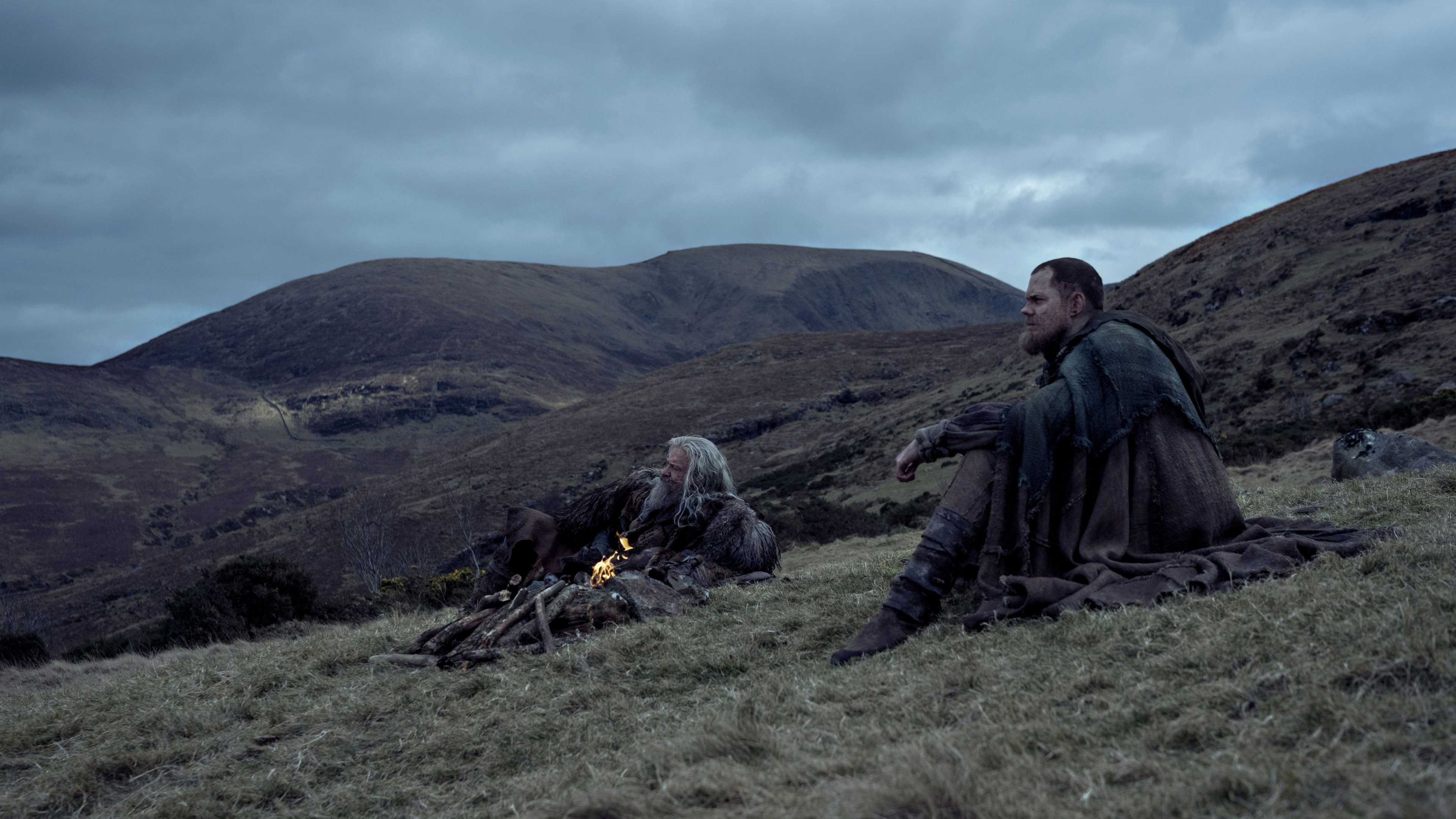
Pat Scola’s cinematography gives the rural surroundings a beauty that the human behaviour seldom earns. The priory setting, with production design by David Lee, feels substantial enough to support the film’s retreat into reflection. Scola gives us something worth looking at when the drama stalls, and the setting helps the quieter passages hold our attention. Even so, there are stretches when we are taking more interest in the surroundings than in the man who has brought us there.
Andrew Mondshein’s editing allows the reflective drama to settle, then lets it sit there for too long. The fault seems chiefly to lie with Sarnoski’s writing: once Robin’s remorse is established, too much of the wordy drama repeats what we have already understood. Jim Ghedi’s music cannot give those passages the sense of development they lack. At 123 minutes, a film with so little movement in its central character needs more variation in the people and questions around him.
A revisionist adventure has more to do than make its hero unpleasant and his violence difficult to watch. It needs to find something sufficiently interesting to replace the pleasures it has taken away, and Sarnoski only intermittently manages that through the question of forgiveness. His script would benefit from letting Robin face a greater range of questions, rather than spending so much time on his regret. Too many of the conversations leave us with the same understanding of Robin we had before they began.
The violence makes this a poor choice for anyone hoping that a familiar name promises comfortable company. Its 15 certificate is worth taking seriously, even though much of the film is given over to reflection. We would suggest it to those who enjoy sombre character studies and can forgive a script that circles its subject. Anyone looking for a rousing outlaw adventure should choose something else.