Film review

The Incomer

2026 · Directed by Louis Paxton · 1h 42m · MPA R

In a sentenceThree people on a remote island, and being introduced is already asking rather a lot

ComedyDrama

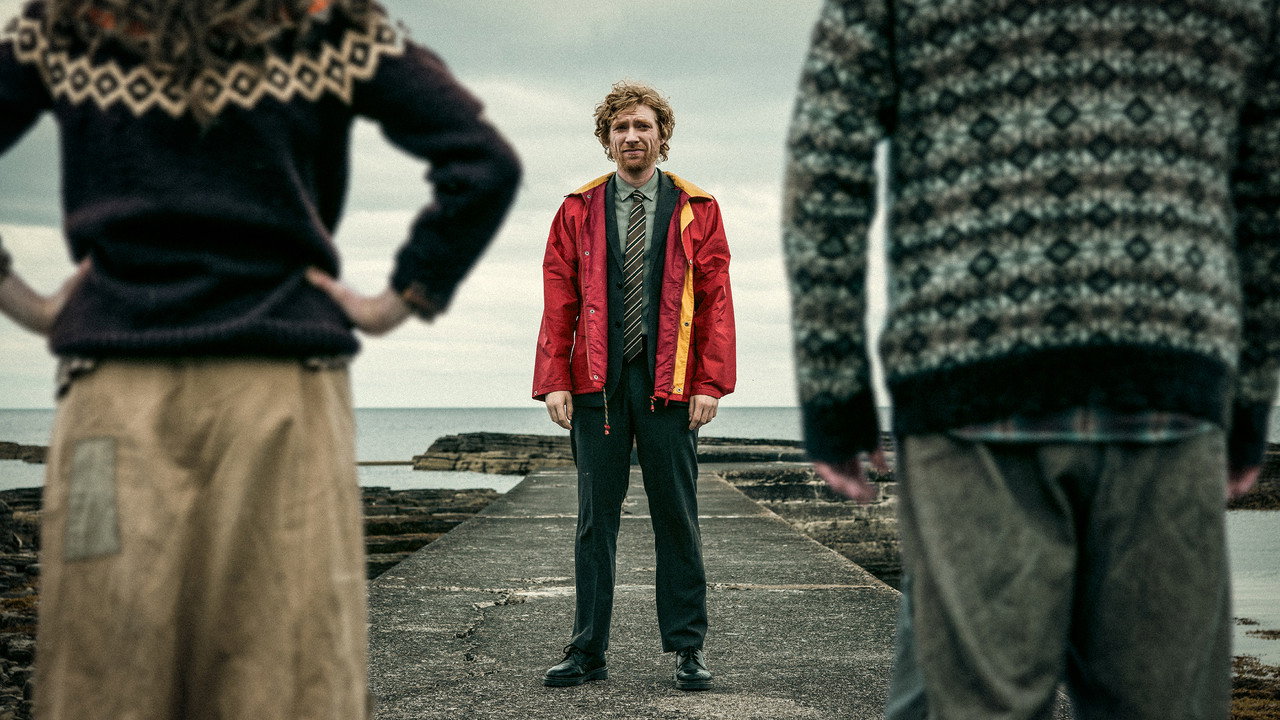
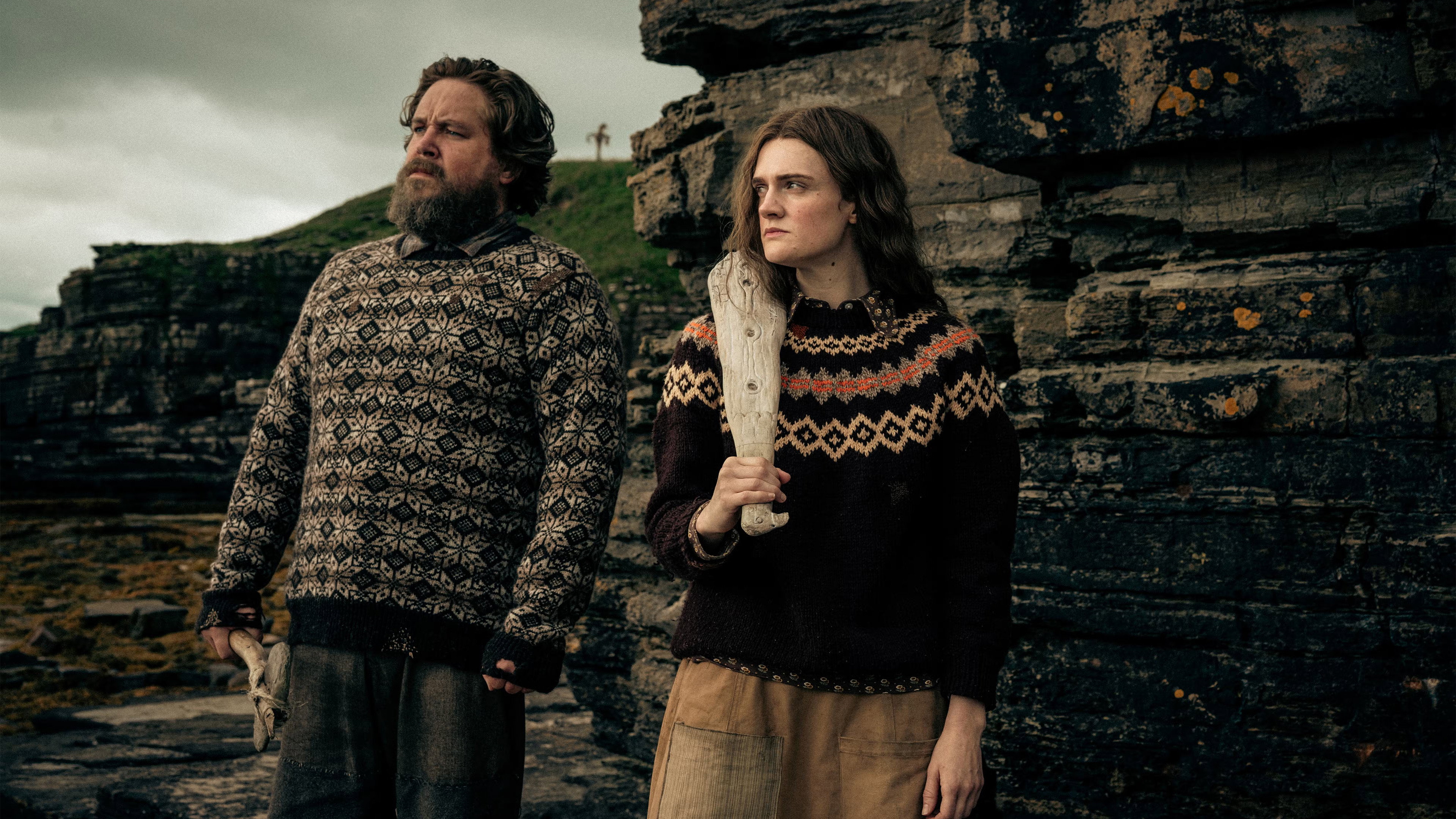
Daniel (Domhnall Gleeson) encounters siblings Isla (Gayle Rankin) and Sandy (Grant O’Rourke) on a remote Scottish island. Their lives revolve around traditions and a degree of isolation that makes an outsider’s presence difficult to accommodate. Daniel and the siblings approach living alongside other people from different starting points, with loneliness and resistance to change complicating their encounters. For Isla and Sandy, folklore helps explain the place they inhabit. Combining live action with animation, this comedy-drama follows the uneasy contact between a visitor and people whose attachment to their own way of life gives them little reason to embrace his.

Plays from YouTube when you press play; nothing loads from them until then.

Fi1m review

A likeable island comedy with three fine central performances and a weakness for laboured eccentricity. Louis Paxton gives loneliness and belonging some welcome attention, even when the jokes depend too heavily on the islanders being peculiar.

Louis Paxton’s The Incomer is a likeable comedy held together by three actors who know how far to push it. Its remote Scottish island and reclusive siblings offer plenty of opportunities for an outsider to be made uncomfortable. Paxton, who also writes, wants to let the odd behaviour be funny without dismissing the people responsible for it. He mostly manages that, though his fondness for their peculiarities sometimes outlasts the joke.

Domhnall Gleeson plays Daniel, the visitor, with enough charm to give us someone to follow into this unfamiliar company. Gayle Rankin’s Isla and Grant O’Rourke’s Sandy are siblings whose isolation has made ordinary social contact complicated. The three performances work because nobody treats the others as an excuse for a solo comic turn. Gleeson allows awkwardness to linger, O’Rourke helps make the sibling bond convincing, and Rankin supplies the unruly physical comedy. We laughed at Rankin’s fierceness, because she makes the siblings’ resistance to change look like exhausting physical work.

Pat Golan’s cinematography gives the rough island landscape enough attention to explain why people might feel attached to it. The place matters to the comedy: solitude here is attractive enough that the visitor cannot simply be assumed to know better. Production designers Arthur de Borman and Kezia Eales contribute to that appeal, making the islanders’ attachment to their surroundings credible. The animated passages give the folklore a different visual form, although the changes between animation and live action occasionally feel like another invitation to admire how unusual the film is.

Tom Kingston’s music gives the landscape a useful sense of exposure, helping the island feel less comfortable than a picturesque comedy might suggest. Brian Philip Davis’s editing lets some comic exchanges linger beyond the point at which we have understood the joke. At 102 minutes, this is hardly an ordeal, but some stretches feel longer than their comic material warrants. Paxton could have cut a few reminders of just how differently these people live.

The weaker jokes depend on the siblings not knowing what other people take for granted. A little of that establishes their isolation; too much makes them convenient targets, which sits awkwardly with Paxton’s affection for them. It also means that a film interested in loneliness occasionally settles for pointing out unusual behaviour and waiting for a laugh. The actors keep finding small signs of vulnerability, but the writing does not always give them enough to work with.

Within the familiar comedy of an outsider meeting a close community, Paxton’s useful choice is to allow discomfort on both sides. Daniel does not automatically know better, and the siblings’ attachment to their traditions deserves more than indulgent amusement. The film is at its most persuasive when the actors let the loneliness behind those habits become apparent. That gives the gentler scenes enough weight to survive the occasional lapse into cuteness. Give it an evening if difficult company and island folklore sound promising, but expect to wait through a few jokes that the cast deserved to have rewritten.

Critical consensus AI synthesised

68
Positive
10
Mixed
2
Negative
2

Most critics respond warmly to The Incomer’s oddball Scottish fable, finding humour and feeling in its account of isolation, belonging and resistance to change. Praise centres on the three leads, with Gayle Rankin’s performance as Isla drawing particular attention for its physical comedy and emotional range. The remote island setting, landscape photography and animated sequences also win approval. For the favourable reviews, the eccentricity leaves enough space for the characters’ loneliness and growing affection to matter.

The main disagreement is over how much whimsy the comedy can bear. Even several admirers find it too twee at times, while some note stretches that drag or lose momentum. The spread is wide: The Guardian finds the quirky humour consistently unfunny and obscuring any insight into human connection. The Hollywood Reporter likewise finds the comedy abrasive, though it recognises poignancy in Gleeson’s performance and the treatment of change.

RogerEbert.com
24 January 2026 · festival review · Brian Tallerico
80*

Louis Paxton's debut is a delightful, funny, weird, and even a bit moving film with broad appeal. It singles out Gayle Rankin's spectacular performance as Isla for praise.

Read the full review →
Slant Magazine
14 July 2026 · Justin Clark
80*

The critic describes the film as a quirky, ultimately heartwarming seaside fable that balances absurdity with respect for the characters' traditions, praising the lead performances for their commitment and range.

Read the full review →
Time Out
23 August 2026 · ★★★★ · Stephen A Russell
80

The critic calls the film a furiously funny piece of Scottish folklore with a delightfully dotty tone and a Lanthimos-like twist on its Celtic spirit. They single out the strong physical comedy, memorable performances (especially Gayle Rankin’s wild turn), inventive costumes and animation sequences, and the striking use of Highlands locations for praise.

Read the full review →
The Observer
6 September 2026 · Wendy Ide
75*

The critic calls it a droll first feature that is an intriguingly oddball proposition living by its own unconventional rules, mixing live action with animation and gentle humour with savagery. It occasionally veers too close to handwoven whimsy but remains compelling.

Read the full review →
Variety
6 February 2026 · festival review · Tomris Laffly
75*

The film is too twee at times but remains winsome and disarmingly good-natured, earning a heartwarming finale. It singles out Gayle Rankin's magnificently layered portrayal of Isla for praise.

Read the full review →
Screen Daily
23 January 2026 · festival review
70*

The critic describes an intriguing debut that makes effective use of its remote island setting and strong performances from the leads, evolving into a charming regional human drama despite some overly whimsical moments. They single out the impressive sense of place, elemental soundtrack and cinematography capturing the rugged landscape for praise.

Read the full review →

Cast

Stills

If you liked this, try…

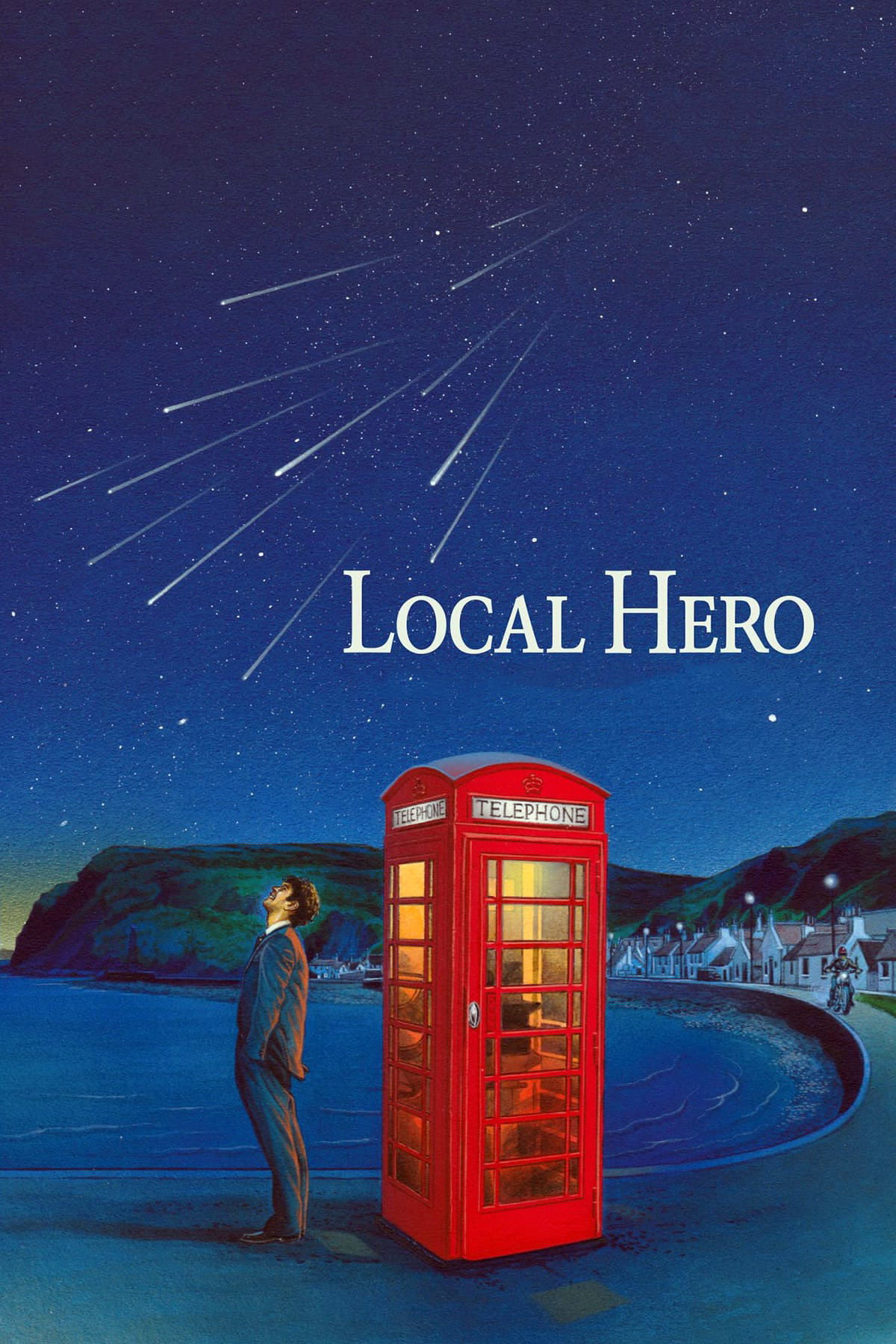
Local Hero poster86

Local Hero

1983 · Another outsider meets a coastal community, with quieter jokes and sharper observation.

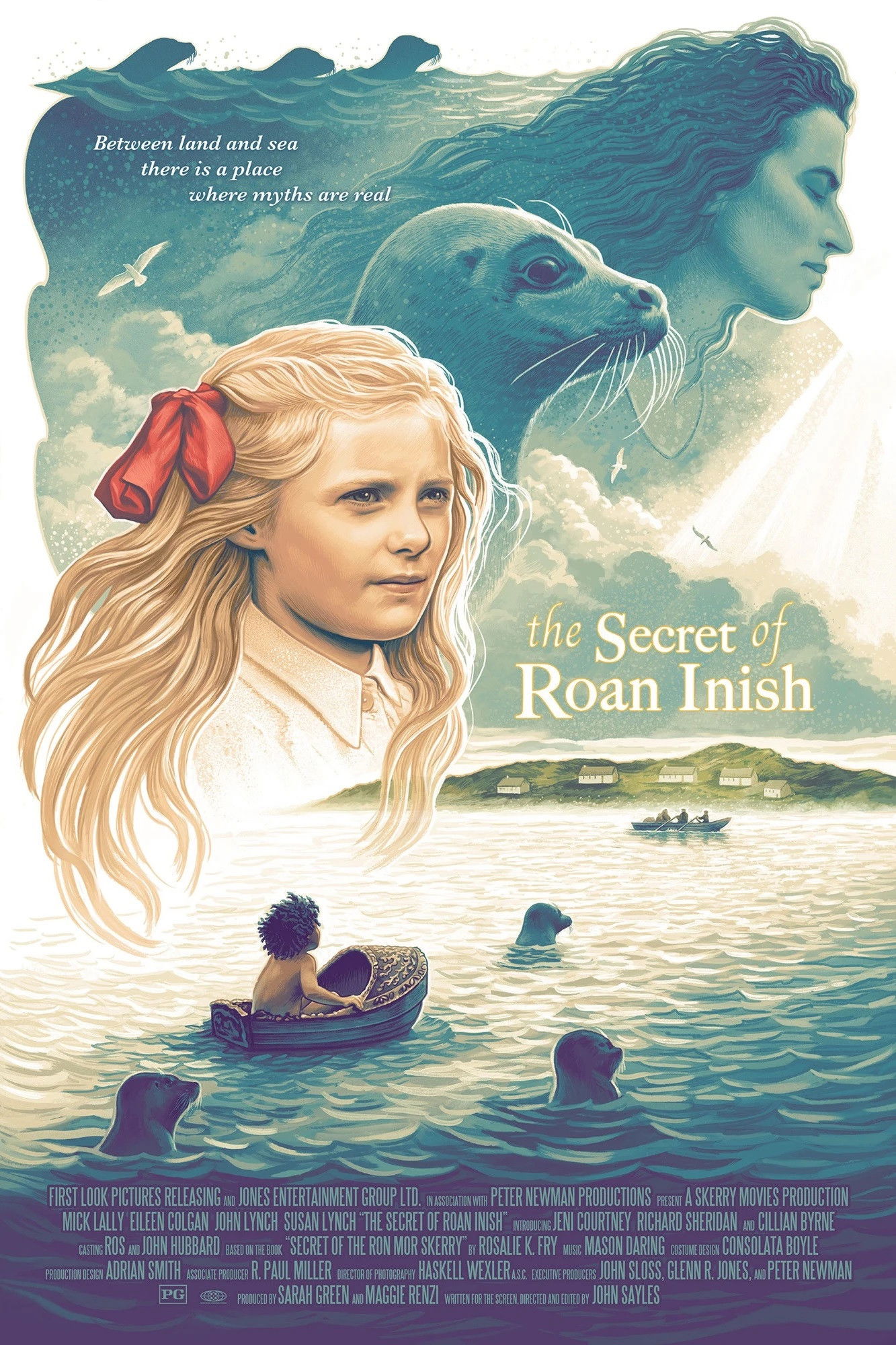
The Secret of Roan Inish poster

The Secret of Roan Inish

1994 · Folklore and island life taken seriously, without squeezing the wonder out.

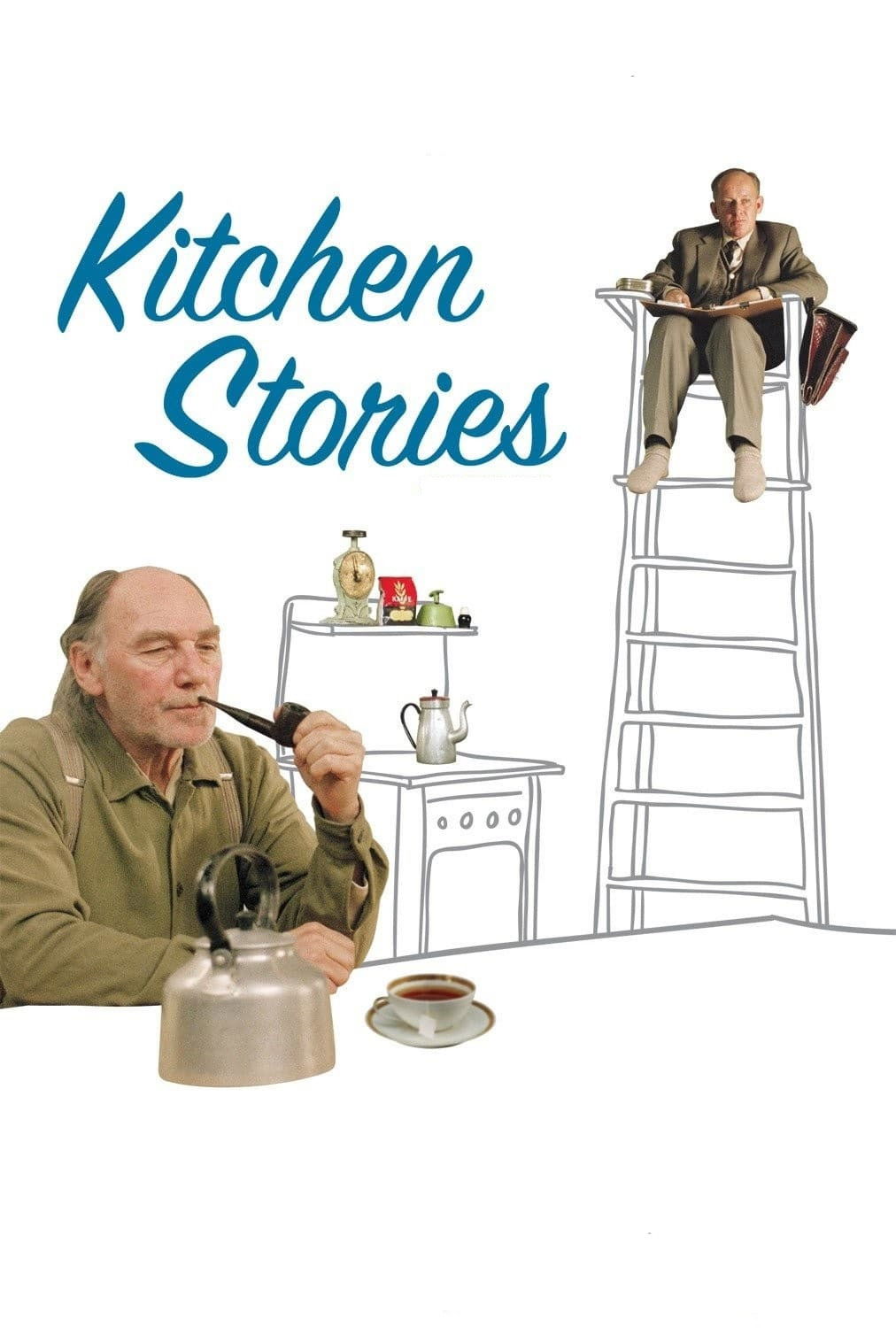
Kitchen Stories poster

Kitchen Stories

2003 · A study of solitude whose dry comedy grows through reluctant companionship.

The Man Without a Past poster

The Man Without a Past

2002 · Displaced people find company, with deadpan humour and little patience for sentimentality.

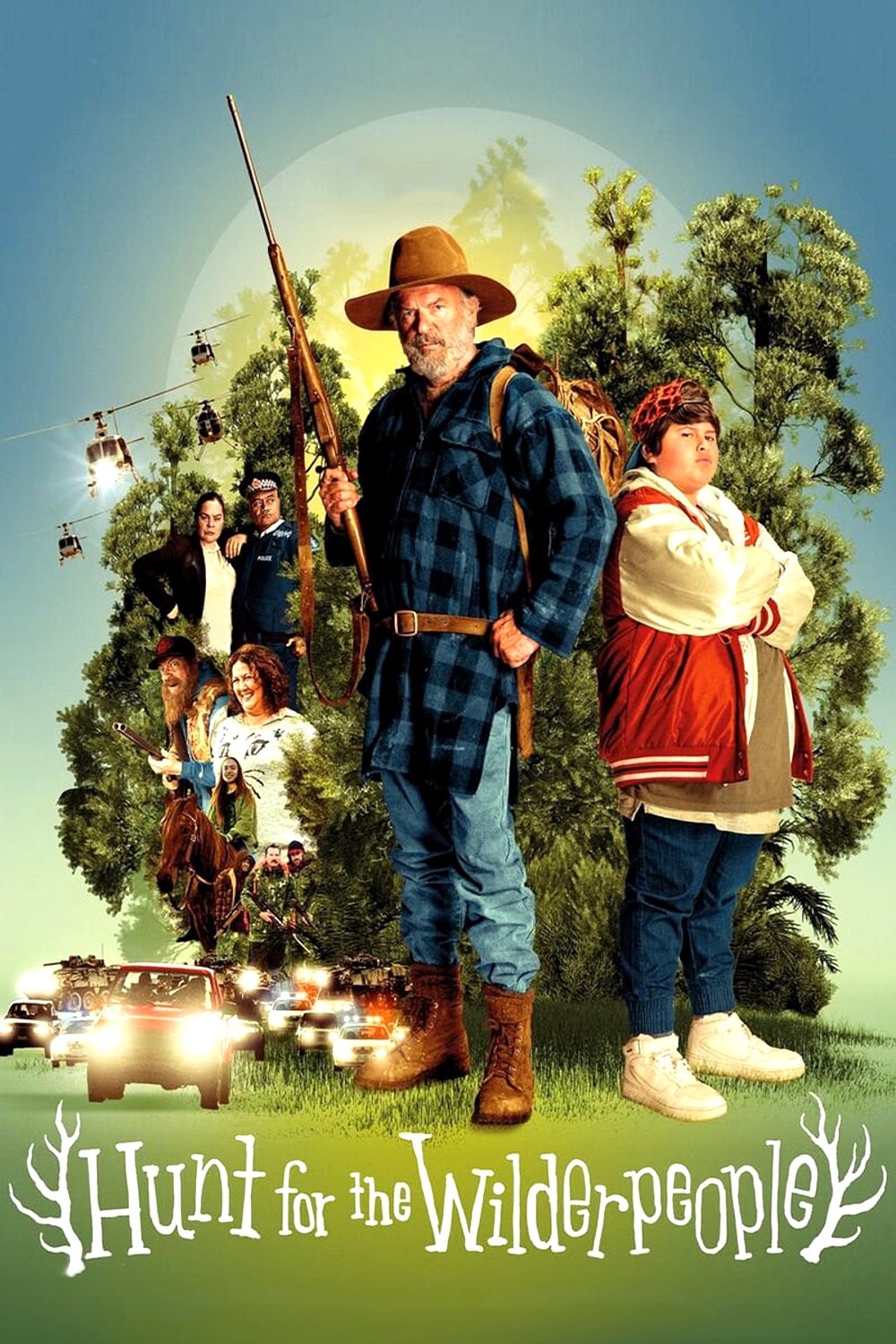
Hunt for the Wilderpeople poster

Hunt for the Wilderpeople

2016 · Prickly characters negotiate unwanted company, while the landscape refuses to be background.