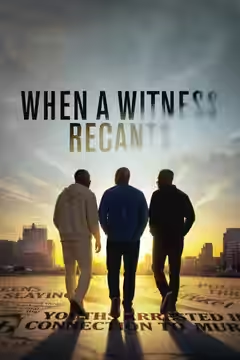
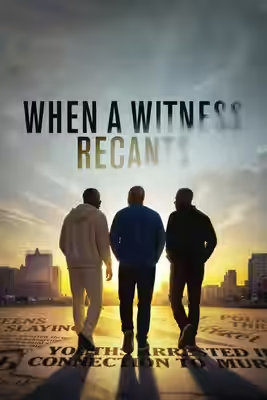
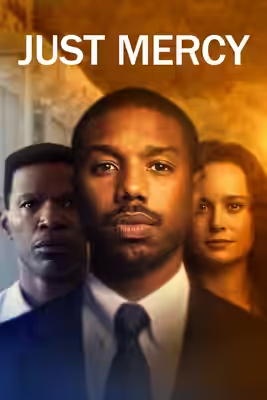
Dawn Porter’s documentary is patient, moving and worth watching for the care it gives those affected by wrongful convictions. Its examination of institutional responsibility is less complete.
Dawn Porter’s When a Witness Recants is a patient, moving documentary about wrongful convictions, worth watching despite an incomplete examination of institutional responsibility. Its clearest strength is the attention it pays to people living with the consequences. That may sound like the minimum requirement, but a documentary can become so absorbed in establishing what went wrong that the people affected are reduced to evidence. Dawn Porter makes their continuing hurt central to the account.
We are moved by the careful listening to testimony about that lasting harm. The force comes from staying interested in what the convictions have done to people, rather than treating their experiences as background to a legal dispute. Osei Essed supplies the music, but the testimony is the reason this material has emotional weight. The film’s measured approach gives those accounts room, and the care taken over listening makes the suffering difficult to dismiss once the immediate question of guilt has been raised.
Bryan Gentry is the cinematographer, though the archival footage is the visual material that gives this account its particular value. It broadens the film beyond spoken recollection, making the past something we can look at as well as hear described. Jessica Congdon’s editing brings that archive into a film with several perspectives to accommodate, and the breadth is a strength. The material invites attention to how an account is assembled and whose words are allowed to carry authority, questions that belong in a documentary about wrongful conviction.
The difficulty is that the attention to individual responsibility does not produce an equally searching treatment of structural failure. We wanted a fuller examination of how institutions give a damaging account authority and what might make them reluctant to question it. The film establishes the human cost clearly enough to make those practical questions pressing. Dawn Porter’s sympathy for the people involved is persuasive, but the inquiry needs more detail about the procedures that allow such suffering to happen and the safeguards that ought to prevent it.
At 112 minutes, When a Witness Recants has space to pursue those questions alongside the personal accounts. A wrongful-conviction documentary has to make legal detail intelligible without letting it swallow the lives at stake, and that is a difficult balance. Dawn Porter is strongest on the human consequences, where the patience and range of testimony serve the film well. The broader inquiry is less complete, and that matters because understanding the people involved cannot by itself explain how to prevent another case.
Even with that reservation, there is enough care here to justify the time. The archival material and the willingness to listen make the film worthwhile for viewers interested in the human cost of wrongful conviction. We would not send someone to it expecting a thorough account of institutional responsibility, and its compassion should not excuse that shortfall. Watch for the people being heard; do not expect the institutions behind their suffering to receive the same scrutiny.