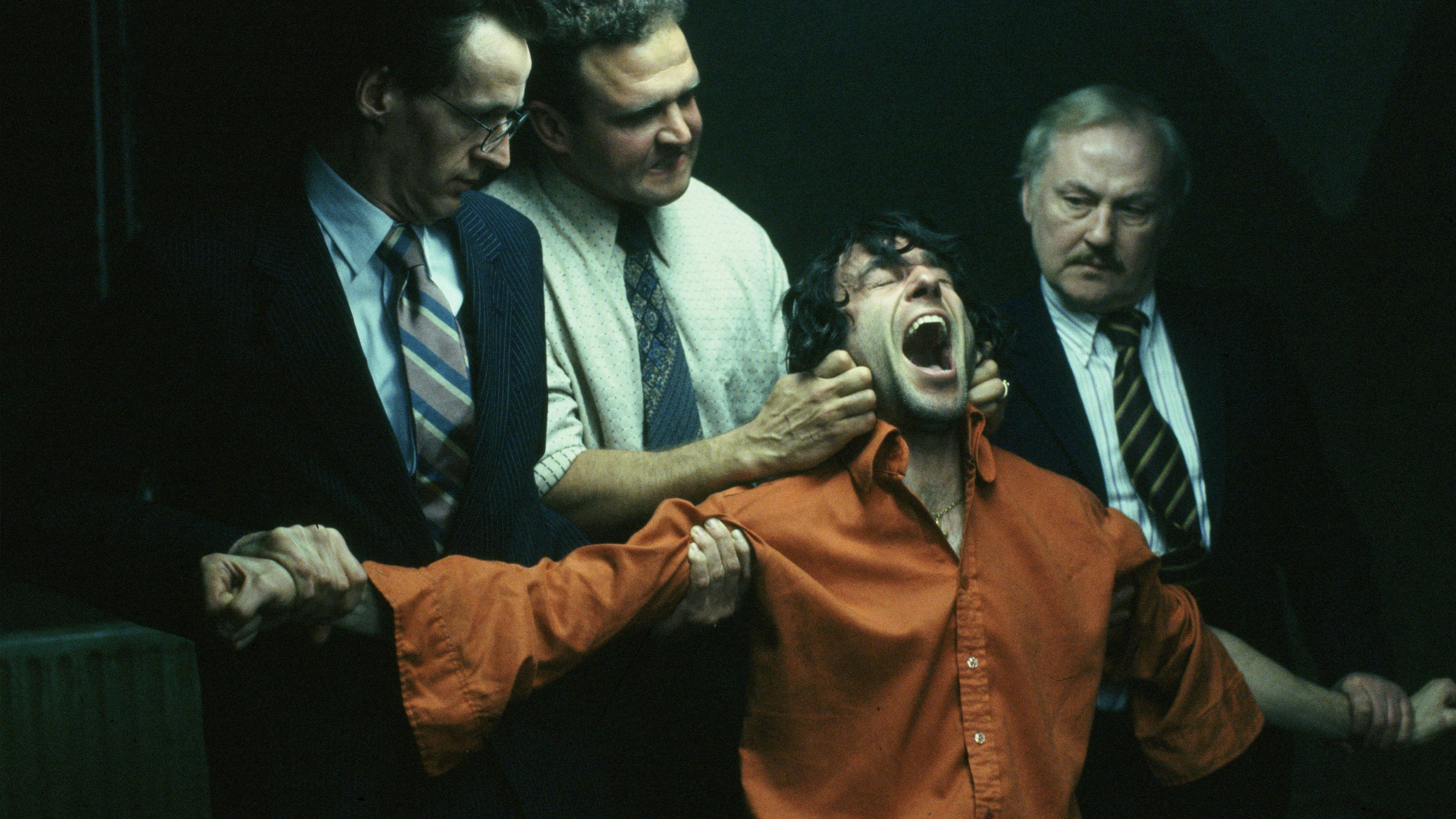
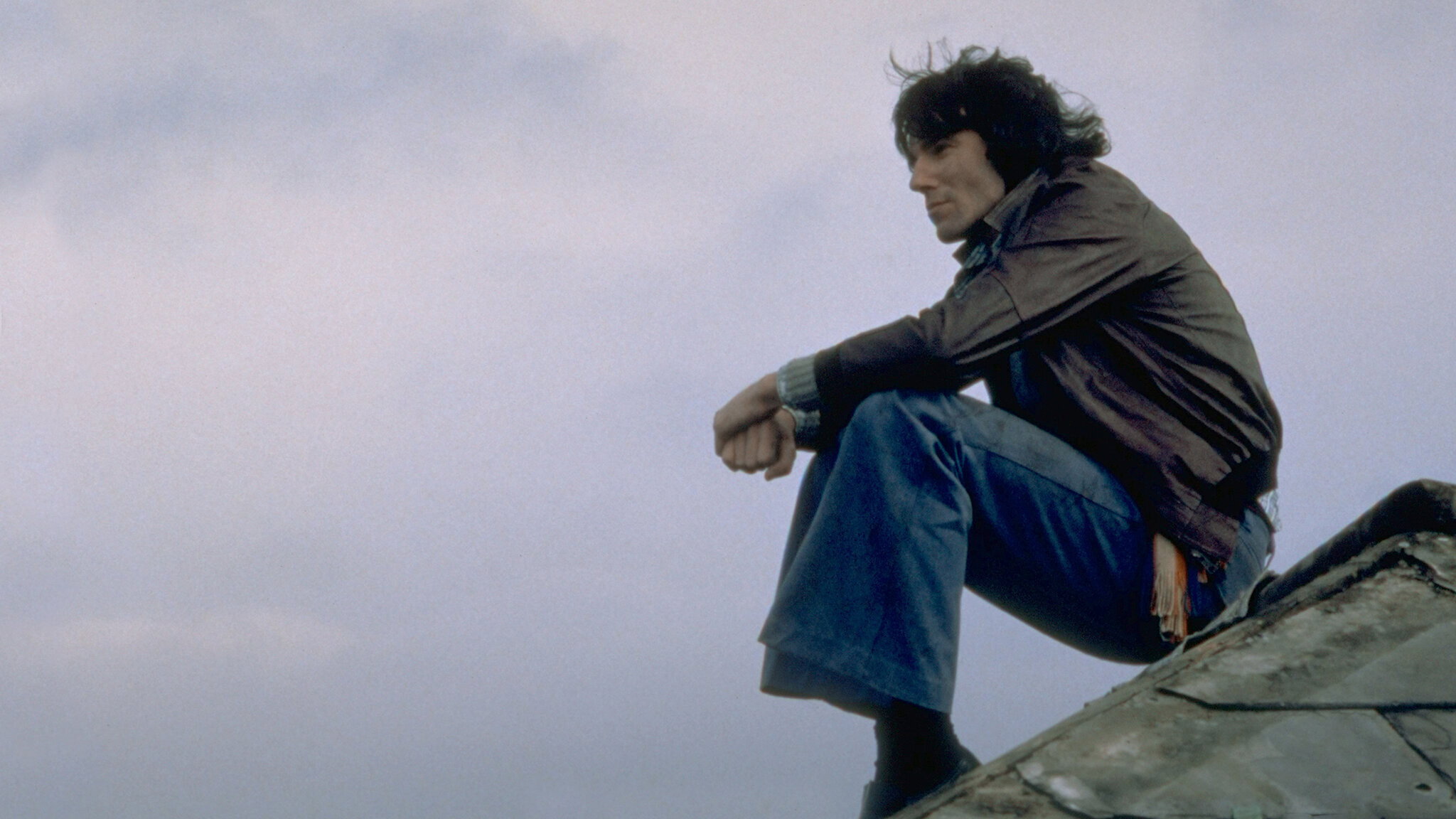
Daniel Day-Lewis and Pete Postlethwaite make Jim Sheridan’s prison drama painful and absorbing. Its liberties with the facts deserve caution, and the legal passages are less compelling, but the father-and-son relationship makes it worth the distress.
Jim Sheridan’s In the Name of the Father is an absorbing prison drama whose strongest scenes belong to Daniel Day-Lewis and Pete Postlethwaite. The wrongful conviction of the Guildford Four gives Sheridan ample reason to be angry, and the film makes that anger easy to share. His more difficult task is to keep Gerry Conlon and his father Giuseppe recognisable as people while telling a story with such an obvious injustice at its centre. He succeeds, though the legal passages are weaker and the factual liberties deserve caution.
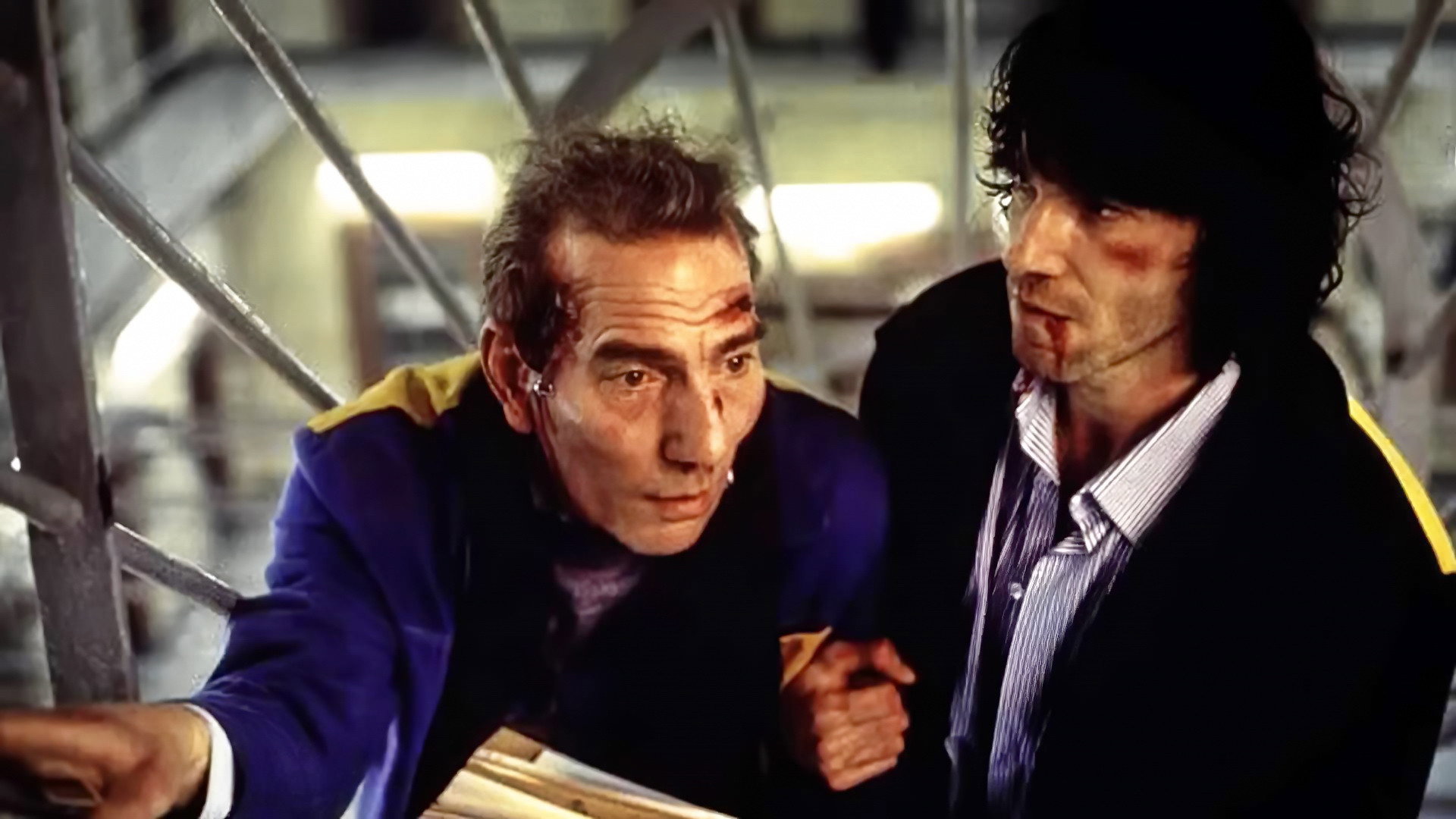
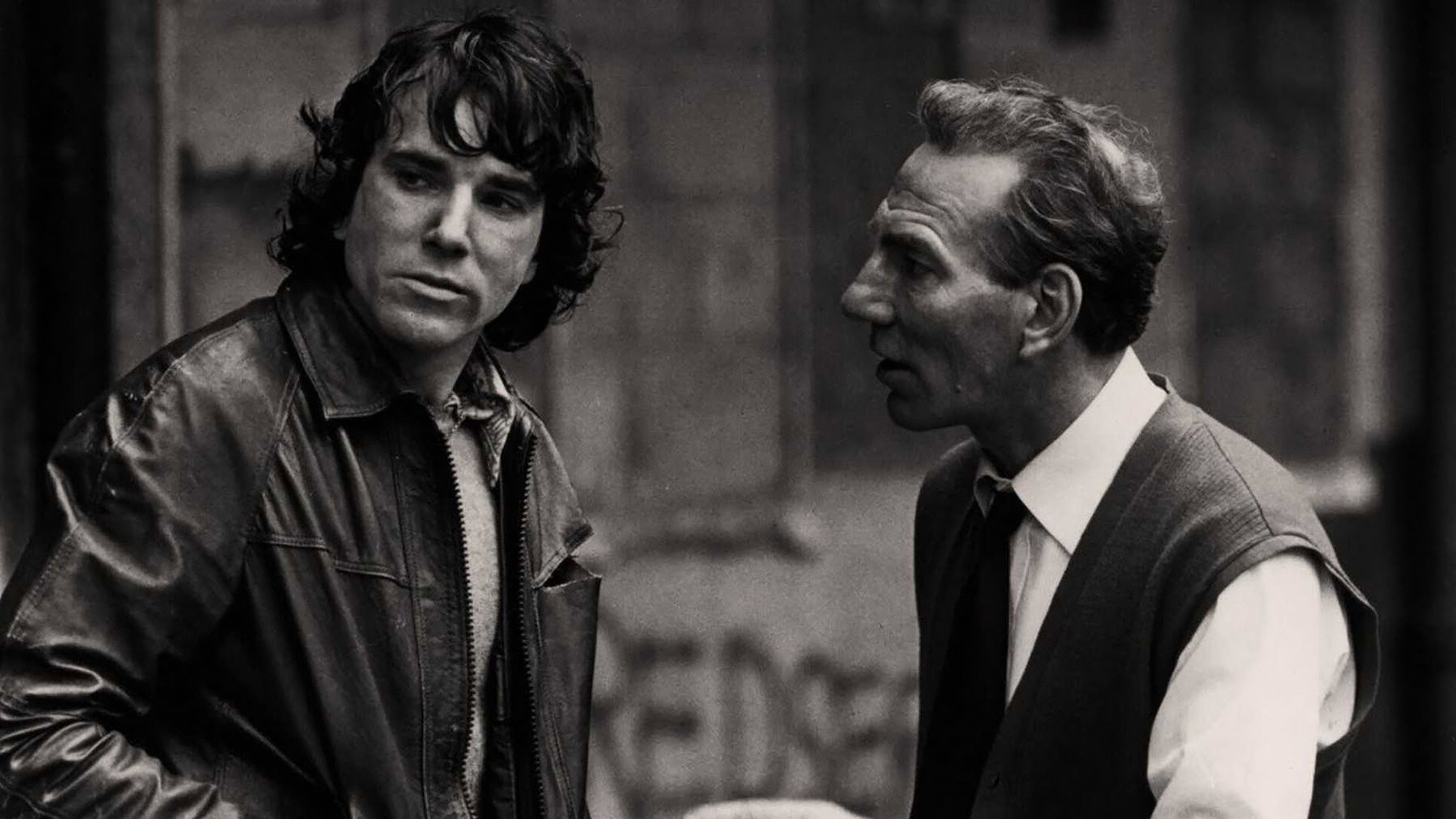
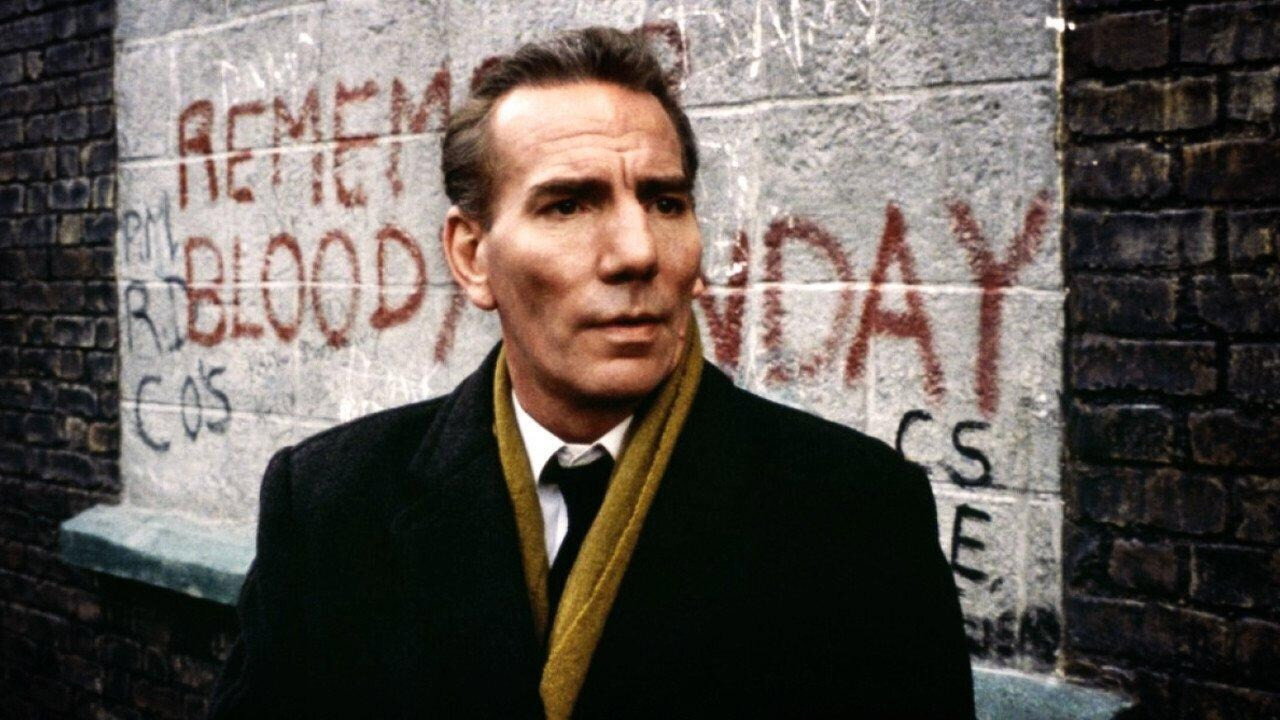
Day-Lewis gives Gerry enough roughness to prevent innocence from becoming his entire personality. There is room to be irritated by him, which gives the performance some welcome freedom. Postlethwaite makes Giuseppe’s patience feel costly, as though answering his son requires an effort he cannot always spare. We found their scenes together painful to watch, because the strain of being a father remains visible alongside the strain of imprisonment.
Peter Biziou’s cinematography gives the men’s faces the attention the story needs. Caroline Amies’s production design makes confinement feel exhausting; the prison never becomes an attractive setting for displays of actorly misery. That matters when the central performances are strong enough to tempt us into watching them as separate achievements. The surroundings keep Gerry and Giuseppe’s circumstances present even when we are caught up in the smaller difficulties between them.
Gerry Hambling’s editing gives the drama a forward pressure that keeps its anger from becoming repetitive. The changes of pace feel most natural around the Conlons, where an exchange can matter without advancing the case. Trevor Jones’s score supports Sheridan’s emotional directness, giving the suffering a weight that suits this material. Subtlety is not always the aim here, and for much of the film the actors justify the insistence.
The screenplay, by Sheridan and Terry George, takes factual liberties to make the family’s suffering more immediate. That is a concern in a film asking us to be angry about what happens when institutions misrepresent people’s lives. The father-and-son scenes are emotionally convincing, but that cannot settle the question of how freely a true story should be rearranged. We can accept the dramatic choices and still wish the film had been more exacting about the history.
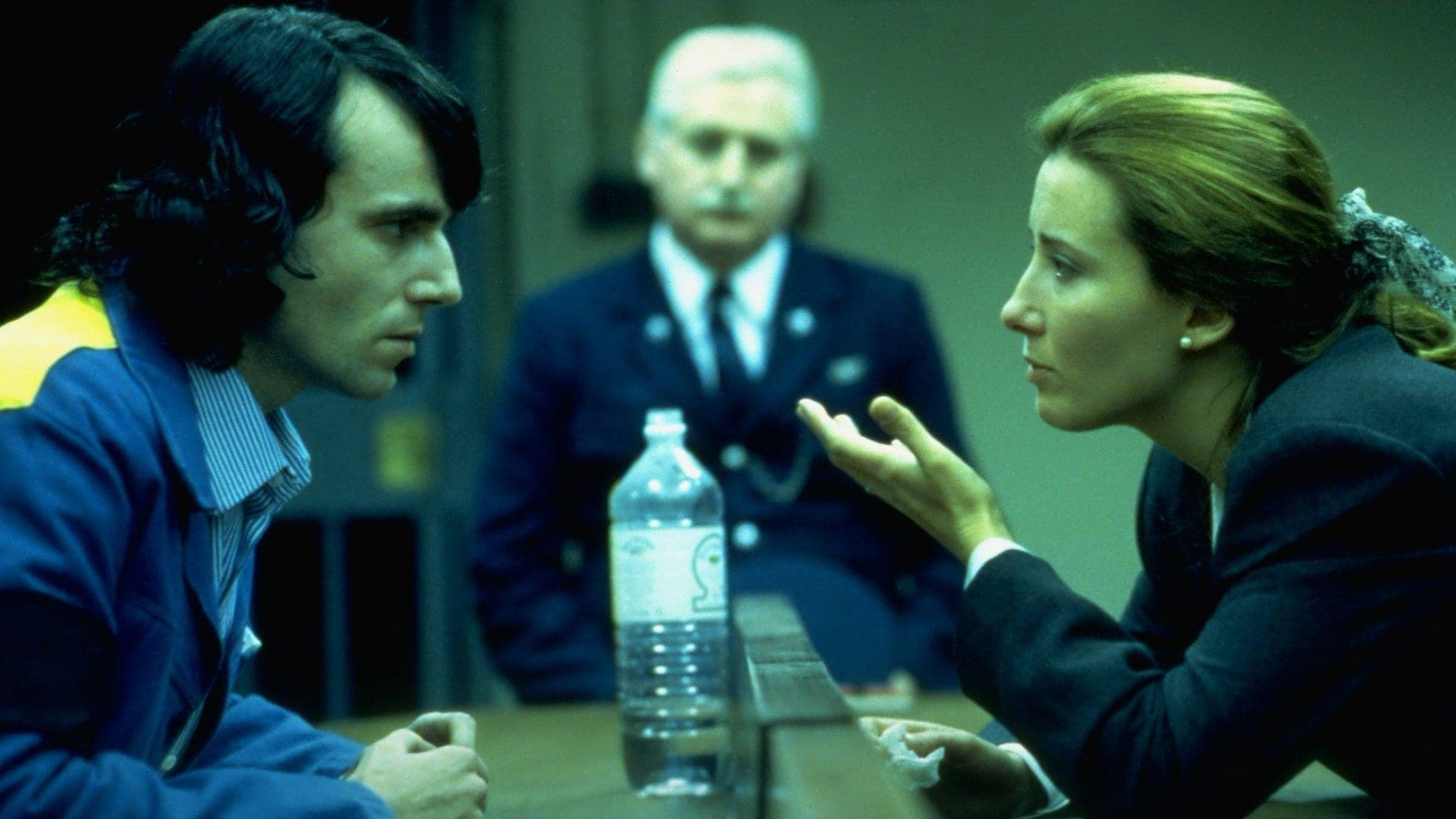
The legal material is less involving, and Emma Thompson, playing Gareth Peirce, has less rewarding dramatic ground than the two leads. After the complicated feeling between Gerry and Giuseppe, the handling of the case seems too straightforward to sustain the same interest. A drama about wrongful conviction should make the workings of the law compelling in their own right. Here, we are more engaged by what the proceedings mean to the family.
This is not a comfortable choice for an evening, nor does Sheridan pretend that anger is easy company. The father-and-son scenes demand attention to small injuries as well as the large, public wrong. Give Day-Lewis and Postlethwaite that attention, but keep a little scepticism for the telling of the case.