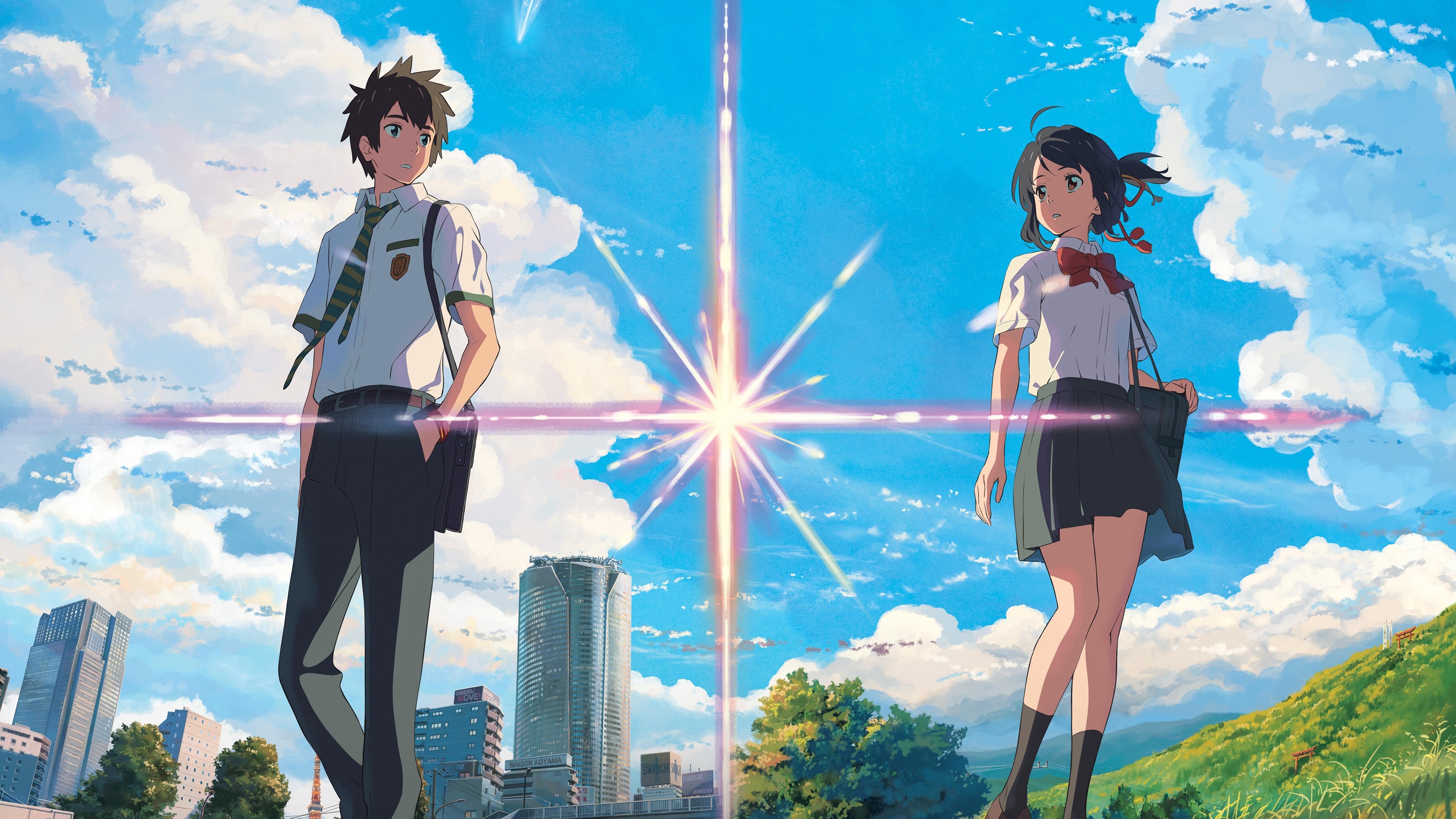
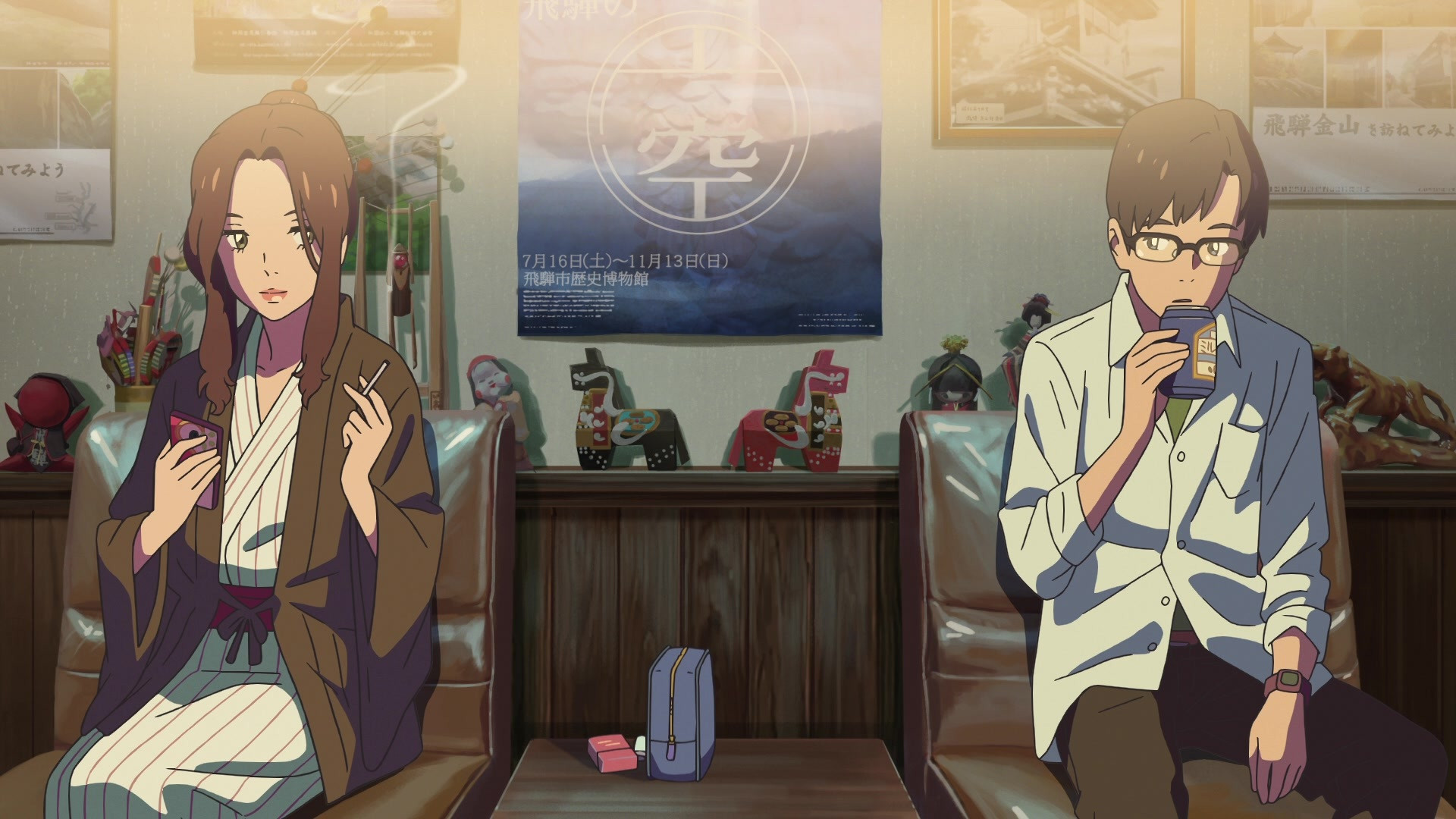
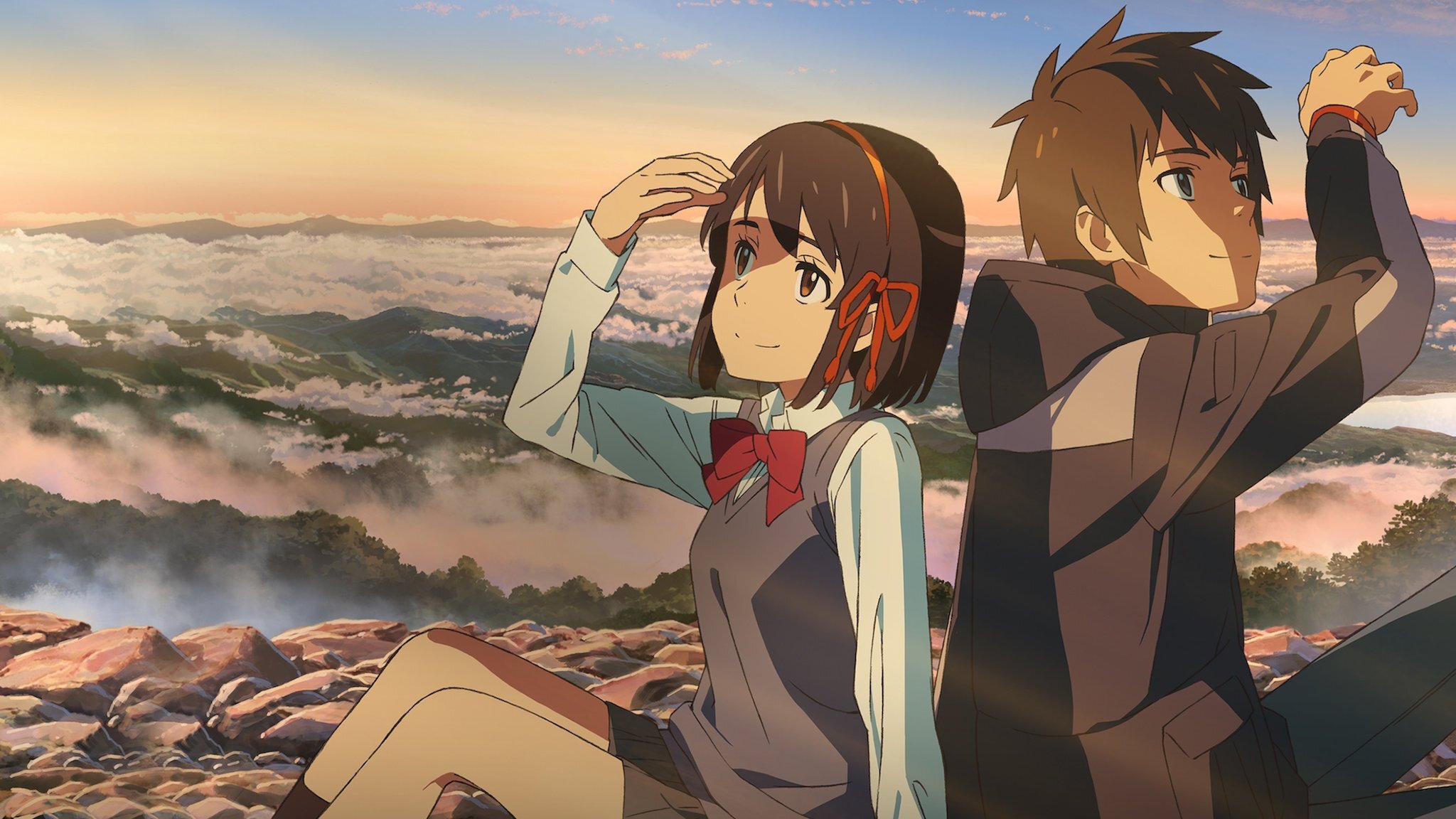
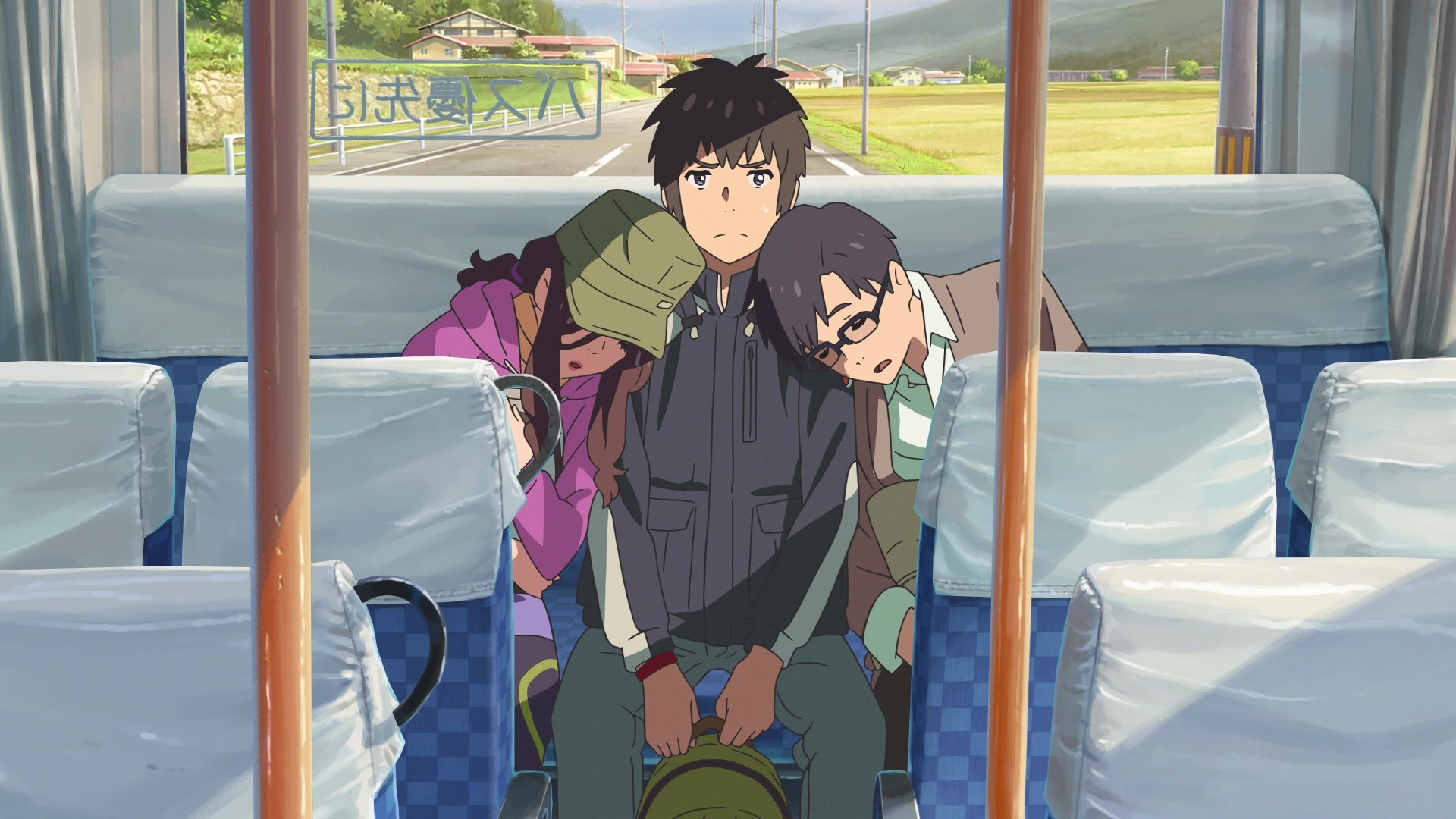
Makoto Shinkai’s animated body-swap romance is funny, tender and worth the effort of following its increasingly busy plot. We recommend it for its attention to two teenagers’ feelings, with a caveat about how complicated the storytelling becomes.
Makoto Shinkai’s Your Name. makes good use of a ridiculous teenage predicament: Taki and Mitsuha keep finding themselves in each other’s bodies. It is a warm, funny romance, and we recommend it despite a plot that grows needlessly difficult to follow. Shinkai, who directs and writes the screenplay, lets the bodily embarrassment matter before asking us to care about the larger mystery. That patience with adolescent awkwardness is what makes the grander emotions convincing.
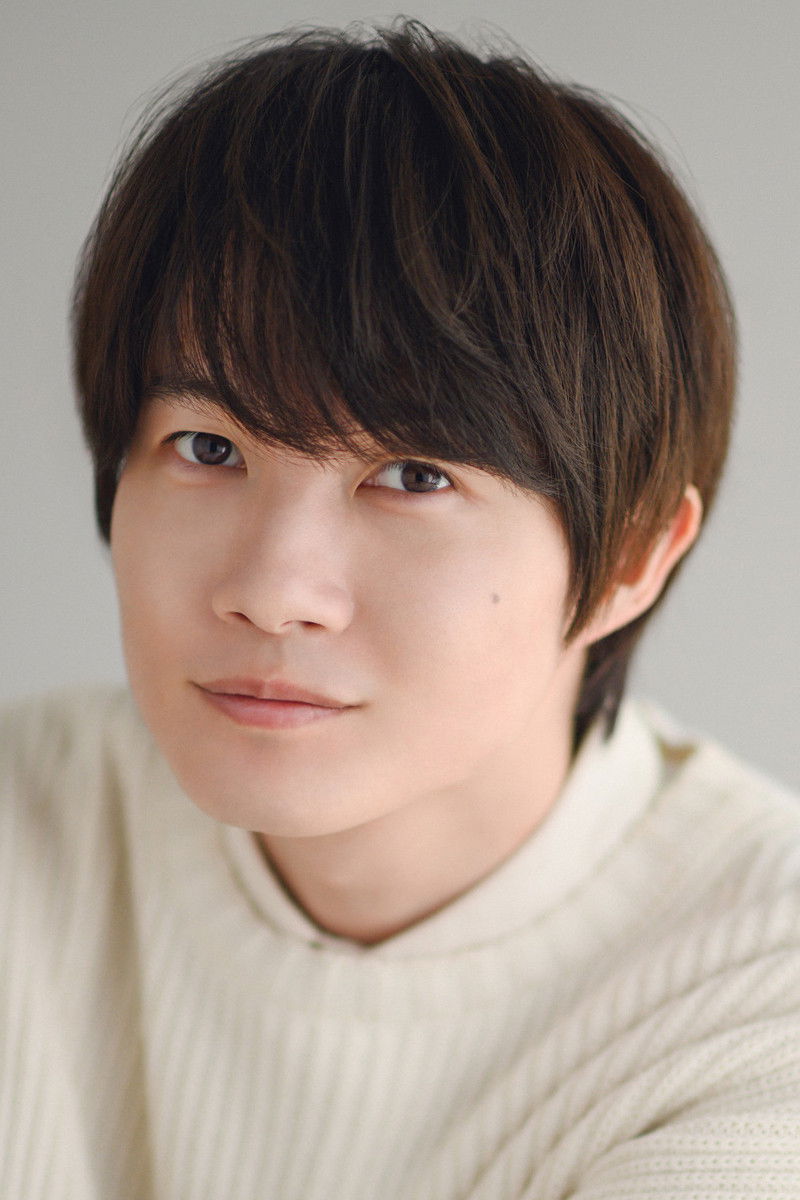
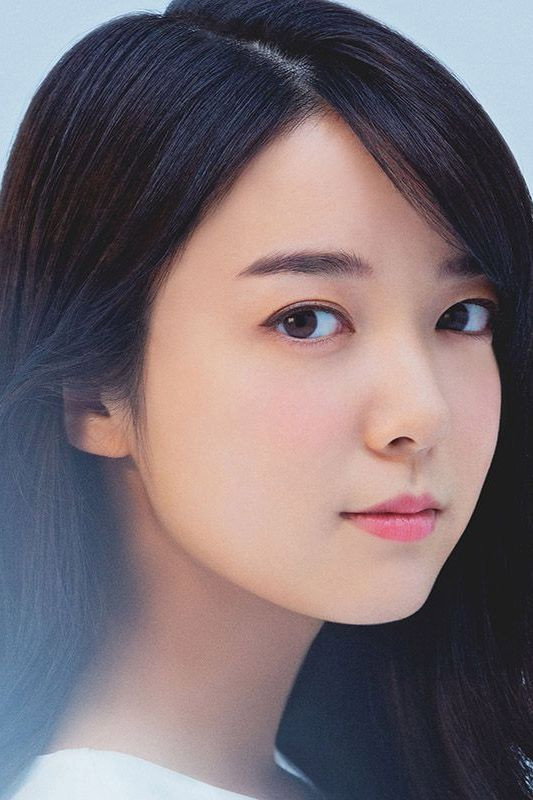
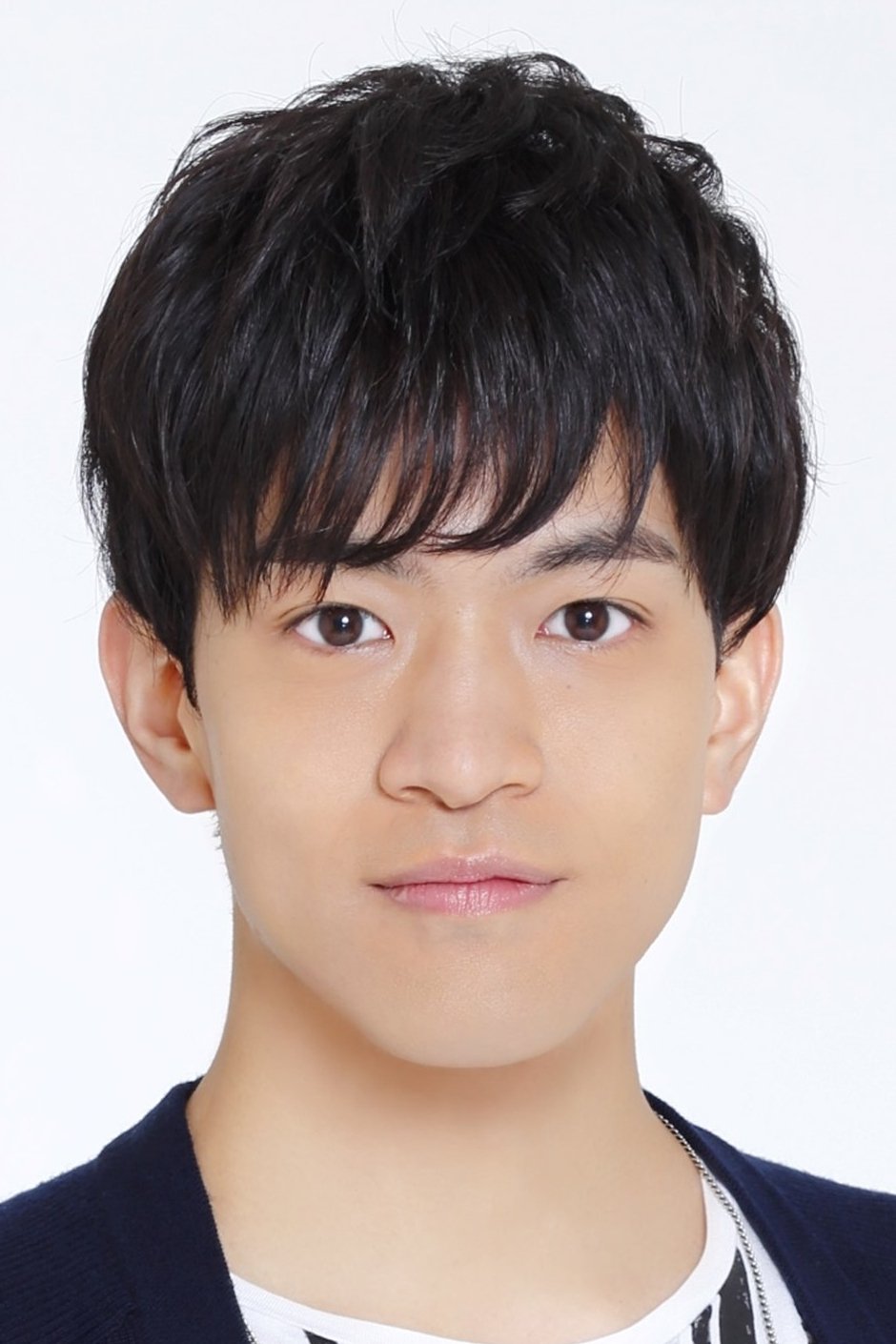
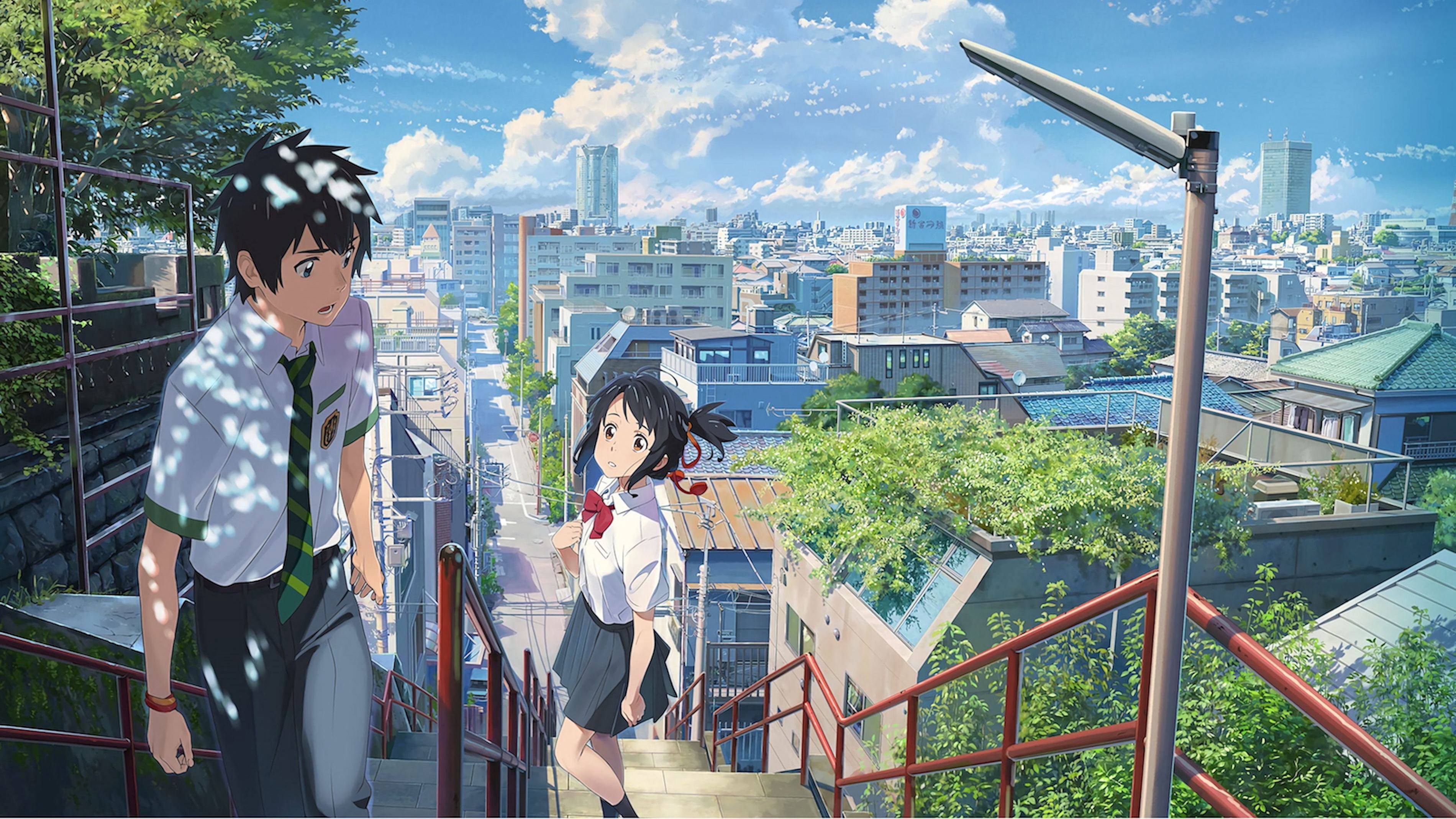
Ryunosuke Kamiki voices Taki Tachibana and Mone Kamishiraishi voices Mitsuha Miyamizu, with both performances helping to keep the body swapping personal. The jokes depend on unfamiliarity with a body and a life that have suddenly become somebody else’s responsibility. We laughed at the physical confusion, largely because neither performance tries to make embarrassment look charming. Some of this business hangs about after the joke has registered, and Shinkai occasionally seems reluctant to leave an easy laugh alone. Still, the leads have enough vulnerability to make their discomfort matter.
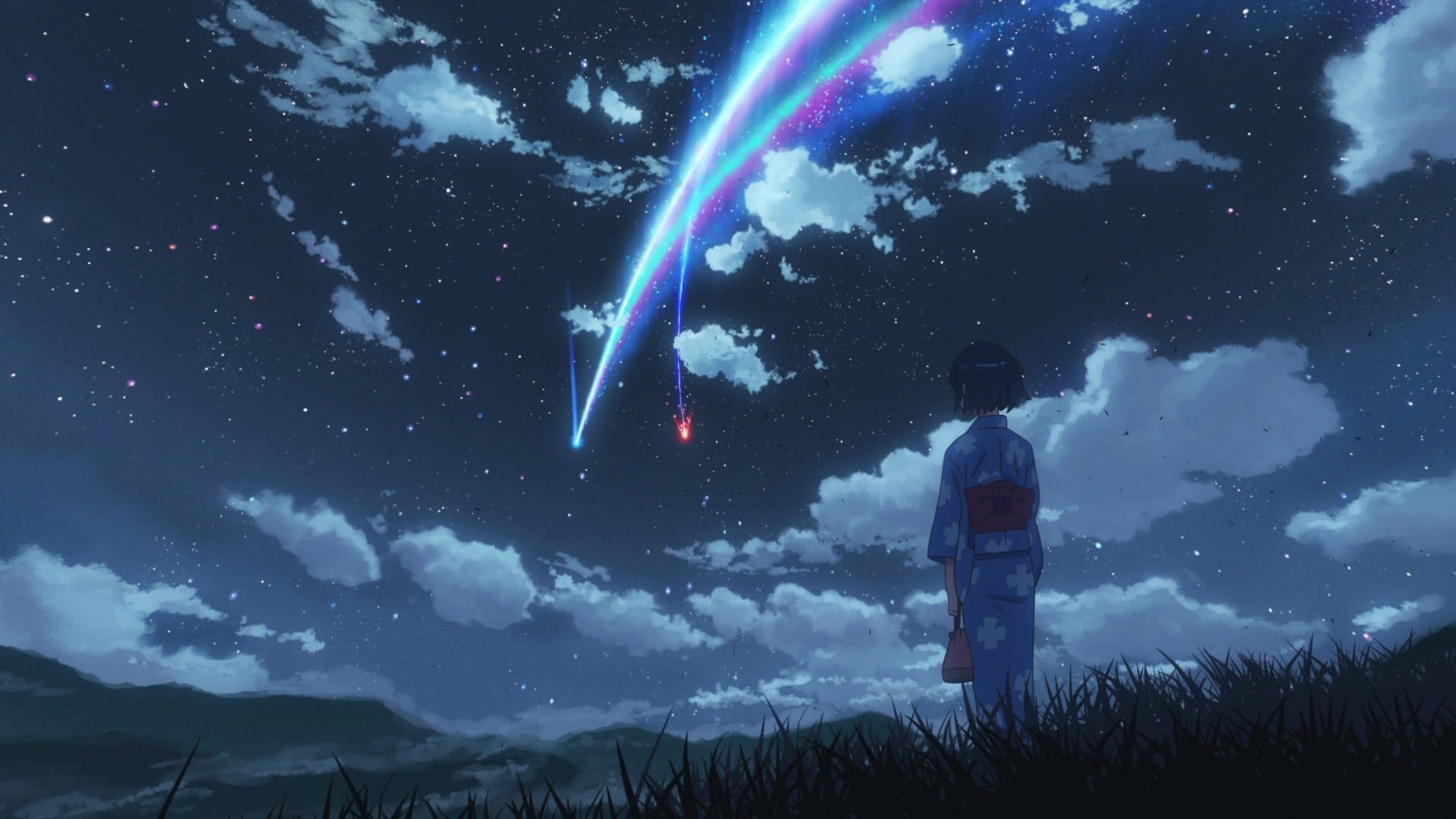
Hitomi Fukuzawa and Shinkai share the cinematography credit, and the images reward attention well beyond the central figures. The richly detailed cityscapes and natural landscapes make both lives seem worth spending time in. We felt unexpectedly wistful looking at the buildings and open skies. Their careful rendering suggests how much there is to miss even in surroundings somebody else might find ordinary. The backgrounds deserve attention even when nothing important is happening in them.
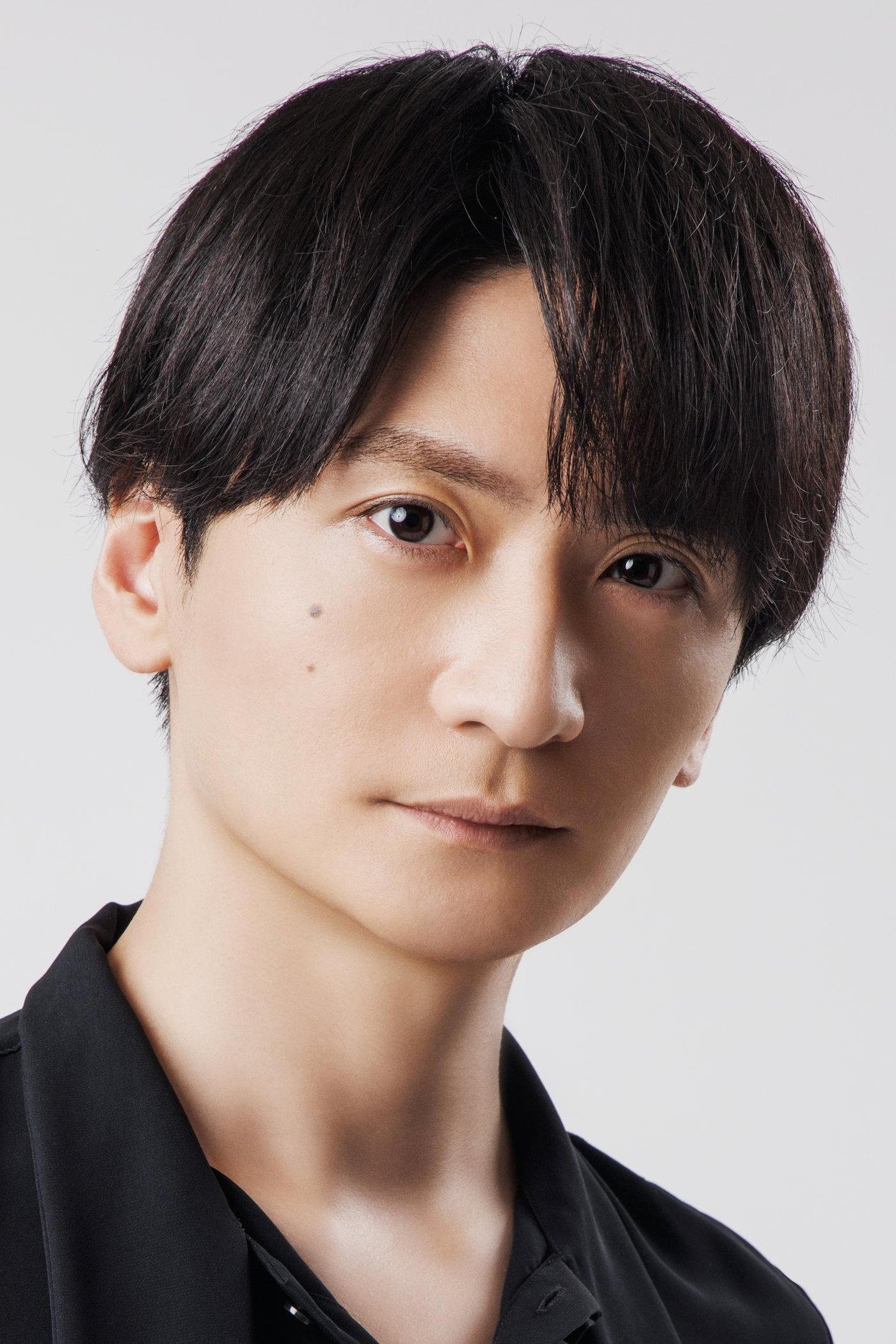
As editor, Shinkai gives the comic exchanges a pace that keeps the premise from becoming an exercise in explaining rules. The music, with Yojiro Noda among its credited contributors, adds to that forward movement. Its eagerness suits a story in which small personal feelings can seem enormous, and the film earns much of its unabashed romanticism through that match of sound and pace. At times, though, we would welcome a little less encouragement to feel everything quite so intensely.
The more serious difficulty comes in the later plotting, whose developments we will leave alone. Shinkai keeps adding complications when the relationship is already interesting enough to hold our attention. Following the mechanics briefly becomes work, and the two people we care about have to compete with our effort to understand what is possible. It is a real weakness, although calling the whole story incomprehensible would overstate it. We remain clear about what matters to the characters through the more tangled passages.
A body-swap romance could easily use its premise to teach two teenagers a tidy lesson about empathy. What we value here is the space Shinkai leaves for awkwardness, attraction and the sheer inconvenience of understanding somebody else. There is sweetness without the suggestion that these young people are already wise about their feelings. That helps the film survive stretches in which the mystery gets too busy.
At 106 minutes, this is not a film we would shorten by much; we would simply let a few emotional moments stand without so much assistance. Anyone coming mainly for a romance should find enough here to forgive the complications. Allow a little patience for the plot. If elaborate fantasy usually keeps you at a distance, try this one for the two embarrassed teenagers at its centre.