Anatoly Solonitsyn makes intellectual anguish feel uncomfortable and personal. We value his restraint and severity, especially in his work with Andrei Tarkovsky, though even he cannot always make a philosophical discussion sound like something a person needs to say.
Fi1m perspective
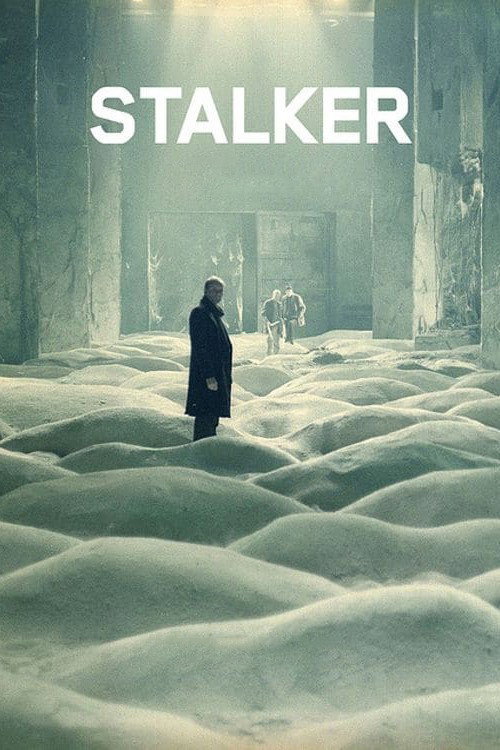
In Stalker (1979), Anatoly Solonitsyn’s Writer has the difficult job of making philosophical conversation feel personal. Alongside Mykola Hrynko’s Professor, he must give the ideas a human reason for being spoken, even when the writing has supplied too little of one. His severe features and restrained manner suit Andrei Tarkovsky’s troubled intellectuals, but suitability only gets an actor so far. We warmly recommend the film, while recognising that its dialogue sometimes tells us more about a subject than about the man who has brought it up.
The partnership began with the title role in Andrei Rublev (1966), the breakthrough that established Solonitsyn’s reputation. He could make a man preoccupied with difficult questions worth watching, without signalling every change of feeling. Tarkovsky brought him back as Dr Sartorius in Solaris (1972) and the Forensic Doctor in Mirror (1975), before casting him as the Writer. Across those four films, the recurring choice makes sense: Solonitsyn holds our attention without making his characters easy company.
The severity was useful elsewhere, too. In Larisa Shepitko’s The Ascent (1977), Solonitsyn plays the interrogator Portnov, and the precision of his performance makes him chilling. Shepitko puts his restraint to a different use from Tarkovsky, letting it serve a threatening figure. There is a limitation to the repeated casting as tormented or forbidding men: we can begin to expect the intensity, rather than notice what he does with it.
Stalker gives us the clearer example of writing that asks too much of him. We felt our attention drift when the Writer and Professor kept pressing a point we had already understood. The faces, music and green Zone are more persuasive, and make the film worth the patience it asks for. Our reservation is with the missing motivation, rather than with his willingness to take the dialogue seriously. Start there for the uneasy company, then try The Ascent to see how threatening his restraint can be.
Biography
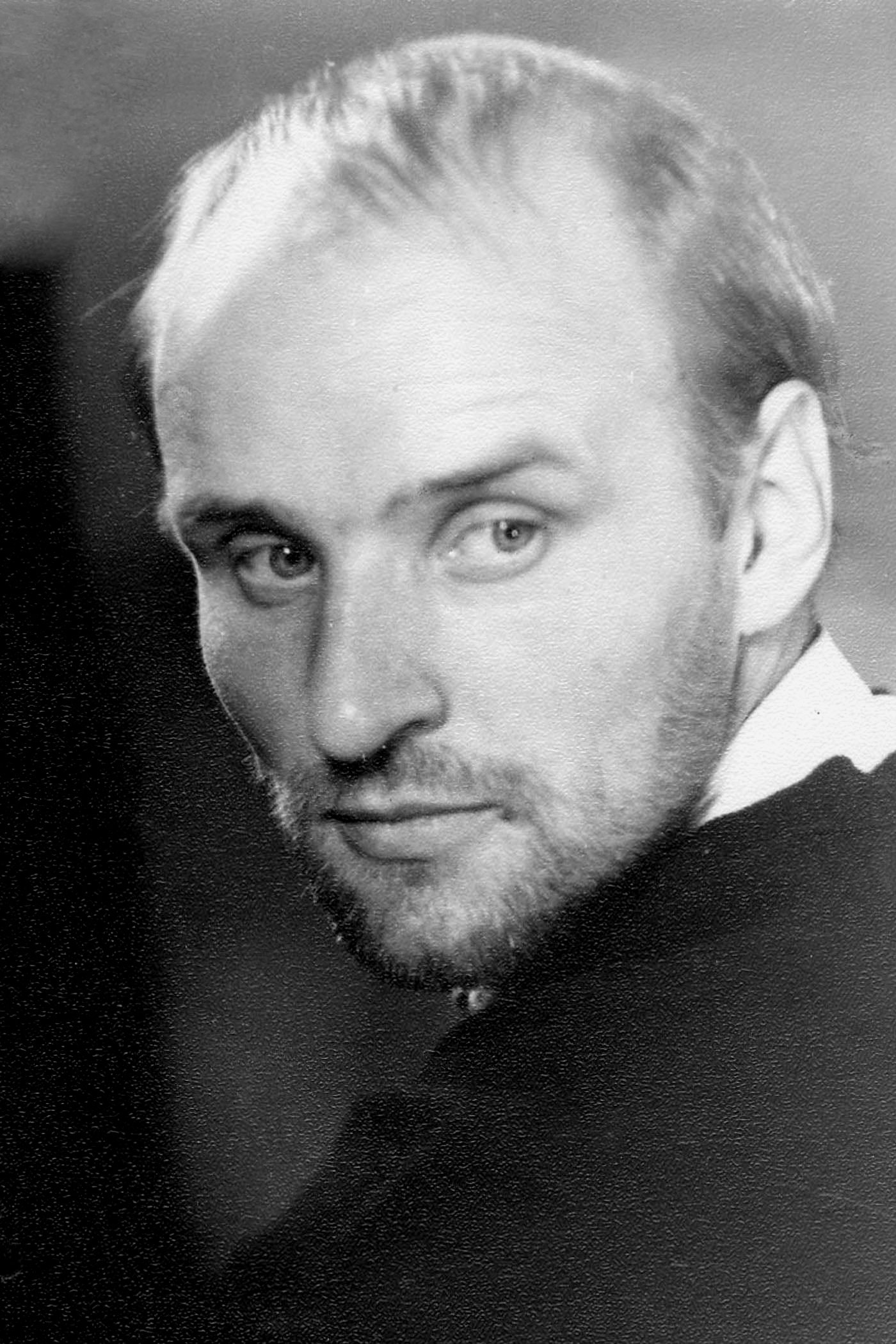
Anatoly (Otto) Alekseyevich Solonitsyn was a Soviet actor. He was born on 30 August 1934 in Bogorodsk, Russian SFSR, Soviet Union, and died on 11 June 1982 in Moscow.
Solonitsyn is best known for his collaborations with director Andrei Tarkovsky. He played the title role in Andrei Rublev (1966), Dr Sartorius in Solaris (1972), a forensic doctor in Mirror (1975), and the Writer in Stalker (1979). He also appeared in The Ascent (1977) and At Home Among Strangers, a Stranger Among His Own (1974). In 1981 he won the Silver Bear for Best Actor at the Berlin International Film Festival for his performance in Twenty Six Days from the Life of Dostoyevsky (1981).
Tarkovsky discovered Solonitsyn while the actor was working as an amateur performer and cast him in Andrei Rublev. The director later described Solonitsyn as his favourite actor and had intended to cast him in Nostalghia (1983) and The Sacrifice (1986).