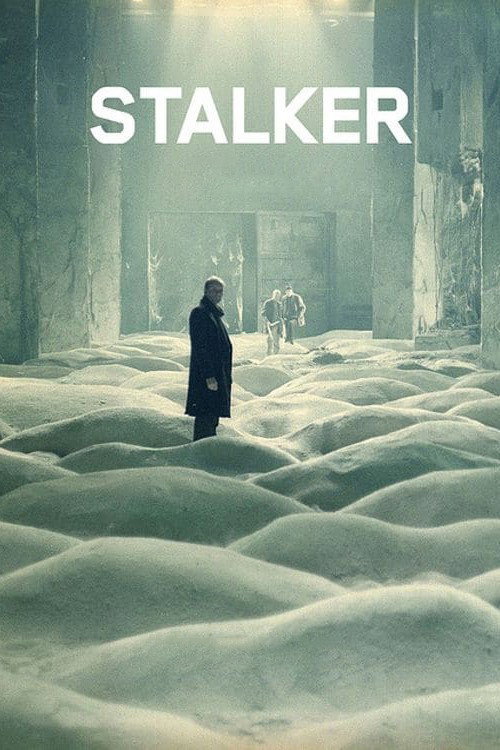
Andrei Tarkovsky lets landscapes and faces hold our attention long enough to become unsettling. We warmly recommend his cinema, especially Stalker, though the philosophical talk can grow heavy when the images have already given us enough to consider.
Fi1m perspective
The green landscape in Stalker (1979) ought to be a relief after the ashen world outside the Zone. Instead, Tarkovsky gives us time to look for something that might explain why the place troubles us. A guide takes people into it, and their journey raises questions about faith and the difficulty of knowing what they want. We felt uneasy watching these men search for reassurance in surroundings that offered so little. The film's patience makes their need for answers affecting, even when the conversation becomes hard going.
From his first feature, Ivan's Childhood (1962), Tarkovsky built a body of work concerned with memory, childhood and time. Science fiction gave him a way to examine memory and desire in Solaris (1972), before Mirror (1975) brought personal memory into a non-linear account of family life. That movement between the imagined and the remembered matters more to his films than a tidy sequence of events. After Stalker, he made Nostalghia (1983) in Italy and The Sacrifice (1986) in Sweden. Homesickness comes to the foreground in Nostalghia, a subject well suited to a director so absorbed by memory.
In Stalker, the cinematography credited to Leonid Kalashnikov and Aleksandr Knyazhinsky uses the change in colour to make us inspect the landscape more closely. Tarkovsky's production design gives that landscape enough prominence for the searching to matter. His long takes ask us to stay with faces and places beyond the point at which another film might have supplied an explanation. The water, rain and reflections that recur across his work are worth watching in themselves; trying to decode everything can get in the way of looking.
The weakness is the talk, which sometimes grows heavier than the questions require. Stalker is strongest when the men's faces suggest how much their convictions matter to them, rather than when they try to explain those convictions. Tarkovsky keeps their need to believe close enough for us to care. That is why the slowness seldom feels like an empty demand on our attention. Start with Stalker, and allow it an evening without interruptions.
Biography
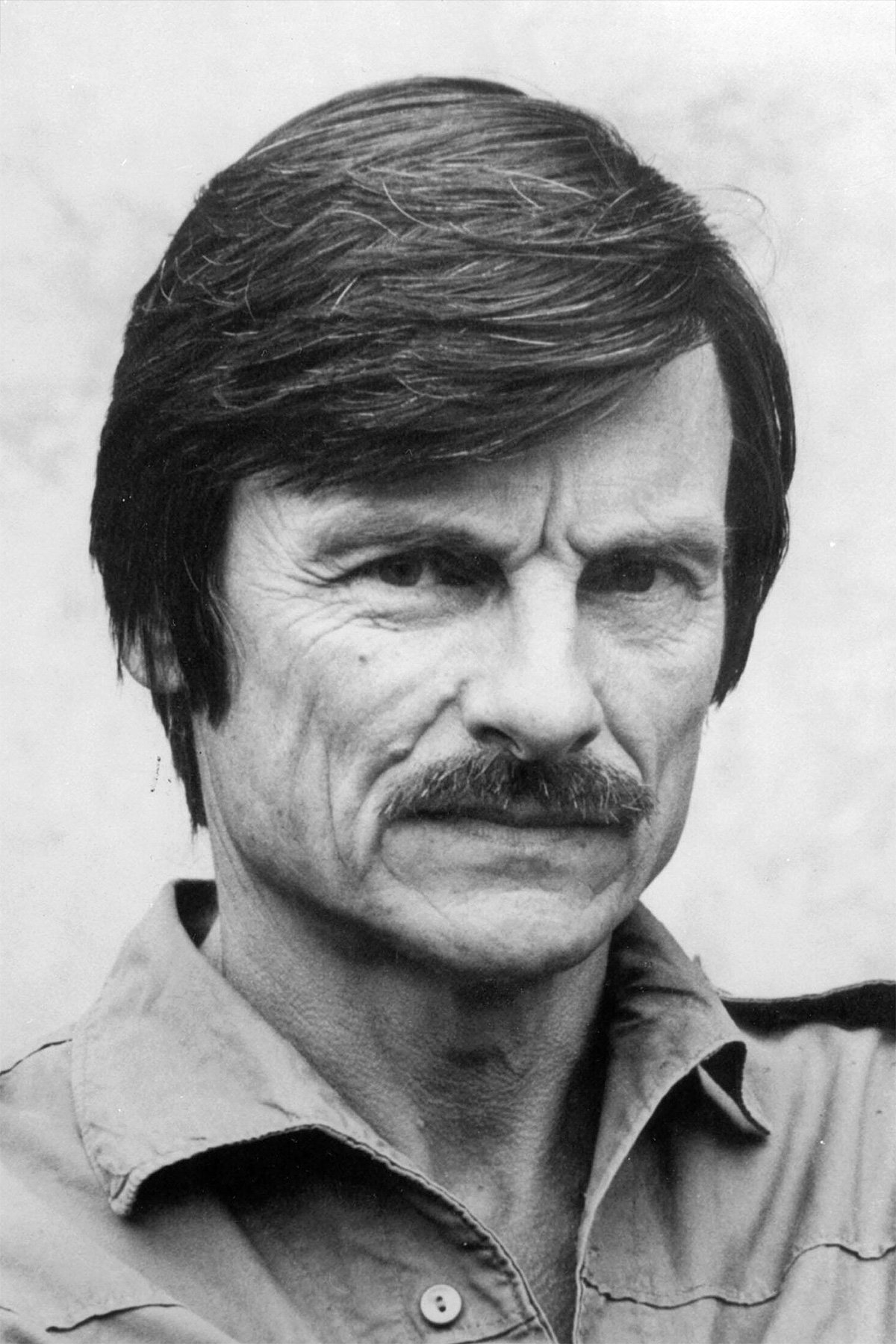
Andrei Tarkovsky was a Soviet film director and screenwriter. He was born on 4 April 1932 in Zavrazhye and died on 29 December 1986 in Paris.
He trained at the All-Union State Institute of Cinematography (VGIK) in Moscow. His first feature, Ivan's Childhood (1962), won the Golden Lion at the Venice Film Festival. He directed Andrei Rublev (1966), Solaris (1972), Mirror (1975) and Stalker (1979), on which he also received a screenplay credit.
Later films include Nostalgia (1983), made in Italy, and The Sacrifice (1986), made in Sweden. He received awards at Cannes and was posthumously awarded the Lenin Prize.