Andrei Tarkovsky’s Stalker is a slow, unsettling science-fiction film that rewards close attention. The philosophical talk sometimes grows heavy, but the faces, music and green Zone make this a journey we warmly recommend.
Andrei Tarkovsky’s Stalker is demanding, unsettling science fiction, and we warmly recommend it to anyone prepared to let a film take its time. The starting point is a guide who earns his living taking people into the Zone, despite his wife’s objections. Tarkovsky makes that work carry questions about faith, purpose and the difficulty of understanding our own desires. At 162 minutes, the film gives those questions room to become uncomfortable.
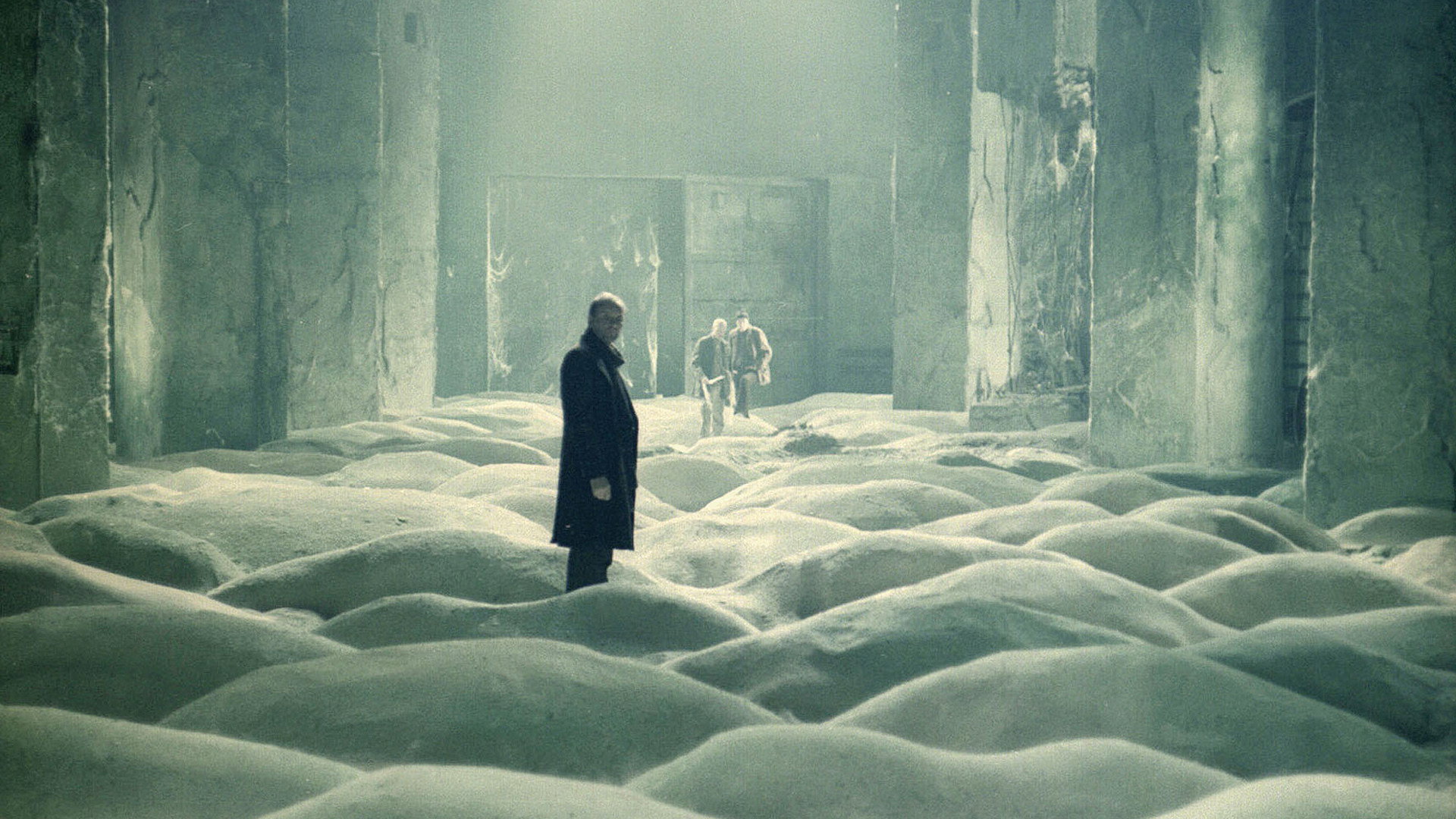
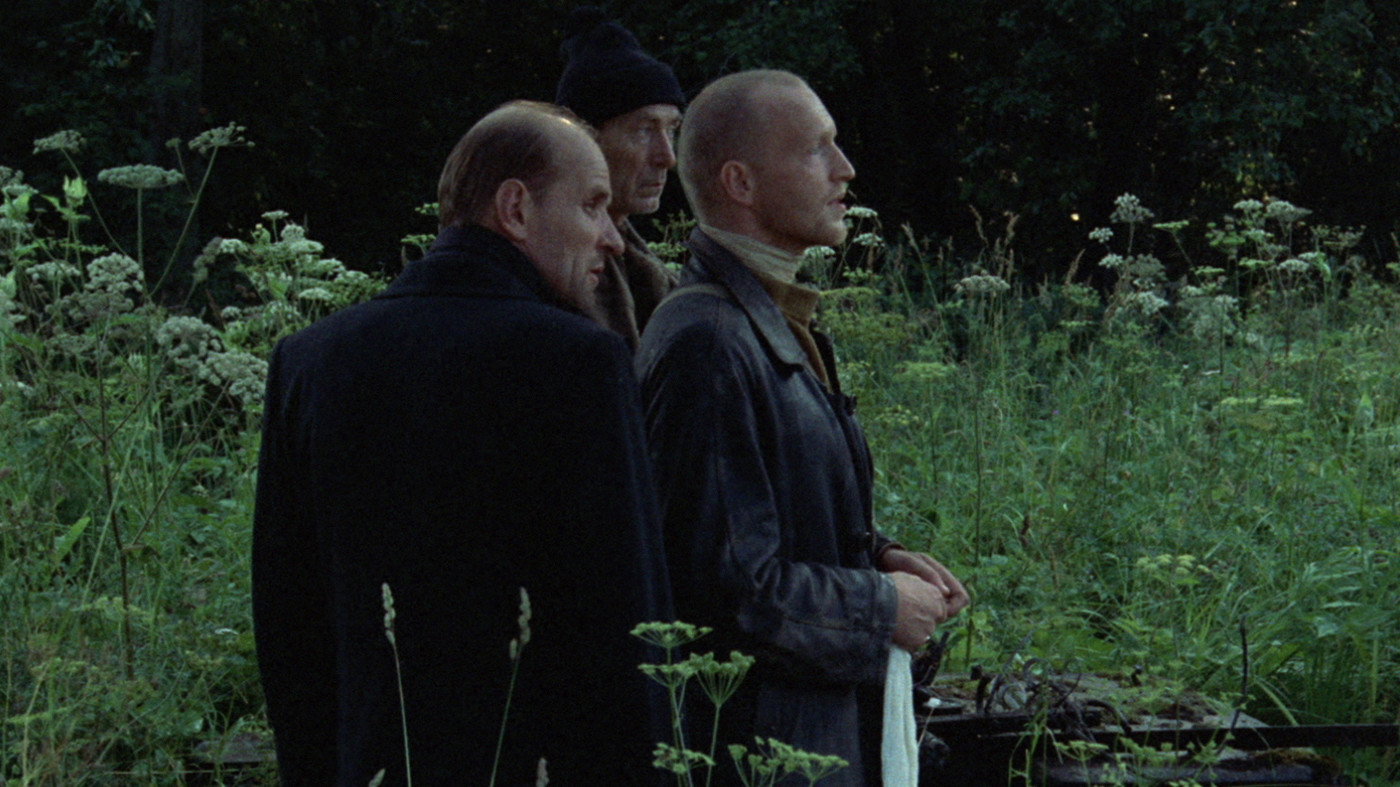
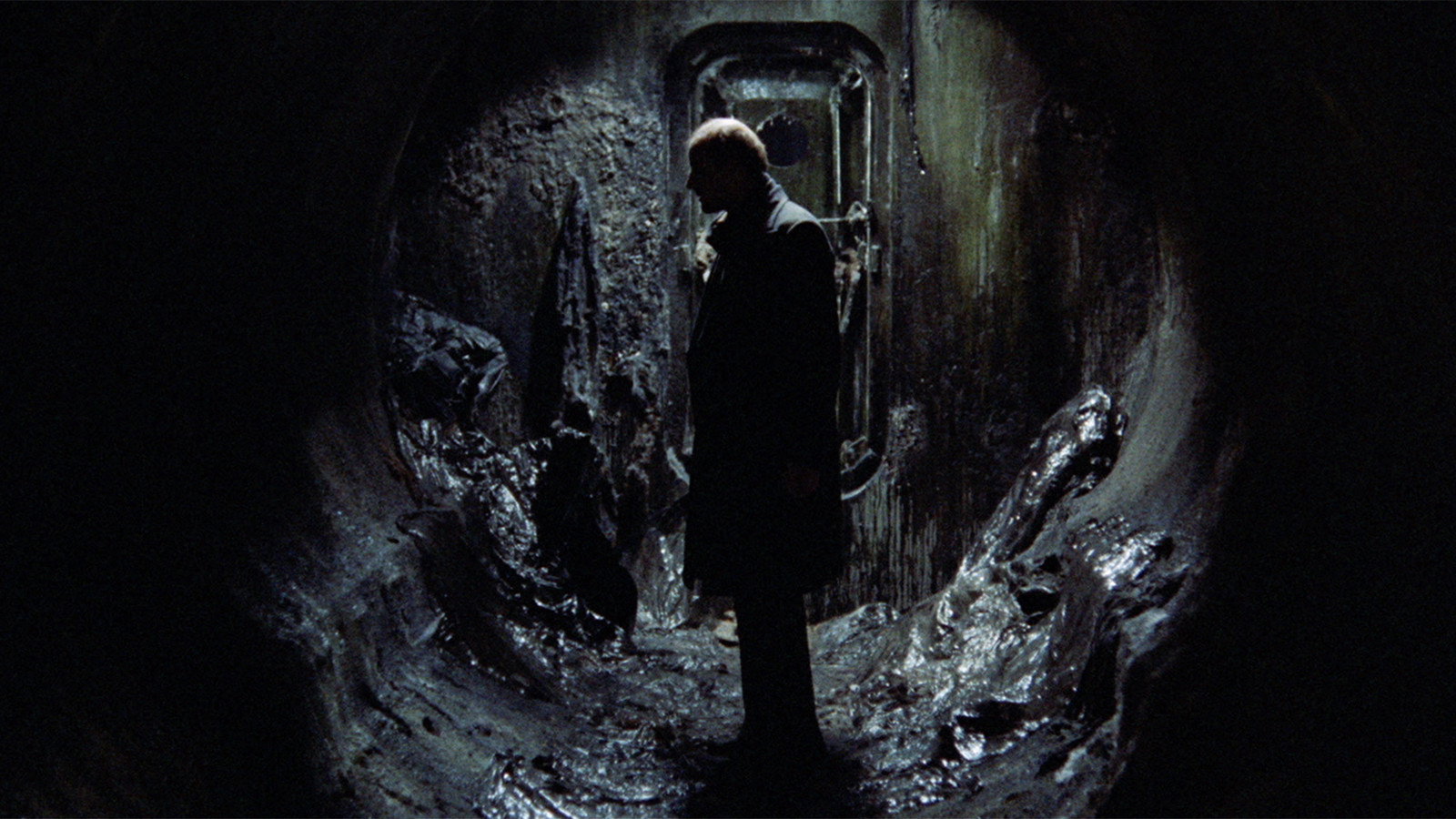
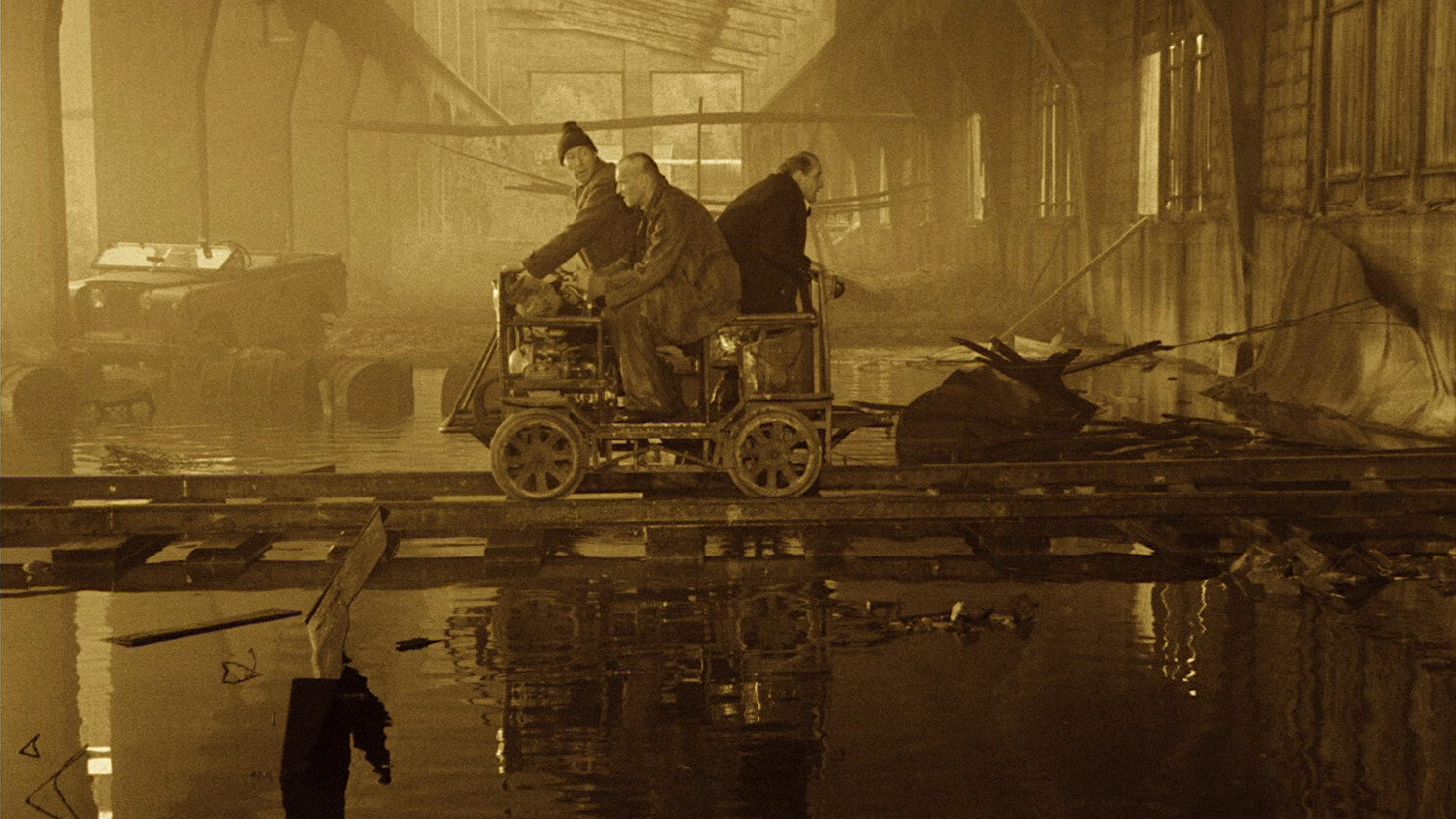
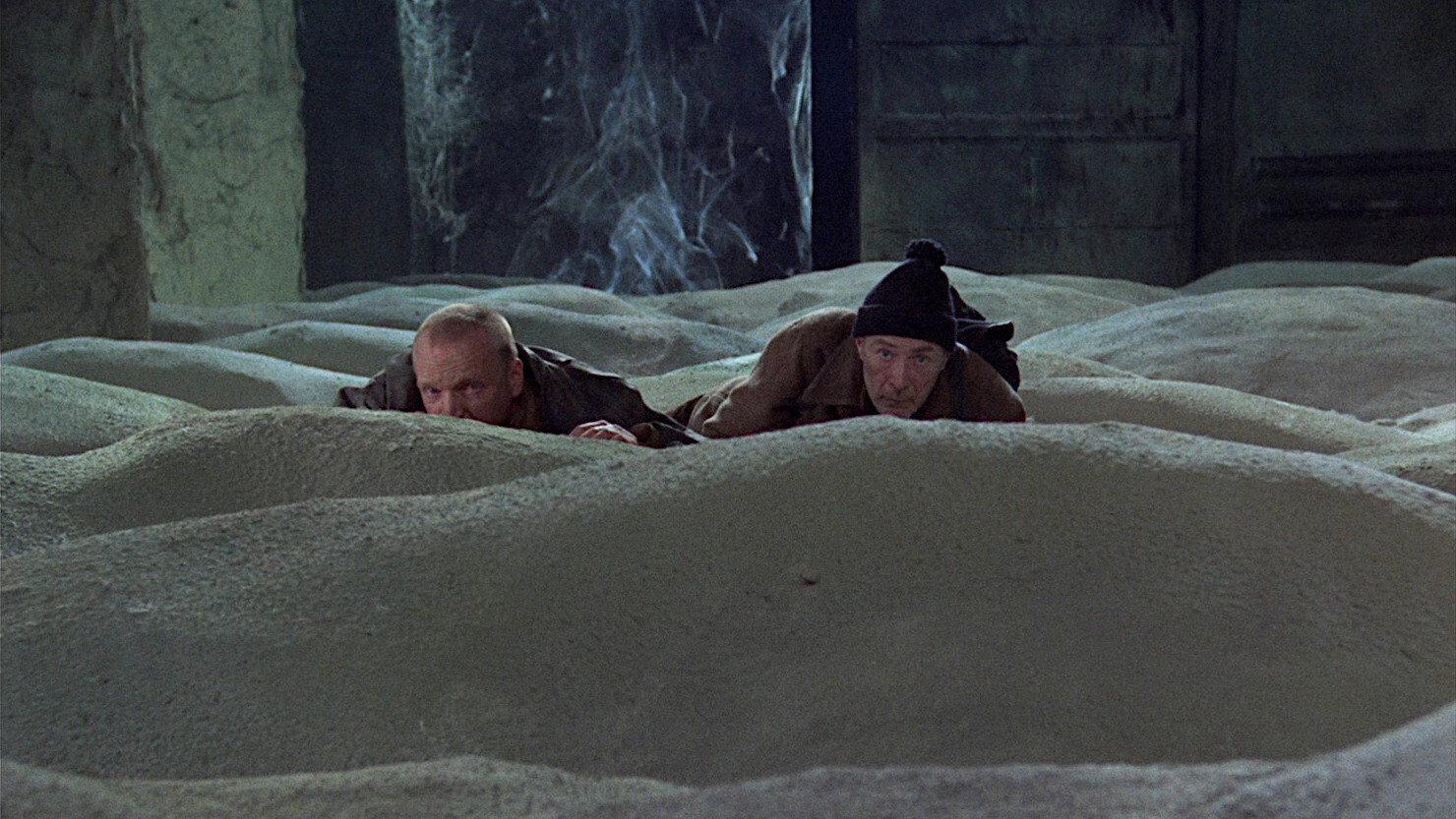
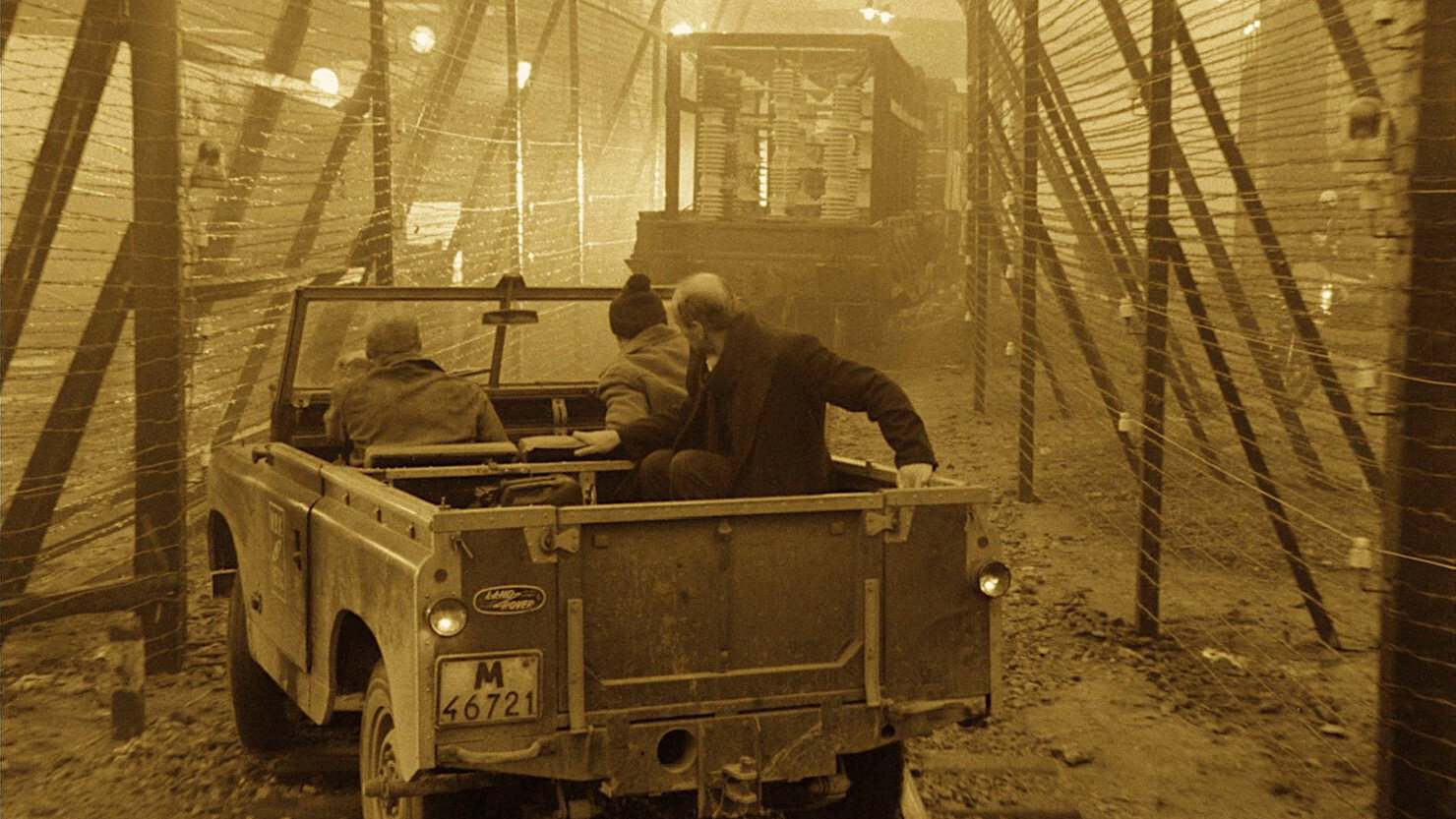
The contrast between the ashen world outside and the green Zone initially looks easy enough to read. In the cinematography credited to Leonid Kalashnikov and Aleksandr Knyazhinsky, however, greenery offers surprisingly little comfort. The colour invites closer attention, which makes the place more troubling as we search it for something that might explain its hold on the people. Andrei Tarkovsky’s production design gives the landscape enough prominence to make that searching an important part of watching.
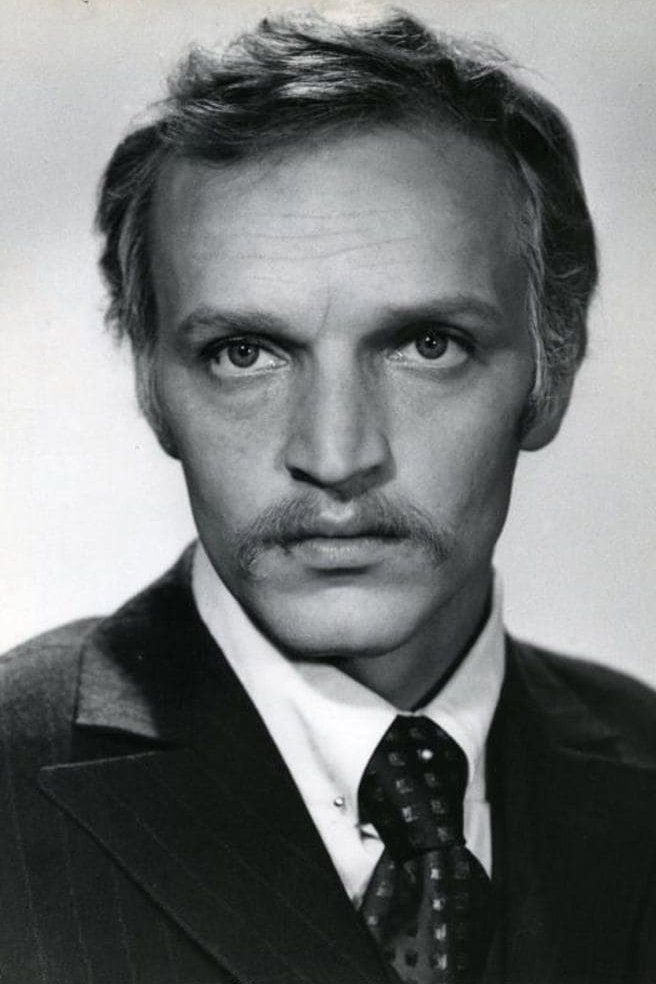
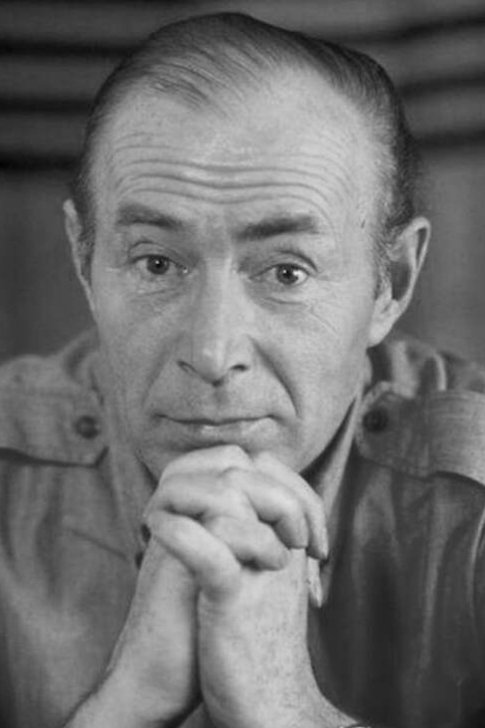
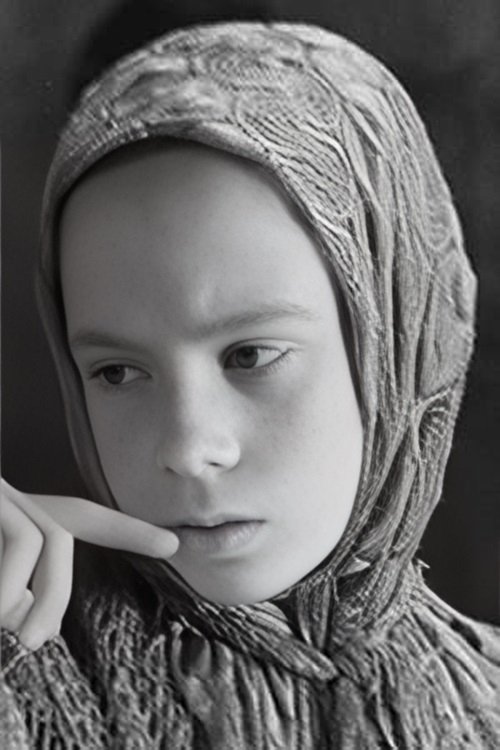
The close-ups have a similar effect, allowing us ample time to inspect faces without making the people easy to know. We were unsettled by that prolonged looking, particularly at Alexander Kaidanovsky’s Stalker. Kaidanovsky makes the guide’s seriousness seem vulnerable, and the camera stays with him long enough for us to question his confidence. The performance matters because faith would be a dry subject here without somebody who appears to need it.
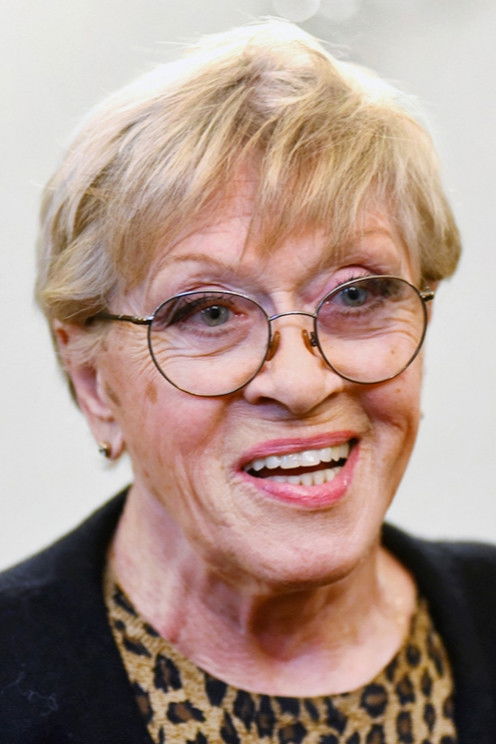
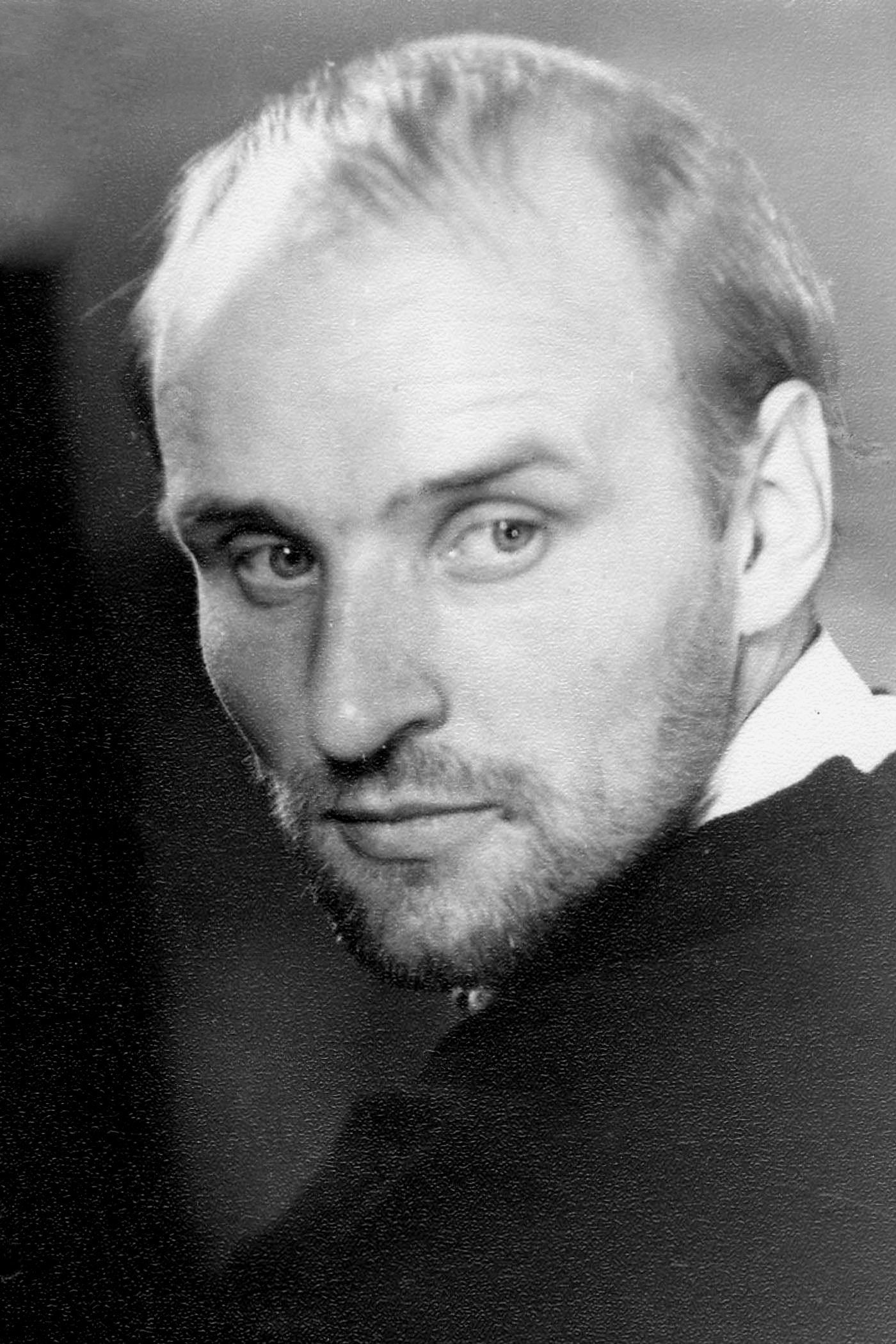
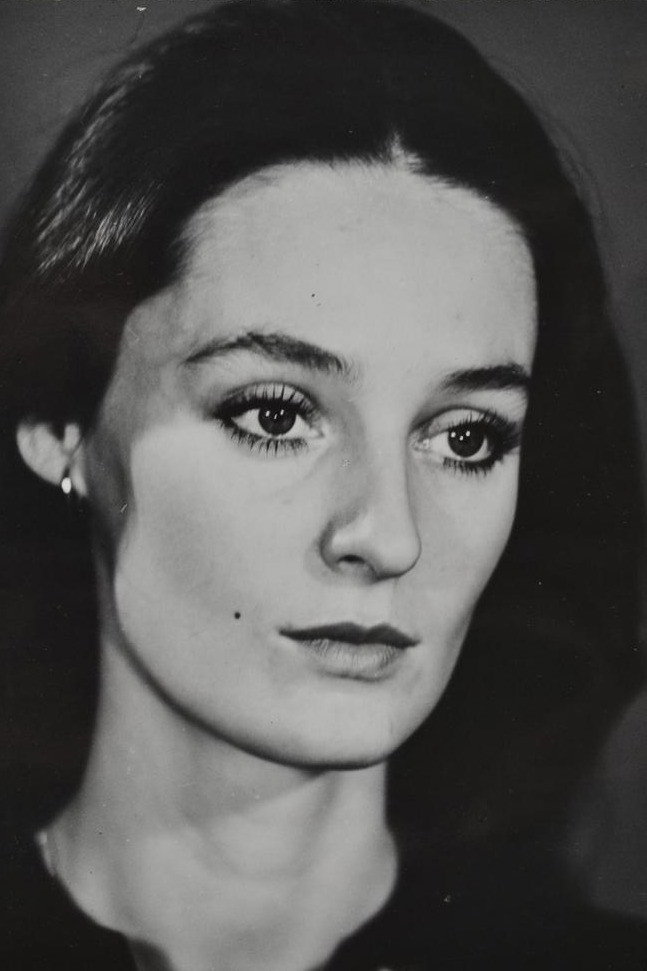
Anatoly Solonitsyn’s Writer and Mykola Hrynko’s Professor have the harder task of keeping the philosophical debate human. The writing sometimes gives them a subject to discuss without enough sense of why this particular person needs to discuss it. Some exchanges keep pressing a point after we have understood it, and our attention begins to drift. Alisa Freindlich’s Stalker’s Wife helps through her objection to the guide’s work. She gives us a plain reason to question his commitment, without requiring another discussion of what belief means.
Lyudmila Feiginova’s editing is crucial to the film’s slow pace, giving the close-ups and landscapes time to occupy us. There is a risk of staring dutifully and waiting for the next piece of information. Eduard Artemyev’s music helps prevent that, making the Zone feel strange even when we think we have begun to understand what we are seeing. It is worth listening closely: the score contributes to the unease without making the place any easier to explain.
We like science fiction that lets an unfamiliar place remain difficult to understand. Here, the faces, changes in colour and music keep suggesting more than the men can explain. There is something troubling about watching people carry their convictions into surroundings that offer so little reassurance. Tarkovsky keeps bringing us back to the people doing the wondering, and their need to believe that their questions have answers.
This is a film to watch without worrying about having the correct interpretation ready for the credits. We would happily sit through its slower stretches again for the unease of those close-ups and the music. Give it an evening when neither of you is waiting for things to speed up.