Alex Garland’s science-fiction horror makes a changing forest frightening without losing our curiosity about it. The opening drags and the dialogue can be stiff, but the unease is worth both.
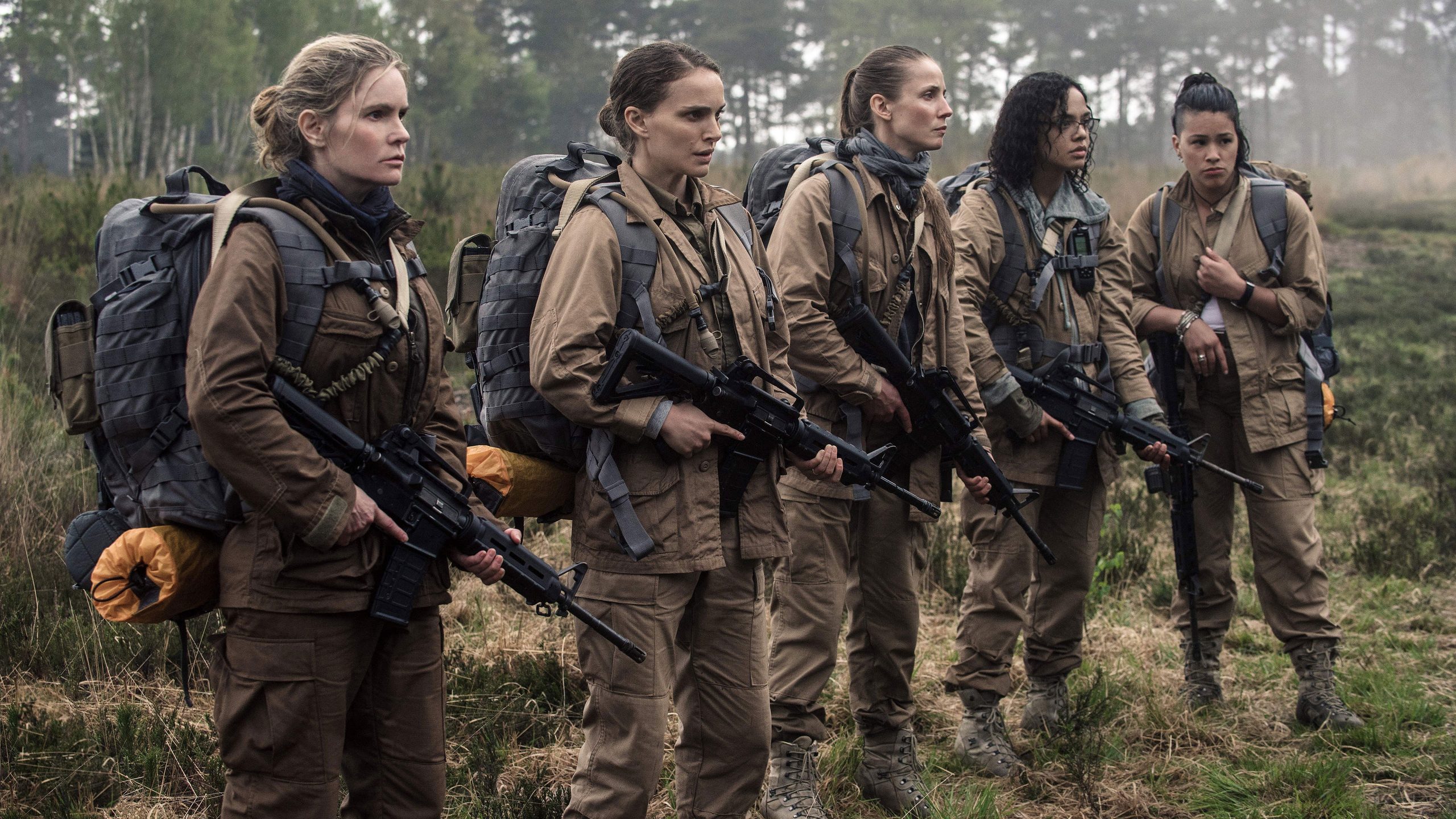
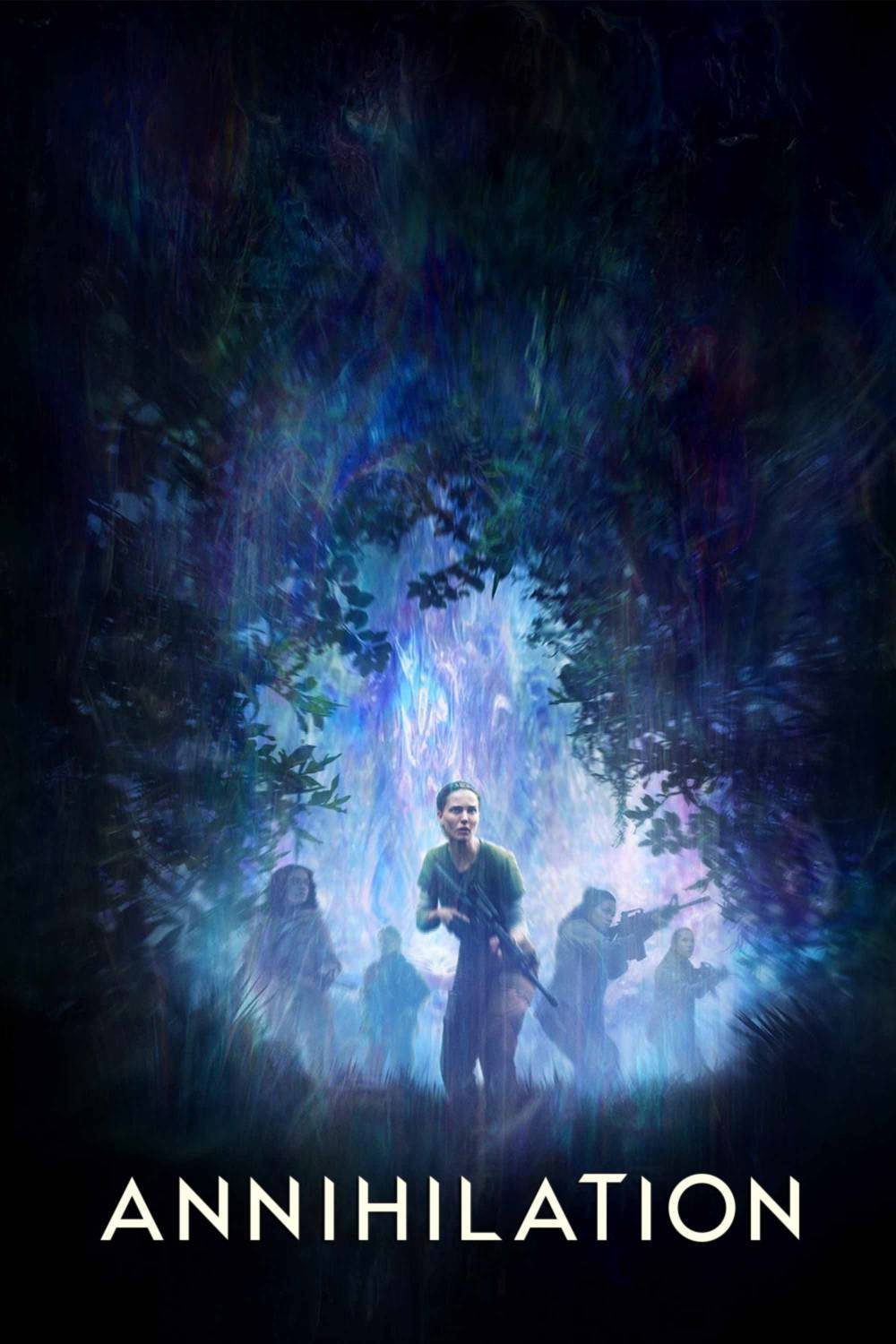
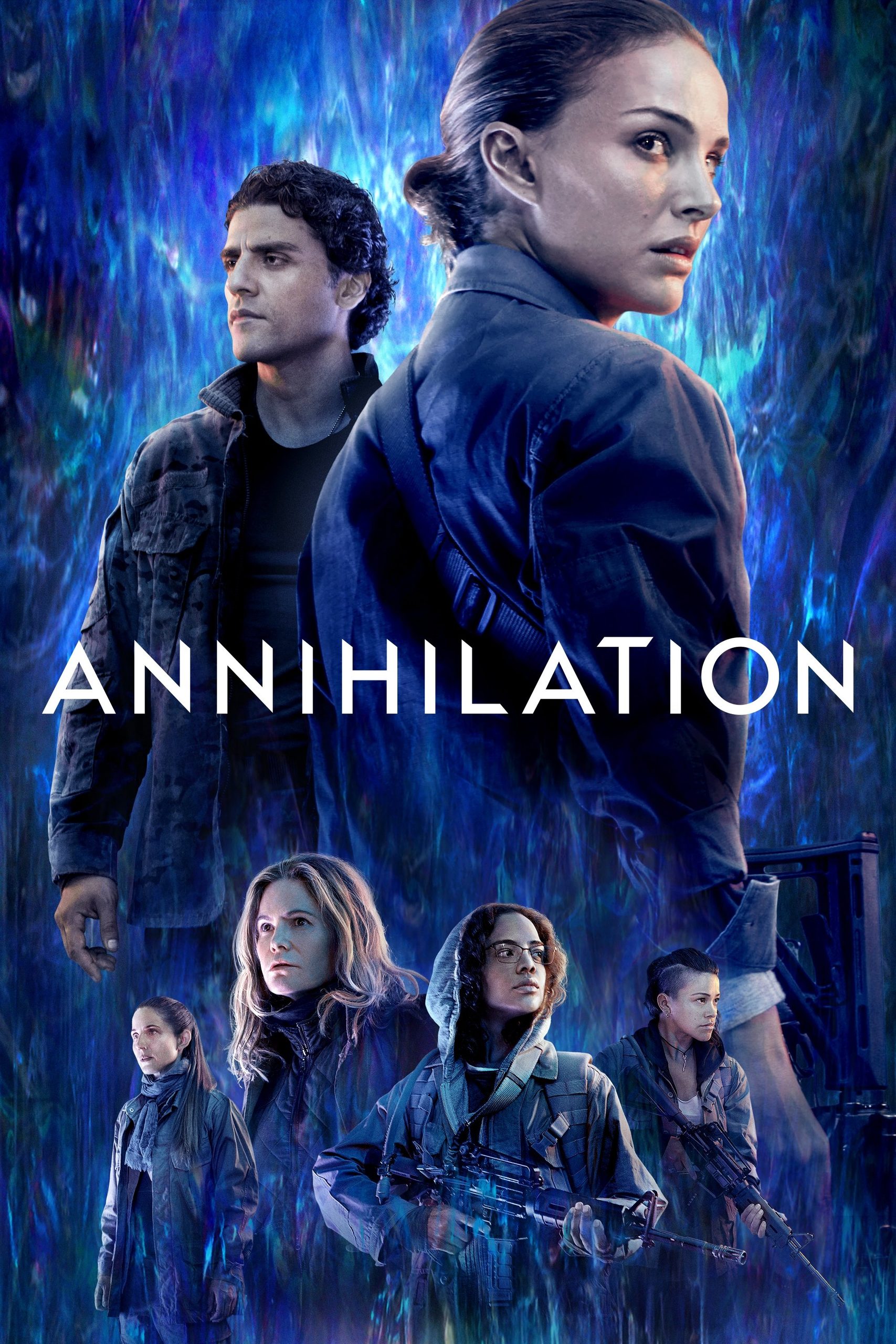
Annihilation is an intelligent, frightening science-fiction film that makes us wait too long to enter its strange forest. Alex Garland sends an all-female expedition into a mutating zone, then lets the uncertainty spread from the surroundings to the people looking at them. The film asks how much of a person can change before she stops being herself, and connects that question to grief and self-destruction. We recommend it warmly, provided a slow opening and some stiff explanatory dialogue are not likely to break the spell.
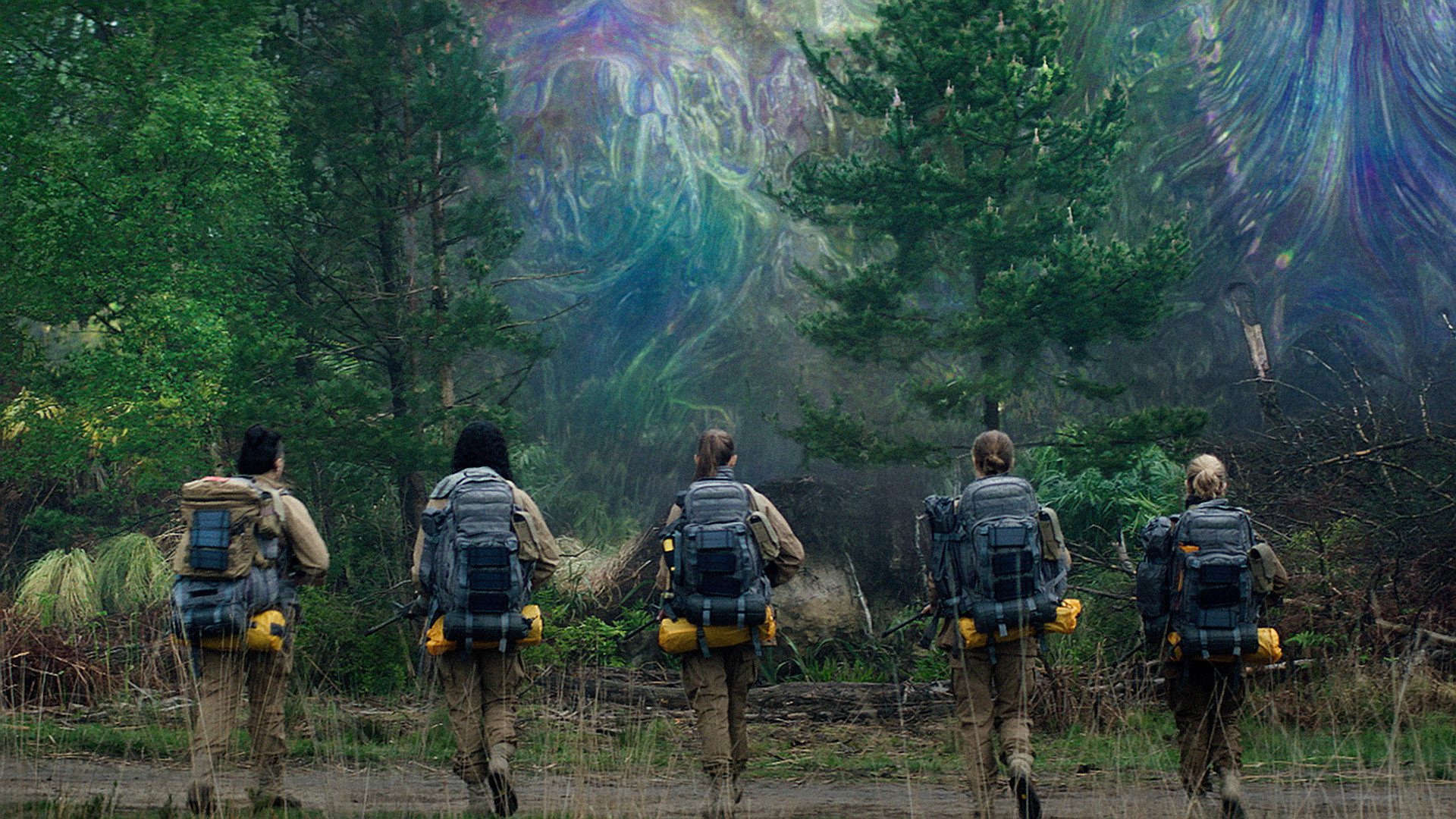
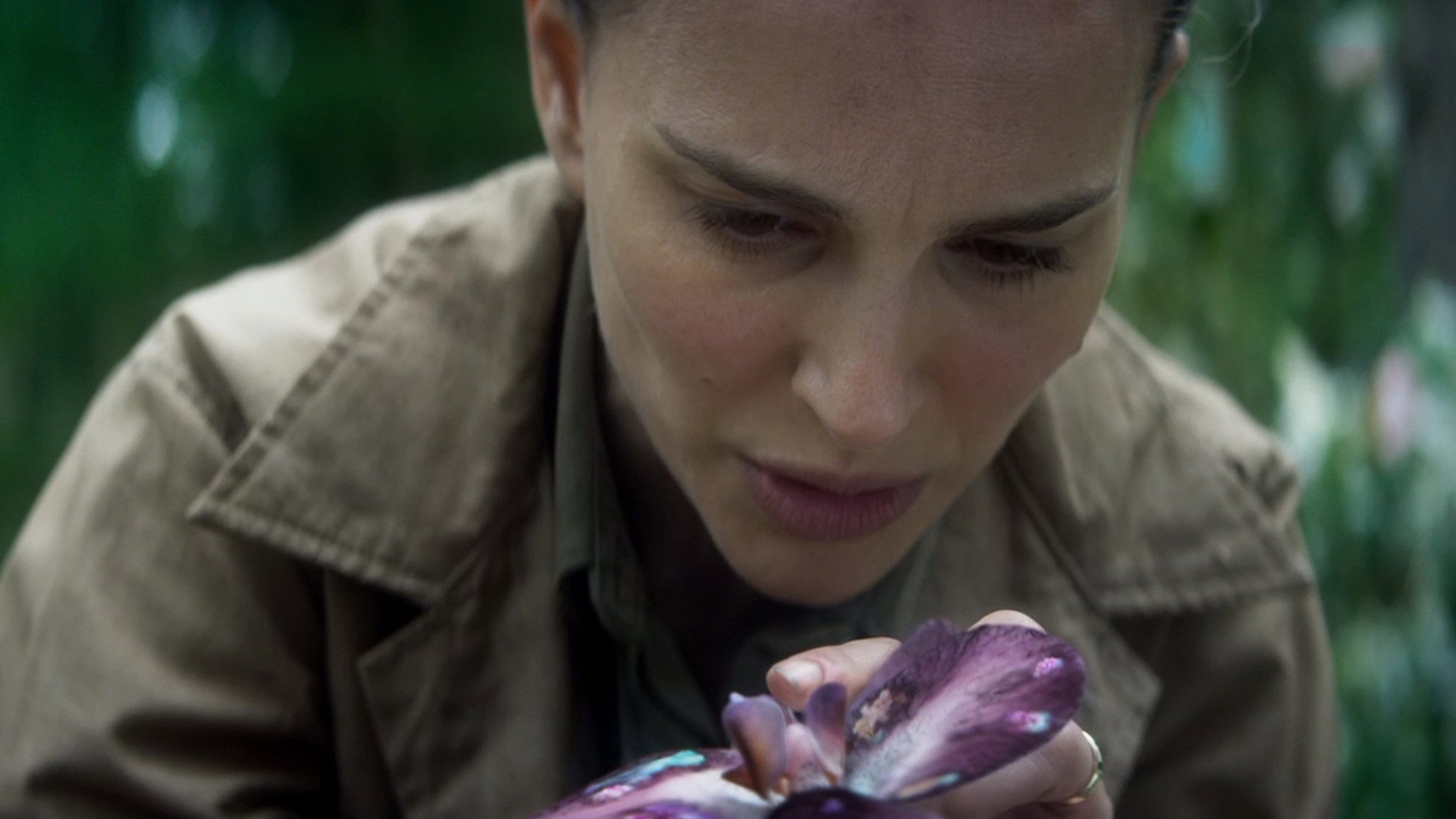
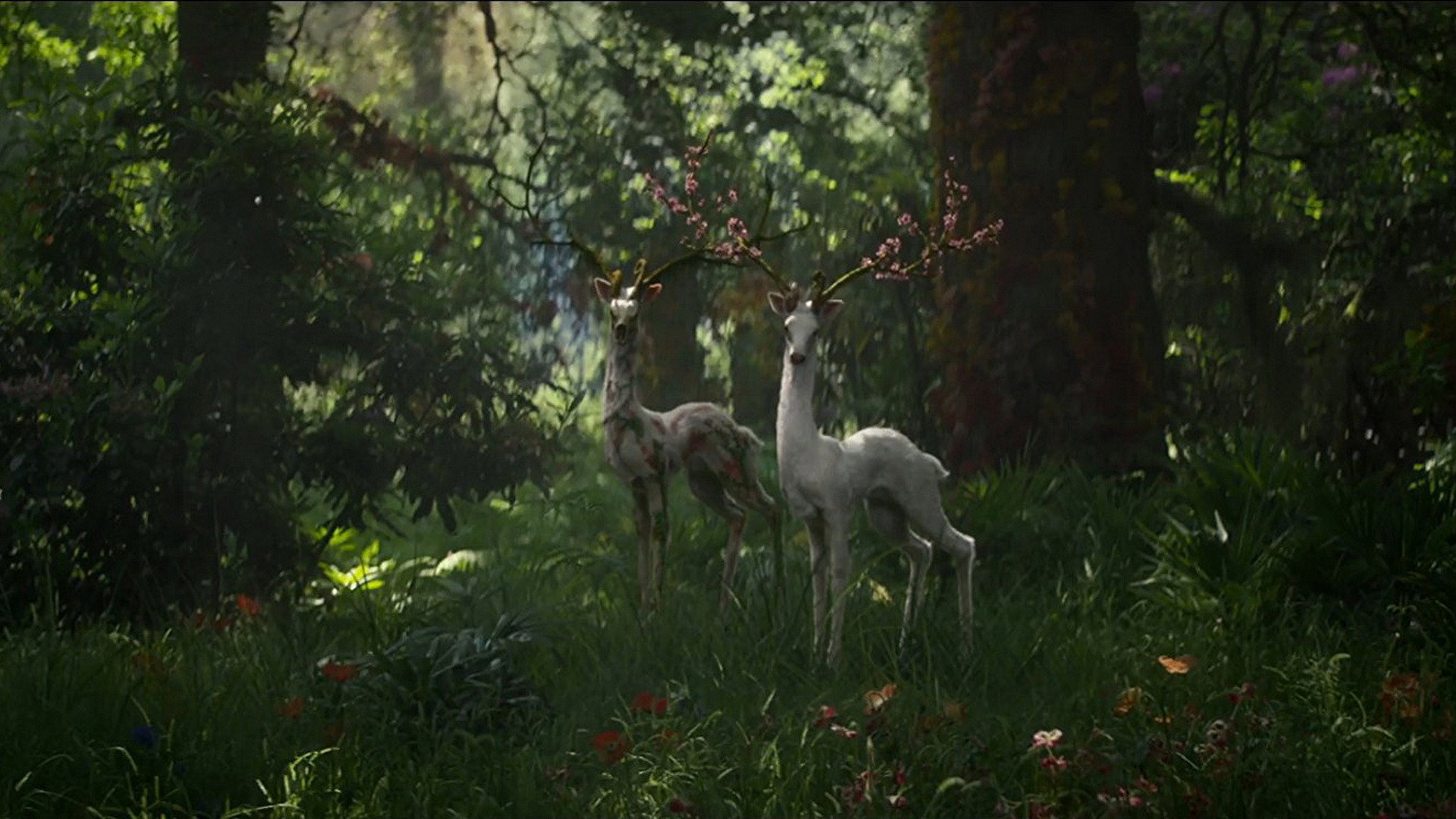
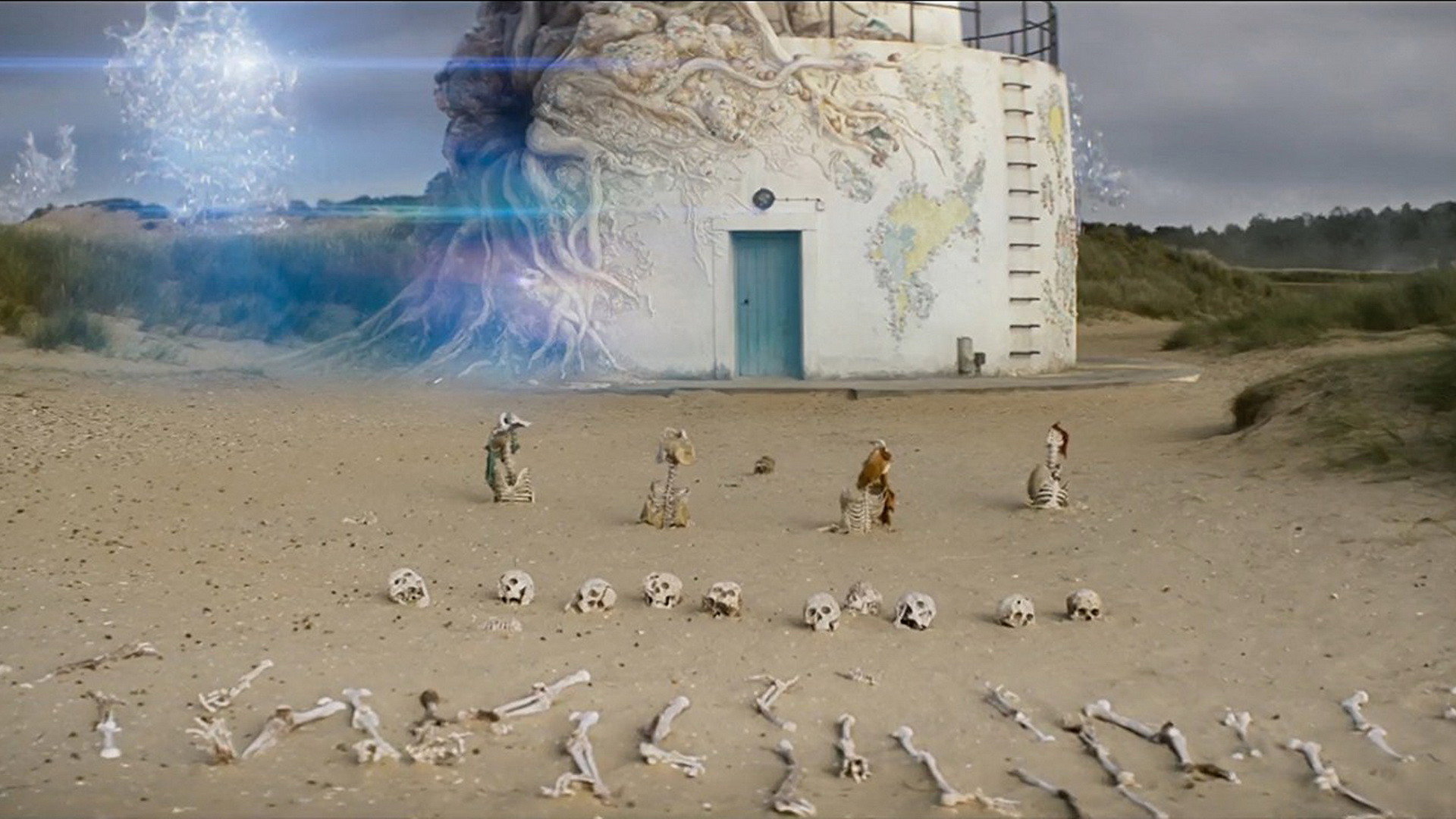
Rob Hardy gives the forest an eerie, phosphorescent colour, making it inviting enough that we understand the urge to investigate. Mark Digby’s production design keeps the changing environment recognisable, so its mutations feel like a disturbance of somewhere that might exist. We were unsettled by the altered vegetation: something so familiar had become difficult to trust. The images hold our attention because we want to look more closely, even when the film has made looking uncomfortable.
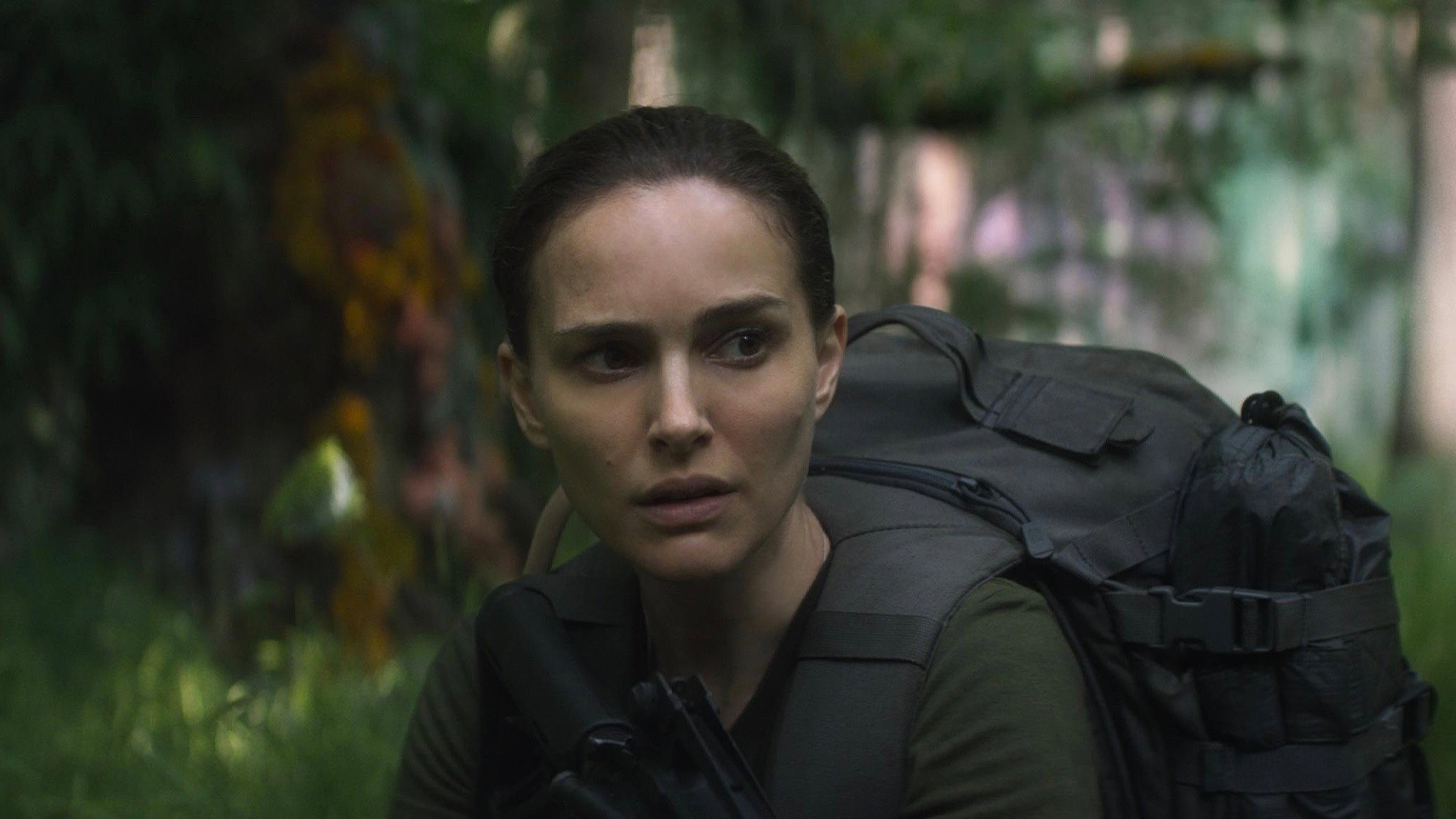
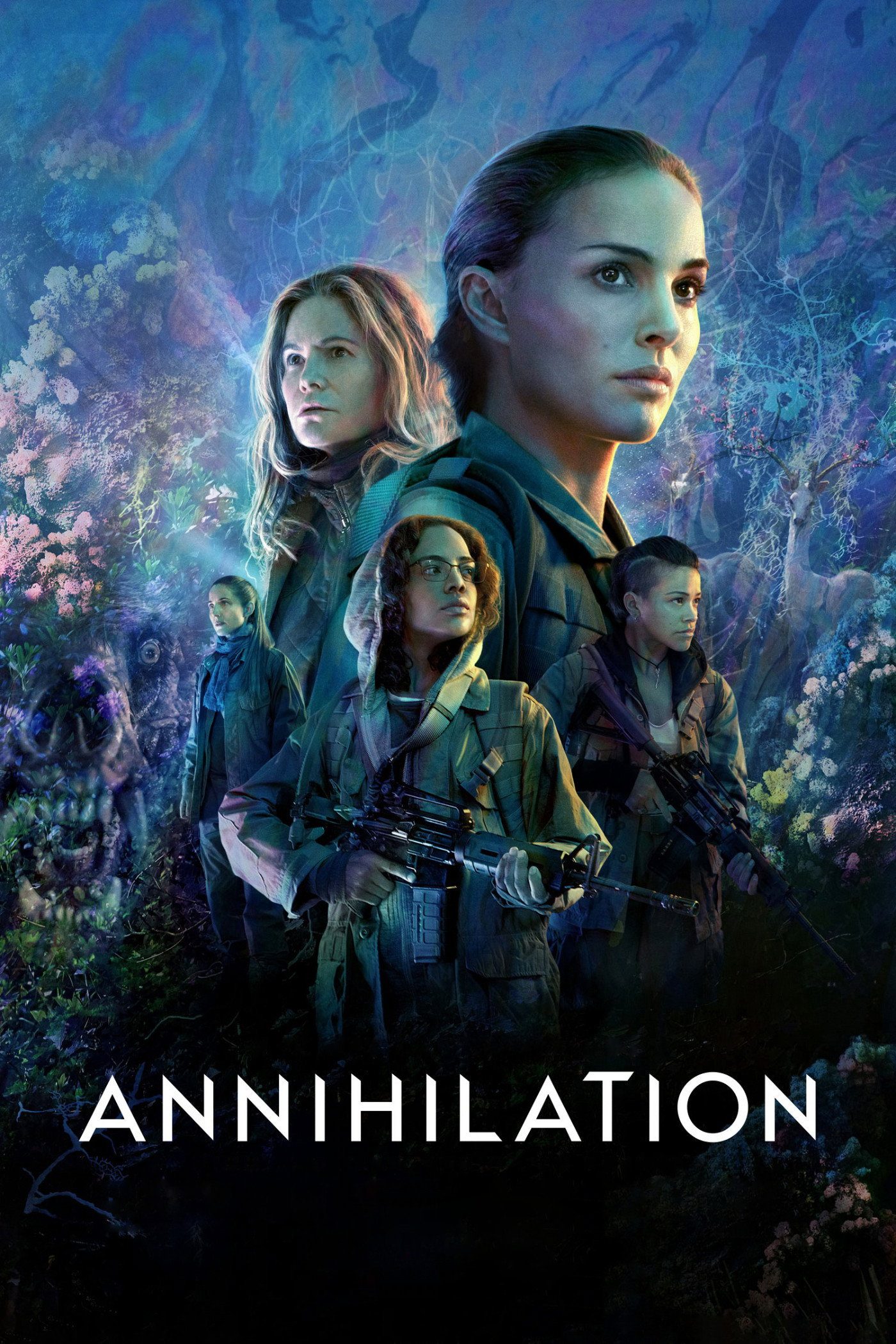
Natalie Portman plays Lena with a guarded concentration that suits a woman trying to think her way through something frightening. She gives the expedition a practical centre, and keeps the film’s concern with marriage and grief from becoming entirely theoretical. Jennifer Jason Leigh brings a useful severity to Dr Ventress, though the screenplay sometimes makes her sound as if she has arrived with the themes already prepared. Both performances benefit when the women are allowed to observe without explaining.
Gina Rodriguez gives Anya Thorensen an impatience that keeps the expedition from becoming a procession of thoughtful faces. Tessa Thompson’s quieter Josie Radek offers a useful contrast, with less effort spent telling us what she feels. Alex Garland’s screenplay does not give every woman equal room, and some of their personal pain is explained too briskly. Even so, the cast keeps us concerned about the women when the strange scenery could easily take all our attention.
Barney Pilling’s editing is patient enough to let the unease build, and that patience pays off once the expedition is under way. Before then, the preparation feels protracted, with the film spending too much effort establishing how seriously it expects to be taken. Geoff Barrow and Ben Salisbury’s music helps sustain the discomfort through the quieter passages; it makes the images harder to settle into. The score works because it offers little reassurance between one scare and the next.
As expedition horror, Annihilation has enough physical danger to satisfy without asking us to solve anything. Its more disturbing idea is that the people entering this place already have reasons to mistrust themselves. The bodily horror gives that anxiety a physical form, although some of the talk about it is needlessly solemn. There is room here for scientific curiosity, revulsion and wonder, and the film becomes more absorbing when it allows those responses to coexist without explaining them.
The later stretches become more willing to leave us with images we cannot immediately explain. That will frustrate anyone expecting the mystery to be tidied away, but the uncertainty feels earned by the world we have been shown. It helps that Alex Garland keeps the possibility of discovery alive alongside the threat. Choose it when there is time afterwards to sit with something troubling, rather than when sleep is the immediate plan.