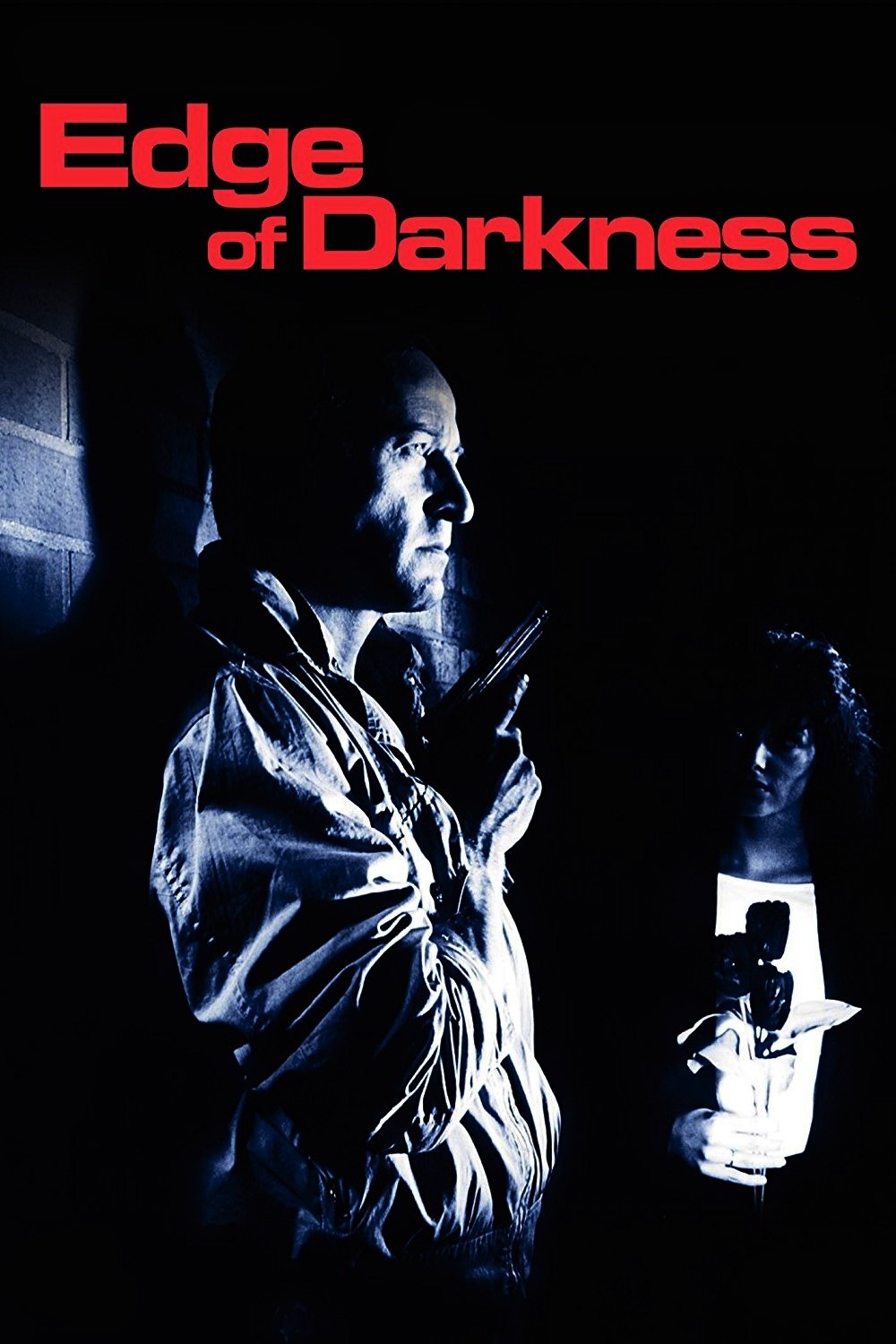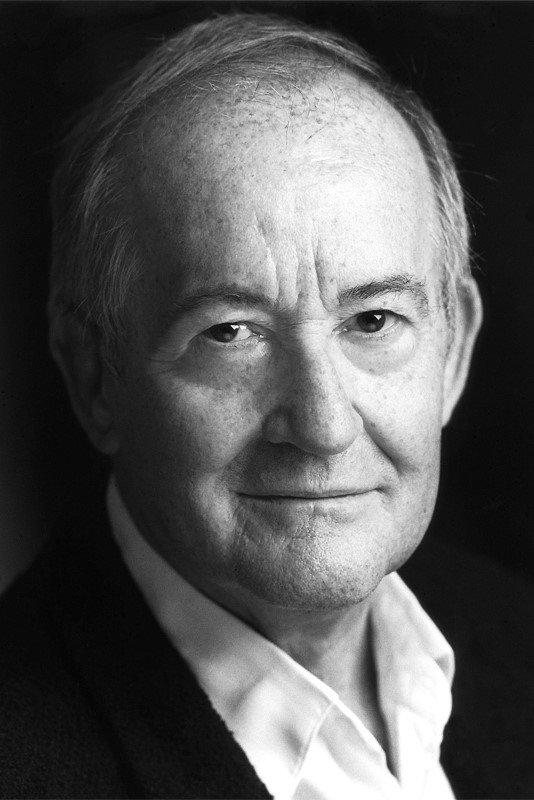
Charles Kay makes men in authority fussy, funny and occasionally dangerous. We value his precise speech and sardonic humour, especially in Edge of Darkness, where his government agent Pendleton is unsettling without having to stop being amusing.
Fi1m perspective
Charles Kay makes a carefully pronounced sentence sound like a correction, even before we have considered what is being said. His precise articulation and sardonic humour suit people who expect to be obeyed, and he is particularly good at making their self-importance funny. In Edge of Darkness (1985), his government agent Pendleton is drolly sinister. We found Pendleton unsettling because Kay's humour allows the man to be amusing without ceasing to seem dangerous.
That part belongs in a career crowded with clerics, courtiers and other men accustomed to deference. His early Shakespearean work included the Duke of Clarence in The Wars of the Roses (1963), a stage role he later recreated for television; Gallus in I, Claudius (1976) followed among his television appearances. Count Orsini-Rosenberg in Amadeus (1984) and the Archbishop of Canterbury in Kenneth Branagh's Henry V (1989) are further instances of that aptitude for authority. These are useful parts for an actor whose precise speech can suggest both the dignity of an office and the self-satisfaction of its occupant.
Edge of Darkness gives us the strongest reason to recommend his screen work, though it would be misleading to describe the series as his vehicle. Bob Peck provides its painful personal centre, while Martin Campbell's direction gives its political fears time to unsettle us. Kay's smaller contribution fits a cast that includes John Woodvine as Ross and Joe Don Baker as Darius Jedburgh. Kennedy Martin gives these actors more to do than deliver information urgently, which matters in a thriller this serious.
His supporting screen work continued into the 2000s, with Gribsby in The Importance of Being Earnest (2002) among the later parts. The recurring attraction is the voice: sarcastic pomposity and mock disbelief are both within his means, and neither requires a leading role to register. We would begin with Edge of Darkness, for the writing as much as the acting. Allow for a few passages that are harder to follow than they need to be.
Biography
Charles Kay was an English character actor whose career spanned stage, film and television from the late 1950s until the early 2010s. Born Alfred Charles Piff in Coventry on 31 August 1930, he studied medicine at Birmingham University before training at the Royal Academy of Dramatic Art. He made his professional stage debut in 1958 with the Belgrade Theatre Company in his home city.
Kay joined the Royal Shakespeare Company in 1963 and later worked at the National Theatre. His film roles included Count Orsini-Rosenberg in Amadeus (1984) and the Archbishop of Canterbury in Henry V (1989). On television he appeared as Gallus in I, Claudius (1976), Tsar Nicholas II in Fall of Eagles (1974) and Pendleton in the BBC series Edge of Darkness (1985). He also featured in Midsomer Murders, Jonathan Creek and Agatha Christie's Marple.
In 1986 he received the Clarence Derwent Award for his stage performance in Waste. Kay died on 8 January 2025 in Wimbledon, London, aged 94.