David Renwick’s mystery comedy is worth the evening for its clever puzzles and prickly original partnership. The explanations reward attention, though the jokes are uneven and later pairings lose some of the appeal.
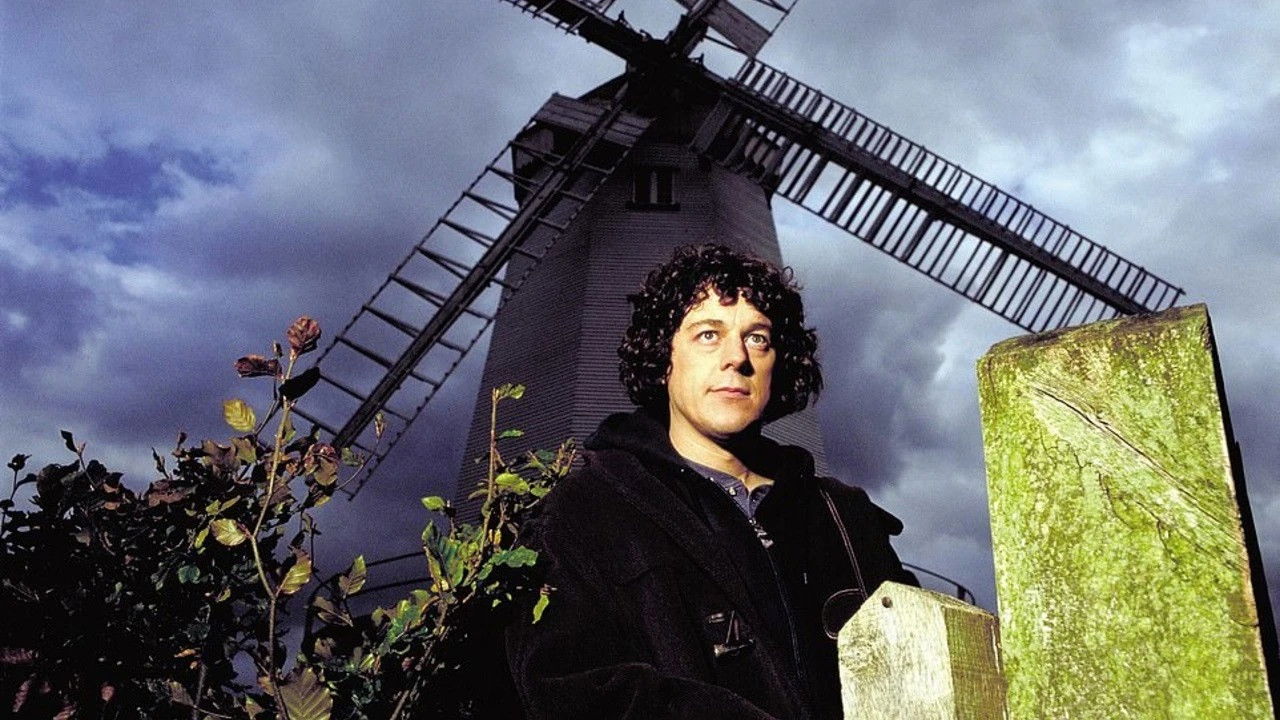
David Renwick’s Jonathan Creek is good company for anyone who likes stopping a mystery to argue about how it was done. Its locked-room puzzles ask us to look closely, and its comedy gives that concentration a welcome interruption. The attraction is a solution we can follow once the crucial mistake in our thinking has been exposed. The jokes and partnerships are less dependable, but the mysteries give us reason to forgive quite a lot.
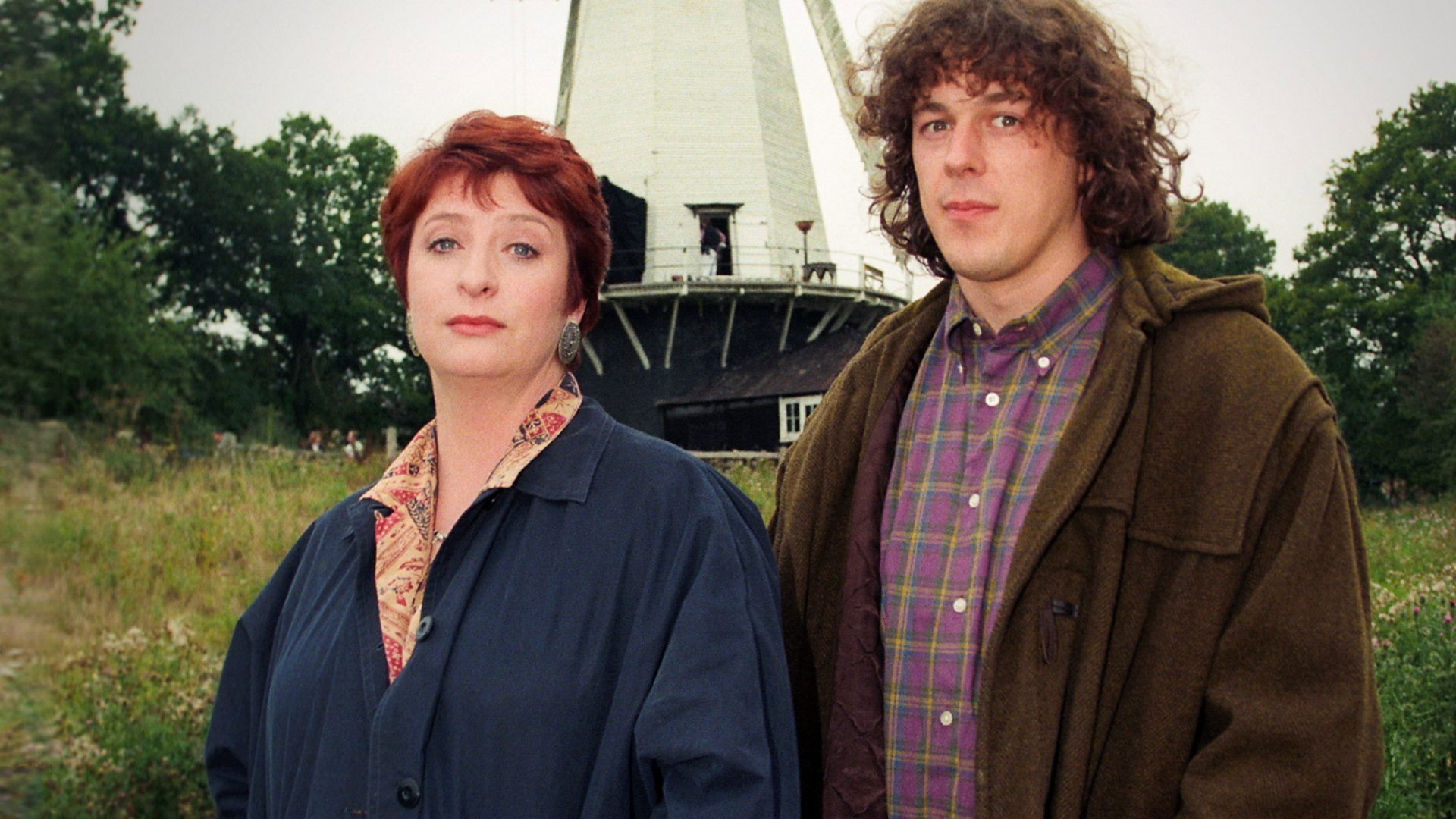
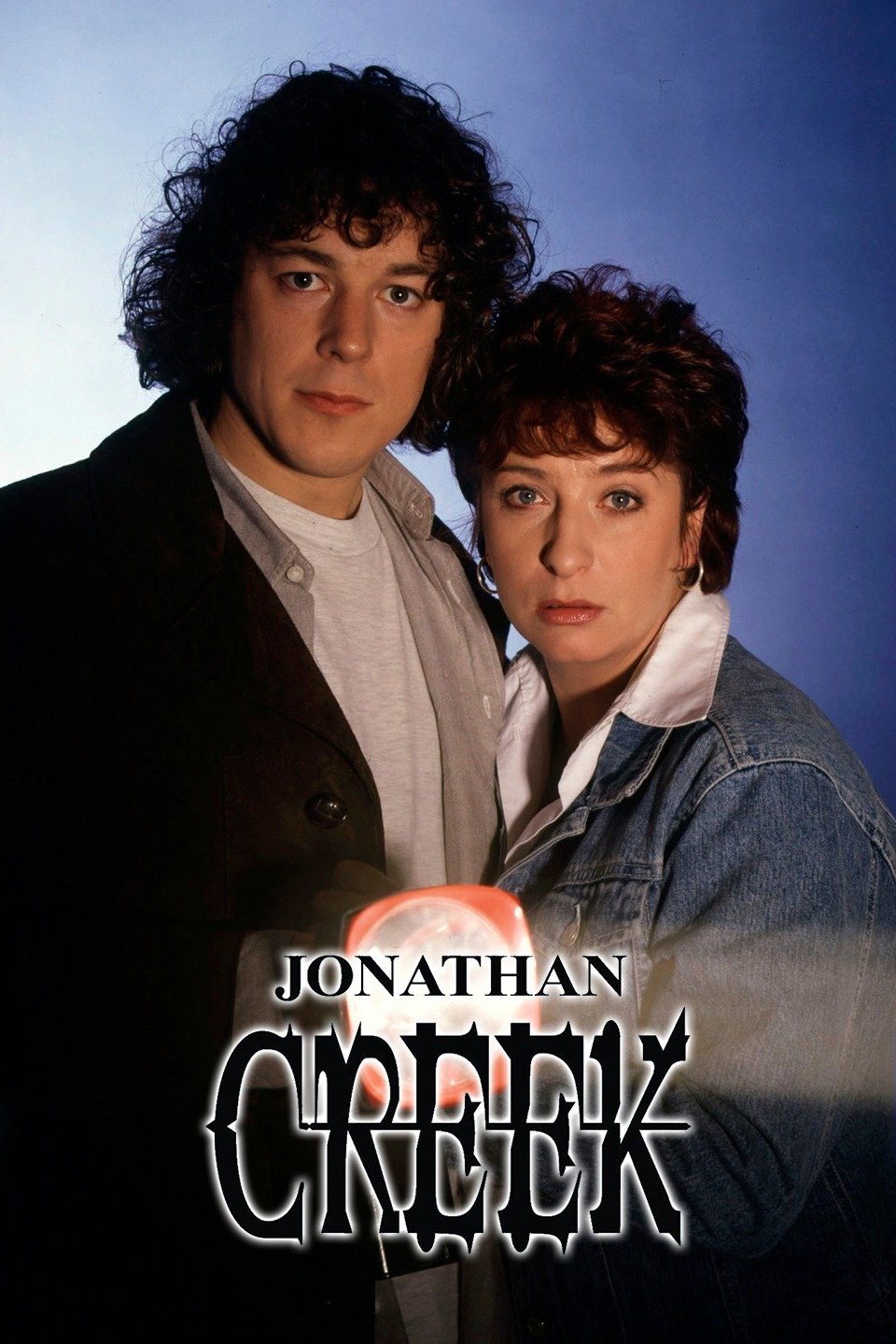
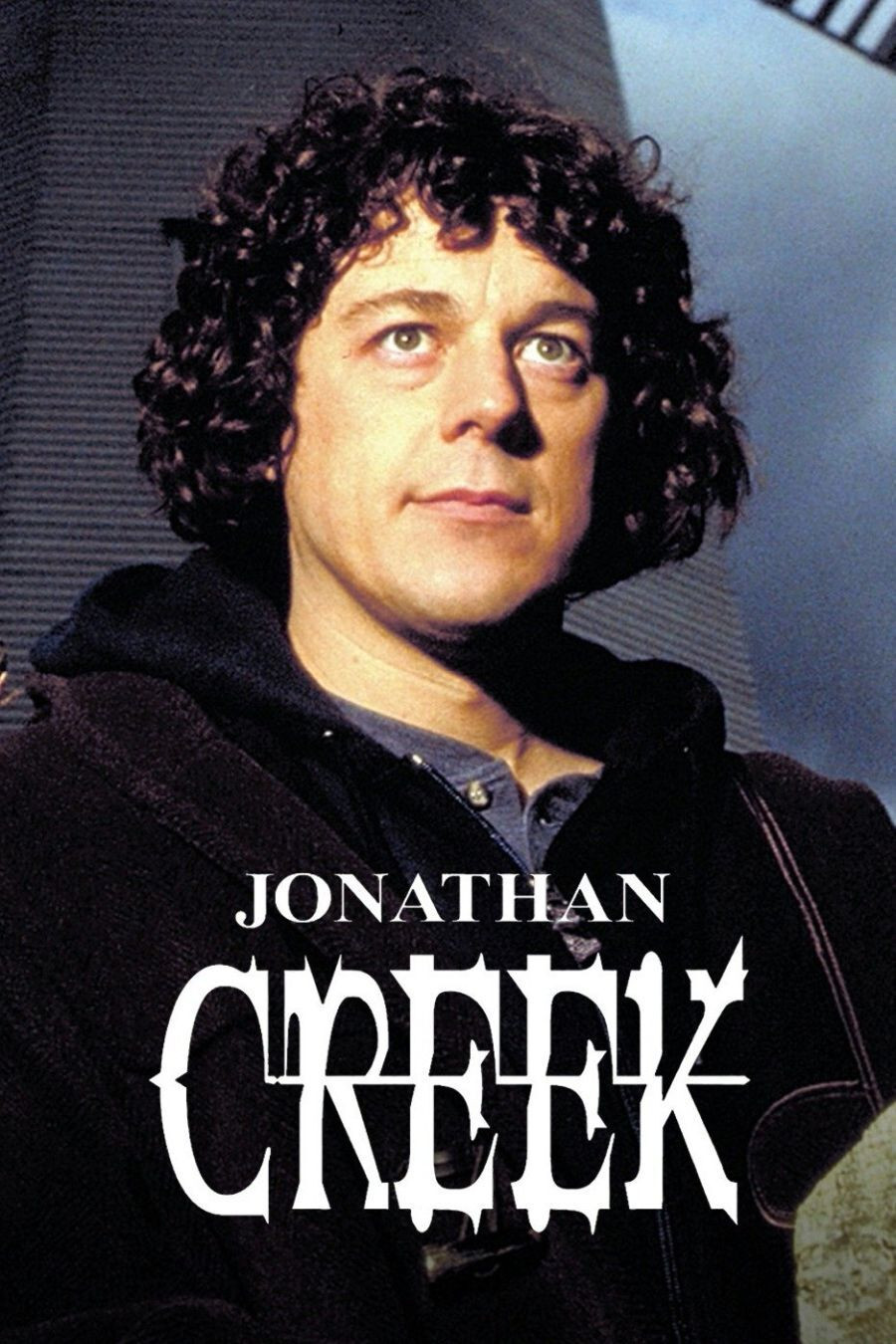
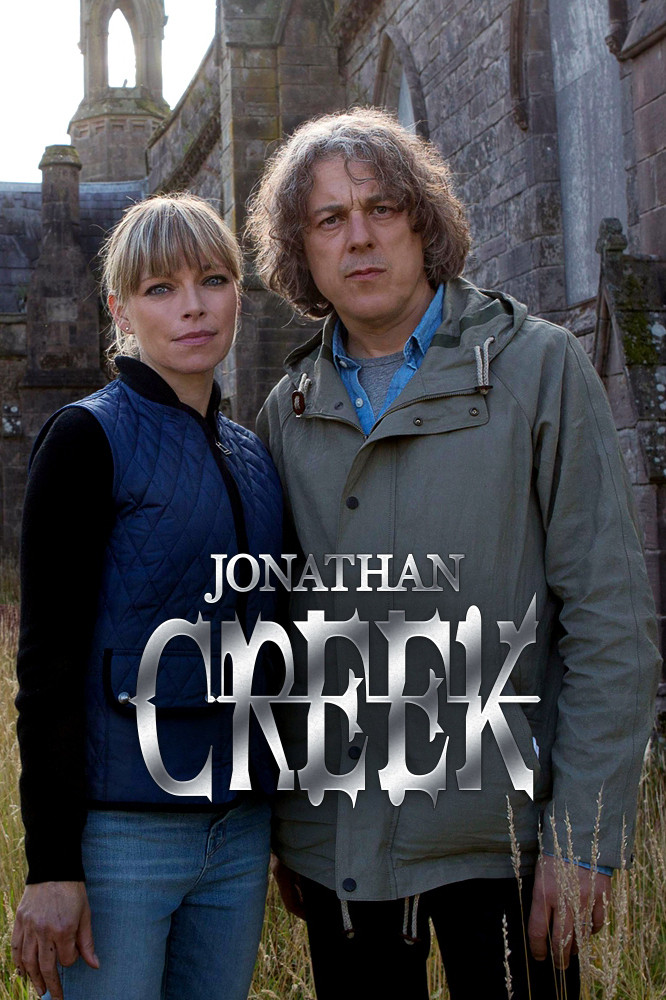
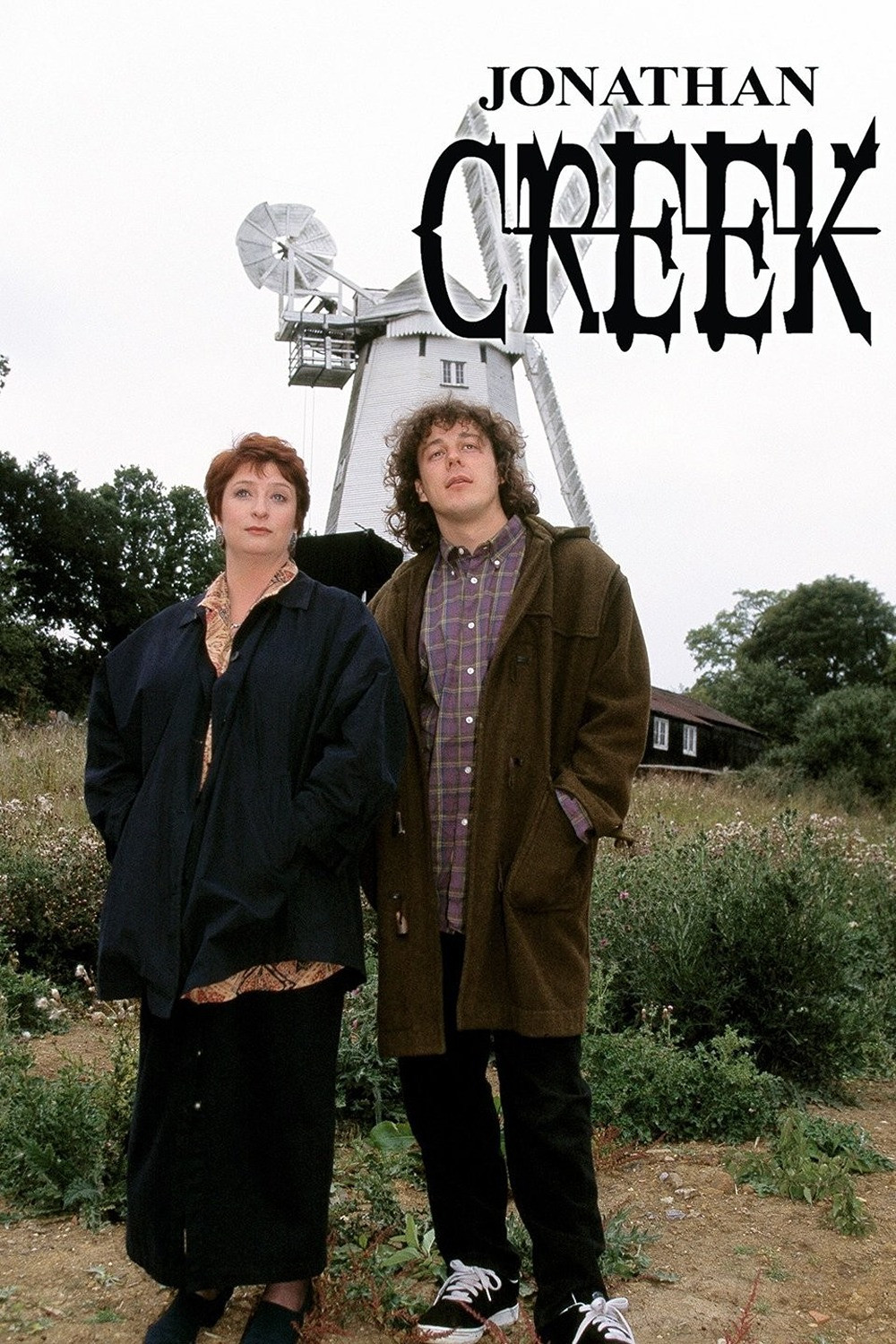
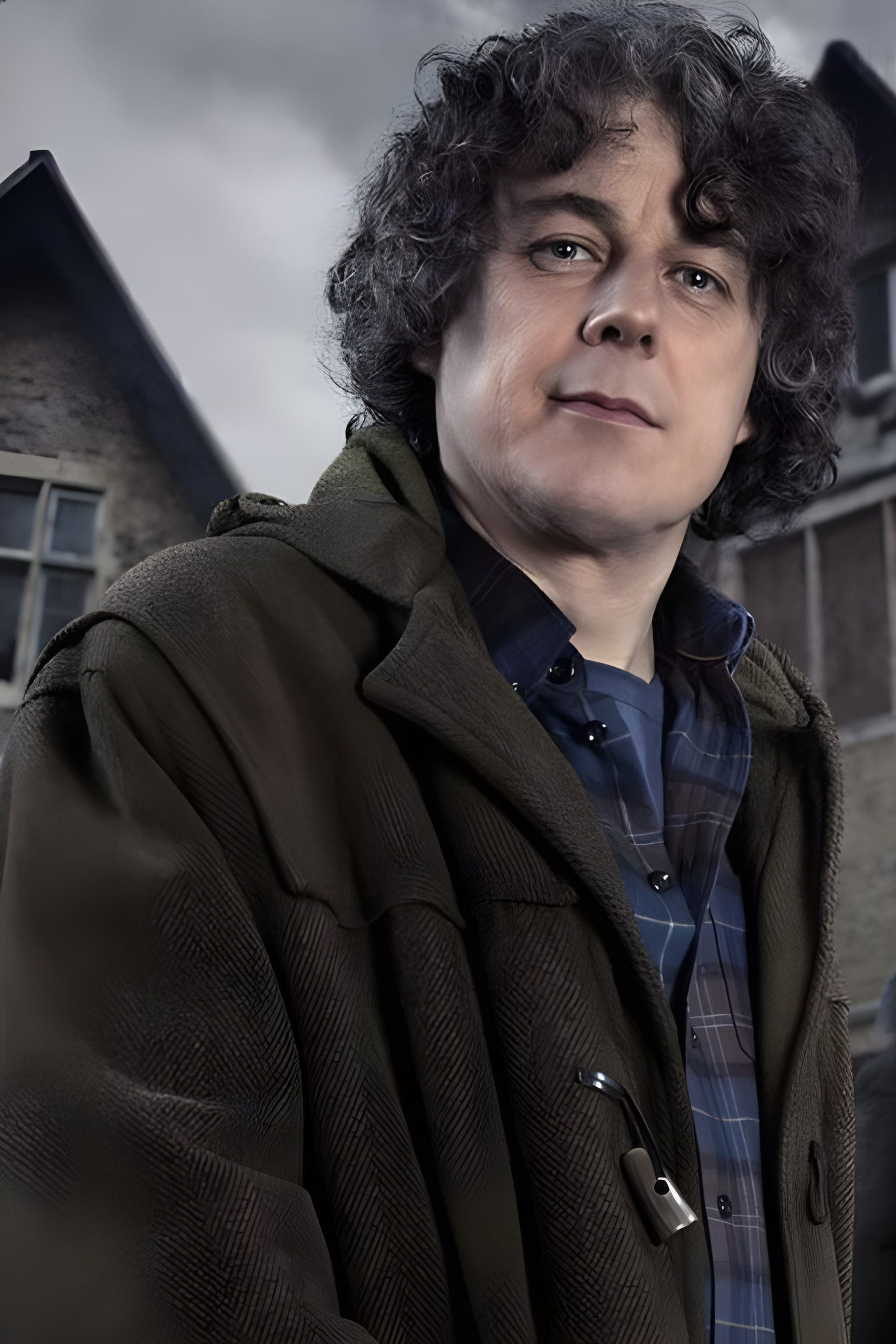
Caroline Quentin makes Maddy Magellan a useful source of friction for Jonathan Creek, played by Alan Davies. Their uneasy partnership gives the mysteries a second interest: how these two people manage to work together at all. The odd-couple business can feel forced, and some exchanges seem to have been included because a comedy is expected to contain jokes. When the pairing works, however, their conversations make the reasoning enjoyable to listen to, even when there is a fair amount of explaining to get through.
We were delighted by the locked-room explanation, because the clues let us understand where our thinking had gone wrong. David Renwick’s writing recognises the pleasure of discovering that an impossible event has a practical explanation. Some contrivances require generous co-operation from us. But the programme is sufficiently open about its far-fetched premises that accepting them usually feels like a fair arrangement, particularly when the answer gives us something worth discussing afterwards.
The cinematography, credited to Geoff Harrison, Peter Jackson and Simon Maggs, keeps the spaces readable, which matters when we are trying to understand an apparently impossible crime. John Asbridge’s production design gives us rooms worth examining for practical reasons. The setting has to sustain our curiosity while the characters argue through the possibilities. This is unobtrusive work, and it helps make the eventual explanation feel grounded in a place we understand.
Editing credits go to Paul Garrick and Mark Lawrence, and the balance between investigation and explanation is not always right. An answer can arrive in too much of a hurry, giving us less time with the reasoning than the puzzle deserves. When the payoff is also foreseeable, the wit cannot entirely rescue it. The rushed resolution of a special exposes that weakness particularly clearly: ingenuity needs room to be appreciated, even after the guessing is over.
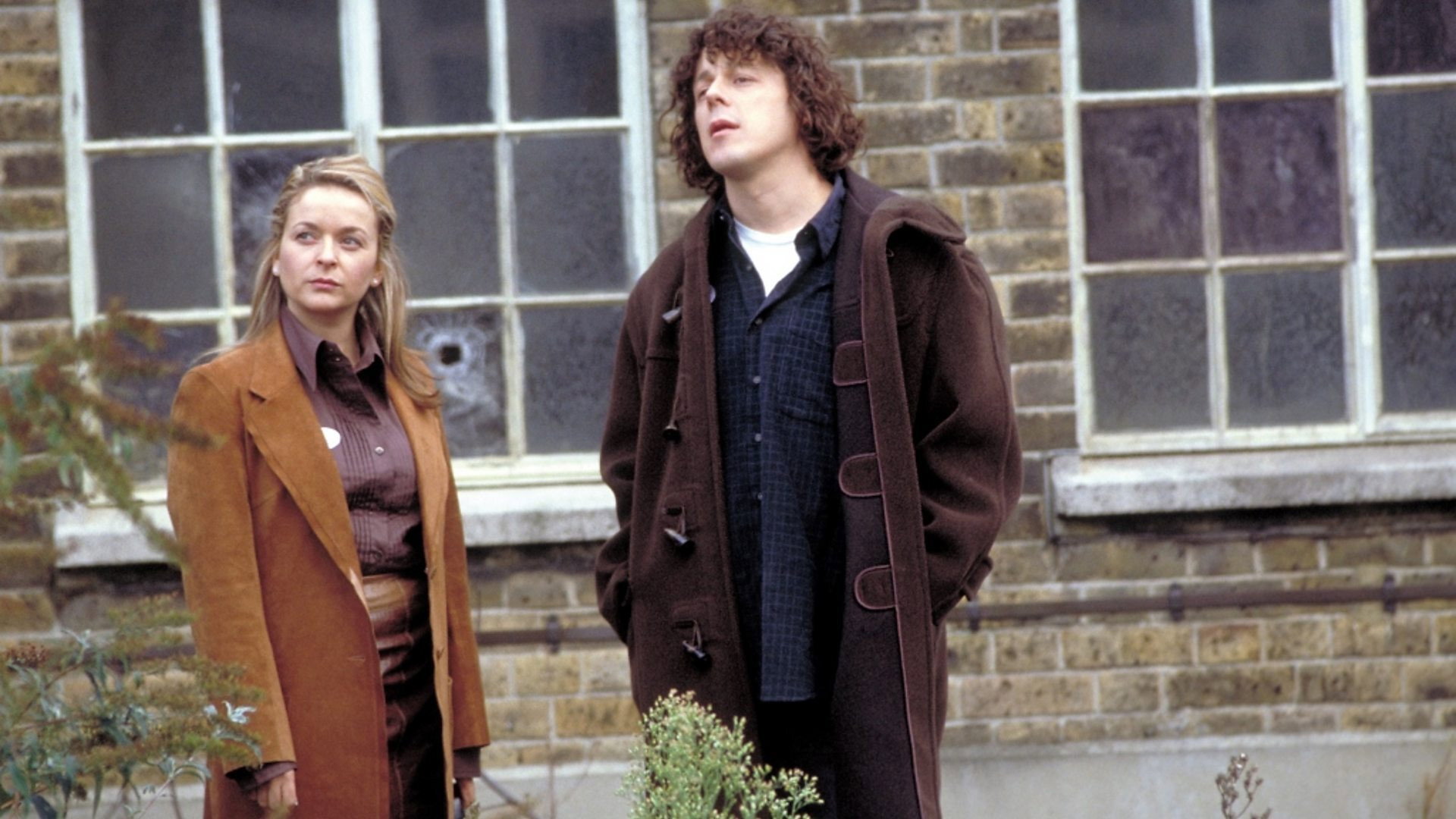
Later partnerships do not consistently recover the original pair’s appeal, and that matters even when the plotting remains inventive. A new person beside Jonathan Creek has to make the conversation worth hearing, not just provide someone to receive the explanation. The early comedy can be uneven too, so there is no need to pretend every exchange with Maddy Magellan works. Even so, their friction gives the investigations an interest that a clever solution cannot supply on its own.
By the standards of traditional detective fiction, the programme’s readiness to be far-fetched feels entirely reasonable. It expects us to enjoy examining an unlikely problem, and allows enough wit to keep the exercise sociable. Watch it with someone prepared to explain a theory, and give them a chance to be wrong before offering yours.