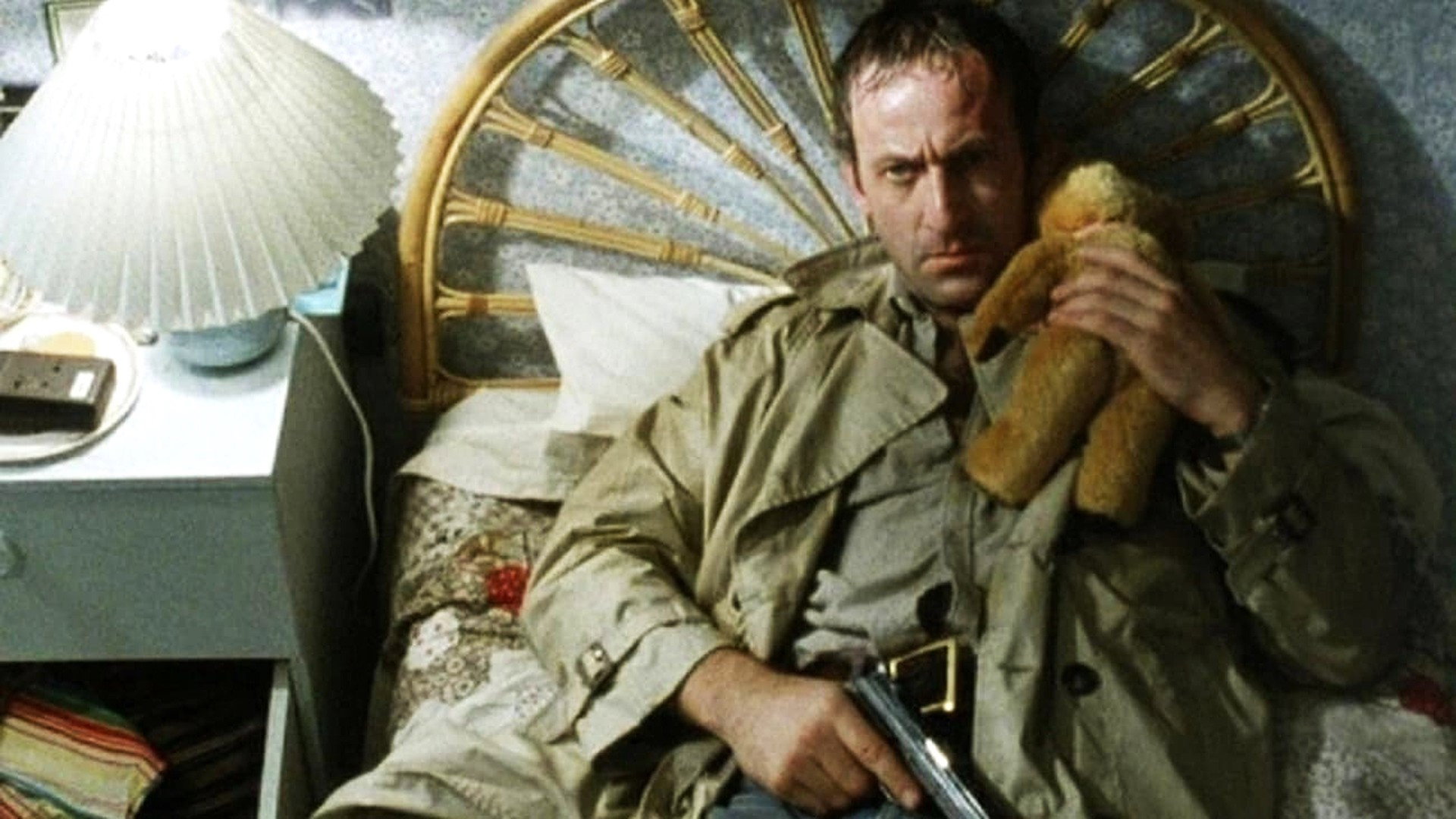
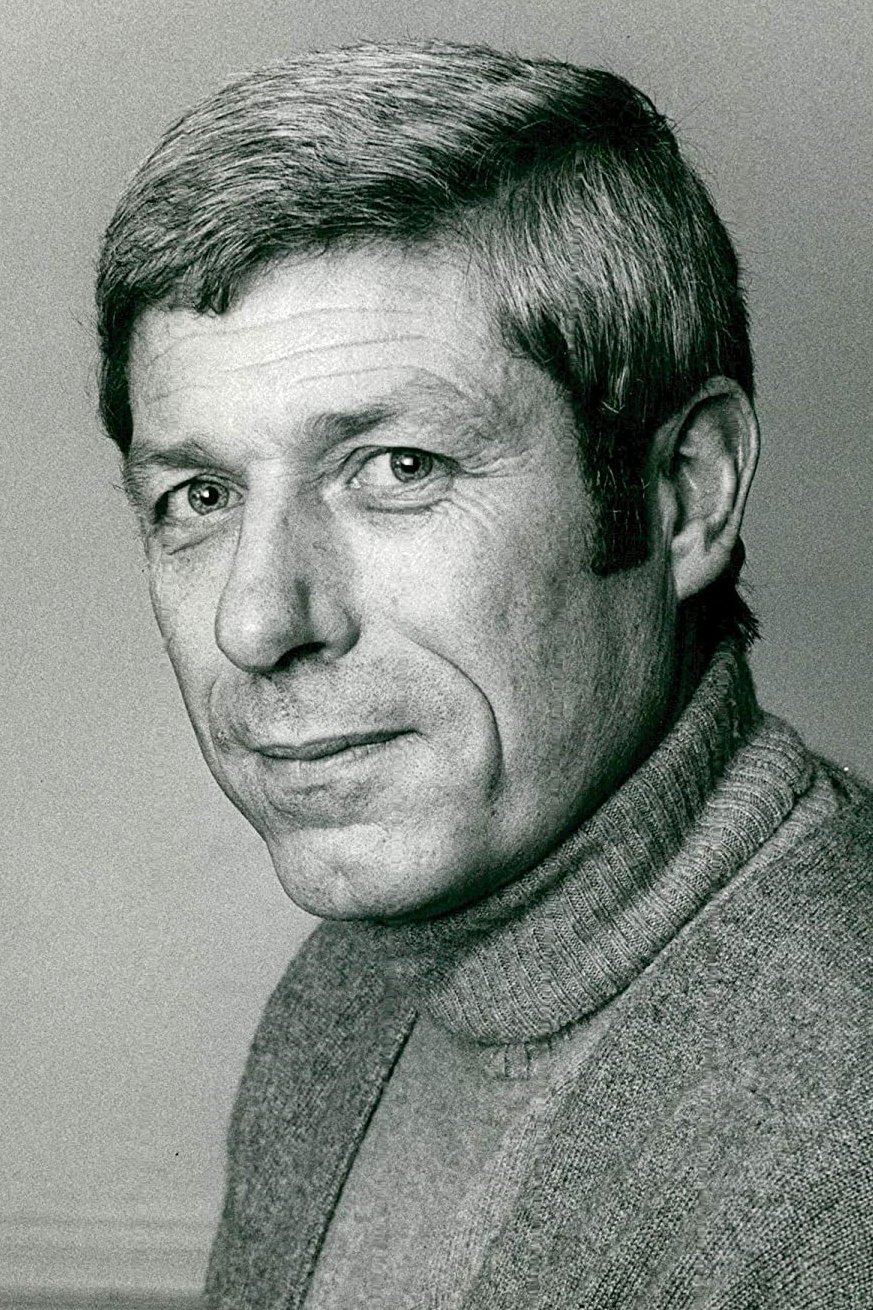
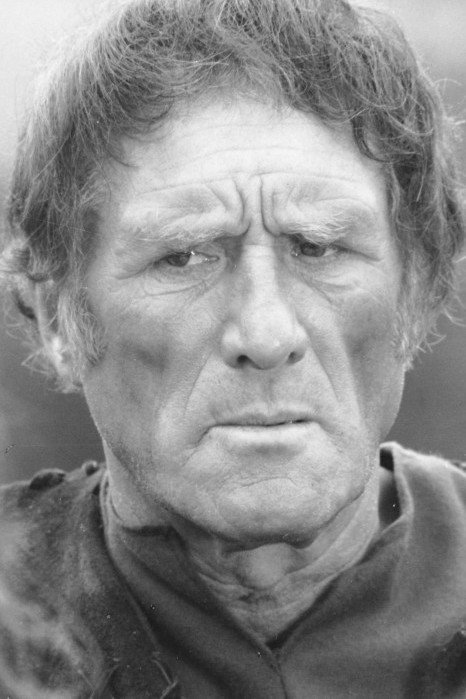
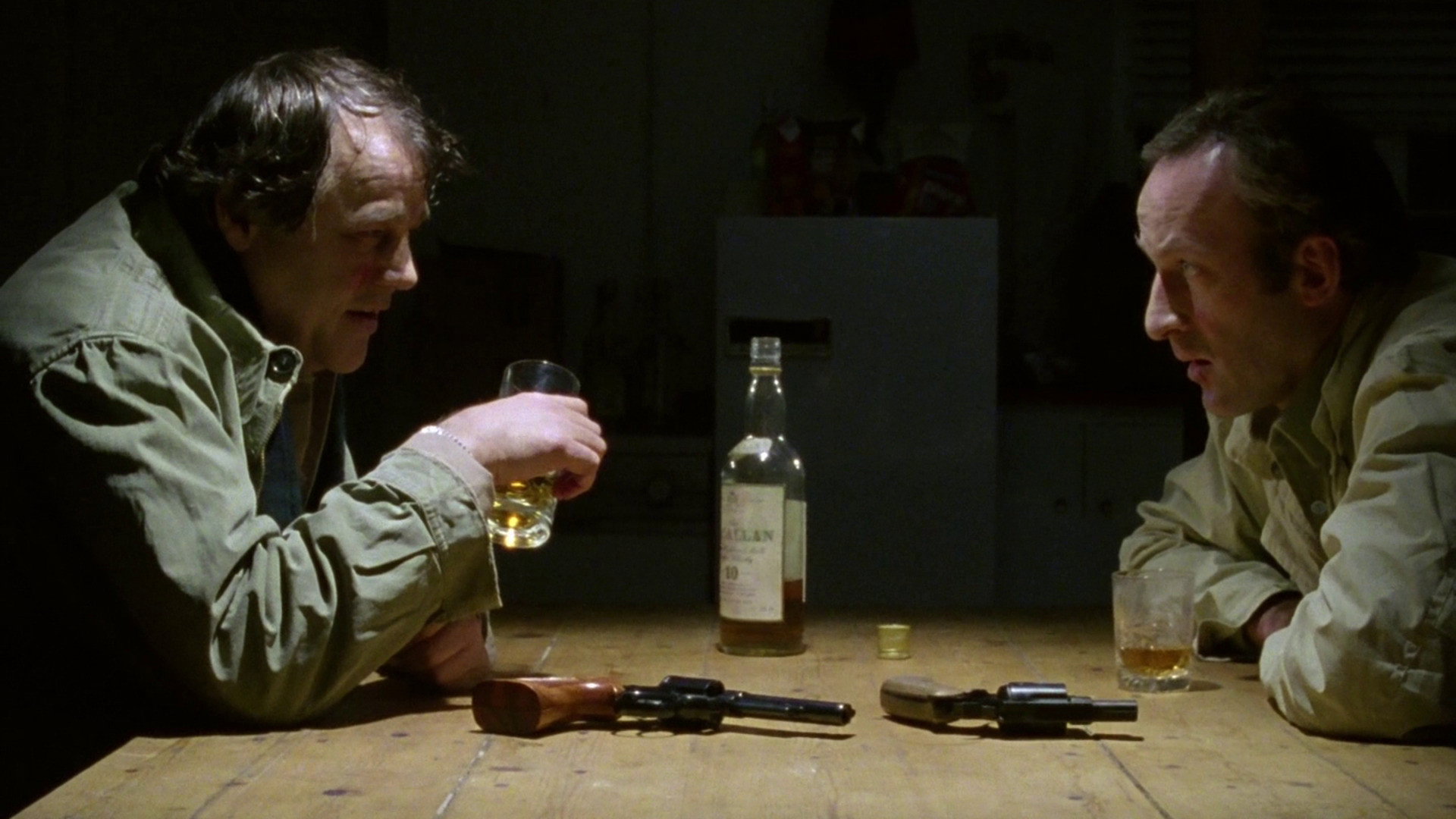
Bob Peck makes this six-part nuclear thriller painfully personal, and Martin Campbell gives its political fears room to unsettle us. The writing sometimes grows needlessly obscure, but its seriousness and emotional force earn our recommendation.
Edge of Darkness is a gripping nuclear-age thriller, and Bob Peck makes its dangers feel close enough to worry about. We recommend it, with a warning that the writing sometimes makes the politics harder to follow than they need to be. It takes the crime story seriously while allowing stranger ideas to intrude, and the mixture mostly works. Troy Kennedy Martin writes, Martin Campbell directs, and the series runs to six episodes.
Peck’s Ronald Craven holds our attention even when the wider story threatens to lose it. We were moved by the strain in his composure; Peck makes keeping control of yourself look exhausting. There is no need to understand every political implication before we can feel concern for him, and Campbell is right to give that concern such importance. The performance keeps us watching closely when a less involving lead might leave us merely trying to remember the information.
Joe Don Baker is a welcome presence as Darius Jedburgh, bringing enough pleasure to the acting to prevent the seriousness becoming oppressive. Joanne Whalley, as Emma Craven, also matters to the sense that these people deserve our attention beyond whatever the thriller requires of them. Kennedy Martin’s writing gives the cast something more rewarding than the task of making information sound urgent. Charles Kay plays Pendleton, with John Woodvine as Ross and Jack Watson as James Godbolt.
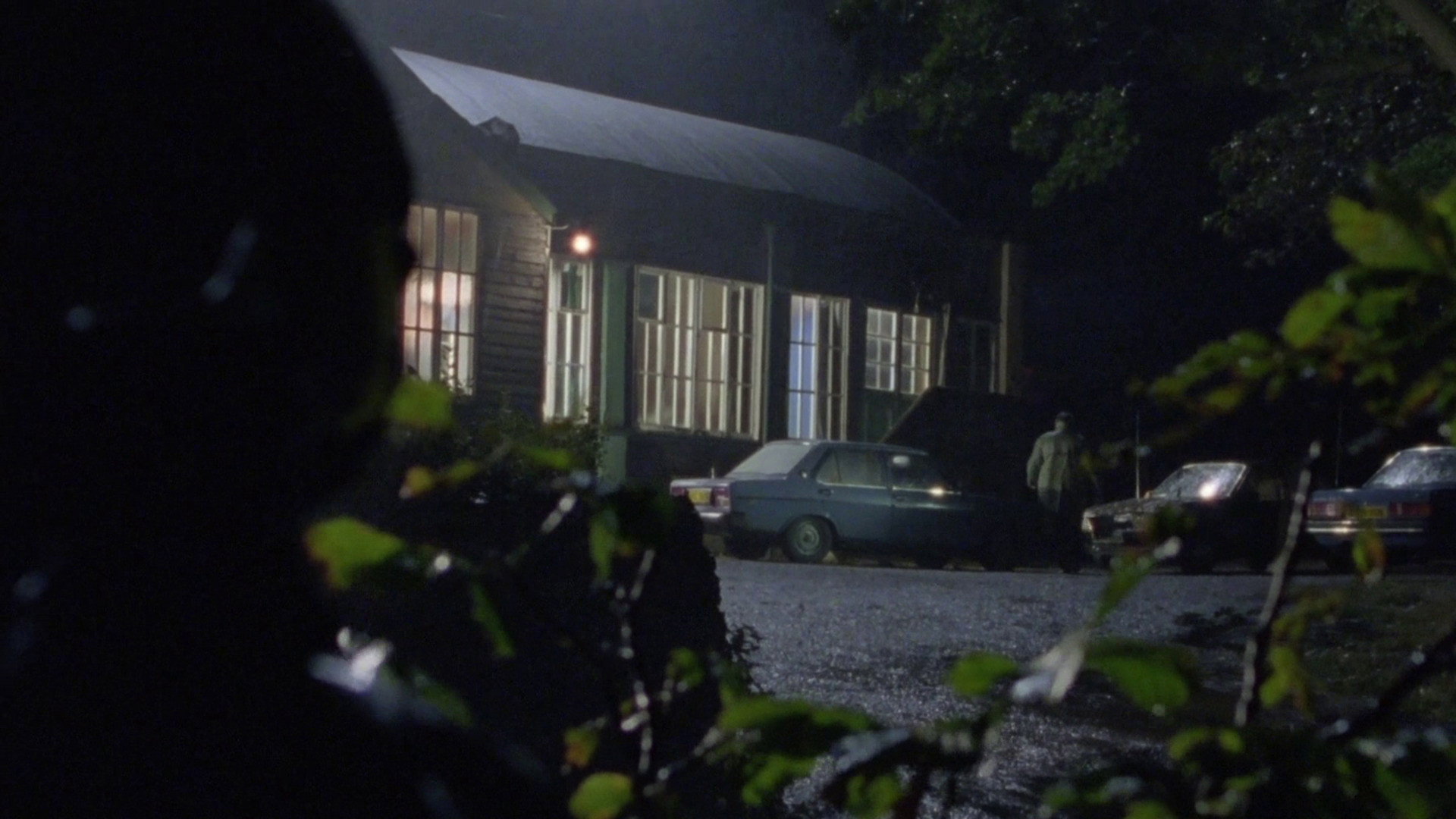
Andrew Dunn’s cinematography feels attentive to the performances, particularly to the unease Peck creates without any help from the larger premise. Graeme Thomson’s production design is similarly effective at keeping the people more interesting than their surroundings. We never feel that Campbell has stopped the drama so that we can appreciate how it has been made. That restraint suits a thriller whose nuclear concerns could so easily make individual lives seem too small to matter.
Editors Ardan Fisher and Dan Rae give the drama a patient rhythm, and the performances usually justify the time spent with them. The music by Eric Clapton and Michael Kamen makes the anxiety harder to put aside, even when we are busy following the story. There is sadness in it, too, which feels right beside Peck’s performance. Anyone who needs a crime thriller to move briskly from question to answer will need to adjust to the pace.
Kennedy Martin’s appetite for the unexplained is also the main weakness. Crime thrillers can leave questions open and still make clear why they matter, but here some passages demand more interpretative work than their emotional effect warrants. We wanted plainer writing at those points, and the actors should not have to make up the difference. The difficulty is worth accepting for the performances and the sustained unease. Watch it when you can give it your attention, and do not blame yourself for every moment of confusion.