Film review

Amadeus

1984 · Directed by Miloš Forman · 2h 40m · MPA PG

In a sentenceMozart’s laugh makes a surprisingly good case for Salieri

DramaHistoryMusic

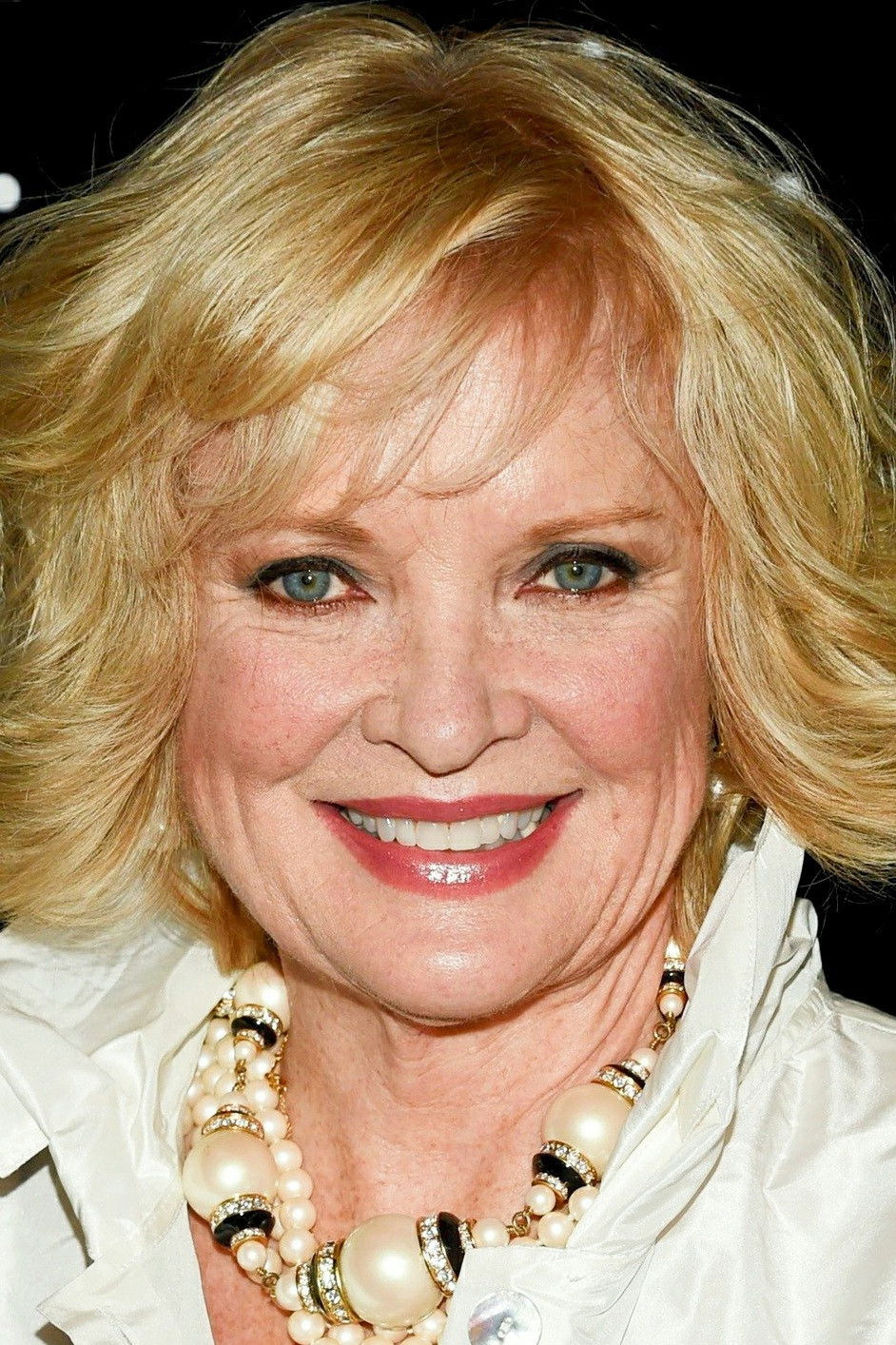
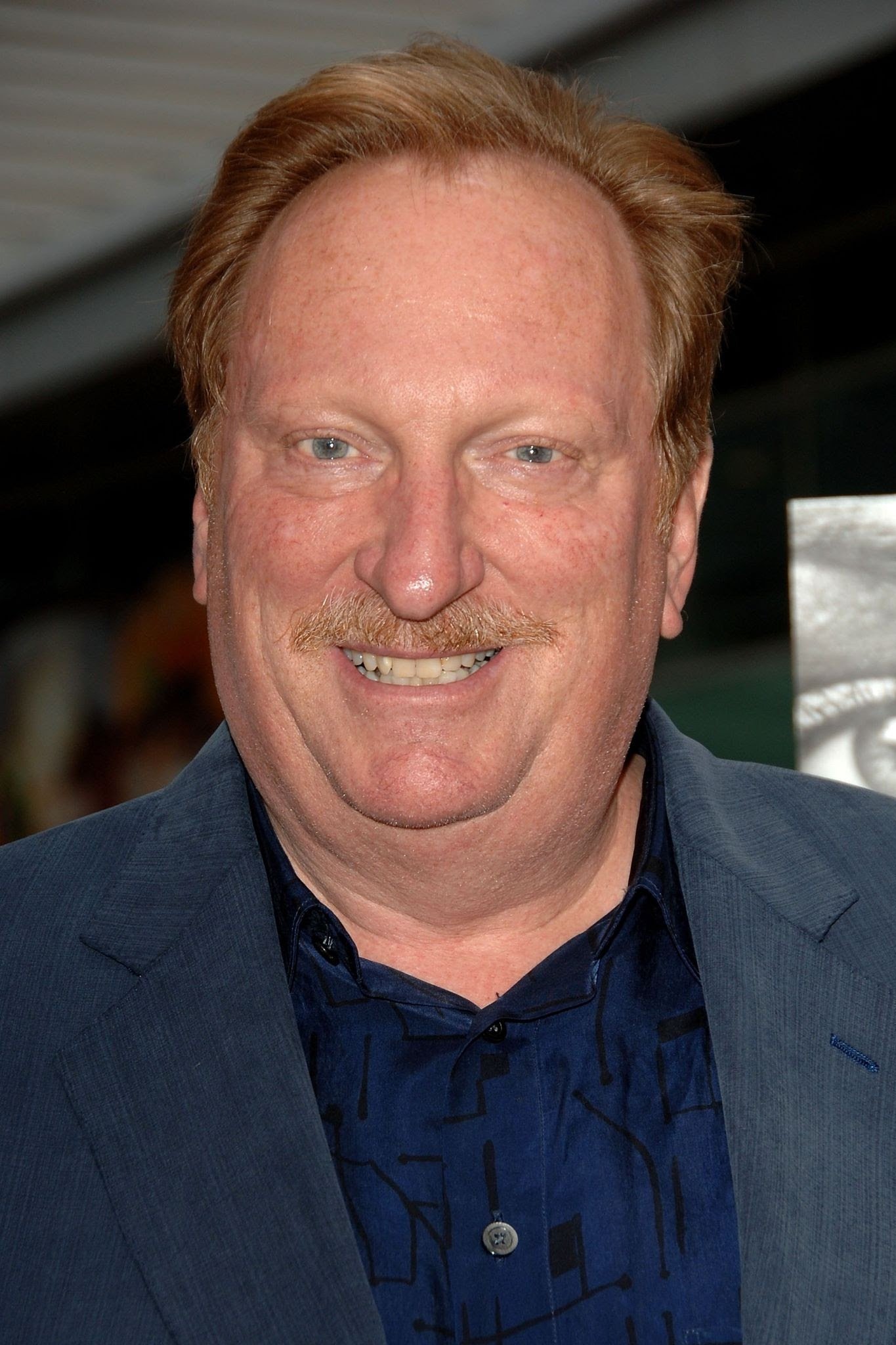
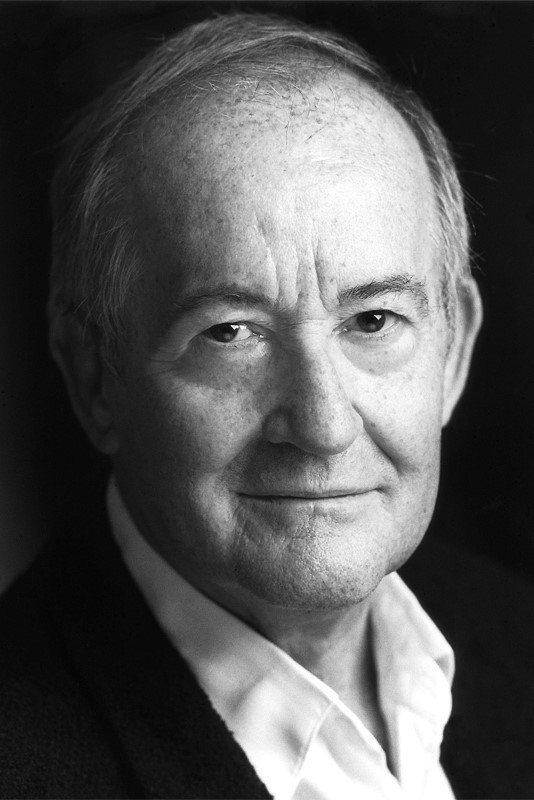
Wolfgang Amadeus Mozart (Tom Hulce) has a musical gift that fellow composer Antonio Salieri (F. Murray Abraham) recognises with painful clarity. Salieri’s admiration becomes entangled with envy as he struggles to accept the talent of a man whose behaviour he finds hard to bear. While Mozart makes an impression through his music and his immaturity, Salieri measures his own accomplishments against those of his rival. Set in the eighteenth century, Miloš Forman’s drama follows the two composers, with Elizabeth Berridge as Constanze Mozart and Jeffrey Jones as Emperor Joseph II. Peter Shaffer writes the screenplay.

Plays from YouTube when you press play; nothing loads from them until then.

Fi1m review

Miloš Forman’s film about Mozart and Salieri is funny, cruel and deeply involving, with F. Murray Abraham making envy painfully understandable. Mozart’s childishness occasionally wears thin, but the music and the rivalry hold us for the full 160 minutes.

Miloš Forman’s Amadeus is a film we would recommend to someone with no particular interest in classical music. Peter Shaffer’s screenplay gives us a gifted composer, Wolfgang Amadeus Mozart, and a rival, Antonio Salieri, who understands just how much better Mozart is. Salieri has enough musical judgement to appreciate what he cannot produce, and the film makes his predicament funny without making it painless. At 160 minutes, there is time to hear the music, enjoy the bad behaviour and begin to feel uncomfortable about how easily we understand the envy.

F. Murray Abraham gives Salieri the intelligence the part needs; a merely foolish rival would leave us with much less to watch. The sequence in which he describes hearing Mozart’s music for the first time moved us more than we expected. He is so absorbed in describing what he hears that we briefly forget how much he dislikes its composer. His delight in the music makes the envy hurt. Abraham can go well beyond ordinary conversational emphasis because we believe that Salieri has something worth saying about what he hears.

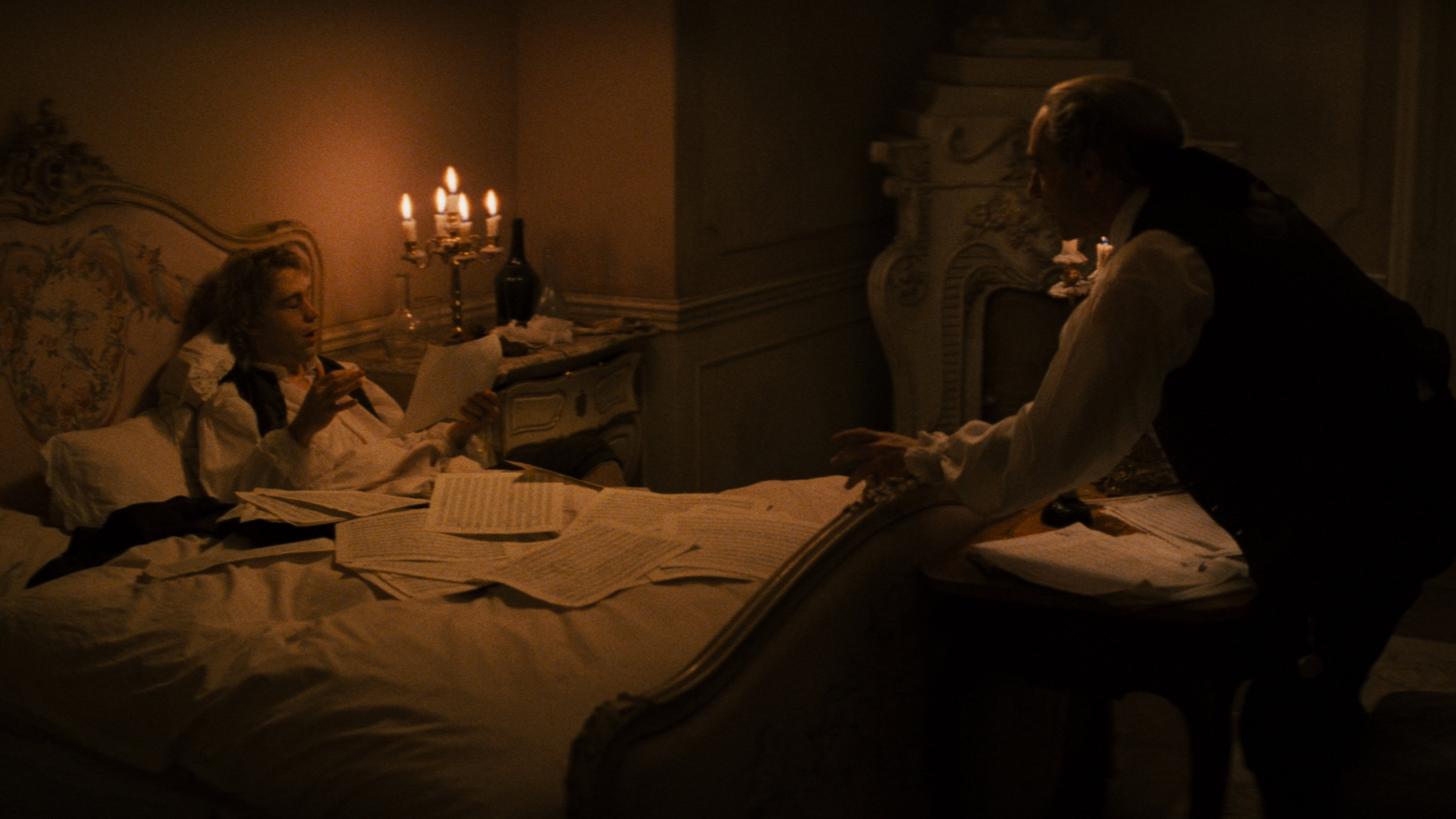
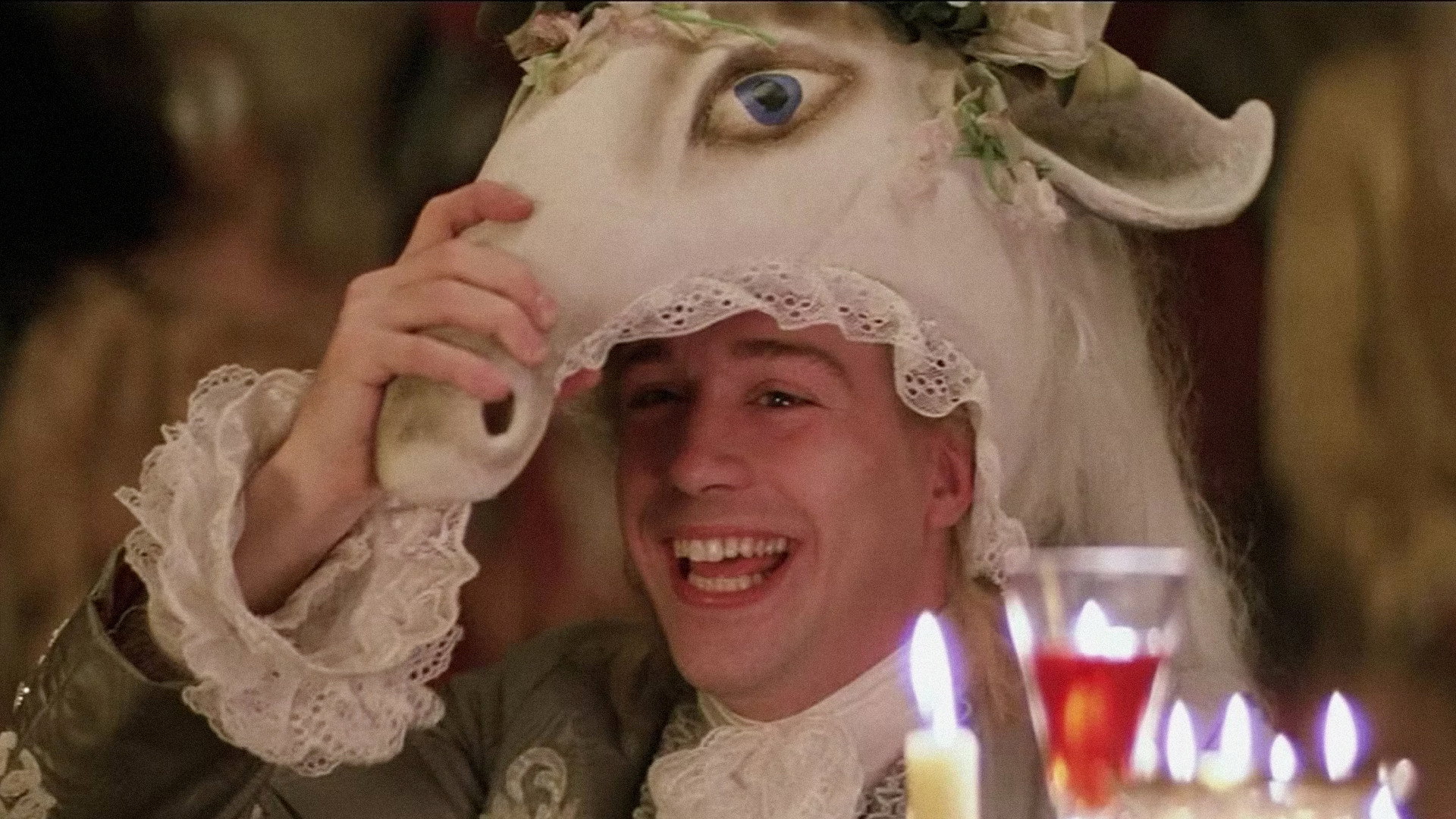
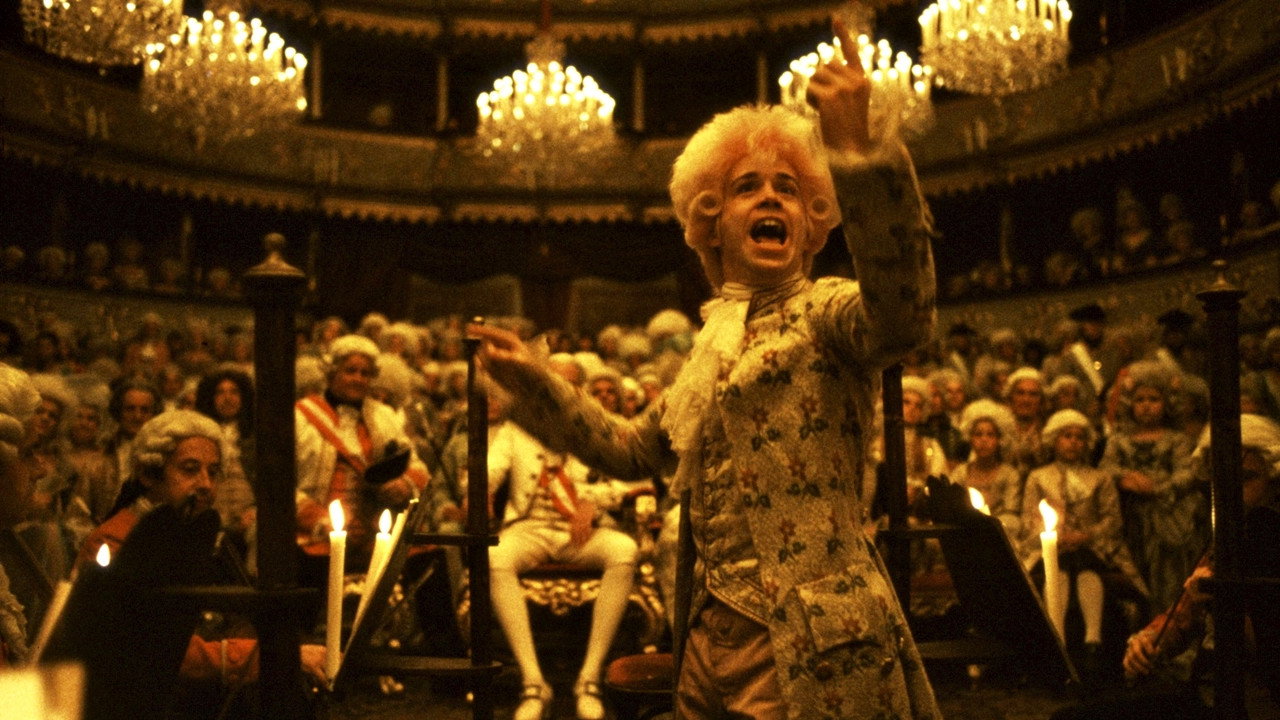
Tom Hulce makes Mozart gauche, immature and sometimes exhausting company, with a laugh that could make a patient person reconsider their principles. There is something liberating about a film that allows a great composer to be this much of a nuisance. Hulce’s behaviour also gives Abraham something solid to react against: Salieri does not have to search far for grounds to dislike the man. The music makes those grounds seem embarrassingly inadequate.

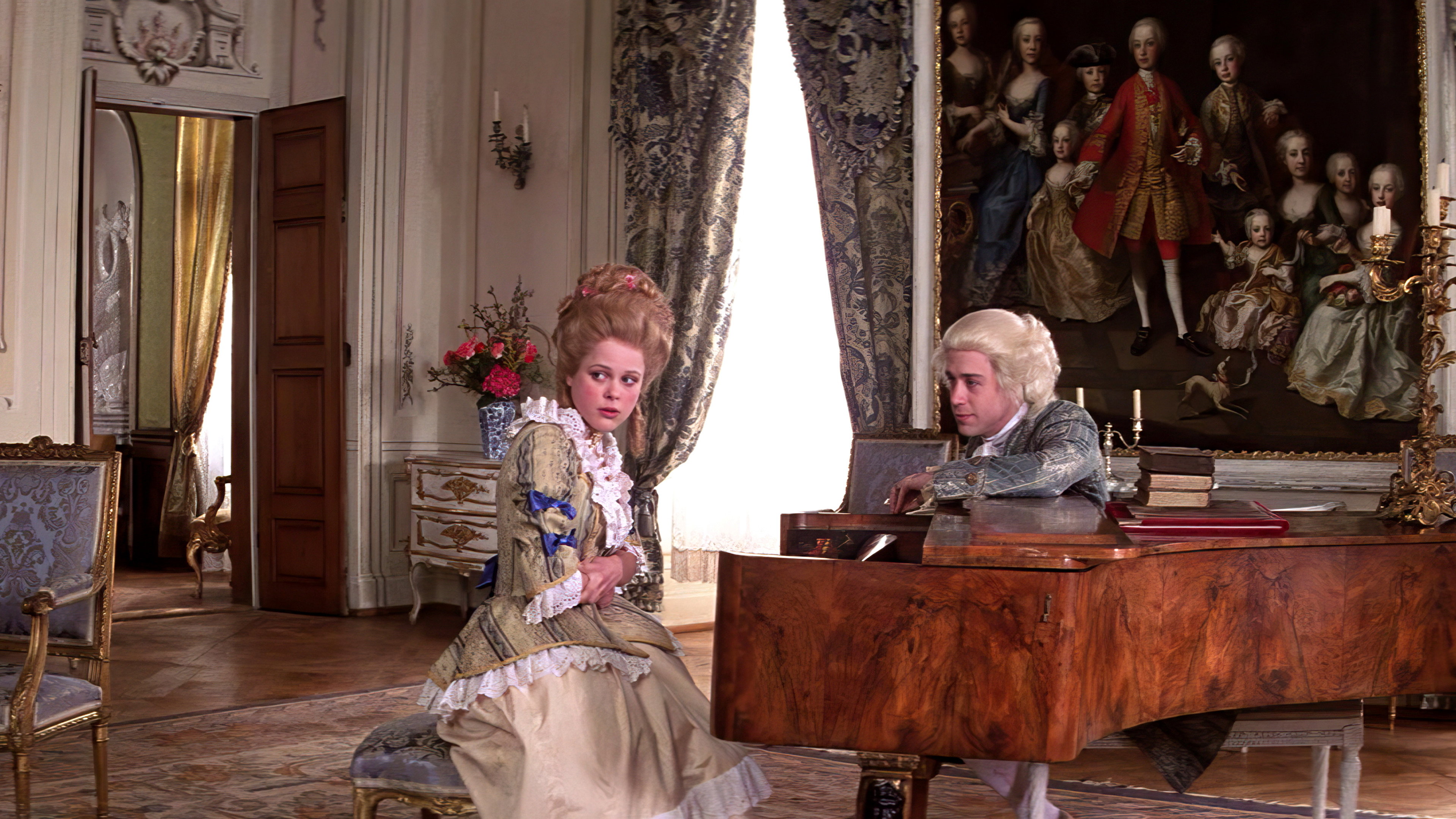
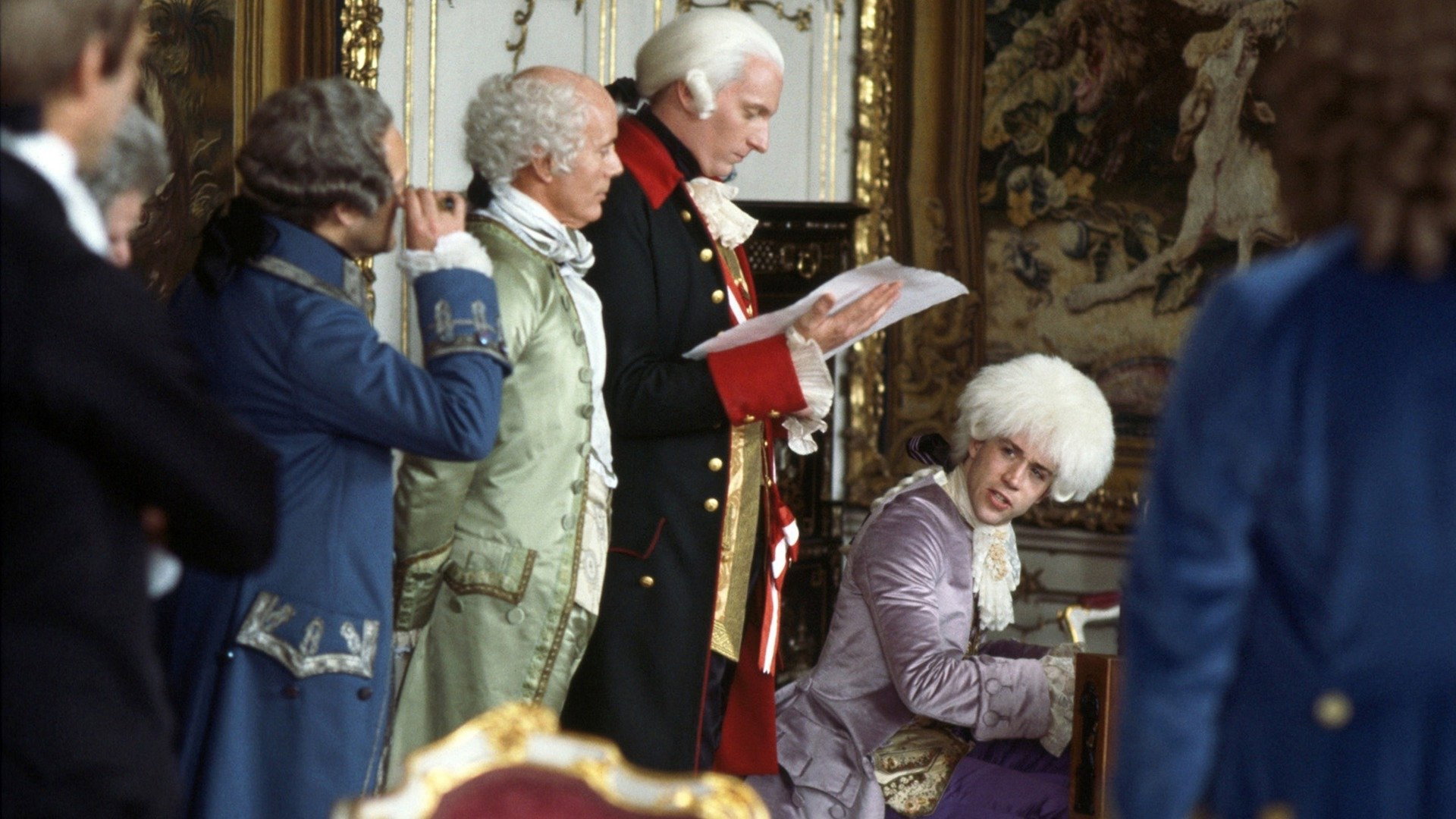
Miroslav Ondříček photographs the grand period settings without letting them dwarf the actors. Patrizia von Brandenstein’s production design supplies plenty to look at, and Theodor Pištěk’s costumes help make public life look like an occasion for showing off. The clothes and surroundings make the vulgarity funnier: these people have gone to some trouble to look respectable. Forman keeps the operatic set pieces within the same lively, unruly film, allowing the spectacle to sit comfortably alongside the quarrelling and the comedy.

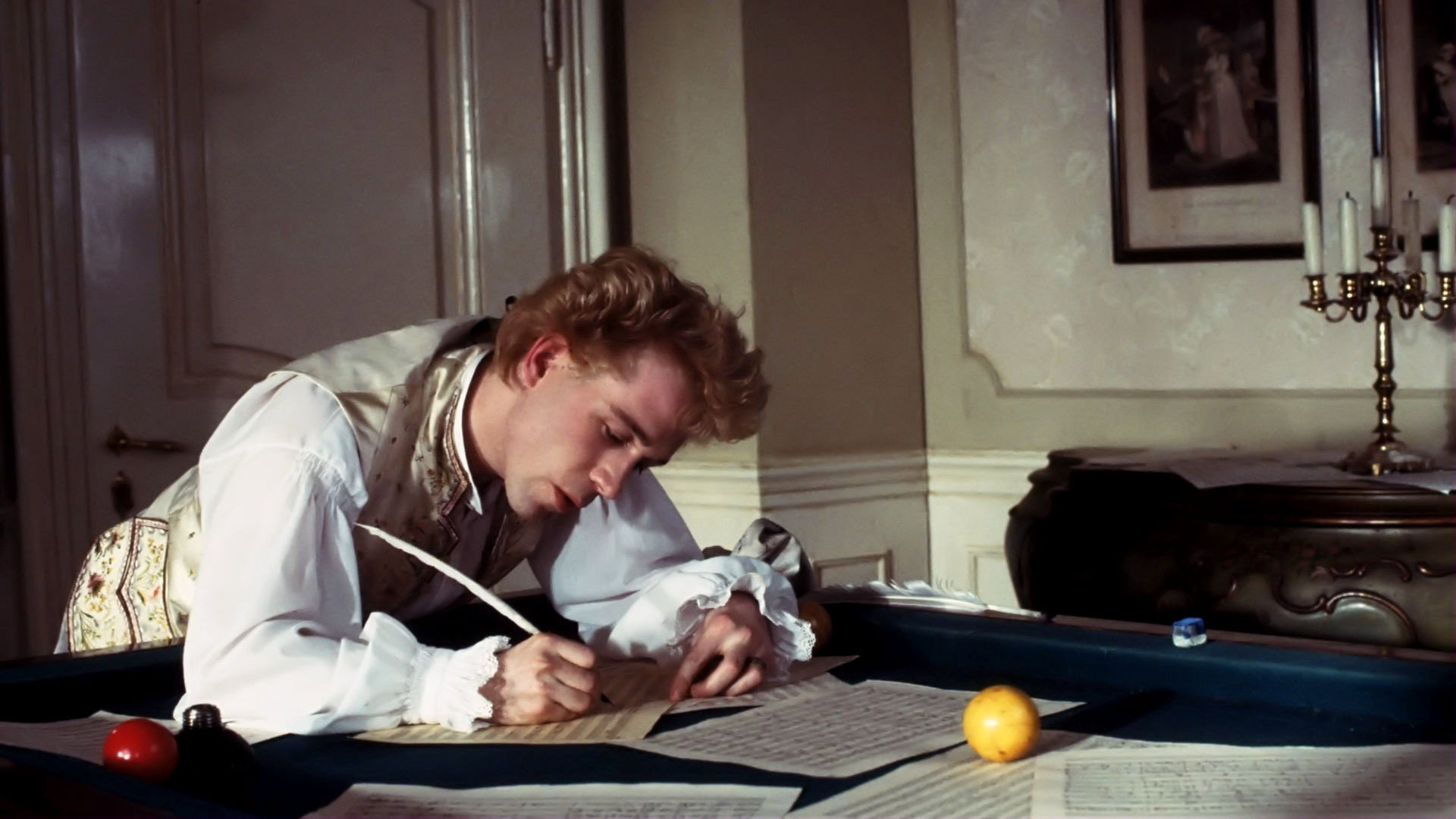
Editors Nena Danevic and Michael Chandler keep a long film moving without reducing the musical performances to brief proofs of Mozart’s talent. We need to listen for ourselves if Salieri’s response is going to carry any weight, and the film gives us that chance. Mozart’s music is allowed to command our attention, which makes the return to wounded pride and bad manners more awkward. These passages are a substantial part of the pleasure, even without the rivalry to explain their presence. The editing allows time for us to enjoy them.

The weakness is that Forman and Shaffer occasionally insist too hard on Mozart’s childishness, and Hulce can become repetitive once the initial surprise has passed. Elizabeth Berridge’s Constanze Mozart brings a welcome directness beside the leads, though the writing gives her less room to develop. Yet Forman’s willingness to be bawdy remains a relief in a genre prone to treating a composer’s reputation as sufficient reason to sit quietly for an evening. The film offers ample pleasure to anyone who has never identified an aria and does not intend to start. Give it an uninterrupted evening and enough volume for the music.
Critical consensus AI synthesised

84
Positive
6
Mixed
1
Negative
0

Most critics warmly praise Amadeus as a lively, funny and moving account of artistic envy, with Salieri’s understanding of Mozart’s gifts giving the rivalry its tragic force. Praise centres on F. Murray Abraham’s embittered Salieri and Tom Hulce’s unruly Mozart, alongside the period settings and the use of Mozart’s music. The reviews repeatedly admire Forman’s ability to combine vulgar comedy with serious feeling without making genius seem solemn or remote.

The reservations concern how that irreverence changes the story, and a few responses sit well below the favourable consensus. The Evening Standard enjoys the acting but finds the American sensibility dated and the treatment more concerned with status than inspiration; Time Out also finds the accents intrusive. Variety offers a sharper dissent, arguing that Forman’s naturalism weakens the theatrical material and that shifting attention from Salieri leaves Mozart looking one-dimensional.

Radio Times
★★★★★ · David Parkinson
100

Amadeus is one of the finest biographical dramas ever made, as much about Salieri’s envy and mediocrity as about Mozart’s genius. Forman and his team revel in Prague’s beauty, while the majestic music and standout performances, especially F. Murray Abraham’s, make it an unexpected box-office and awards triumph.

Read the full review →
Empire
1 January 2000 · Ian Nathan
95*

The critic calls Forman’s film a sumptuous, witty, dark, moving and majestic masterpiece that stands above its era’s shallow blockbusters, praising its exploration of self-aware mediocrity versus blind talent and the performances of Tom Hulce and F. Murray Abraham.

Read the full review →
The Guardian
23 July 2025 · Peter Bradshaw
90*

The critic praises the film's mesmeric quality and F Murray Abraham's villainous performance as Salieri, highlighting the dazzling set pieces and the rivalry between the composers.

Read the full review →
Total Film
26 July 2002
90*

The review finds the Director’s Cut even better than the already spellbinding original, highlighting how added scenes deepen the relationships and make the majestic, bawdy, unnerving, funny and tragic bio-mystery unmissable.

Read the full review →
The Telegraph
25 July 2025 · Tim Robey
85*

The review lauds the film's provocative, irreverent take on the Mozart-Salieri rivalry and its bold vulgarity, contrasting it favorably with modern biopics while noting its enduring influence.

Read the full review →
Evening Standard
10 April 2012 · Brian Hunt
50*

The critic notes the film’s dated early-1980s American sensibility and shallower take on status over inspiration but savours the stops-out acting, especially F. Murray Abraham’s Salieri and Tom Hulce’s gauche Mozart.

Read the full review →

Cast

Stills

Awards

BAFTA Film Awards, 1986

Won
Best Editing
Won
Best Makeup and Hair
Won
Best Sound

Academy Awards, 1985

Nominated
Best Cinematography
Nominated
Best Film Editing
Won
Best Actor
Won
Best Costume Design
Won
Best Director
Won
Best Makeup and Hairstyling
Won
Best Picture
Won
Best Production Design
Won
Best Sound
Won
Best Writing, Adapted Screenplay

Amanda Award for Best Foreign Feature Film, 1985

Won
Amanda Award for Best Foreign Feature Film

Golden Globes, 1985

Won
Best Actor – Motion Picture Drama

Golden Globes, 1984

Nominated
Best Motion Picture – Drama

If you liked this, try…

The Red Shoes poster92

The Red Shoes

1948 · Artistic ambition consumes private lives, with the performances given time to matter.

Tous les matins du monde poster

Tous les matins du monde

1991 · Music, wounded pride and difficult mentorship, played with considerably less public misbehaviour.

The Music Room poster

The Music Room

1958 · Another man measures his worth through music, while his social standing crumbles.

Topsy-Turvy poster88

Topsy-Turvy

1999 · The awkward people and patient labour behind musical pleasure, with room for comedy.

The Favourite poster

The Favourite

2018 · Courtly splendour houses spite, vulgarity and people keeping careful track of every slight.