Film review

Topsy-Turvy

1999 · Directed by Mike Leigh · 2h 40m · MPA R

In a sentenceWe have spent an evening watching people rehearse and would happily do it again

DramaMusicComedyHistory

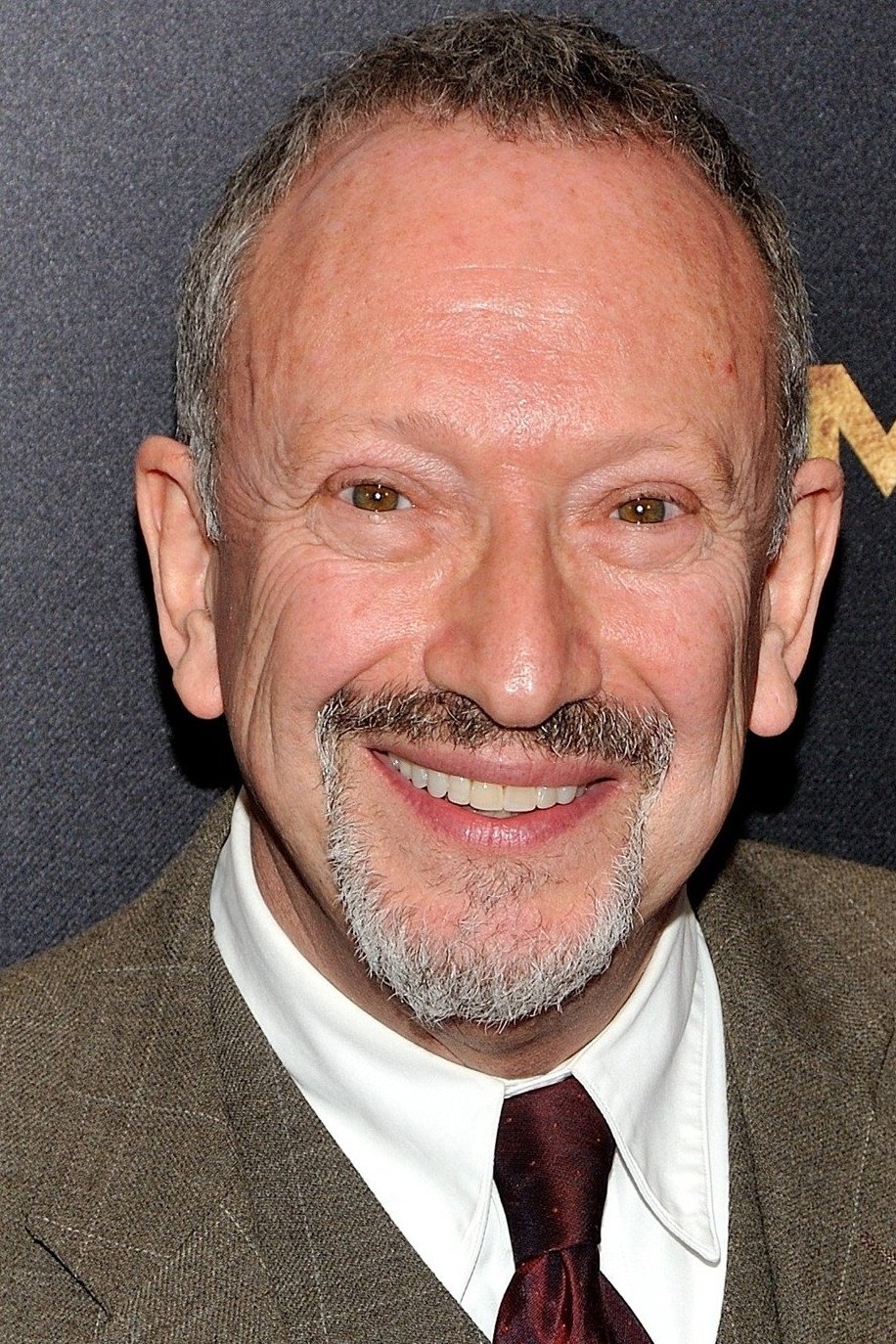
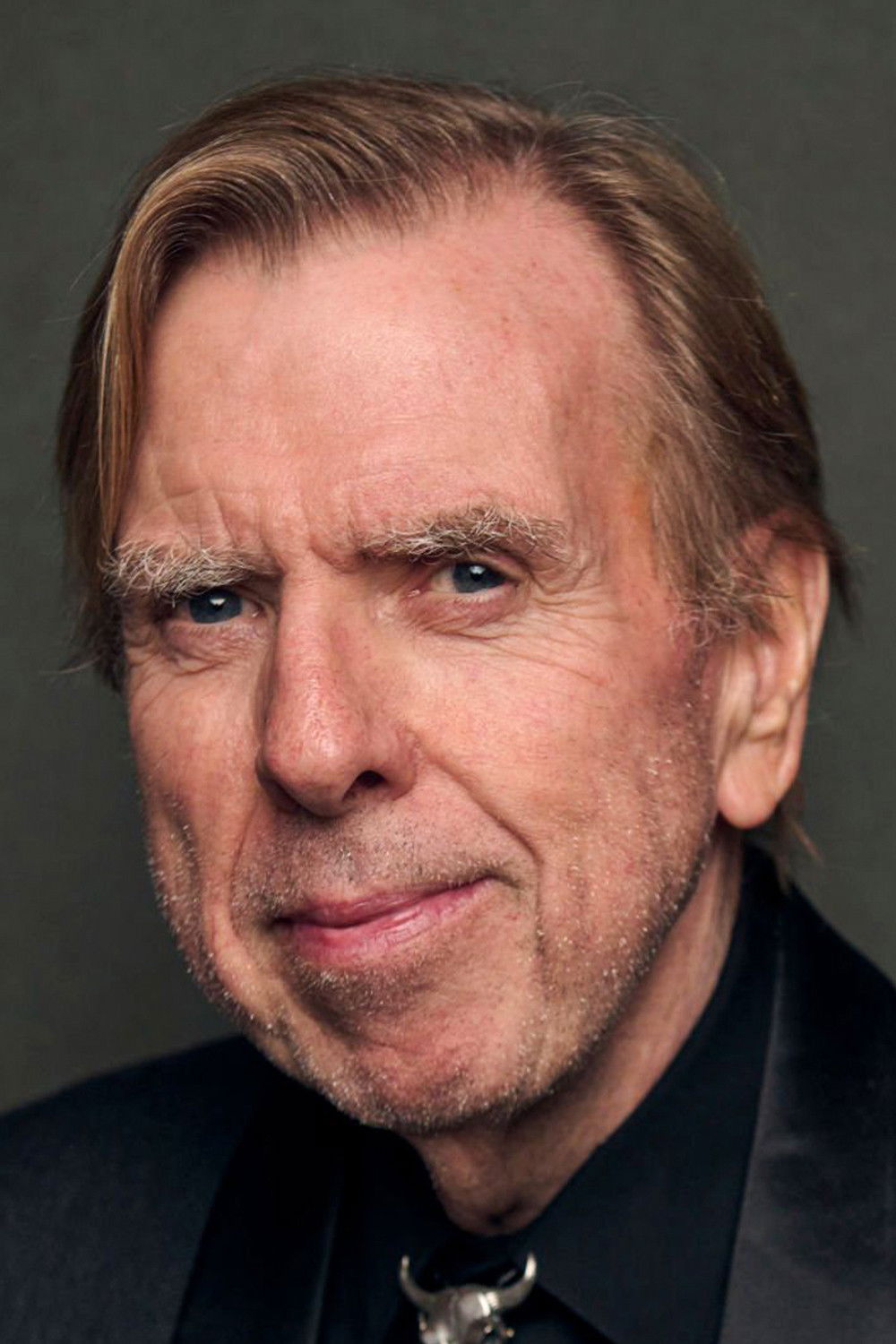
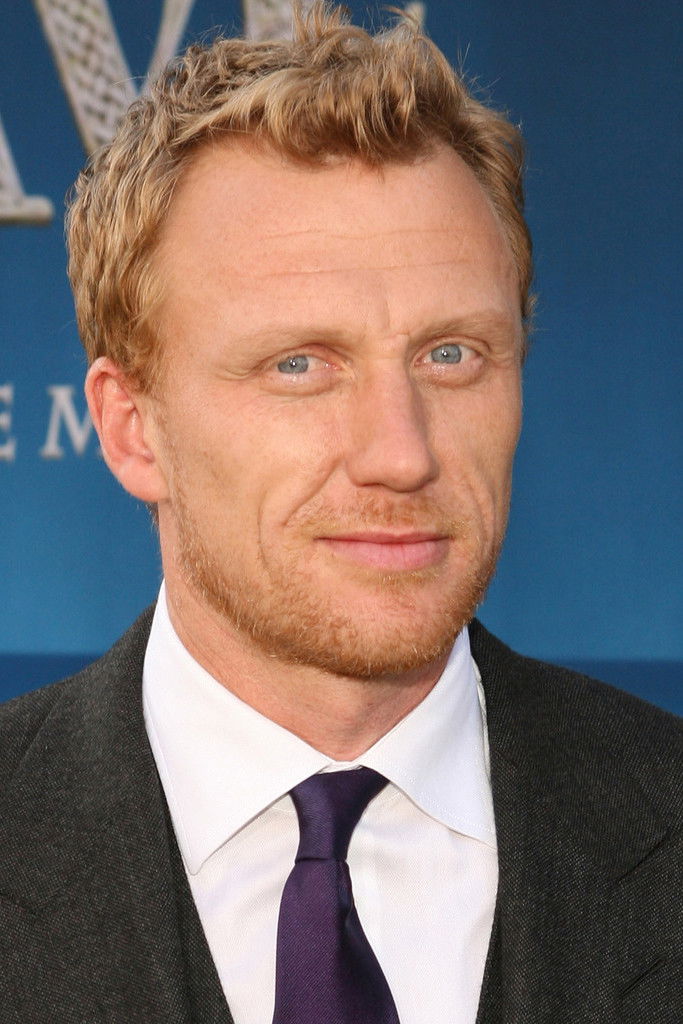
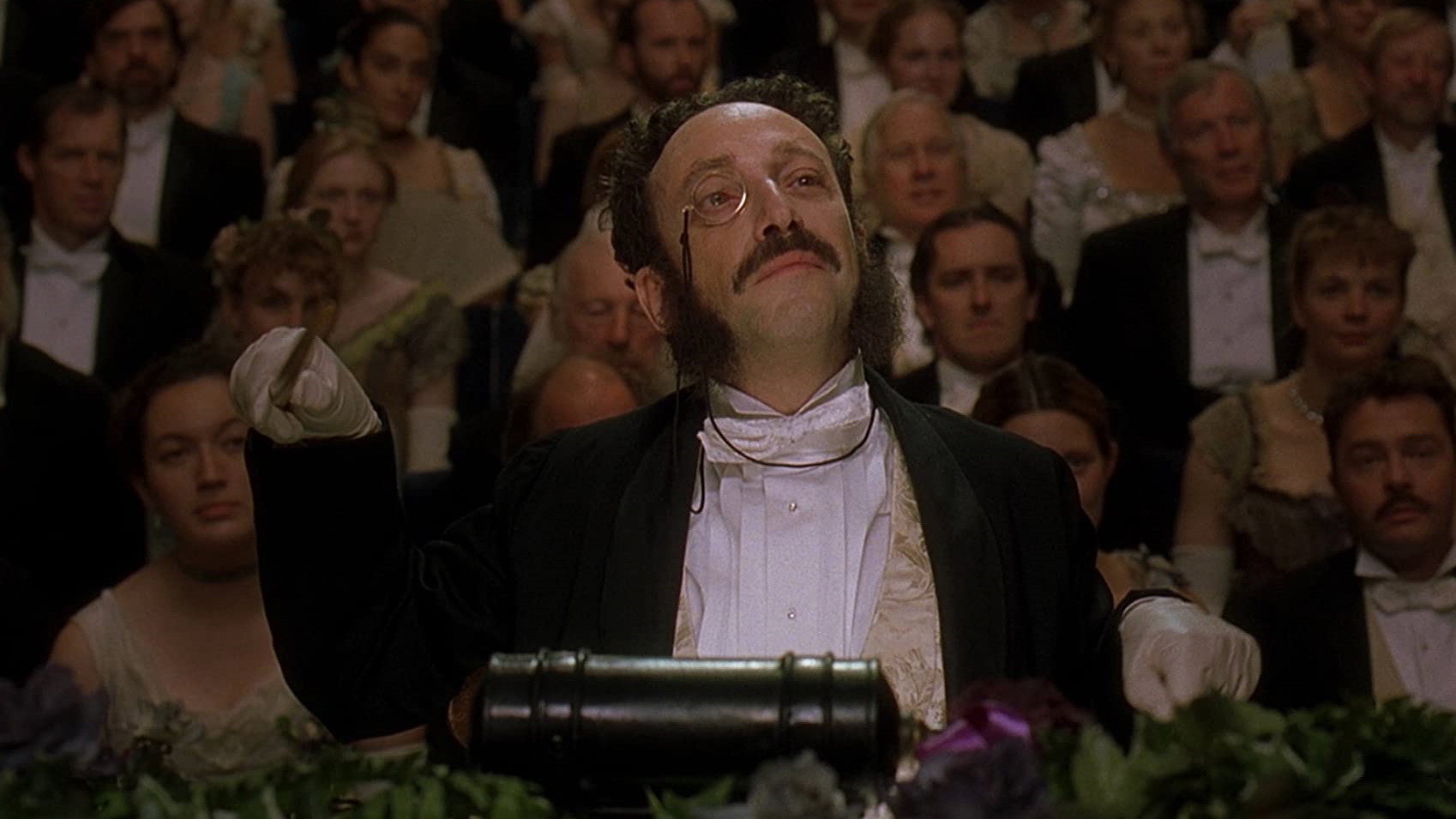
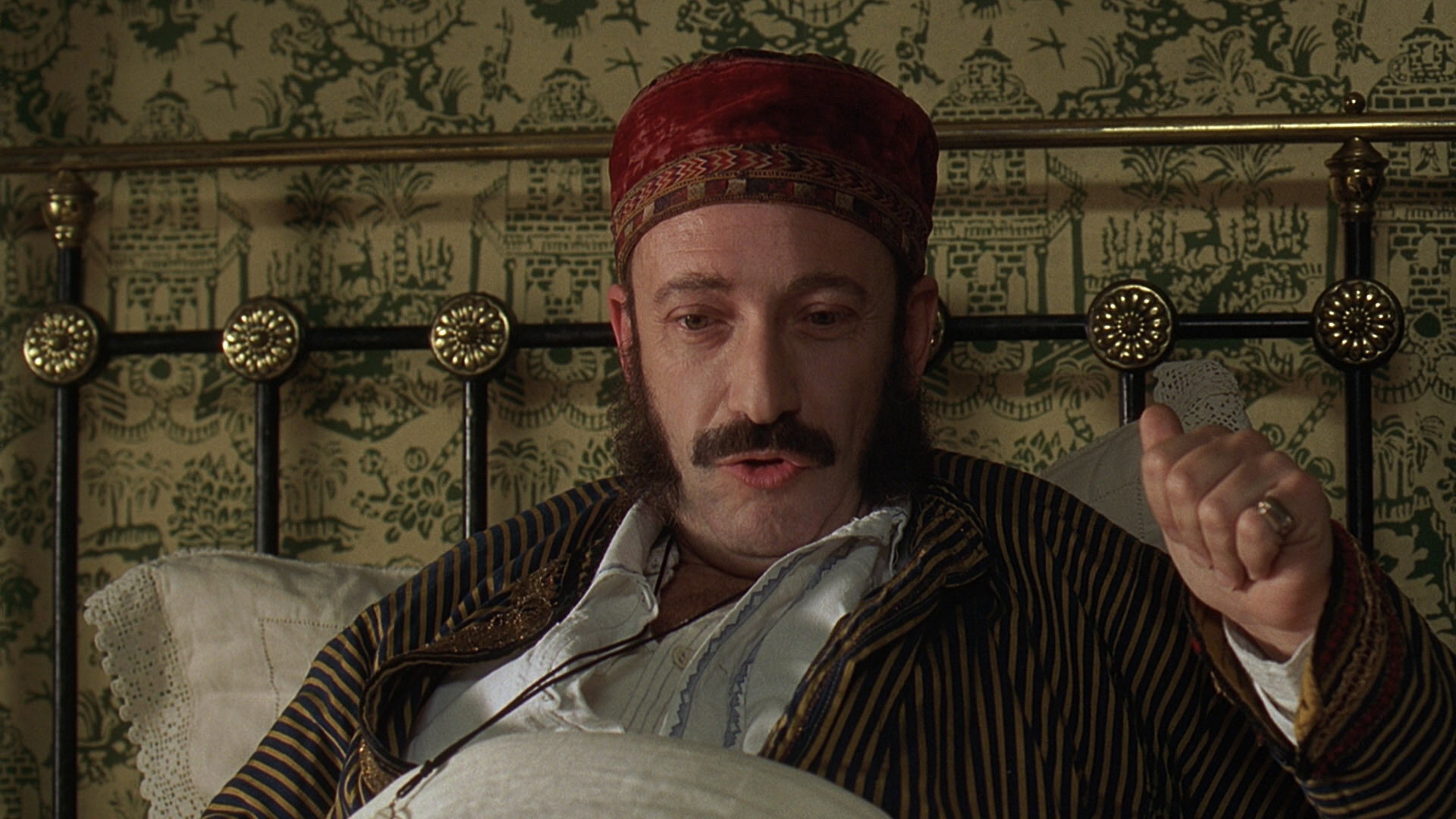
W. S. Gilbert (Jim Broadbent) and Sir Arthur Sullivan (Allan Corduner) are creative partners whose different temperaments complicate their work together. Mike Leigh follows their collaboration and the theatrical company involved in bringing The Mikado to the stage. Rehearsals, musical performances and the lives surrounding the production share the film with its two central figures. Timothy Spall plays Richard Temple, Shirley Henderson plays Leonora Braham and Lesley Manville plays Lucy Gilbert. The story looks at the demands of making entertainment, following the people behind the performances and their lives beyond the theatre.

Plays from YouTube when you press play; nothing loads from them until then.

Fi1m review

Mike Leigh makes the rehearsals as absorbing as the performances in this warm, funny account of Gilbert and Sullivan at work. Jim Broadbent leads a persuasive company, though the historical detail occasionally holds things up.

Mike Leigh’s Topsy-Turvy is a generous, funny film about the work involved in making musical entertainment, and we recommend it with one reservation: it sometimes takes longer than it needs. The partnership of W. S. Gilbert and Arthur Sullivan provides the story, with the making of The Mikado as its main business. Leigh keeps looking beyond the two names. The performers matter, as do the rehearsals and the effort of getting things right. There is considerable pleasure here in watching people take the business of entertaining an audience seriously.

Jim Broadbent, as Gilbert, gives the partnership its most compelling presence. He makes Gilbert funny without turning him into someone we can dismiss, and that gives the differences between the collaborators some weight. Allan Corduner’s Sullivan is distinct enough in temperament that their working relationship never feels inevitable. We believe these men can make something together, and we can understand why doing so might be tiring. Leigh’s script allows both personalities room without reducing their difficulties to a lesson about how talented people ought to behave.

The rehearsals are where the film becomes most absorbing. We were unexpectedly moved by the sight of people working through a performance together, because Leigh allows their effort to occupy our attention without demanding a crisis. He gives the work time to become interesting in itself. Timothy Spall’s Richard Temple and Shirley Henderson’s Leonora Braham help make the company feel populated by people with concerns of their own. They remain worth watching when the famous partnership is not the immediate subject, and the film is richer for its willingness to stay with them.

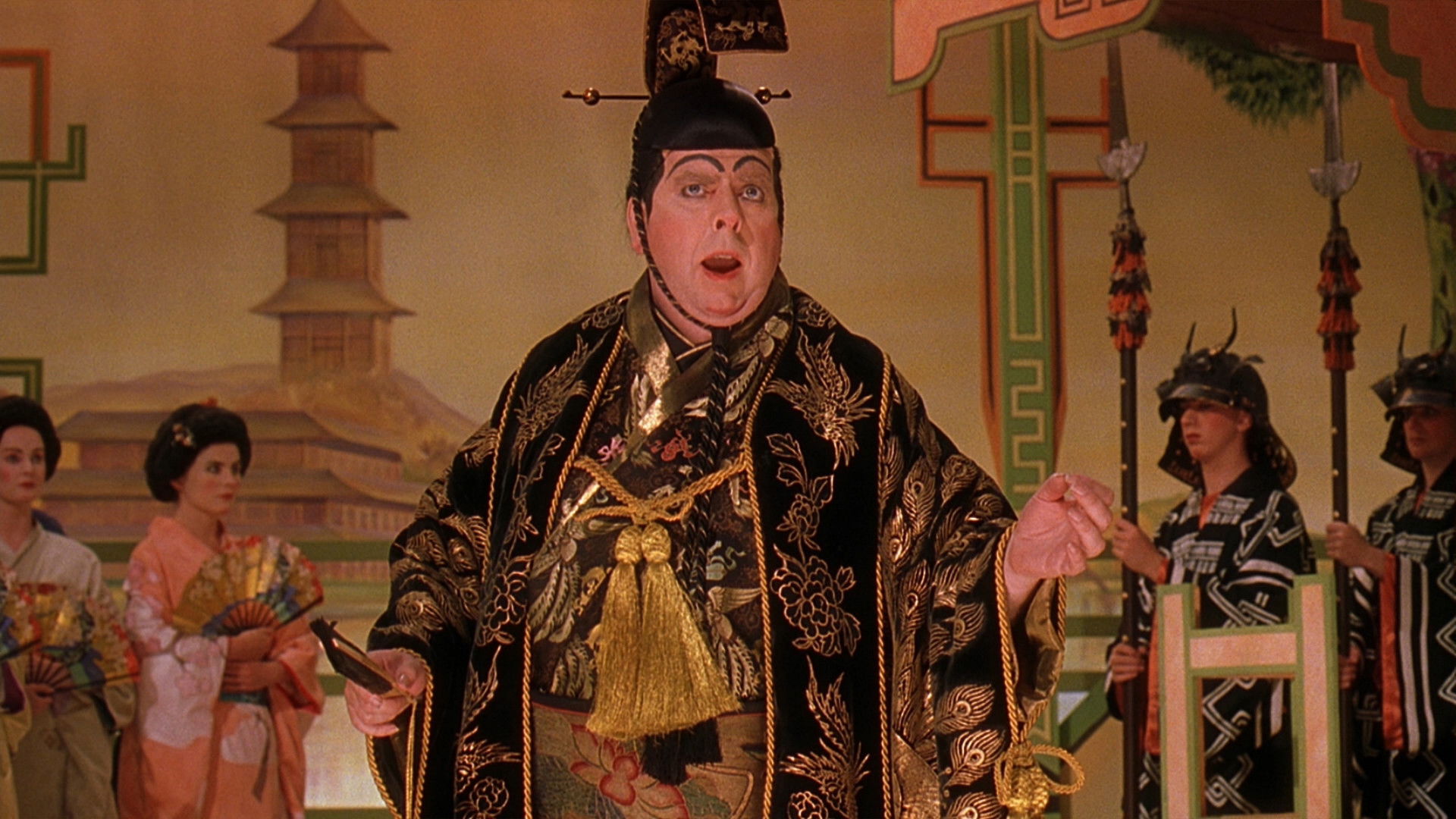
Dick Pope’s cinematography gives the staged numbers a welcome sense of space, allowing the company to hold our attention together. Eve Stewart’s production design makes the theatre convincing as somewhere people work, even amid the pageantry. Lindy Hemming’s costumes contribute to that spectacle without making the ensemble seem interchangeable. The period detail is plentiful, but it rarely prevents us from looking at faces. These departments serve the performances well; the surroundings feel substantial enough that Leigh does not need to keep drawing attention to them.

Robin Sales’s editing is patient with the rehearsals and musical numbers, and that patience is often repaid. Carl Davis’s musical contribution helps the staged passages work as entertainment in their own right, without requiring prior affection for Gilbert and Sullivan. There are stretches, though, when the accumulation of historical detail weakens the sense of anything needing to happen next. At 160 minutes, the film occasionally makes its thoroughness tiring. A little less time spent establishing this theatrical world would not have diminished our belief in it.

Leigh is more interested in the people around a production than a conventional account of famous collaborators needs to be. Lesley Manville’s Lucy Gilbert belongs to that interest in lives beyond the work, and the large cast prevents the partnership from becoming the only relationship that counts. The humour leaves room for unhappiness without making the musical pleasures seem foolish. That matters in a film which asks us to spend so long in the company of entertainers. Its occasional lack of urgency is partly the cost of giving other people their due.

An interest in how people work together is enough to make this worth an evening. The musical passages are substantial, however, and anyone impatient to return to the story will have to adjust. Give it time, and let the rehearsals be the attraction.
Critical consensus AI synthesised

83
Positive
6
Mixed
0
Negative
0

The reviews are consistently positive about Mike Leigh’s account of Gilbert and Sullivan’s partnership, with praise centred on the performances and the patient attention to theatre-making. Jim Broadbent’s Gilbert receives particular recognition, while the ensemble gives the rehearsals and backstage encounters humour and emotional weight. Critics also admire the detailed design and musical staging, finding that the period setting allows Leigh to explore familiar concerns with working lives, private unhappiness and public performance.

The differences concern pace and emphasis rather than the film’s basic achievement. Variety offers the clearest reservation, arguing that historical detail sometimes weakens the dramatic focus, even as the acting and craftsmanship sustain interest. The New York Times treats the leisurely pace more favourably, as part of the pleasure of watching the partnership recover its creative energy. The spread runs from qualified approval to strong enthusiasm, with no outright rejection.

Empire
1 January 2000 · Angie Errigo
90*

The critic calls the film superb and a masterpiece, praising Leigh for turning the musical biopic on its head with a hilarious, tender, intimately detailed and passionately humane portrait of life. Broadbent's central performance as Gilbert is singled out as magnificent, alongside the ensemble's vivid vignettes of theatrical life and creativity.

Read the full review →
The New Yorker
20 December 1999 · David Denby
90*

Leigh revisits the Gilbert and Sullivan partnership with excited admiration and intelligence, turning the story of their creative process into an extraordinary portrait of how lasting art is made. The film honors the discipline, brilliance and emotional depth of their work while paying tribute to Victorian theatrical culture.

Read the full review →
The New York Times
2 October 1999 · festival review · Janet Maslin
85*

Mike Leigh's grandly entertaining film mixes erudition, pageantry and fine acting in a robust look at Gilbert and Sullivan's partnership and the making of The Mikado. It presents the duo's contrasting personalities with knowing humor and a leisurely pace that highlights their creative turnaround.

Read the full review →
Los Angeles Times
15 December 1999 · Kenneth Turan
80*

Though a seeming departure, Topsy-Turvy is very much a Leigh project focused on the mysterious intricacies of the creative process behind Gilbert and Sullivan's partnership and The Mikado. Superlative production values and deep performances, especially by Broadbent and Corduner, make it a stylish inquiry into how art is fashioned.

Read the full review →
Variety
7 September 1999 · festival review · Deborah Young
70*

Mike Leigh's first costume film details the Gilbert and Sullivan partnership and the making of The Mikado with entertaining acting, barbed wit and lavishly staged numbers, though it tends to lose dramatic focus in historical detail. A consistently persuasive cast and high craftsmanship keep it alive despite the weight of research.

Read the full review →
Sight and Sound

The review finds Topsy-Turvy a surprising but ultimately authentic Mike Leigh film despite its lavish period trappings and departure from contemporary settings. It praises the rich staging, judicious balance of heartbreak and farce, and sharp social observations beneath the surface.

Read the full review →

Cast

Stills

Awards

Academy Awards, 2000

Nominated
Best Production Design
Nominated
Best Writing, Original Screenplay
Won
Best Costume Design
Won
Best Makeup and Hairstyling

If you liked this, try…

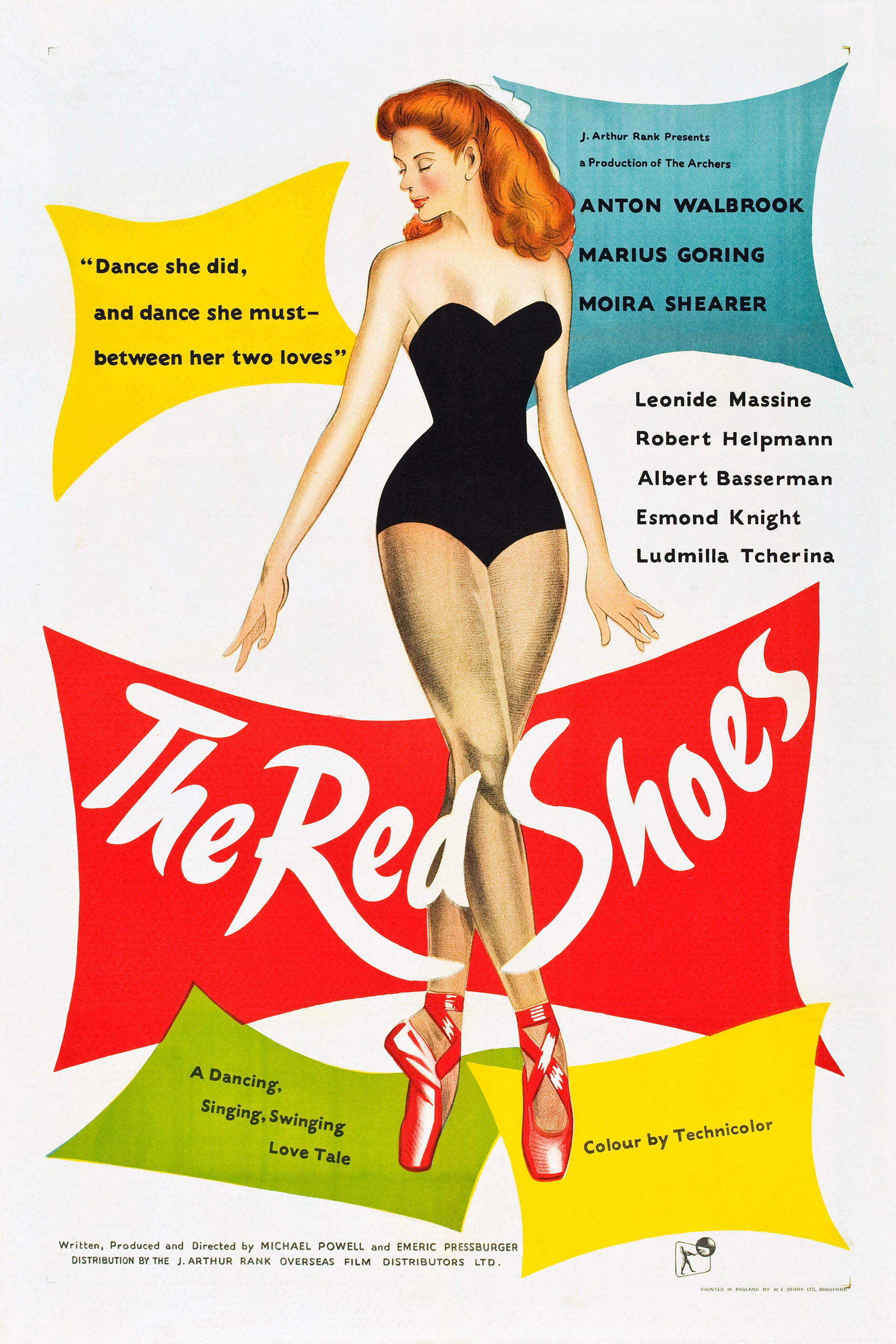
The Red Shoes poster92

The Red Shoes

1948 · For another look at the work and unhappiness behind theatrical beauty.

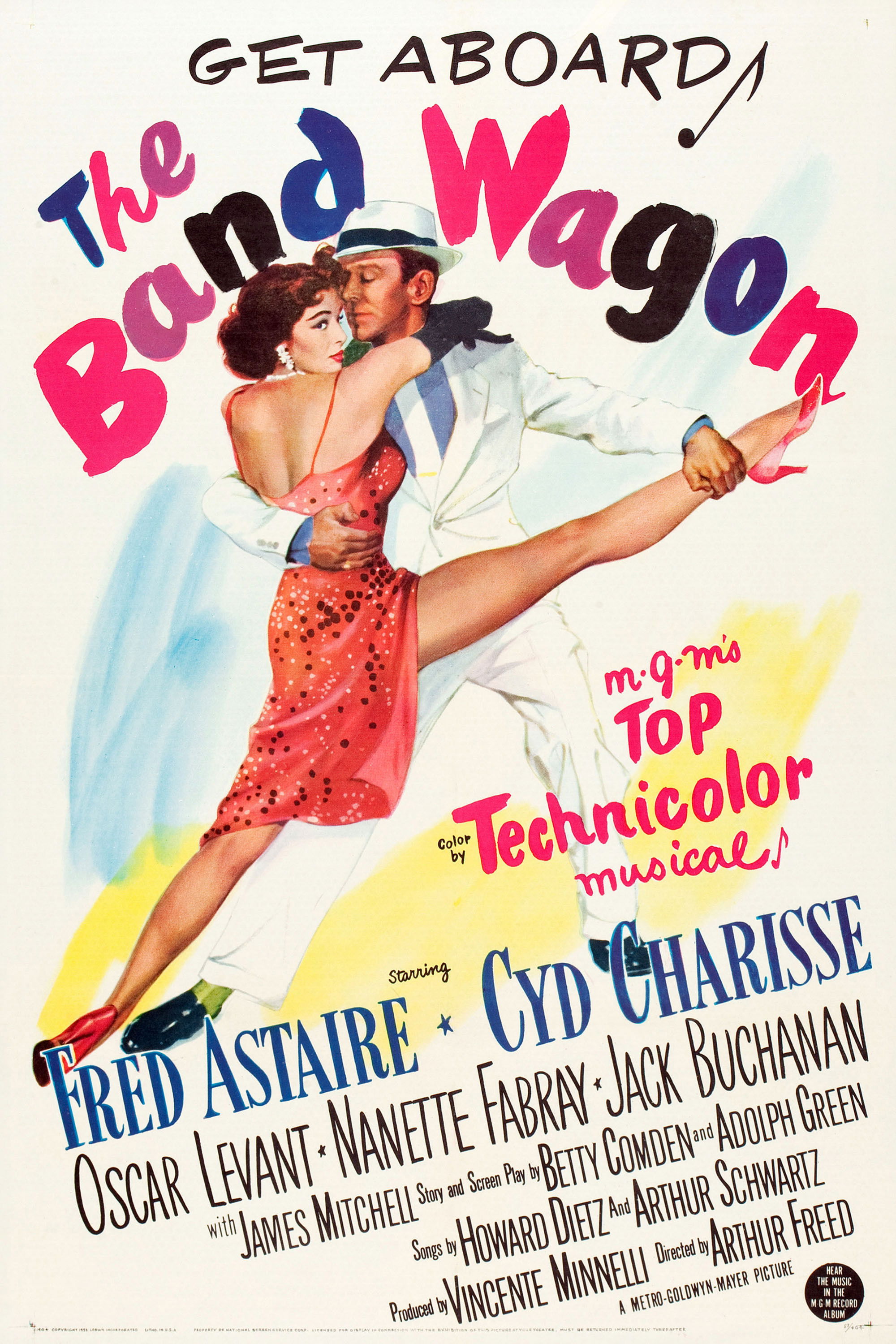
The Band Wagon poster

The Band Wagon

1953 · For musical performers negotiating egos, rehearsals and the business of putting on entertainment.

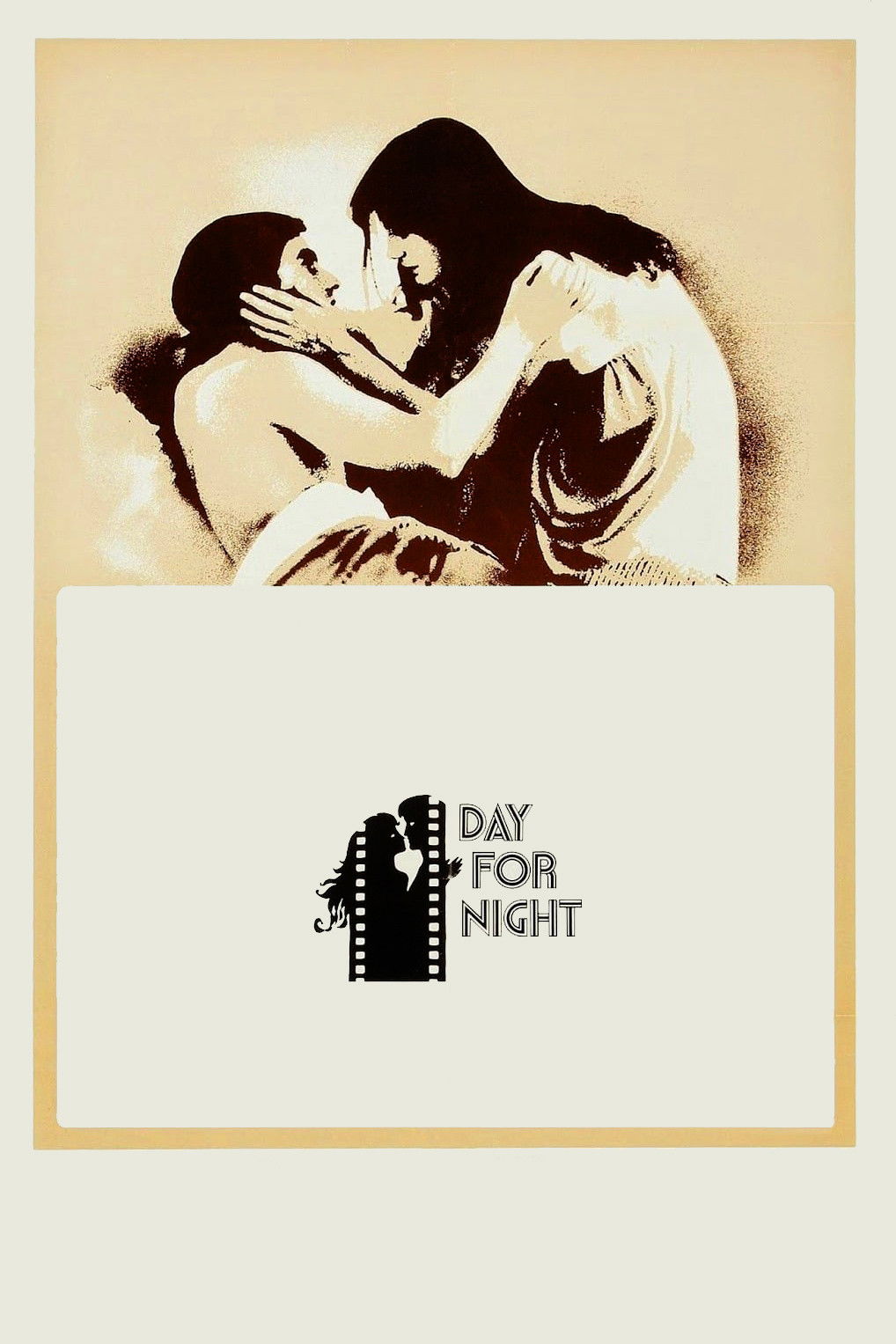
Day for Night poster

Day for Night

1973 · A film crew offers another ensemble of workers, lovers and professional worriers.

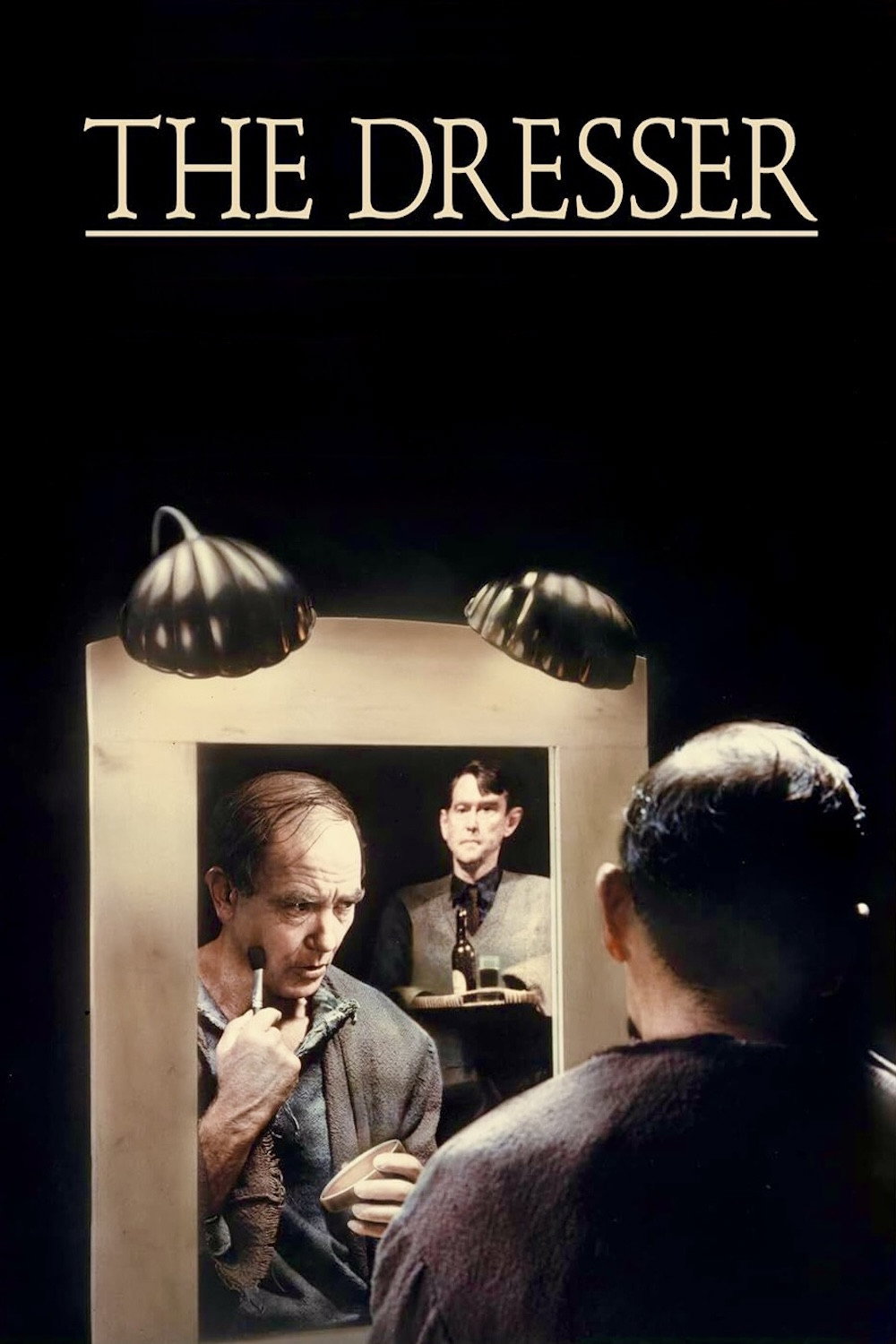
The Dresser poster

The Dresser

1983 · For a closer, harsher look at the labour of keeping theatre alive.

Drive My Car poster

Drive My Car

2021 · Rehearsal becomes a way of understanding people who struggle to explain themselves.