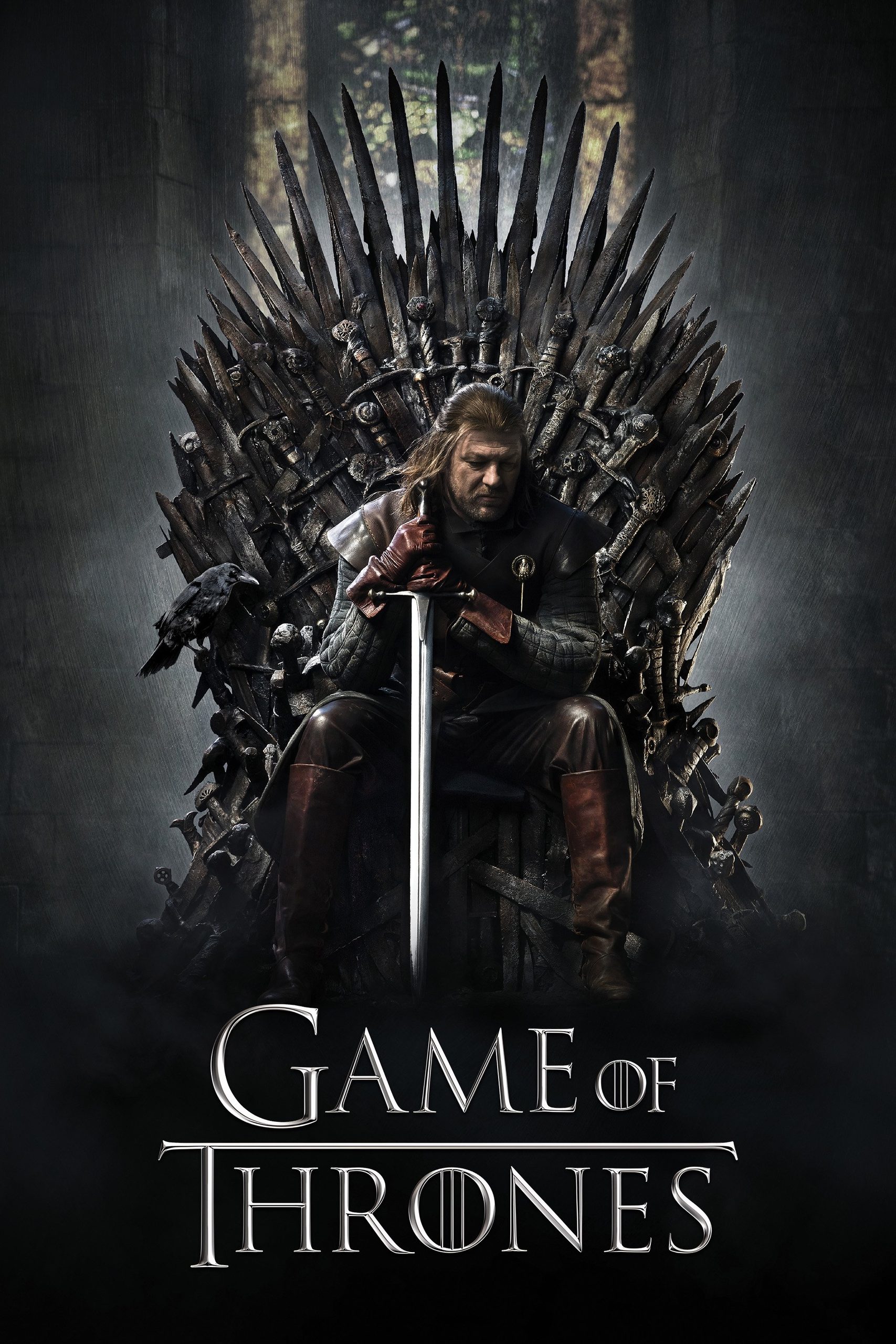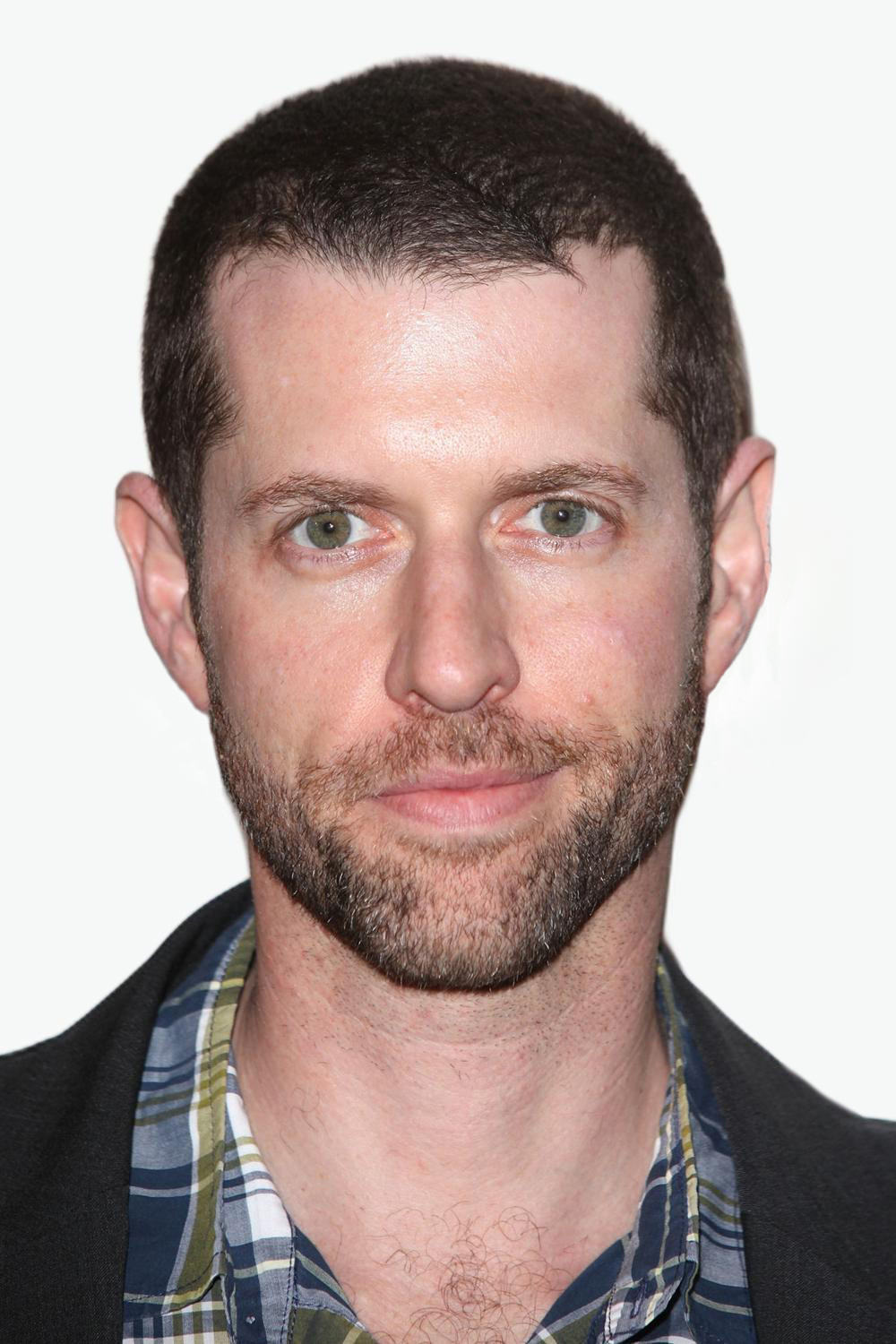
Weiss and David Benioff made the largest thing television has attempted and, for six seasons, something close to the best of it, before hurrying the ending. He is a writer and showrunner far more than a director, and the writing is what to judge him on.
Fi1m perspective
In the first season of Game of Thrones (2011) there is scarcely a spell in sight: a king, Robert Baratheon, who is bored of being king; his old friend Ned Stark, dragged south to run the country for him; and the queen's family, the Lannisters, with plans of their own. The politics are played as politics, who owes money to whom, whose children are whose, how many men a lord can raise. We had the map of Westeros straight before we could pronounce half of it, because every scene tells you who is stronger. That is the writing, and the writing is the thing Weiss does.
He came to it from prose. His first published work was a novel, Lucky Wander Boy (2003), and he met David Benioff at Trinity College Dublin, which accounts for most of what followed: the two of them took George R.R. Martin's unfinished novels and turned them into seventy-three episodes over eight years, writing and running the whole thing from 2011 to 2019. Weiss directed three episodes himself, one of them the finale, shared with Benioff. The credit says director, and it is true as far as it goes, but directing is a sliver of what he did. The job was the adaptation.
What works is the patience. For six seasons the show trusts that a table of lords arguing about debts is more frightening than a dragon, and it is right. The cast has no weak link, and the scripts give even the minor players a reason to want what they want. What does not work is well known. The last thirteen episodes hurry, and it shows: arcs built over years are resolved at a pace the earlier seasons would never have allowed. We felt that hurry as a small insult, having given the show so much of our evenings, and we were cross with it the way we are only cross with things we loved. It is not enough to keep anyone away from the first six seasons, and it is not the reason they matter.
Since then he has moved on to 3 Body Problem (2024), another dense sequence of novels, this time Cixin Liu's, adapted with Benioff and a new partner, Alexander Woo, and he has written a feature, Metal Lords (2022). The reviews for 3 Body Problem have been mixed, the complaint being that the science and the drama do not always sit in the same scene; we will say only that it is the same wager as before, a book most people said could not be filmed. Weiss has said they wanted 'a show that shows people things they haven’t seen before'. He has done that once, at length, and the first six seasons of Game of Thrones are still the best argument for letting him try again.
Biography
D. B. Weiss is an American screenwriter and television producer. He graduated from Wesleyan University and earned an MPhil in Irish literature from Trinity College Dublin and an MFA in creative writing from the University of Iowa Writers' Workshop.
With his collaborator David Benioff, Weiss co-created the HBO series Game of Thrones (2011–2019), adapting George R. R. Martin's A Song of Ice and Fire. He wrote many episodes and received directing credit on several, including the season four premiere "Two Swords" and the series finale "The Iron Throne". He has also written for It's Always Sunny in Philadelphia and created the Netflix series 3 Body Problem (2024).
Weiss wrote the 2003 novel Lucky Wander Boy and the screenplay for the 2022 film Metal Lords.