The biggest thing television has attempted, and for six seasons close to the best of it: a political drama in armour, with a cast that has no weak link. The last thirteen episodes hurry, and it shows, but not enough to keep you away.
David Benioff and D. B. Weiss took George R.R. Martin’s unfinished novels and made seventy-three episodes of television from them, over eight years. It is the largest thing the medium has attempted, and for most of its length it is one of the best: a story about who gets to sit in a chair, told through a dozen families who would each rather see the others dead. It also has a famous problem at the end, and we will come to that. The verdict first: watch it, all of it, and know that the last two seasons are not the reason the first six matter.
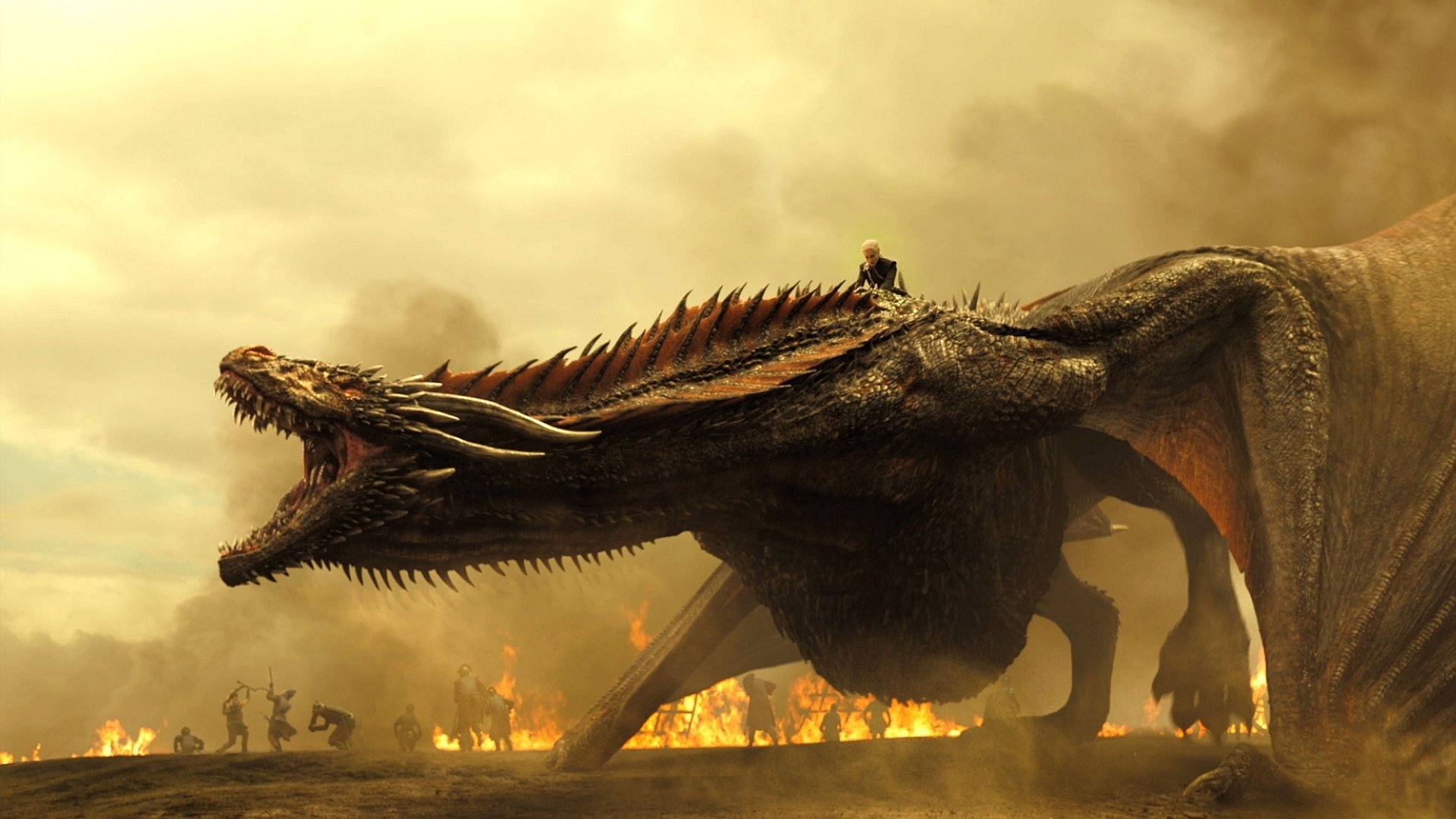
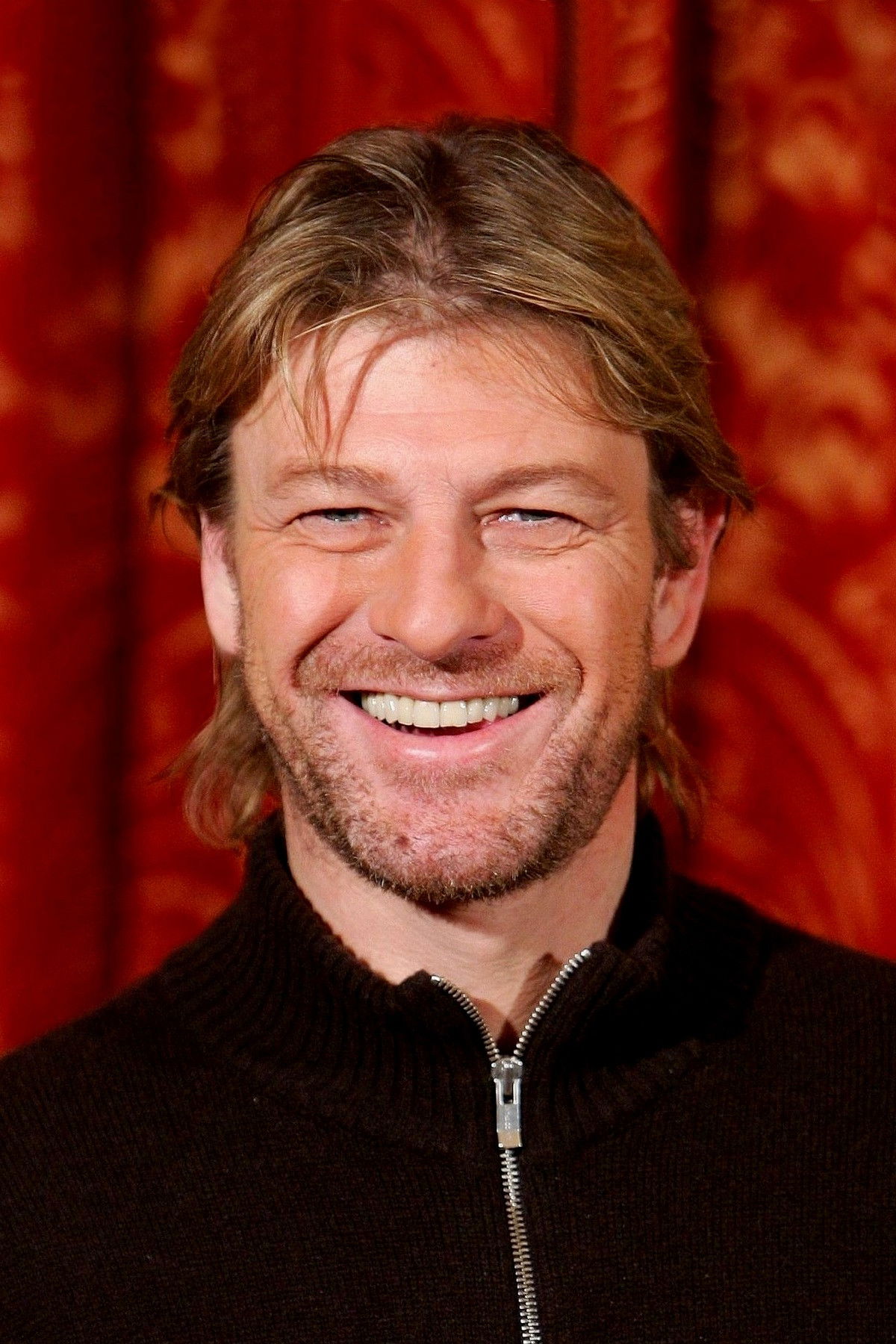
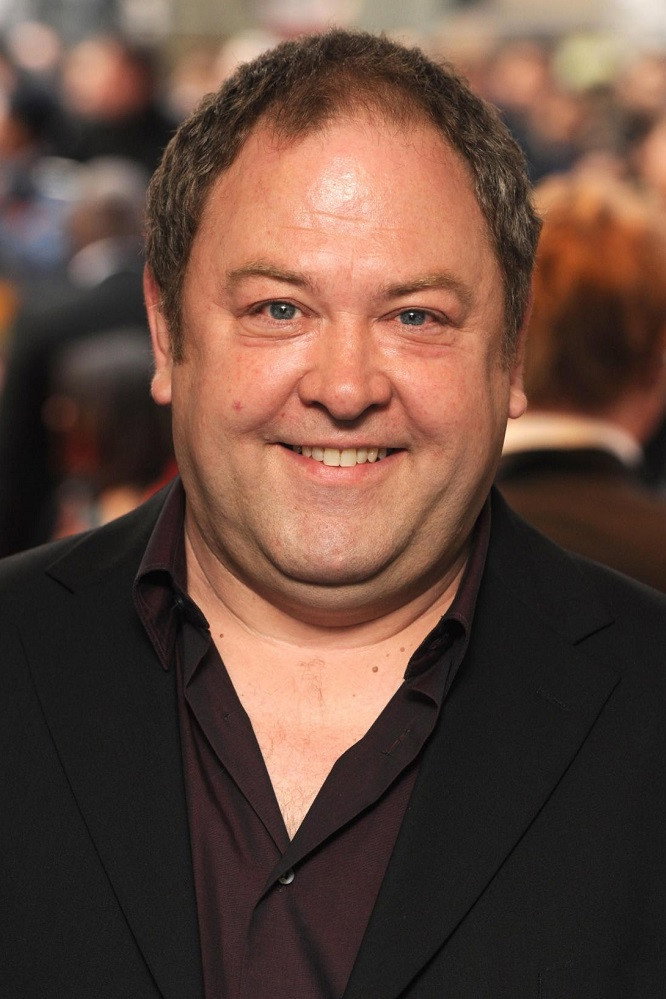
The trick, Martin’s before it was Benioff and Weiss’s, is that the dragons are almost beside the point. For most of the first season there is barely a spell in sight. What there is instead is a king, Robert Baratheon (Mark Addy), who is bored of being king; his old friend Ned Stark (Sean Bean), dragged south to run the country for him; and the queen’s family, the Lannisters, who have other plans. The politics are played as politics: who owes money to whom, whose children are whose, which lord can raise how many men. We had the map of Westeros straight before we could pronounce half of it, because every scene tells you who is stronger.
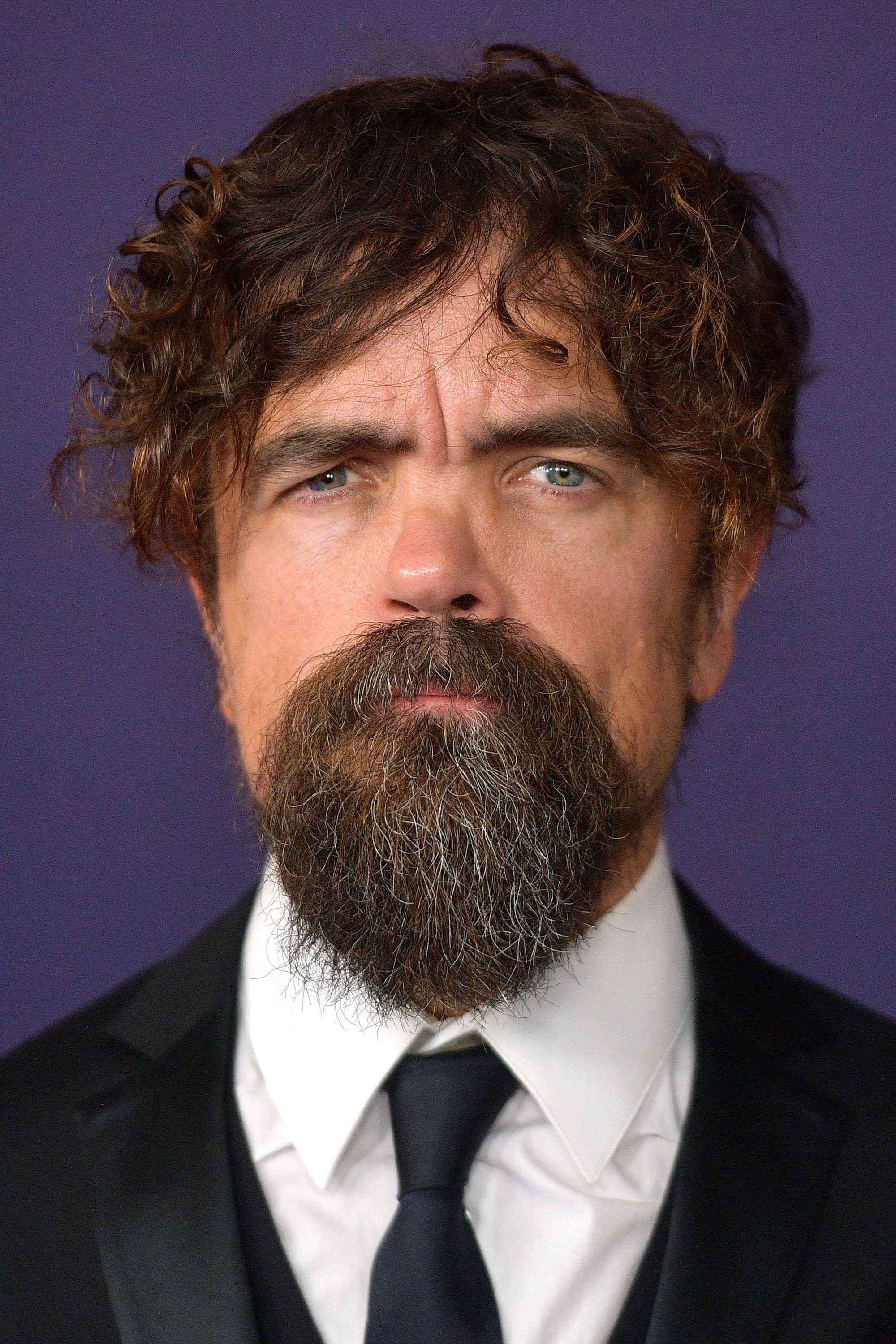
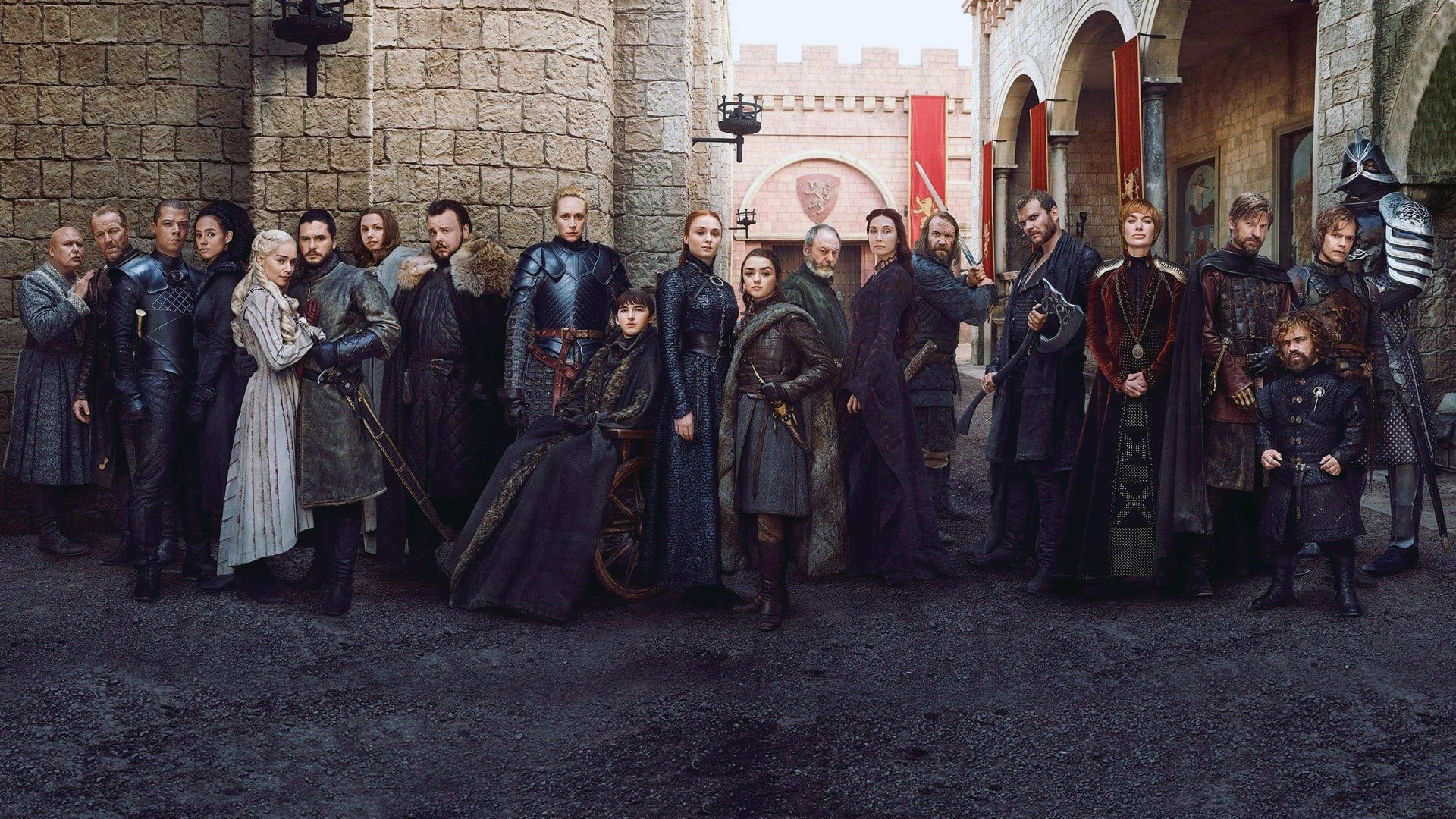
The cast has no weak link, which in a company this size is close to unheard of. Peter Dinklage’s Tyrion Lannister is the part people remember, and he earns it, playing a man who has decided that if the world will laugh at him he had better write the jokes. Lena Headey’s Cersei does more with a raised glass than most actors manage with a speech. Sean Bean plays Ned as a decent man who has never needed to be clever, and you can see the cost of that on his face in every scene set south of his own castle. Nikolaj Coster-Waldau’s Jaime begins as a sneer in gold armour and becomes something harder to place.
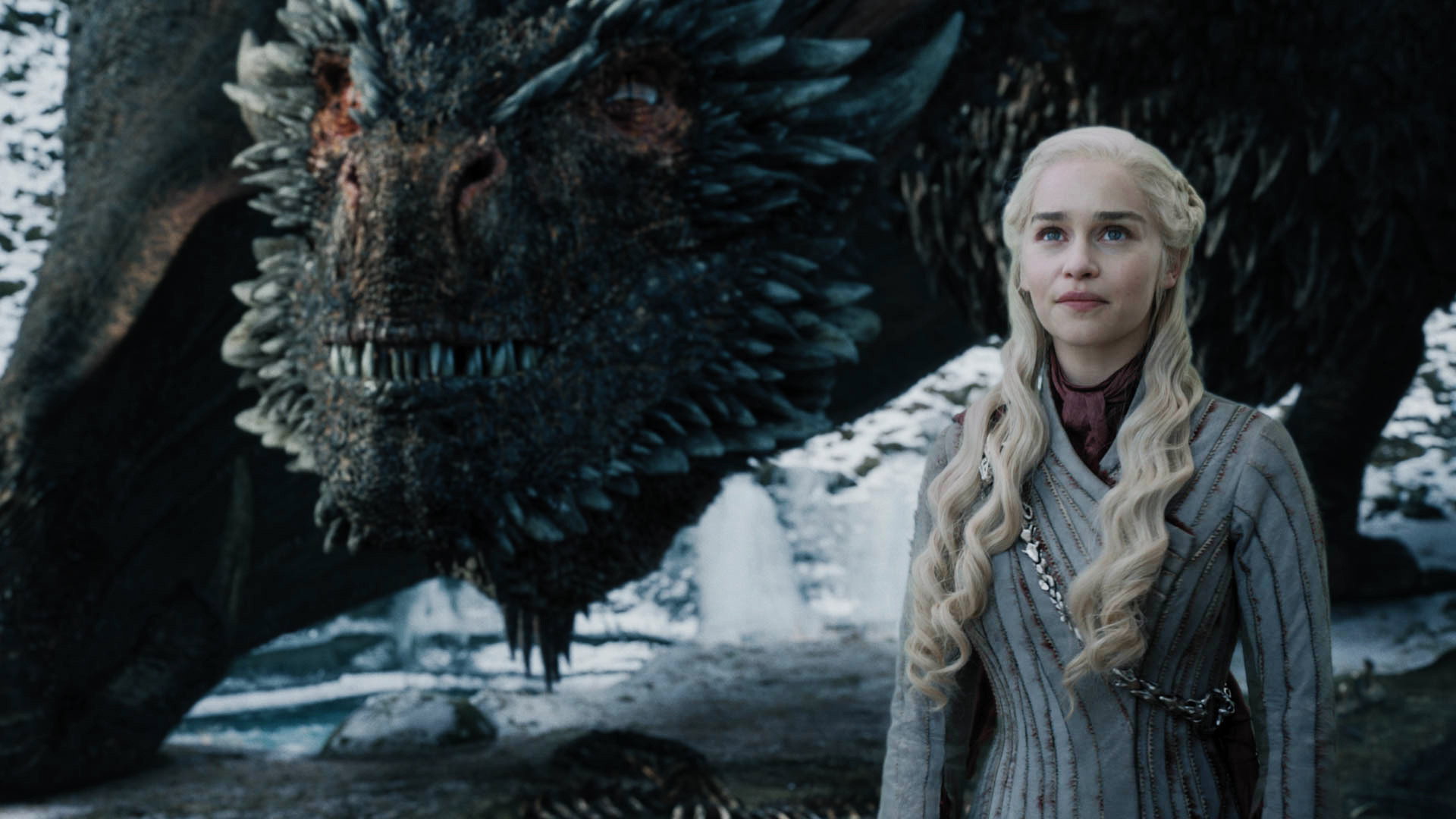
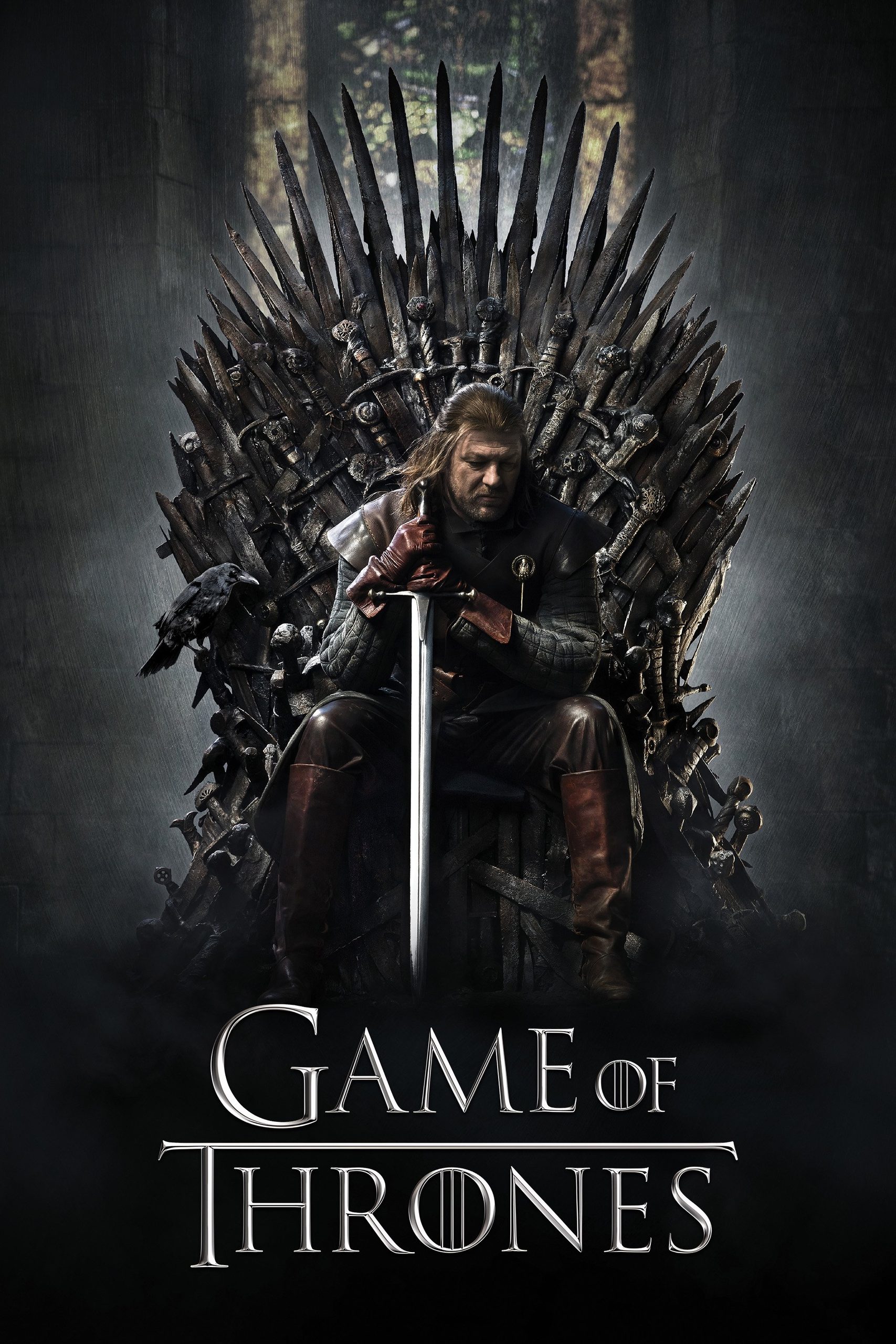
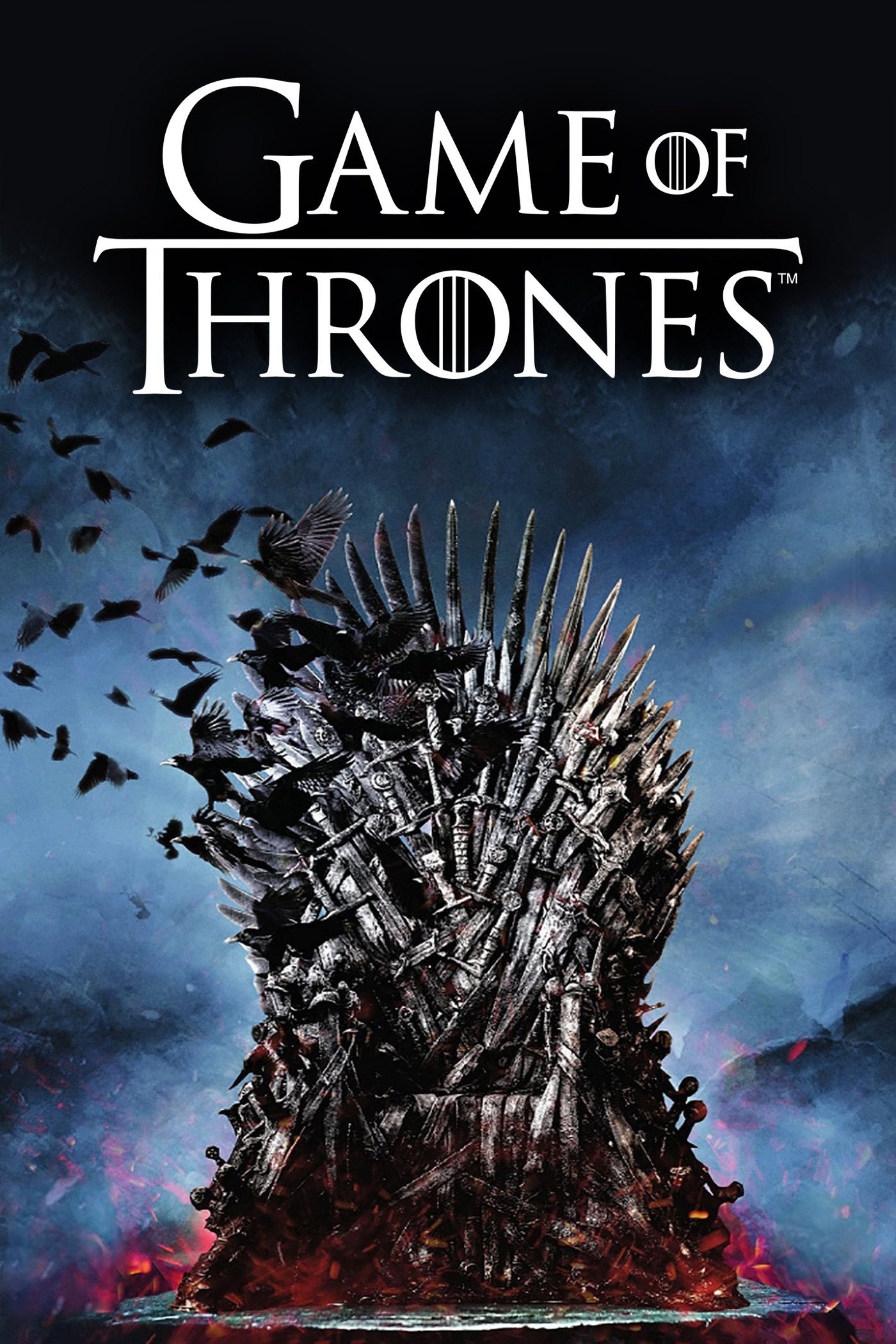
It looks like money well spent, which is rarer than it sounds. Gemma Jackson and Deborah Riley’s production design gives every family its own architecture: the Starks in grey granite and bare timber, the Lannisters in red and gold, the throne room a hall of pale stone with a chair of melted swords at the far end. Michele Clapton and April Ferry dress the north in fur and boiled leather and the capital in silk, so you know where a scene is set before anyone speaks. Ramin Djawadi’s title theme, a cello working its way round a clockwork map, is one of the few pieces of television music a stranger will recognise from two bars. The photography passes between fifteen credited cinematographers over the run and is remarkably consistent for it, though one late night battle was too dark for many living rooms, ours included.
Then there is the turn. Late in the first season the story does something we will not describe, and we watched it with a hand over our mouths, less because of what happened than because nine hours of television had quietly taught us it would not. We have watched a great deal of drama since, and little has startled us the same way. The lesson holds for years: being good, or clever, or right is no protection here, and after a while you stop trusting anyone’s armour.
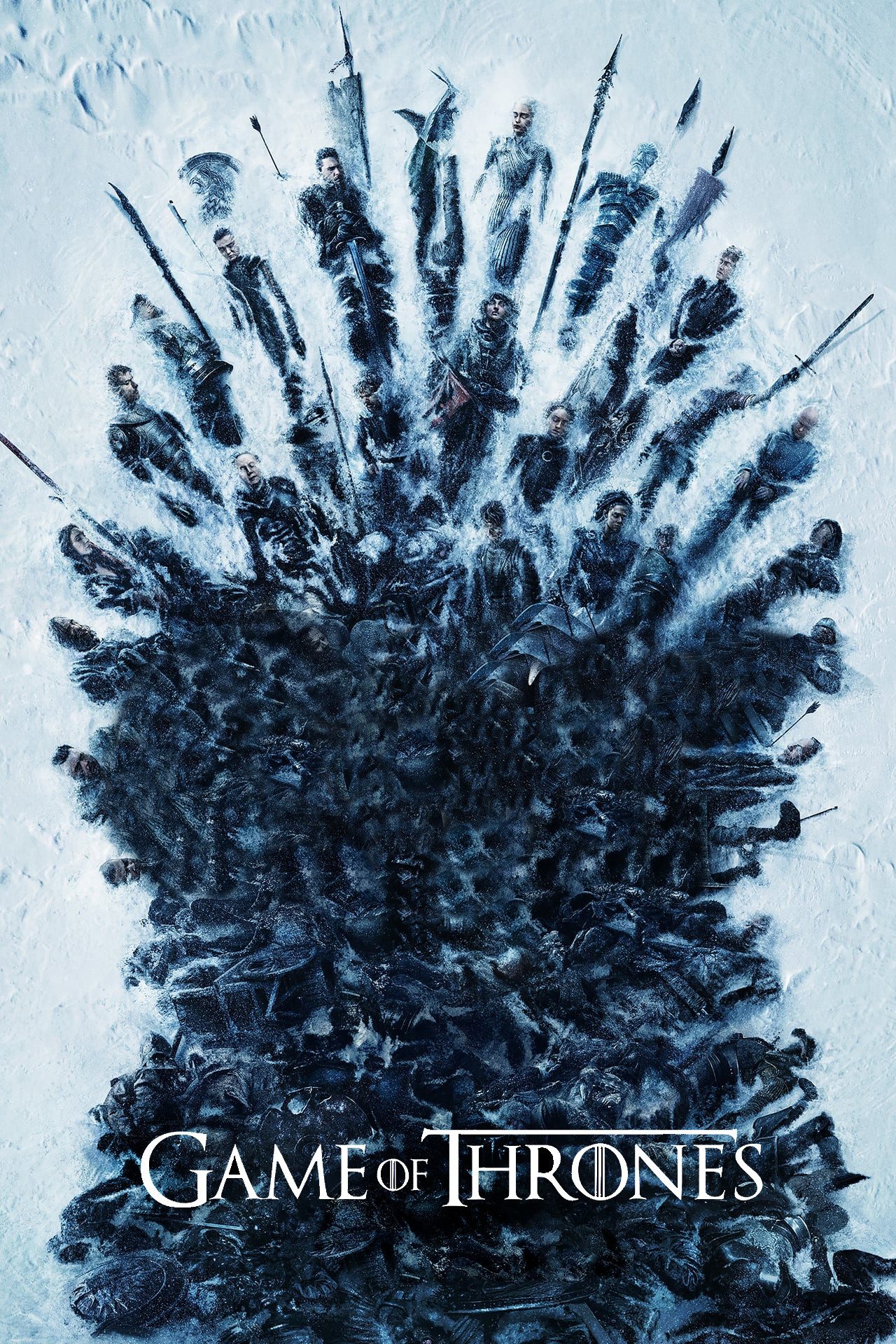
The problem is the ending, and it is a problem of arithmetic before it is one of taste. Seasons one to six have ten episodes each. Season seven has seven and season eight has six, and the story they carry is larger than anything before it. Characters who spent five years crossing a continent now do it between scenes. Decisions that would once have taken a season take a conversation. We sat through the final six episodes feeling something new in seventy-odd hours of watching: that the people making it wanted to be somewhere else. The battles are still the best staged on television, and Miguel Sapochnik, who directed several of the biggest, deserves the credit he has had. The scenes between them are where the hurry shows.
Start it. Give it the first season, which is slow by design and never wastes a scene. If your patience gives out somewhere in the seventh, you will be in good company, and you will still have seen more good television than most series manage in a lifetime. Certificate 18, for reasons the first episode makes clear inside ten minutes.