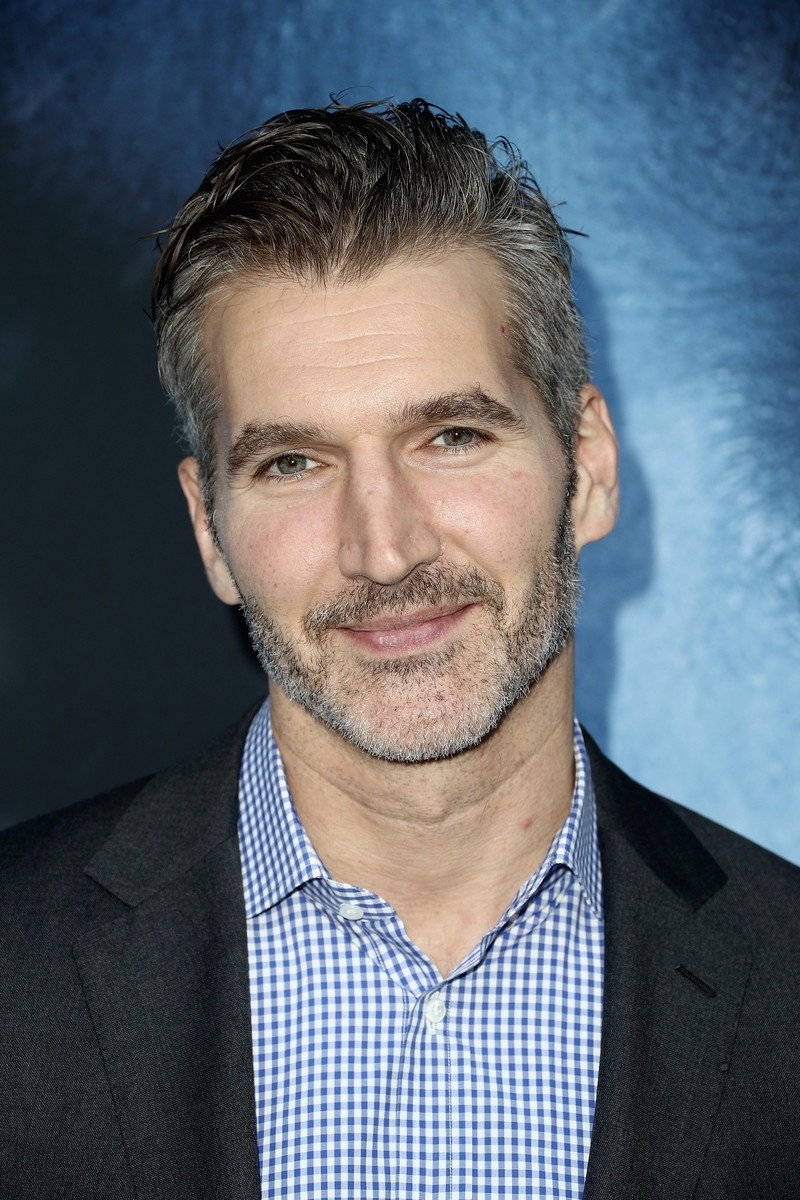
Benioff is an adapter by trade, a director only occasionally, and co-author of the largest thing television has attempted. For six seasons Game of Thrones kept its dragons in the background and its politics in front; then it ran out of novel, and of patience.
Fi1m perspective
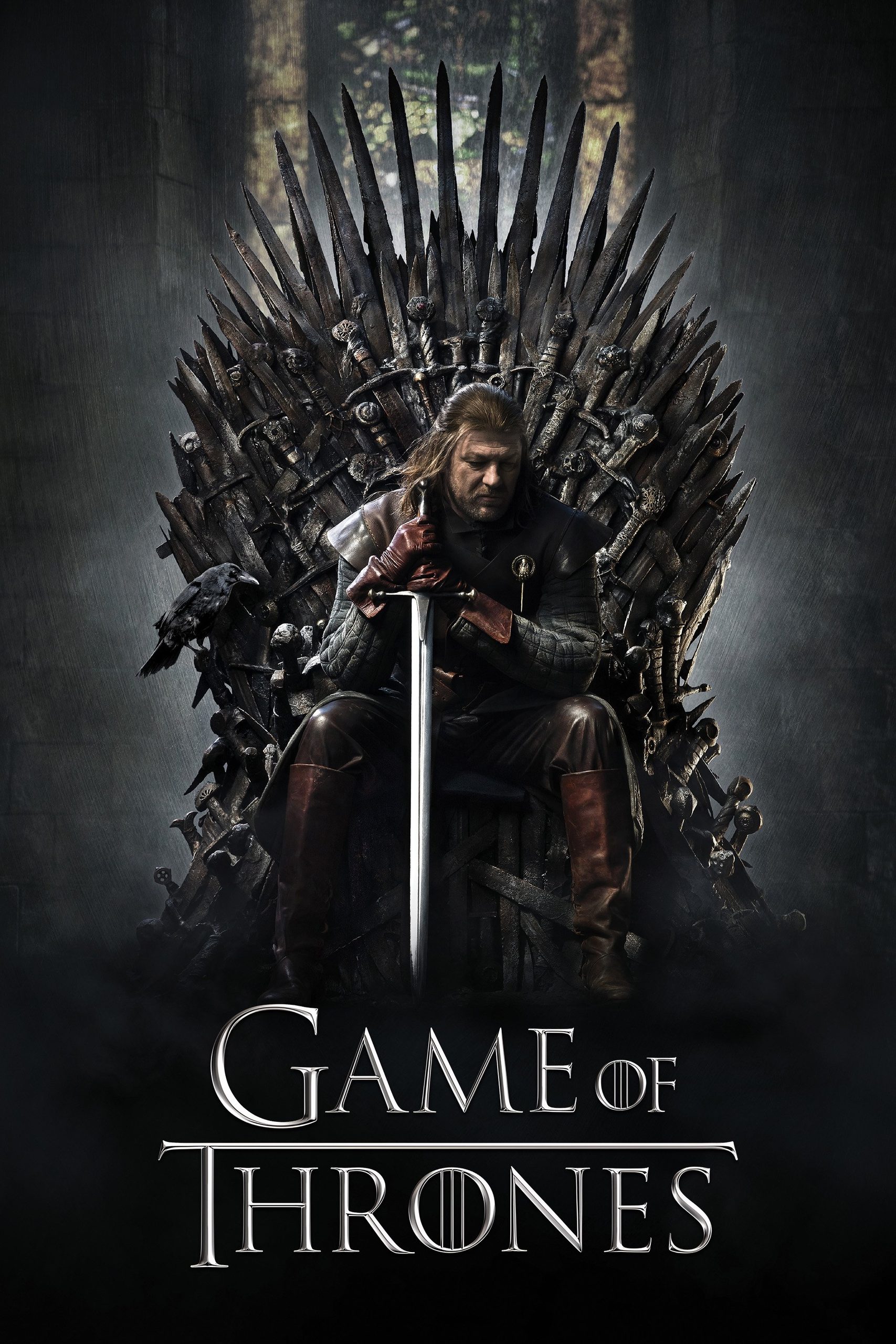
A king who is bored of being king. His old friend, dragged south to run the country for him. The queen's family, who have other plans. That is the first season of Game of Thrones (2011) in three sentences, and it tells you what David Benioff does: he turns a story into a ledger. Every scene is a transaction, who owes money to whom, whose children are whose, which lord can raise how many men, and by the end of an episode you know who is stronger without anyone having drawn a sword. We had the map straight before we could pronounce half of it.
He was a novelist first. The 25th Hour (2001) began as his thesis and became a Spike Lee film in 2002, with Benioff writing the script, and for the rest of the decade he wrote other people's books for other directors: Troy (2004), two films with Marc Forster, X-Men Origins: Wolverine (2009). The turn came in Dublin, where he met D. B. Weiss, and from 2006 the two of them worked on George R. R. Martin's unfinished novels until they had seventy-three episodes over eight years. Benioff directed three of them, including a share of the last. The directing credit is the smallest part of him. He is a writer who runs a room, and the room is where the work happened.
The method, by their own account, was to split each script in half, work apart, then swap and rewrite each other. It suits the material. The show's best scenes are two people in a chamber, each lying, each knowing the other is lying, and the dialogue carries a dozen families' grudges without stopping to explain them. We were more moved than we expected to be by Sean Bean's Ned Stark, a decent man going south to do a job he does not want, played with the tiredness of someone who has already read the terms. That is Benioff and Weiss at their most useful: taking Martin's thousand pages and finding the one exchange that holds them.
The famous problem is the ending, and it is a writer's problem. Once the books stopped, the adapters became the source, and the last thirteen episodes hurry in a way the first sixty never did. Asked about departures from Martin, Benioff once said, "It's just because we thought it would be better for the series." Sometimes it was. The final stretch is the case where it was not, though it does not undo what came before; the last two seasons are not the reason the first six matter.
Since then he has gone back to the shelf, with Weiss and Alexander Woo, for 3 Body Problem (2024), another dense novel we have not yet reviewed. That is the sensible place for him. Benioff is at his best with somebody else's book open on the desk and a partner rewriting his pages overnight. The time to worry is when the book runs out.
Biography
David Benioff, born David Friedman, is an American screenwriter, television producer and novelist. He studied at Dartmouth College, Trinity College Dublin and the University of California, Irvine.
Benioff wrote the novel and screenplay for 25th Hour (2002). With collaborator D. B. Weiss he co-created the HBO series Game of Thrones (2011–2019), on which he served as writer, executive producer, showrunner and director of several episodes. He wrote the screenplays for Troy (2004), The Kite Runner (2007), X-Men Origins: Wolverine (2009) and Gemini Man (2019), and co-created the series 3 Body Problem (2024).