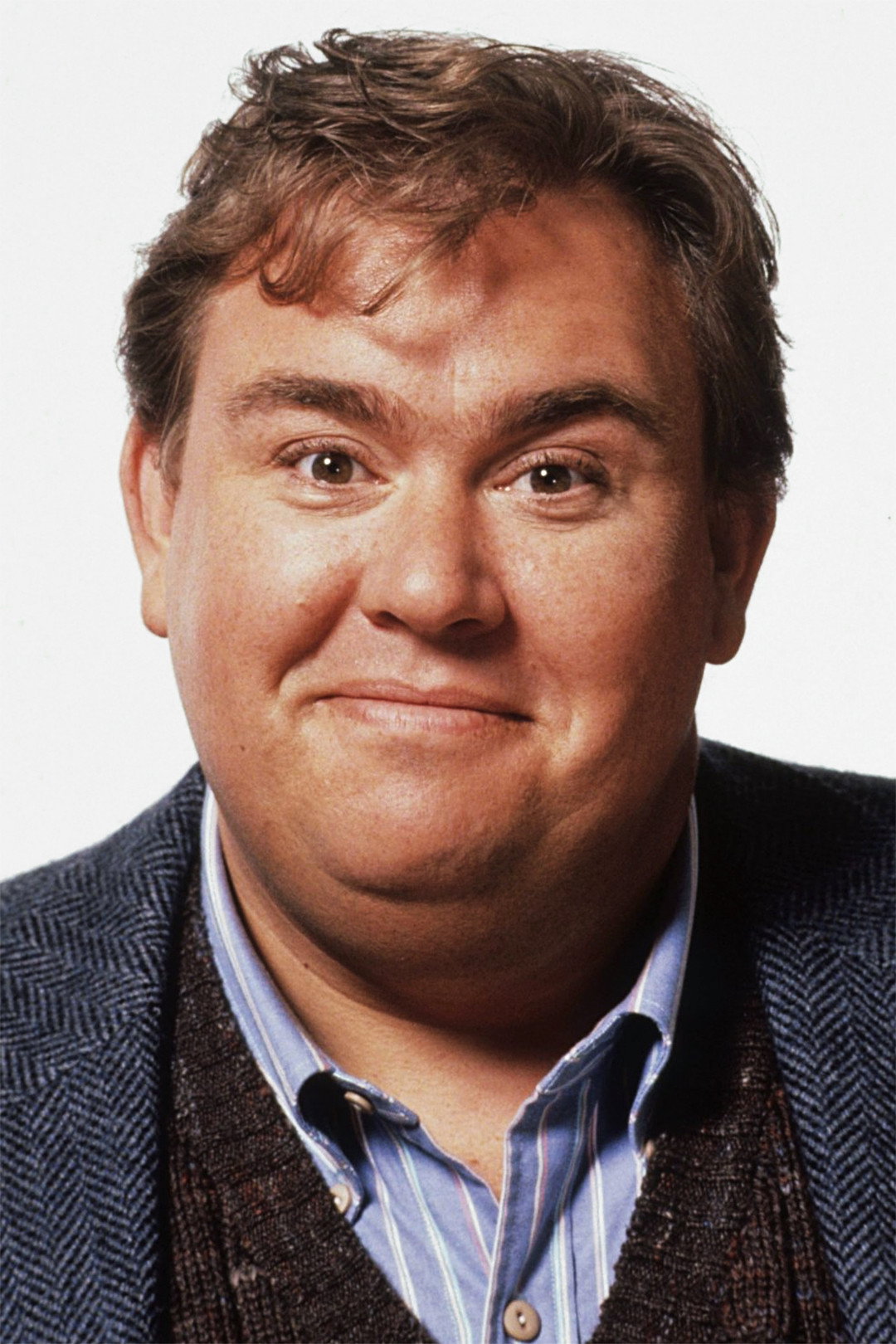
John Candy makes bumbling men worth caring about without losing the joke. His warmth is the attraction, but we rate him for the timing that makes small parts count and the seriousness beneath the comedy.
Fi1m perspective
John Candy’s big-hearted bunglers can be clumsy without exhausting our sympathy. He makes their good intentions believable, so we care what happens between the jokes. We rate him most when that warmth has something to do, rather than when a film simply relies on our pleasure at seeing him. He can carry a family comedy, but he is also good at making a supporting part matter.
The progression from the sketch comedy of SCTV to Stripes (1981) and Splash (1984) makes sense: Candy could establish a character quickly enough to matter in a supporting role. John Hughes gave him more room as Del Griffith, opposite Steve Martin, in Planes, Trains and Automobiles (1987). The timing matters there, but so does the seriousness with which Candy treats the character’s feelings. By Uncle Buck (1989), he was leading a family comedy, with the same obligation to keep affection from slowing the jokes.
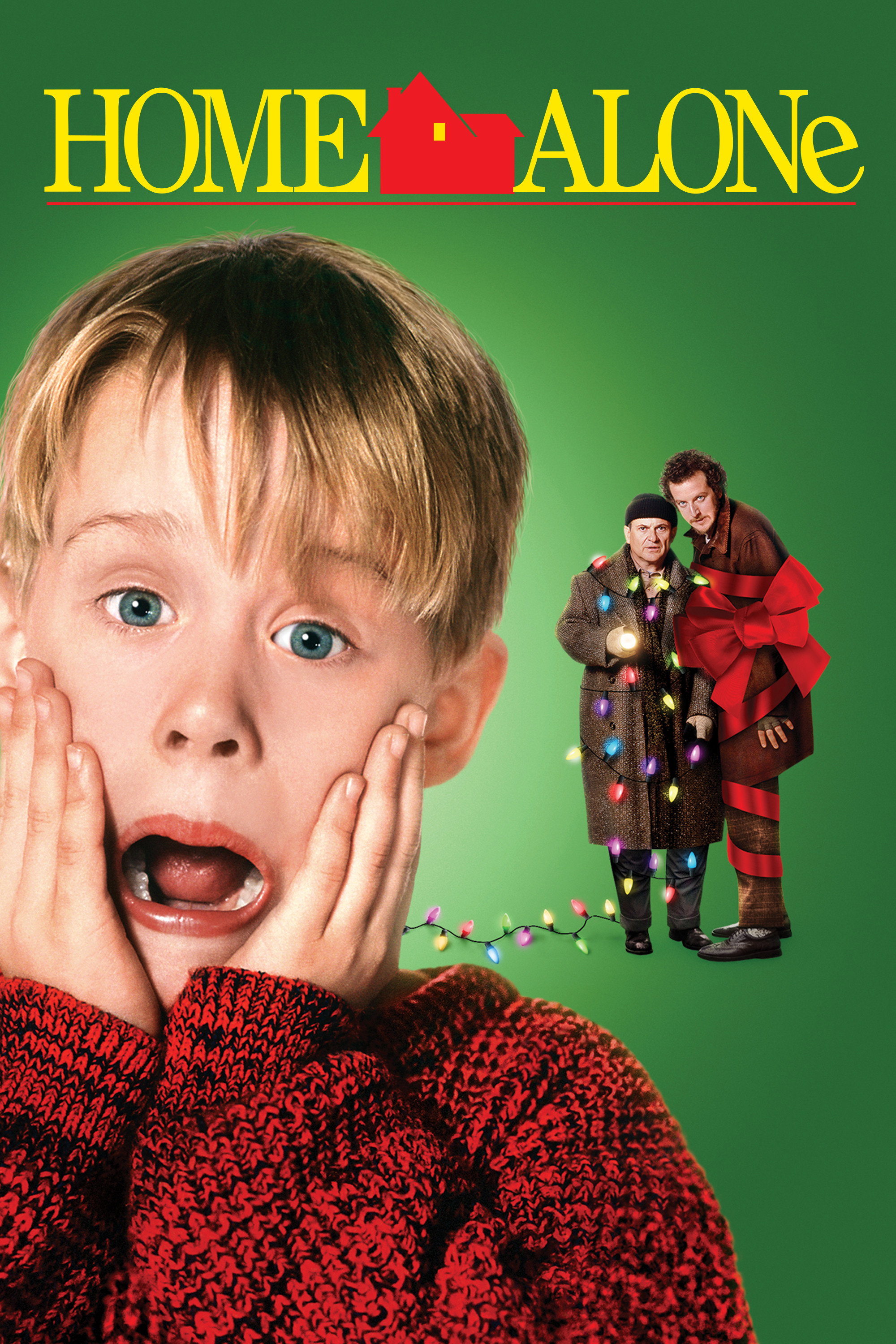
In Home Alone (1990), Candy plays Gus Polinski in a comedy whose shifts from slapstick to sweetness can be clumsy. We were glad of his warmth here, because those changes of mood need someone comfortable with both. Macaulay Culkin earns most of the sentiment through being funny, while Catherine O’Hara makes the separation feel real. Candy belongs comfortably alongside both approaches. That does not make every change of tone work, but it is a good use of an actor who can make kindness funny.
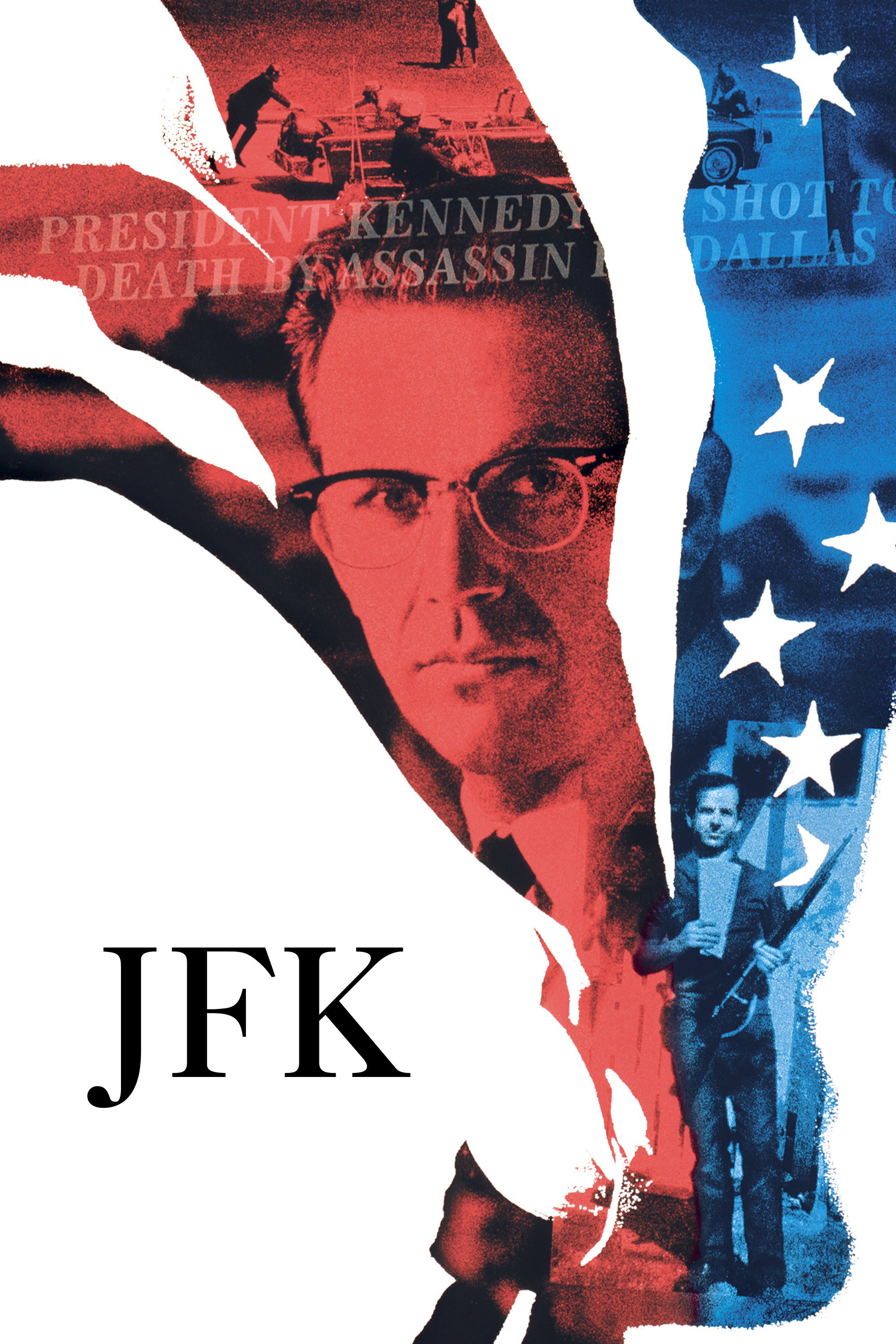
JFK (1991) gives him something different to do. Oliver Stone casts him as Dean Andrews in a dramatic supporting part, and Candy’s grounded acting earns its place in an absorbing thriller. The shaky historical case remains a problem, as does Stone’s determination to persuade; a good performance cannot settle either. What matters for Candy is that he can be effective without making amiability the main attraction. His comic reputation need not dictate every job a film gives him.
The recurring everyman parts could limit what a film asked of him. Uneven films such as Going Berserk (1983) are a reminder that his presence is no guarantee of a worthwhile evening. Start with Planes, Trains and Automobiles, but give JFK an evening before deciding he was only there to be liked.
Biography
John Candy was a Canadian actor and comedian. He trained with the Toronto branch of The Second City and appeared in its related television series SCTV.
Candy appeared in many films, including The Blues Brothers (1980), Splash (1984), Planes, Trains and Automobiles (1987), Uncle Buck (1989), Home Alone (1990) as Gus Polinski, JFK (1991) as Dean Andrews, and Cool Runnings (1993).
He was born on 31 October 1950 in Ontario, Canada, and died on 4 March 1994.