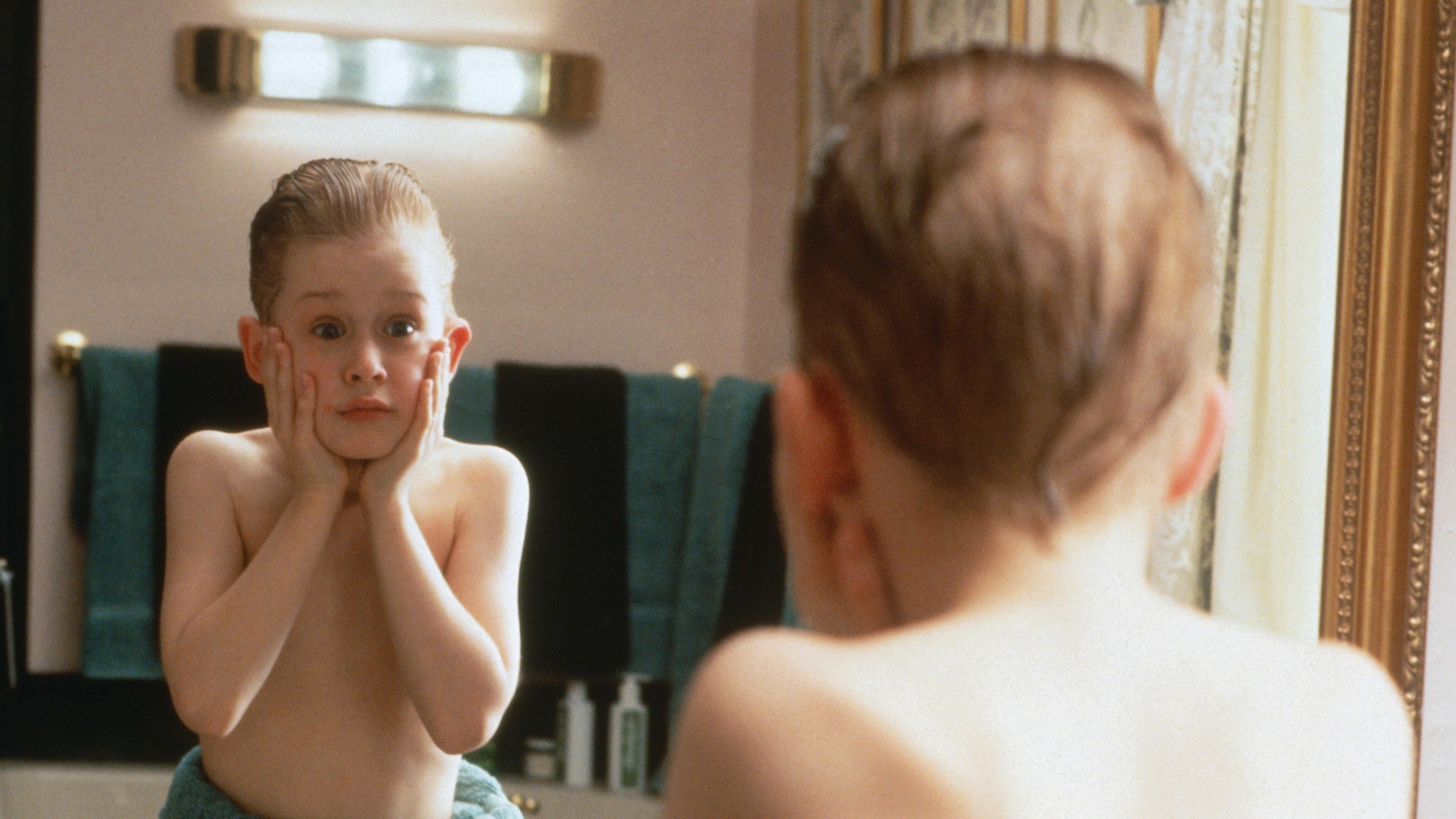
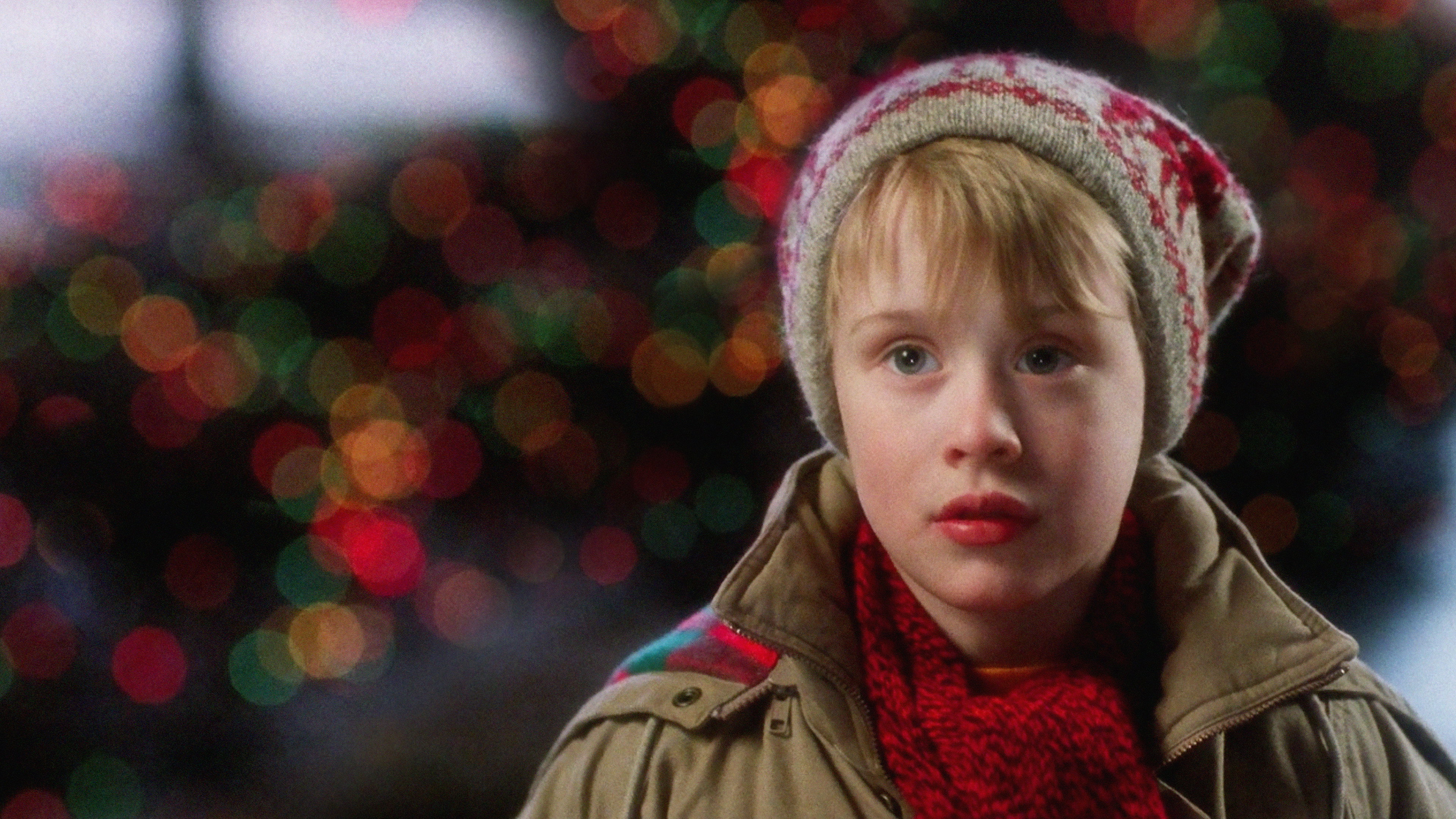
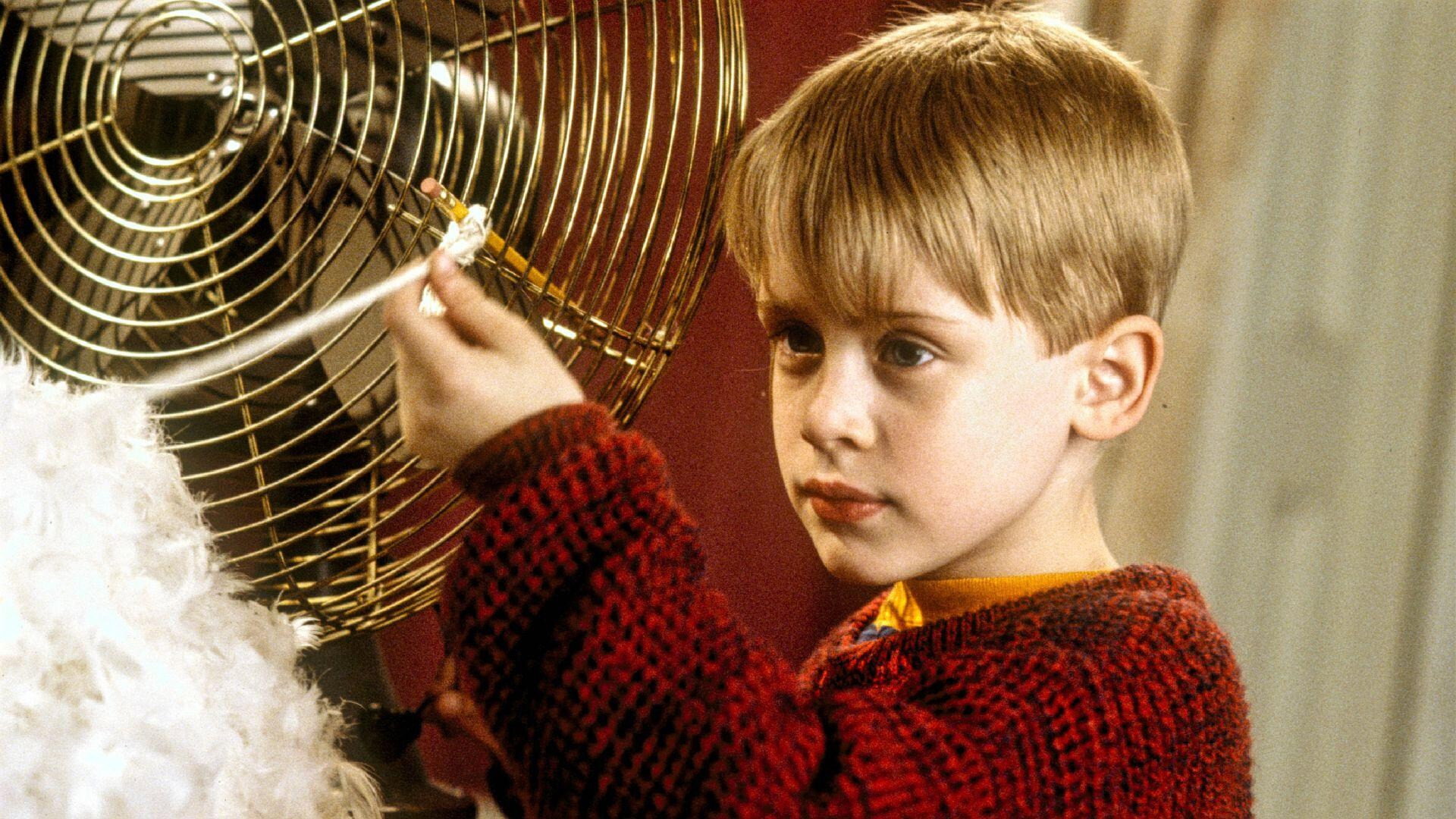
Macaulay Culkin makes this Christmas comedy funny enough to earn most of its sentiment, with Catherine O’Hara making the separation feel real. The shifts from slapstick to sweetness can be clumsy, but we recommend it warmly.
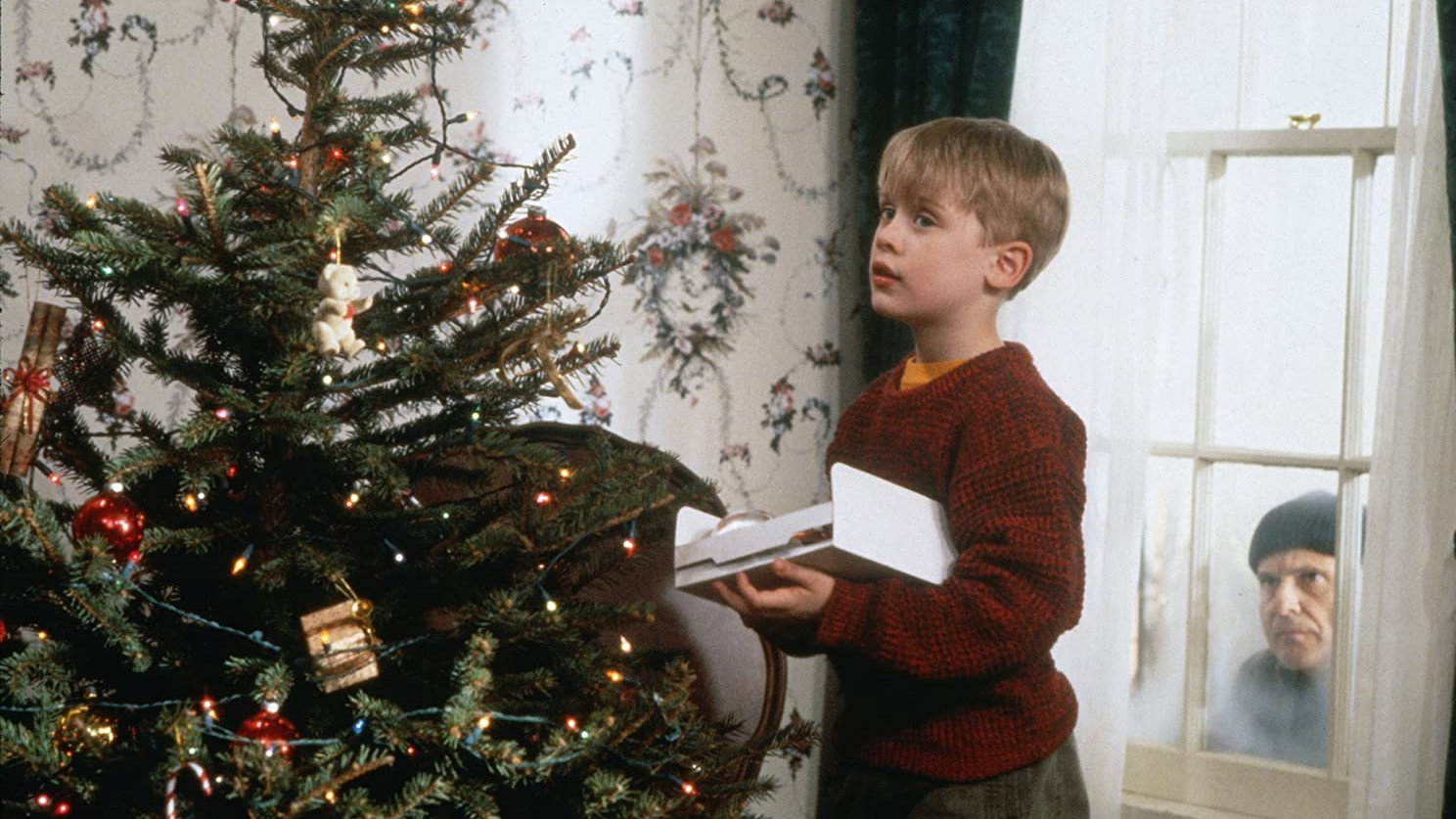
Home Alone works because Chris Columbus takes a child’s wish for independence seriously enough to make the jokes matter. It is a funny, warmly acted Christmas comedy, with a weakness for sweetness that occasionally gets in the way. John Hughes’s screenplay gives Kevin the freedom of an empty home, then introduces burglars who make that freedom harder to enjoy. The idea is simple enough to need little explanation, and Macaulay Culkin supplies the confidence required to carry it.
Culkin understands that a child enjoying adult privileges need not behave like an adult. His Kevin is pleased with himself, and the performance allows that pleasure to be funny without making the boy unbearable. We laughed at his self-importance, particularly the seriousness he brings to being in charge of himself. He also leaves enough uncertainty beneath the confidence for us to remember that getting the house to himself does not mean he has stopped needing anyone.
Catherine O’Hara gives Kate’s anxiety an energy that keeps the absent family involved in the comedy. Her worry feels credible even when the circumstances invite us to ask some awkward practical questions. Joe Pesci’s Harry and Daniel Stern’s Marv provide the broader playing, and both understand how much foolishness the burglars need for this to remain a family film. Their threat has to be substantial enough to test Kevin without making his predicament unbearable.
John Muto’s production design makes the house feel worth having to oneself, which is a useful contribution to a comedy built around that wish. Julio Macat’s cinematography gives the domestic setting a reassuring warmth; the polish suits the child’s pleasure in his new circumstances. John Williams’s score is especially effective at taking Kevin’s feelings seriously. It gives the separation some emotional weight without requiring Culkin to explain every change in his mood.
The slapstick is more enjoyable if we accept early that the burglars belong to a cartoon’s idea of physical danger. Pesci and Stern are willing participants, and Columbus lets their comic incompetence keep the child’s resourcefulness from becoming smug. Yet Hughes also wants the reassurance of a sentimental family story, and the changes between those two kinds of film can feel forced. Raja Gosnell’s editing does not always smooth them out. Some transitions are abrupt enough to make us notice the change of mood before we have felt it.
Family comedies can be too anxious to make their children likeable. Hughes gives Kevin room to be selfish, and Culkin keeps that selfishness recognisable. A child can enjoy being alone and still need the people who normally look after him. The reminders that family matters can be insistent, especially when O’Hara’s worry has already made the point.
At 103 minutes, it is a good choice for Christmas company, provided nobody insists that the burglars behave like sensible criminals. Watch it with children old enough to find the danger funny. We would leave any discussion of responsible parenting until afterwards.