Film review

JFK

1991 · Directed by Oliver Stone · 3h 09m · MPA R

In a sentenceKevin Costner makes a conspiracy lecture feel like a perfectly reasonable way to spend three hours

DramaThrillerHistory

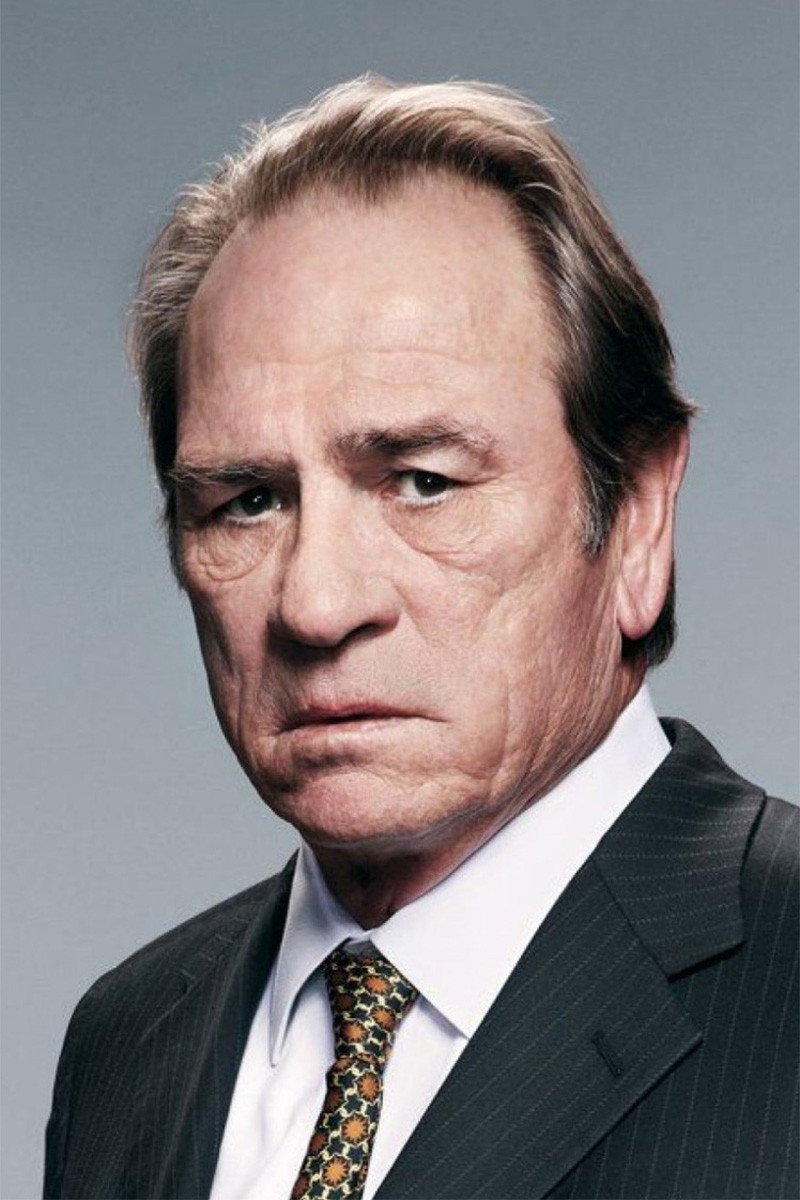
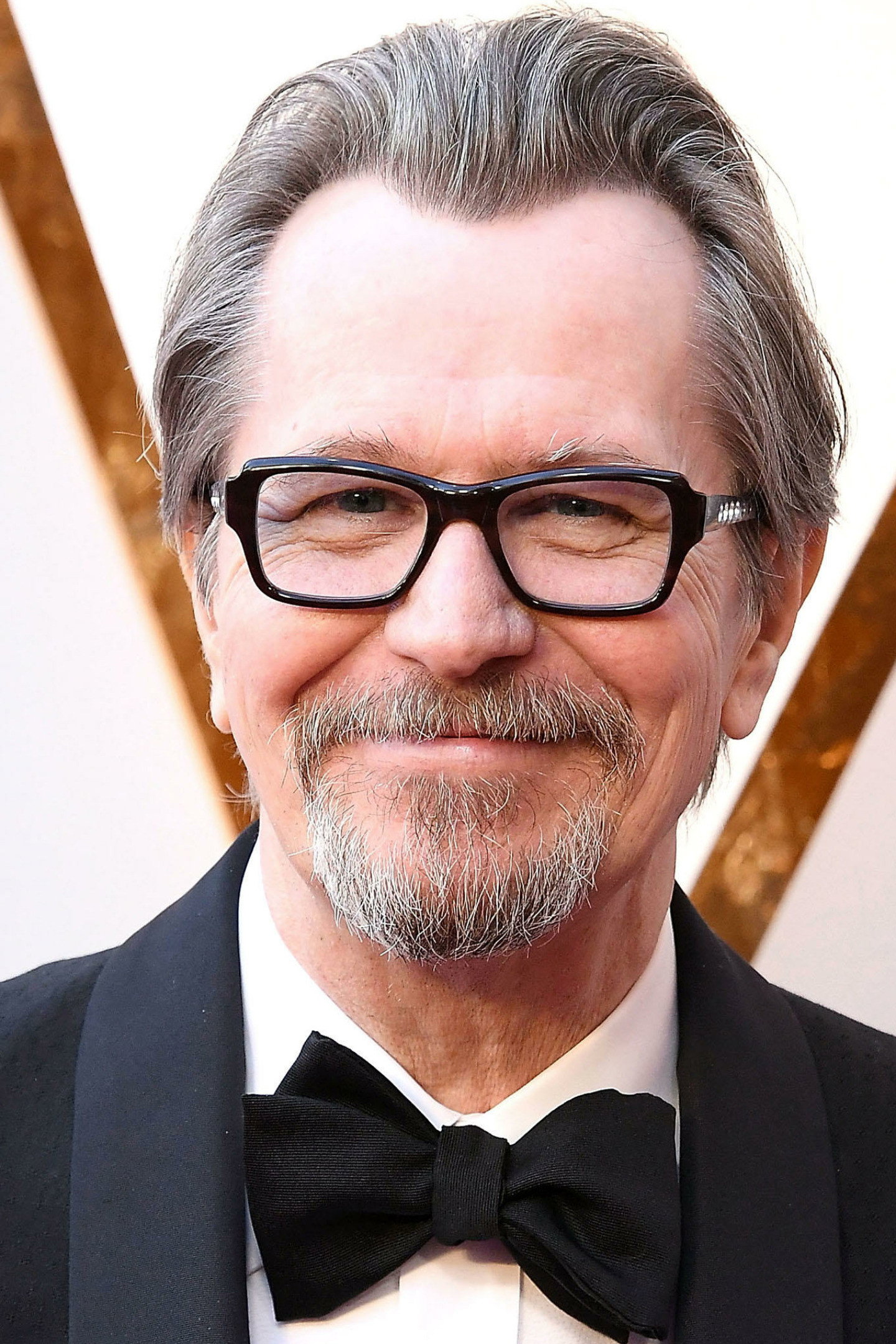
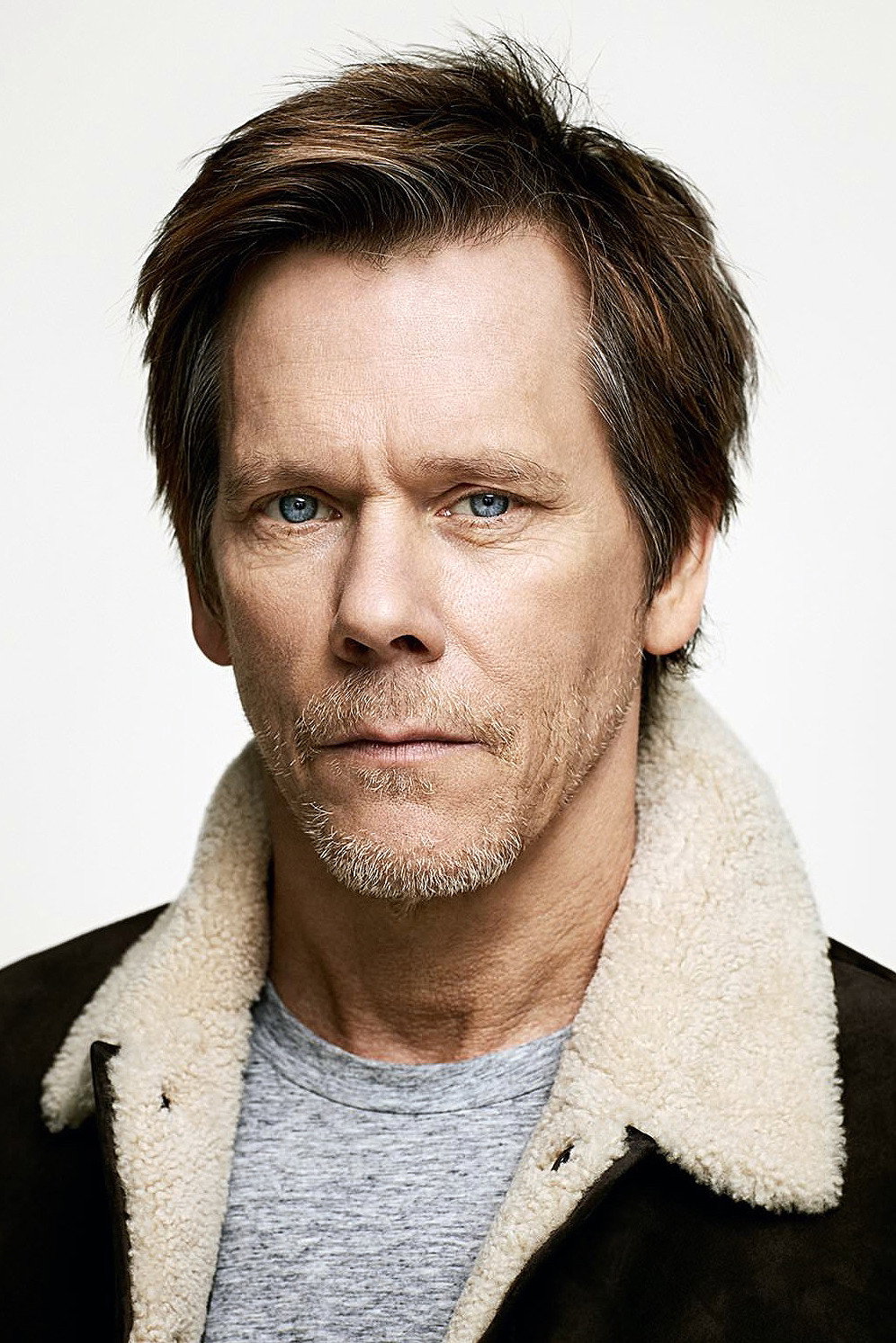
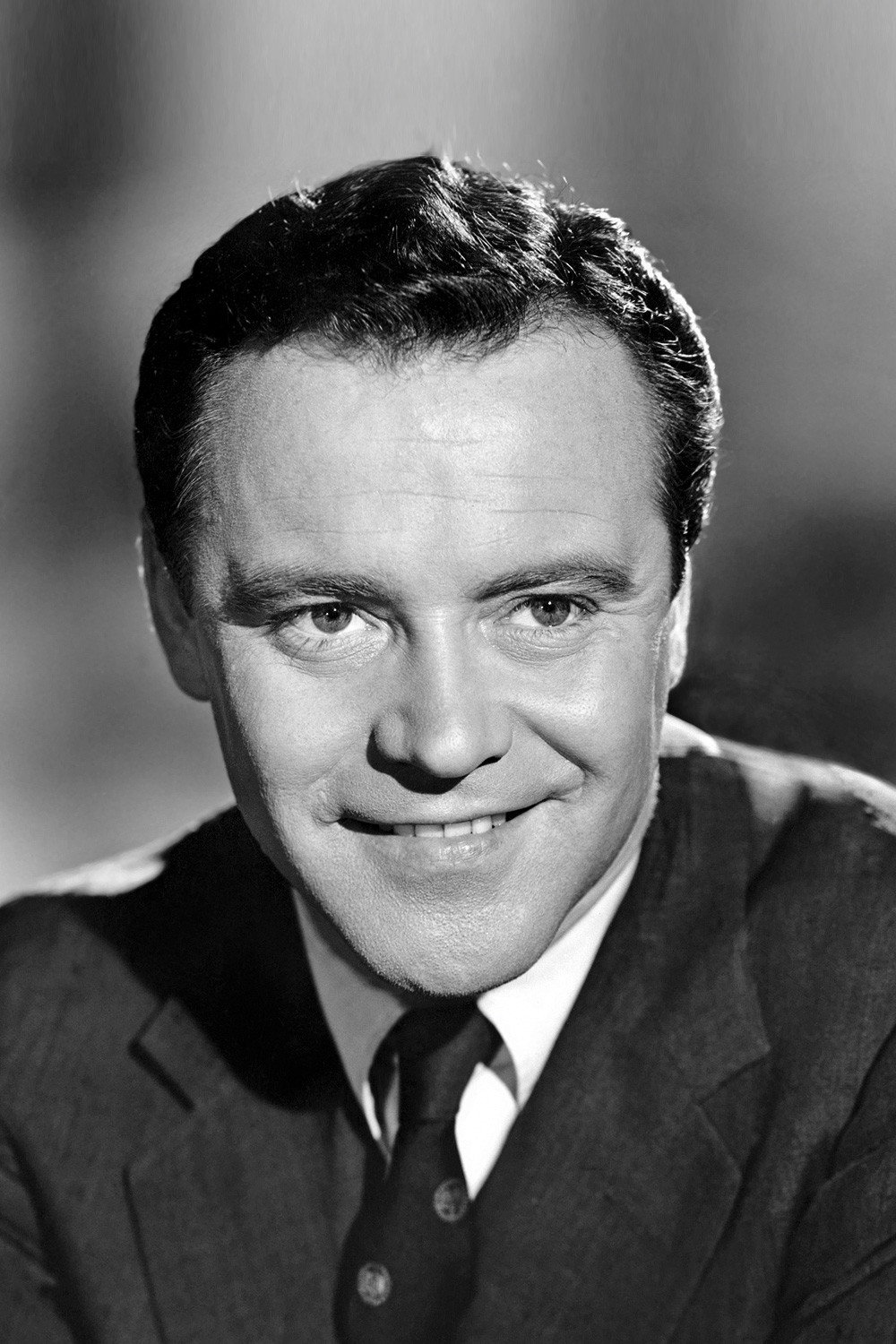
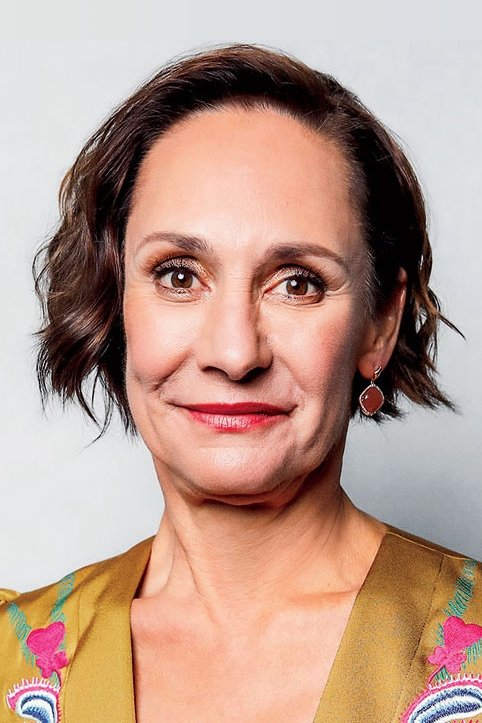
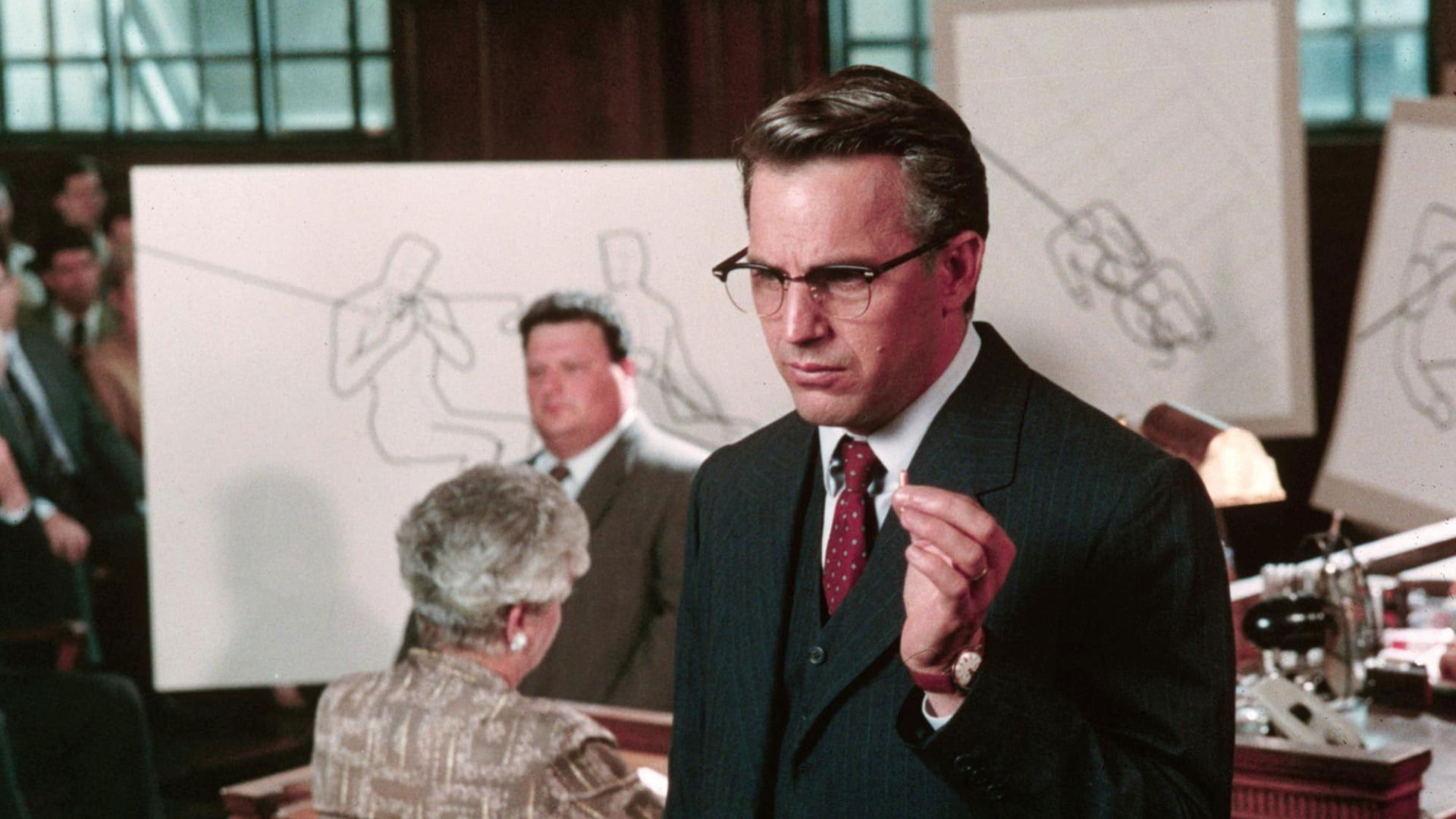
Oliver Stone directs Kevin Costner as Jim Garrison, a district attorney challenging the Warren Commission’s account of the assassination. The investigation develops into a conspiracy case, with Garrison pressing for the official explanation to be questioned. Tommy Lee Jones plays Clay Shaw, Gary Oldman plays Lee Harvey Oswald and Joe Pesci plays David Ferrie. Sissy Spacek appears as Liz Garrison, alongside Kevin Bacon as Willie O’Keefe and John Candy as Dean Andrews. The film follows the gathering and presentation of claims, as Garrison tries to turn his suspicions into a case others will accept.

Plays from YouTube when you press play; nothing loads from them until then.

Fi1m review

Oliver Stone’s JFK makes an absorbing thriller from a shaky historical case. Kevin Costner holds our attention through the mass of claims, though Stone’s determination to persuade leaves little space for doubt.

We recommend JFK as a political thriller, with a substantial warning about taking it as history. Oliver Stone directs this investigation into an assassination with the impatience of someone who thinks the audience should already be furious. At 189 minutes, it has ample room for competing explanations, yet it keeps pushing towards certainty. The force of the filmmaking makes that pressure exciting, even when there are good reasons to question where Stone is taking us.

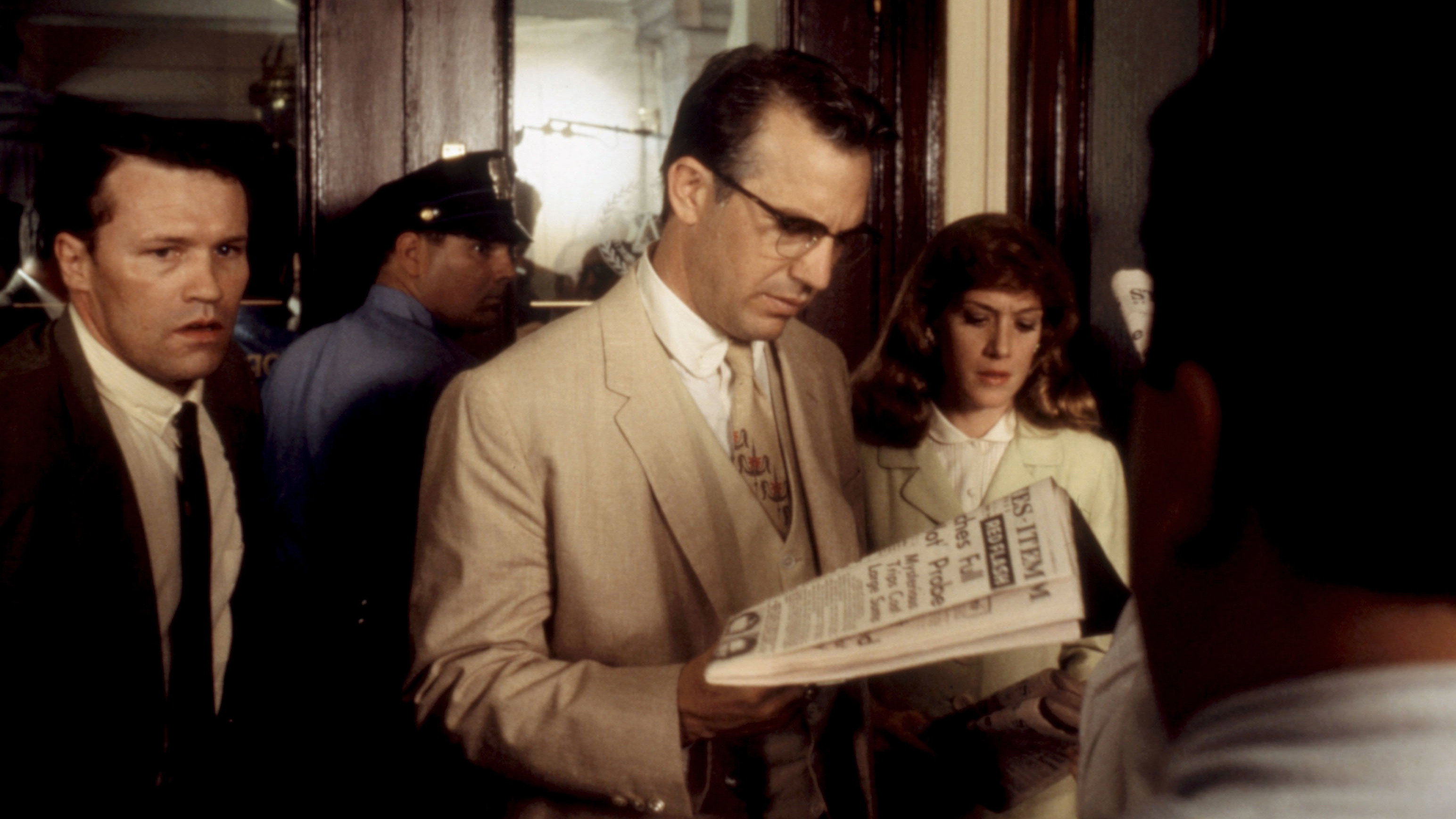
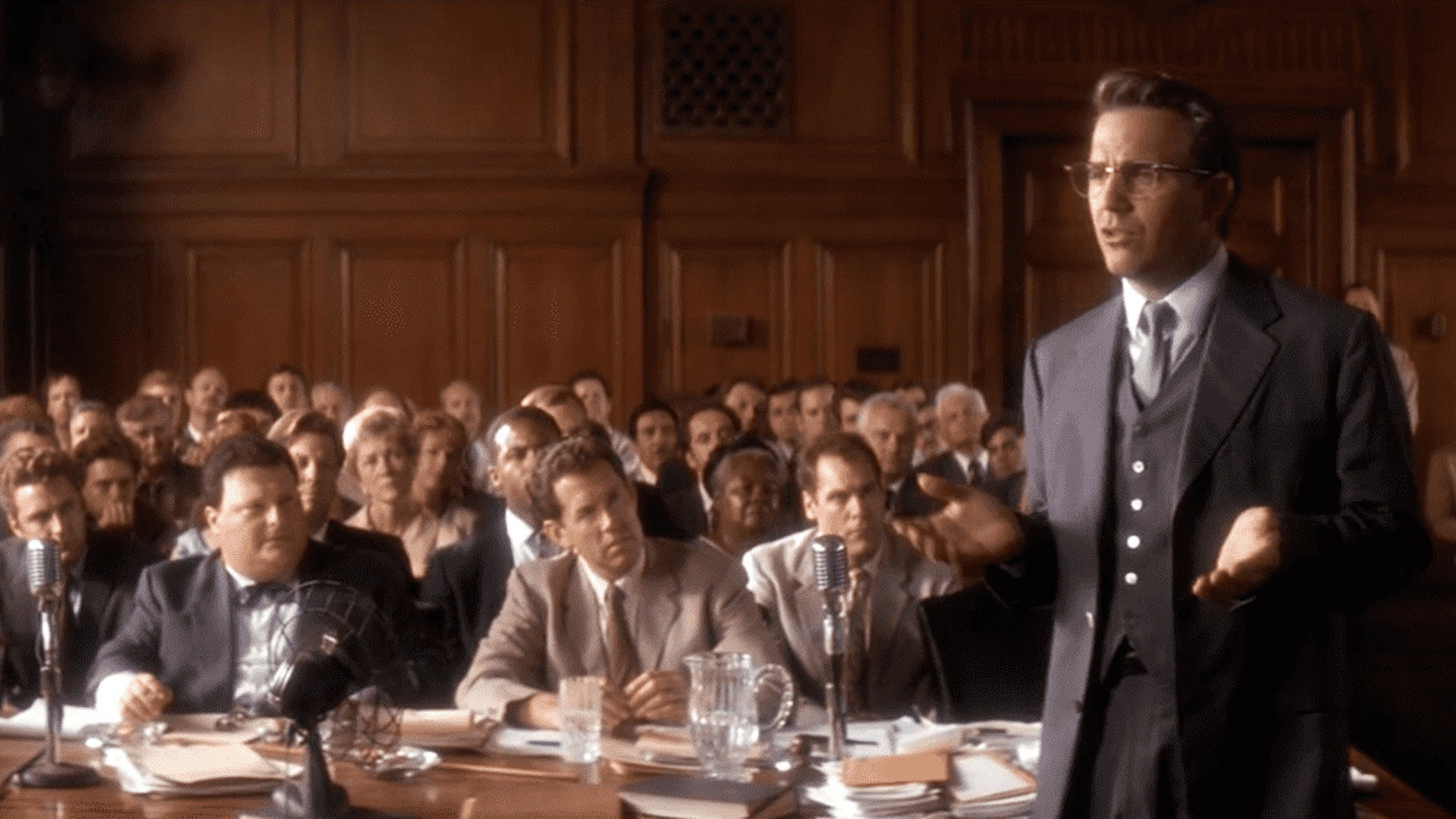
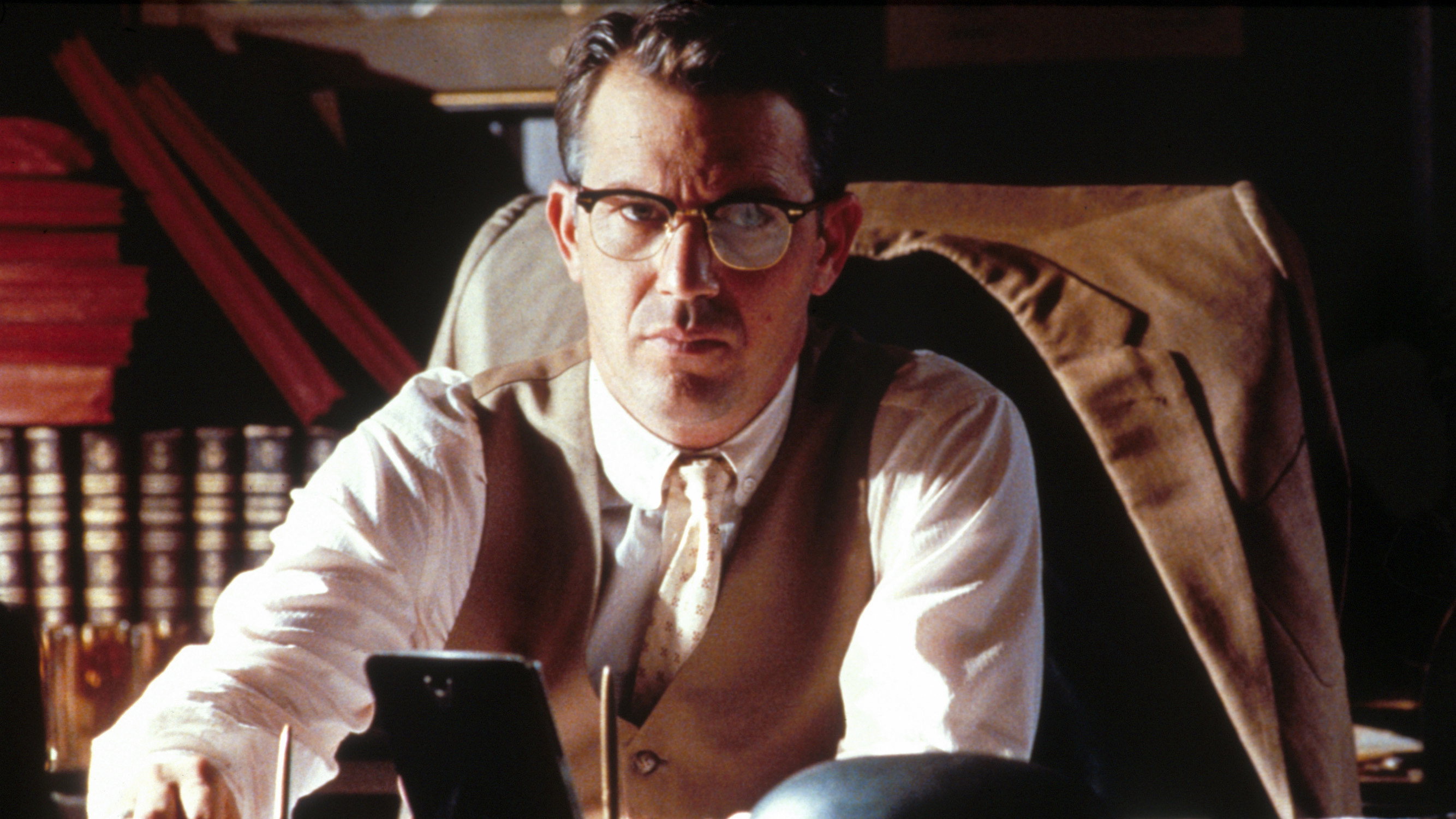
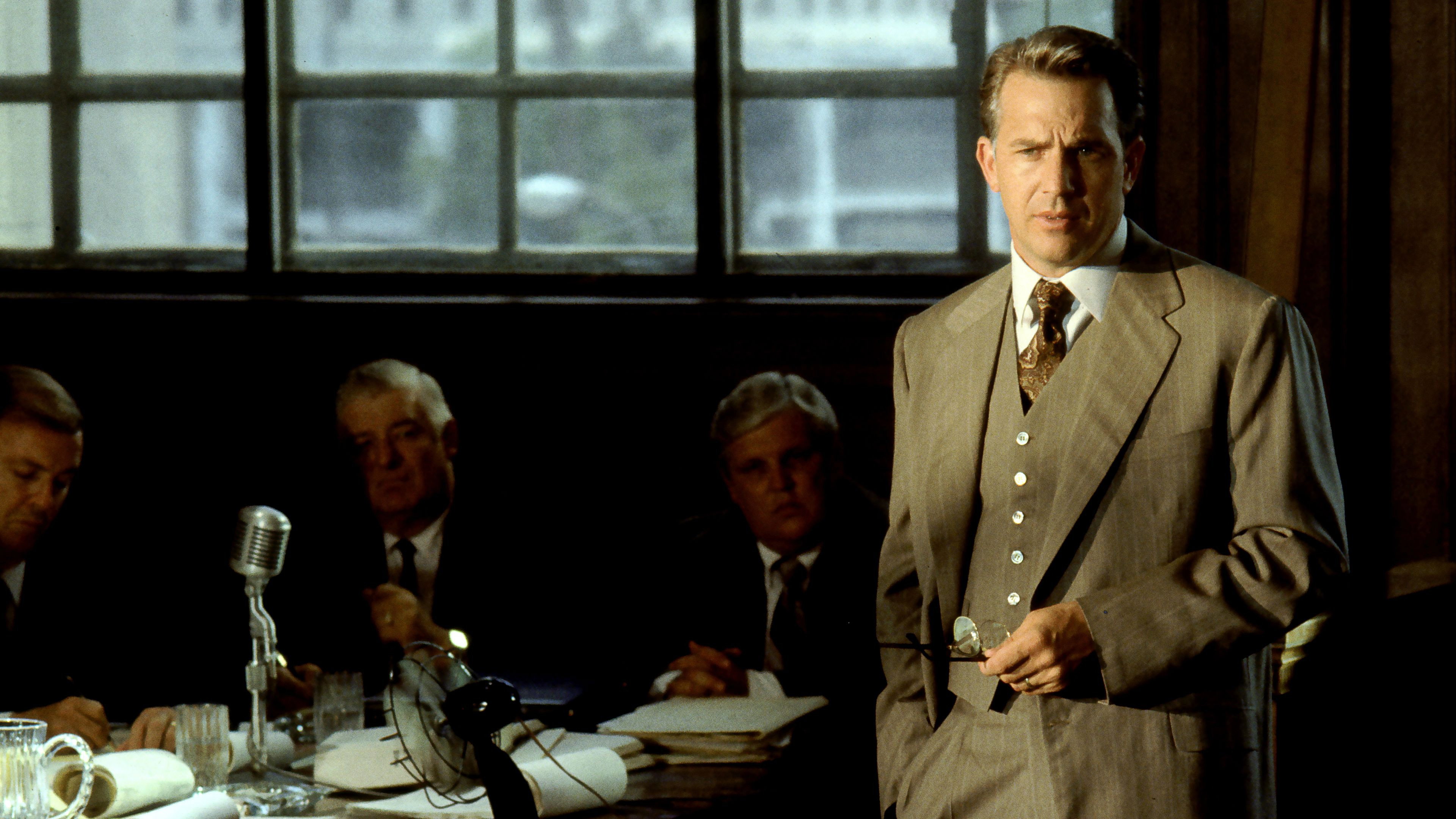
Kevin Costner, playing district attorney Jim Garrison, gives us someone to follow through the accumulation of names and claims. His steadiness matters: when the film becomes agitated, he holds our attention without appearing to compete with it. Stone and co-writer Zachary Sklar make the investigation feel urgent, although their determination to establish Garrison’s importance allows too little room for us to assess his judgement. Costner makes listening to lengthy explanations surprisingly watchable, which is a considerable part of his job here.

Robert Richardson’s black-and-white photography borrows the authority of documentary, and we find its apparent plainness persuasive. Editors Pietro Scalia and Joe Hutshing keep each new piece of information arriving before we have finished considering the last. We felt rattled by that rapid succession of images and claims. The cutting kept us anticipating another disclosure when we ought to have been examining the one already offered, and for long stretches we stopped noticing how thoroughly Stone was directing our responses.

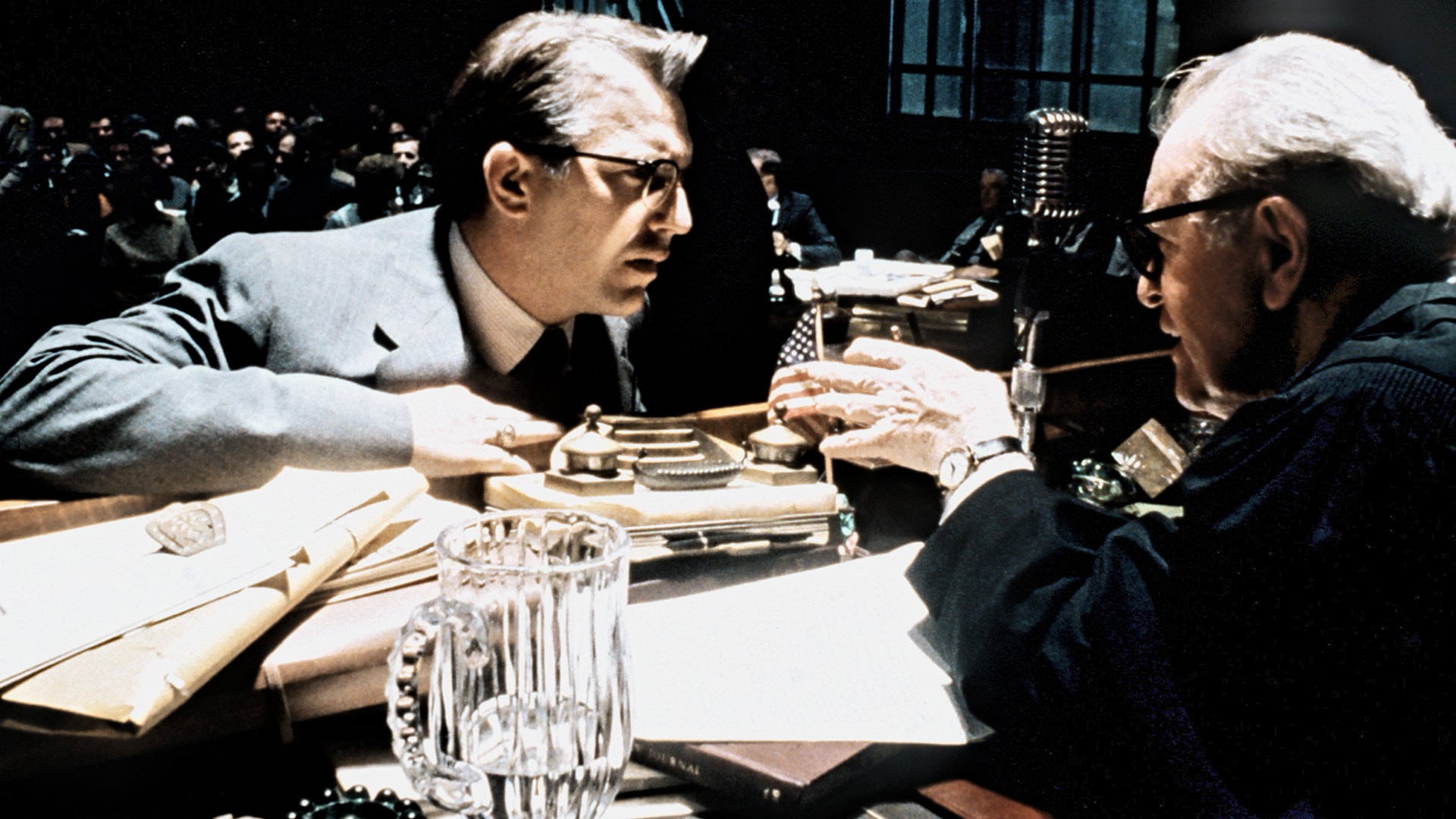
Victor Kempster’s production design gives the courtroom scenes the institutional solidity Stone needs. The surroundings lend weight to the speeches before we have decided how much of their content to accept, and they make an effective setting for his persuasive actors. John Williams’s music adds further insistence, sometimes more than the material needs. With the dialogue and cutting already working so hard, we could do with the score applying a little less pressure.

The supporting cast helps prevent all that information from becoming exhausting. Tommy Lee Jones as Clay Shaw, Gary Oldman as Lee Harvey Oswald and Joe Pesci as David Ferrie give the names distinct faces and temperaments. Their contrasting performances provide welcome changes of pace inside a film that rarely stops talking. Stone makes good use of the attention each actor commands, keeping us interested in the people delivering the claims as well as the claims themselves.

A conspiracy thriller can give us time to suspect everyone and test each new account. Stone gives us less of that freedom, and his screenplay with Sklar increasingly tells us how to arrange what we have heard. The courtroom speeches can be tiring when they prolong points already made by the editing. Some acknowledgement of how much remains unproved would make these passages more convincing; the confidence of the delivery cannot settle every question the film raises.

The historical doubts are serious enough to accompany any recommendation, and ours comes with them. Stone nevertheless makes a demanding procedural absorbing for much of its considerable length. We would watch it for Richardson’s photography and Scalia and Hutshing’s cutting alone. Watch it with someone who will want to argue afterwards.
Critical consensus AI synthesised

3 of 6
Positive
3
Mixed
0
Negative
0
Little White Lies
13 September 2016 · Taylor Burns
90*

Gripping procedural asking vital questions about liberty and power; a manic, exhilarating opus and Stone’s masterpiece despite its factual liberties and hyperbolic style.

Read the full review →
Radio Times
★★★★ · David Parkinson
80

Overblown and factually shaky but a compelling and persuasively staged conspiracy thriller with superb photography, editing and casting. Unmissable cinema.

Read the full review →
Time Out
· GA
70*

Logic often murky with a garbled structure, but the urgent editing packs a powerful punch and the forceful data overload makes a strong case for open debate on the assassination.

Read the full review →
Empire
1 January 2013 · Torene Svitil

As history the film is bogus, but as entertainment it is intermittently riveting thanks to strong performances and Stone's energetic direction, though the long courtroom scenes drag. Stone presents his conspiracy version as absolute truth, yet the result is still an exceptional, deeply provoking and audacious piece of cinema.

Read the full review →
Los Angeles Times
20 December 1991 · Kenneth Turan

The critic calls the film disturbing and undeniably effective as an information barrage that indicts the Warren Commission. Stone's skill keeps it riveting even as the zealous conspiracy claims undercut fairness with the audience.

Read the full review →
The Hollywood Reporter
16 December 1991 · Duane Byrge

The critic calls Stone a masterful litigant whose gumbo-filled historical reconstruction is crafty, super-skilled filmmaking and cinematically splendid propaganda. He singles out the savvy casting of Kevin Costner as the obsessed D.A. and the documentary-style black-and-white footage for praise, while noting that most viewers will regard the conspiracy theory as BS.

Read the full review →

Cast

Stills

Awards

Academy Awards, 1992

Nominated
Best Director
Nominated
Best Original Score
Nominated
Best Picture
Nominated
Best Sound
Nominated
Best Supporting Actor
Nominated
Best Writing, Adapted Screenplay
Won
Best Cinematography
Won
Best Film Editing

Dallas-Fort Worth Film Critics Association Award for Best Film, 1991

Won
Dallas-Fort Worth Film Critics Association Award for Best Film

If you liked this, try…

Z poster

Z

1969 · Political murder and procedural detail, with anger that sharpens the suspense.

The Parallax View poster

The Parallax View

1974 · A colder conspiracy thriller that makes unanswered questions feel physically threatening.

The Thin Blue Line poster

The Thin Blue Line

1988 · A documentary that makes the act of reconstructing evidence troubling in itself.

Memories of Murder poster

Memories of Murder

2003 · Another obsessive investigation, with more room for failure, doubt and black humour.

The Lives of Others poster

The Lives of Others

2006 · State surveillance becomes intimate, with quieter performances and more space to think.