John Schlesinger’s films are strongest when he lets people be awkward, vulnerable or frightening without rushing to explain them. We value his patience with actors, though it can outlast our patience with the story.
Fi1m perspective
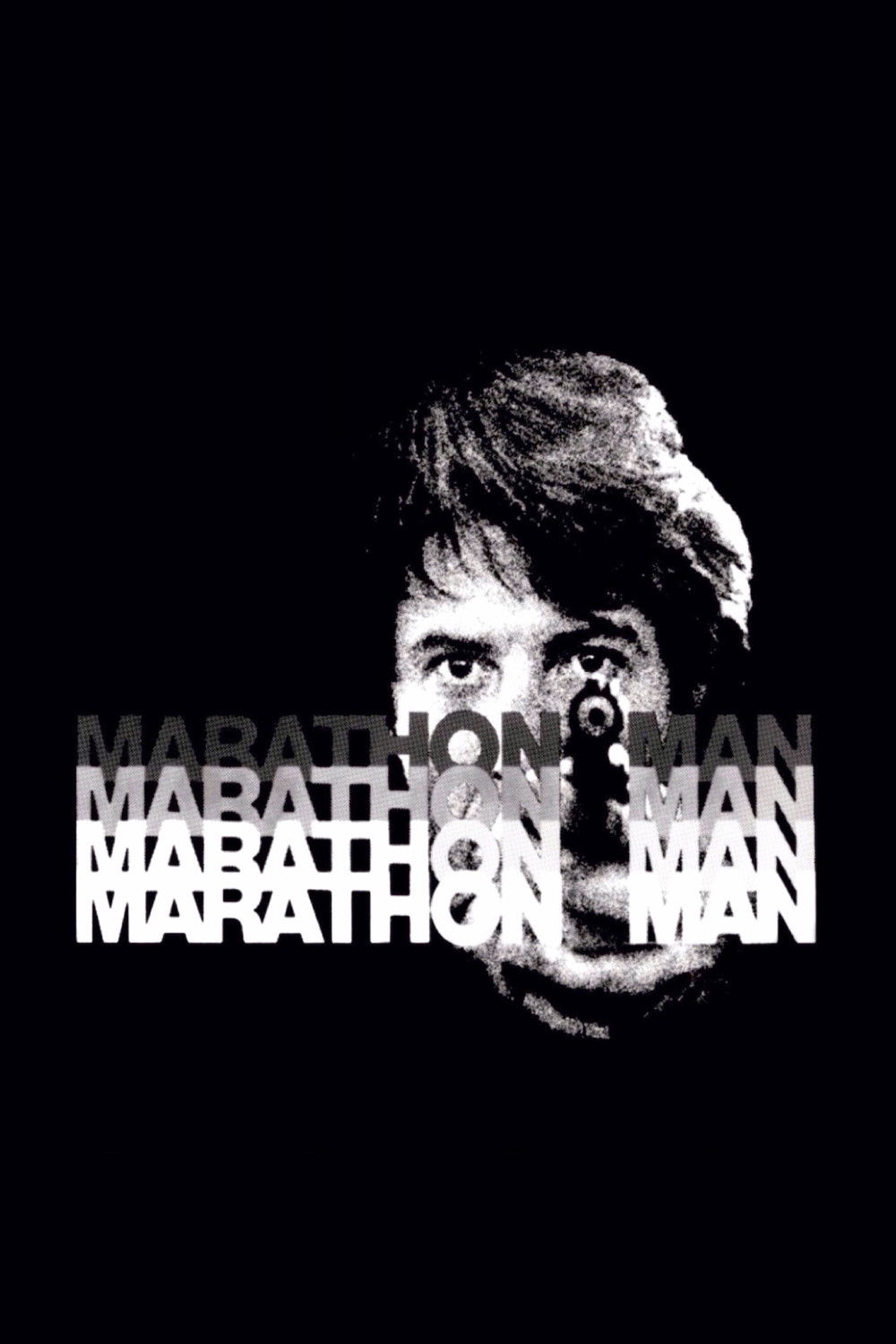
Laurence Olivier speaks calmly in Marathon Man (1976), and Schlesinger gives us time to hear how little another person’s suffering matters to Dr. Christian Szell. We were frightened by that calm, because the measured delivery suggests that distress will not interrupt his work. Schlesinger does not hurry the encounter along to keep the conspiracy moving. For a while, the person in front of us matters more than the information we are waiting for. This is where we trust his direction most.
His early features found other reasons to stay close to people who were struggling. A Kind of Loving (1962) established his compassionate realism; Billy Liar (1963) let fantasy into the social observation and began his collaboration with Julie Christie. With Darling (1965), that collaboration moved into a satire of Swinging London. The settings changed again with the marginal lives and male friendship of Midnight Cowboy (1969), his Hollywood breakthrough. Sunday Bloody Sunday (1971) gave him a love triangle to consider without condemning the people in it.
That concern for people survives the move into a thriller, but it does not solve Marathon Man’s problems. William Goldman adapts his own novel, and Schlesinger allows the preparations involving Nazis, agents and diamonds to occupy too much of the opening. We are asked to absorb information before we have much reason to care about it. Once an encounter has a definite threat, he gives the actors enough time to make the danger uncomfortable, rather than cutting quickly to the next explanation. His handling of these scenes makes the cumbersome plotting especially frustrating: he can hold our attention, but too much of the opening merely asks for it.
The later films varied in quality, with Honky Tonk Freeway (1981) followed by work in British television, including An Englishman Abroad (1983). That unevenness makes us wary of recommending the whole catalogue, though his recurring sympathy for fallible people is a good reason to explore it. For suspense, try Marathon Man, provided a villain speaking quietly appeals more than a conspiracy clicking neatly into place.
Biography
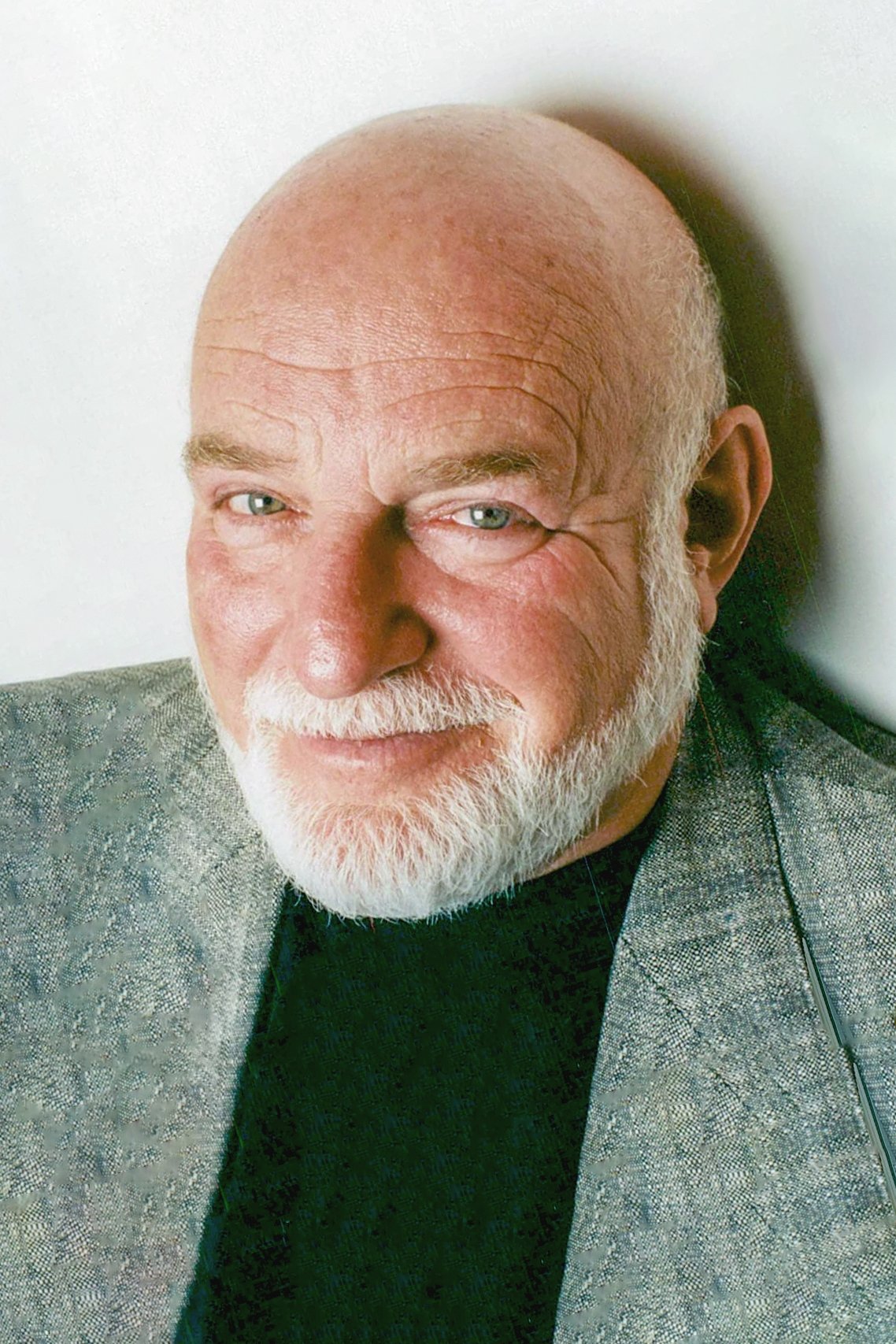
John Schlesinger was an English film, television and theatre director and actor. Born in London on 16 February 1926, he began his career with small acting roles and documentaries, including the British Transport Films production Terminus (1961), which won a Venice Film Festival Gold Lion and a BAFTA award.
His feature directorial debut was A Kind of Loving (1962), followed by Billy Liar (1963), Darling (1965) and Far from the Madding Crowd (1967). He won the Academy Award for Best Director for Midnight Cowboy (1969) and received further Oscar nominations for Darling and Sunday Bloody Sunday (1971). Later films include The Day of the Locust (1975) and Marathon Man (1976). He was appointed CBE and died on 25 July 2003.