Film review

Marathon Man

1976 · Directed by John Schlesinger · 2h 06m · MPA R

In a sentenceLaurence Olivier makes calm professional attention seem like an excellent reason to be somewhere else

ThrillerCrimeDrama

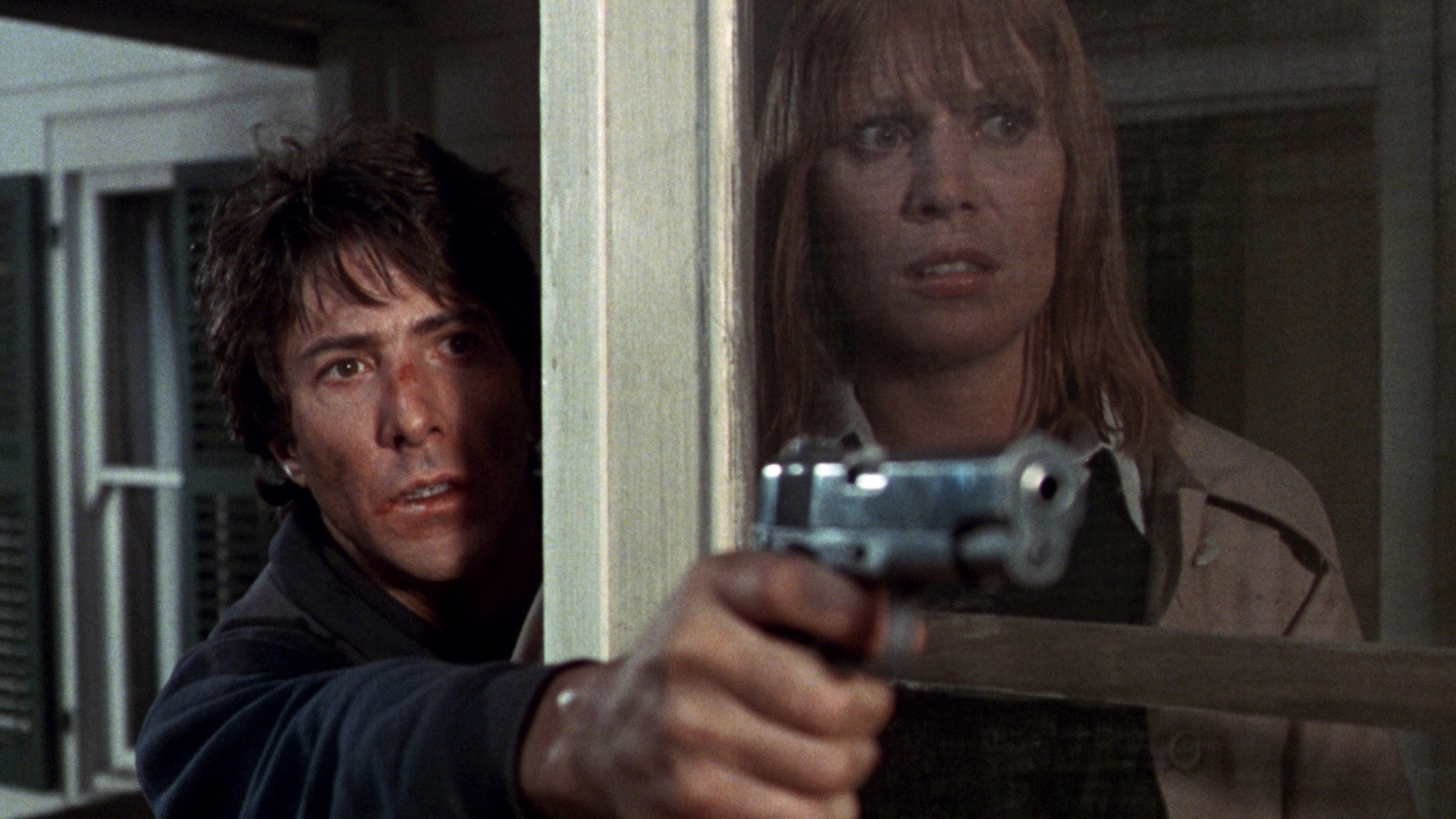
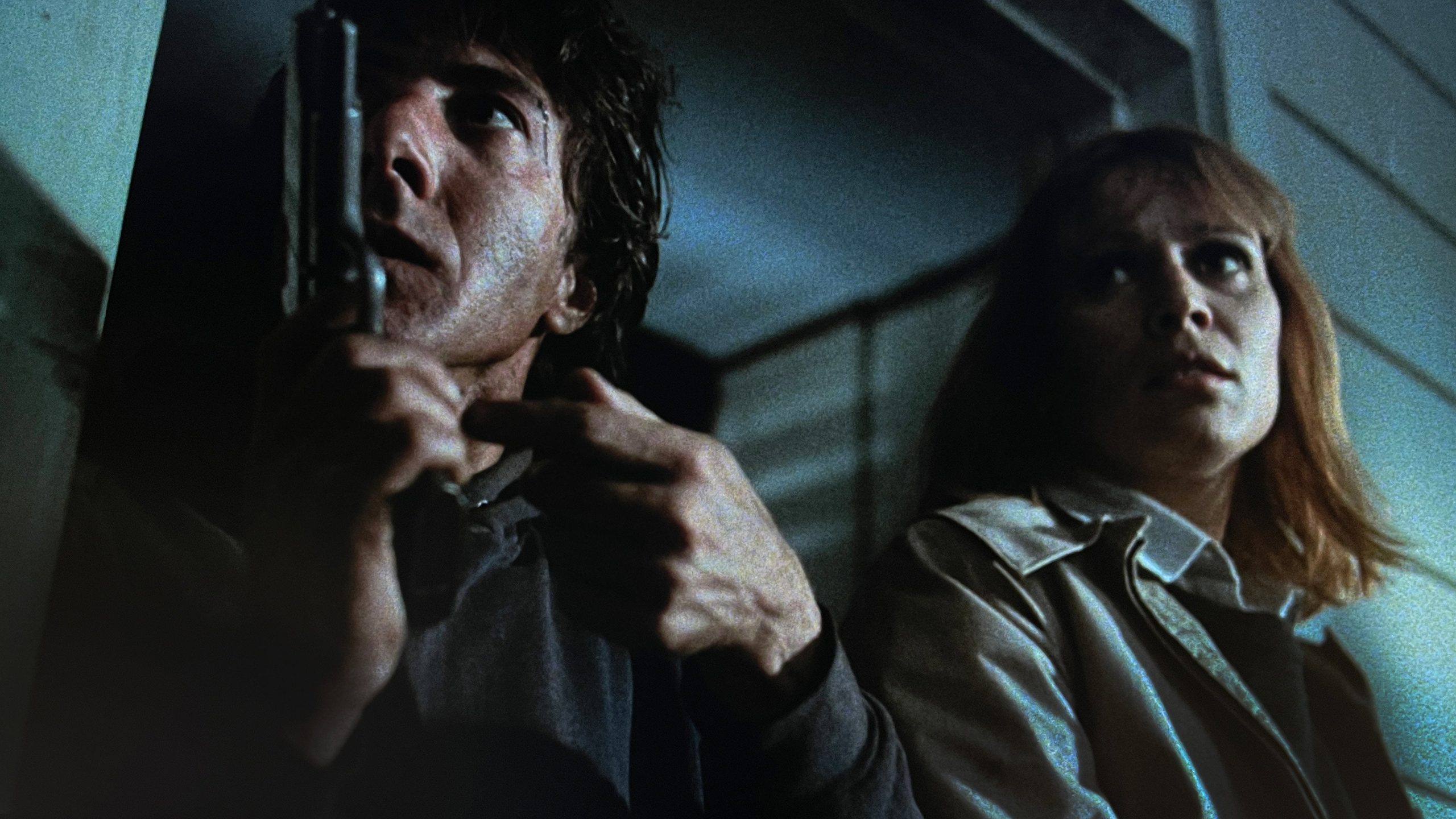
Thomas ‘Babe’ Levy (Dustin Hoffman), Henry ‘Doc’ Levy (Roy Scheider) and Elsa Opel (Marthe Keller) become entangled in dealings involving Nazis, agents and diamonds. Thomas ‘Babe’ Levy wants to clear his father’s name, but his efforts put him in danger. Dr. Christian Szell (Laurence Olivier), a Nazi dentist, brings a threat he is unprepared to meet. With his father’s reputation at stake, Thomas ‘Babe’ Levy must contend with people pursuing interests of their own, far removed from the family name he is trying to restore.

Plays from YouTube when you press play; nothing loads from them until then.

Fi1m review

Laurence Olivier makes John Schlesinger’s uneven thriller worth the trouble. The conspiracy takes too long to come into focus, but the performances are convincing enough to make the danger feel horribly close.

John Schlesinger’s Marathon Man is a good thriller with a cumbersome way of getting started. It asks us to watch several strands of intrigue develop before their connections become clear, and sometimes it merely leaves us waiting for something to matter. Once a scene has a definite threat, however, the direction is assured and the actors give it force. It is worth the patience, provided a complicated conspiracy is not the main pleasure we expect from a thriller.

William Goldman adapts his own novel, and the effort of getting its plot into place is often too apparent. Nazis, agents and diamonds require an amount of preparation that John Schlesinger does not always make interesting in itself. Information arrives before there is much reason to care about it, and the fragmented opening gives the film several opportunities to stall. Some confusion is useful when a thriller wants us to feel vulnerable; here, the explanations can become a distraction from the people.

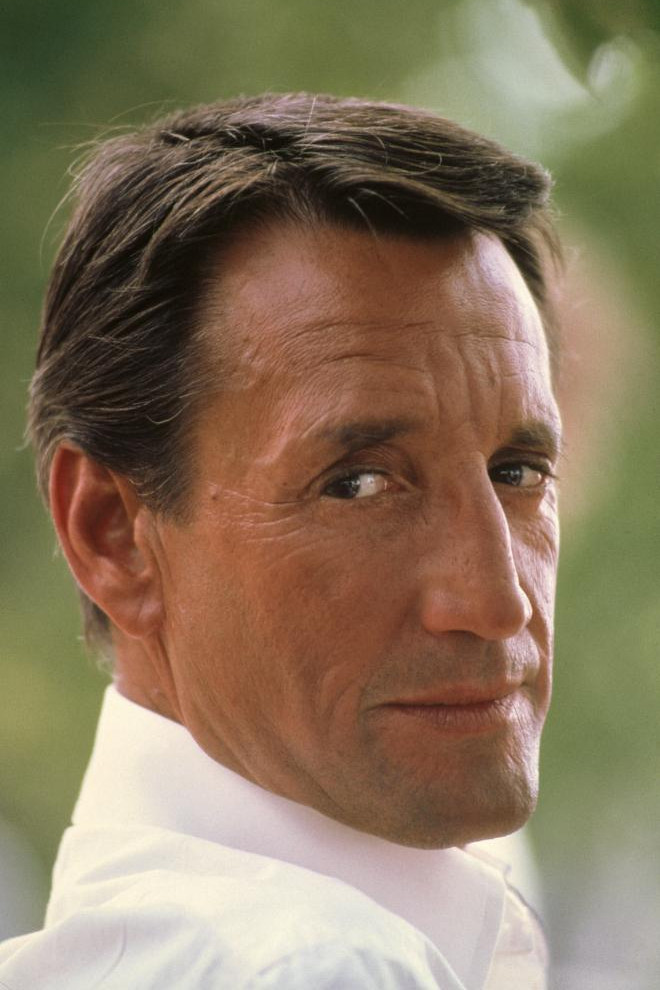
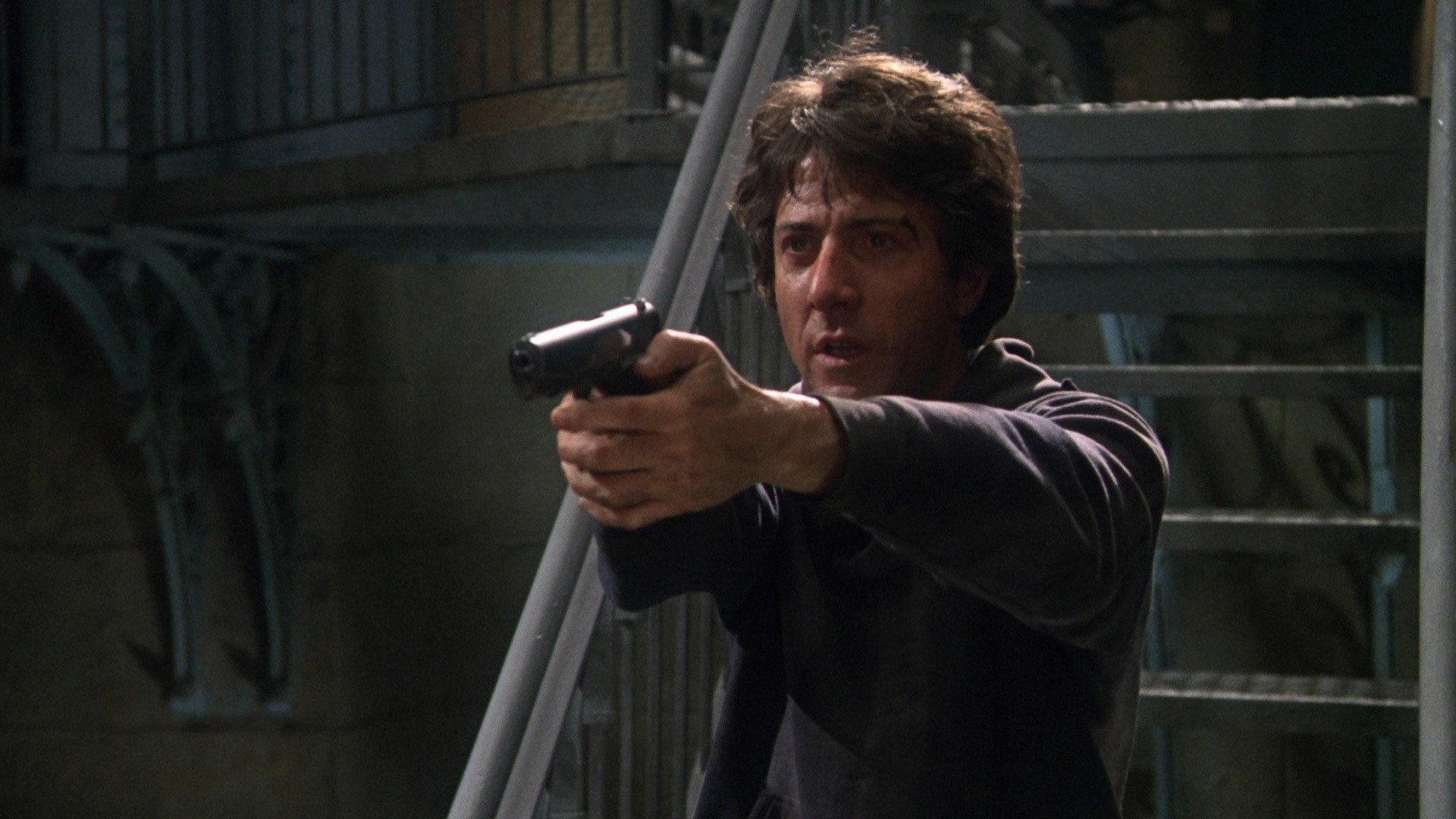
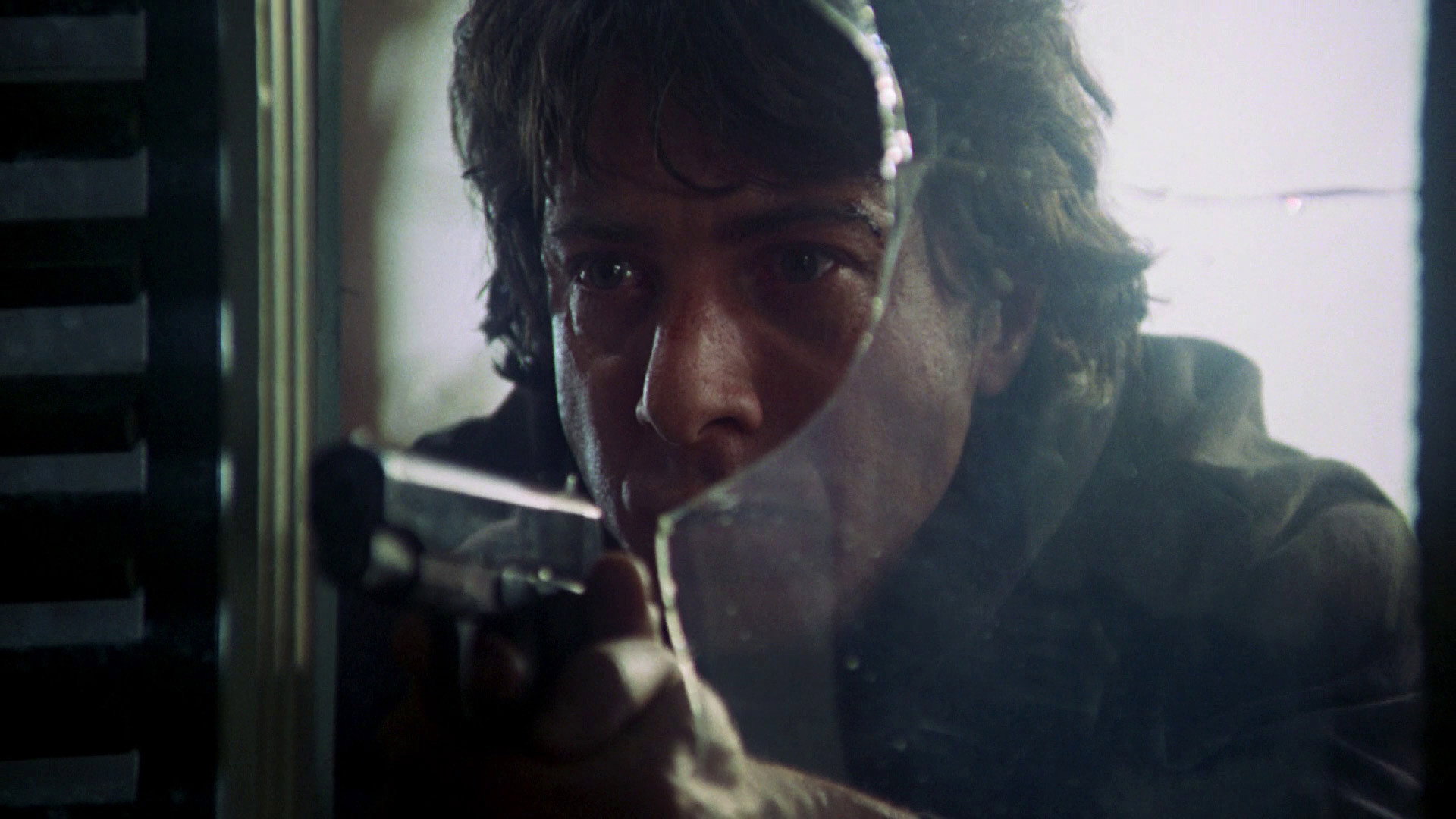
Dustin Hoffman gives Thomas ‘Babe’ Levy an earnestness that helps enormously once the pressure mounts. The performance insists on the effort of enduring fear, and never lets danger become an excuse for looking capable. That strain can grow repetitive, particularly when the writing is already making heavy weather of things. Still, the physical commitment makes the threat credible. Roy Scheider brings a welcome economy to Henry ‘Doc’ Levy, suggesting competence without making each appearance a demonstration of it.

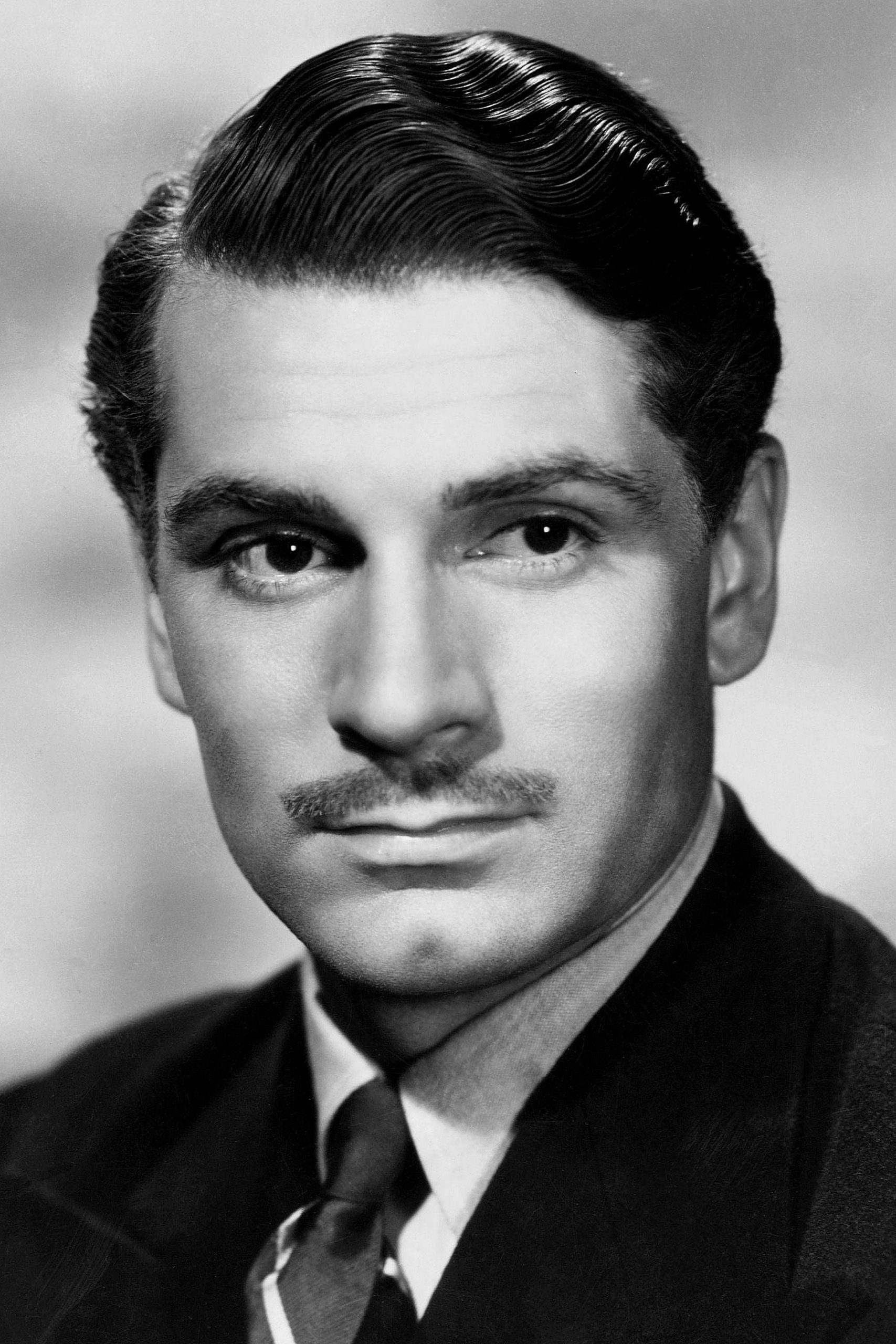
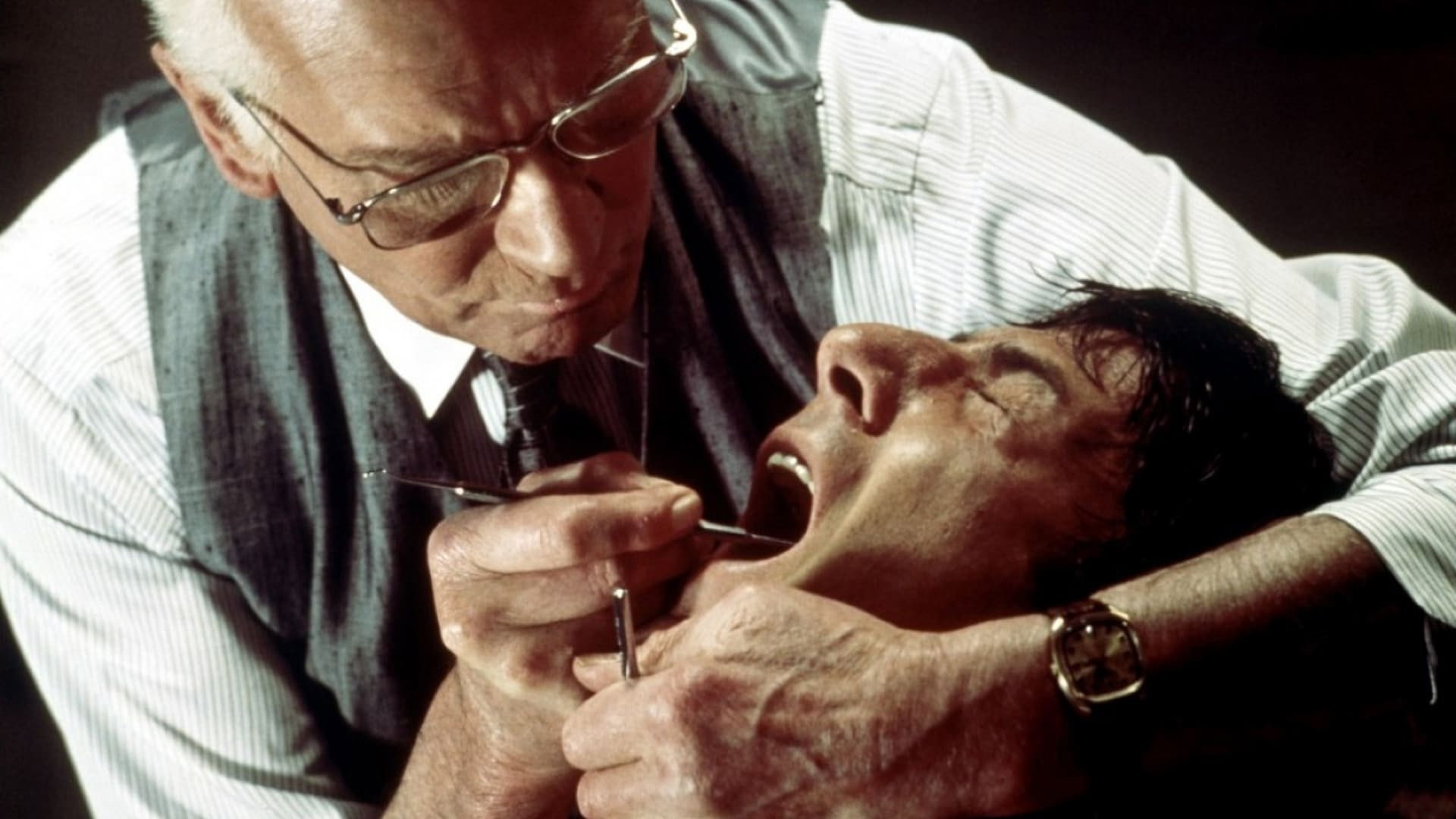
Laurence Olivier is the stronger reason to stay. He plays Dr. Christian Szell as someone for whom cruelty is an ordinary professional matter, without the theatrical relish that can make a villain comfortable company. We were frightened by his calm: the measured delivery offers no reassurance that another person’s distress might interrupt his business. The performance gives the film a clear source of dread even when the surrounding intrigue has become difficult to follow, and John Schlesinger allows it the necessary time.

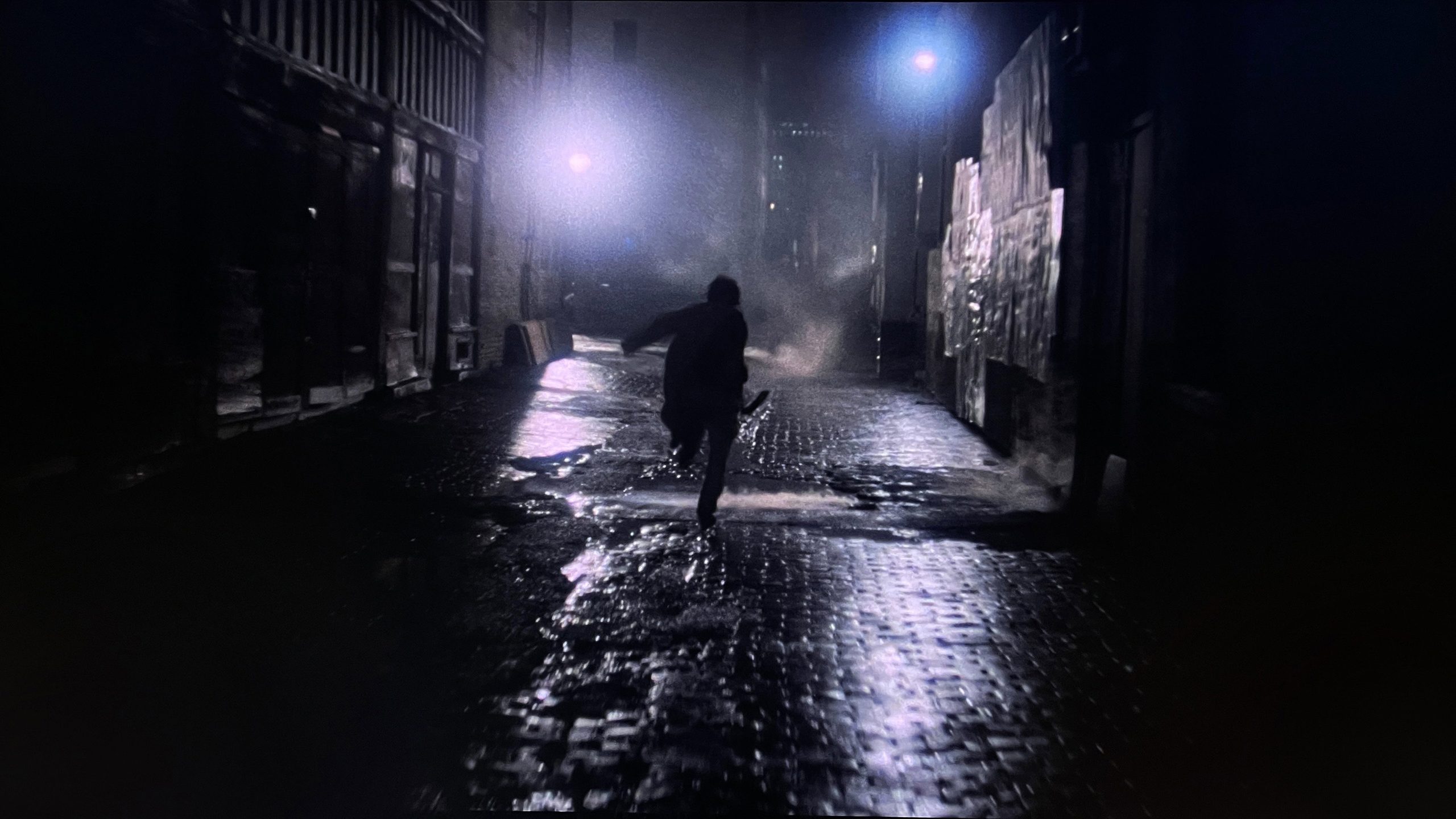
Conrad Hall’s cinematography makes faces worth studying, especially when the dialogue offers little reassurance. The images keep our attention on people who may know more than they are saying, which helps sustain interest through the slower passages. Richard Macdonald’s production design makes the surroundings feel credible enough to accept without inspection. That unobtrusive work matters here, because the plotting already gives us plenty to question, and the actors need somewhere believable to stand while we question it.

Jim Clark’s editing has a great deal of preliminary material to manage, and the stop-start movement is tiring. Once a threat is established, the cutting maintains pressure and gives the actors room to register it. Michael Small’s score helps sustain apprehension, though its insistence occasionally feels unnecessary when the performances have already made the danger clear. The music works most persuasively as support for an encounter, without having to supply all the urgency that the larger story sometimes lacks.

The conspiracy-thriller pleasure of suspecting everyone is present, although the obscure plotting occasionally makes suspicion feel like homework. John Schlesinger compensates by giving individual encounters enough time to become uncomfortable, rather than hurrying towards another explanation. The loose ends still matter, and prevent the film from delivering all the satisfaction its strongest passages promise. Choose it for the actors and the sustained apprehension, with some tolerance for a story that demands more attention than it consistently rewards.
Critical consensus AI synthesised

60
Positive
4
Mixed
1
Negative
2

Most critics find Marathon Man an effective thriller, with praise concentrated on individual sequences and performances rather than the coherence of its plot. The favourable reviews credit Schlesinger’s direction with sustaining tension through intense situations, and repeatedly single out the dental sequence for its disturbing force. Olivier draws particular praise for his chilling presence, while Hoffman’s committed lead performance helps make the tangled intrigue involving Nazis, agents and diamonds compelling for several reviewers.

The reservations concern the slow build-up, fragmented construction and loose ends, weaknesses that even some admirers acknowledge. The spread is wide: where favourable reviews find enough suspense to overlook the plotting, Variety finds the lengthy set-up confusing and disengaging, with too little momentum in either story or performances. The New Yorker dissents more sharply, finding little suspense in the crosscutting and judging Hoffman miscast, making the acting itself a point of disagreement.

Empire
28 July 2006 · Ian Nathan
80*

The critic praises Schlesinger’s taut thriller for its visceral dental-drill sequence and strong performances, especially Olivier’s chilling Nazi dentist and Hoffman’s committed lead, while noting the convoluted plot.

Read the full review →
Radio Times
★★★★ · Tom Hutchinson
80

The critic calls it a gripping thriller with strong performances, especially Olivier as the essence of evil, and notes the memorable dentistry scene, while pointing out flaws like a slow start and fragmented structure.

Read the full review →
RogerEbert.com
18 October 1976 · Roger Ebert
80*

The critic praises the film as well-crafted escapist entertainment and a diabolical thriller that works moment by moment through strong scenes, even if the plot has loose ends. He singles out the skillful direction and standout sequences like the diamond district walk and the dental torture scene for holding attention.

Read the full review →
The New York Times
7 October 1976 · Vincent Canby
75*

The review presents the film as an effective thriller that engages viewers despite its specialized plot elements. It highlights the intense situations and performances in a positive light.

Read the full review →
Time Out
10 September 2012 · DP
55*

The review finds the thriller effective in its basic set pieces but overall ponderous with obscure construction, loose ends, and overused locations; it singles out the compelling dentistry torture sequence as the best moment.

Read the full review →
Variety
31 December 1975 · **
30*

The review notes that the film spends too long setting up plot pieces from the novel, leaving viewers disengaged from the convoluted intrigue involving Nazis, agents, and diamonds. It criticizes the lack of clarity and momentum in the story and performances.

Read the full review →

Cast

Stills

Awards

Academy Awards, 1977

Nominated
Best Supporting Actor

If you liked this, try…

The Parallax View poster

The Parallax View

1974 · Another conspiracy thriller that makes being out of your depth physically uncomfortable.

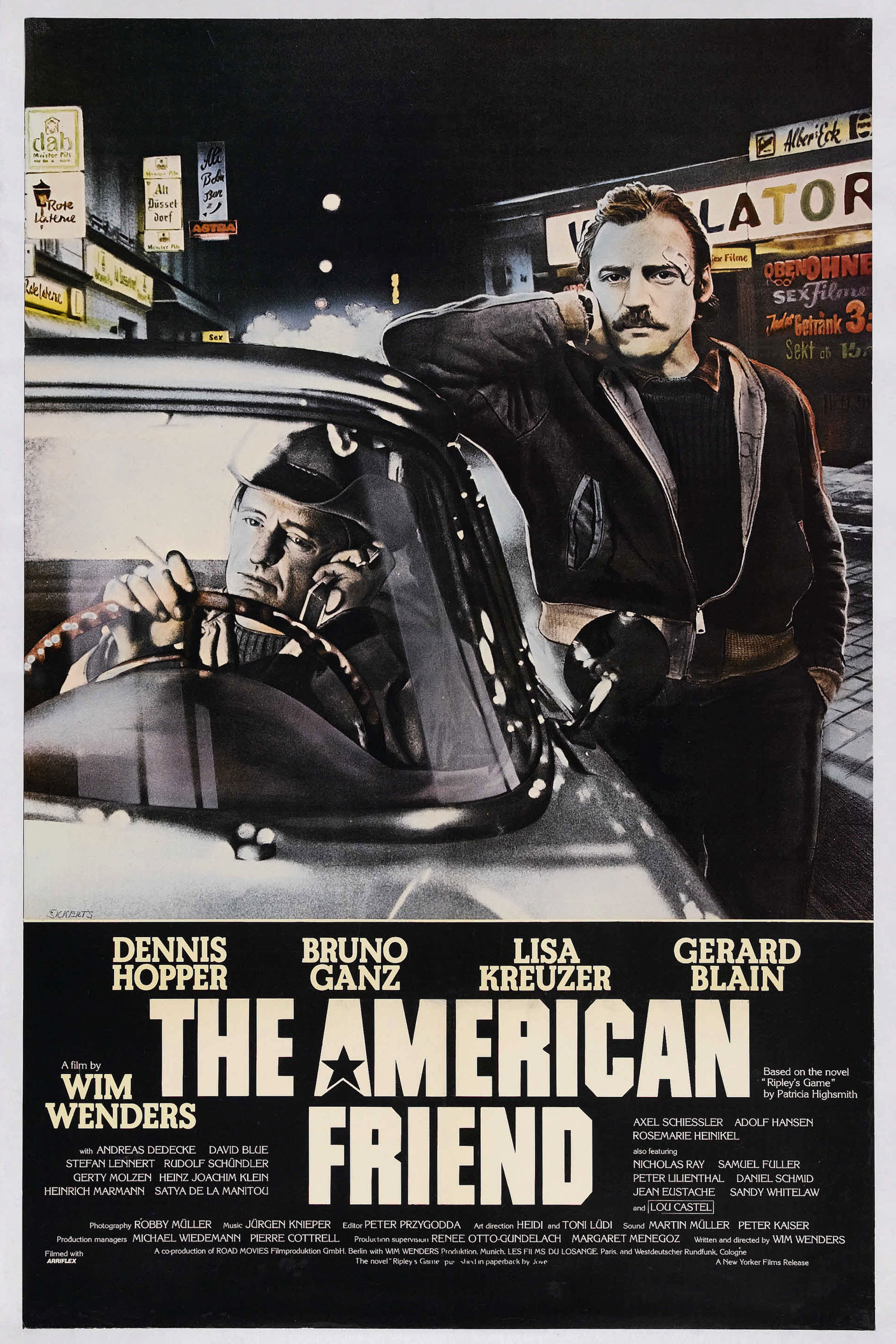
The American Friend poster

The American Friend

1977 · Ordinary vulnerability makes the criminal dealings feel dangerous long before anyone explains them.

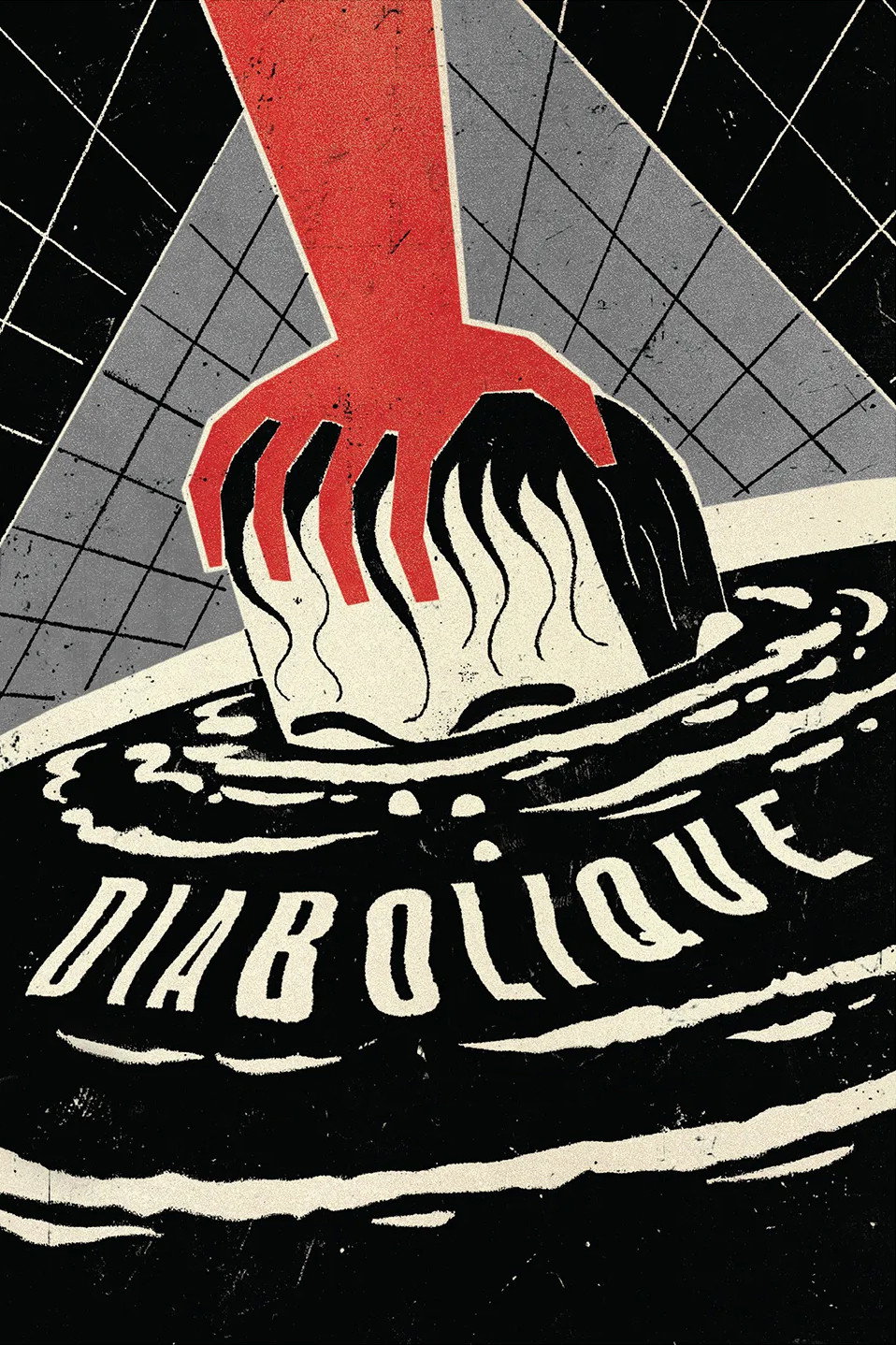
Les Diaboliques poster

Les Diaboliques

1955 · Patient suspense and calculated cruelty, with everyday rooms made difficult to trust.

The Vanishing poster

The Vanishing

1988 · A patient account of obsession, with a villain whose composure is deeply upsetting.

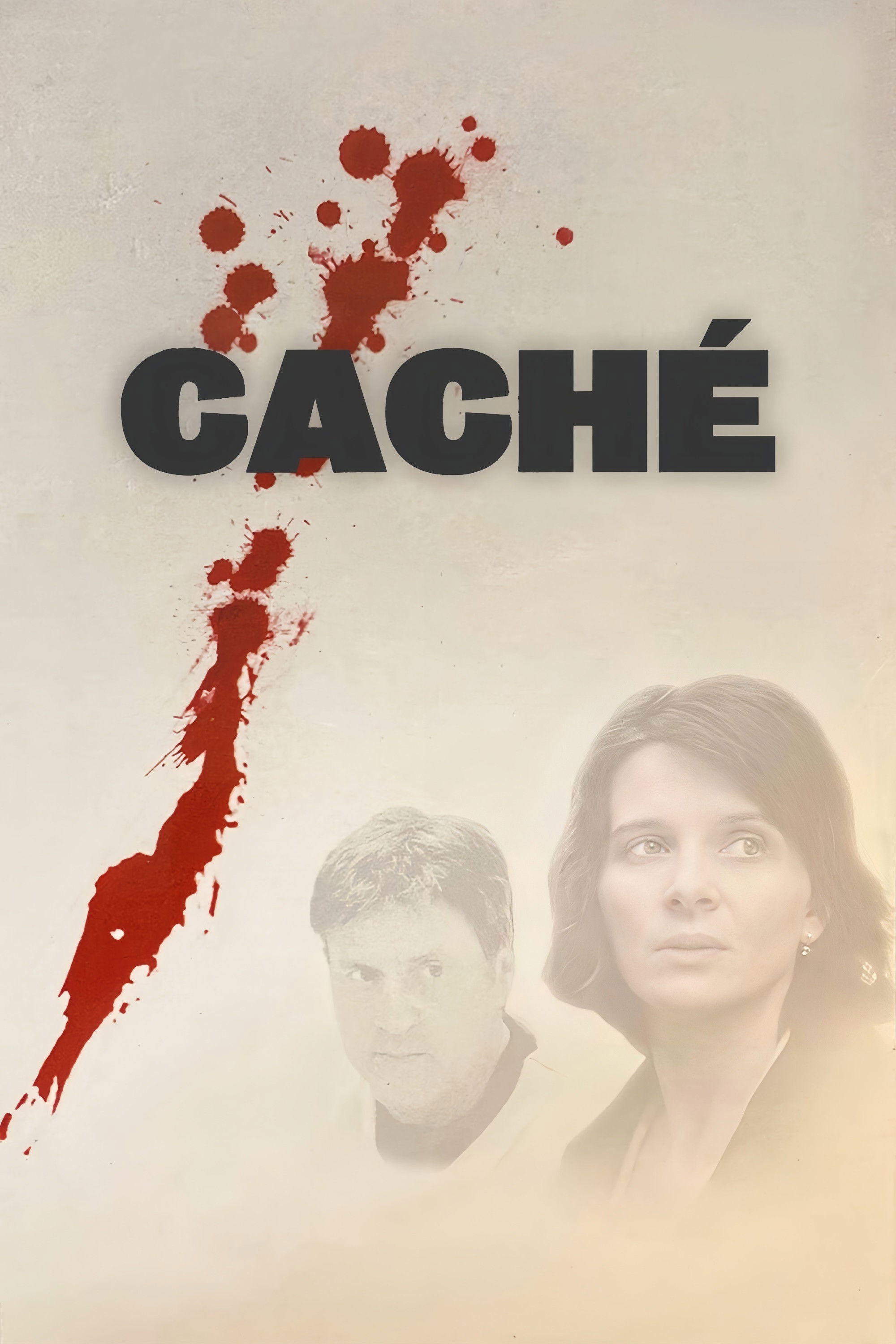
Caché poster88

Caché

2005 · For the unease of watching private guilt turn ordinary domestic life into a threat.