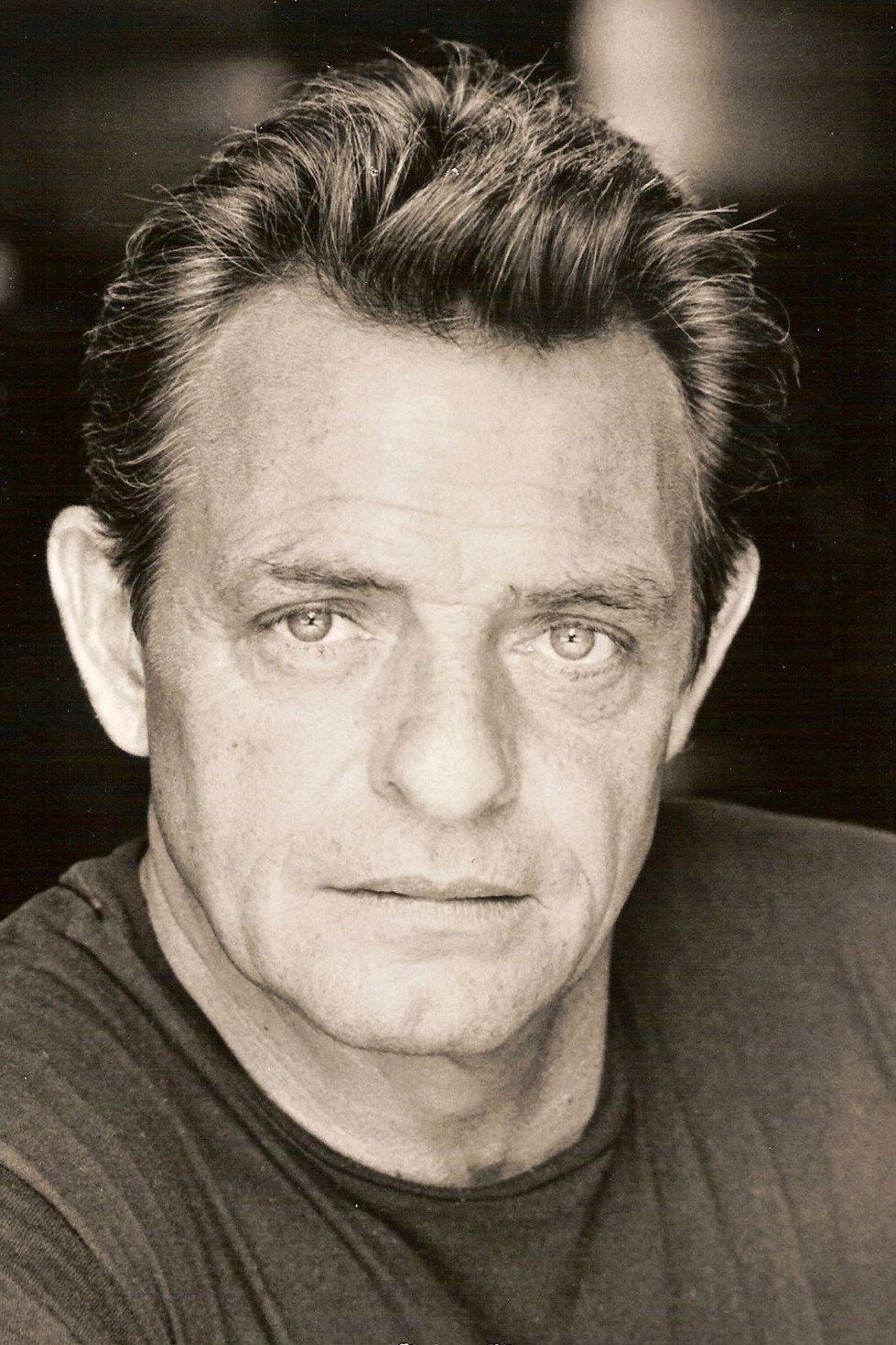
Richard Bright gives gangster films a dependable, cold-eyed threat from the supporting cast. We value the economy of his enforcers, particularly Al Neri, while wishing he had more to do than make another man's power look dangerous.
Fi1m perspective
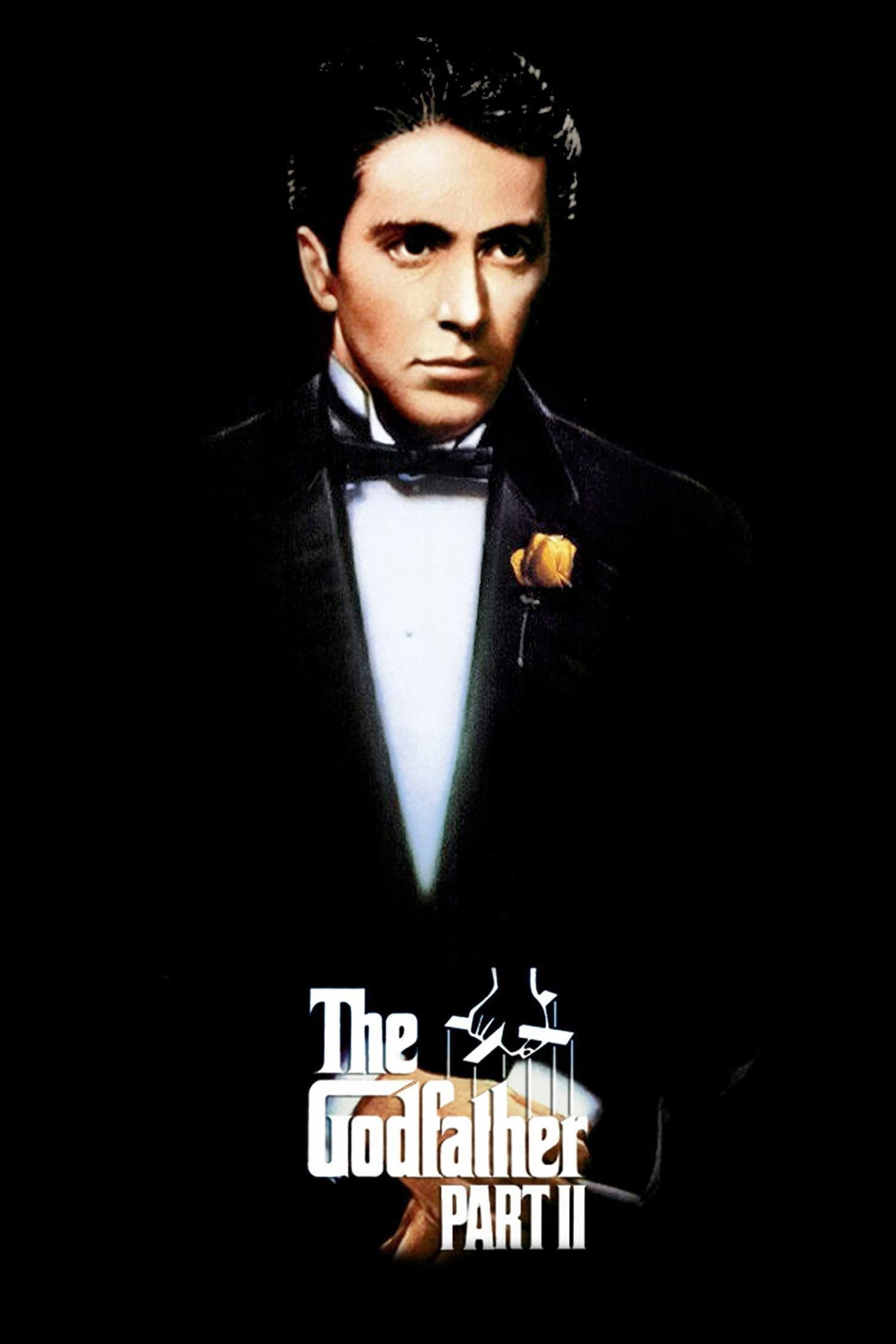
Richard Bright's Al Neri has two jobs: protecting Michael Corleone and enforcing his wishes. Bright's cold-eyed manner makes the distinction seem small, which is useful casting in films about criminal authority. In Francis Ford Coppola's The Godfather Part II (1974), his supporting presence helps make that authority credible without competing with Al Pacino or Robert De Niro. We found the film deeply upsetting because the loyalty of men such as Neri makes the family's cruelty look like an ordinary part of the job.
Before Neri, there was Hank, opposite Pacino in The Panic in Needle Park (1971), one of the parts that established Bright. The Getaway (1972) belonged to the same breakthrough period, and The Godfather (1972) gave him the enforcer he would play across three films. Work with Sam Peckinpah also belongs to this early stretch. It is easy to see why directors kept finding room for him in crime films: he could supply a credible threat without requiring a leading role.
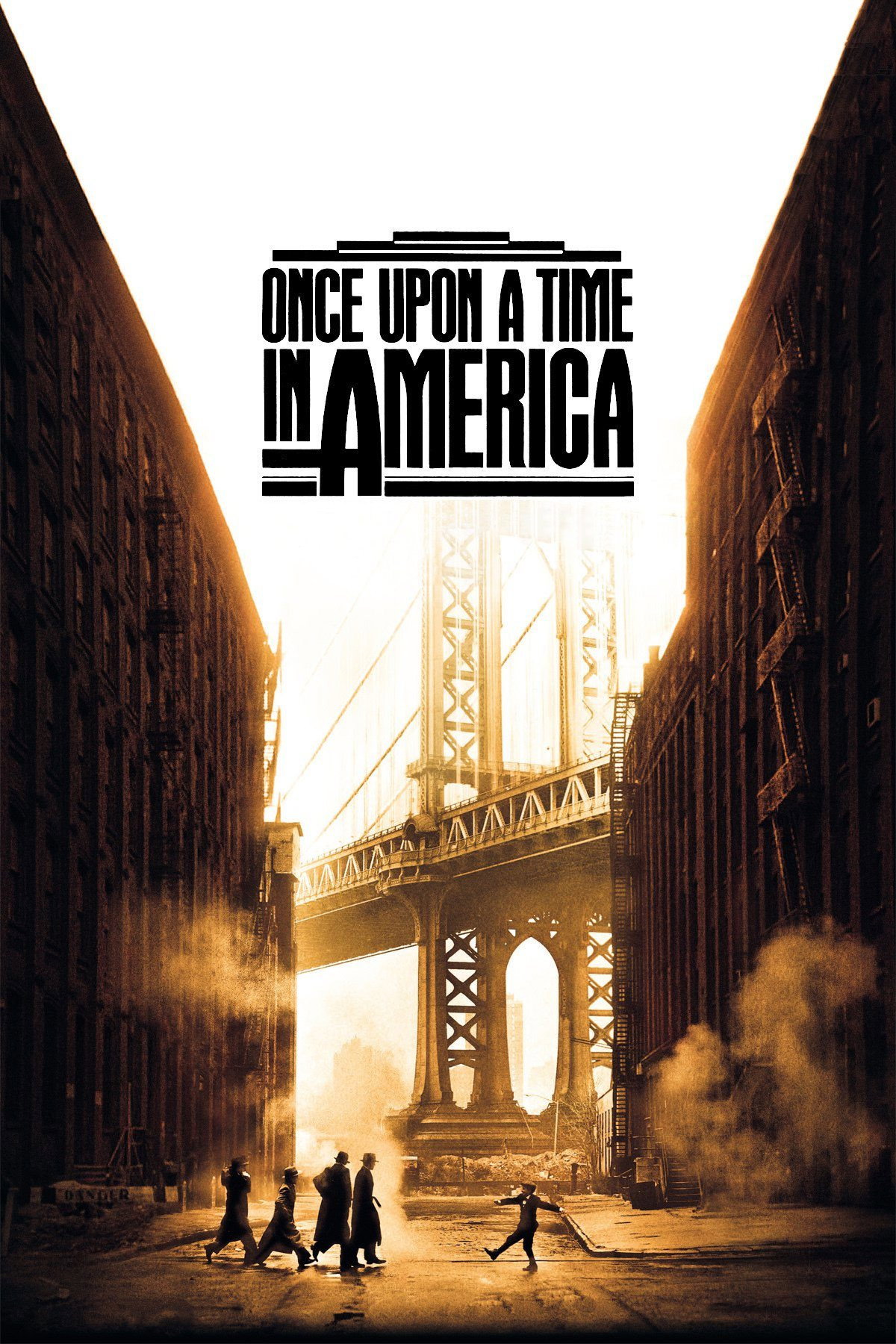
Sergio Leone cast him as the hired killer Chicken Joe in Once Upon a Time in America (1984), another use of that dependable threat. The casting makes sense, though it also shows how readily Bright could be returned to the same sort of work. We would not send anyone to the film for Bright alone: De Niro and Ennio Morricone supply much of its feeling. It is absorbing and deeply sad, but the plotting can be arbitrary and Leone's fondness for his gangsters is a problem.
Bright wanted more for Neri in The Godfather Part III (1990) and pressed for the role to be expanded. That is a fair complaint about parts so often confined to silent or secondary enforcers. We can appreciate his reliability while regretting how little these characters were asked to do beyond their duties. Watch The Godfather Part II for him, but do not expect Coppola to give him equal time.
Biography
Richard Bright (1937–2006) was an American actor. He was born in Bay Ridge, Brooklyn, New York City, and made his film debut in a small role in Odds Against Tomorrow (1959). He appeared in theatre productions including works with Al Pacino.
Bright is best known for playing Al Neri, Michael Corleone’s enforcer and bodyguard, in all three Godfather films: The Godfather (1972), The Godfather Part II (1974) and The Godfather Part III (1990). He also appeared in The Panic in Needle Park (1971), Marathon Man (1976), Once Upon a Time in America (1984) and Red Heat (1988), and on television in episodes of The Sopranos and Law & Order series.
Bright was married to actress Rutanya Alda. He died in New York City after being struck by a bus.