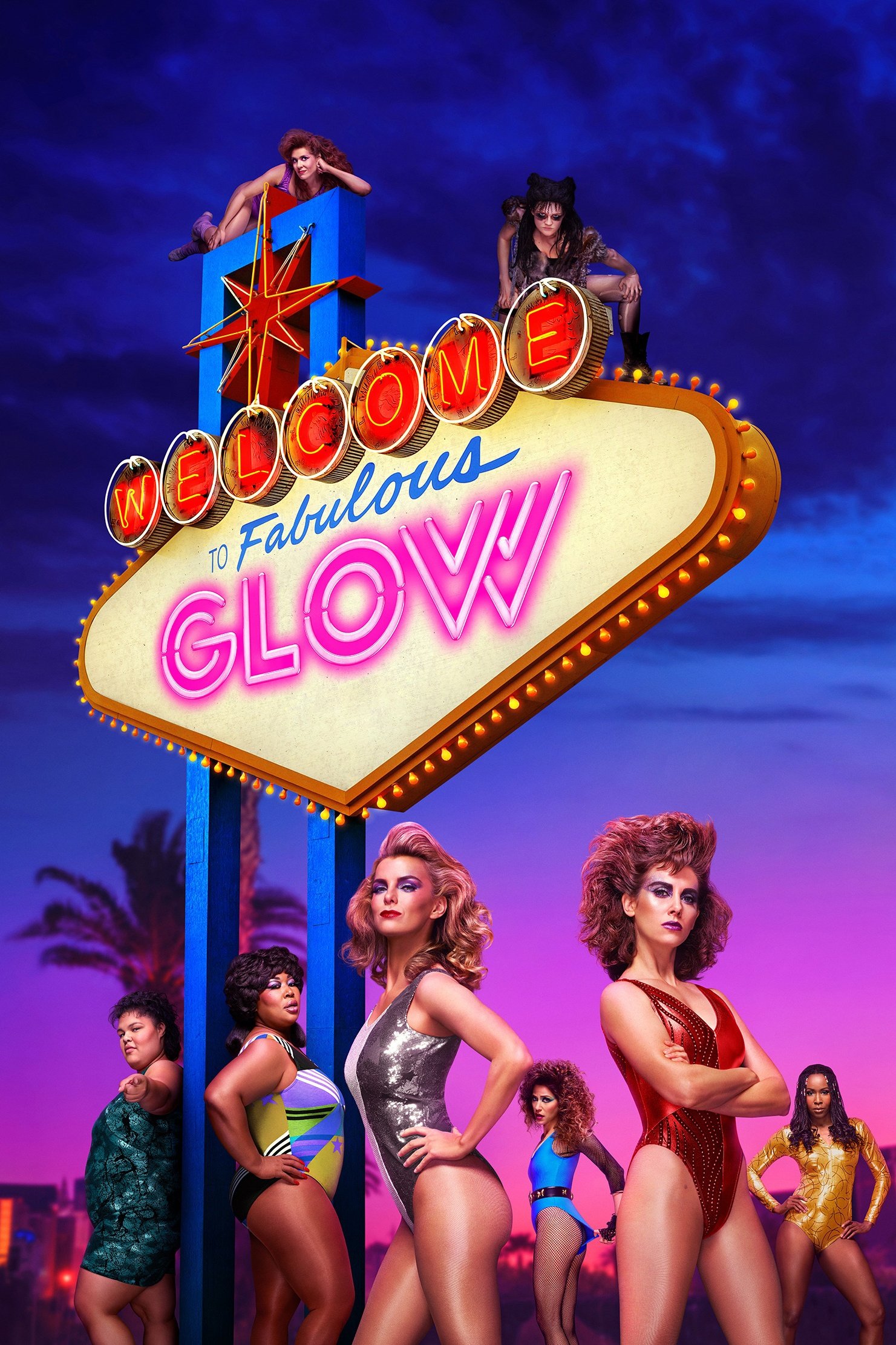
Liz Flahive puts a dozen women in one building and waits to see what they do to each other. In GLOW it worked, once the show found its feet; her weakness is a fondness for telling us what the metaphor means when the action has already said it.
Fi1m perspective
The thing Liz Flahive does is put a dozen women in one building and wait. In GLOW (2017) the building is a gym, the women are would-be wrestlers on a shoestring 1985 television show, and the pleasure is watching them work out who they are to each other. The comedy turns serious without warning. That is a Jenji Kohan habit, and Kohan is among the writers, but the patience with a large, untidy cast is something Flahive shares with her co-creator Carly Mensch.
She came to television from the theatre, with Off-Broadway plays including From Up Here (2008) and The Madrid (2013), and the playwright's instinct shows: one room, a lot of people, everyone with a reason to be there. Staff jobs followed, on Nurse Jackie and then Homeland, where she wrote on the fifth season and its finale in 2015. Then GLOW, which she created, wrote and ran with Mensch from 2017 to 2019. After that came Roar (2022), an anthology of eight standalone feminist fables, which the two of them created and one episode of which Flahive directed.
The partnership is the thing to understand. Flahive and Mensch outline together and then divide the scenes between them, and she resists the label: "I wouldn’t ever call us writing partners because we came up as individual writers who really enjoy working together." Whatever it is called, it works. GLOW was better made and kinder than its Lycra suggested, and Betty Gilpin was the find. We went in expecting a joke about leotards and by the end of the first season were fond of the whole room, because the writing treats each of these women seriously and lets the wrestling do the talking.
The weakness is the explaining. GLOW took half a season to get going, had more wrestlers than it could use, and was at its best when it stopped telling us what the matches meant and simply staged one. Roar puts the metaphor first by design, each episode built on a heightened conceit, and some episodes needed extensive rewrites before the idea and the woman inside it sat comfortably together. We have not reviewed it and will not judge it here, but the tendency is the same one.
Start with GLOW, give it the half season it needs, and notice how much better it is when the bell goes than when someone is telling us what the bell means. Whatever Flahive and Mensch make next, we hope they trust the ring.
Biography
Liz Flahive is an American playwright, television writer and producer. She began her career writing the plays From Up Here and The Madrid. She worked as a writer, executive story editor and producer on the series Nurse Jackie.
Flahive served as a consulting producer and writer on Homeland. With Carly Mensch, she co-created, wrote and executive produced the Netflix series GLOW (2017–2019), which received a Primetime Emmy Award nomination for Outstanding Comedy Series in 2018. She co-wrote the film Adult Beginners (2014) and contributed to the screenplay for Captain Marvel (2019). She later created and wrote the series Roar (2022).