Series review

GLOW

2017 · Created by Liz Flahive, Carly Mensch · Series · MPA TV-MA

In a sentenceTwo friends who cannot be in a room together discover that a wrestling ring is not, technically, a room

ComedyDrama

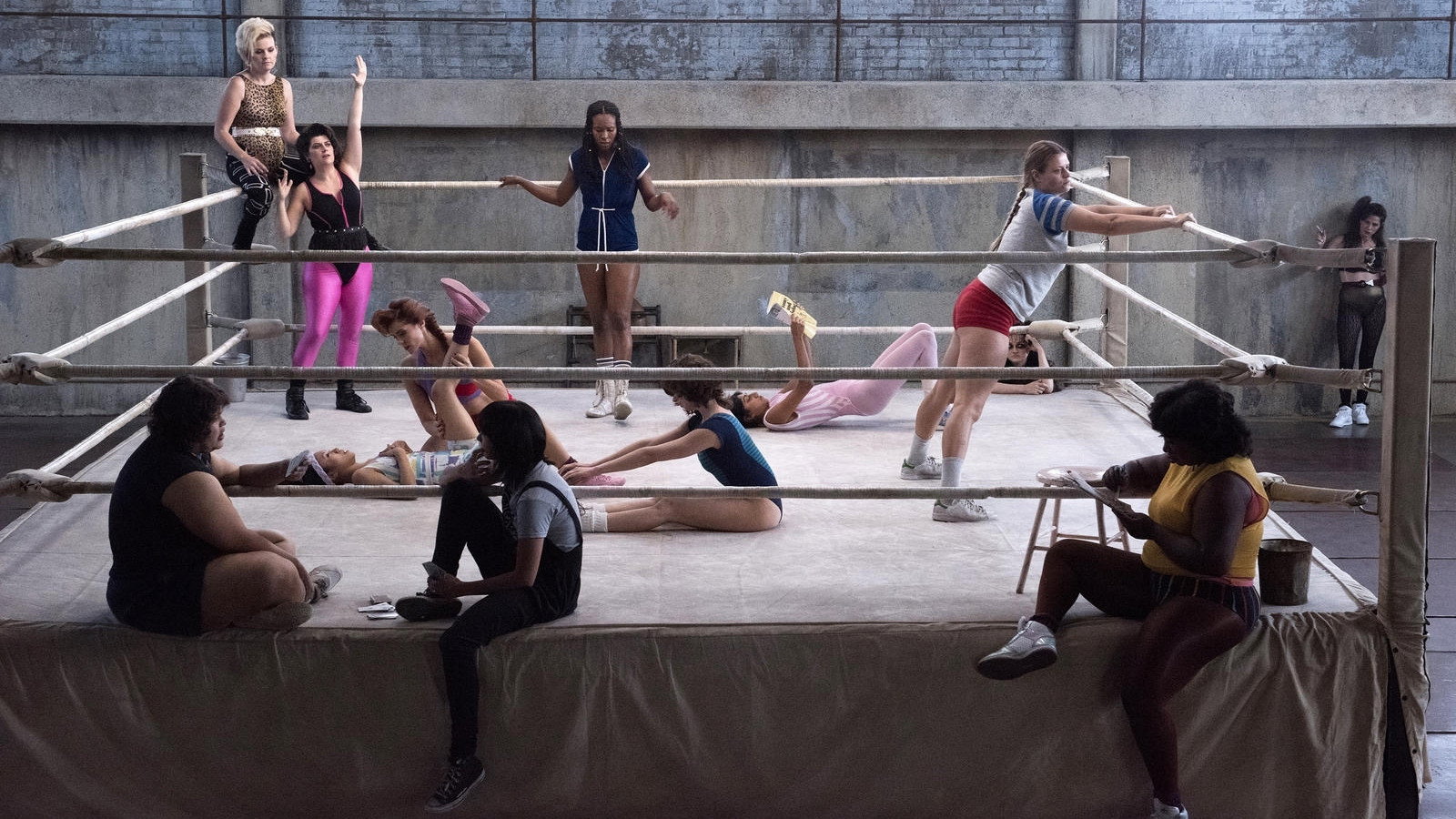
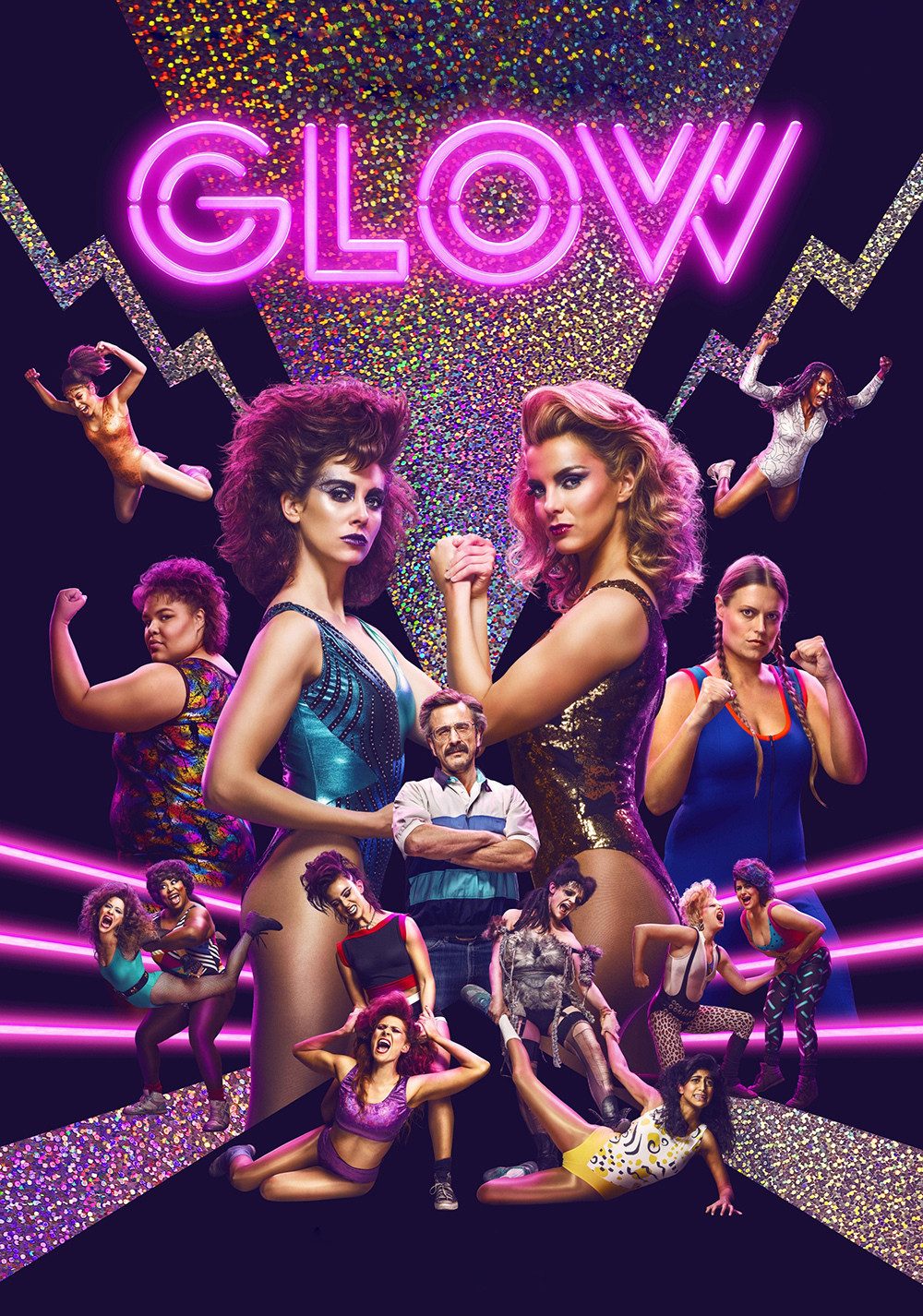
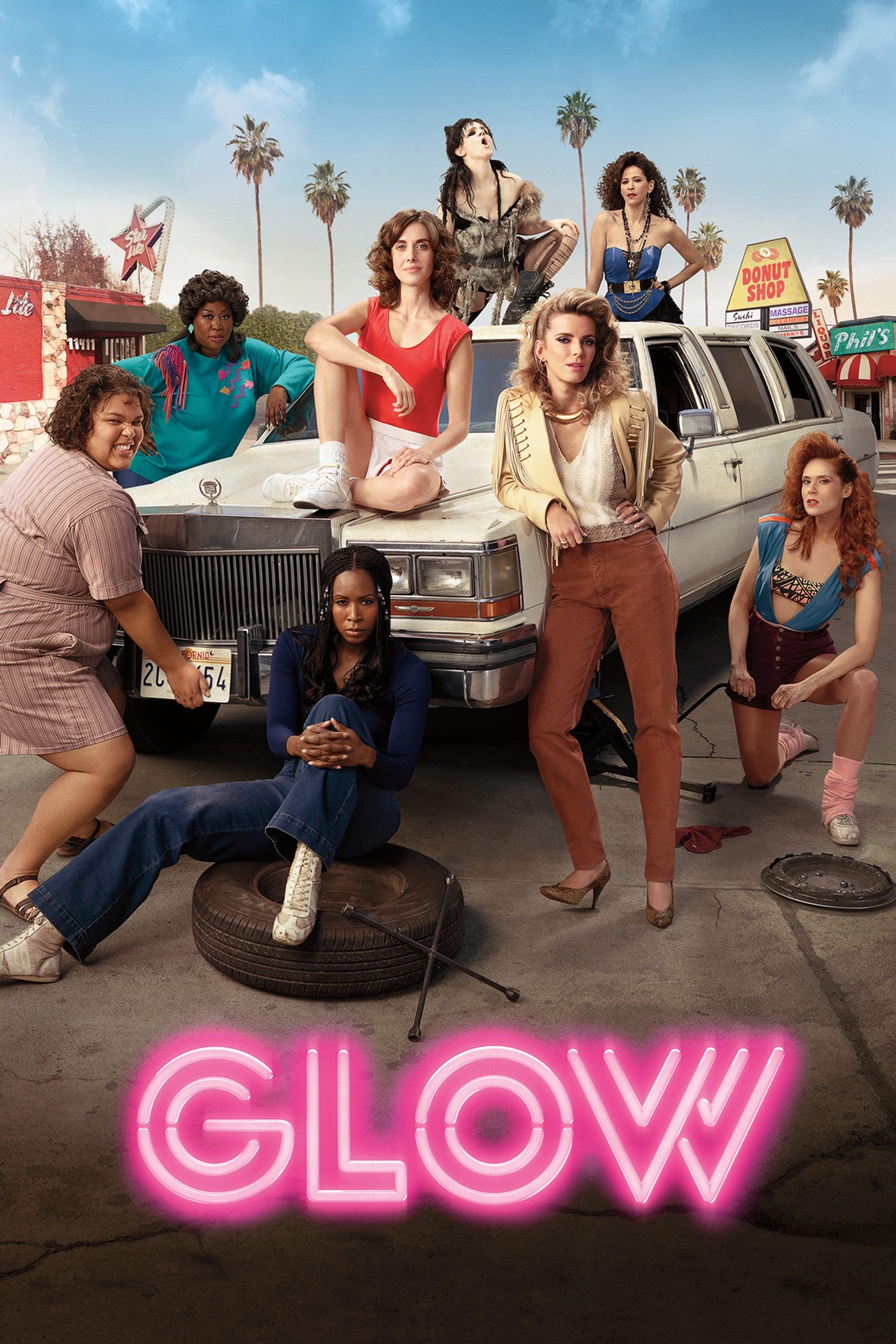
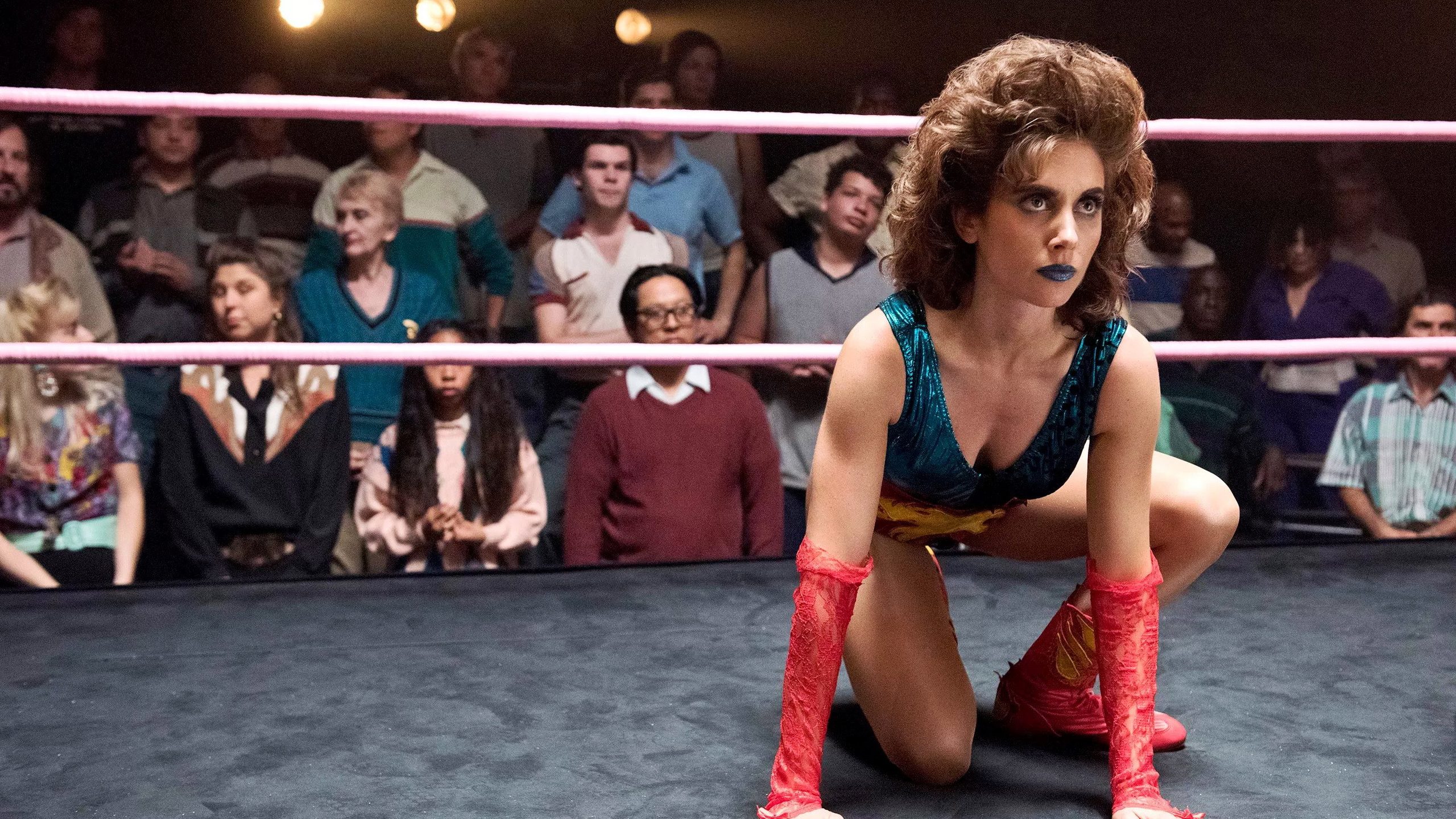
Los Angeles, 1985. Ruth Wilder (Alison Brie) is an actress who cannot get cast, and the audition she finally lands turns out to be for a women’s wrestling programme run out of a rented gym. In charge is Sam Sylvia (Marc Maron), a director of cheap horror films, funded by Bash Howard (Chris Lowell), a rich young fan with a mansion and no idea how television is made. Ruth is hopeless on the mat until her former best friend Debbie Eagan (Betty Gilpin), a soap actress with a new baby, storms in to confront her over a betrayal, and Sam sees his main event. Around them Cherry Bang (Sydelle Noel), Carmen Wade (Britney Young) and the rest of the roster learn how to fall.

Plays from YouTube when you press play; nothing loads from them until then.

Fi1m review

Liz Flahive and Carly Mensch’s comedy about a shoestring 1985 women’s wrestling show is better made and kinder than its Lycra suggests, and Betty Gilpin is the find. It takes half a season to get going and has more wrestlers than it can use.

GLOW takes a real piece of 1980s television, the Gorgeous Ladies of Wrestling, and puts a dozen women in a gym to see what they do with each other. Liz Flahive and Carly Mensch created it, with Jenji Kohan among the writers, and the family resemblance to Kohan’s earlier work shows: a female ensemble, one building, comedy that turns serious without warning. It is good. It is also slow to start, overpopulated, and at its best when it stops explaining what it means and simply stages a match.

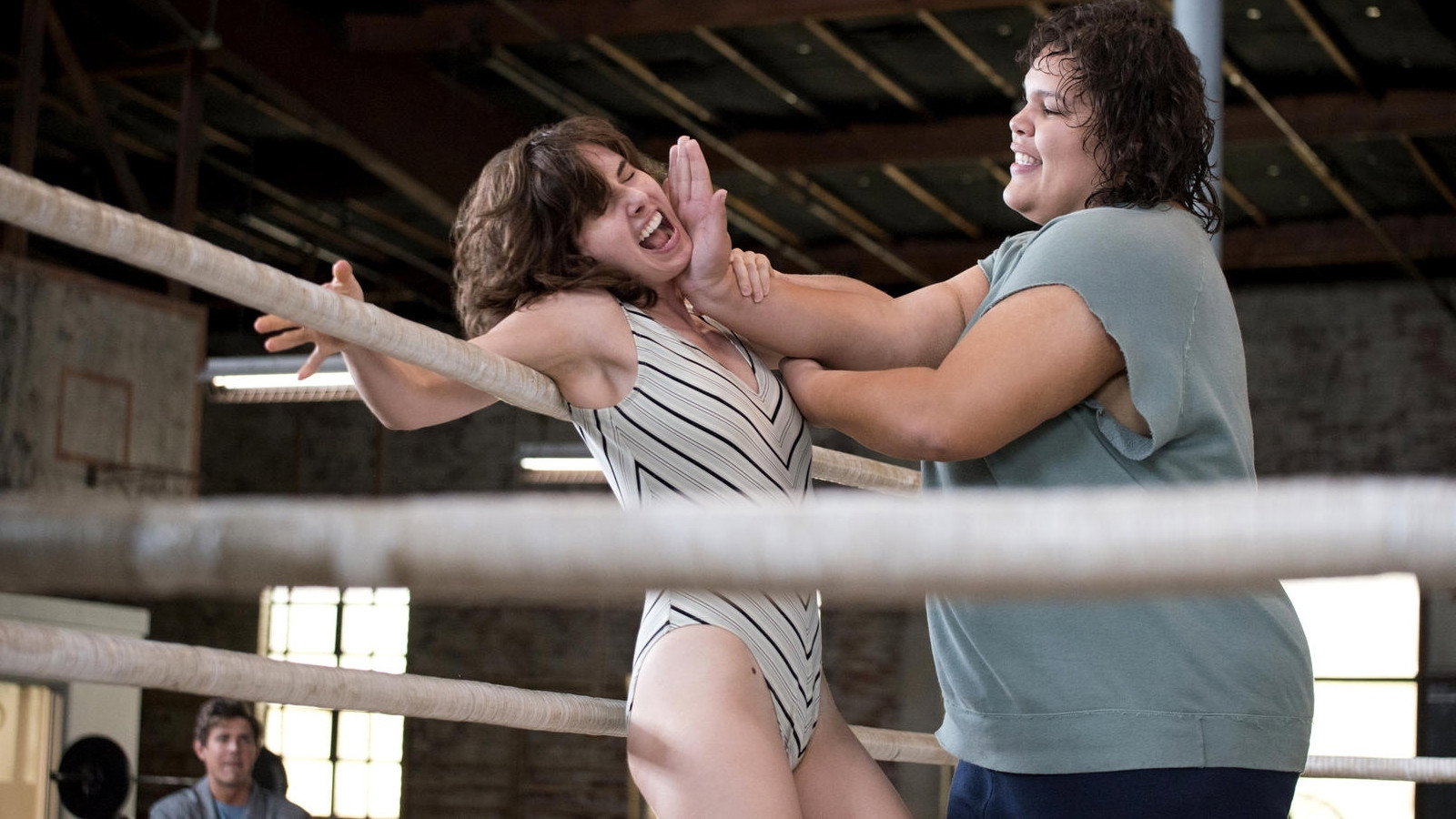
Alison Brie’s Ruth is hard to like, on purpose. She is earnest, needy and gives every audition more than it wants; Brie plays the neediness straight and lets the comedy come from how little anyone else cares. It works better once Ruth finds her ring persona, a Soviet villain in a leotard, and discovers she is better at being hated than liked. But the series belongs to Betty Gilpin. Debbie arrives as the wronged party and could have stayed there; Gilpin instead plays a woman who is furious, bored, brilliant on camera and appalled that the thing she is best at is a joke. Her matches with Ruth are the only place the two can talk, and the show knows it.

Marc Maron’s Sam Sylvia is a washed-up director with a cocaine habit and a great deal of self-pity, and Maron plays him without asking for sympathy. Chris Lowell’s Bash Howard is the money, a rich boy who loves wrestling more than anyone in the building, and Lowell keeps him sweet rather than stupid. The roster is where the show is generous and where it is overstuffed. Sydelle Noel’s Cherry Bang, a stuntwoman who trains the others, and Britney Young’s Carmen Wade, from a wrestling family and frightened of crowds, get real stories. Gayle Rankin’s Sheila the She-Wolf, who wears the costume off duty too, is the strangest and stays with you. Kate Nash’s Rhonda Richardson, Kia Stevens’s Tameé Dawson and Jackie Tohn’s Melanie Rosen get a scene or two a season and deserved more.

Christian Sprenger and Chris Teague, two of four credited cinematographers, shoot it in flat warm Californian light and do not make the wrestling look better than it would have on a 1985 television. The ring is small, the rig is visible, the crowd is thin. Todd Fjelsted’s production design gives the women a gym with peeling paint, a motel with a pool nobody swims in, and later a Las Vegas hotel as tired as the act it is hosting. Craig Wedren’s synth score behaves like the era’s own television music, cheerful and cheap. Fourteen directors share the three seasons, Lynn Shelton, Jesse Peretz and Alison Brie among them, and the house style holds.

The first full bout, late in the opening season, got at us more than we expected. The show has spent hours watching these women hurt themselves on mats, and when a crowd finally cheers a body slam we felt something for the people who rehearsed it, however absurd the costumes. We laughed at Sheila’s wolf ears and were then slightly ashamed, which is roughly the response the series wants. The matches are shot from ringside and held long enough to see the actors taking the falls, and that is where the warmth is earned: you believe the bruises.

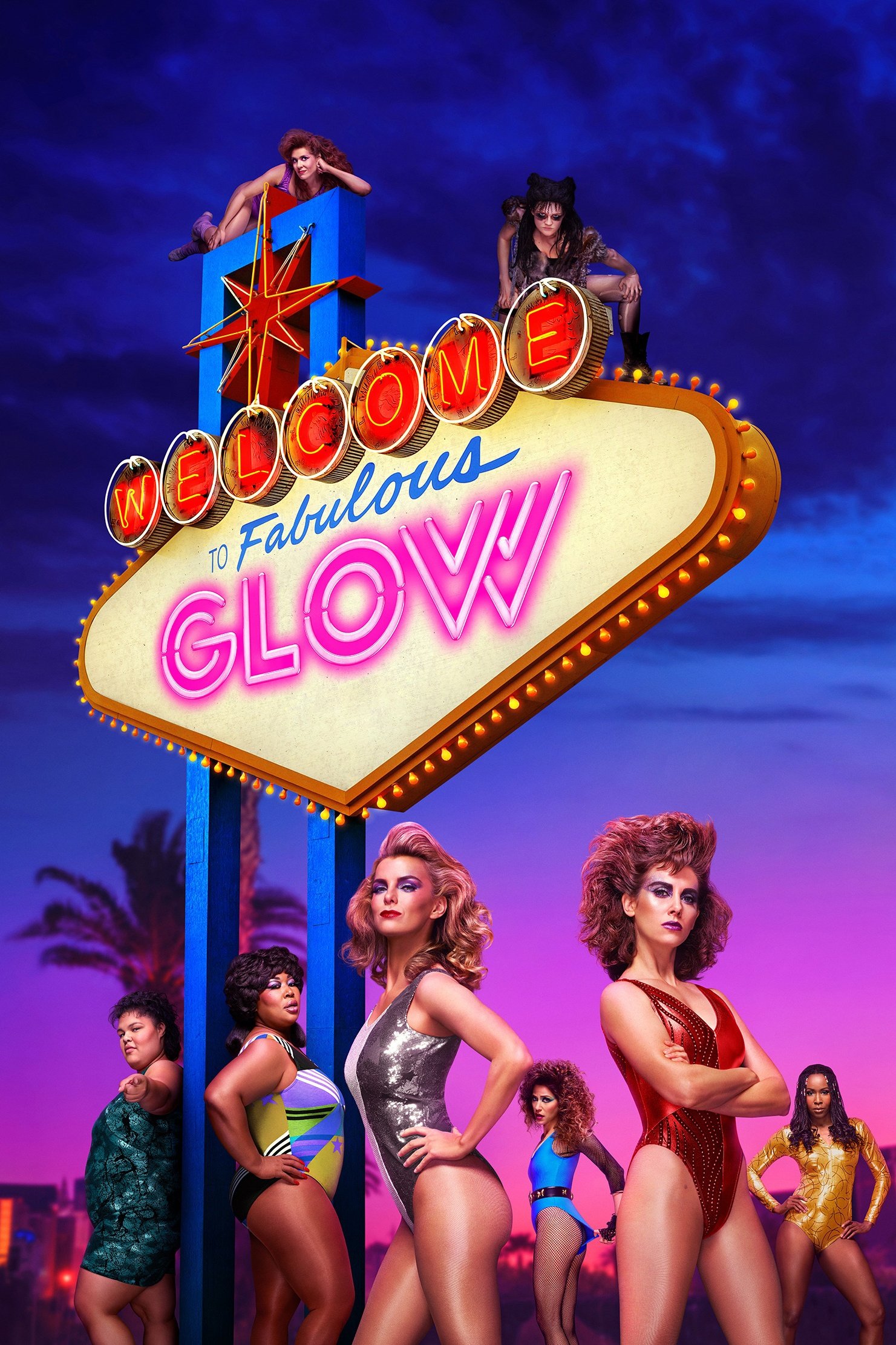
The first three episodes are unsure of their tone, funny and unhappy in the same breath; a couple of critics gave up here, and we can see why, though they were wrong to. The show is fond of the locker-room speech about what all this means for women, and each season has one or two more than it needs. The third season moves the operation to Las Vegas, gets stranger and in places better, and drifts through its middle. It ends after thirty episodes with business unfinished.

Set against Orange Is the New Black, from the same stable, it is smaller, kinder and more disciplined. Watch it in half-hour pieces with someone who will laugh at the leotards, and sit through the shaky opening. By the fifth episode you will have picked a wrestler and be unable to explain why.

Critical consensus AI synthesised

76
Positive
11
Mixed
2
Negative
0

Most critics like GLOW, and the praise lands in the same places. The ensemble of women is the thing nearly everyone singles out, with Alison Brie’s lead performance picked out repeatedly for its impersonations, vulnerability and lack of vanity. Reviews describe the series as fun and easy to keep watching, and several credit it with treating both the wrestling and its characters seriously rather than as a joke. The 1980s setting, the training sequences and the matches are noted as highlights.

The reservations gather around the early episodes. Several reviews find the first hours uneven in tone, with characters hard to warm to, and say the show only settles once the wrestling personas take shape. Empire thinks it overstuffed with characters and only partly delivers on its premise. The i Paper is the coolest voice, calling it unremarkable even after it improves. The spread is fairly narrow: no outright pans, and most reviews sit in the positive range.

The Guardian
22 June 2017
90*

The critic calls GLOW a riot of hairspray, Spandex and pure joy, praising its smart, grimy and ludicrous take on 1980s women's wrestling. The review singles out the diverse cast of women expressing themselves powerfully on screen as a standout element.

Read the full review →
IndieWire
23 June 2017 · Ben Travers
85*

The critic calls it addictive, fun, and the best way to beat the 2017 heat, with substantive staying power. They single out the vibrant 1980s ensemble comedy and the women's performances in the wrestling world.

Read the full review →
Variety
15 June 2017 · Sonia Saraiya
85*

GLOW is a smart, intimate half-hour series that turns the creation of a synthetic wrestling show into a story of empowerment without self-aggrandizement or nostalgia. Strong lead performances and textured relationships make it a gem that observes its characters pursuing their own agency.

Read the full review →
The Hollywood Reporter
13 June 2017 · Daniel Fienberg
75*

Netflix's dramedy has shades of Orange Is the New Black in its female ensemble exploring gender roles, anchored by Alison Brie's strong, ego-free performance. It mixes funny and emotional moments while using the wrestling space to examine individuality beyond stereotypes.

Read the full review →
Vulture
20 June 2017
75*

The critic finds it a mostly enjoyable underdog story about women seizing opportunities in a sexist industry. They single out Alison Brie's performance, especially her impersonations and vulnerability.

Read the full review →
Empire
15 June 2017 · Ian Freer
70*

The show delivers an entertaining romp through 1980s female wrestling with strong performances and timely feminist themes wrapped in nostalgic style, but it feels overstuffed with characters and only partly lives up to its promising premise. It ends on a note of winning energy despite some predictability.

Read the full review →

Cast

If you liked this, try…

A League of Their Own poster80

A League of Their Own

1992 · Women in a sport nobody takes seriously, with a coach who drinks; the template.

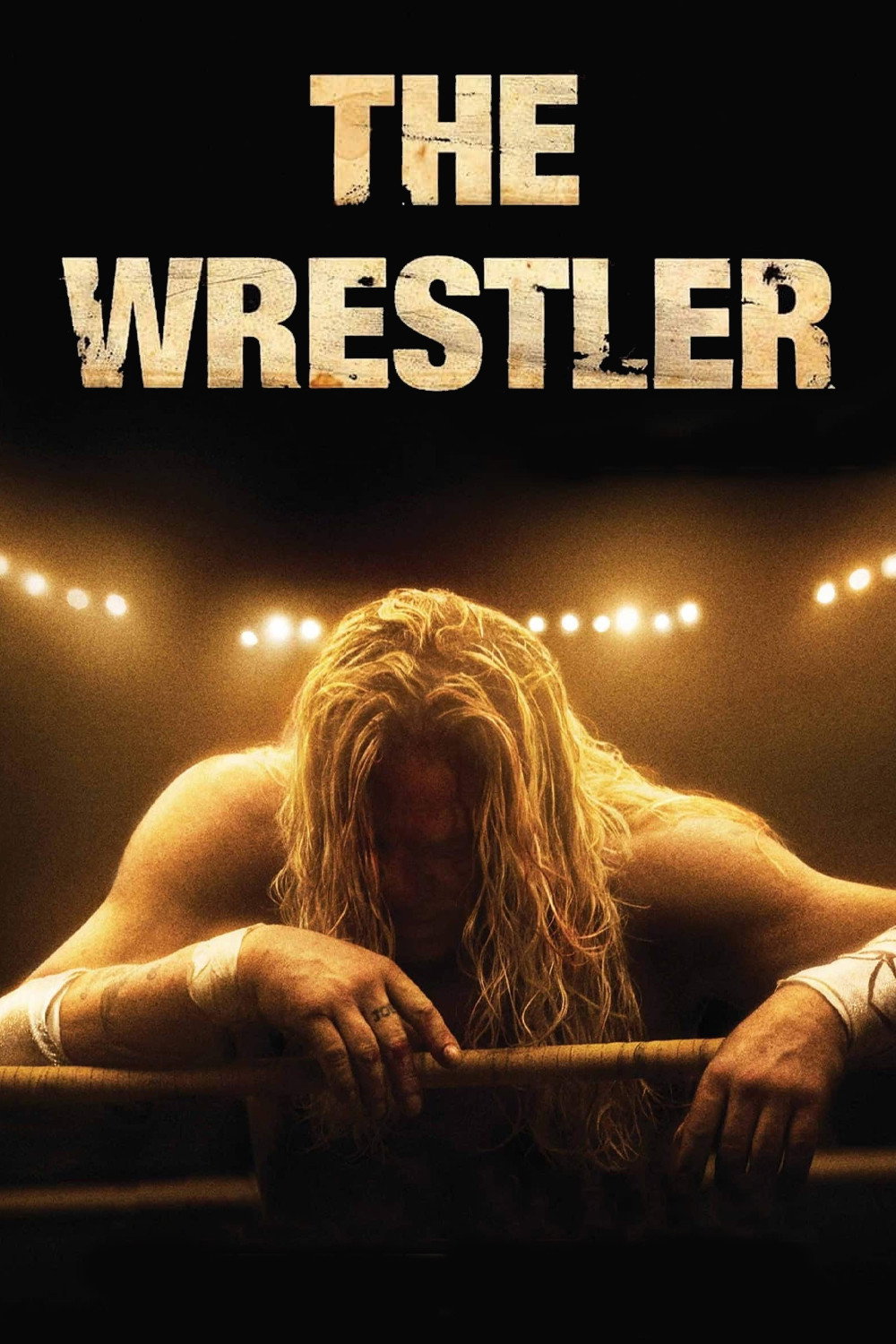
The Wrestler poster85

The Wrestler

2008 · What the body slam costs twenty years on, with Mickey Rourke paying the bill.

Fighting with My Family poster

Fighting with My Family

2019 · Norwich to Florida by way of a headlock; sweeter and rougher than it looks.

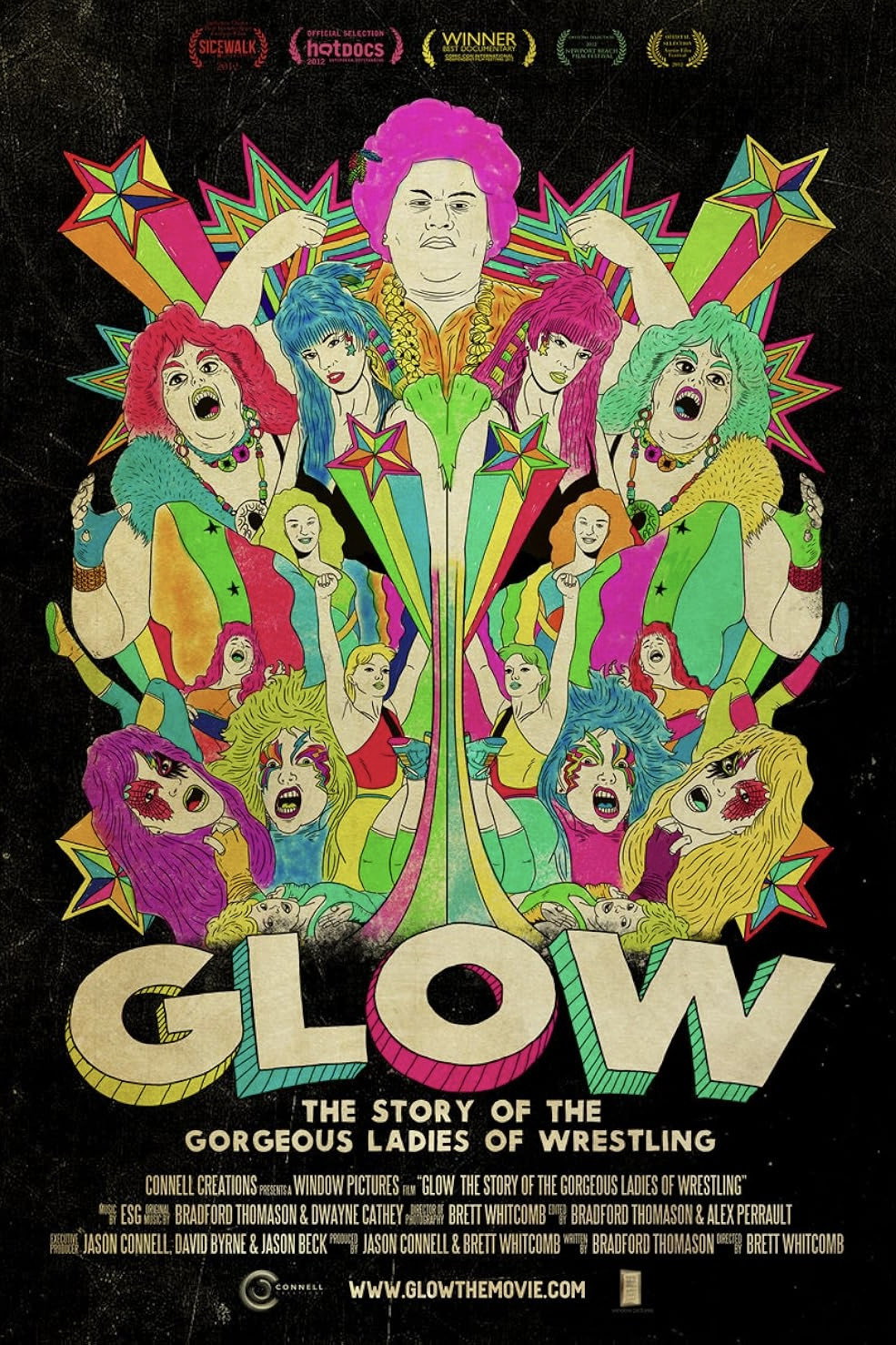
GLOW: The Story of the Gorgeous Ladies of Wrestling poster

GLOW: The Story of the Gorgeous Ladies of Wrestling

2012 · The real women, older now, on what the leotards and the falls actually cost.

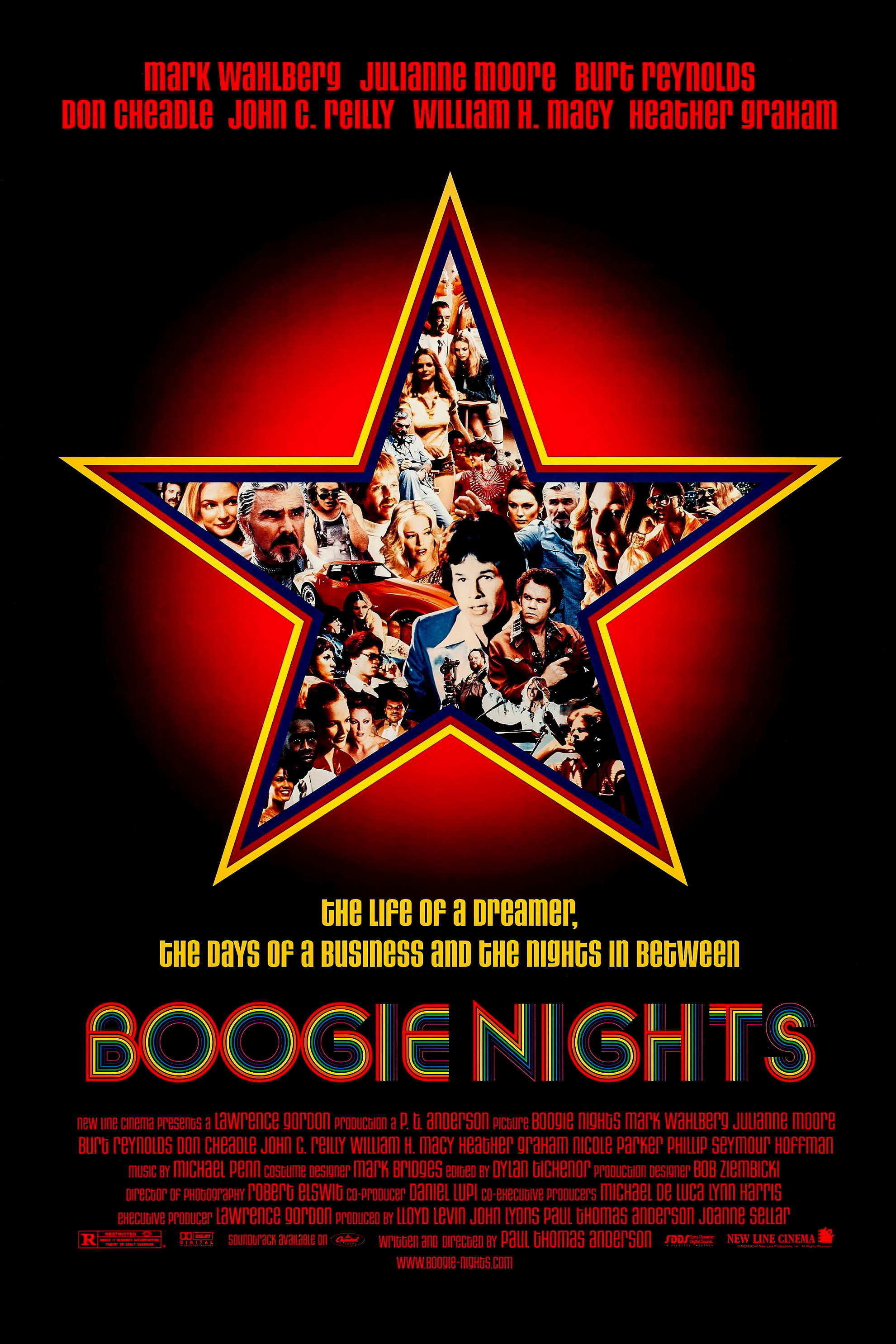
Boogie Nights poster86

Boogie Nights

1997 · Another makeshift family making disreputable television in the Valley, with worse consequences.