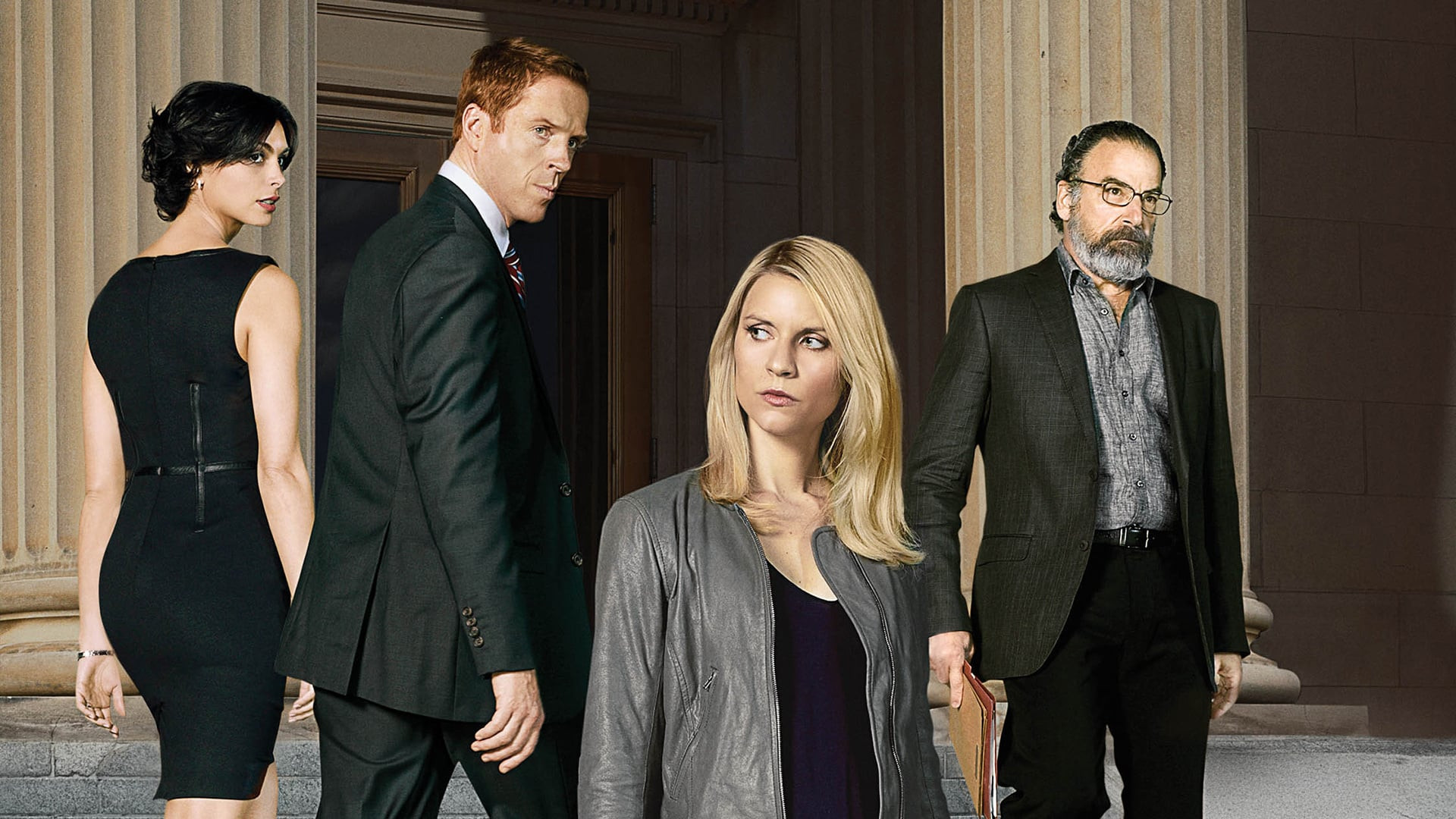
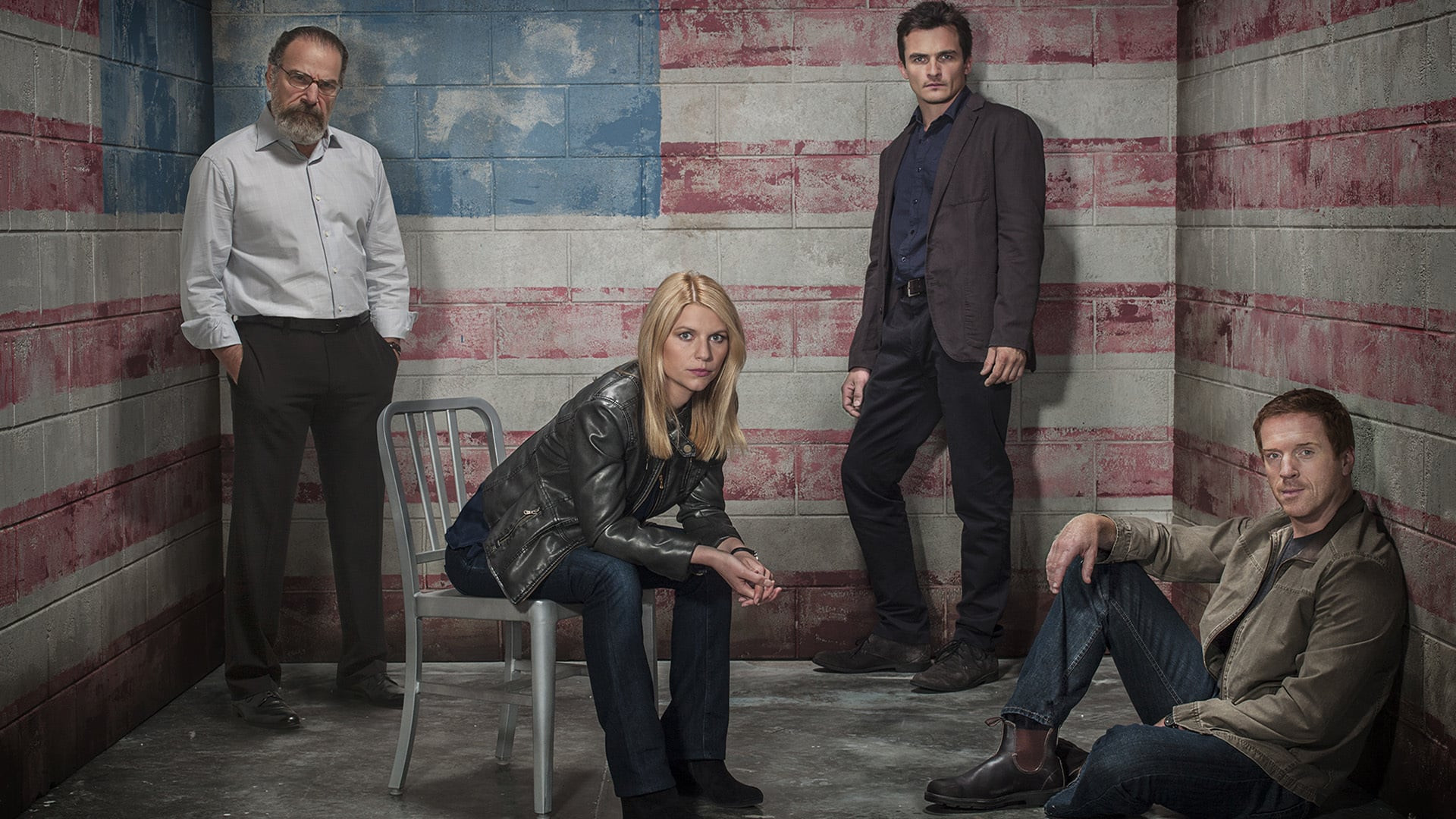
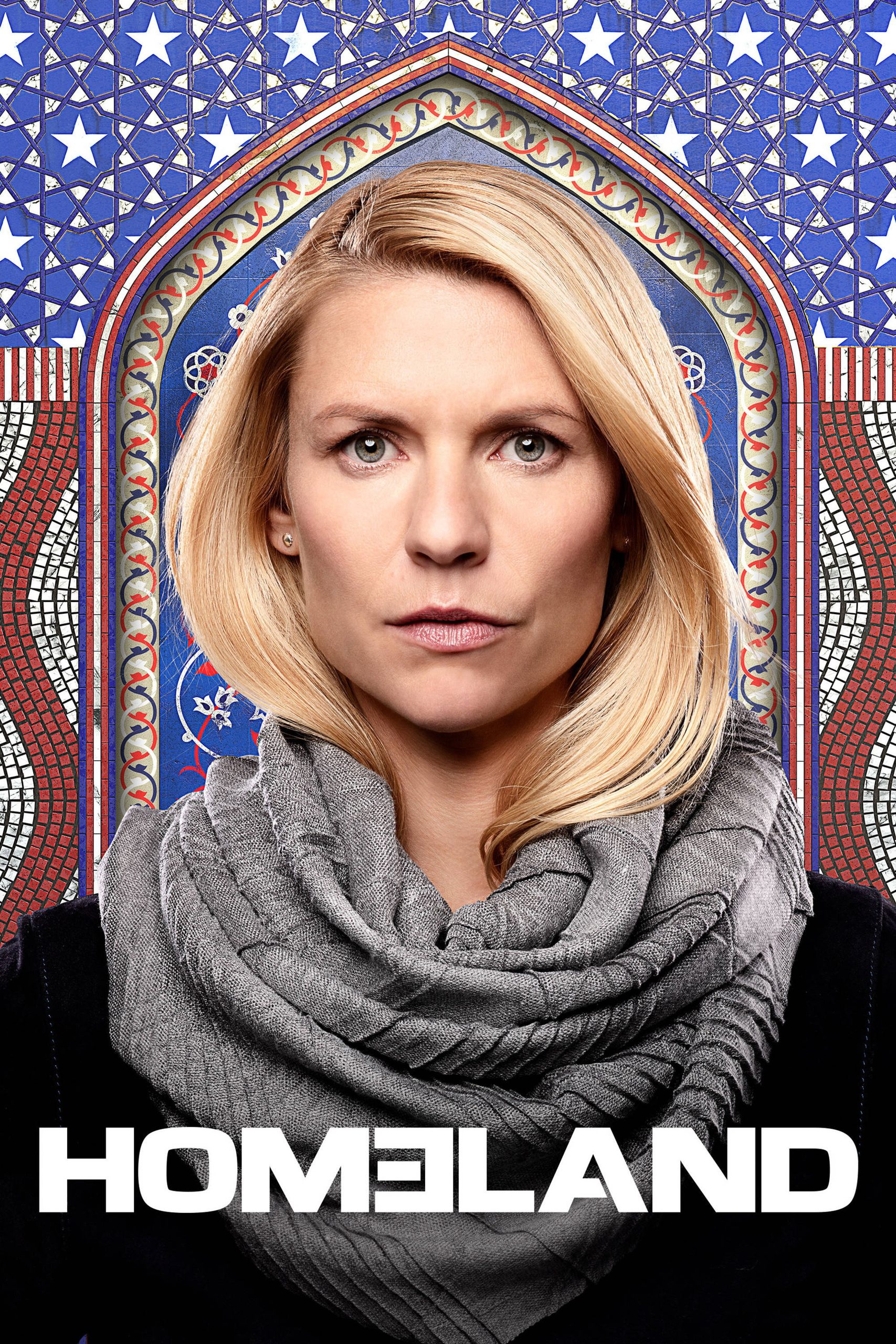
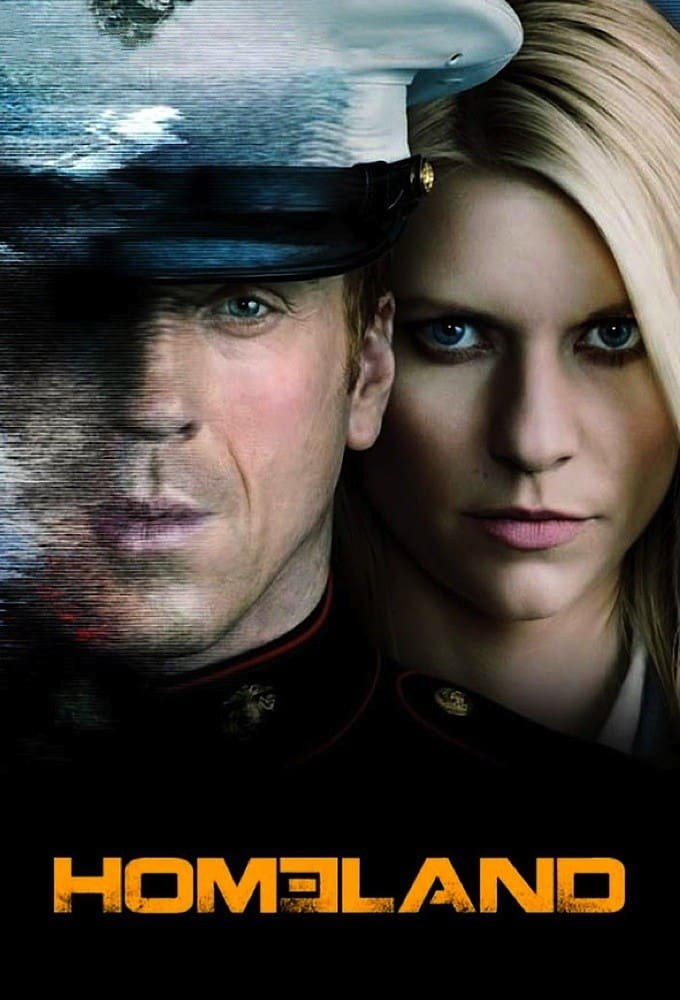
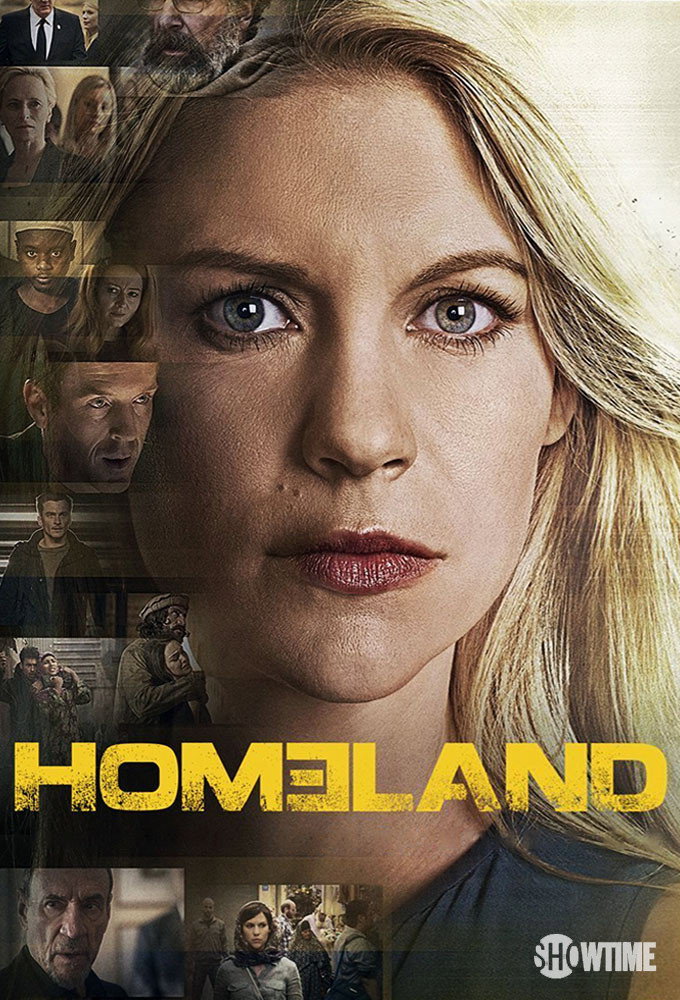
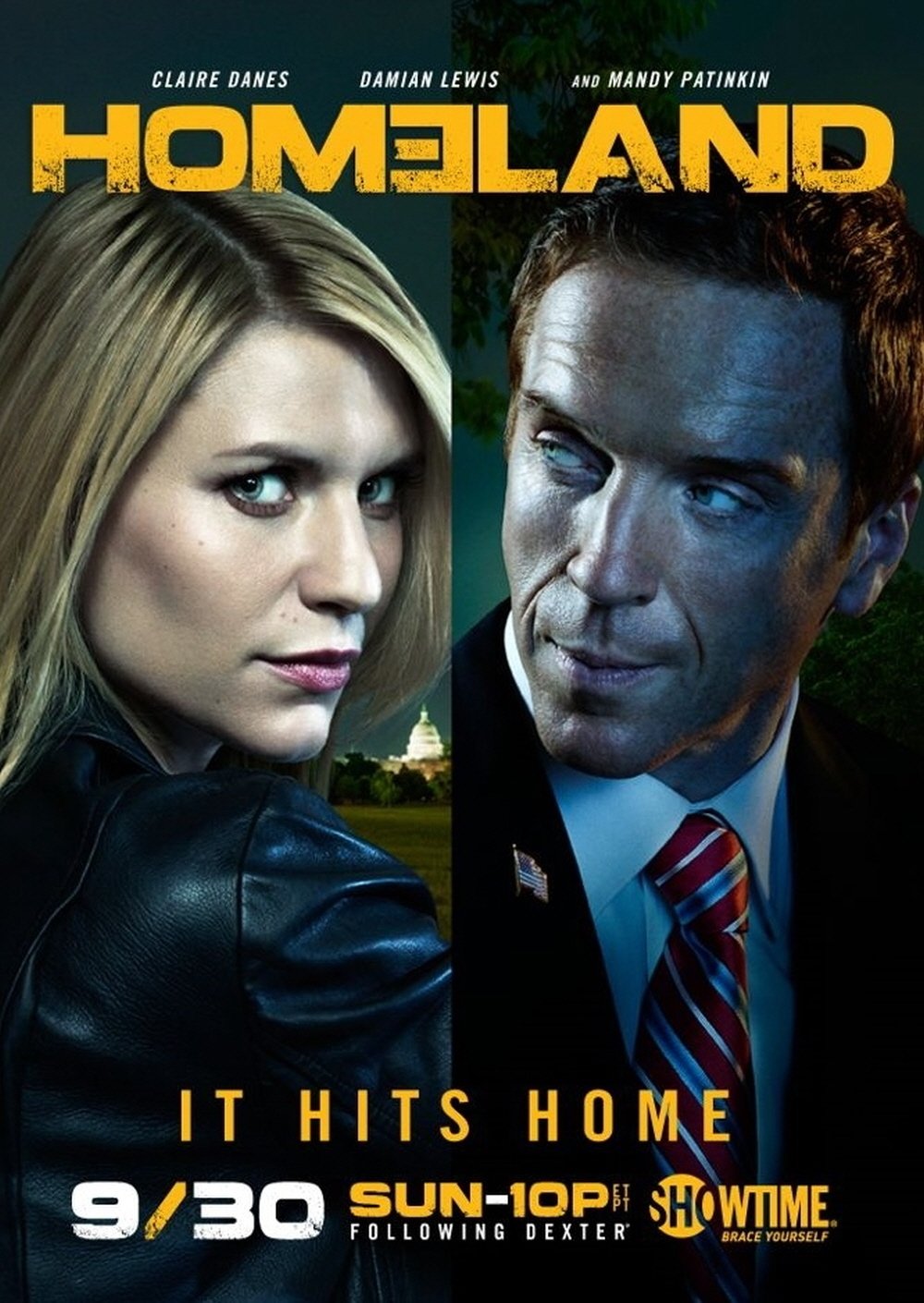
Claire Danes and Damian Lewis hold a first season as tight and doubtful as any spy thriller television has made. It runs to eight seasons; it has said its piece by the end of the third, and those we recommend warmly.
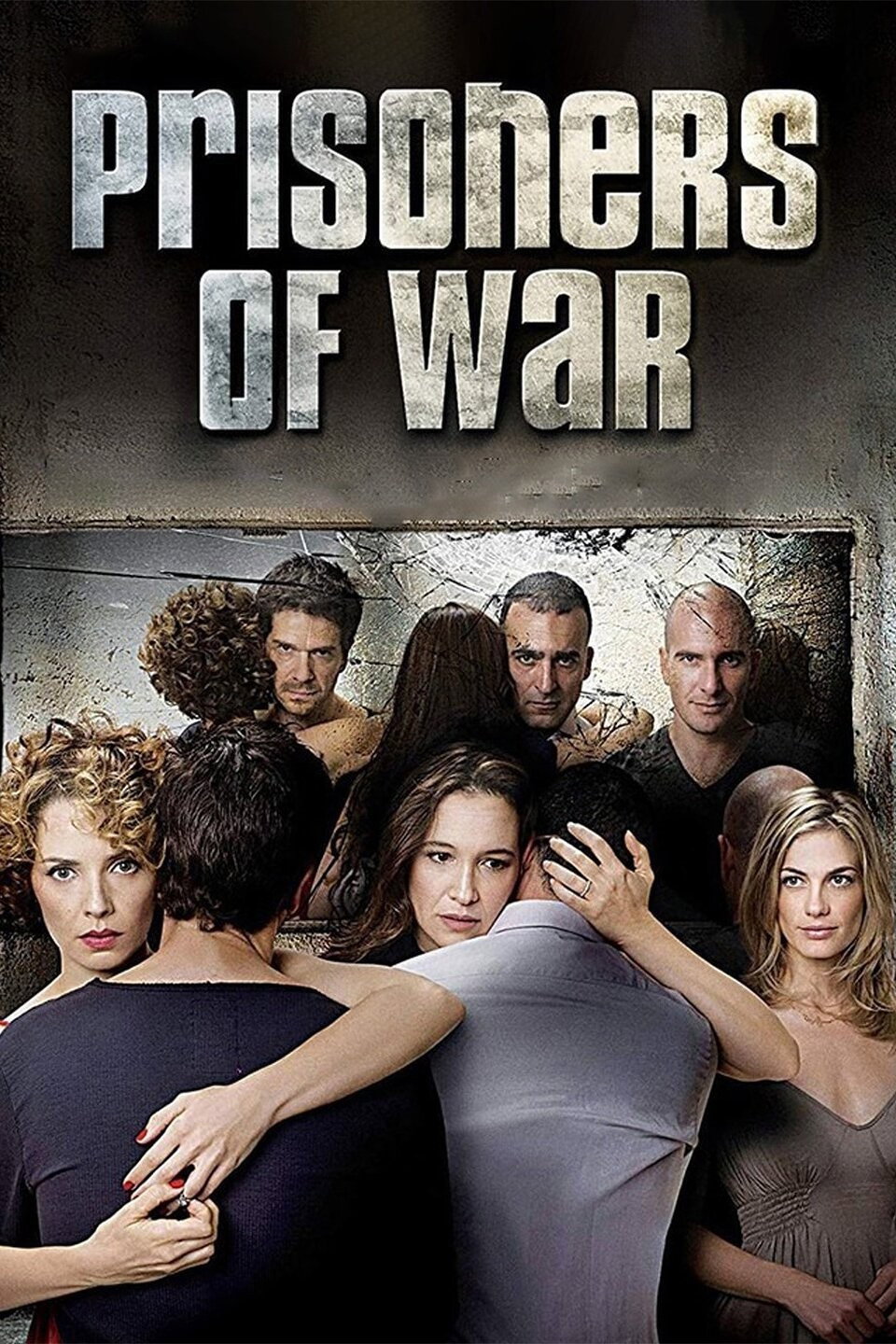
Howard Gordon and Alex Gansa had spent years on 24, and Homeland is what they made when they wanted to ask whether the man with the gun might be wrong. Working from Gideon Raff’s Israeli series Prisoners of War, they set up one question and hold it for twelve episodes: is Nicholas Brody (Damian Lewis), the prisoner of war flown home from captivity to a hero’s welcome, an American who survived or a weapon that has been posted back? Carrie Mathison (Claire Danes), the CIA officer, has no evidence, no permission and a diagnosis she is hiding. The first season is as good as any spy thriller television has made. The series runs to eight seasons and 96 episodes, and its best work is done before the end of the third.
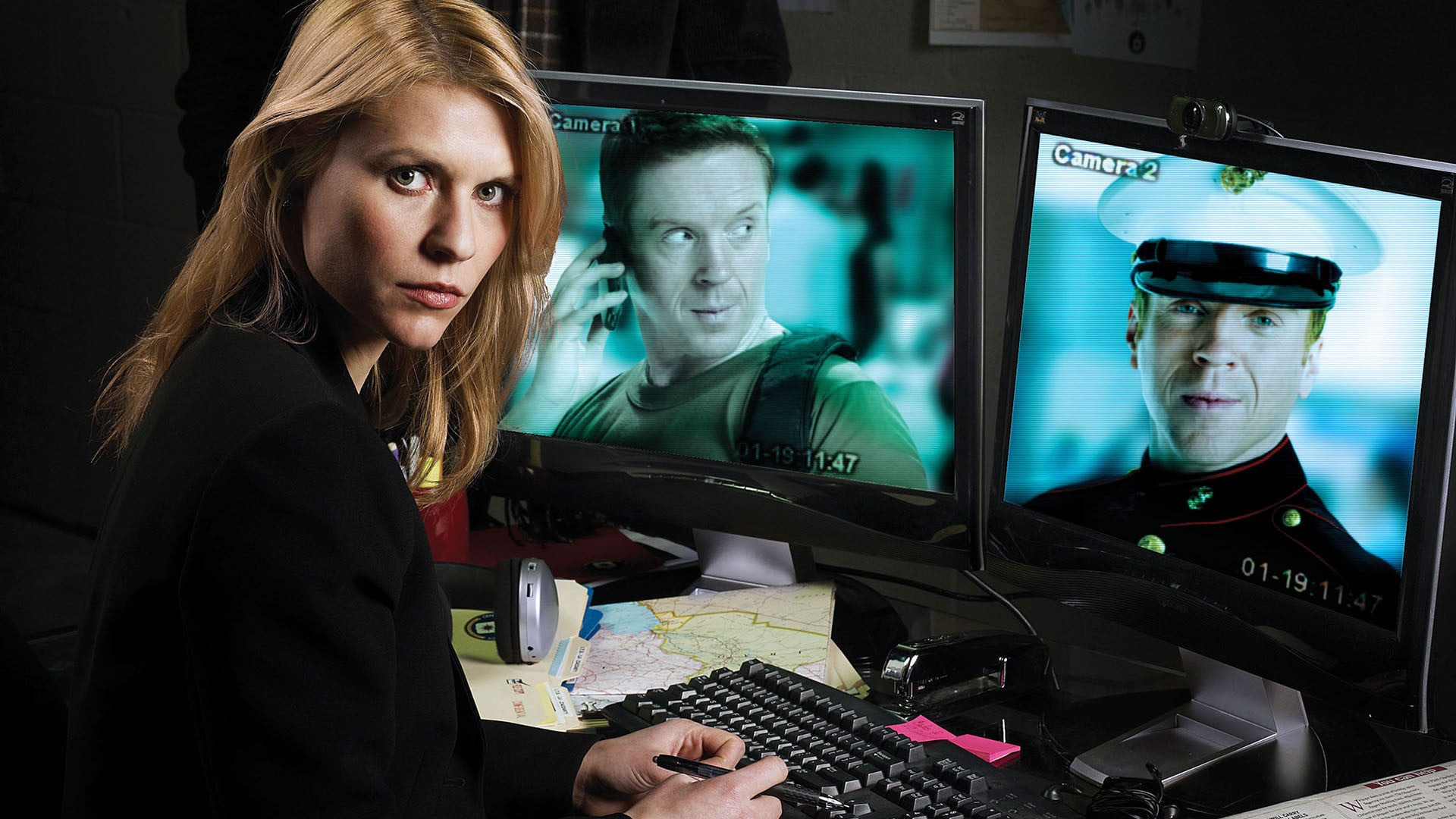
Danes is the reason to watch. Carrie’s judgement is superb and her behaviour makes nobody trust it, and Danes plays both at once: the quick reading of a face across a room, and the mouth that will not stay shut in a meeting. The pilot’s key scene has her in her living room in front of a bank of monitors, watching Brody’s house, and Michael Cuesta, who directs, cuts between her face and the feeds. When Brody and his wife Jessica Brody (Morena Baccarin) go to bed, Carrie does not look away and neither did we. We were uneasy, then ashamed, because the series had just made us do exactly what she does.
Lewis works in the opposite direction. Brody says little, keeps his hands still, and lets other people fill the silence with what they need him to be: the press wants a hero, the government wants a poster, his wife wants her husband back. The flashbacks to his cell are brief and ugly, and Lewis carries them into every polite sentence he speaks at home. Mandy Patinkin’s Saul Berenson is the one we came to look forward to; he listens with his whole face and talks like a man reading a report aloud to himself. David Harewood’s David Estes, the boss who has to say no, is given more decency than that job usually gets.
Sean Callery’s score is the surprise. It is built around a solo trumpet, jazz played slightly wrong, and it follows Carrie rather than the plot, so two people talking in a parked car can sound like something coming apart. The photography passes through several hands (Giorgio Scali, Peter Levy, Christopher Manley, Nelson Cragg and David Klein) and keeps to a flat, greyish Washington of car parks, kitchens and offices lit like hospitals. Espionage looks like admin here, which is the point.
The Brody household never earns its screen time. Baccarin is handed a wife whose function is to be lied to, and the children, Dana Brody (Morgan Saylor) and Chris Brody (Jackson Pace), pull the series towards a domestic drama it cannot write. We were bored by the teenage strand and then irritated by it, because every minute there was a minute away from Danes and Patinkin. The first season’s question has to be answered eventually, and what replaces it is a competent, increasingly ordinary agency thriller in which Carrie is right and the institution is wrong, over and over. Rupert Friend’s Peter Quinn and Nazanin Boniadi’s Fara Sherazi are good additions, and neither brings the doubt back.
Carrie’s illness is handled with more care than we expected and, later, with less. There is a sequence near the end of the first season involving a wall, a stack of paper and a box of coloured pens that we will not describe, except that Danes is astonishing and the writers are honest about the price. In later years the mania tends to arrive when the plot wants a jolt.
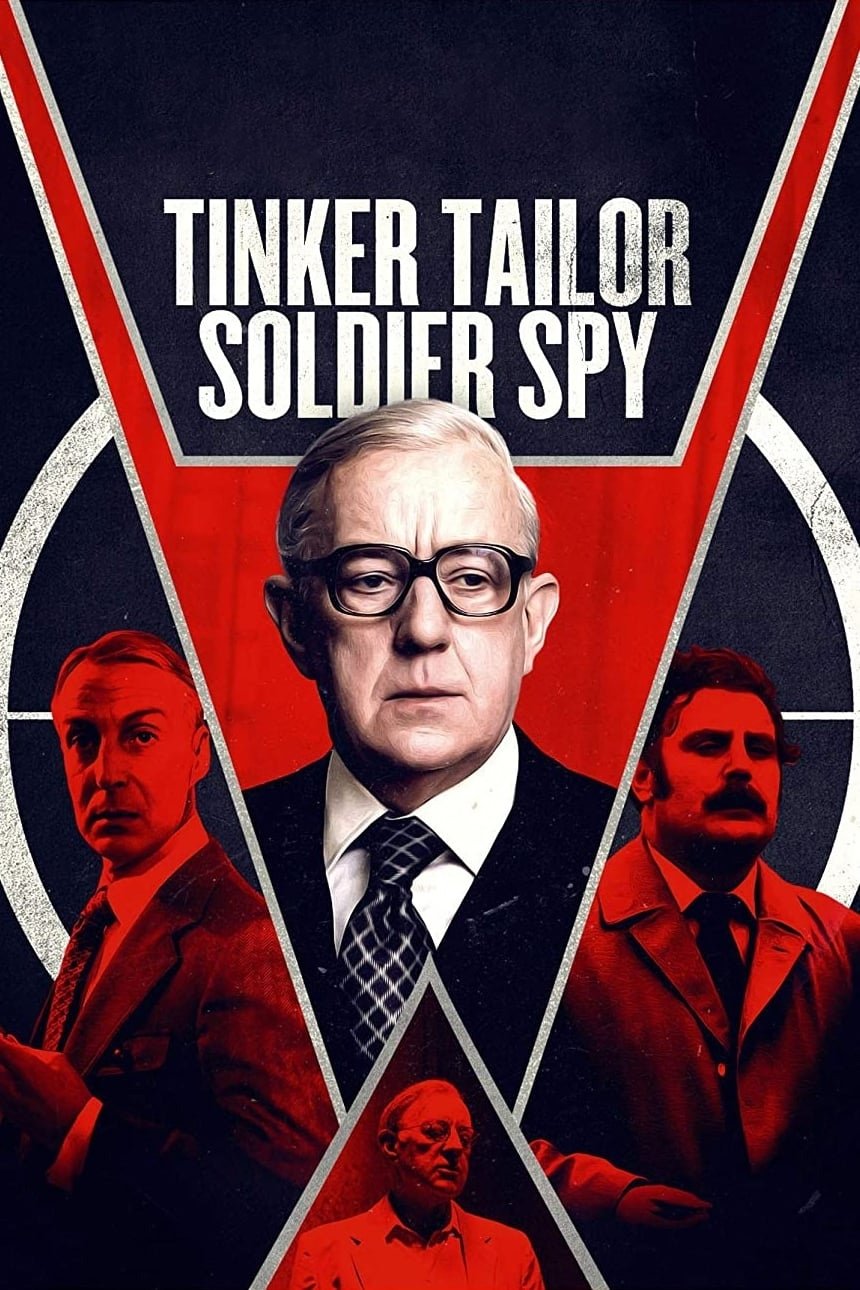
It sits closer to Tinker Tailor Soldier Spy than to 24: suspicion in offices, the wrong person being certain. It does not have le Carré’s patience, and it does have a bomb in most seasons. Watch the first twelve episodes as a single film and then decide how much further you are prepared to follow her. We went on a long way and only sometimes regretted it.