Michael Darlow’s historical television puts archive footage beside the people who lived through it. His contribution to The World at War is the reason to seek him out, though a career spanning documentaries and drama deserves more than that single credit.
Fi1m perspective
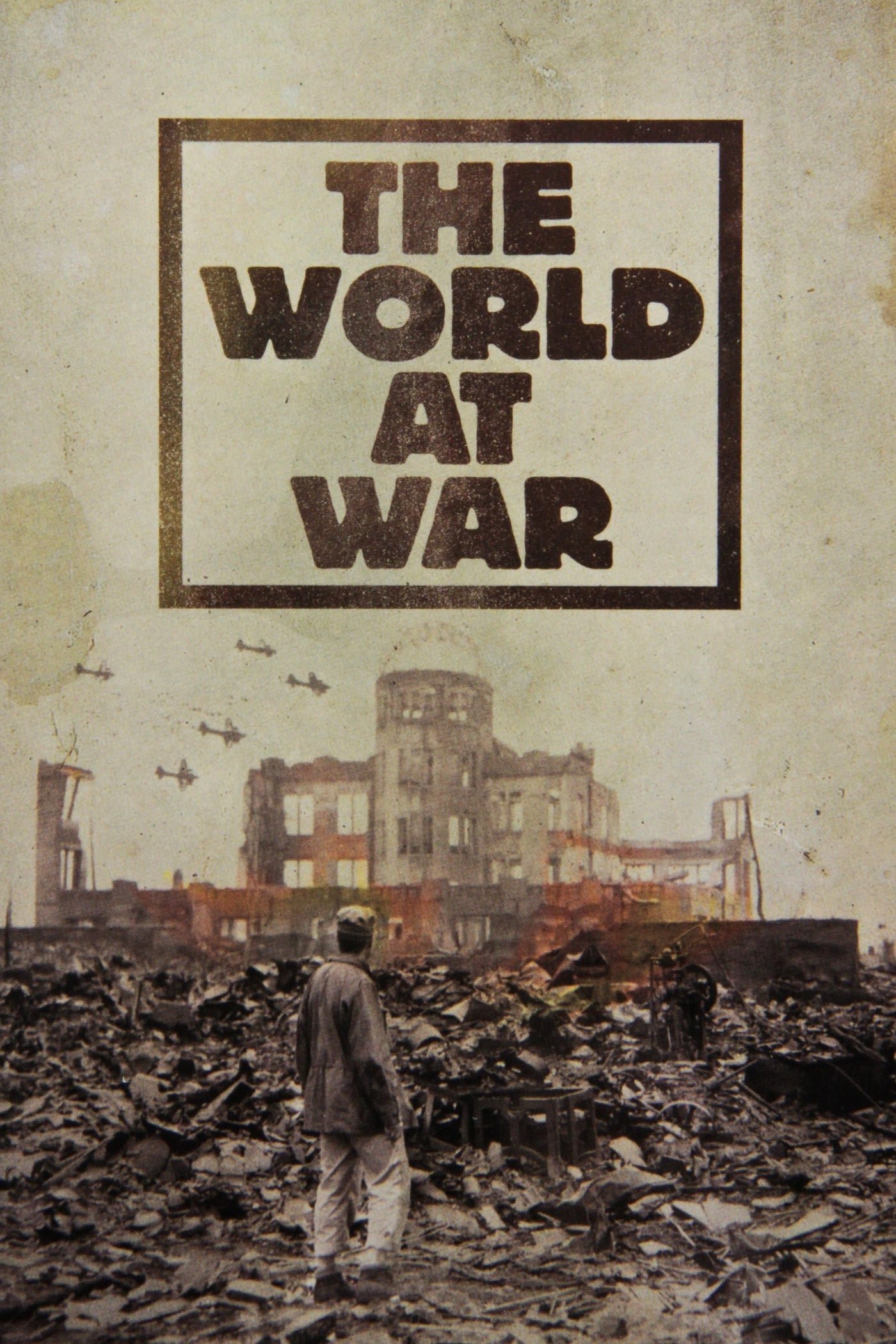
Archive footage and eyewitness accounts sit beside one another in The World at War (1973), making the Second World War difficult to treat as safely distant. We found the series distressing because its witnesses make the suffering personal. Michael Darlow directed two of its 26 episodes, Occupation: Holland 1940–1944 and Genocide 1941–1945. Those credits make him worth seeking out, although our enthusiasm for the series should not turn a shared achievement into one director’s work.
His earlier Cities at War (1968), a three-part Granada series on Leningrad, London and Berlin under siege, establishes how much of his work concerns people living through war. He both directed and produced it, before contributing to the Thames production of The World at War, narrated by Laurence Olivier. Archive footage and interviews are central to Darlow’s historical documentaries. Within The World at War, that combination works because the witnesses describe experiences that the pictures alone cannot explain.
For Genocide 1941–1945, Darlow interviewed Holocaust survivors and former Nazis. The difficulty was also editorial: extensive Holocaust interview material had to be condensed into a single episode, which is a reason to be cautious about treating even this absorbing series as a complete account. The Final Solution (1975), which he wrote and directed, drew on additional footage from that research.
Crime and Punishment (1979), starring John Hurt, belongs to the strand of television drama and literary adaptation that Darlow pursued alongside documentary; Bomber Harris (1989) brought that dramatic work to a wartime subject. These are reasons not to reduce him to the two episodes, but The World at War remains the clearest place to begin with his work. Give it the time it asks for, and leave a little more afterwards to talk about what its witnesses have said.
Biography
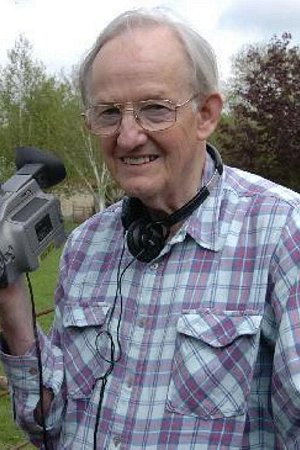
Michael Darlow (born 13 June 1934) is a British television director, producer and writer. Born in Wolverhampton, he trained as an actor at Esmé Church’s Northern Theatre School. After National Service and work in regional theatre, he moved into television in the late 1950s, working on freelance contracts at the BBC, Granada and Thames.
Darlow directed two episodes of the documentary series The World at War (1973), including "Genocide", and episodes of Coronation Street (1960). Other credits include the miniseries The Final Solution (1975) and the television film Bomber Harris (1989). His documentary, drama and arts programmes have received BAFTA awards and nominations, an Emmy and other international honours. He is a Fellow of the Royal Television Society.