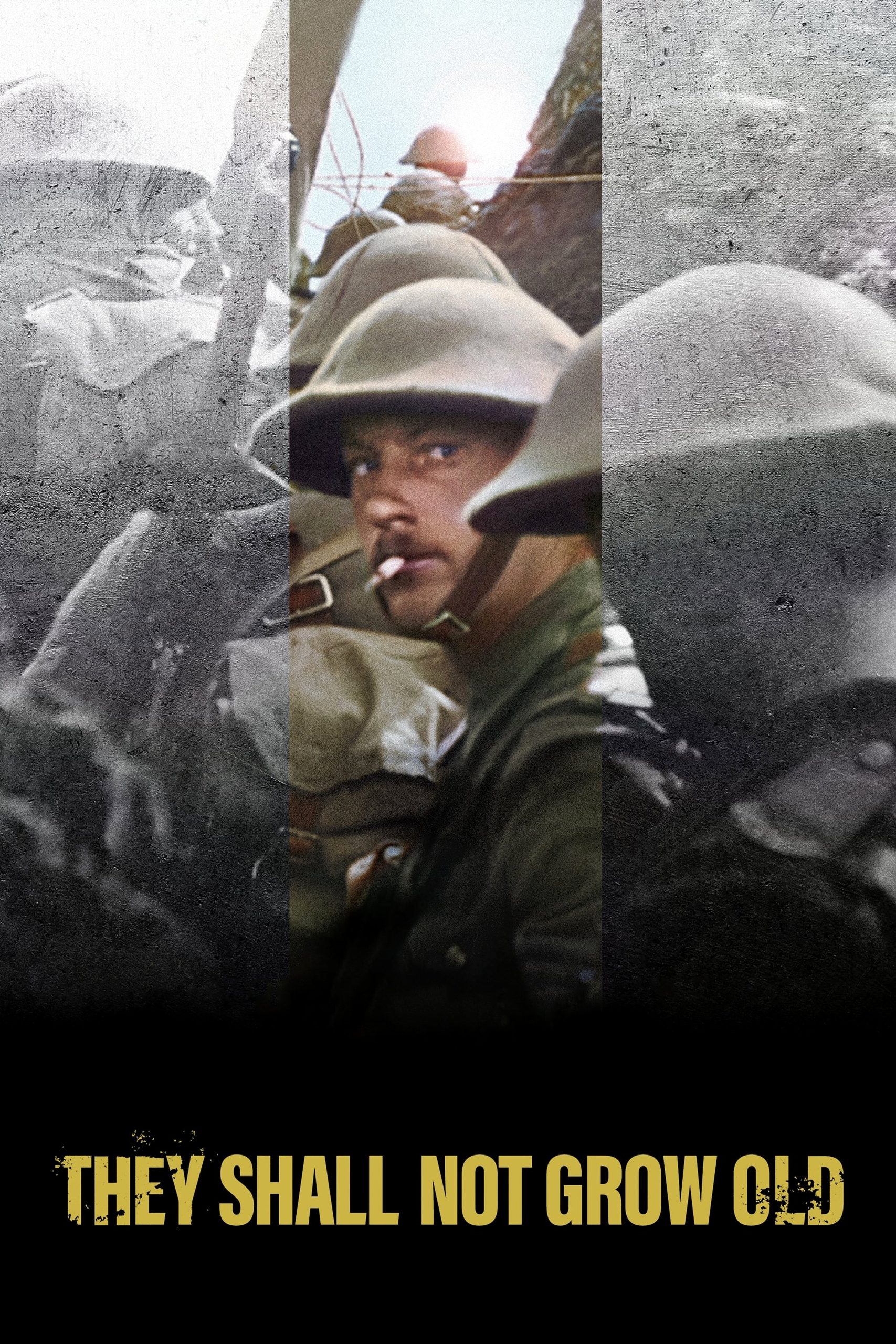
The World at War is absorbing, distressing television that deserves the time it asks for. Its archive footage and eyewitness accounts make the Second World War difficult to regard as a safely distant subject.
We would recommend The World at War even to someone who usually avoids war documentaries. This 1973 series gives the Second World War 26 episodes, with producers Jeremy Isaacs and Martin Smith allowing individual experience to occupy much of that space. Battles are part of the subject, but the personal accounts give us a reason to keep listening. The length seems less forbidding once we stop expecting it to be dispatched in a few sittings.
The eyewitness testimony is the strongest reason to watch. We were upset by these accounts, because hearing someone describe their own experience makes the suffering harder to file away as history. Listening takes an effort that a straightforward account of military events does not always require: we have to consider what living through those events meant. The series gives personal recollection enough room for that discomfort to settle, without requiring us to hurry towards the next battle.
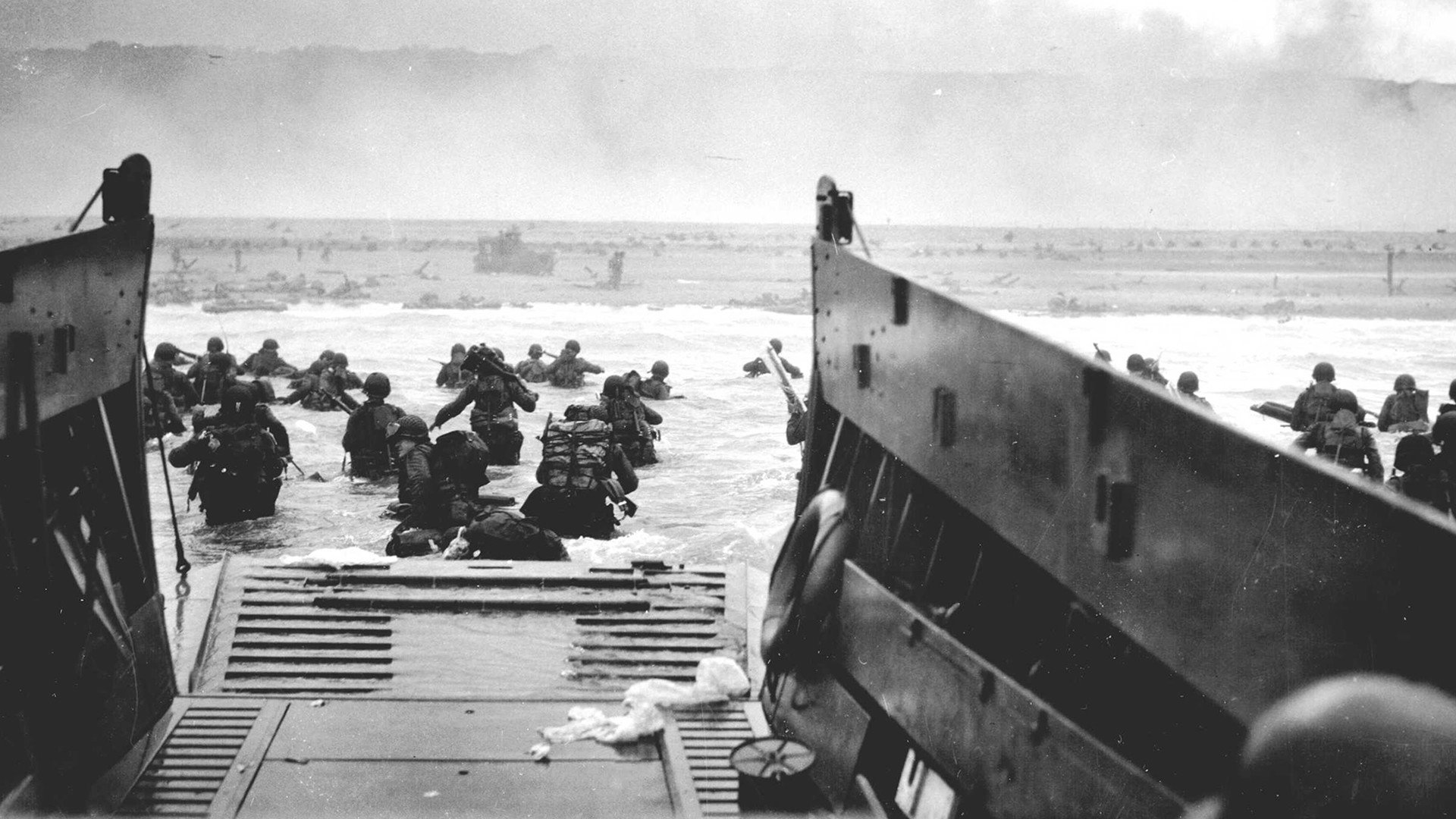
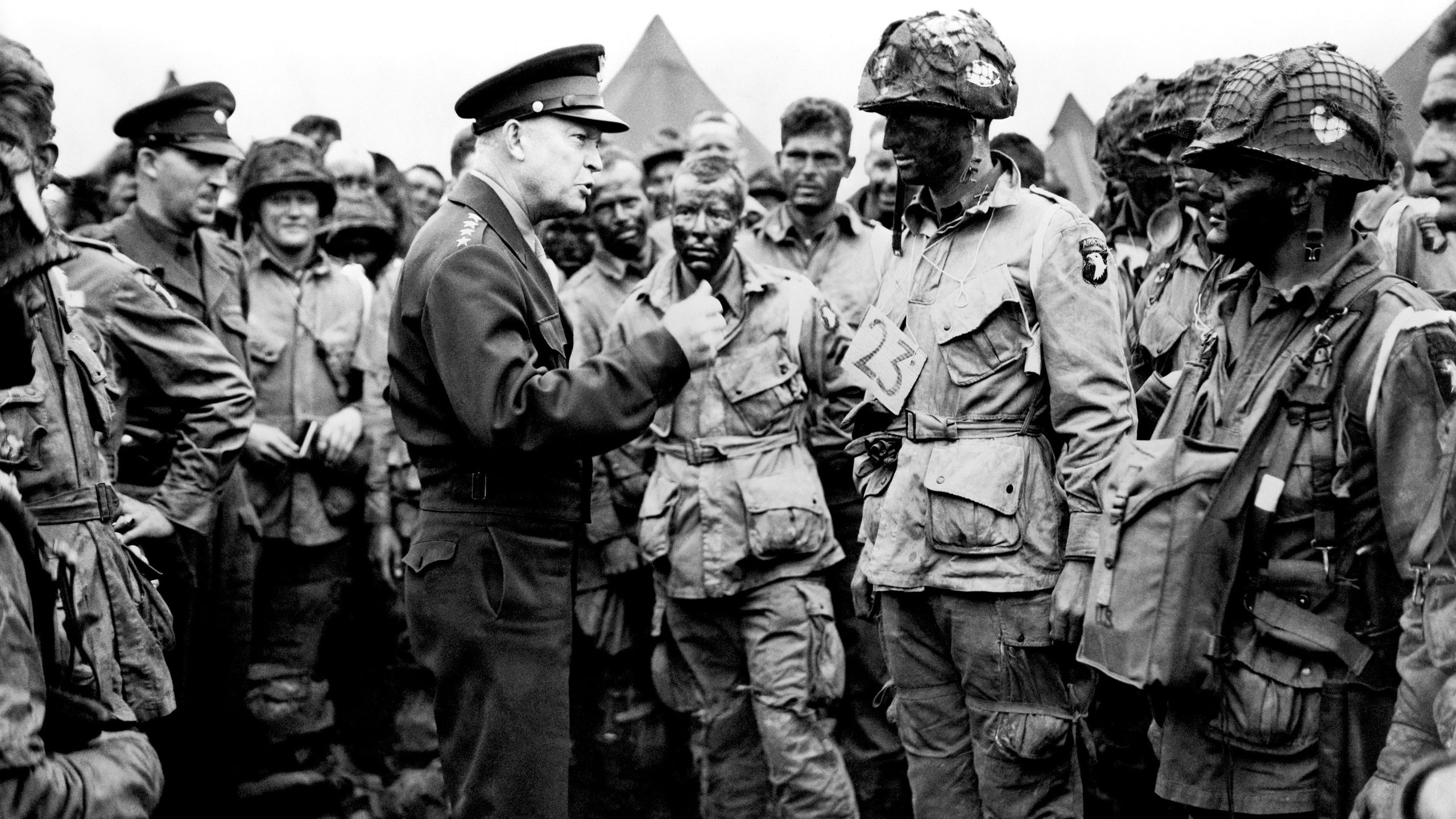
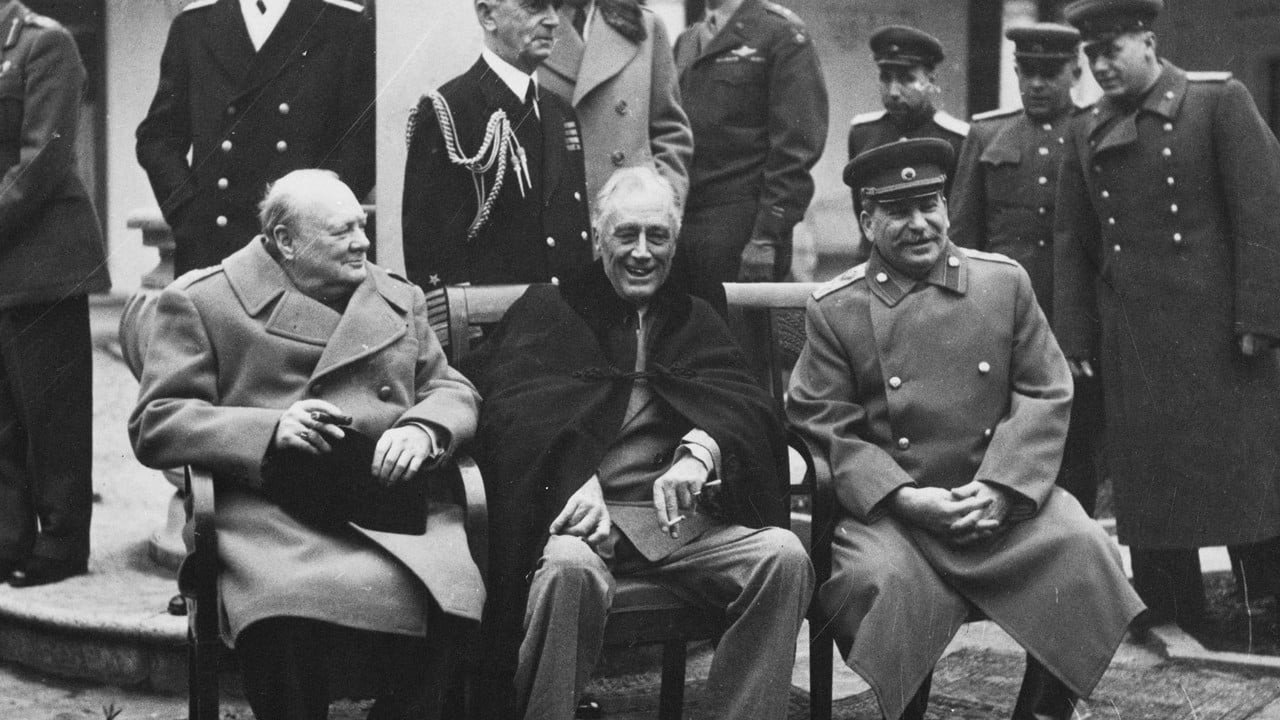
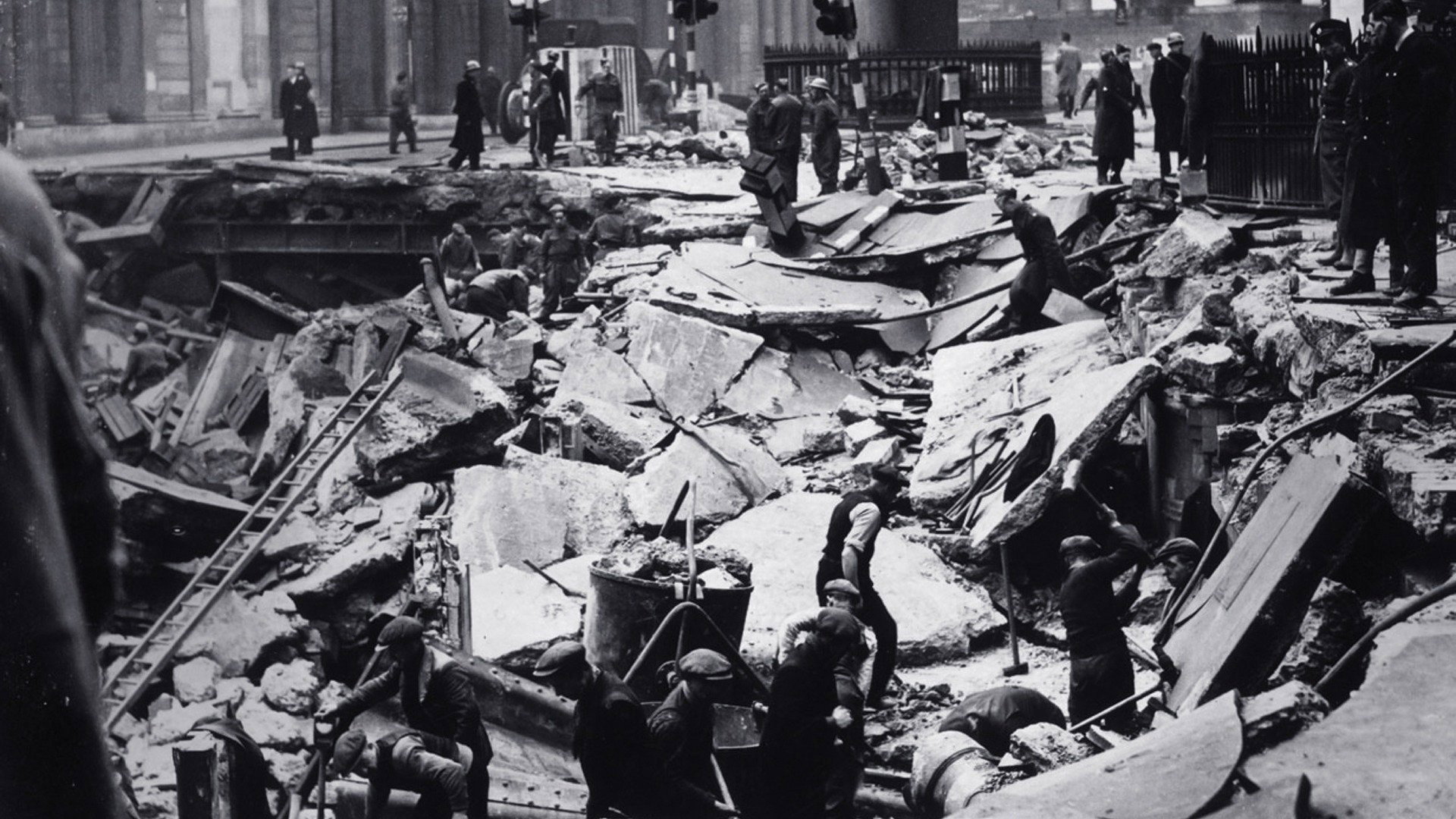
The archive footage benefits from that company. It is easy to become accustomed to images of war, especially when they arrive already labelled as history, and to look without paying much attention. Alongside the eyewitness accounts, the footage becomes harder to regard with that automatic recognition. We are watching records of events that people had to live through, and hearing recollections alongside them makes us less willing to settle for simply recognising what is on screen.
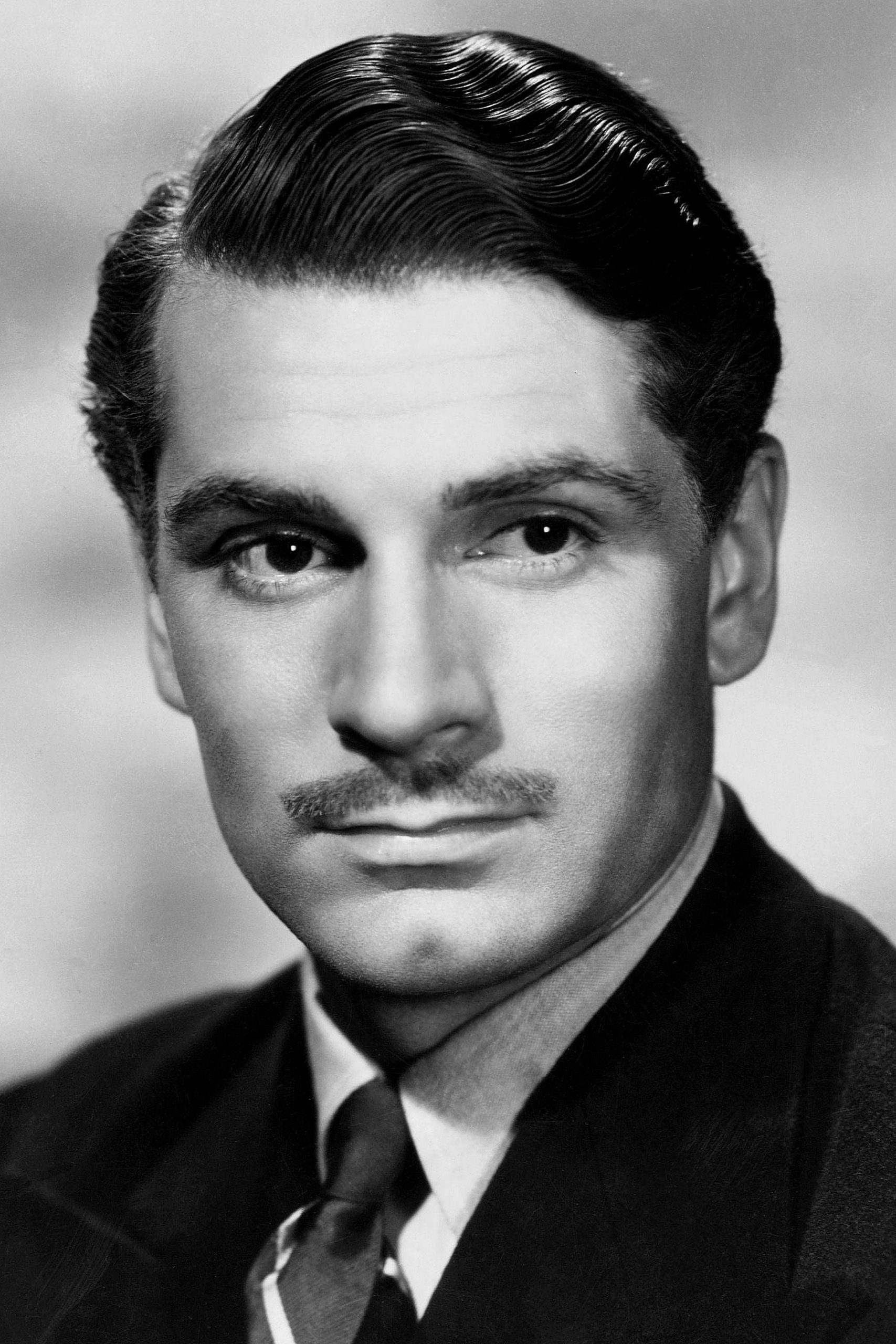
Laurence Olivier’s narration is a substantial part of the effect. The authority of the voice suits the scale of the subject, though a voice this assured can encourage us to accept an account before we have thought about it. That is worth resisting, however much we admire the delivery. The eyewitness material helps: individual recollections require a different kind of attention from a narrator guiding us through the history.
Martin Smith’s editing brings archive and testimony into an absorbing account, although the accumulation of detail can be demanding. Carl Davis’s music adds solemnity; we appreciate its weight, even when the people speaking scarcely need help to move us. These are important contributions to a programme that asks us to absorb so much. The arrangement of the material, and the gravity with which we hear it, encourage sustained attention rather than a quick survey of the subject.
The density is also the reservation. Individual episodes run for 60 minutes, and there is a limit to how much detail we can hold before new information starts displacing what we have just heard. The series sometimes asks for more concentration than we can usefully give in one sitting. We would take breaks rather than treat endurance as proof that we are taking the subject seriously.
For a war documentary, the emphasis on personal stories is a considerable virtue: military events remain connected to the people who experience them. We would not mistake even 26 episodes for the last word on the subject, and the commanding narration makes that caution worth keeping in mind. This is television worth making time for, with some quiet left afterwards. Give it an episode, then decide whether there is room for another.