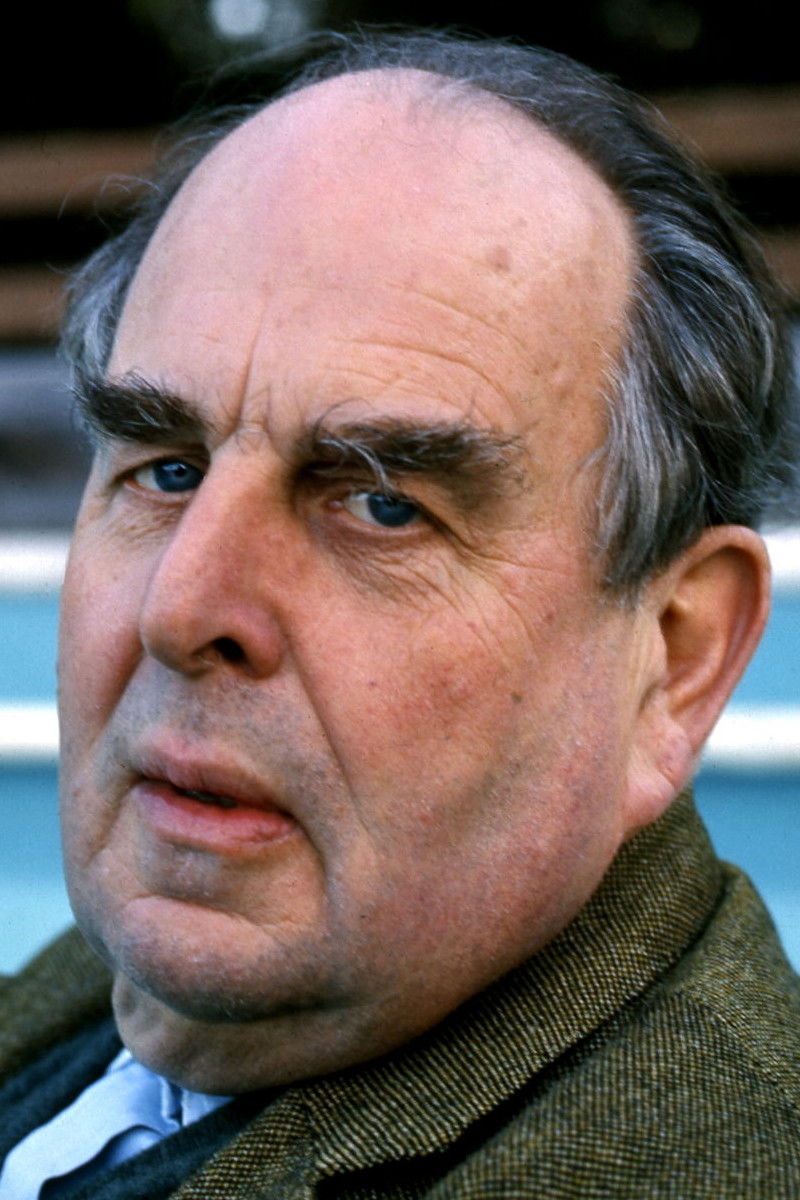
Robert Morley spent five decades playing one man: the portly English gentleman who is certain he is right and about to find out otherwise. A narrow trade, done with more wit than it needed; the early work is the part worth seeking out.
Fi1m perspective
The eyebrows go up first. Then the chin, then the rest of him, and a Robert Morley character has taken offence before the offending sentence is finished. He was a big, soft, pop-eyed man with a look of permanent mild surprise, and critics kept reaching for the same phrase, the overgrown schoolboy, because it was true. Nobody ever cast him as the one who knows what is going on.
Films found the use for that face at once. He arrived in Hollywood on the back of his stage success as the playwright Wilde, in London in 1936 and on Broadway in 1938, and his screen debut was Louis XVI in Marie Antoinette (1938), a king who would rather be somewhere else. Then he went home and spent five decades as the pompous English gentleman in supporting parts: the Establishment in a waistcoat, certain of everything, about to be corrected. He wrote plays as well, Edward, My Son (1947) among them, and a writer's ear shows in how he times a windbag's sentence so the pomposity lands exactly where the laugh does.
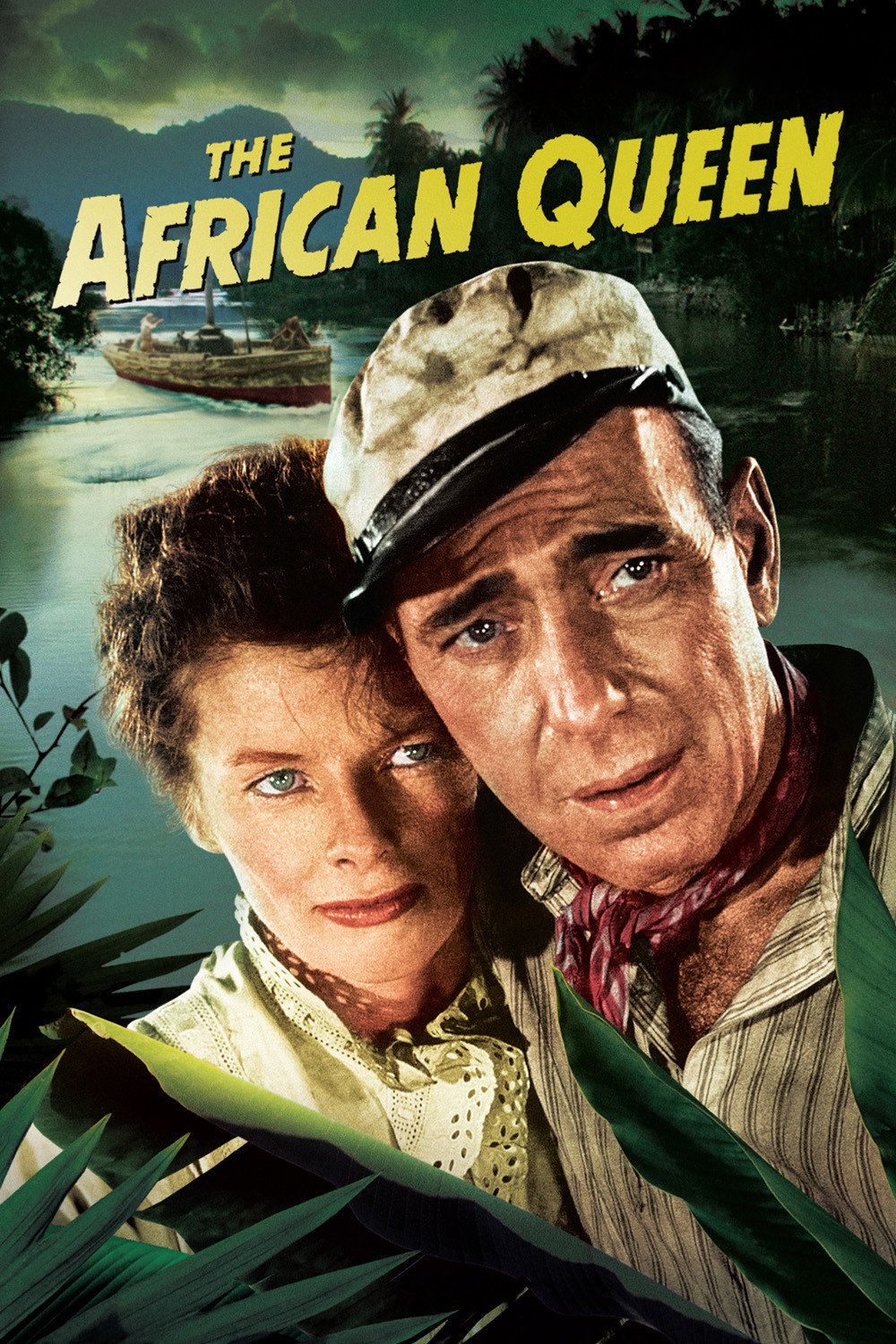
The early work is the part to seek out. As Andrew Undershaft in Major Barbara (1941) and as Almayer in Outcast of the Islands (1951) he was seriocomic rather than simply comic: men whose absurdity does not stop them being dangerous, or pitiable. That is the vein that runs through The African Queen (1952), where he is the Reverend Samuel Sayer, the brother, a man who has planted an English church on a river with no interest in it. We gave that film an 84 for Bogart and Hepburn and we stand by that, but Morley is the reason its opening has weight as well as charm. We found him sadder than we were ready for: the bluster is all there, and so is a man who has begun to suspect that none of it has done any good.
The later career is the same man with the seriousness drained off. By Who Is Killing the Great Chefs of Europe? (1978) he was playing pomposity as pure sport, and he was good at it; the face had become its own joke and he knew where to put it. The standard complaint is that he was enjoyable rather than profound and that the body limited what he could be asked to do. We agree with the first and only half with the second. Nobody was going to cast him as the lover, but inside the pompous gentleman he found more shades than the type deserved. He once said the only reason for him to visit his old school, Wellington, would be to burn it down, and there is something of that in the performances: a boy who resented being sent to the headmaster and grew up to play headmasters.
Start with Major Barbara and The African Queen, where the bluster has a floor under it. The later parts are the same man with less to lose, and you will know within one scene whether you want to spend the evening with him.
Biography
Robert Morley was an English actor, playwright and screenwriter. Born in Semley, Wiltshire, he trained at the Royal Academy of Dramatic Art and made his professional stage debut in 1928. He appeared in more than sixty films, often in supporting roles, and also wrote or co-wrote several plays.
His screen credits include Marie Antoinette (1938), for which he received an Academy Award nomination, Major Barbara (1941), The African Queen (1951), Around the World in 80 Days (1956), Topkapi (1964) and Theatre of Blood (1973). He was appointed a Commander of the Order of the British Empire in 1957.