John Huston’s river adventure earns its warmth through Humphrey Bogart and Katharine Hepburn, whose bickering is worth every unlikely turn of the journey. The plotting asks for indulgence, but the performances give us good reason to grant it.
John Huston gives The African Queen a simple job: put two difficult people on a riverboat and make their company worth keeping. It succeeds handsomely, helped by an adventure that keeps interrupting their disagreements before they can become tiresome. The storytelling needs indulgence, and a few of the dangers feel conveniently arranged. The performances are good enough to make those reservations matter surprisingly little.
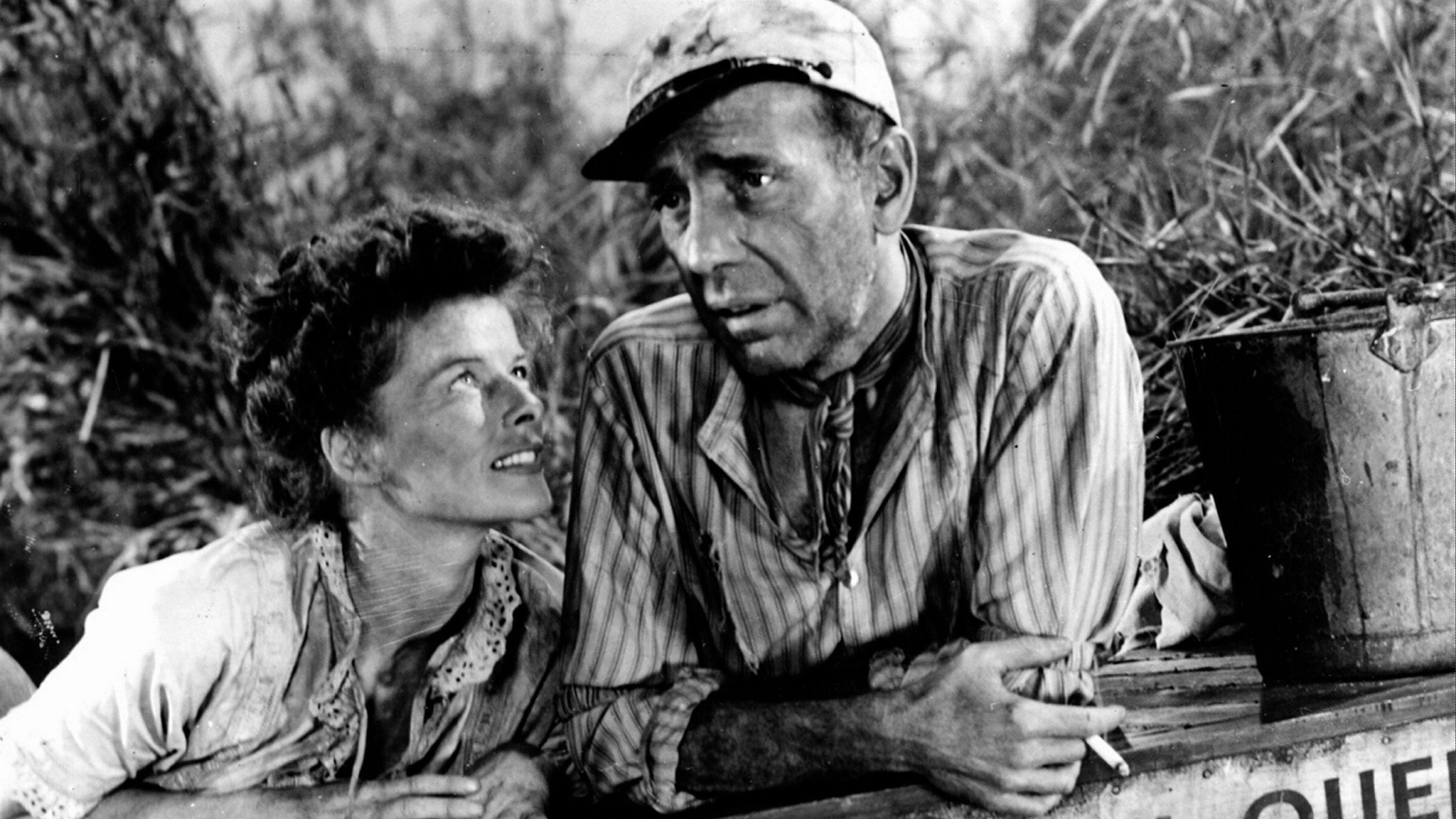
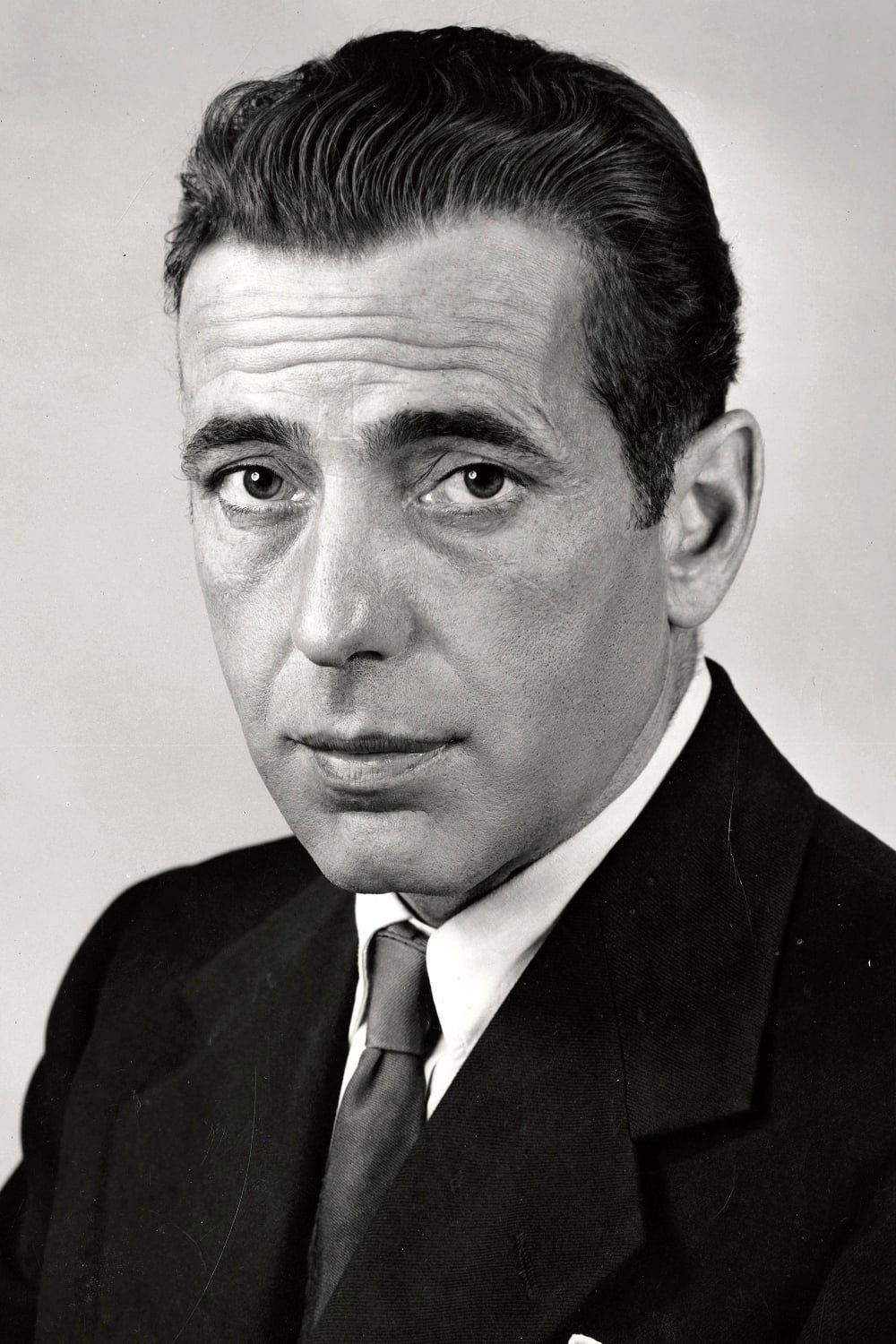
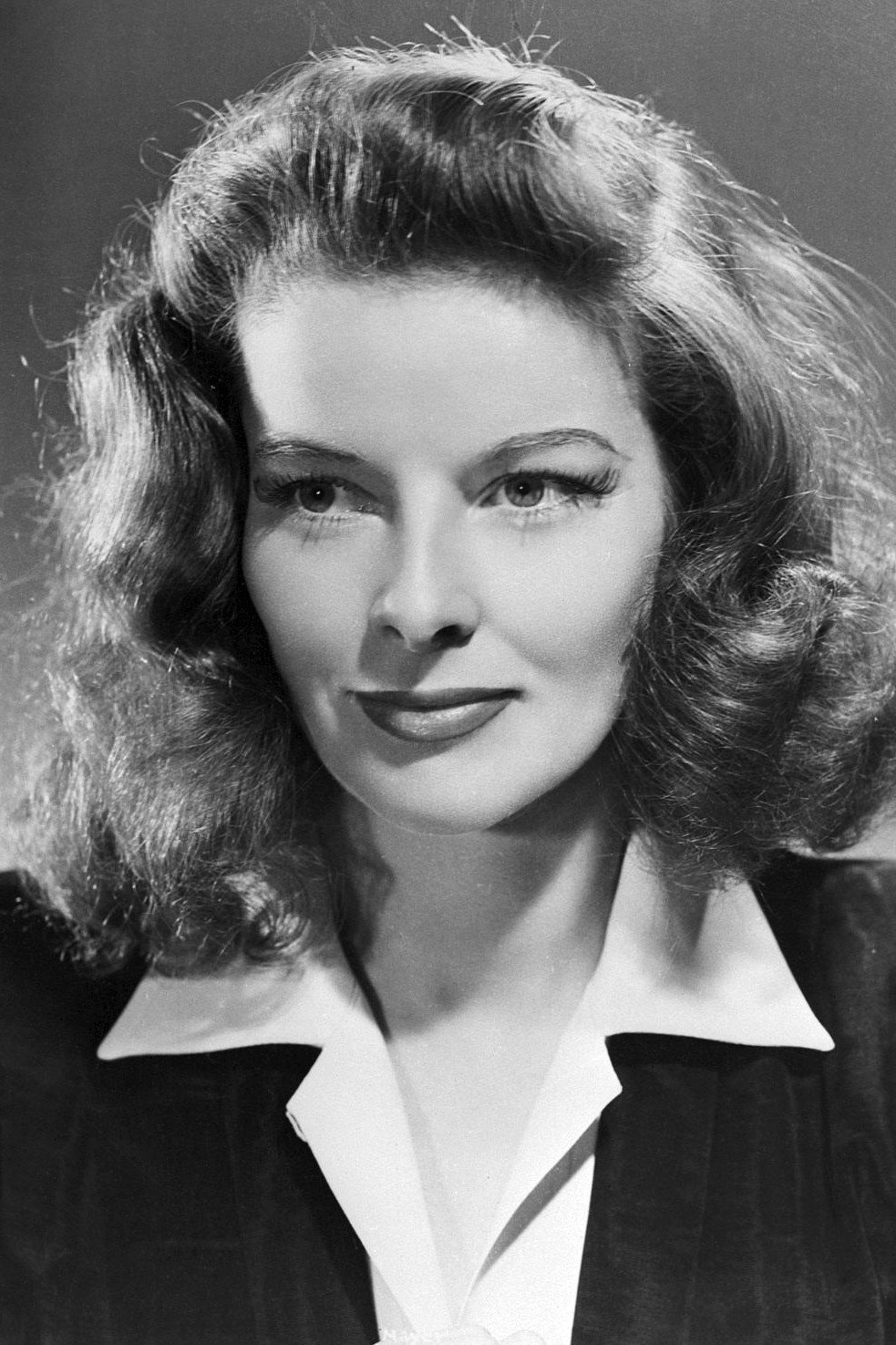
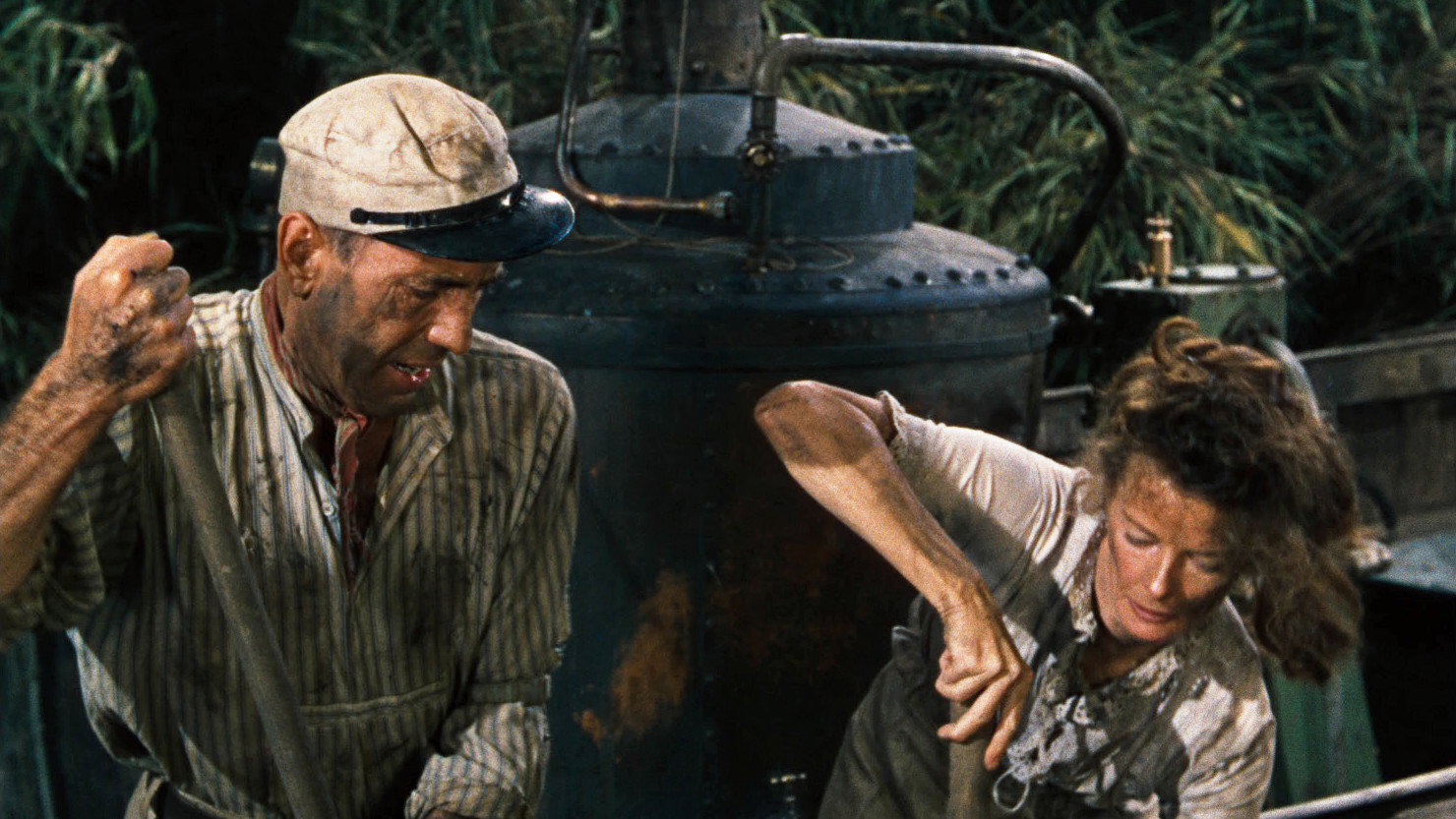
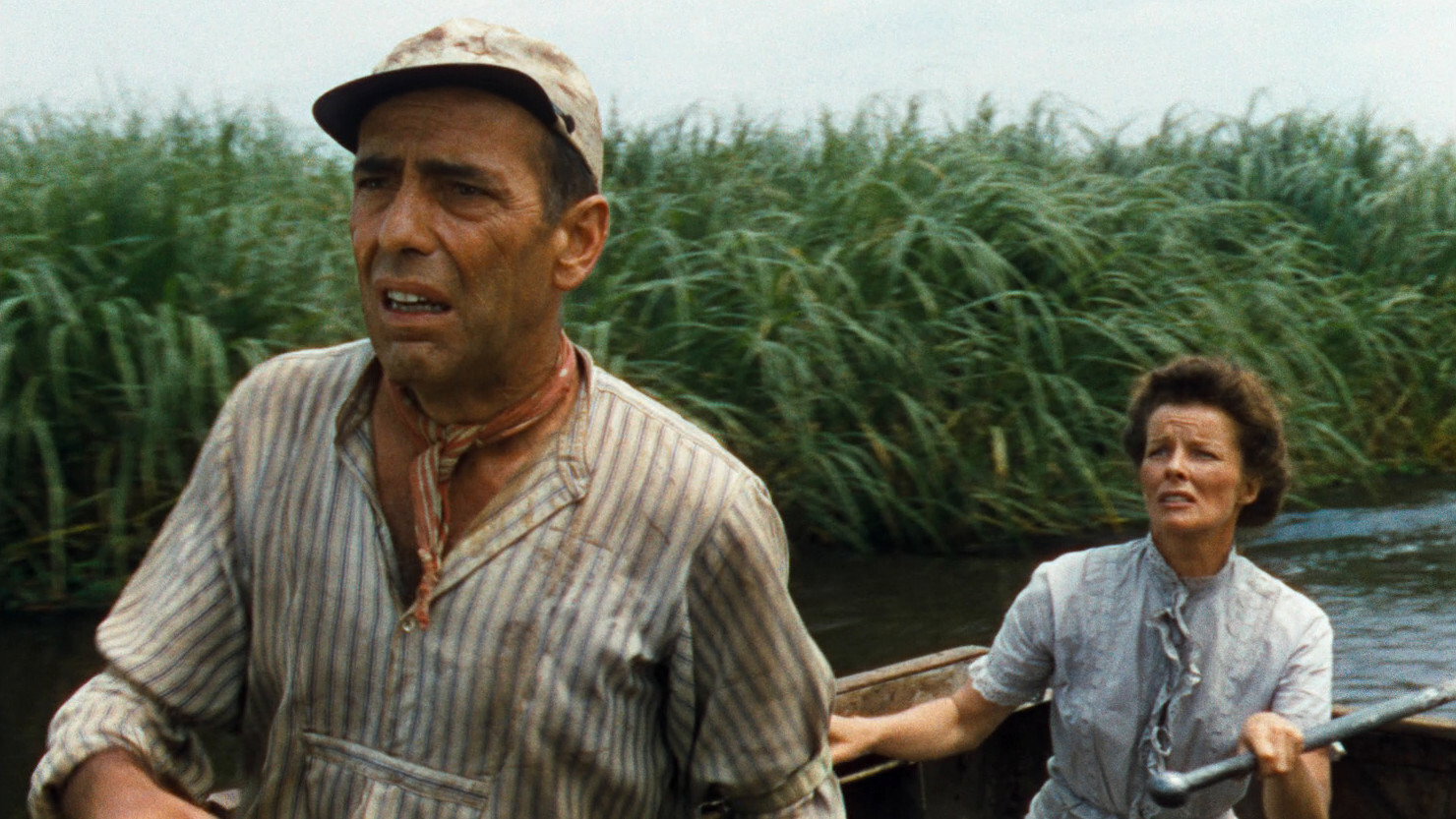
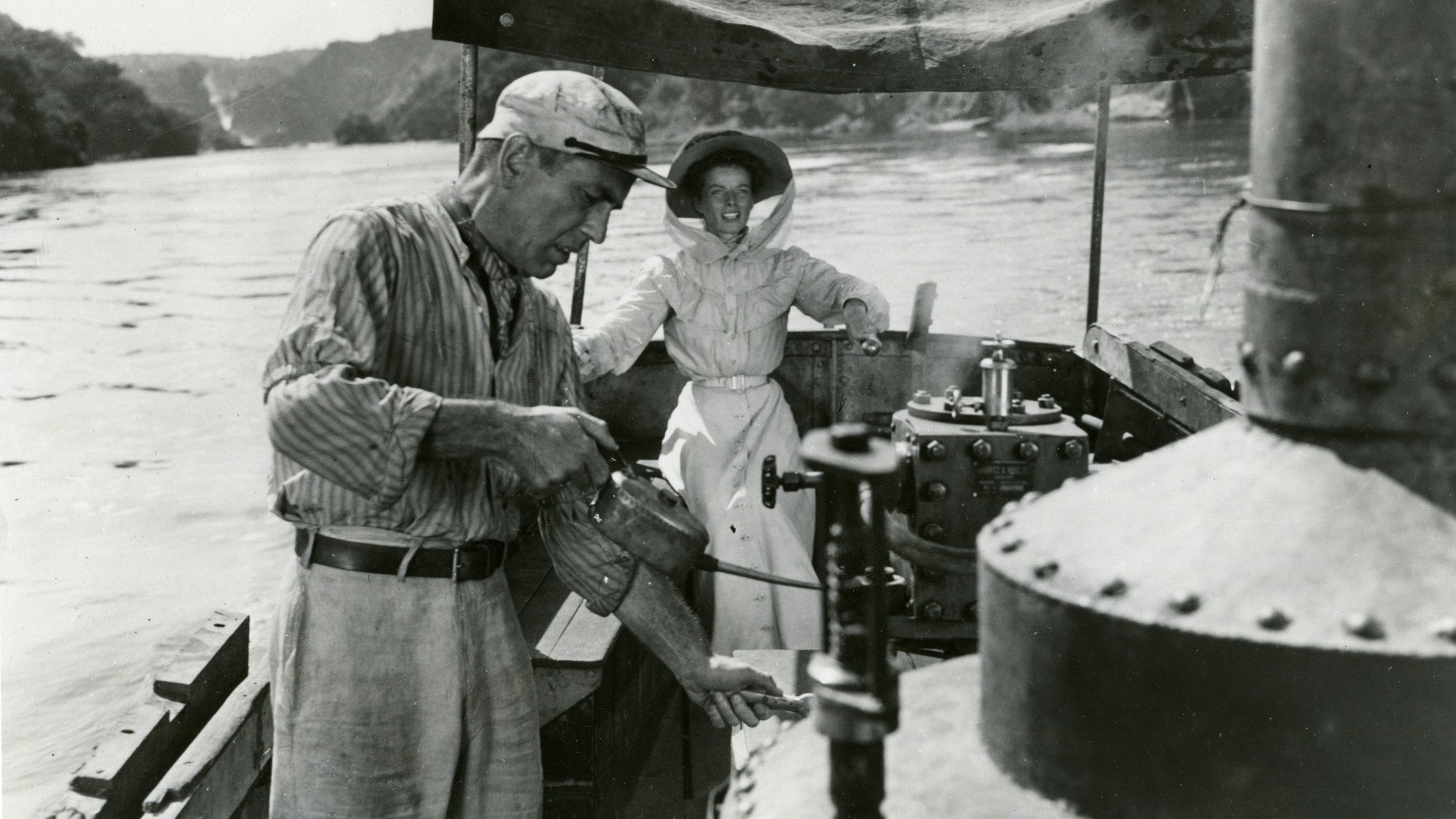
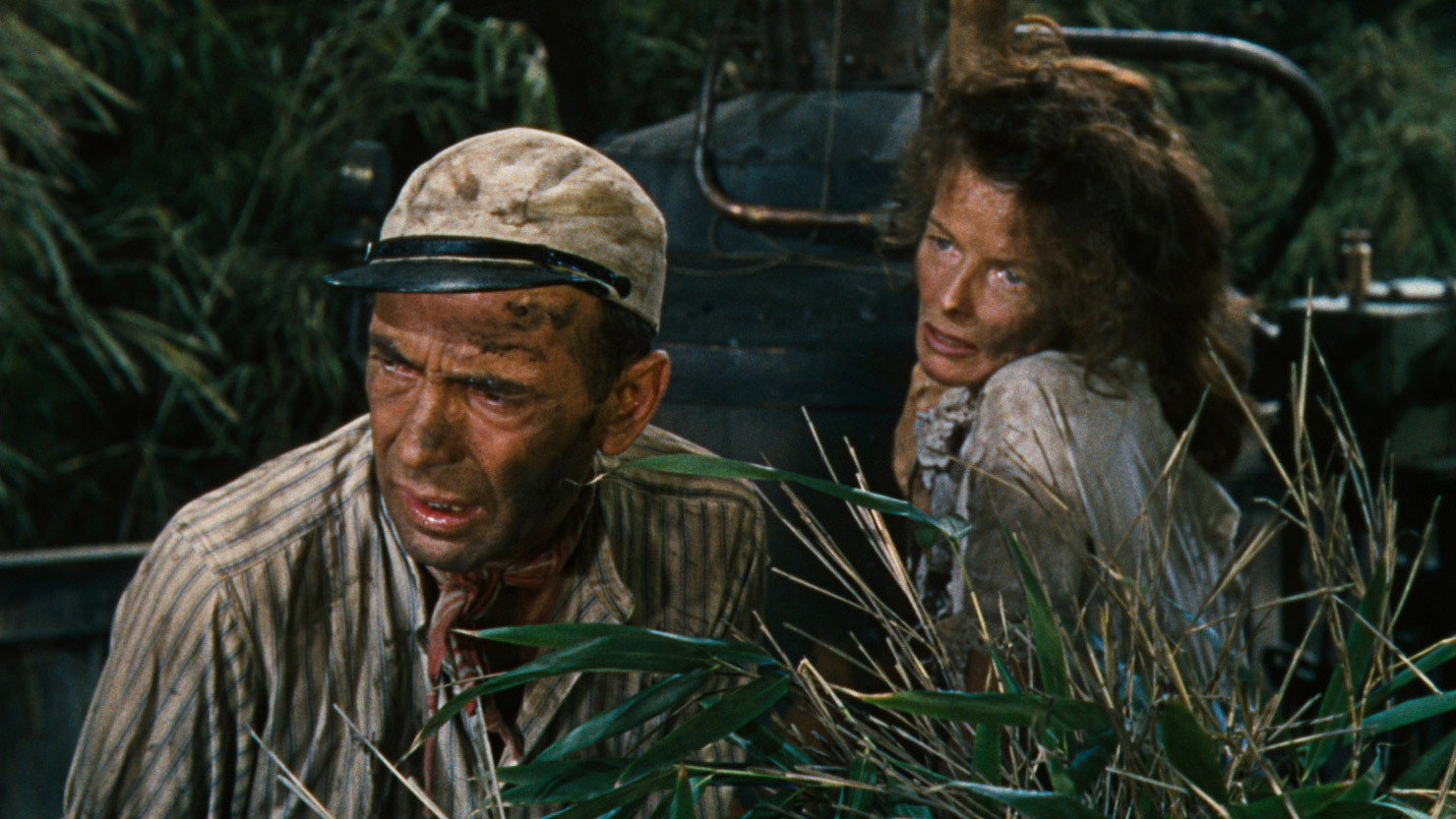
Humphrey Bogart plays Charlie Allnut, a gin-drinking riverboat captain, with an informality that is almost an affront to Katharine Hepburn’s missionary, Rose Sayer. He makes Charlie’s lack of polish funny without turning him into a harmless pet. She gives Rose’s disapproval enough force to make their exchanges feel like negotiations over who is in charge, while allowing uncertainty to show through the firmness. Both performances retain the actors’ familiar mannerisms, but there is enough warmth here to prevent them becoming a collection of favourite tricks.
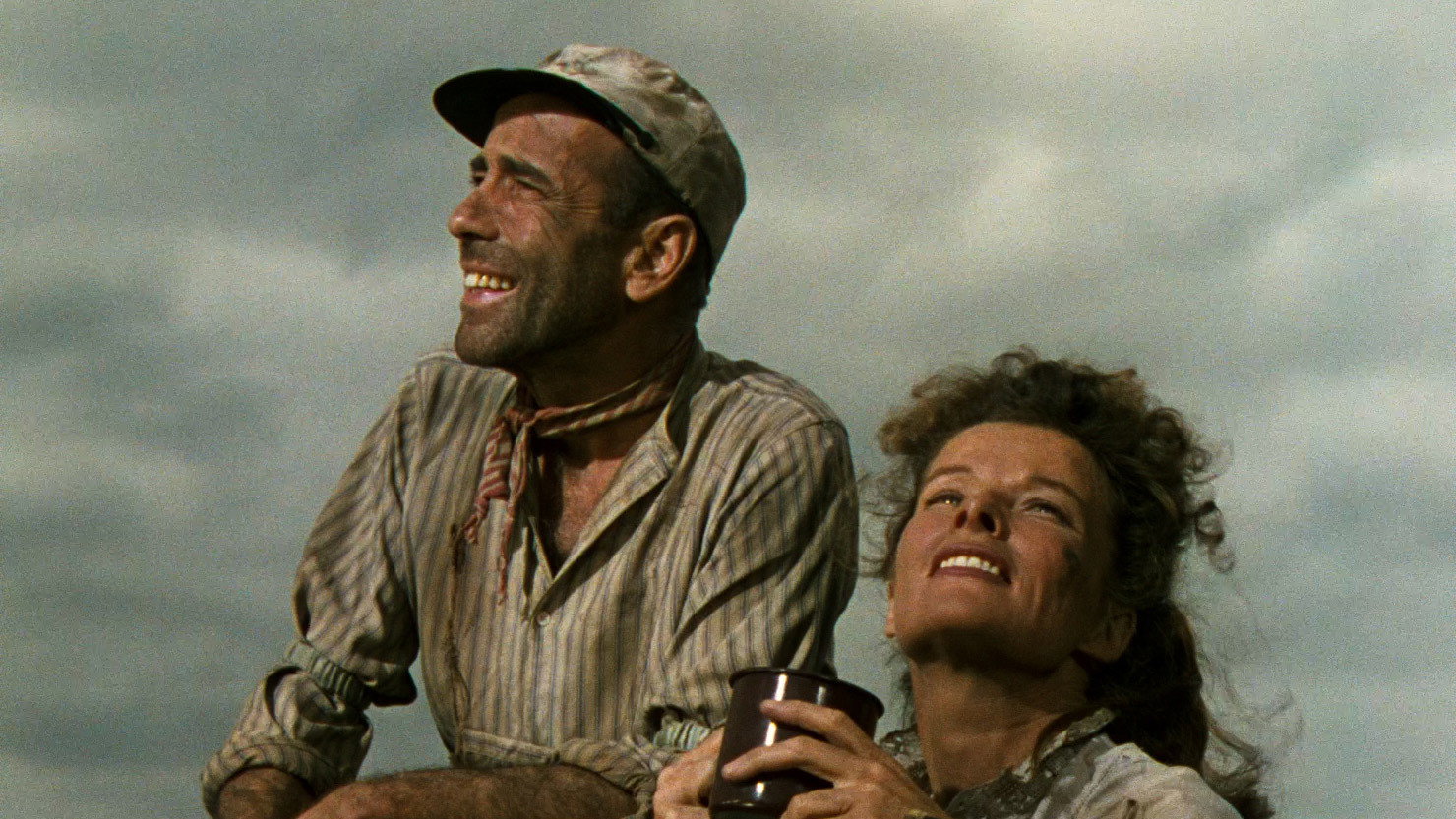
We laughed at Rose’s severity because it makes Charlie’s attempts to hold his own so awkward. The pleasure is in watching two assured performers let their characters lose a little dignity without asking for sympathy. Their bickering gives embarrassment and curiosity room to enter conversations that start in disapproval. The growing warmth is convincing because neither actor discards the irritating habits that first made the pairing funny.
Jack Cardiff’s Technicolor photography gives the African jungle a presence that the story needs. The rich colour makes the surroundings inviting to look at, while the amount of landscape around this small travelling party helps keep their predicament credible. It is a useful restraint that the scenery does not demand admiration at the expense of the actors. Their faces remain worth watching even when the background offers plenty of competition.
Ralph Kemplen’s editing is most persuasive when it gives a reply, or the delay before one, enough time to be funny. The action generally moves briskly, although a few passages seem less carefully judged than the conversations. Allan Gray’s music supplies an eager accompaniment to the danger, occasionally urging us towards excitement that the images have already earned. We would sometimes prefer a little less help, especially when a change in either actor’s voice offers enough to listen to.
James Agee and John Huston’s screenplay is less sure when it asks us to accept the adventure’s larger improbabilities. The location photography gives the journey a physical solidity that some of the plotting cannot sustain. Romantic adventure can accommodate a good deal of contrivance, but here it occasionally jars, particularly beside such carefully played human awkwardness. It is a real weakness, though the performances usually recover our attention before it has done lasting damage.
At 105 minutes, this is a companionable length for a film about people who initially seem so ill suited to company. Its pleasures do not depend on treating every predicament as plausible, though it does ask us to be generous about that. Watch it with someone whose habits occasionally try your patience.