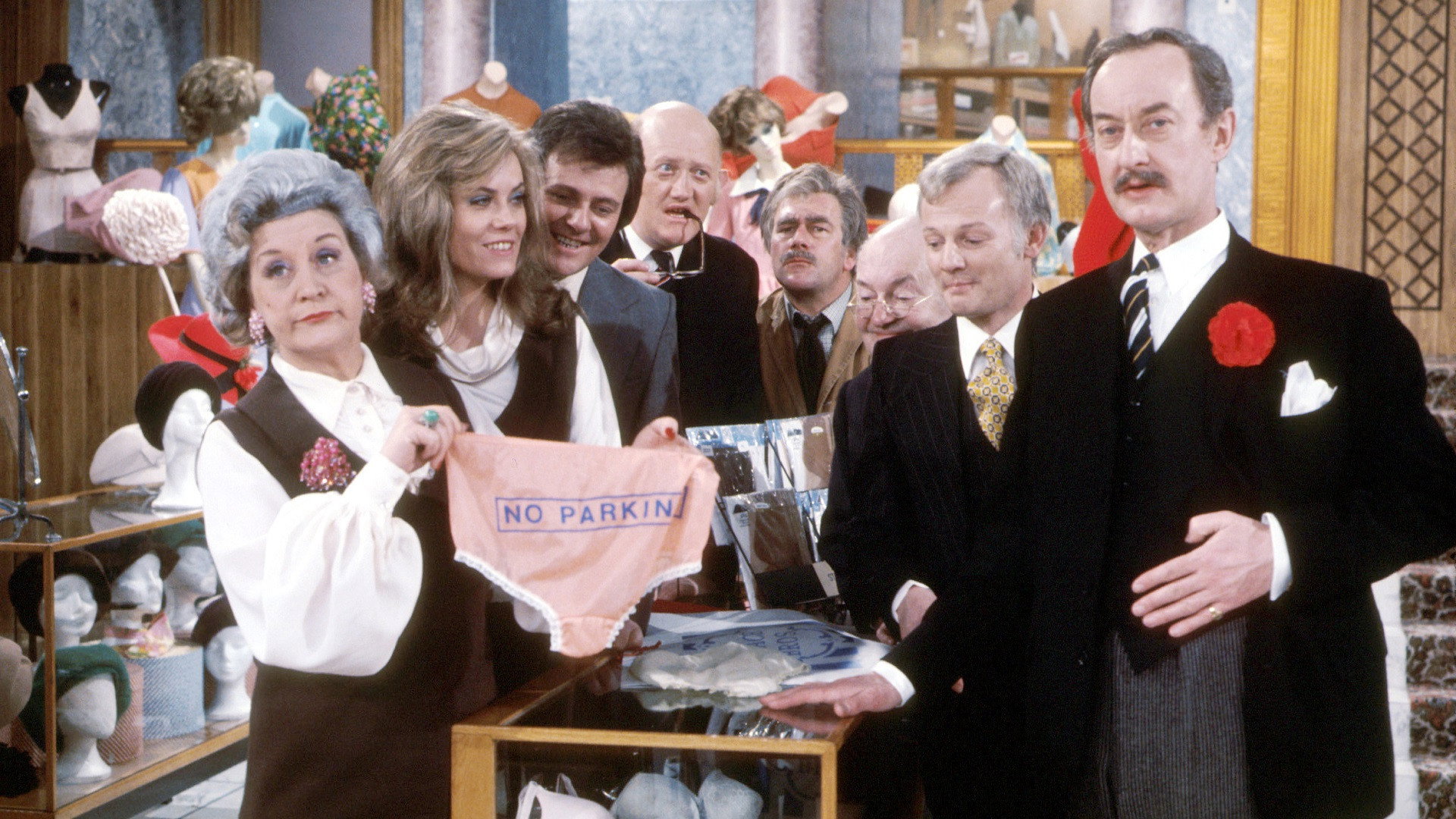
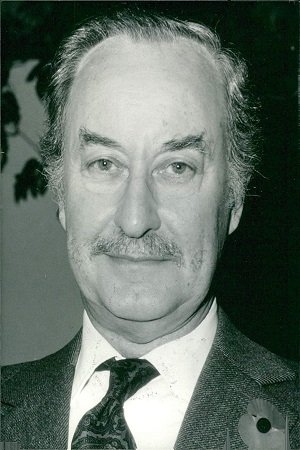
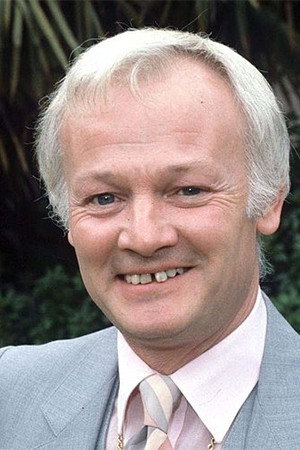
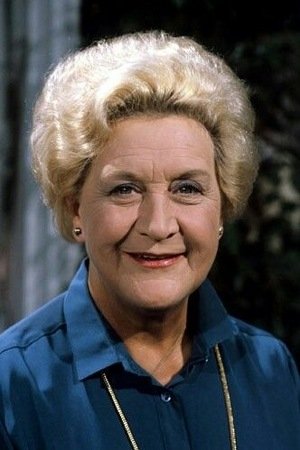
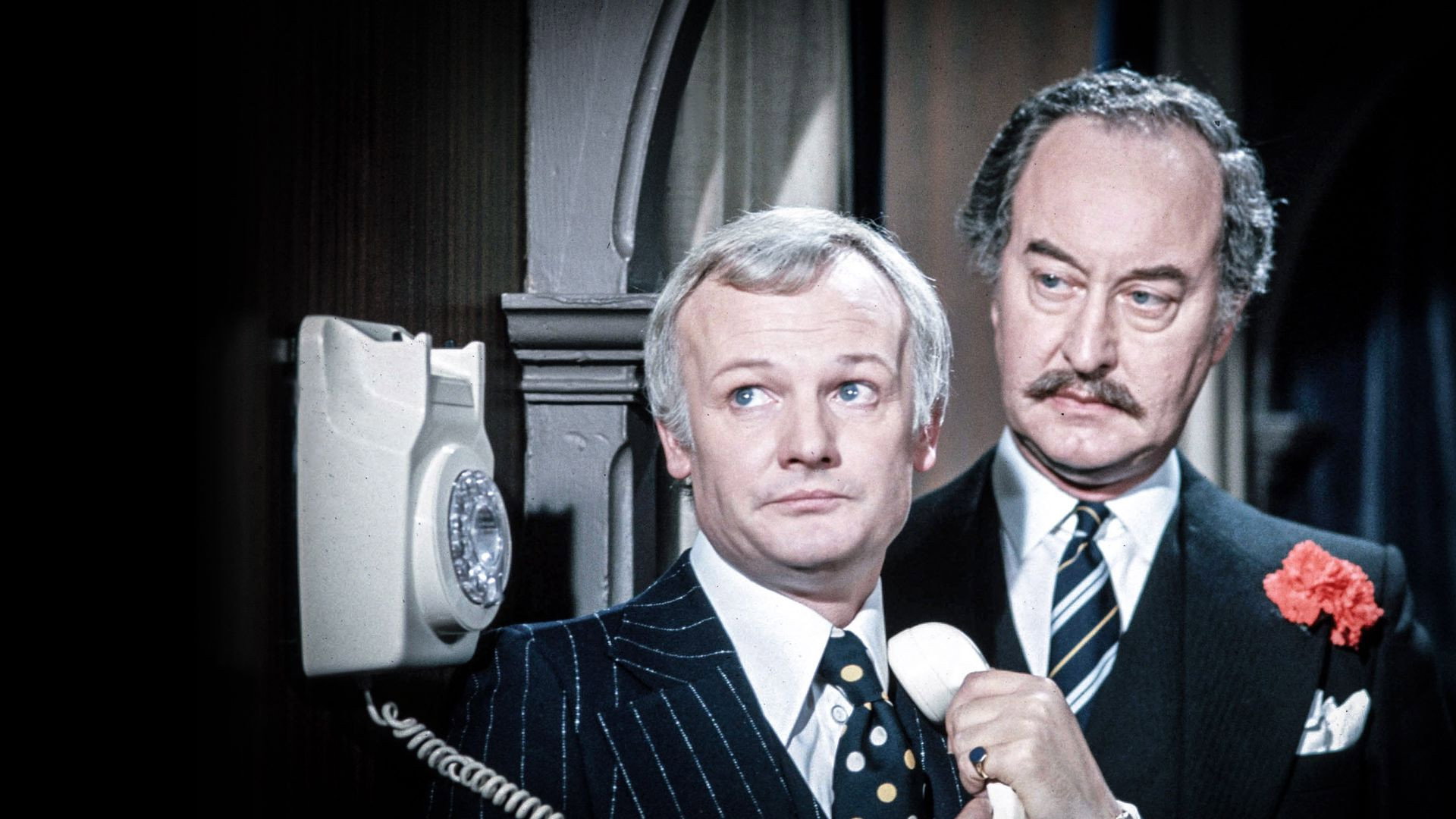
Frank Thornton, John Inman and Mollie Sugden give this department-store comedy enough personality to survive its worn jokes. We recommend a half-hour visit, with no promise that everything will have aged kindly.
Are You Being Served? is a good-natured department-store comedy worth half an hour, provided familiar comic types do not make the evening feel like work. Created by Jeremy Lloyd and David Croft, it began in 1972 and ran for ten series, the last beginning in 1985. Its strongest advantage is the sense that somebody has actually noticed how people behave at work. The dated material matters, but so does that recognition.
Department stores are a useful setting for comedy about people who take their position seriously. Everybody serves somebody, and distinctions that look small from outside can occupy a whole working day. The names tell us plenty before we get to a joke: Mr. Humphries, Mrs. Slocombe, Miss Brahms. Having a captain amongst the civilian honorifics is funny in itself, suggesting rather more authority than selling things ought to require.
Frank Thornton gives the captain the seriousness the joke needs; playing the title as an obvious absurdity would leave us nowhere to go. We laughed at his importance, because a department-store floor is a modest place on which to exercise command. John Inman, as Mr. Humphries, supplies a less rigid comic presence, and their contrast gives the ensemble useful variation. Neither role needs much explanation before we understand why putting these people together will produce trouble.
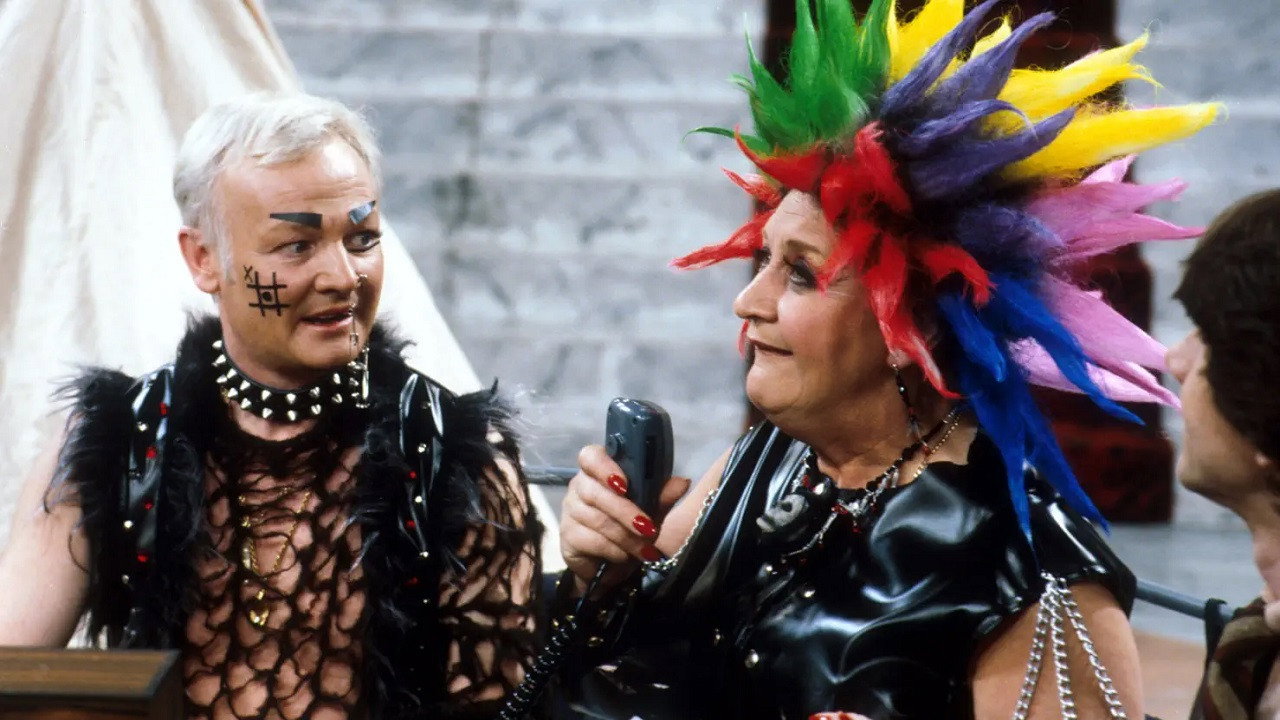
Mollie Sugden’s Mrs. Slocombe and Wendy Richard’s Miss Brahms make the staff feel less like a collection assembled around a single comic lead. There is pleasure in a programme where several people can plausibly consider themselves the most important person present. Trevor Bannister as Mr. Lucas and Arthur Brough as Mr. Grainger broaden that company further. The ensemble is a persuasive reason to stay, though affection for the actors sometimes does work that the writing should have done.
David Croft serves as writer, director and producer, while Jeremy Lloyd shares the writing credit. The comic approach is straightforward enough: establish the type, then let the performer make it particular. It works less well when recognition is expected to provide the whole laugh, because familiarity still needs a fresh reason to be funny. Some of the writing settles too readily for what we already know about a character, leaving the actors to make another predictable encounter worth watching.
Ten series is a substantial amount of time to spend with any group of colleagues, and this programme is better judged in individual visits than as one long undertaking. The thirty-minute episodes suit its modest scale. Watching for sustained character development would be asking it to supply a pleasure it does not especially pursue. It is much more interested in how much amusement a familiar collection of people can generate during another working day.
Against the basic standard of workplace comedy, it succeeds often enough: these people are worth spending time with even when the writing lets them coast. The dated assumptions are harder to overlook if the characters never win your affection, and we would not pretend otherwise. Try it for the ensemble, especially Frank Thornton, John Inman and Mollie Sugden. One episode will tell you whether their company is enough.