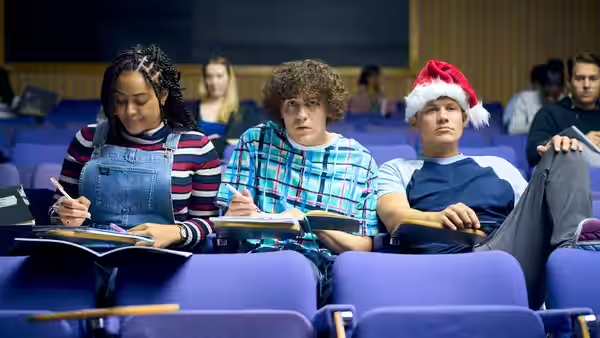
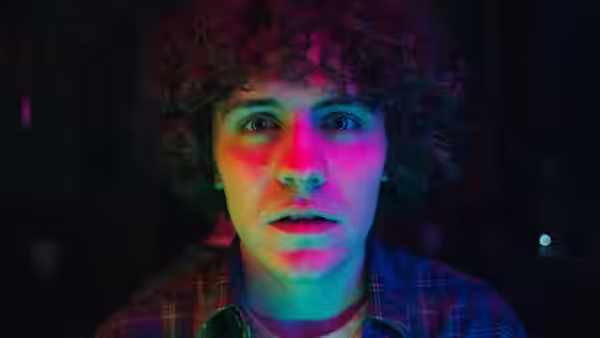
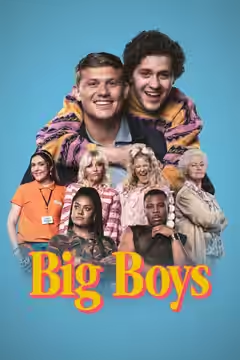
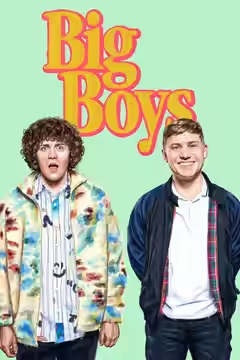
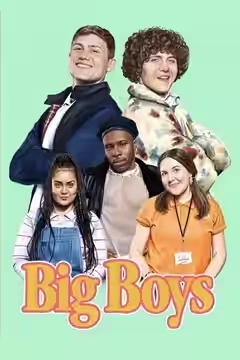
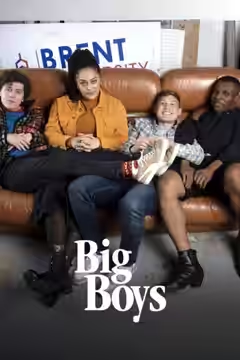
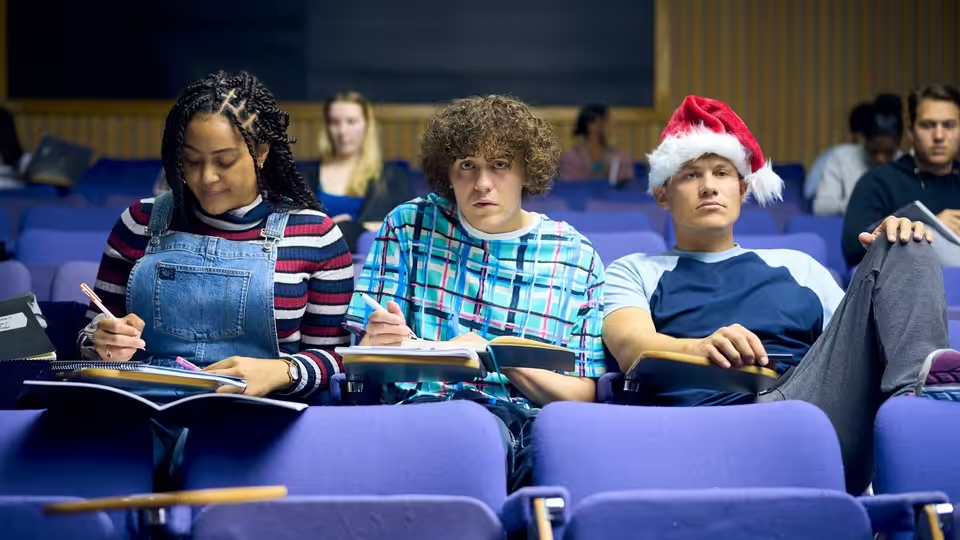
Three students sit in blue lecture hall seats with notebooks open
Series review

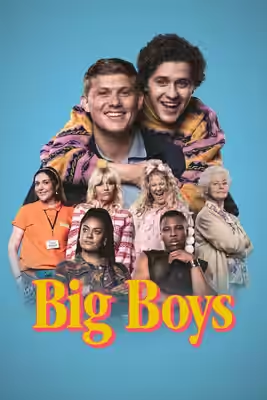
Big Boys

2022 · Created by Jack Rooke · Series · 24m

In a sentenceUniversity promises a fresh start, which is awkward when your grief has come along too

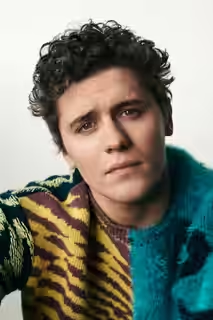
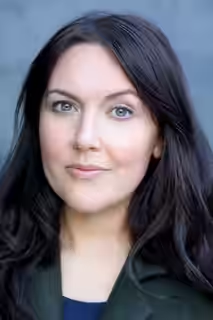
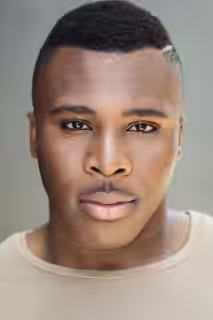
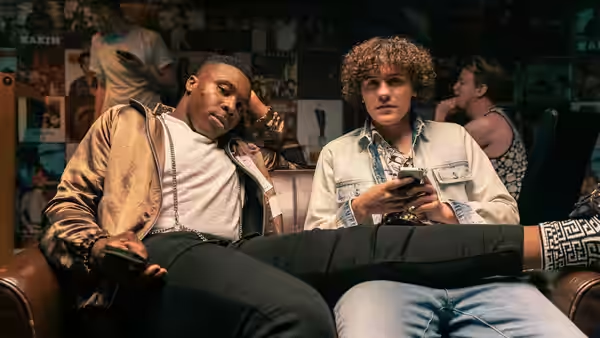
Jack (Dylan Llewellyn) arrives at university carrying grief for his father and keeping his sexuality to himself. Freshers’ life brings him into contact with Danny (Jon Pointing), a straight student whose outward confidence makes him an unlikely companion. As their friendship develops, finding a place among other students sits alongside bereavement and struggles with mental health. Written and narrated by Jack Rooke, Big Boys follows the pair through the awkward business of growing up, with Camille Coduri, Katy Wix, Izuka Hoyle and Olisa Odele among the cast.

Plays from YouTube when you press play; nothing loads from them until then.

Fi1m review

Jack Rooke’s university comedy is funny, tender and particularly good on friendship between young men who seem to have little in common. Its eagerness to reassure can soften the jokes, but Dylan Llewellyn and Jon Pointing earn the affection.

Jack Rooke’s Big Boys is a university comedy with a convincing reason for its central student to find the fun hard work. Jack, played by Dylan Llewellyn, is grieving his father and has not come out; freshers’ life asks him to begin again before he is ready. Rooke writes and narrates, keeping Jack’s anxieties close even when the comedy is at its busiest. We recommend it warmly, with a small reservation about how determined it can be to make everyone feel better.

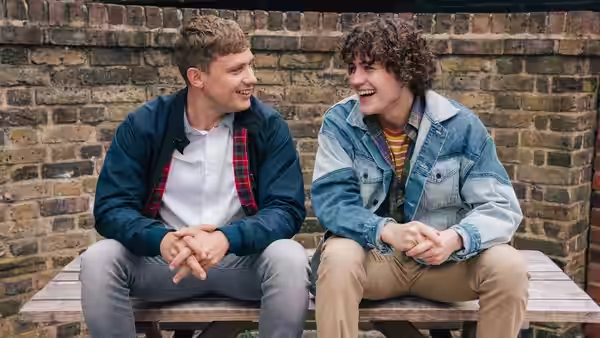
The friendship with Danny, played by Jon Pointing, makes the familiar coming-of-age material worth another visit. Danny is straight and laddy, which gives the writing an obvious opportunity for misunderstandings, but Rooke takes an interest in why these two might need each other. Llewellyn makes Jack’s shyness readable without reducing him to a collection of nervous habits. Pointing gives Danny sufficient warmth for the friendship to feel credible without making the difference between them disappear.

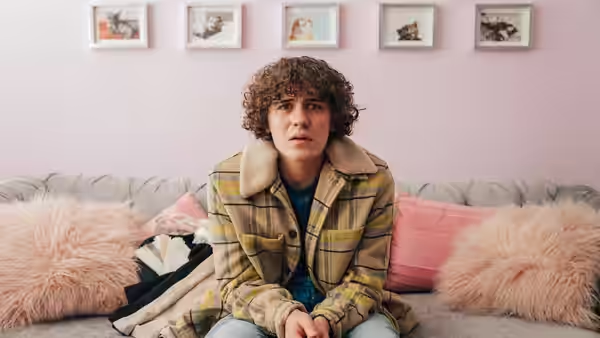
We were moved by Jack’s struggle to meet the demands of student life while grieving. It is Llewellyn’s vulnerability in those freshers’ experiences that does it, with so much pressure to enjoy himself before he has settled. Rooke understands the effort of seeming all right when other people are expecting a good time. The jokes help here, since a solemn treatment could easily make Jack’s bereavement his only characteristic.

Jim Archer’s direction handles the closeness between the two men without making every exchange feel like a lesson in friendship. Charlie Goodger’s cinematography and Ashling Johnson’s production design keep the university setting subordinate to the students, a sensible choice for a comedy so concerned with their discomfort. Gareth McEwen’s editing gives the jokes enough pace without making grief feel like an interruption. Fryars’ music helps the tenderness, though the programme is already persuasive enough on that front.

The qualification is that Rooke’s sympathy can make the writing a little too reassuring. There are times when a joke could be allowed to cause more trouble, and the care taken over everyone’s feelings costs the comedy some bite. That matters in a story touching on sexuality, loss and young men’s mental health, where embarrassment need not always be made bearable. Llewellyn and Pointing have already earned enough affection for the writing to risk being less protective.

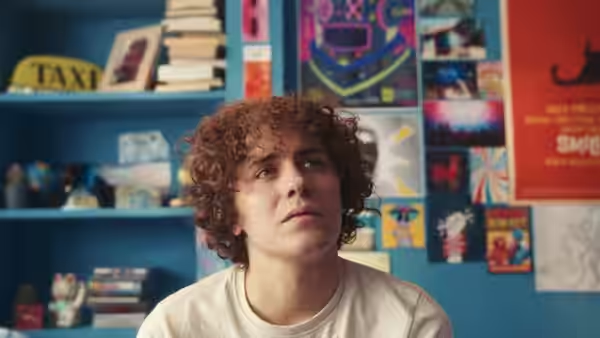
The narration has a useful job in a university comedy: it lets Jack remain shy without making him inaccessible. Rooke supplies a way into the experience, while Llewellyn makes Jack’s social discomfort believable. This is where the programme improves on a familiar coming-of-age formula, which can hurry towards confidence as though growing up involved nothing else. It is willing to spend time with someone who has good reasons to find the whole business difficult.

The 24-minute episodes suit material that could become wearing if it demanded a much longer stretch of sympathy. We would happily spend another evening with these two, even allowing for the programme’s occasional fussing over them. Give it a go when a comedy about friendship sounds more appealing than another contest to see who can behave worst.
Critical consensus AI synthesised

81
Positive
7
Mixed
0
Negative
0

The reviews are unanimous in their warmth. Most critics describe Jack Rooke’s semi-autobiographical sitcom as tender, funny and unusually careful with its material, taking grief, sexuality and young men’s mental health seriously without lecturing. The praise clusters on the writing and on the central friendship between a shy, closeted student and his laddish best mate, with Jon Pointing’s performance as Danny singled out more than once and Dylan Llewellyn’s move into a leading role noted approvingly.

The spread is narrow: nothing lower than a solid pass, and the reservations amount to mildness rather than complaint. The Times is the coolest of the seven, finding it tender and poignant but stopping short of the enthusiasm elsewhere. The second series draws the strongest notices, with The Independent and The i Paper both crediting it with a portrait of working-class and LGBT+ lives that avoids cliché. Nobody dissents; the only argument is how much to admire it.

The Independent
16 January 2024
90*

The critic praises the second season of the semi-autobiographical Channel 4 sitcom as a sweet, sensitive portrait of misfit university students navigating grief, sexuality, mental health and relationships. It stands out for its non-didactic take on LGBT+ lives and working-class experiences, with strong performances especially from Jon Pointing as Danny.

Read the full review →
The i Paper
14 January 2024 · Rachael Healy
90*

The critic calls the return of the semi-autobiographical series bright, tender and really funny, highlighting Jack Rooke’s writing and Jon Pointing’s performance for capturing the complexities of laddish masculinity and men’s mental health with authenticity. It blends humour and emotion seamlessly while exploring working-class characters without cliché.

Read the full review →
The Guardian
26 May 2022
85*

The series is a warm, tender and witty sitcom about grief and the uplifting friendship between a shy, closeted gay student and his straight, laddy best mate. It treats young people's problems seriously while piercing the heart with unexpected emotional moments.

Read the full review →
Radio Times
26 May 2022 · ★★★★
80

The critic finds the series warm, funny and full of personality, holding its own after Derry Girls with relentless gags and a distinctly British tone. It is praised for blending humour with grief and showing that tomorrow is a new day.

Read the full review →
Evening Standard
26 May 2022 · Joe Bromley
75*

This heart-warming comedy explores the laughs and lows of a closeted teen's coming of age, grief and young men's mental health struggles with wry humour and an unlikely friendship at its core.

Read the full review →
The Telegraph
26 May 2022 · Anita Singh
75*

This bubbly coming-of-age comedy blends laughs and life lessons with sensitively handled friendship and loss, elevating Dylan Llewellyn to a starring role as the sweet, vulnerable protagonist.

Read the full review →

Straight answers AI written, from our review

Is Big Boys worth watching?
Big Boys is worth watching for anyone who wants a university comedy with grief and friendship at its centre, and we scored it 81. Dylan Llewellyn and Jon Pointing make the unlikely bond between a shy, grieving gay student and his laddy straight flatmate credible and warm. Our one reservation is that Jack Rooke's writing is sometimes too eager to make everyone feel better, which softens the jokes.
How long is Big Boys, and what is it rated?
Big Boys has episodes of about 24m. It is a comedy and drama series.
Where can I watch Big Boys in Austria?
Big Boys is not on any streaming or rental service in Austria at the moment. It is available in 3 other countries; change your country at the top of the page to see where. Availability is checked daily.
How does Big Boys compare to Beautiful Thing?
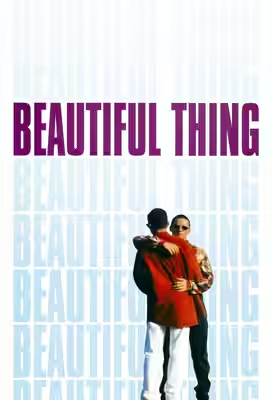
Big Boys is a 24-minute comedy series about a grieving student's friendship with a straight lad at university, while Beautiful Thing is a film about a teenage romance between two boys. The film is the sharper of the two, with Linda Henry giving its tenderness some bite; the series is gentler and more protective of its characters. Choose the series for friendship and mental health, the film for a love story.
What should I watch after Big Boys?
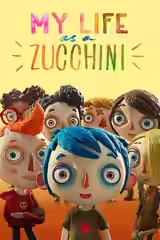
After Big Boys, try Beautiful Thing (1996, Fi1m 80): Another shy gay teenager finds companionship, with humour that keeps the tenderness honest. Then My Life as a Courgette (2016, Fi1m 84): Childhood grief and tentative friendship, treated with care and a welcome lack of fuss.

Cast

If you liked this, try…

  1. Beautiful Thing (1996, Fi1m 80)Another shy gay teenager finds companionship, with humour that keeps the tenderness honest.

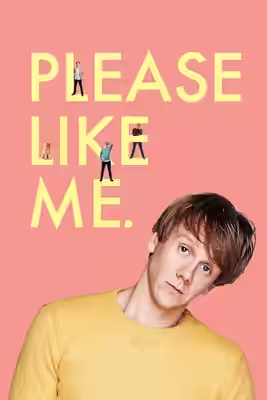
  2. Please Like Me (2013) · not reviewed yetComing out and mental illness share space with awkward, often selfish everyday behaviour.

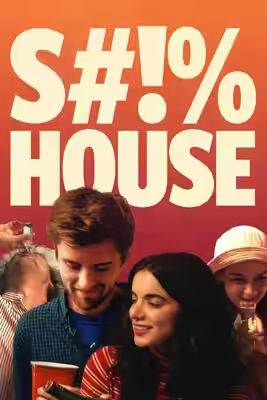
  3. Shithouse (2020) · not reviewed yetUniversity loneliness gets patient attention in a comedy unafraid of social discomfort.

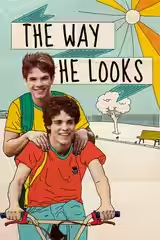
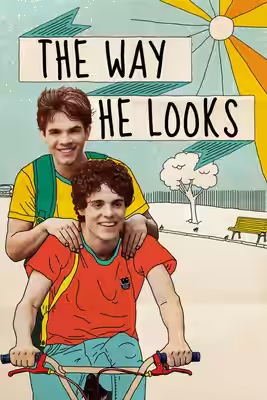
  4. The Way He Looks (2014) · not reviewed yetA gentle coming-of-age story that takes friendship, desire and dependence seriously.

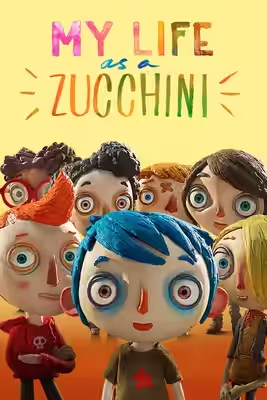
  5. My Life as a Courgette (2016, Fi1m 84)Childhood grief and tentative friendship, treated with care and a welcome lack of fuss.

Free account

Know what to watch tonight

Two lists that know where things are streaming, collections you can share, your own score beside ours, and Discover that remembers what you have seen.

  • Want to see, sorted by what is streaming now
  • Seen, with your score out of ten
  • No adverts, ever