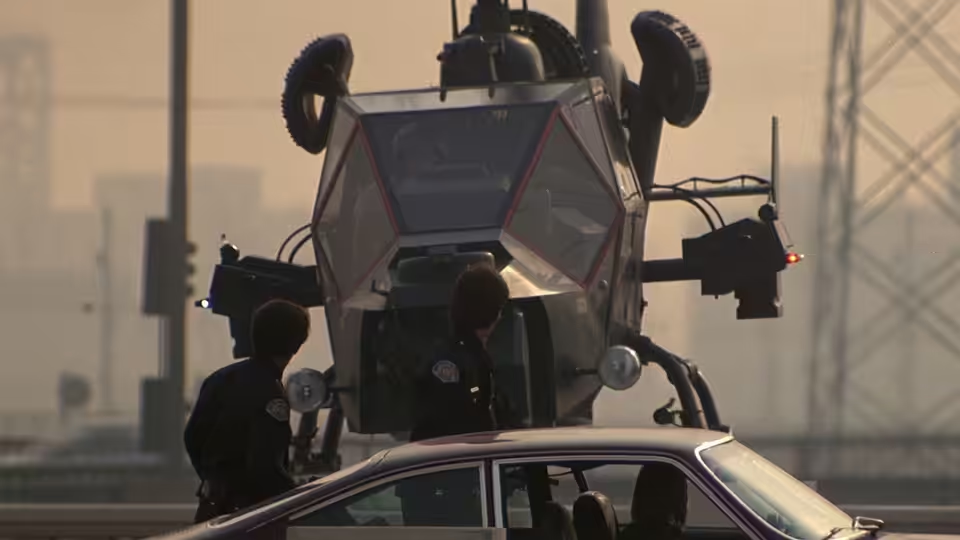
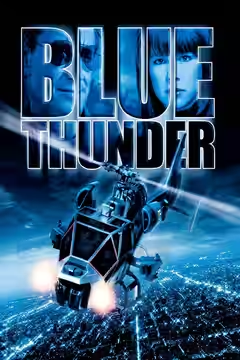
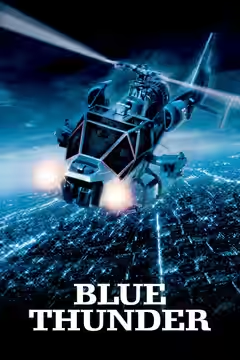
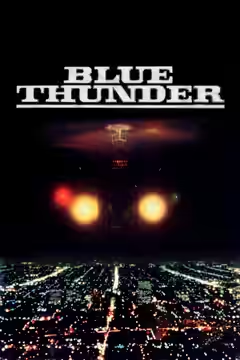
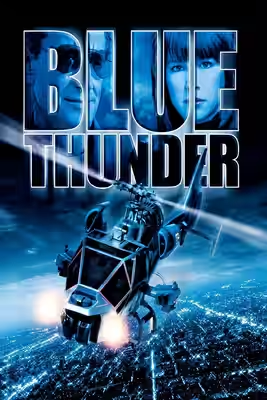
Blue Thunder is an entertaining thriller with more confidence in its helicopter than its characters. John Badham’s aerial action earns the evening; the predictable writing keeps it from becoming anything more troubling.
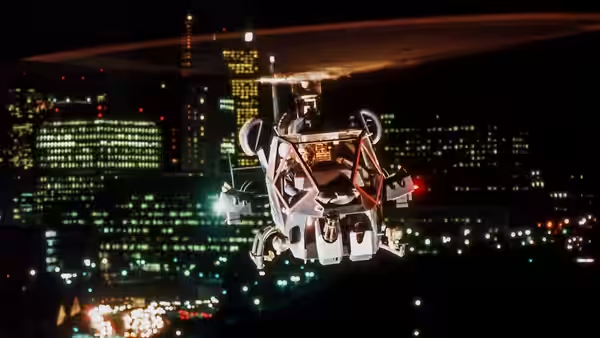
John Badham’s Blue Thunder is a good action thriller whose writing cannot match its helicopter work. Its surveillance equipment gives the film a worthwhile subject: how much power we are prepared to put in the hands of people watching us. The flying is so enjoyable that the question can become easy to forget. That limits the film, but there is still a satisfying evening here for anyone who likes action performed with evident skill.
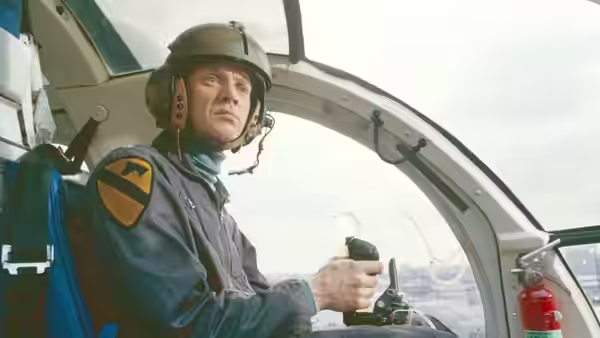
The film is strongest when John A. Alonzo’s photography lets us appreciate the skill of the helicopter work. There is pleasure in being able to follow a machine in flight, judge its movement and feel that the people handling it know exactly what they are doing. We were gripped by the flying, even when the writing had given us little reason to feel anxious. The practical effects and aerial footage supply much of the excitement, and they are the clearest reason to watch.
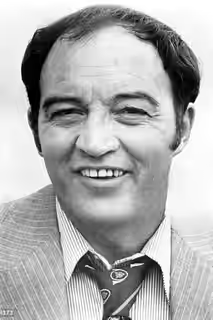
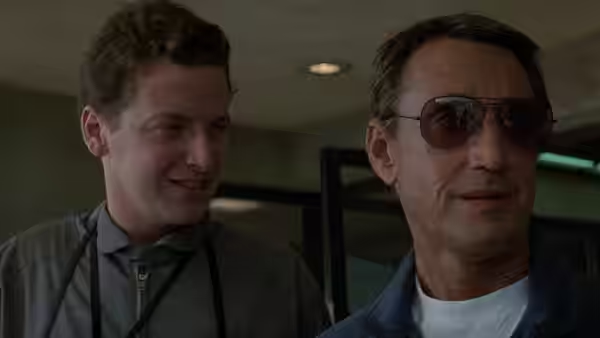
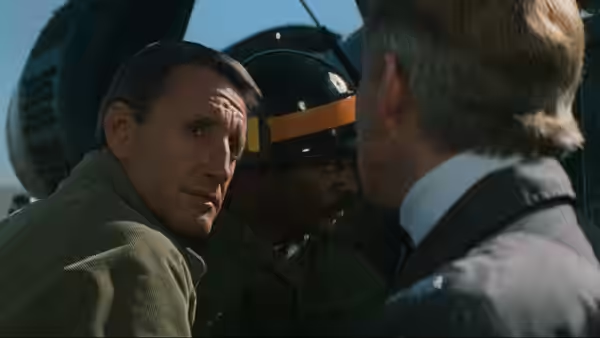
Roy Scheider gives Murphy enough weight to keep the human side from disappearing altogether. He is persuasive even when the screenplay has done little to earn our interest in the character, and that makes a difference in a film so absorbed by its hardware. Warren Oates gives Braddock welcome bite, finding humour and irritation in material that can otherwise seem merely functional. His presence helps keep the dialogue scenes from feeling like delays before the next bout of flying.
Don Jakoby and Dan O’Bannon keep the story moving, but the psychology is thin and the turns are too easy to anticipate. That matters because a thriller about surveillance needs us to care about judgement: who uses the equipment, what they think it permits, and how readily they excuse themselves. Here, the people can feel as though they have been assigned enough personality to get the next stretch of action under way. We wanted the script to make their decisions harder to take for granted.
Frank Morriss and Edward M. Abroms edit with a useful sense of urgency, keeping the film from spending too long on its weaker material. The pace makes the implausibilities easier to accept while we are watching, though it does not make them any more convincing afterwards. Arthur B. Rubinstein’s music also helps the action along. Its contribution is effective, but the excitement of the machinery is already so persuasive that the film scarcely needs further encouragement in that direction.
The gadgets present a difficulty that the film never quite settles. Their capacity for surveillance ought to make us uneasy, yet so much effort goes into making the helicopter impressive that admiration comes easily. We would have liked more time spent on why people accept such equipment, and less confidence that its dangers are self-evident. The political concern is welcome, but it remains underdeveloped beside the attention lavished on the aircraft.
At 110 minutes, it is a reasonable choice when the appetite is for machinery, danger and a dependable leading actor. Anyone hoping for a searching examination of surveillance should lower those expectations before starting. We recommend it to action enthusiasts with that reservation, rather than as a thriller likely to win over the reluctant. Leave time afterwards to argue about why the surveillance equipment was so much fun.