Rebecca Hall is remarkable as the Florida news reporter Christine Chubbuck, prickly, funny and slowly coming apart. António Campos’s film is careful and humane, but it keeps handing us reasons for her unhappiness, and the sum is smaller than the performance.
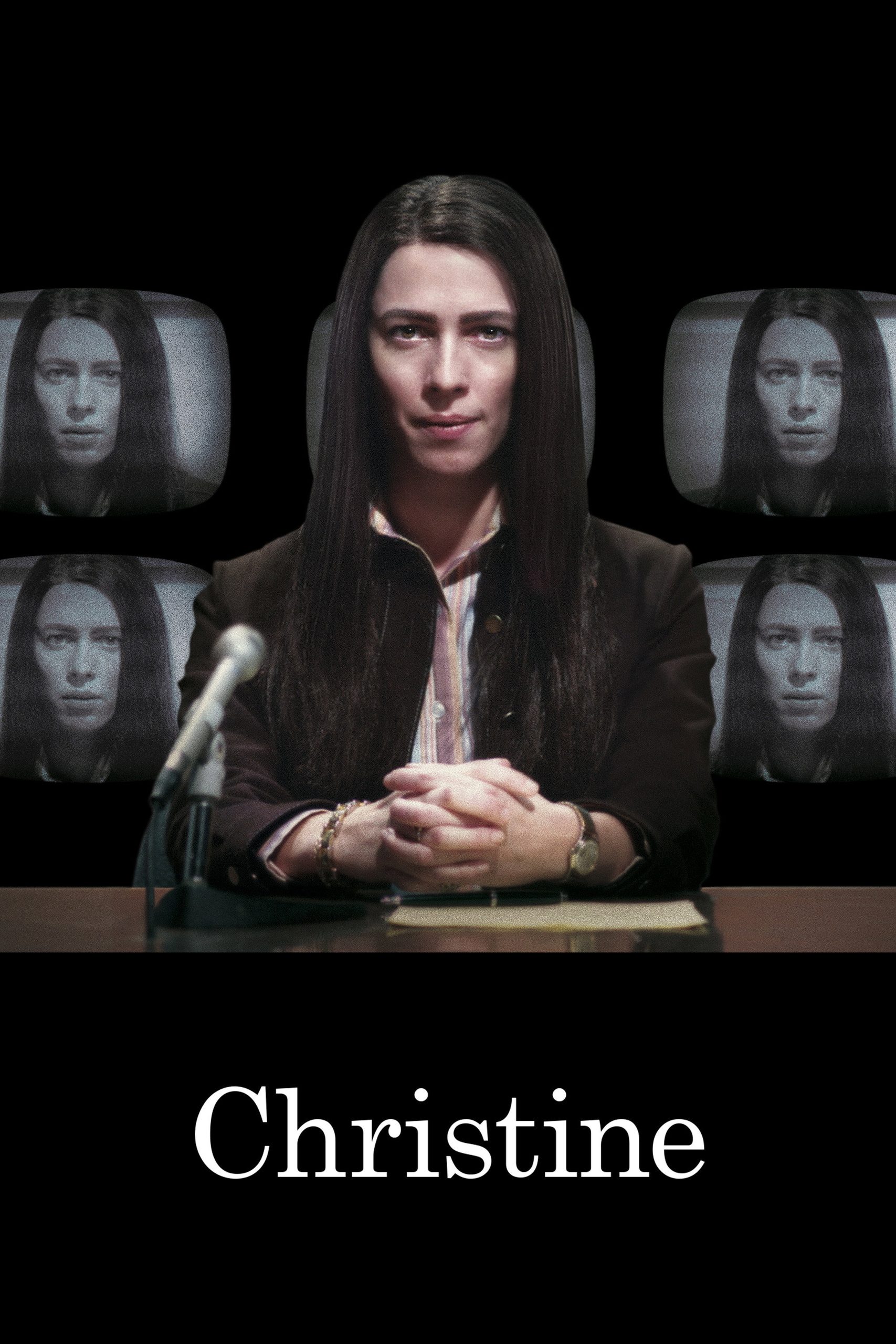
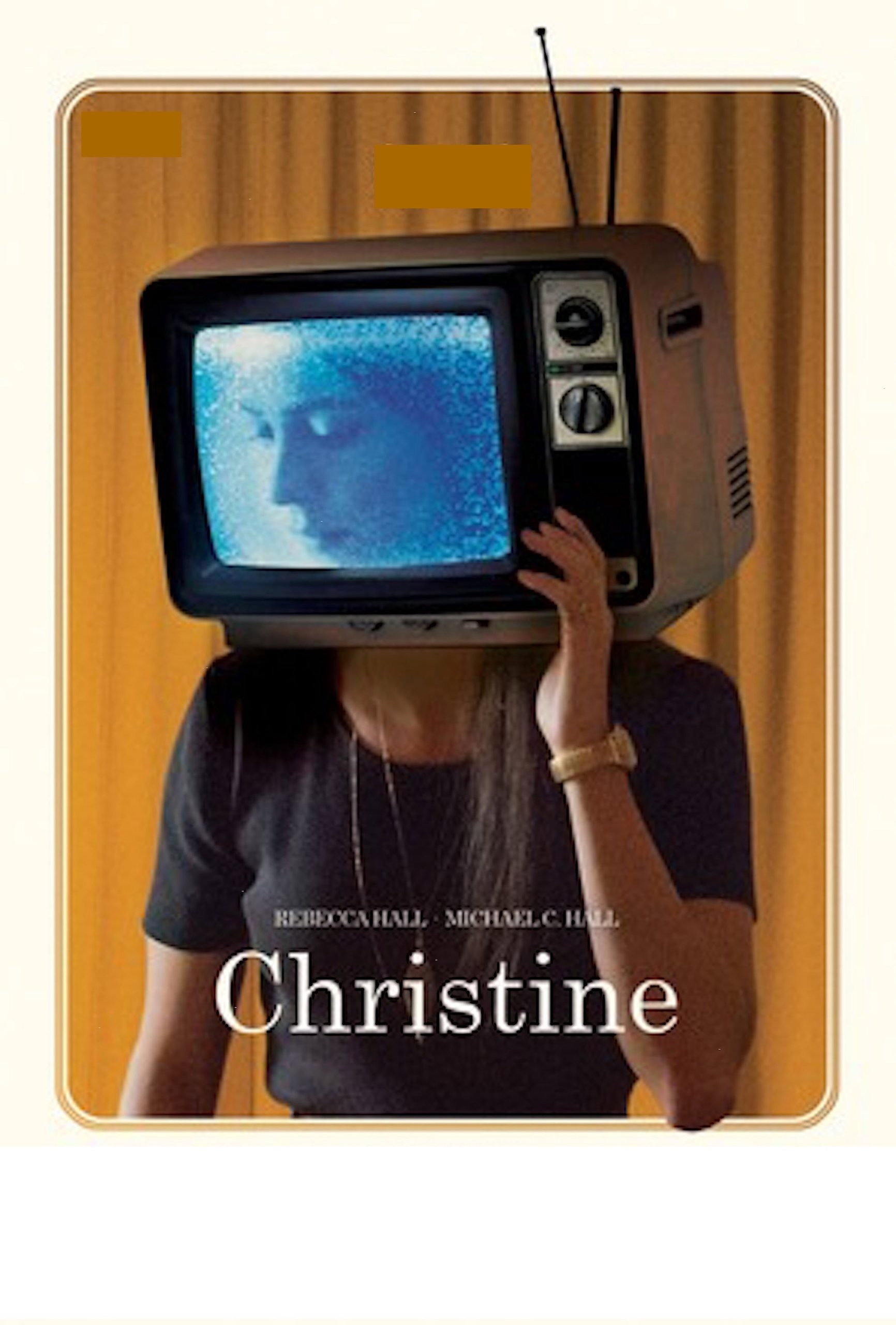
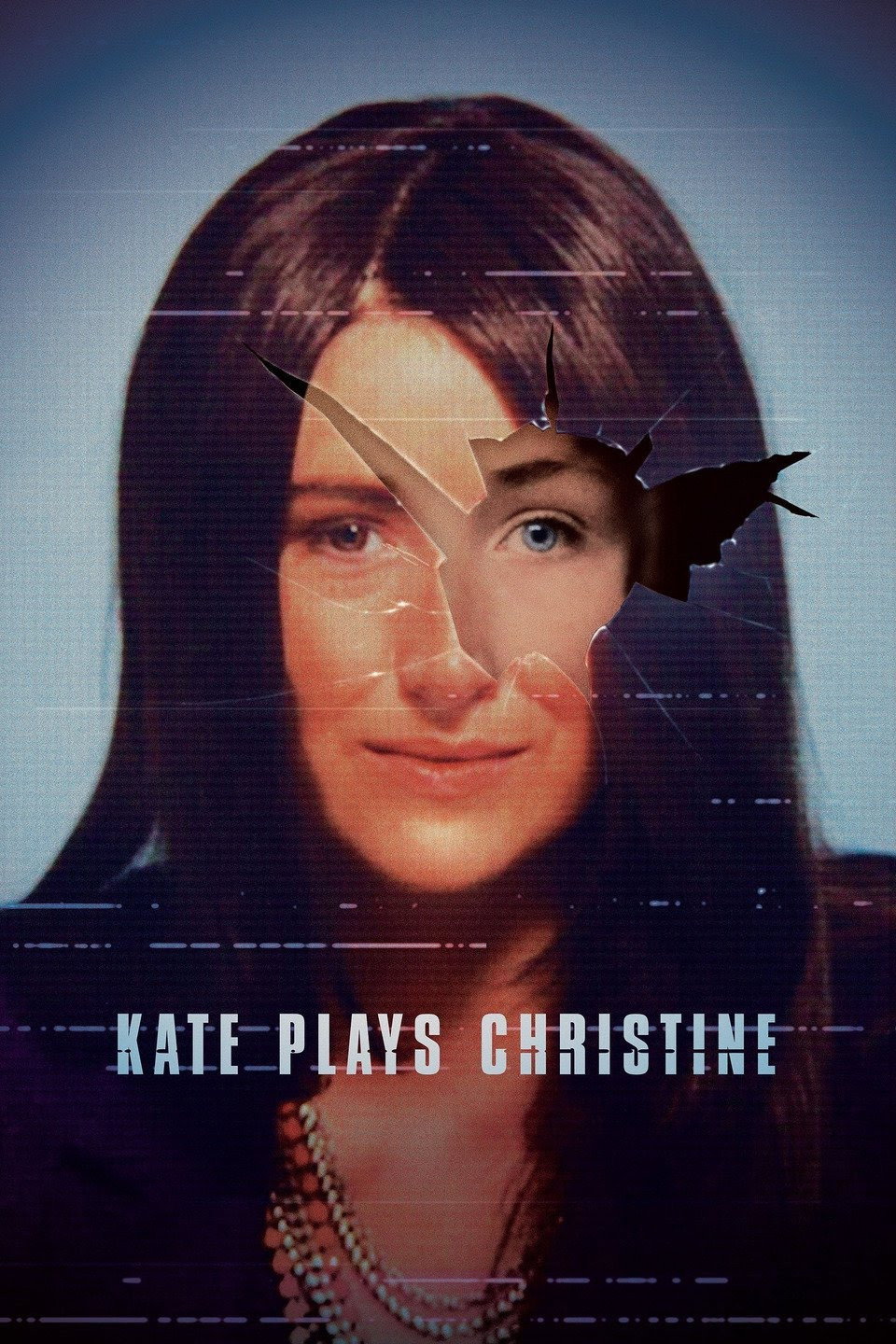
António Campos’s film follows Christine Chubbuck, a reporter at a small television station in Sarasota, Florida, through the summer of 1974. Anyone who knows the name knows how her story ends, and the film assumes we do; we will not describe it. What Campos and his writer Craig Shilowich have made instead is a study of the weeks before, of a serious, awkward, ambitious woman being quietly refused by nearly everyone she asks. It is held together by Rebecca Hall, who is superb, and it is a good film that is not quite the one her performance deserves.
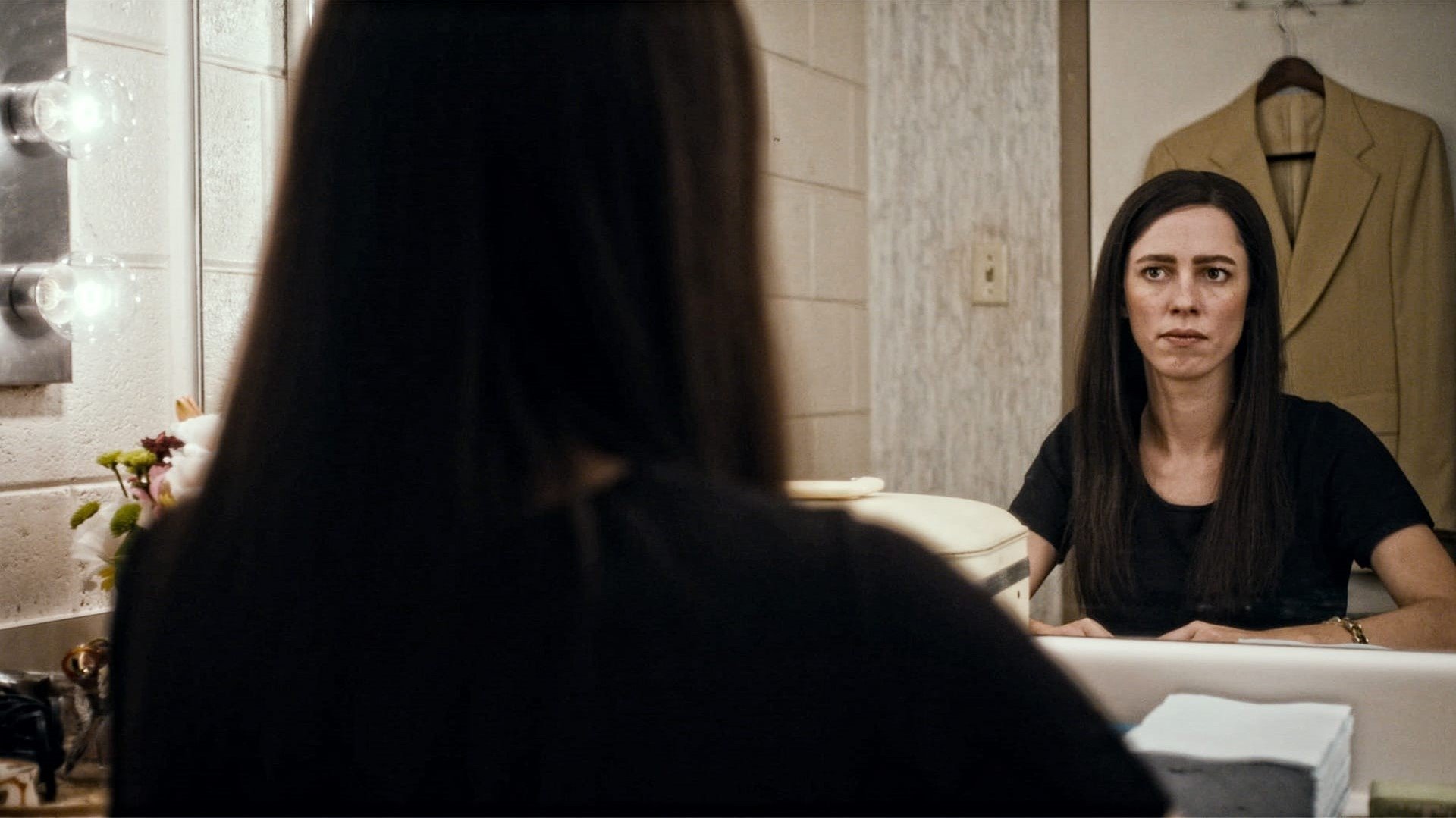
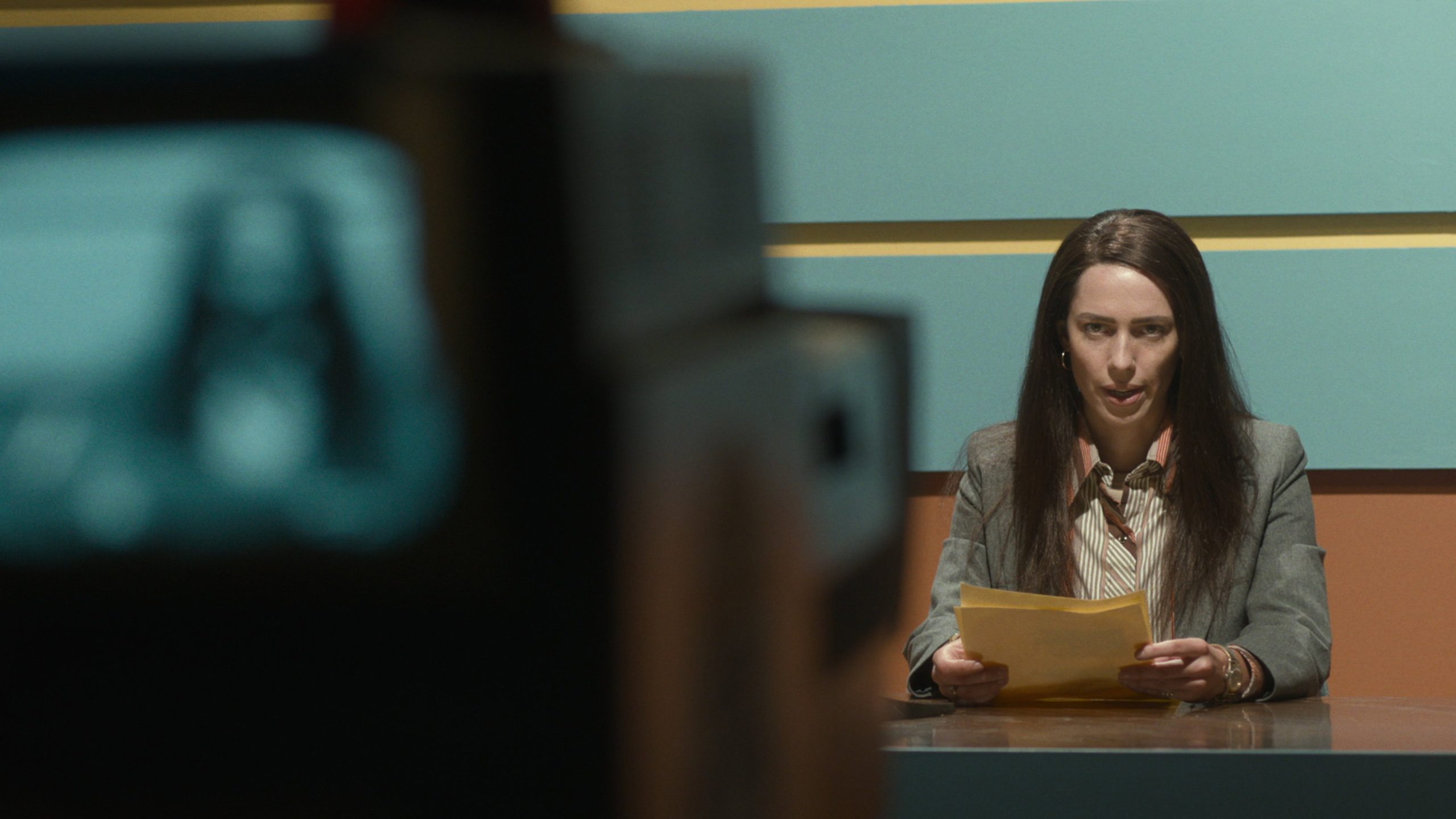
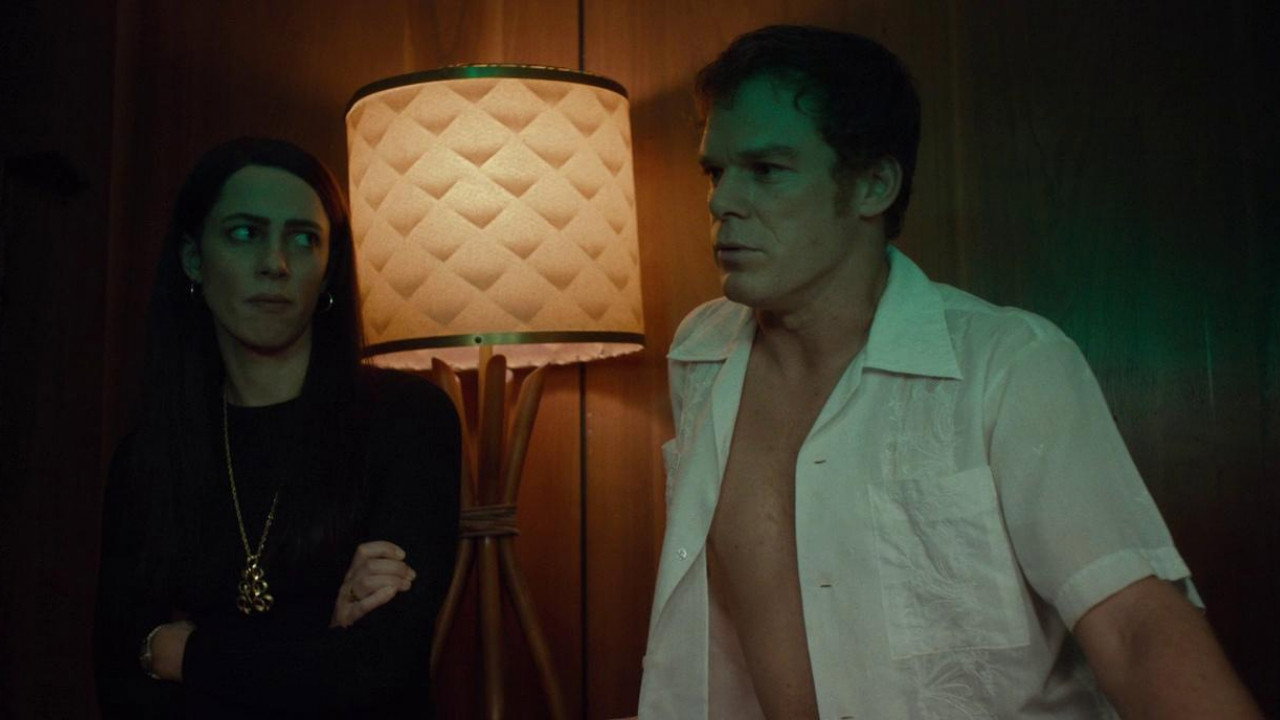
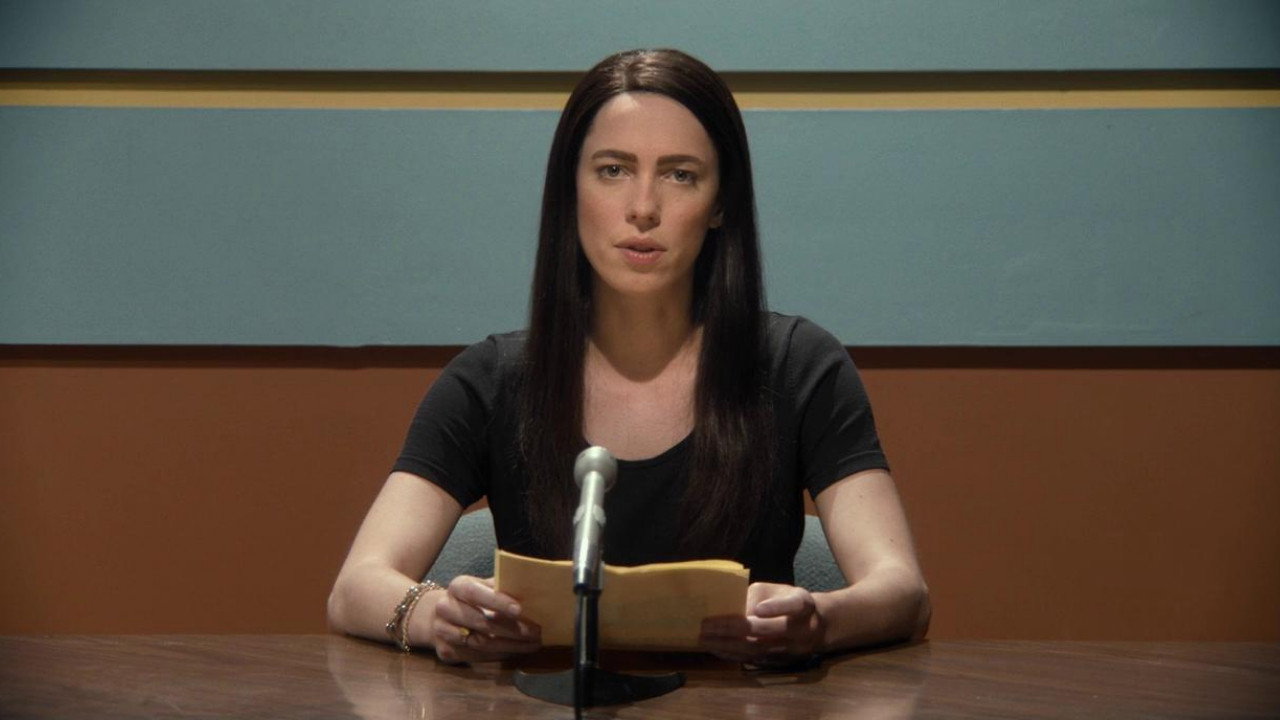
Hall plays Christine tall and stiff, chin down, with a laugh that arrives half a beat after everyone else’s. She interviews a strawberry farmer for a segment on zoning and then argues with her boss about whether it counted as news. She practises interview questions to an empty chair. What Hall does that a lesser actor would not is let Christine be difficult: she is humourless about her work, quick to take offence, and right more often than the men around her care to notice. We watched her try to accept a compliment from George (Michael C. Hall) and felt our shoulders lock. That is the performance: a woman doing the small social sums other people do without thinking, and getting them nearly right.
Tracy Letts plays Michael, the station manager, as a tired bully who wants blood on the six o’clock news and thinks he is only being practical. Michael C. Hall gives George a smooth kindness that does not know its own limits. Maria Dizzia’s Jean is the one colleague who sees Christine clearly, and Timothy Simons’s weatherman Steve wanders the newsroom like a man who has never had a bad day. The newsroom scenes are the liveliest in the film and often funny, in the way offices are funny, and we laughed and then felt slightly ashamed, because we knew who the joke would eventually be about. J. Smith-Cameron, as Christine’s mother Peg, has the hardest scenes and plays them without a note of pleading.
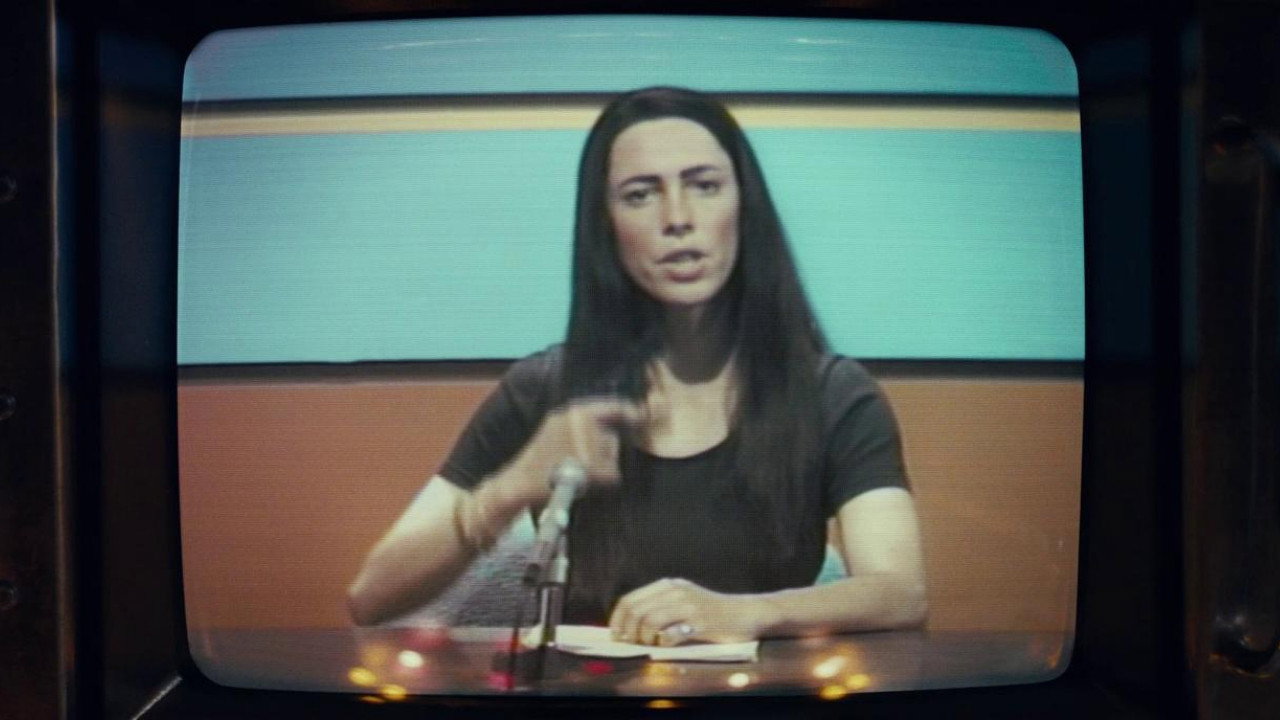
Joe Anderson shoots in muted browns and yellows, with a soft grain that makes the picture look like the station’s own tape, and he keeps the camera a little way off, so Christine is often alone in a doorway or at the edge of a room other people are filling. Scott Kuzio’s newsroom is wood panelling, plastic chairs, ashtrays and a monitor wall that never quite works. Emma Potter dresses Christine in high collars and long skirts among colleagues in open shirts; you could read her whole trouble from the costumes alone. Danny Bensi and Saunder Jurriaans keep the score to a low, uneasy hum under scenes that look ordinary on the surface, and the soft rock on the car radio does the rest. Sofía Subercaseaux cuts the workdays briskly and the evenings at home slowly, which is the right way round.
The trouble is that Shilowich’s script keeps handing us reasons. A promotion that might go to somebody else. A doctor’s appointment with news she did not want. A man she likes who likes someone else. Each is placed in the story like a weight on a scale, and by the second hour we could feel the film totting them up. Depression does not work like a sum, and Hall knows it; her Christine is unhappy in scenes where nothing at all has gone wrong. The film around her is less sure of that, and it fills the gaps with plot.
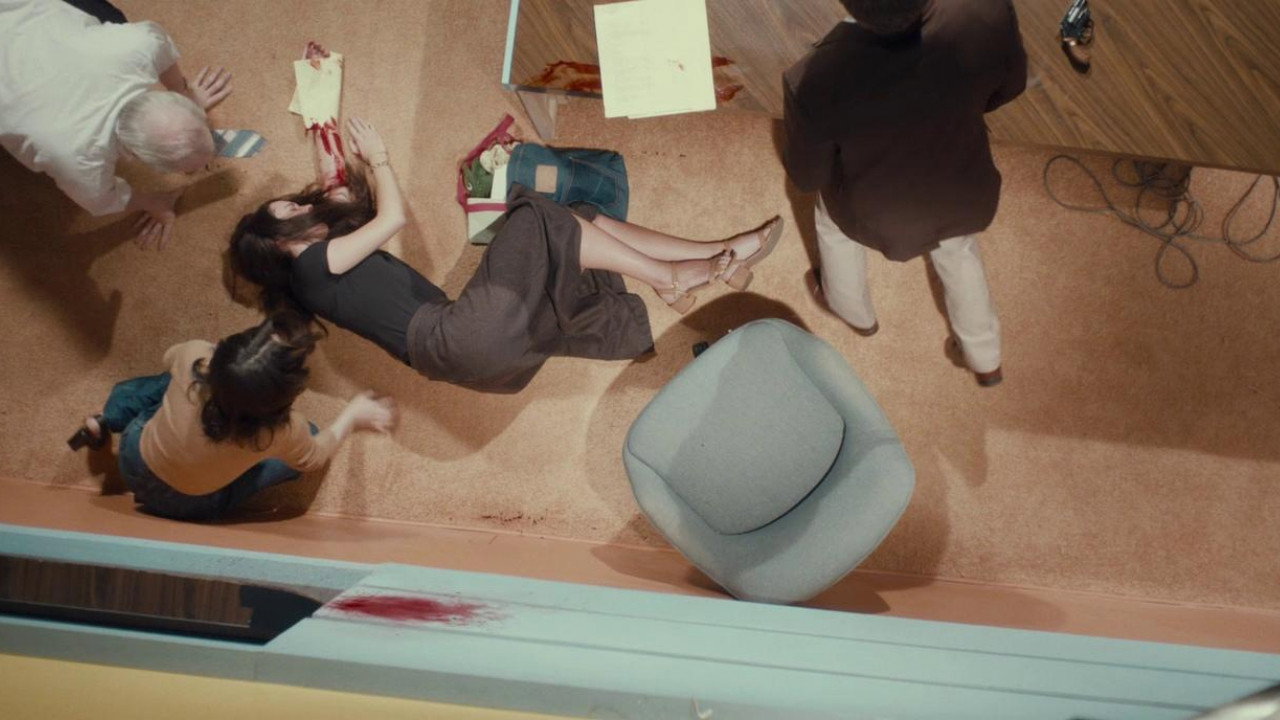
Then there is the last quarter of an hour, which we will not describe except to say that the film has to decide how much to show and for how long, and does not entirely make up its mind. The dread as it approaches is real; we sat still and did not want to be there. What we felt afterwards was unease at ourselves, for having waited for it, and we are not sure whether the film meant to produce that or simply did.
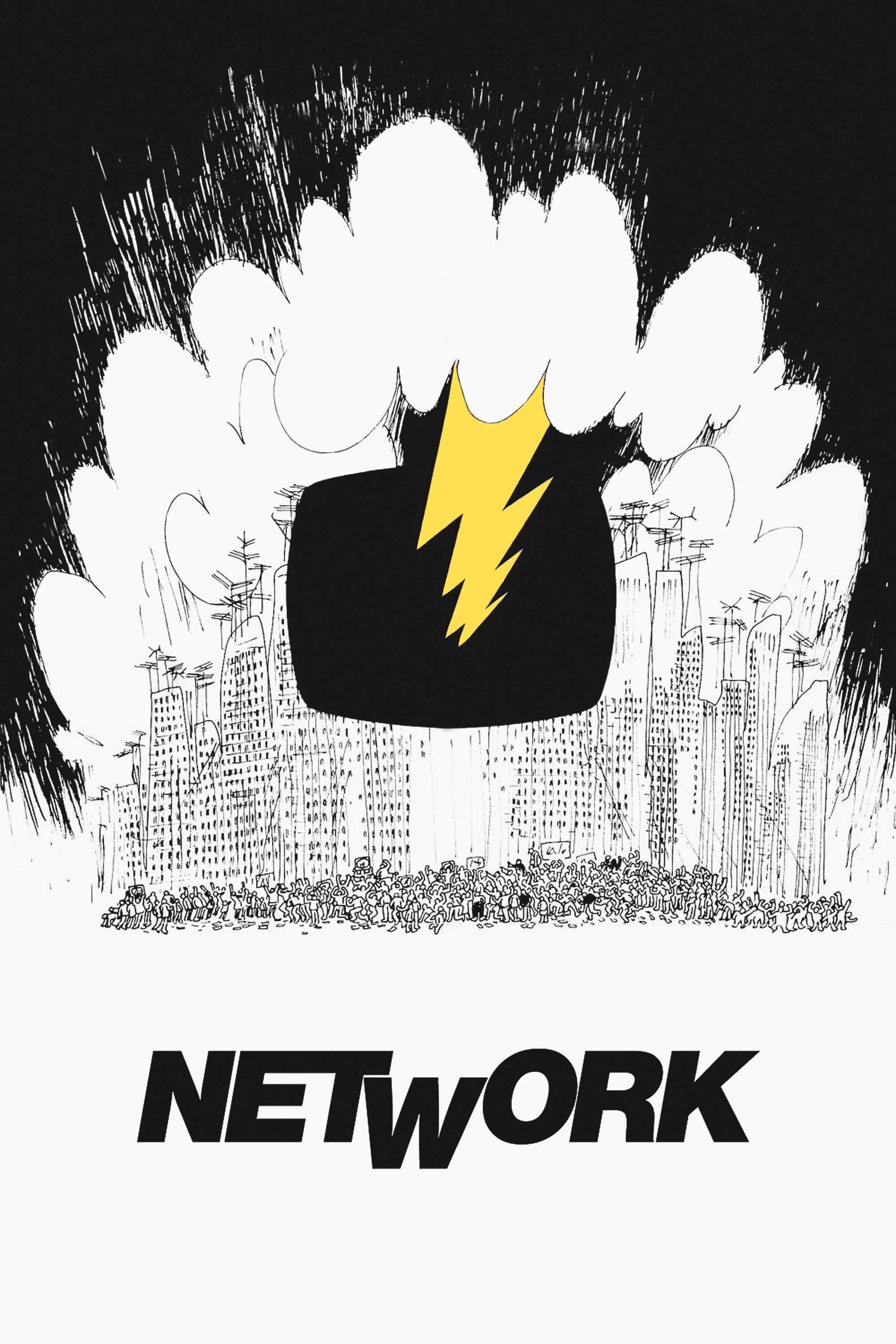
Sidney Lumet’s Network (1976) took the same decade’s newsrooms and made them loud and monstrous. Campos goes the other way and makes them small, cheap and ordinary, and that is the right instinct for this story. See it for Hall, and see it at home, where its quietness reads as care rather than caution. It runs 123 minutes and reached British cinemas on 27 January 2017.