Kirsten Dunst and Charlotte Gainsbourg make Lars von Trier’s apocalyptic drama painfully intimate. The middle lingers too long, but the performances make its depiction of depression worth the discomfort.
Lars von Trier’s Melancholia makes depression painfully recognisable within a story about a planet approaching Earth. We recommend it, with a warning that the middle prolongs the misery beyond what the drama can support. The science-fiction premise gives the characters something enormous to fear. Von Trier’s interest is in how they bear that fear, and in the difficulty of understanding distress that looks different from their own.
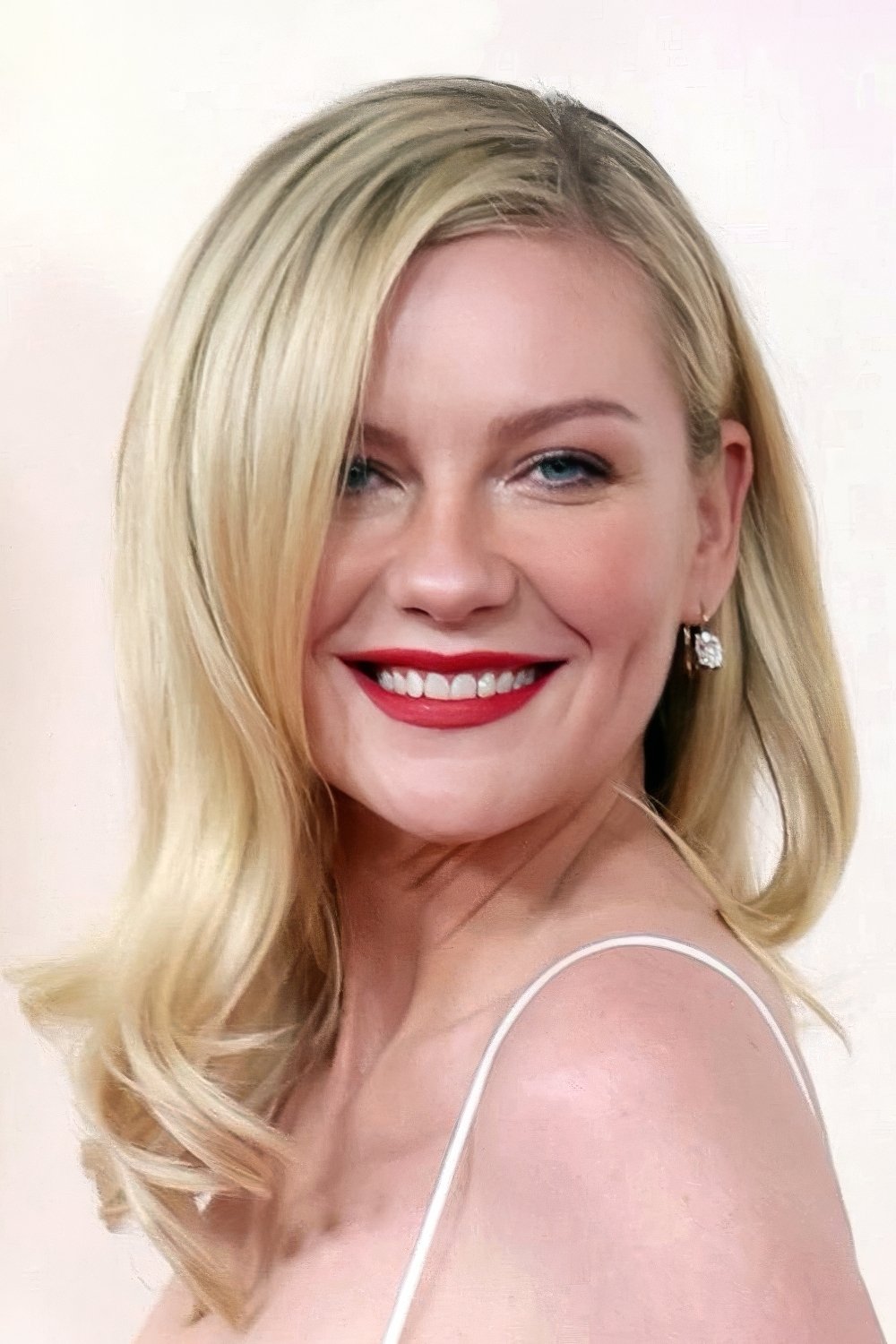
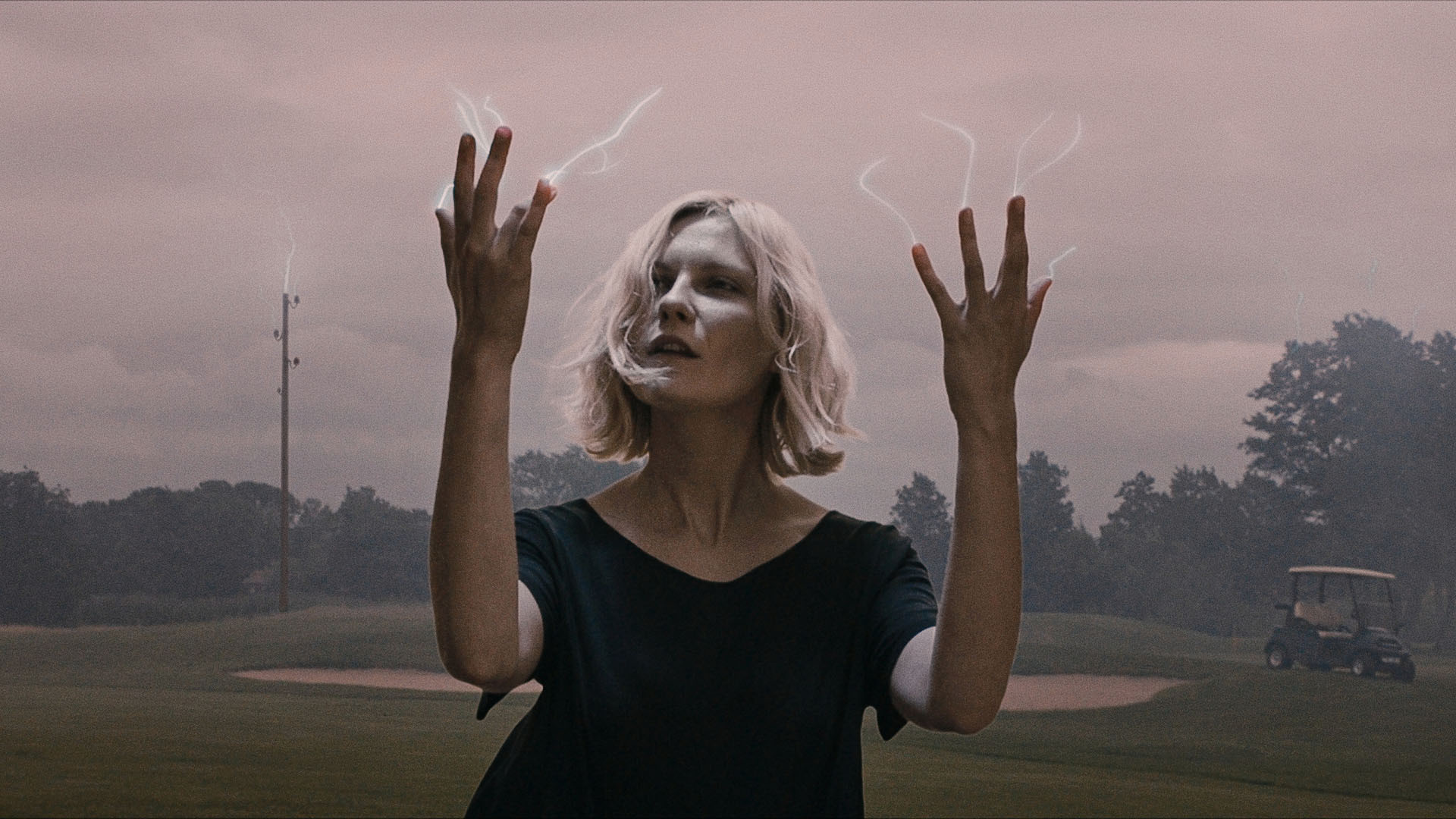
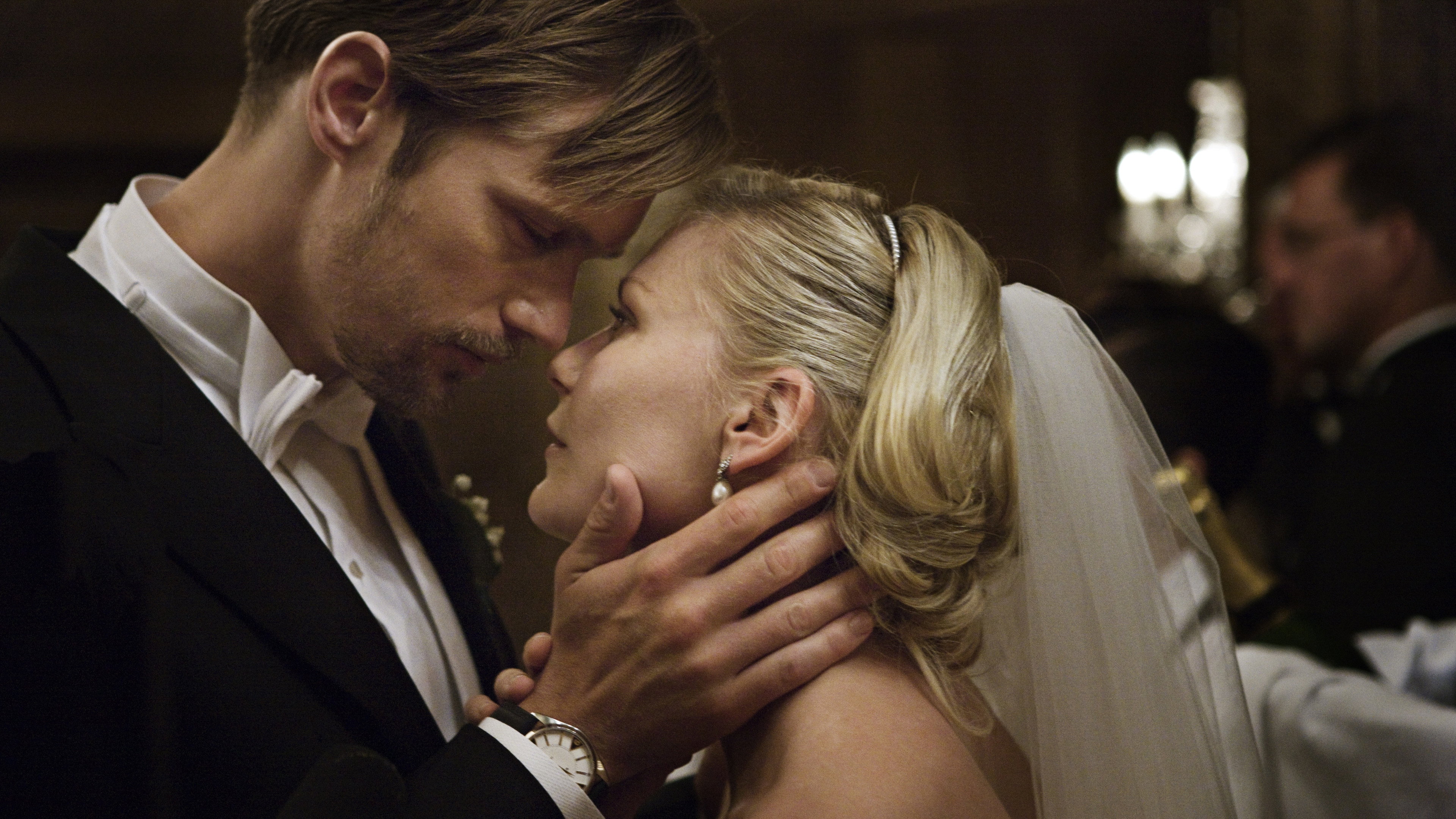
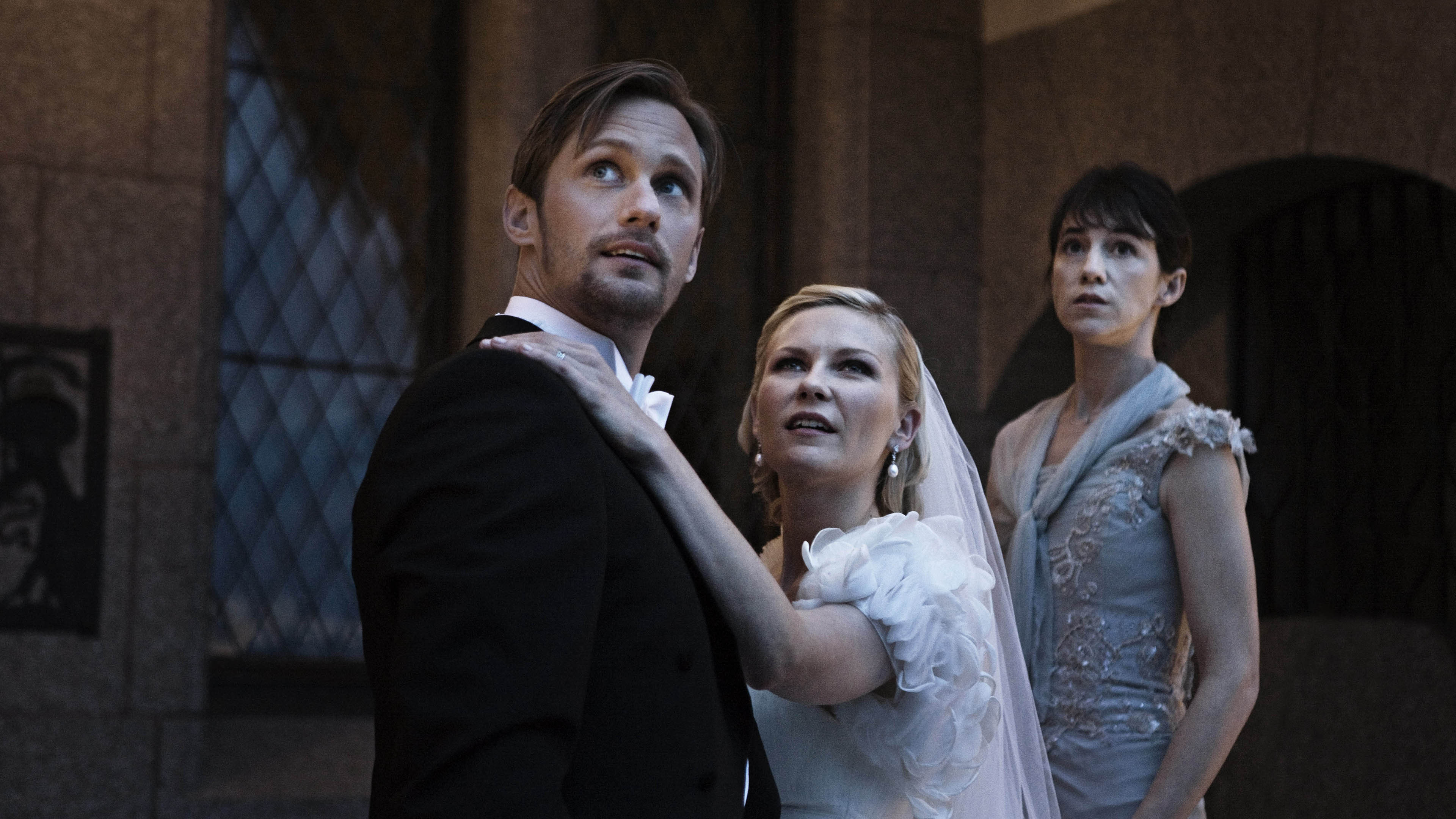
Kirsten Dunst plays Justine with a withdrawal that can make her difficult company, and does not apologise for it. We found her painful to watch: in the close-ups, the effort of responding to other people seems almost beyond her. An ordinary exchange can look exhausting when the feeling that should come with it has gone, and Dunst makes us register that work. Her performance does not offer the comforting assurance that a sufficiently sympathetic person could simply talk Justine out of this.
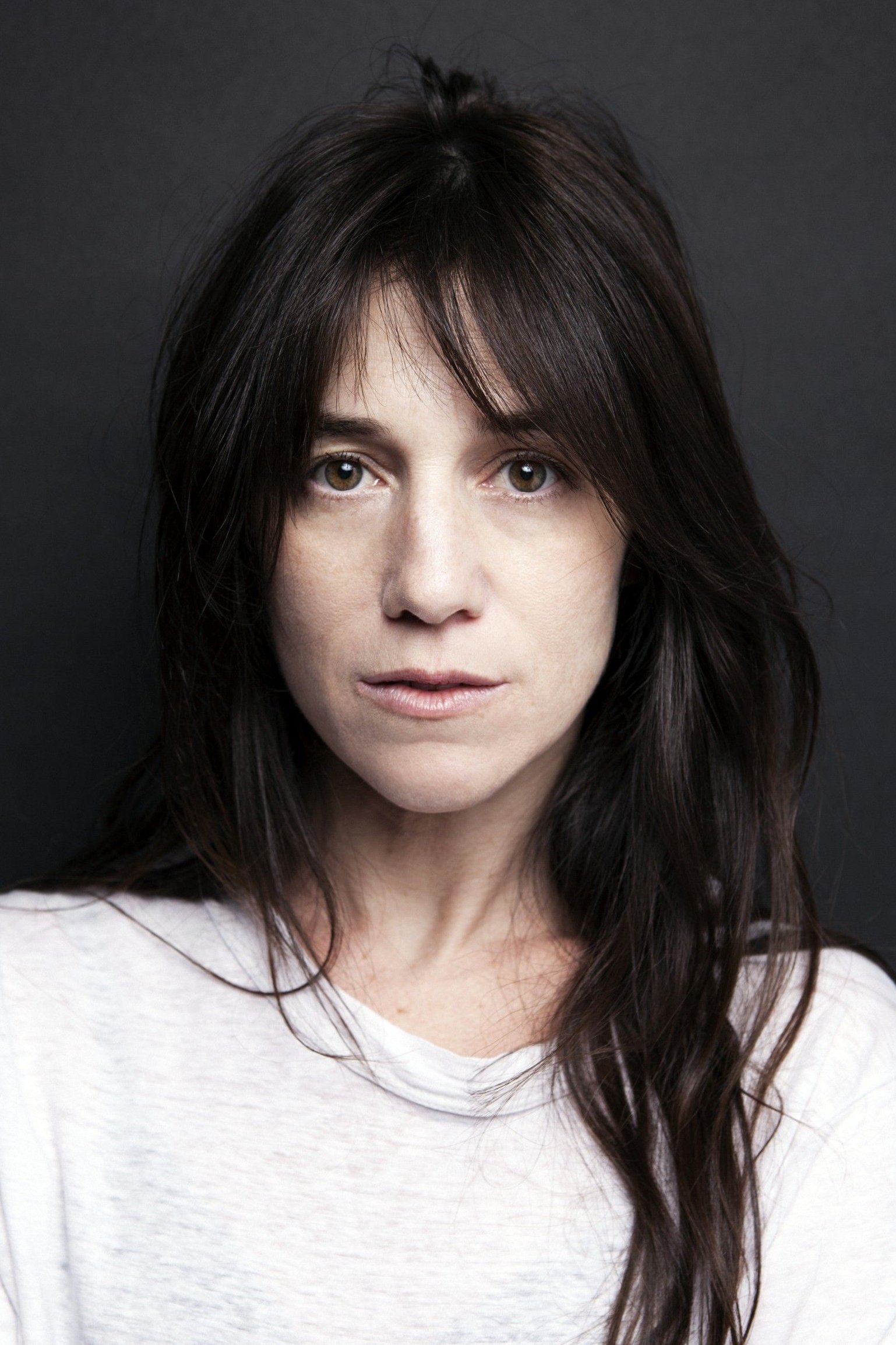
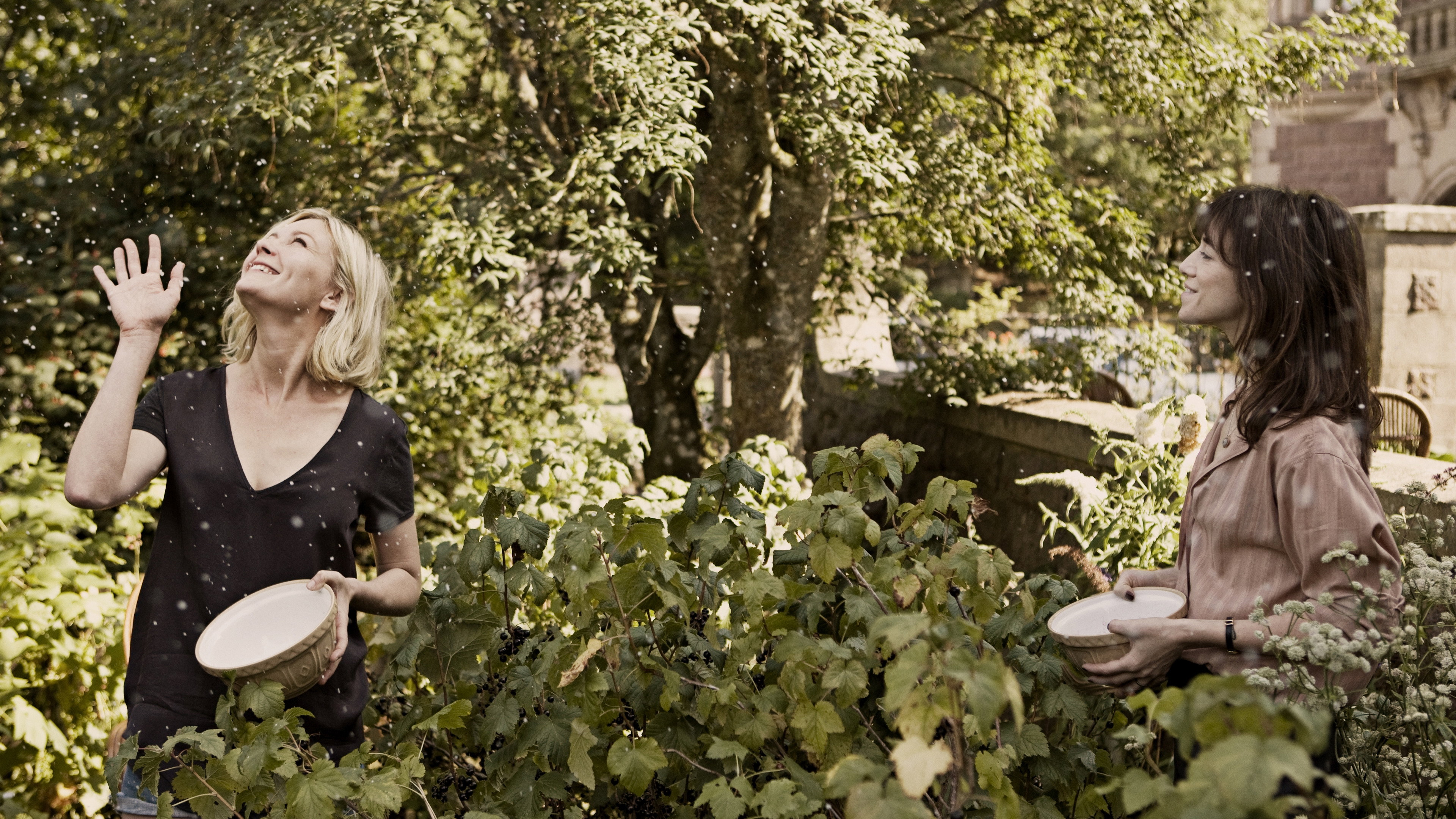
Charlotte Gainsbourg’s Claire is essential because the film needs more than one convincing response to danger. The sisters do not experience the threat in the same way, and Gainsbourg makes Claire’s anxiety urgent and recognisable. She is not there merely to help us understand her sister. Von Trier risks making depression look like a superior kind of knowledge, but Gainsbourg makes it hard to dismiss Claire simply because she is frightened.
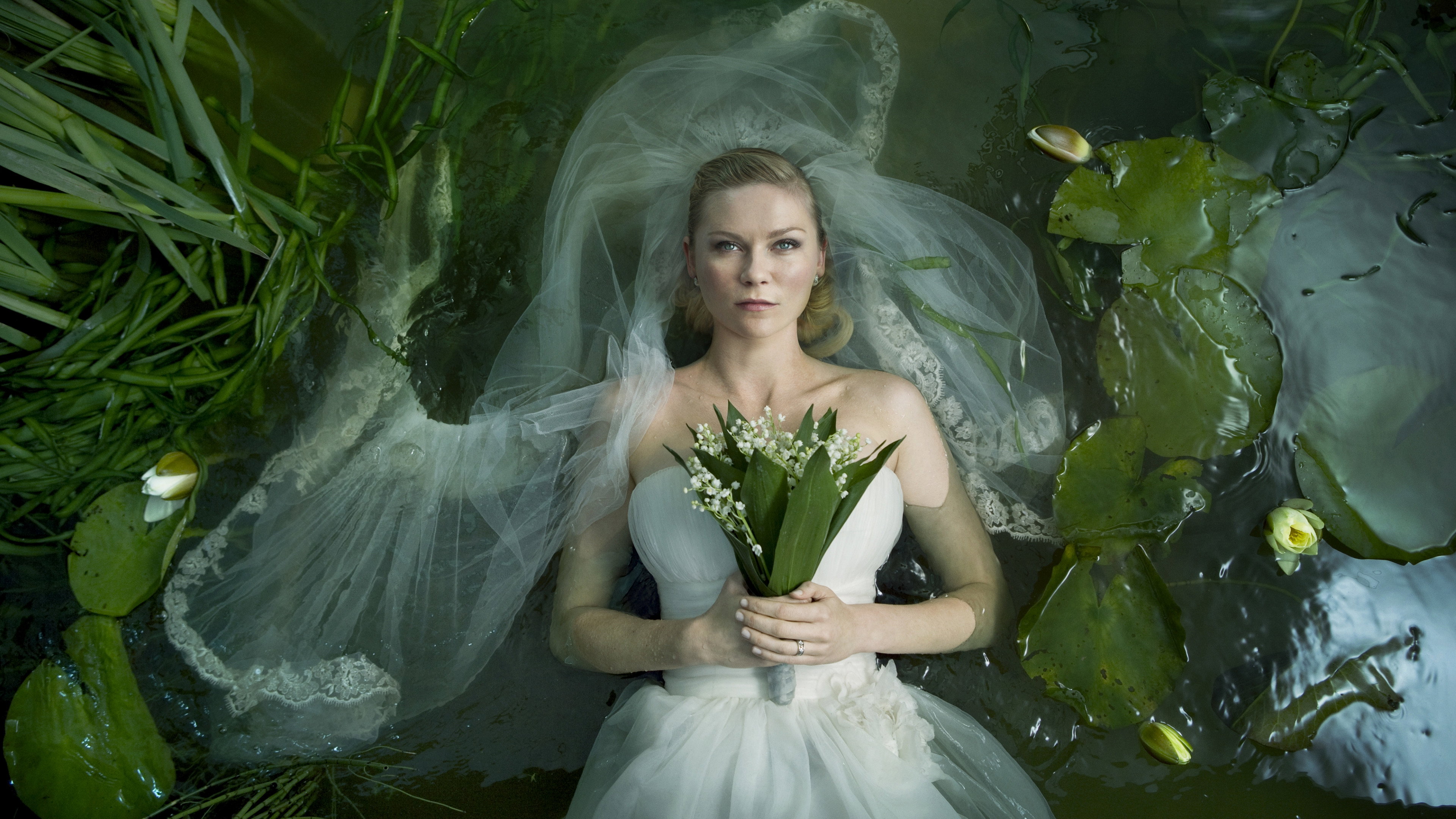
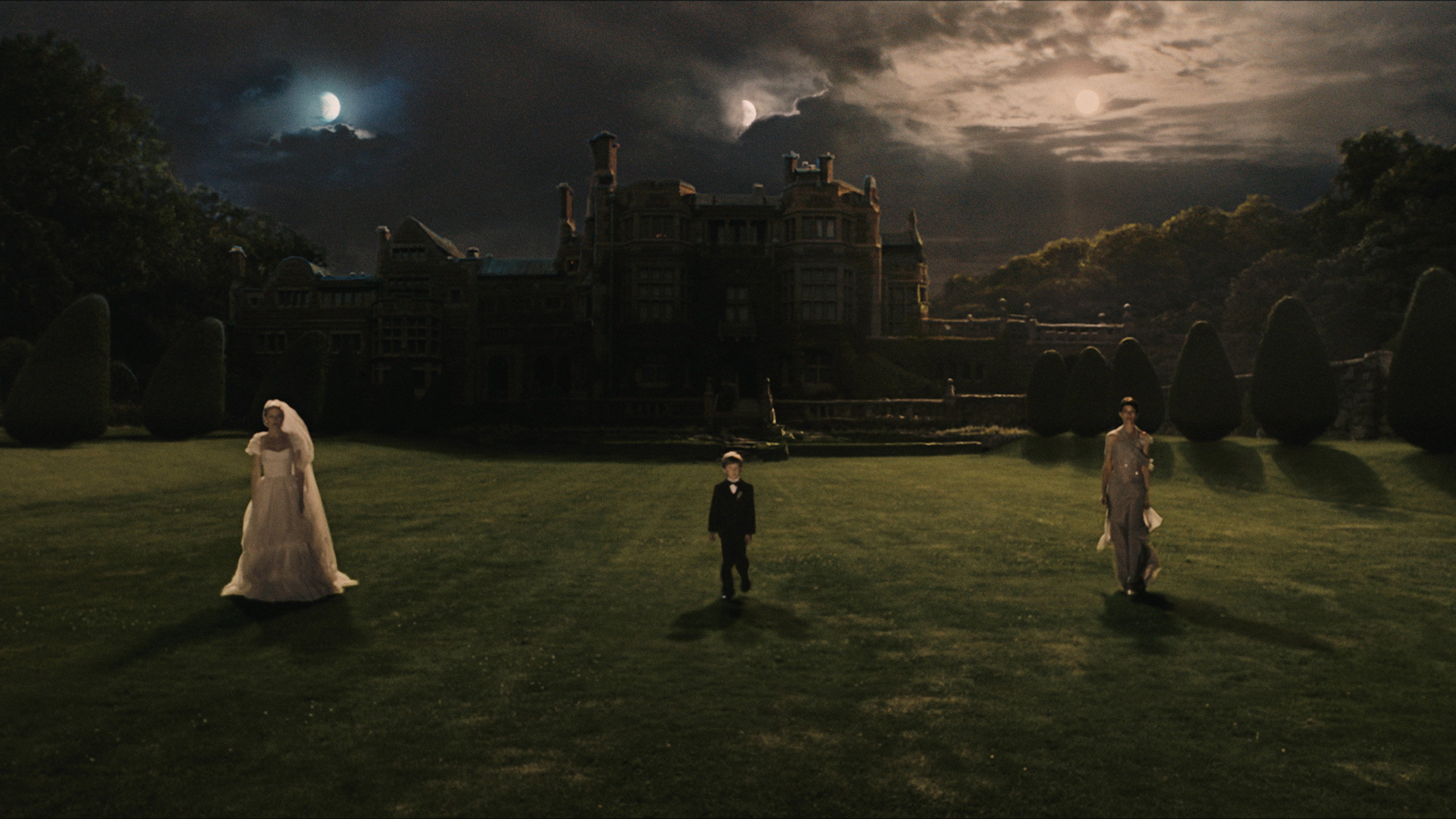
Cinematographer Manuel Alberto Claro sets the careful compositions of the opening montage against shaky close-ups. The close-ups work especially well: they let us study small changes in expression while the camera keeps moving. Jette Lehmann’s production design uses the country-house setting to keep the drama domestic when the threat could hardly be larger. The rooms give the sisters places to be apart without letting the film lose sight of either of them.
Wagner’s music gives the opening a grandeur that would be excessive in a smaller story, and the film earns that scale. Editor Molly Malene Stensgaard allows the later scenes enough time for discomfort to become hard to escape. The trouble is that the middle keeps going after we have understood what that discomfort means. We begin waiting for a scene to add something rather than deepen a gloom already established. Von Trier’s screenplay occasionally makes the wait harder with dialogue that sounds written to explain an attitude instead of spoken to another person.
The critical consensus is much cooler than our verdict, with much of the objection centred on remote characters and prolonged gloom. We think those reviews undervalue the work Dunst and Gainsbourg do in making that gloom specific to two people. As science fiction, the film is unusually prepared to hold on a face when it could be explaining the danger or supplying another spectacle. The pacing needs work, but we cared about these women too much to find the film empty.
Give it an evening when there is room for something difficult. Its 136 minutes are best taken without distractions, particularly when little appears to be happening. We would leave a little quiet afterwards rather than go straight in search of something cheerful.