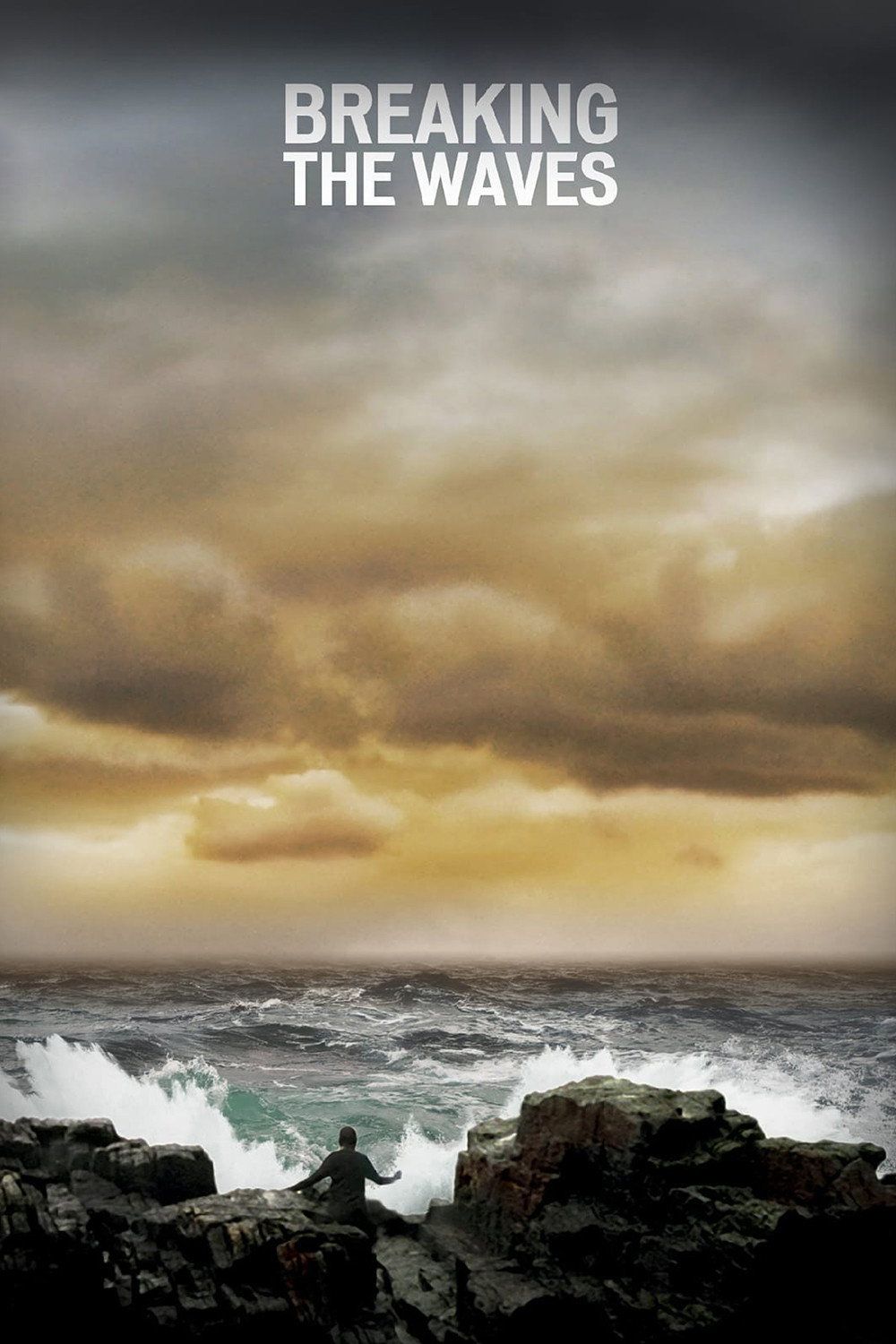
Lars von Trier can make devotion painfully convincing, then demand more suffering than we can accept. We rate the emotional force of Breaking the Waves highly, while questioning his habit of treating cruelty as evidence of love.
Fi1m perspective
Emily Watson's unguarded expression in Breaking the Waves (1996) makes Bess McNeill's trust in love seem painfully vulnerable to abuse. We were upset by how little she appears to protect herself; Watson makes that openness believable without asking us to approve of it. Von Trier takes Bess's faith seriously, despite the risk of looking foolish, and that gives the film much of its force. We recommend it for that emotional force, with a firm reservation about the suffering he treats as proof of devotion.
The early films formed the Europa trilogy, beginning with his first feature, The Element of Crime (1984), and ending with Europa (1991). He co-founded Dogme 95 with Thomas Vinterberg in 1995, then brought its influence into melodrama with his international breakthrough, Breaking the Waves. The Idiots (1998) was his only official Dogme feature. Dogville (2003) turned to theatrical, minimalist staging; Antichrist (2009) and Melancholia (2011) pursued extreme states of mind. Across these changes, he moves between handheld naturalism and highly stylised images, without losing his interest in goodness, suffering and sacrifice.
Calling him merely a provocateur misses the seriousness with which Breaking the Waves treats Bess's beliefs. Her severe religious community supplies certainty about right and wrong; her feelings do not fit comfortably inside it. Von Trier makes us consider self-sacrifice as an obligation within marriage, and there is courage in making a romance so uncomfortable. Watson's performance keeps that discomfort attached to a person we care about. Without her generosity, the story's demands would be much harder to bear.
The objection is to what von Trier then asks that performance to justify. As writer and director, he too often makes Bess's willingness to suffer stand as evidence of the depth of her love. We can believe her without accepting that cruelty makes her devotion meaningful. His willingness to risk our sympathy deserves credit, but the repeated insistence on suffering can become manipulative. Start with Breaking the Waves for Watson, and be prepared to disagree with the man directing her.
Biography
Lars von Trier, also credited as Lars Trier, is a Danish film director and screenwriter. He was born on 30 April 1956 in Kongens Lyngby, Denmark, and trained at the National Film School of Denmark, graduating in 1983.
He directed and co-wrote Breaking the Waves (1996). Von Trier co-founded the Dogme 95 movement with Thomas Vinterberg. His other films include The Idiots (1998), Dancer in the Dark (2000) and Dogville (2003).