Lars von Trier’s detective film makes a rain-soaked Europe memorably oppressive, then struggles to make its murder investigation matter. The sepia photography warrants the effort for the visually curious, though the dialogue and sluggish pursuit test our patience.
The Element of Crime is worth the trouble for its oppressive images, though the detective work gives us much less to hold on to. Lars von Trier sends Fisher (Michael Elphick) through a rain-soaked Europe in pursuit of a serial killer, with the investigation filtered through hypnosis. This allows the film to move with the uncertainty of a bad dream. It also provides rather too convenient an excuse for a story that struggles to make its next question interesting.
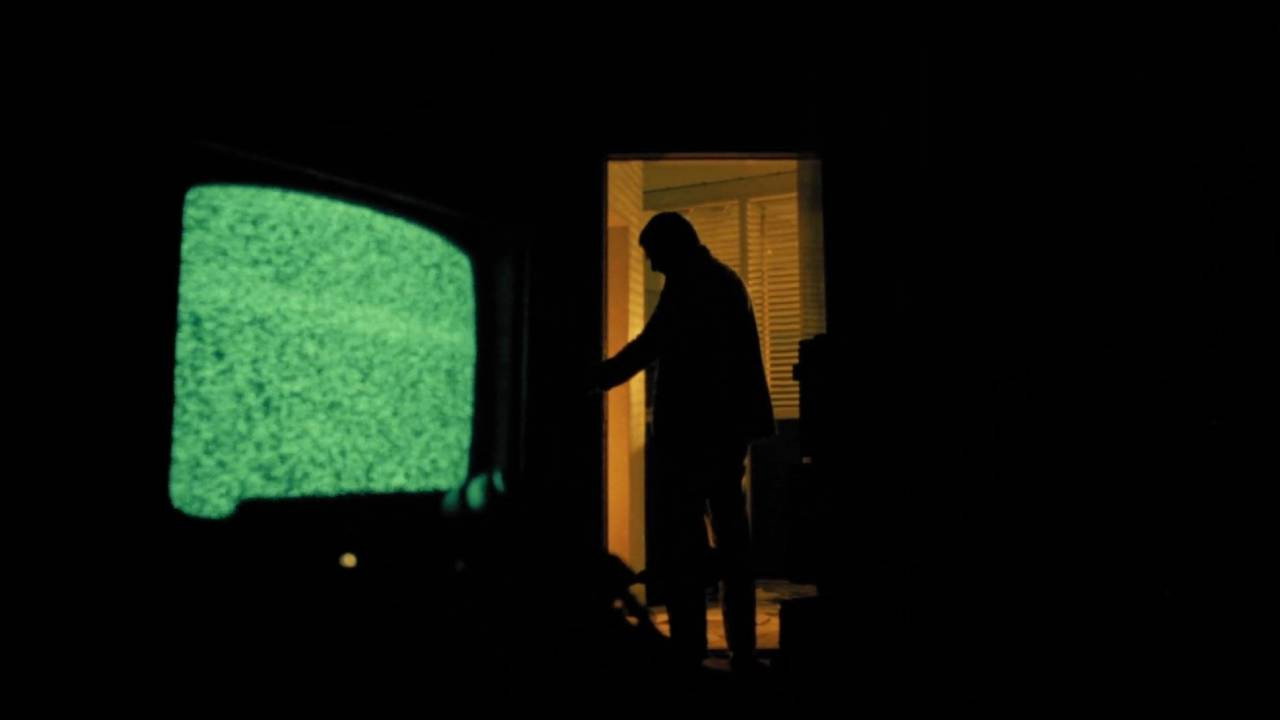
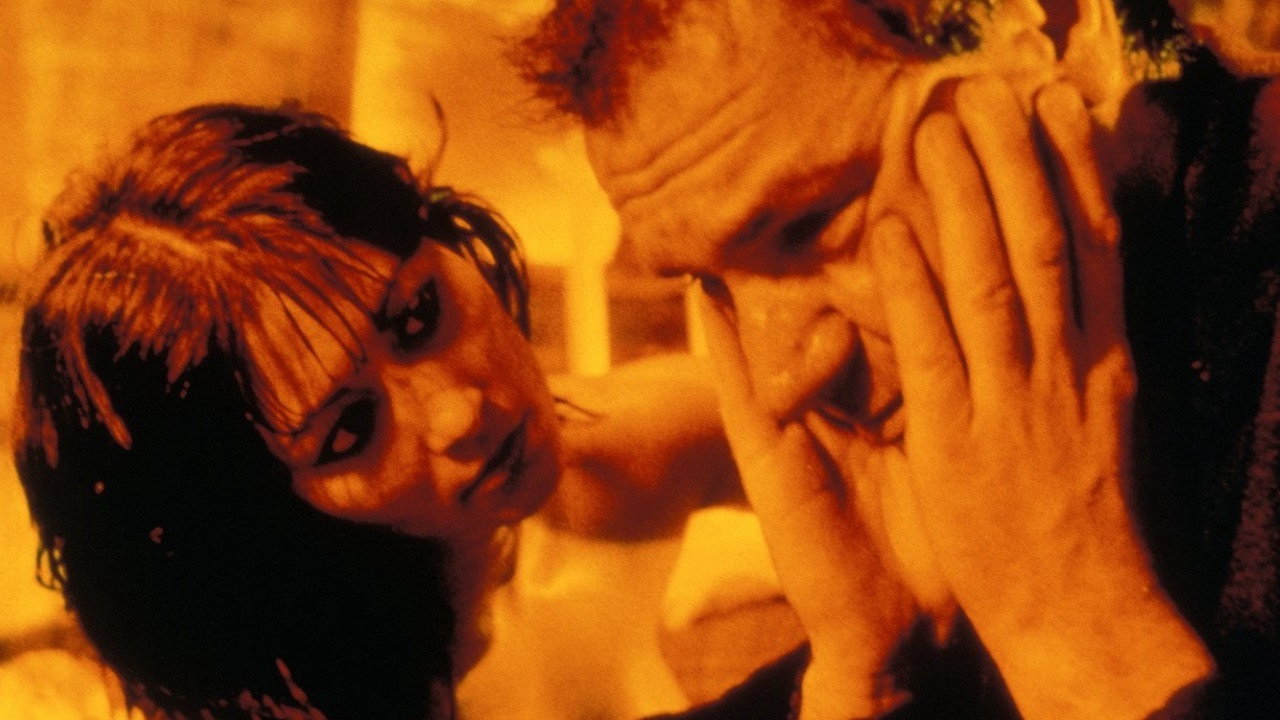
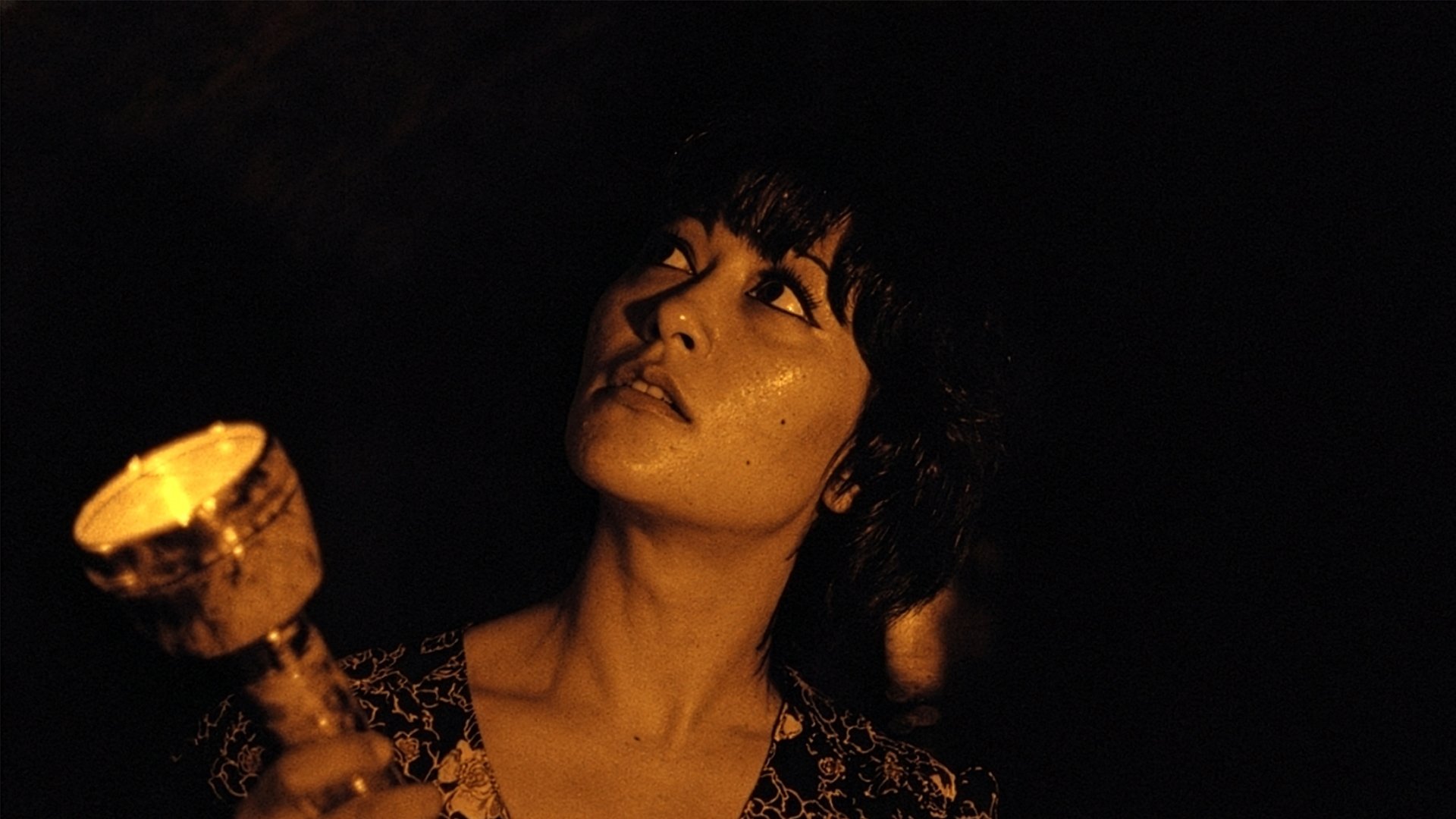
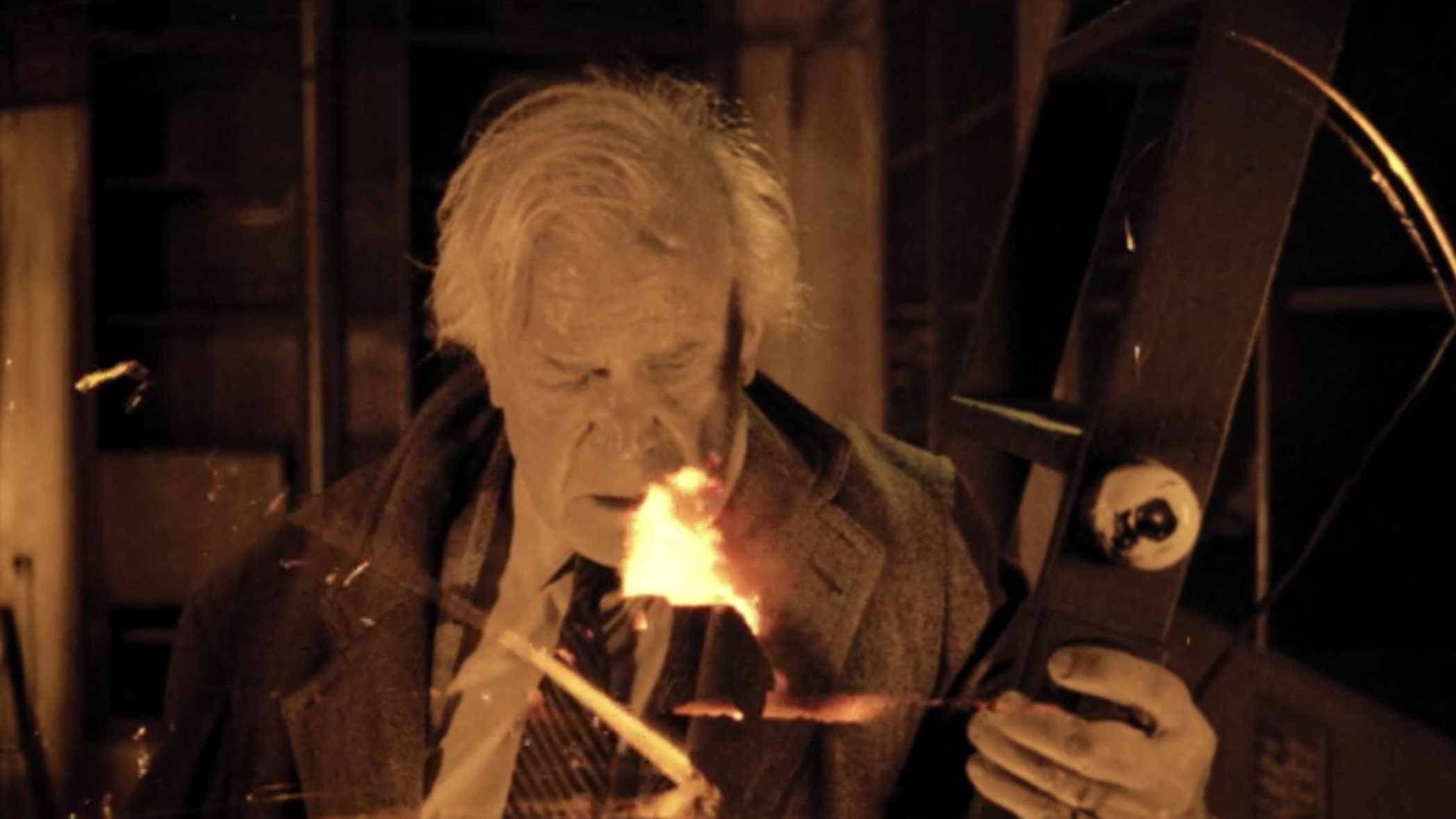
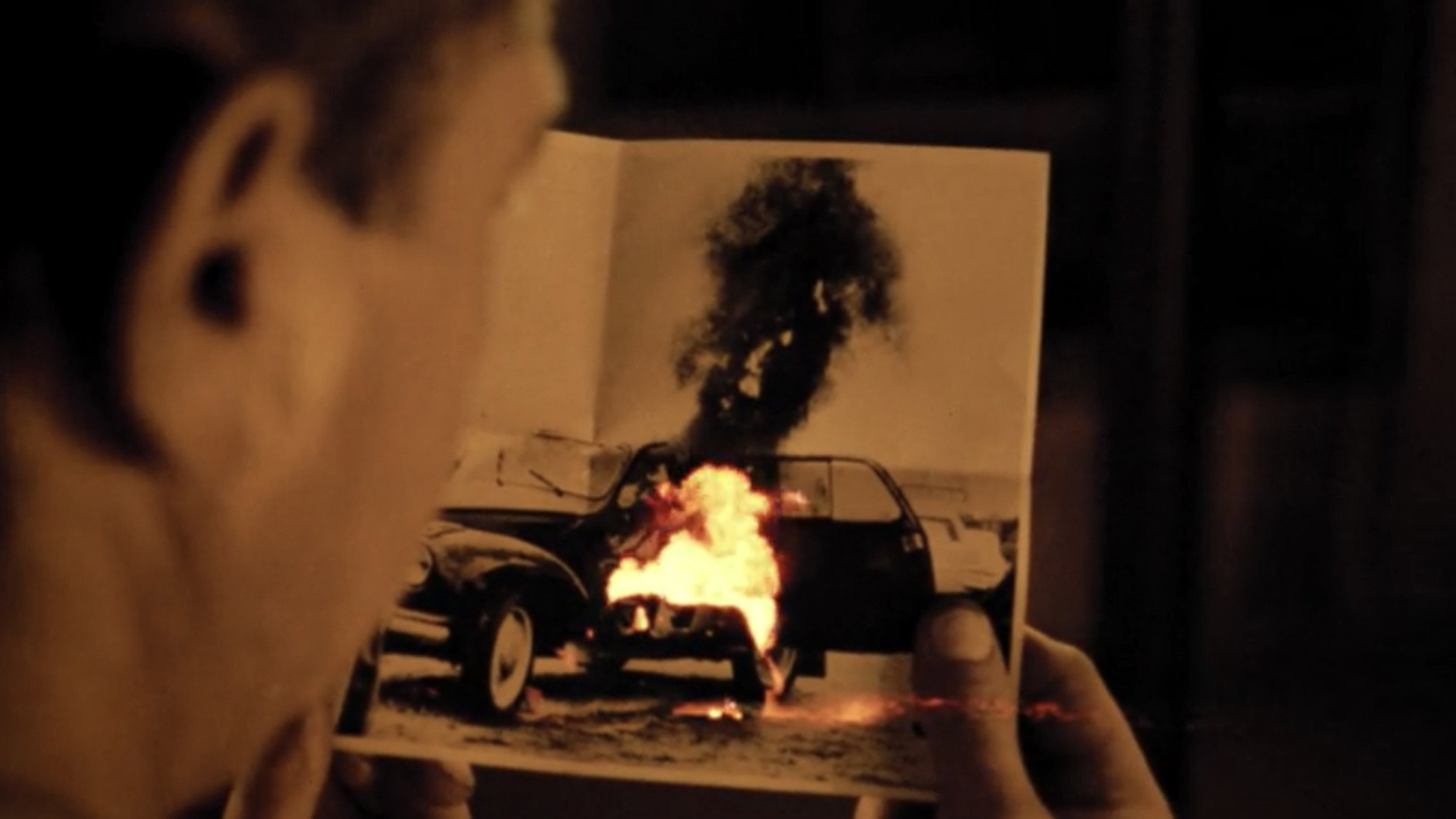
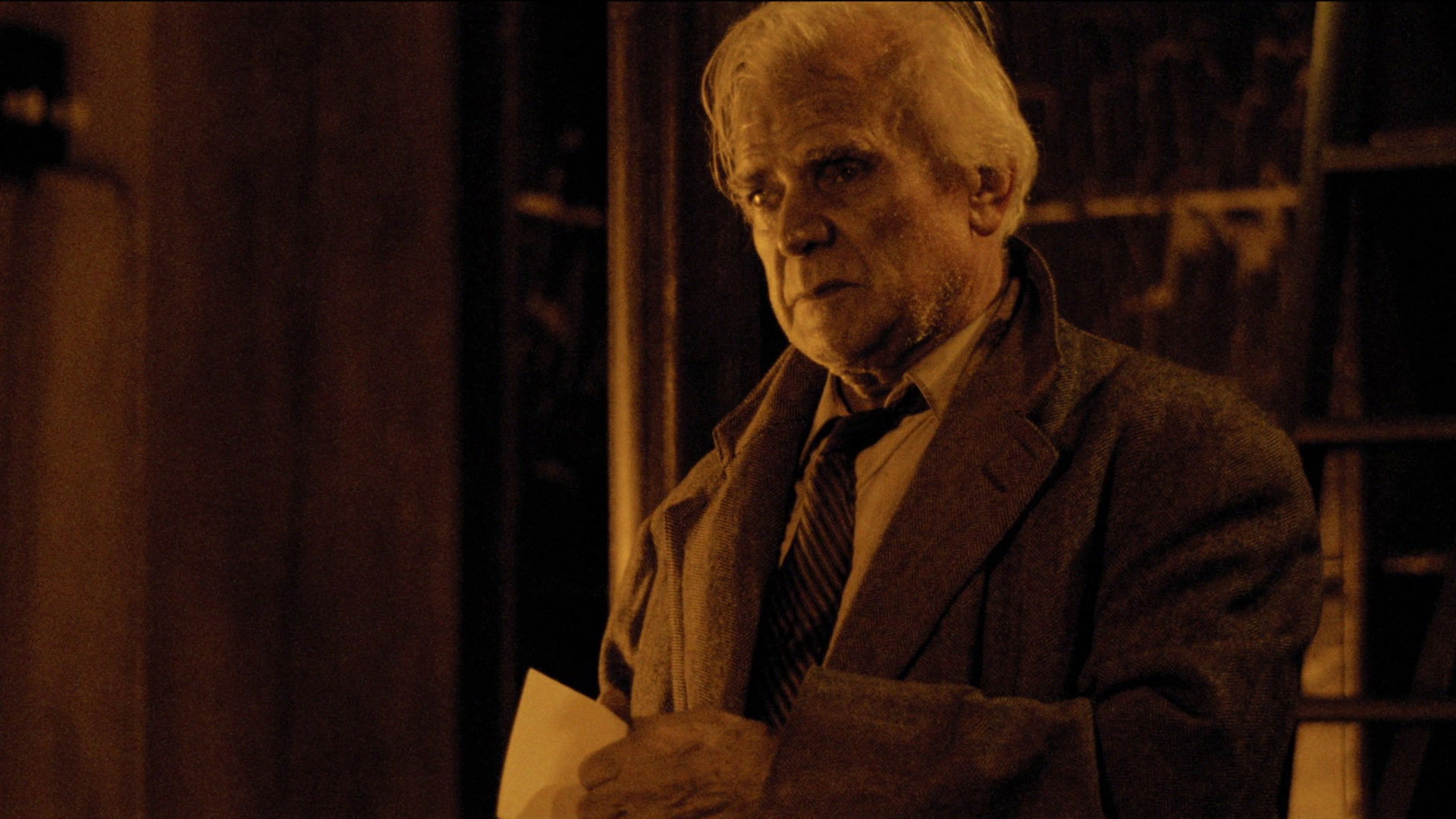
Tom Elling’s cinematography gives the place a sickly yellow-brown cast, draining the usual reassurance from familiar spaces. The persistent rain makes it difficult to imagine anyone getting comfortable, let alone getting clean. We felt hemmed in by that light and weather. The colour leaves so little relief that even looking for a detail in the image becomes an uneasy business. The cinematographer earns the discomfort through sustained control, although the same palette eventually starts to wear us down.
Peter Høimark’s production design makes the sodden European setting feel like somewhere ordinary life has become difficult. The surroundings hold our attention when the case does not. Tómas Gislason’s editing does little to give the search momentum once that first discomfort has taken hold. Scenes have room to establish their atmosphere, but the pauses do not consistently deepen the mystery or sharpen our interest in Fisher.
The screenplay by Niels Vørsel and Lars von Trier has a useful starting point in Fisher’s pursuit of the ‘lotto murders’ under his mentor’s influence. A detective whose approach depends so heavily on somebody else need not be reassuring company. Yet the dialogue makes the case harder to enter without making the people more interesting. The obscurity begins to feel unnecessary because the film gives us too few clear reasons to care about what Fisher discovers.
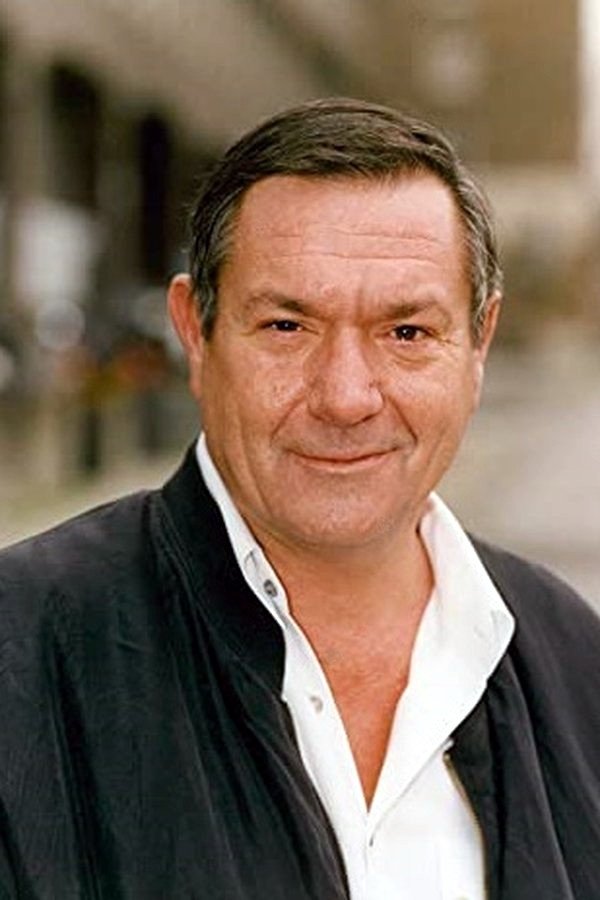
Michael Elphick is a useful centre for all this visual insistence, giving Fisher a battered, unglamorous presence. His weariness is credible, and the performance does not need to announce how unpleasant the surroundings are. Esmond Knight plays Osborne, the mentor whose influence shapes Fisher’s approach. The screenplay makes that connection important to the case without giving the relationship enough weight to make us care about it.
Bo Holten’s music reinforces the unease, though it cannot make the faltering inquiry feel urgent. The mixture of crime and science fiction permits a Europe that need not obey the rules of an ordinary police drama. That freedom is worth having, and the film uses it well when it asks us simply to look. But a detective story, however strange, needs to make us curious about the next discovery. Too often we are waiting for the next striking image instead.
There is enough control here to make the shortcomings frustrating rather than merely dull. The images stay with us, especially that exhausting yellow light, long after the details of the case have begun to blur. At 104 minutes, it still feels stretched, and anyone wanting a firmly plotted mystery has fair reason to pass. Go in prepared to be unsettled, and to do without the pleasure of a well-built mystery.