Film review

Breaking the Waves

1996 · Directed by Lars von Trier · 2h 39m · MPA R

In a sentenceEmily Watson gives everything; we spent much of the film wishing somebody would tell her she could keep a little

DramaRomance

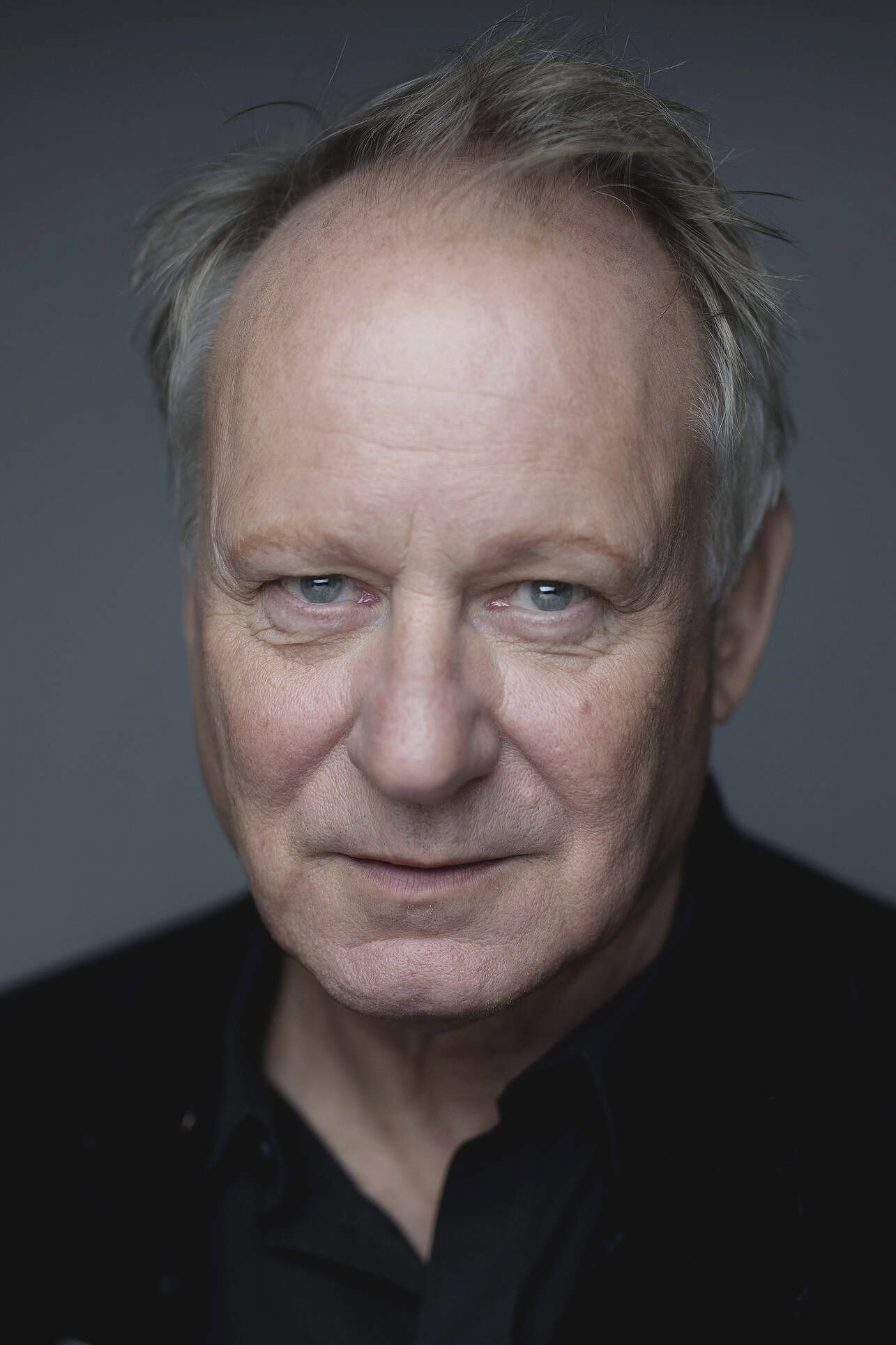
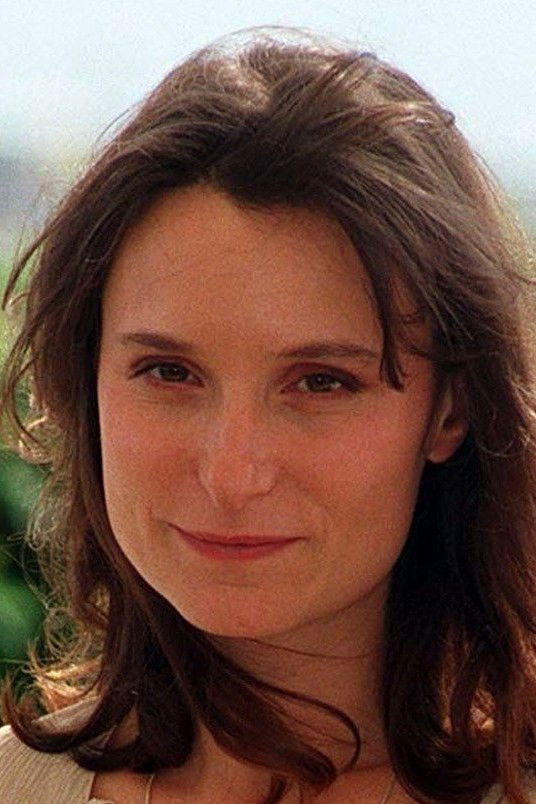
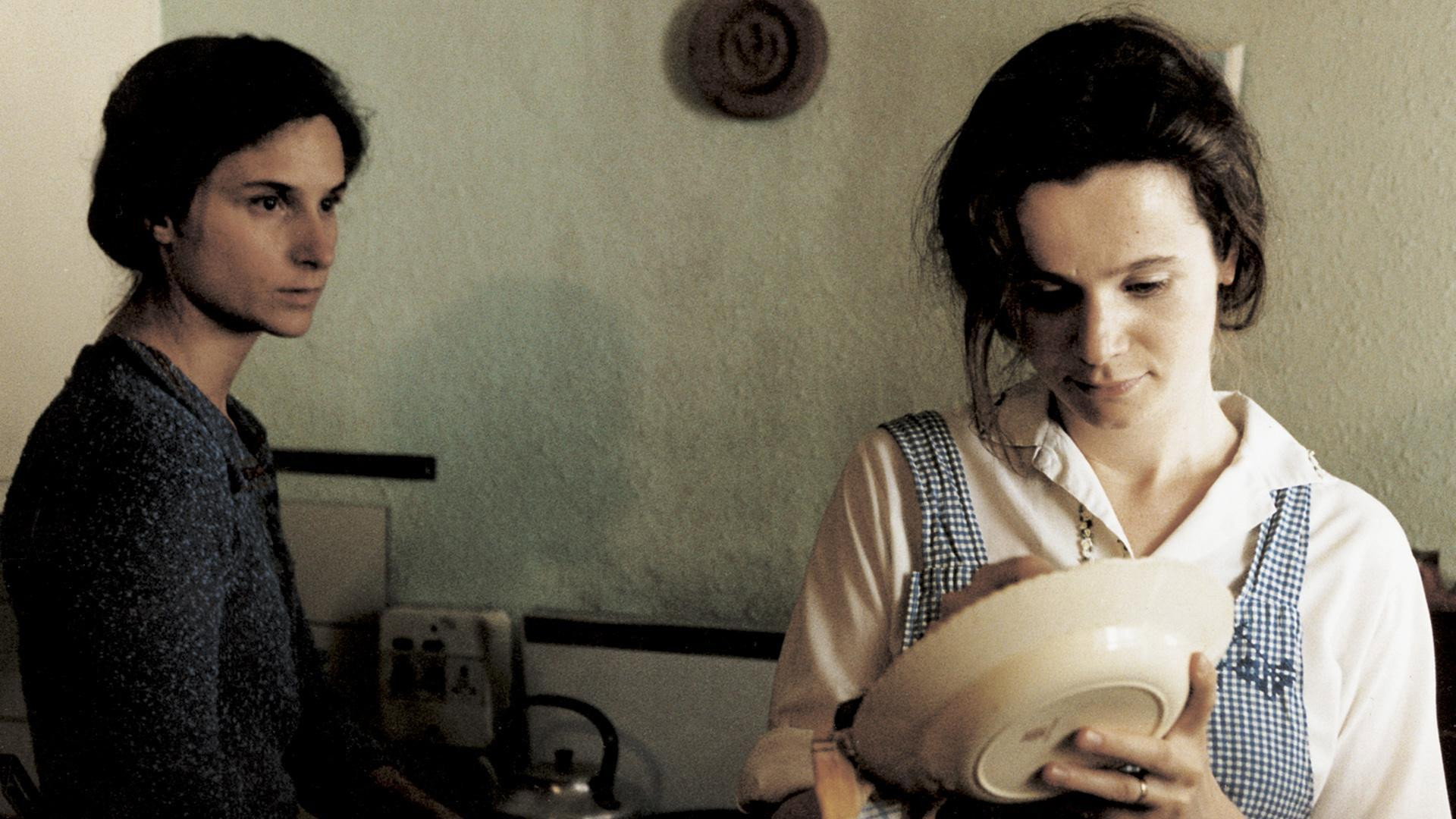
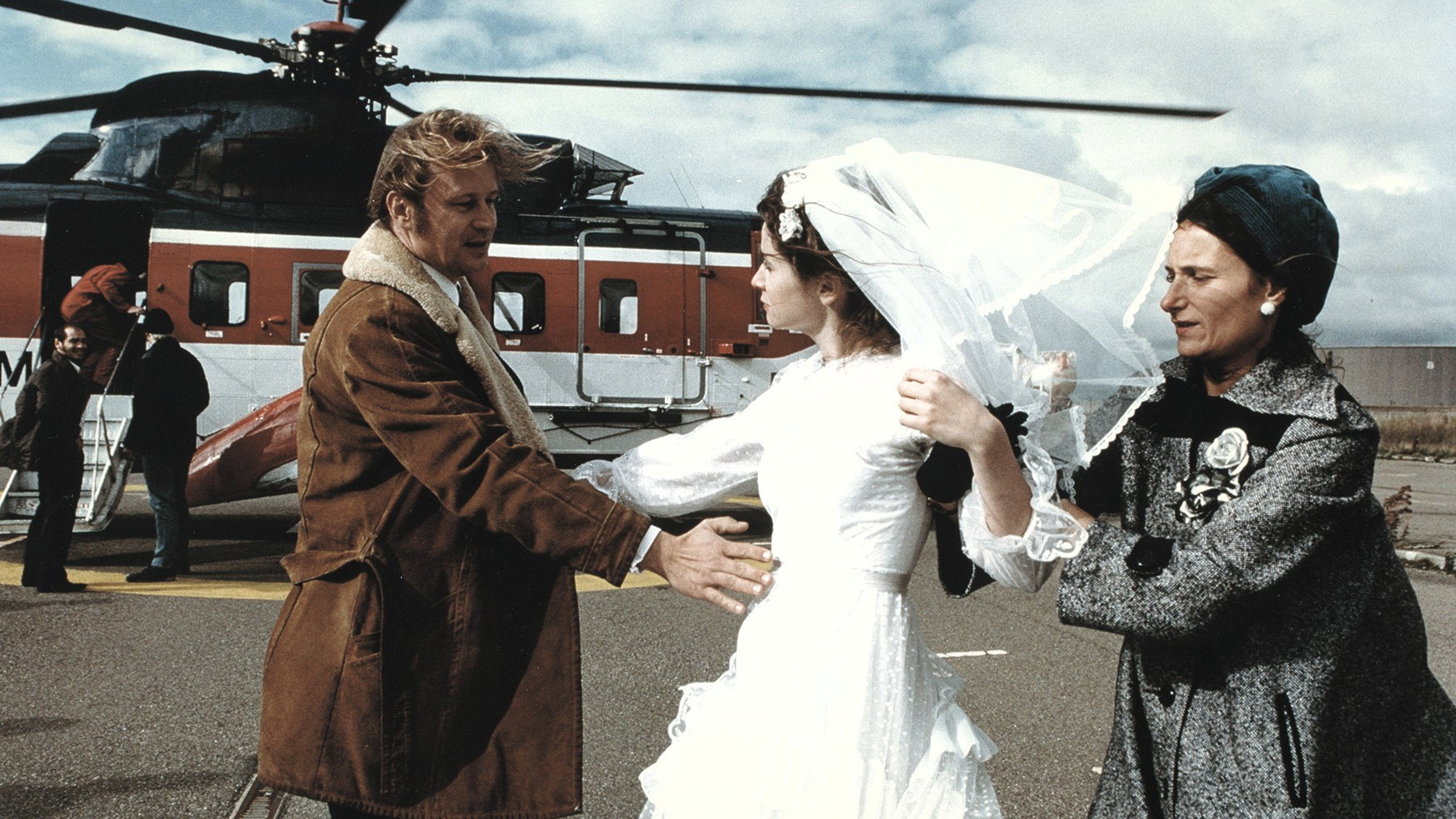
A young woman living in a severe religious community, Bess McNeill (Emily Watson) gives herself to love with the same commitment she brings to her faith. She is a wife who regards selflessness as a duty, yet her devotion raises questions about what love can ask of a person. Religious expectations and personal feeling become difficult to separate as she tries to decide what is right. Stellan Skarsgård plays Jan Nyman and Katrin Cartlidge plays Dodo McNeill in Lars von Trier’s drama about belief, marriage and sacrifice.

Plays from YouTube when you press play; nothing loads from them until then.

Fi1m review

Emily Watson makes Lars von Trier’s drama of faith and self-sacrifice painfully affecting. We recommend it for her performance and its emotional force, with a firm warning about the suffering he asks us to accept.

Lars von Trier’s Breaking the Waves is a powerful melodrama with a troubling habit of treating suffering as proof of love. We recommend it, although we cannot accept everything it asks us to believe. Emily Watson’s Bess McNeill gives herself to devotion with a completeness that makes caution look almost dishonest. The film takes her faith seriously, and that willingness to risk seeming foolish gives it much of its force.

Bess belongs to a severe religious community, and von Trier puts her personal feelings up against its certainty about right and wrong. He is interested in what happens when a woman regards self-sacrifice as an obligation, especially within marriage. That is difficult material, and there is courage in making a romance so uncomfortable to watch. There is also a danger that Bess will become a convenient person to hurt whenever the film needs to insist on its importance.

Watson prevents that from happening for long stretches. Her Bess is so open in her love that we feel protective of her before we have decided what to make of her beliefs. We were upset by Watson’s unguarded expression, which makes Bess’s trust in love seem painfully vulnerable to abuse. It is an exposed performance, and its generosity keeps us close even when von Trier’s demands begin to seem unreasonable.

Robby Müller’s cinematography is an important part of that discomfort: its rawness denies us a comfortable distance from Bess. The images can be abrasive, but they suit the emotional exposure Watson allows. Karl Júlíusson’s production design helps make the community’s severity feel ordinary to those who live within it, which makes their certainty more disturbing. It is an oppressive setting for a love story, without much suggestion that Bess might be allowed to think differently.

Anders Refn’s editing gives the performances room, but the 159-minute running time still feels longer than the story needs. The repeated insistence on devotion and suffering becomes tiring, even when individual passages retain their force. Joachim Holbek’s music adds to the emotional pressure; we sometimes wished for less encouragement to feel what Watson has already made clear. Katrin Cartlidge, as Dodo McNeill, brings a welcome firmness to a film so committed to Bess’s vulnerability.

Von Trier writes as well as directs, and the responsibility for our unease belongs with him. Too often, the story asks us to accept that Bess’s willingness to suffer makes what happens to her meaningful. We can believe in her love without agreeing that cruelty is the right way to demonstrate its depth. This is where the film feels manipulative, despite the honesty of the actors, and where its seriousness becomes least convincing.

As a romance, it has little interest in the reassurance the genre can offer. Its religious questions are taken seriously enough to be disturbing, even when von Trier pushes too hard for our response. Watson is the reason we would return: she makes Bess worth attending to beyond any debate about the director’s treatment of her. Choose it when there is room for a difficult film, and do not expect the love story to provide much comfort.

Critical consensus AI synthesised

78
Positive
5
Mixed
0
Negative
1

Most critics respond strongly to Breaking the Waves, finding emotional force in its disturbing treatment of love, faith and sacrifice. Praise centres on Emily Watson’s performance as Bess: even reviews suspicious of Lars von Trier’s methods regard her as the film’s source of feeling and substance. The performances draw more consistent approval than the ideas, with Time Out also singling out Katrin Cartlidge and Robby Müller’s camerawork for their raw power.

The reservations concern how von Trier treats his heroine and how much weight his religious themes can bear. Time Out questions whether the suffering borders on sadism, while The Guardian finds manipulation and absurdity alongside the force of Watson’s work. The spread is wide despite the positive majority: the Los Angeles Times offers the clearest dissent, acknowledging the filmmaking skill and Watson’s vitality but finding juvenile ideas beneath the suggestion of profundity.

The Times
3 August 2023 · ★★★★★ · Kevin Maher
100

This is peak early von Trier, an earnest and harrowing heartbreaker that launched the director globally and features a monumental, never-equalled performance from Emily Watson as the determined yet unstable Bess.

Read the full review →
The AV Club
16 April 2014 · A- · Mike D'Angelo
90

The film marks von Trier's reinvention toward emotional truth and heart-wrenching performances, especially Emily Watson's as Bess. It remains bracing and pure in its vulnerability despite its disturbing plot of faith, love, and self-sacrifice.

Read the full review →
The New Yorker
11 November 1996 · Terrence Rafferty
80*

An erotic-metaphysical fantasy about a young woman's transformation into a saintly figure through love and sacrifice in a severe religious community. Rafferty singles out von Trier's recognition of the aphrodisiac properties of religious imagery.

Read the full review →
Time Out
23 July 2015 · ★★★★ · GA
80

The critic finds this epic melodrama about love, faith, suffering and redemption emotionally overwhelming. They single out the raw power assured by the forthright performances (especially Emily Watson and Katrin Cartlidge) and Robby Müller's camerawork, while questioning whether the film's treatment of its heroine borders on sadism.

Read the full review →
The Guardian
4 August 2023 · Peter Bradshaw
75*

The critic finds the film a ridiculous yet forceful hoax-like ordeal from von Trier that manipulates audiences, but praises Emily Watson's luminous, generous performance as the selfless wife as the element that gives it substance.

Read the full review →
Los Angeles Times
20 November 1996 · Kenneth Turan
40*

Skillful and provocative filmmaking that ultimately offers the flimsy illusion of profundity rather than the real thing. Turan praises Emily Watson's alive performance as the expressive heart of the film but criticizes its trite and juvenile ideas.

Read the full review →

Cast

Stills

Awards

Academy Awards, 1997

Nominated
Best Actress

Silver nugget for the best foreign film, 1997

Won
Silver nugget for the best foreign film

Amanda Award for Best Nordic Feature Film, 1996

Won
Amanda Award for Best Nordic Feature Film

Cannes Film Festival, 1996

Won
Cannes Film Festival Grand Prix

European Film Academy Critics Award, 1996

Won
European Film Academy Critics Award

European Film Award for Best Actress, 1996

Won
European Film Award for Best Actress

European Film Award for Best Film, 1996

Won
European Film Award for Best Film

If you liked this, try…

The Passion of Joan of Arc poster

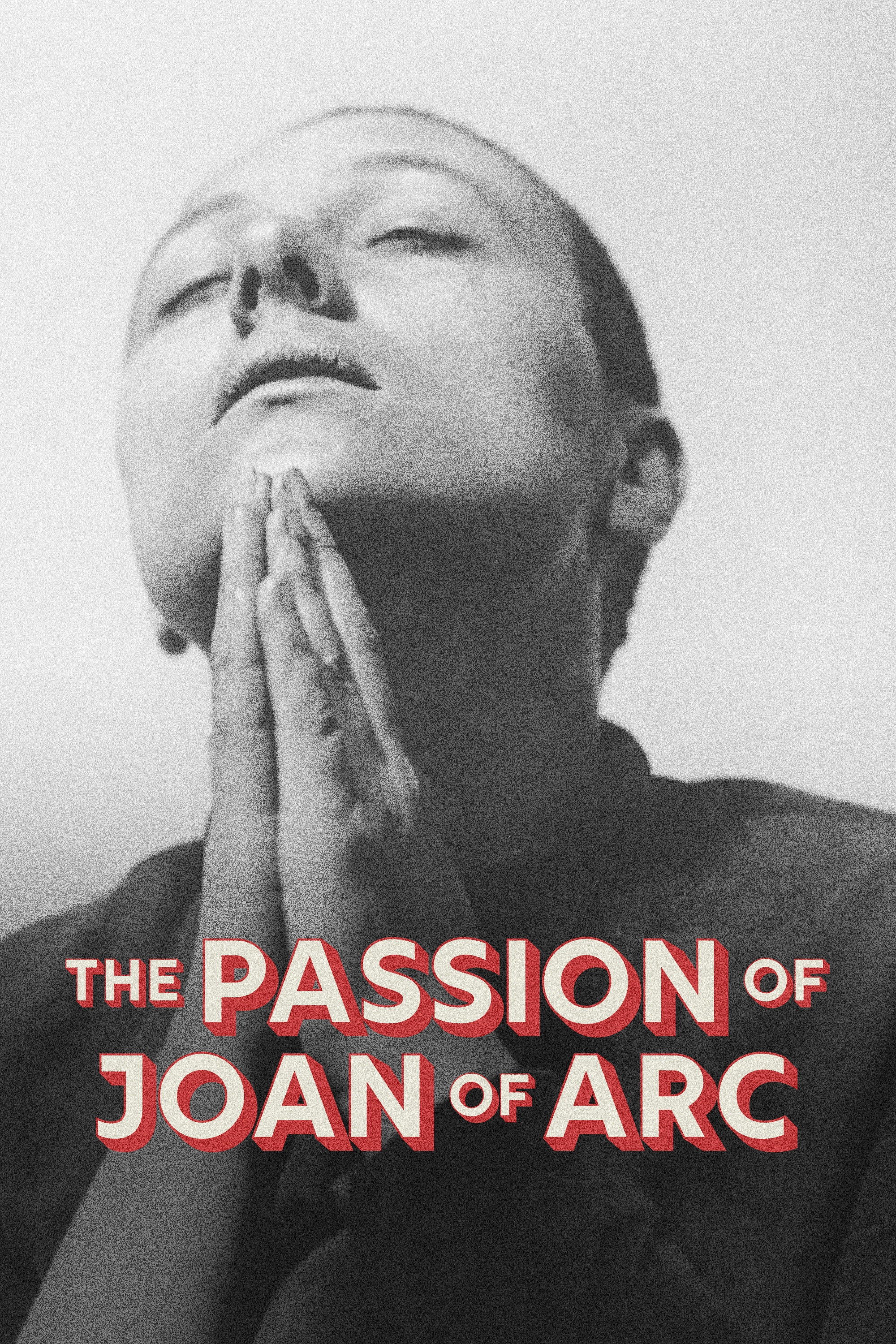
The Passion of Joan of Arc

1928 · A face carries the suffering here, with little chance to look away.

Ordet poster

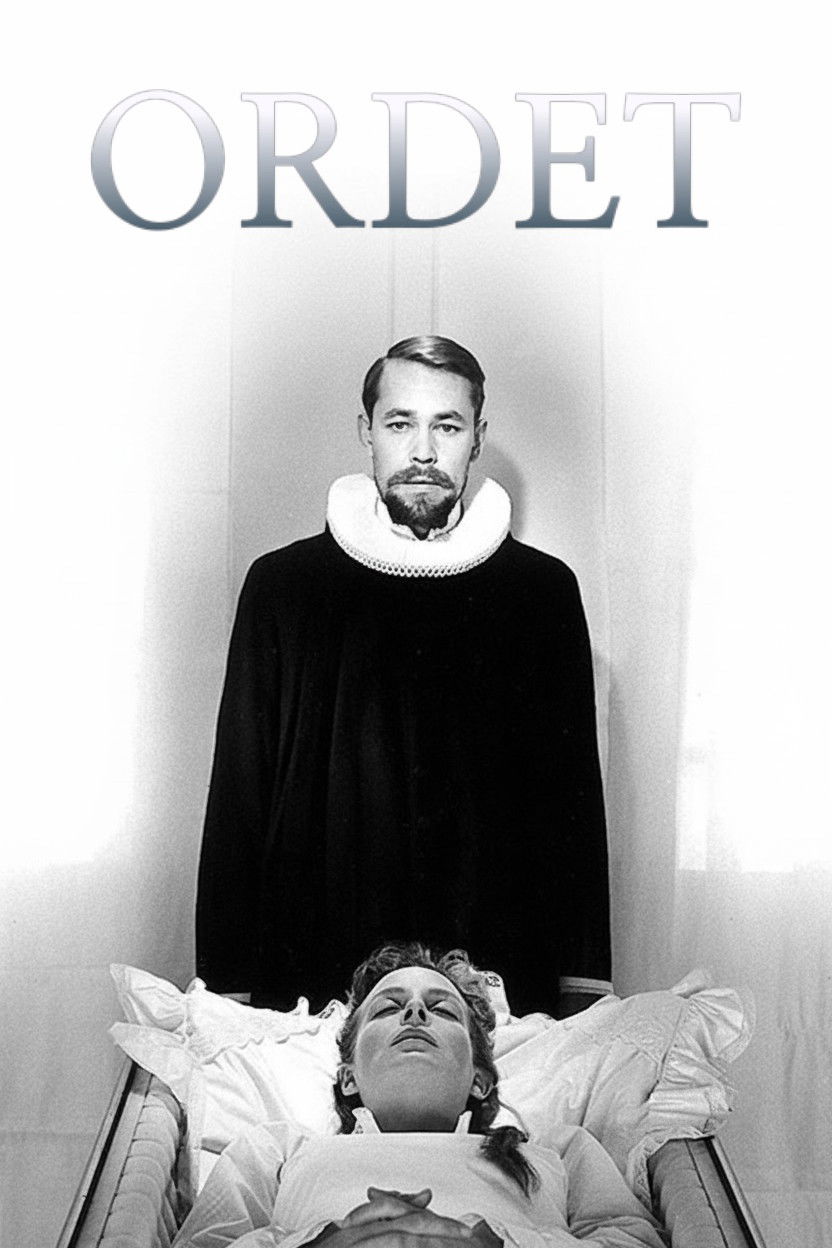
Ordet

1955 · For another troubling encounter with faith, devotion and the need to believe.

A Woman Under the Influence poster

A Woman Under the Influence

1974 · Another performance so exposed that the surrounding film can feel almost intrusive.

The Piano poster

The Piano

1993 · Desire and moral judgement meet in a romance with far more breathing space.

Saint Maud poster

Saint Maud

2019 · Religious certainty becomes frighteningly intimate, with considerably less time to recover.