Film review

Dancer in the Dark

2000 · Directed by Lars von Trier · 2h 20m · MPA R

In a sentenceEvery time Björk sings, we briefly forgive Lars von Trier for putting us through this

DramaCrime

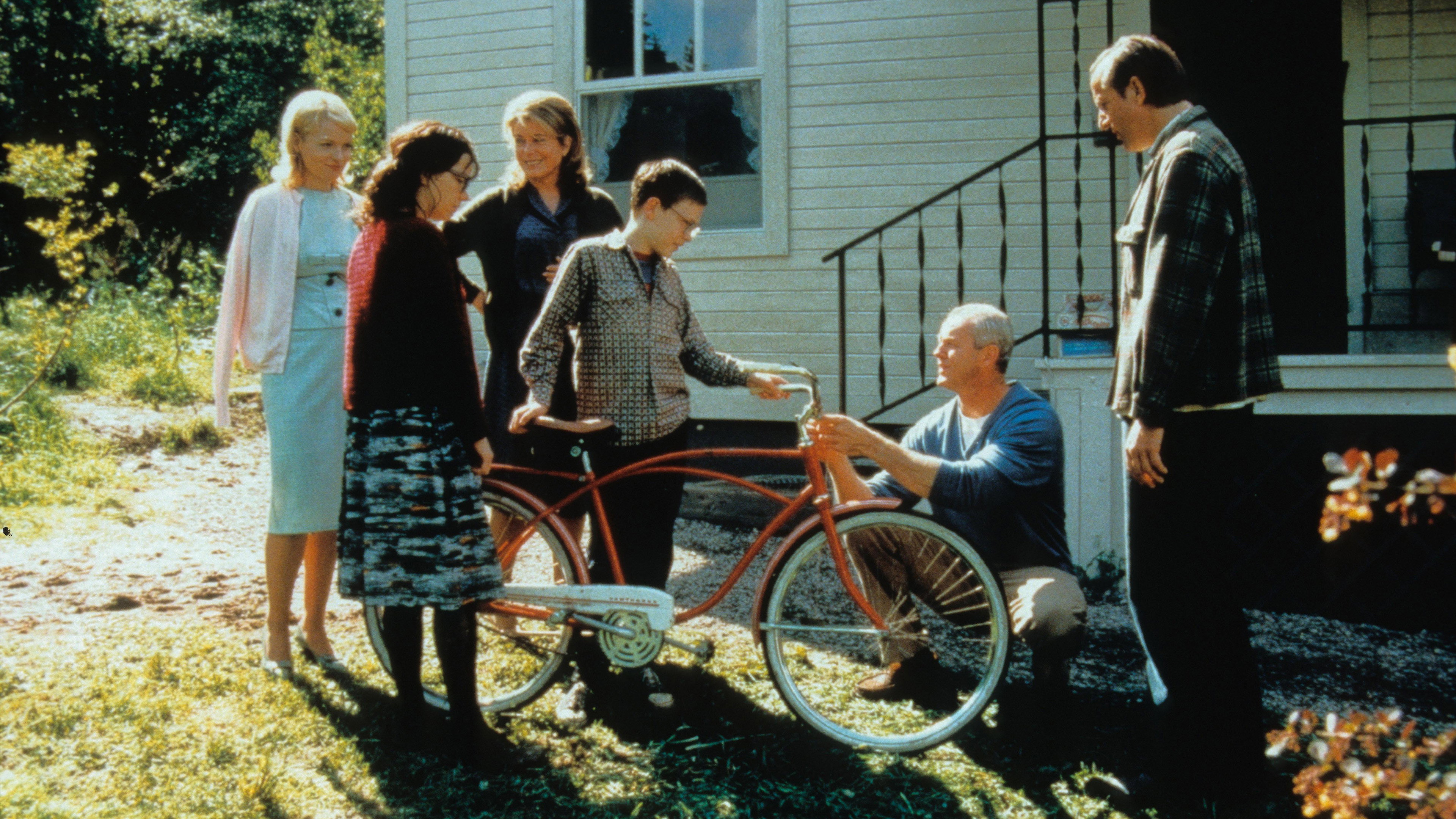
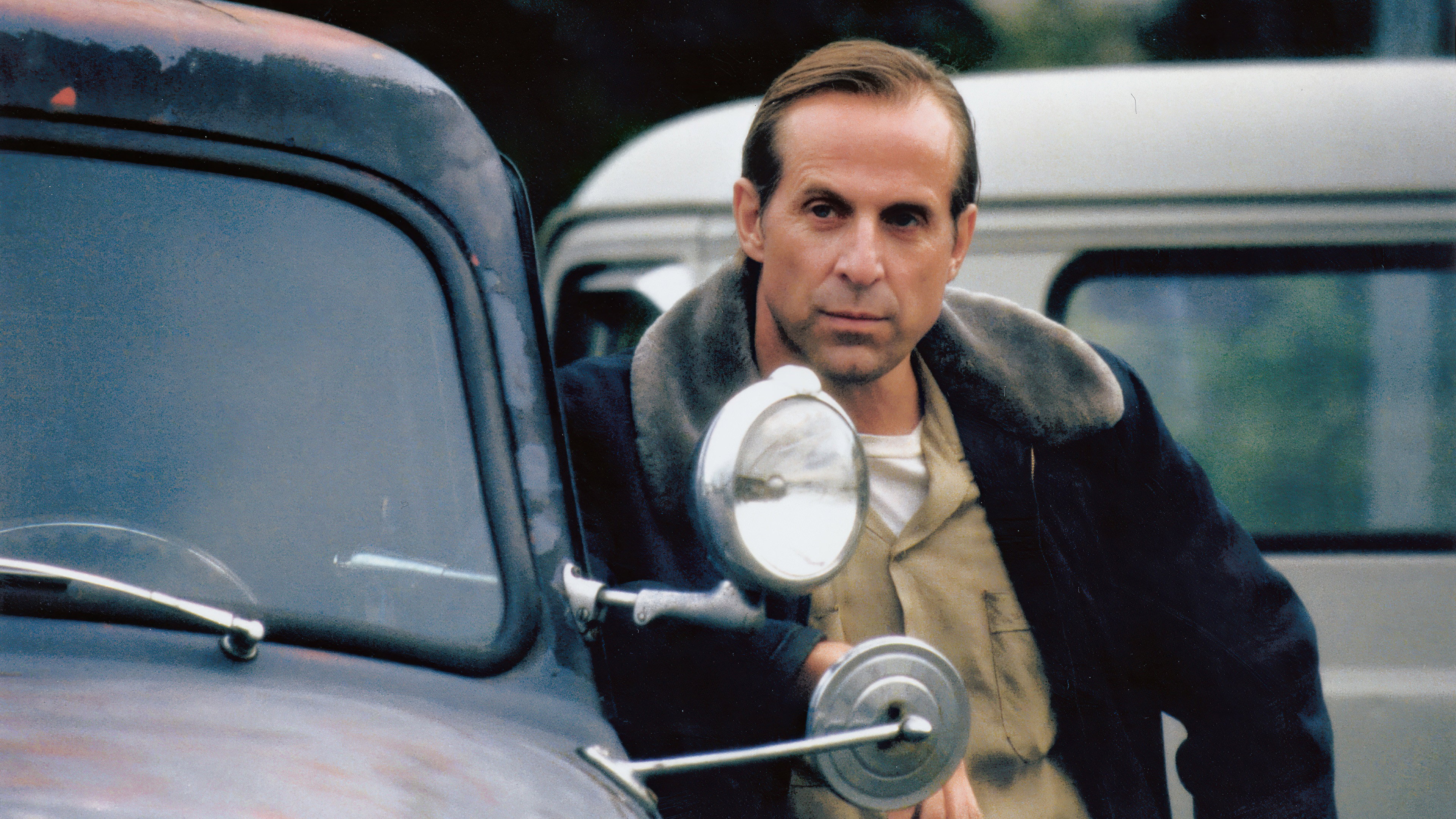
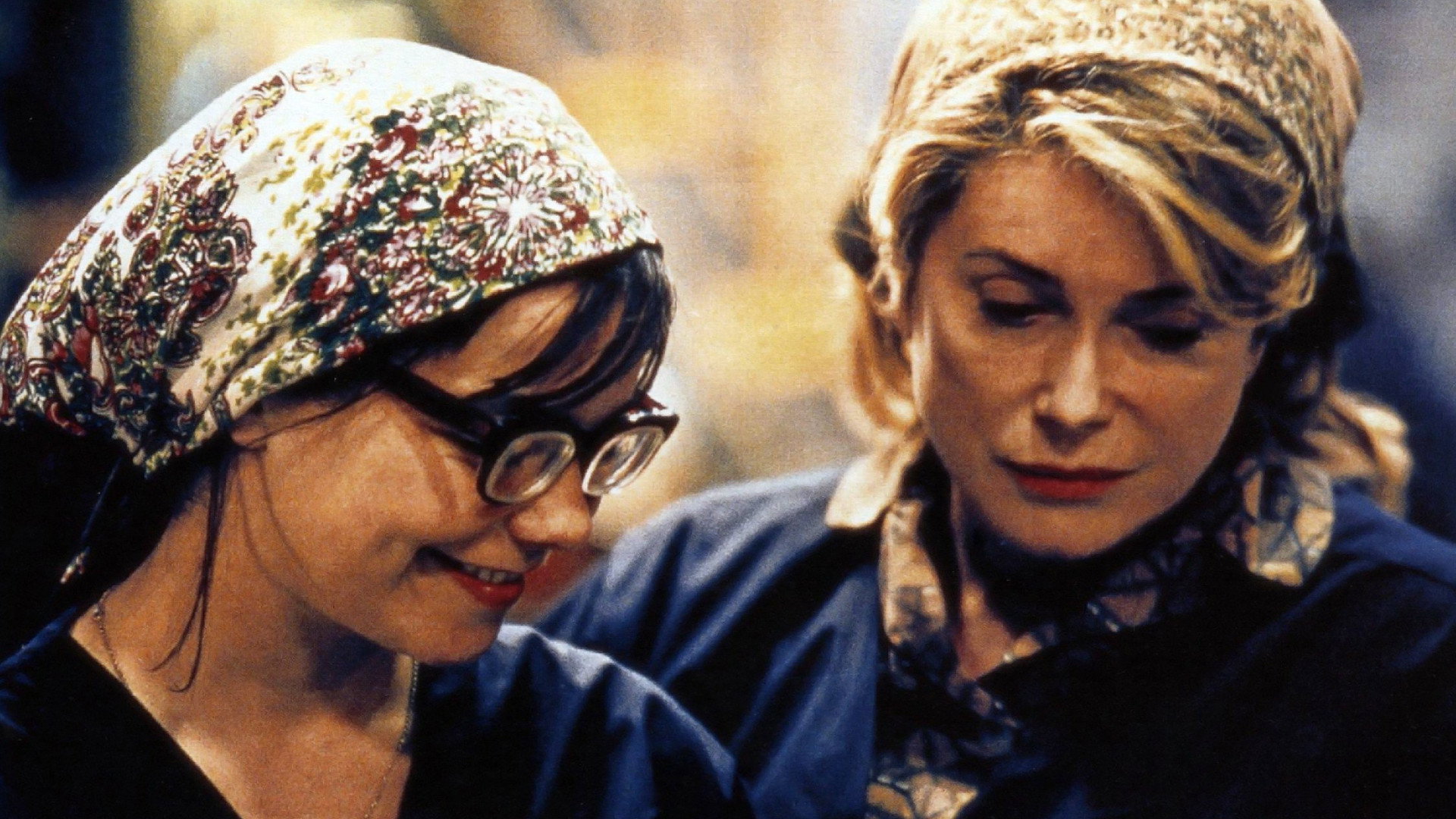
Selma Jezkova (Björk) finds refuge in imagined song-and-dance numbers, with everyday sounds setting the rhythm. As her circumstances become more difficult, she retreats into musical fantasies that offer a different version of the life around her. Her willingness to put others first brings the story towards questions of sacrifice and the limits of goodness. Catherine Deneuve plays Kathy, David Morse plays Bill Houston and Peter Stormare plays Jeff in Lars von Trier’s drama, which moves between Selma’s daily existence and the musical scenes she imagines. Björk also provides the music.

Plays from YouTube when you press play; nothing loads from them until then.

Fi1m review

Björk makes Lars von Trier’s punishing musical worth the distress. The songs give Selma a life beyond her suffering, though the script’s contrivances make us resist some of the tears it demands.

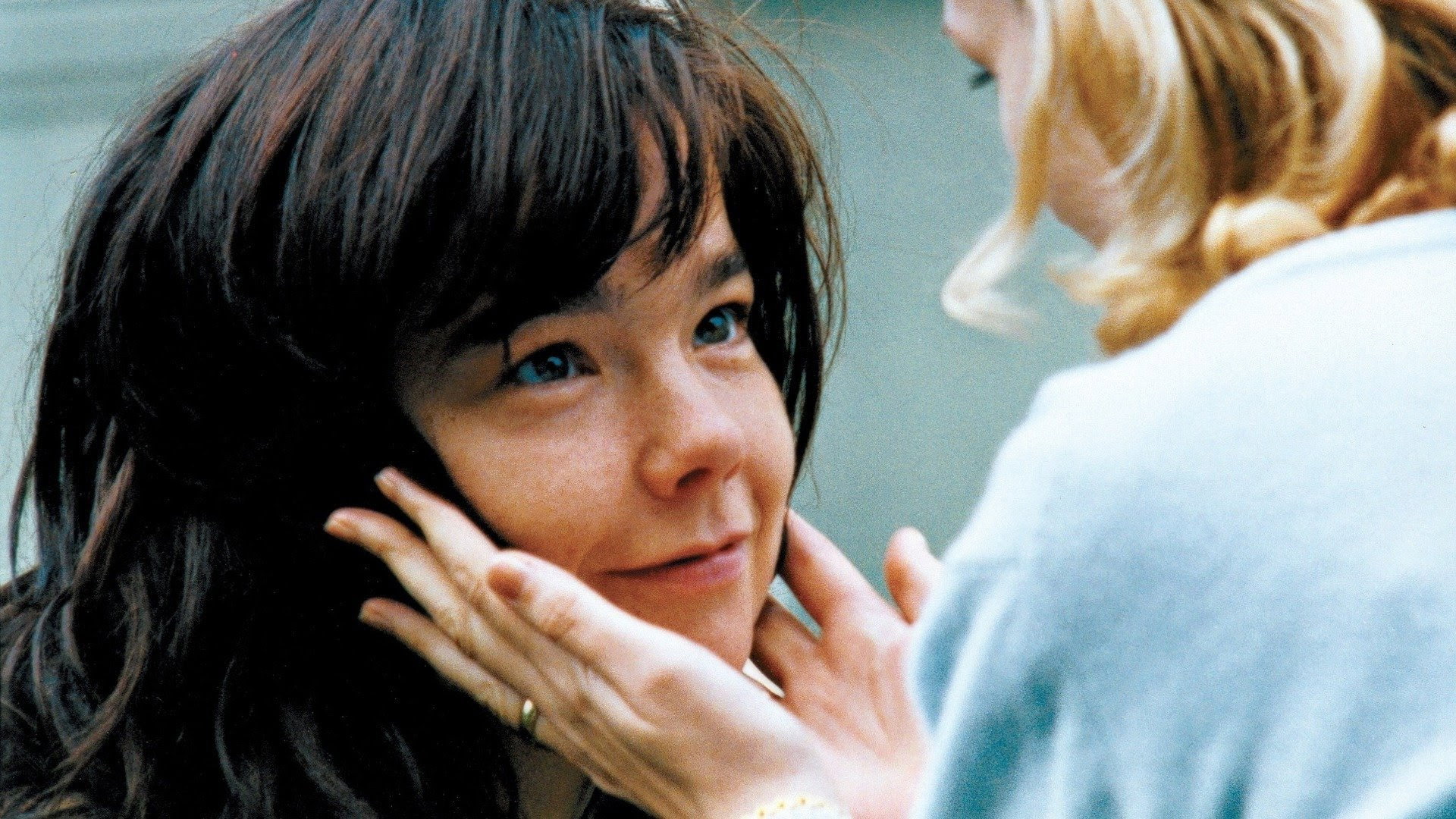
Dancer in the Dark is worth seeing for Björk, and worth approaching with some caution about Lars von Trier. His musical asks us to care about a woman who escapes into imagined song and dance as her life becomes harder to bear. Björk makes that woman matter, even when the film’s determination to make her suffer becomes exhausting. The songs matter because they let Selma Jezkova have something to do besides endure the next ordeal.

Björk gives Selma an uncertainty that makes the character’s goodness easier to believe. There is something unsettled in the performance, a sense that speaking to another person takes effort and that singing allows her a little more freedom. That could have become an assortment of endearing peculiarities, and the writing occasionally encourages it. Björk keeps the vulnerability uncomfortable enough to prevent us from settling into fondness. Even when we doubt the situation von Trier has arranged, we believe that she is feeling it.

Robby Müller’s rough digital photography makes looking at her an uneasy business; it offers little distance from the performance. The image can be ugly, and its insistence on roughness sometimes makes the drama feel laboured. Karl Júlíusson’s production design likewise offers scant relief when the film turns towards fantasy. The musical settings feel too little transformed, which keeps Selma’s imagined happiness close to her everyday life but also limits the pleasure of watching the numbers.

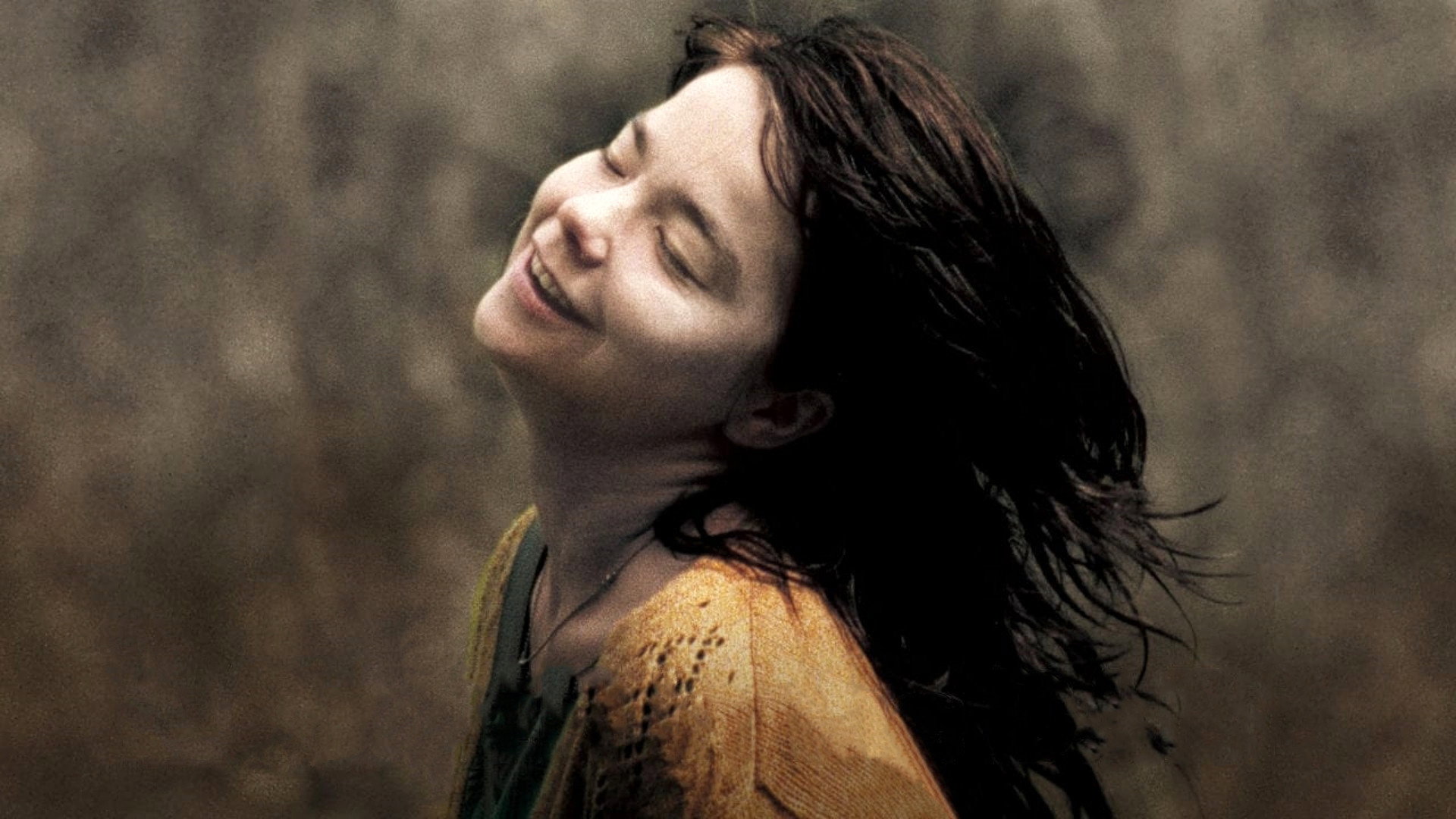
Björk’s music is far more persuasive about why Selma needs these escapes. Everyday sounds supply the beginnings of songs, so her daydreaming has something ordinary and audible to grow from. We were moved when those noises became music, because the change makes her wish for a kinder life so easy to understand. Editors François Gédigier and Molly Malene Stensgaard keep the contrast between the drama and the imagined numbers exposed. The shifts can be awkward, but smoothing them out would risk making Selma’s retreat into song seem too comfortable.

This is where the film makes an interesting demand on the musical. We usually expect a number to offer some enjoyment of its own, even when the surrounding story is unhappy. Von Trier lets dread persist through the singing, so that Selma’s pleasure never quite becomes ours. That can be affecting, though at 140 minutes the sustained dread becomes wearing. A little more delight in the dancing would have made her attachment to musicals easier to share.

The larger problem is von Trier’s writing, which treats Selma’s goodness as permission to keep arranging difficulties for her. Melodrama can survive unlikely behaviour, but it still needs us to accept the people making the decisions. Here, too often, we can see the decision being made on their behalf by a writer determined to increase the distress. The contrivances become distracting, and Björk has to persuade us of feelings that the script has not properly earned.

The divided reviews are understandable, though we cannot accept the claim that Björk cannot carry the part. The film gives us reasons to resist its pressure, and she keeps making that resistance difficult. We recommend it to anyone willing to be upset by a musical and annoyed by the means it uses. Leave some quiet time afterwards.

Critical consensus AI synthesised

5 of 6
Positive
3
Mixed
0
Negative
2
Total Film
15 September 2000
90*

Von Trier subverts and celebrates the musical genre with fantasy numbers triggered by everyday sounds; the film oozes dread but delivers a profound, heart-breaking performance from Björk and is the most involving cinema experience of the year.

Read the full review →
Empire
1 January 2000 · Kim Newman
80*

Lars von Trier makes a powerful film that is both a musical and a meditation on musicals, mostly shot in Dogme style but with fantasised numbers. Björk gives a marvellous performance in a difficult role, and the result is haunting and beautiful.

Read the full review →
Time Out
22 February 2012 · GA
30*

The film is seen as a hollow, emotionally upfront tale of saintly self-sacrifice with disingenuous plot contrivances. The musical sequences are criticised for imaginative poverty and the overall work falls short of von Trier's best or classic musicals.

Read the full review →
Evening Standard
10*

Lars von Trier's musical is a disaster in every department and a waste of talent, with Björk giving a lifeless performance; the digital photography and numbers fail to work, and the whole enterprise is amateurish and over-the-top sentimental nonsense.

Read the full review →
Los Angeles Times
6 October 2000 · Kenneth Turan

Turan finds the film exasperating in its contradictions, fakery, and pretensions, criticizing its crude visuals, melodramatic excesses, and inauthentic approach. He singles out Björk's intense, genuine performance as the one authentic element amid the dross.

Read the full review →
RogerEbert.com
20 October 2000 · Roger Ebert

Ebert views the film as a deliberate, reckless throwback to silent melodrama and soap opera fundamentals rather than a plausible story. He praises its bold rejection of slick modernism and Björk's committed performance as Selma.

Read the full review →

Cast

Stills

Awards

César Award for Best Foreign Film, 2001

Nominated
César Award for Best Foreign Film

Goya Award for Best European Film, 2001

Won
Goya Award for Best European Film

Independent Spirit Awards, 2001

Won
Best Foreign Film

Japan Academy Prize for Outstanding Foreign Language Film, 2001

Won
Japan Academy Prize for Outstanding Foreign Language Film

Robert Award for Best Production Design, 2001

Won
Robert Award for Best Production Design

Satellite Award for Best Actress – Motion Picture, 2001

Nominated
Satellite Award for Best Actress – Motion Picture

Satellite Award for Best Film, 2001

Nominated
Satellite Award for Best Film

Cannes Film Festival, 2000

Won
Best Actress
Won
Palme d'Or

European Film Award for Best Actress, 2000

Won
European Film Award for Best Actress

European Film Award for Best Film, 2000

Won
European Film Award for Best Film

European Film Award - People's Choice Award for Best Director, 2000

Won
European Film Award - People's Choice Award for Best Director

Golden Globes, 2000

Nominated
Best Actress – Motion Picture Drama

Jameson People's Choice Award for Best Actress, 2000

Won
Jameson People's Choice Award for Best Actress

Robert Award for Best Costume Design, 2000

Nominated
Robert Award for Best Costume Design

If you liked this, try…

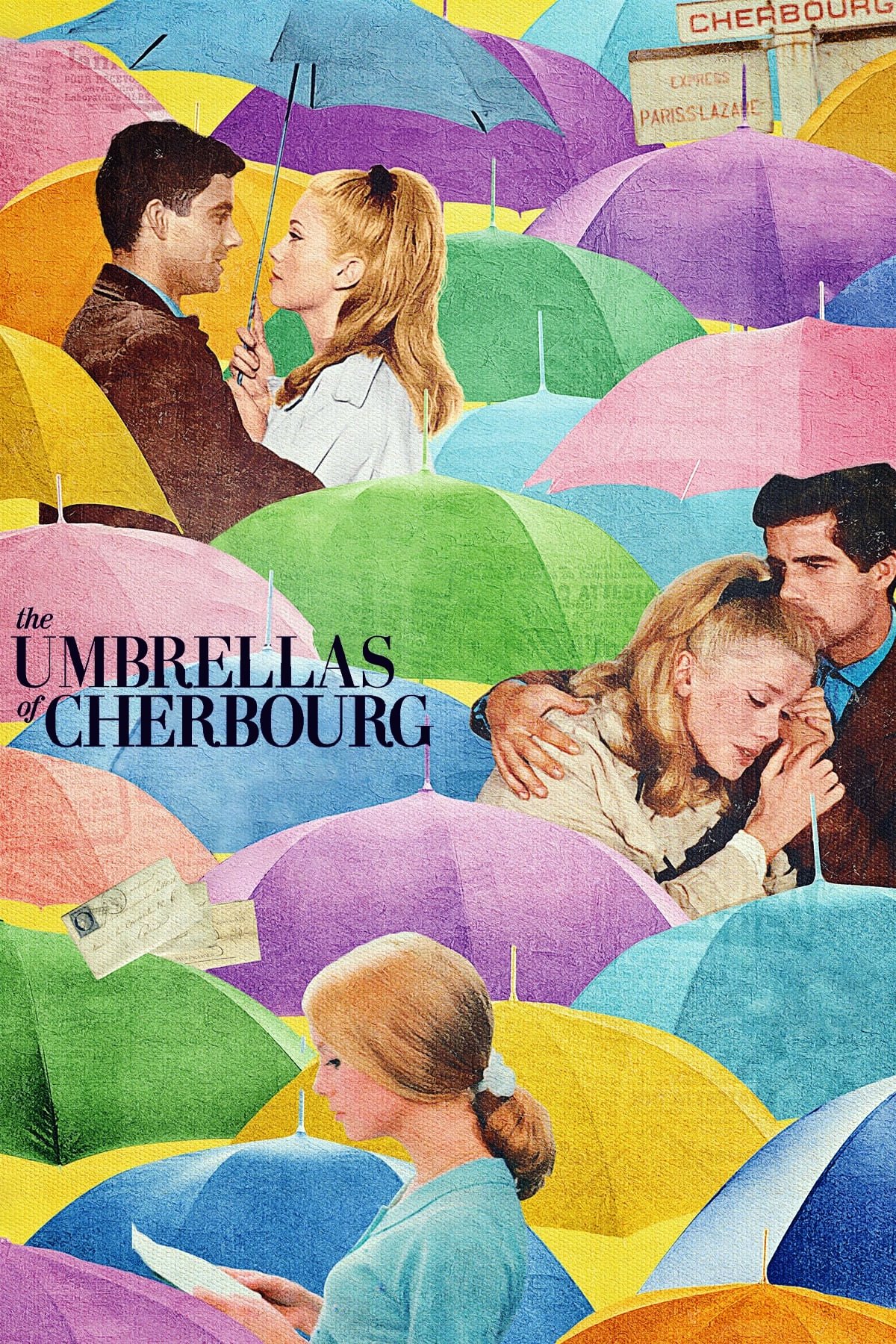
The Umbrellas of Cherbourg poster

The Umbrellas of Cherbourg

1964 · For another musical in which singing offers no protection from ordinary disappointment.

The Red Shoes poster92

The Red Shoes

1948 · For dance pursued with a seriousness that becomes increasingly difficult to bear.

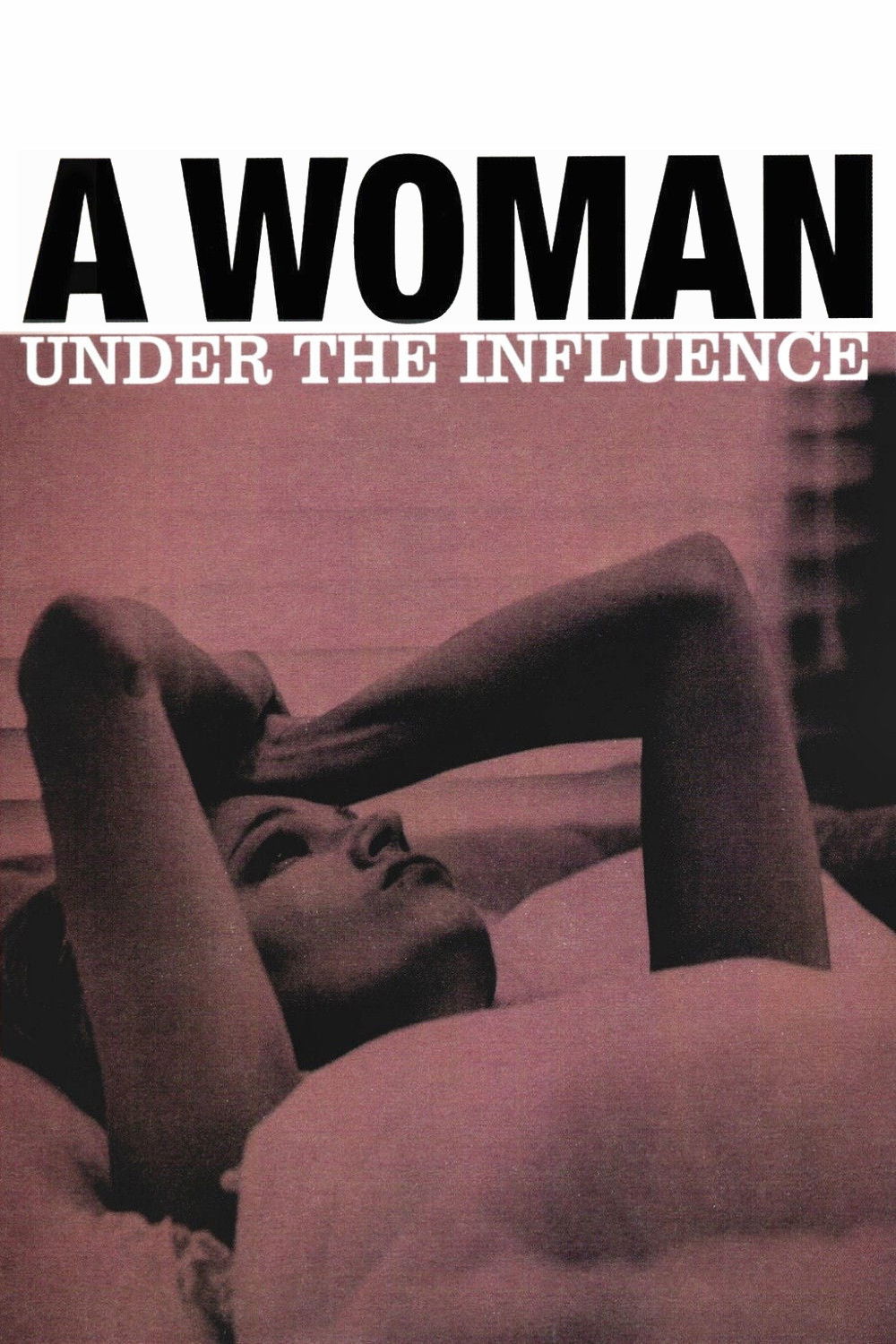
A Woman Under the Influence poster

A Woman Under the Influence

1974 · Another vulnerable central performance that makes domestic distress painfully hard to dismiss.

The Music Room poster

The Music Room

1958 · For music, stubborn devotion and a less forceful invitation to feel sorrow.

Nobody Knows poster

Nobody Knows

2004 · For everyday hardship observed with patience, and compassion without so much insistence.