Lars von Trier’s commune comedy has naturalistic performances and too little to say. Its imitations of disability become repetitive, and the handheld intimacy cannot make the provocation consistently worth enduring.
The Idiots is an intermittently involving comedy-drama whose public provocations become tiresome well before its 110 minutes are up. Lars von Trier writes and directs a commune’s attempt to offend bourgeois society by pretending to have disabilities. There is a subject here: the rules governing who may behave badly in public, and the ease with which tolerance turns into embarrassment. But the film keeps treating our discomfort as evidence that something important has been exposed, without being clear enough about what that something is.
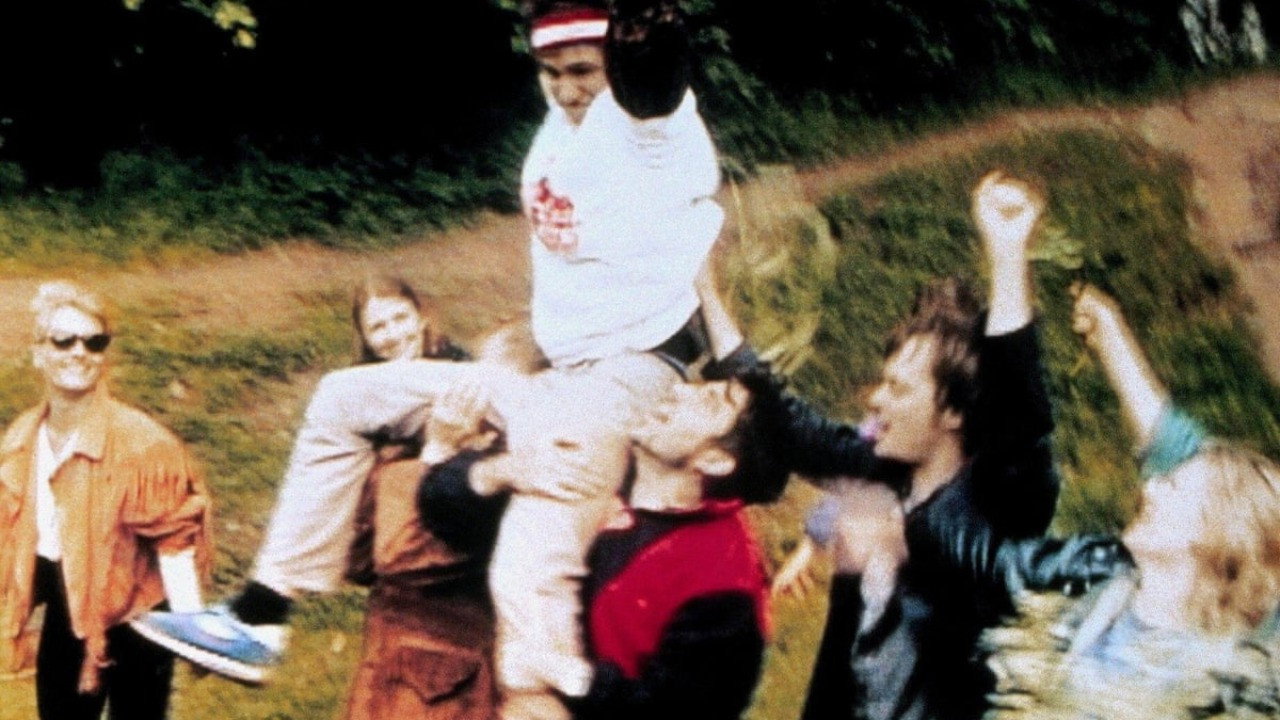
We felt embarrassed watching the group’s public imitations of disability, because the joke leaves disabled people carrying too much of the insult. A satire can make its supposed rebels look foolish, and von Trier does leave room for that reading. The problem is that uncertainty about whom we are meant to laugh at begins to feel convenient: almost any objection can be taken as proof that the provocation worked. There are stretches when another public performance adds little to what we have already seen.
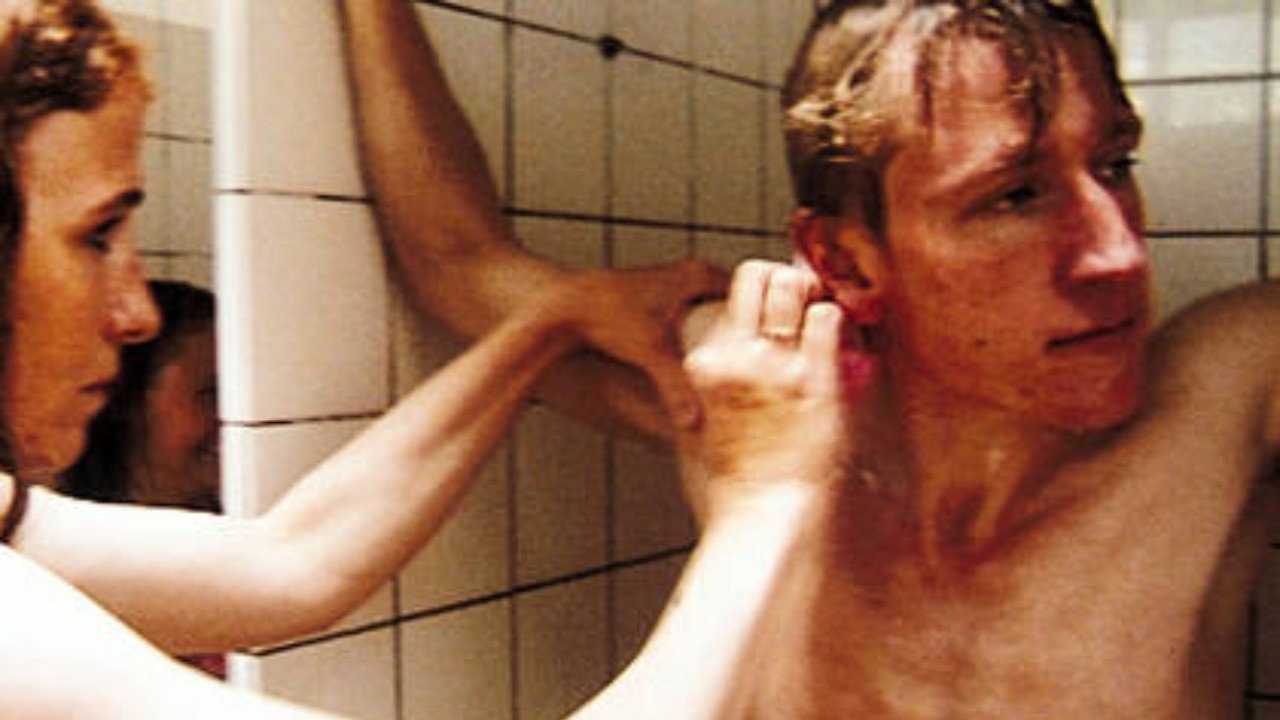
Von Trier also handles the cinematography, and the handheld approach gives the performers an uncomfortable proximity. The camera makes it hard to settle into the safe position of watching foolish people from a distance. Yet the visible crew are a distraction, reminding us of the production when the behaviour ought to hold our attention. There is some dry comedy in a film rejecting artifice while repeatedly drawing attention to its own making. In the slower stretches, there is too little happening between the people to justify quite so much attention to the camera.
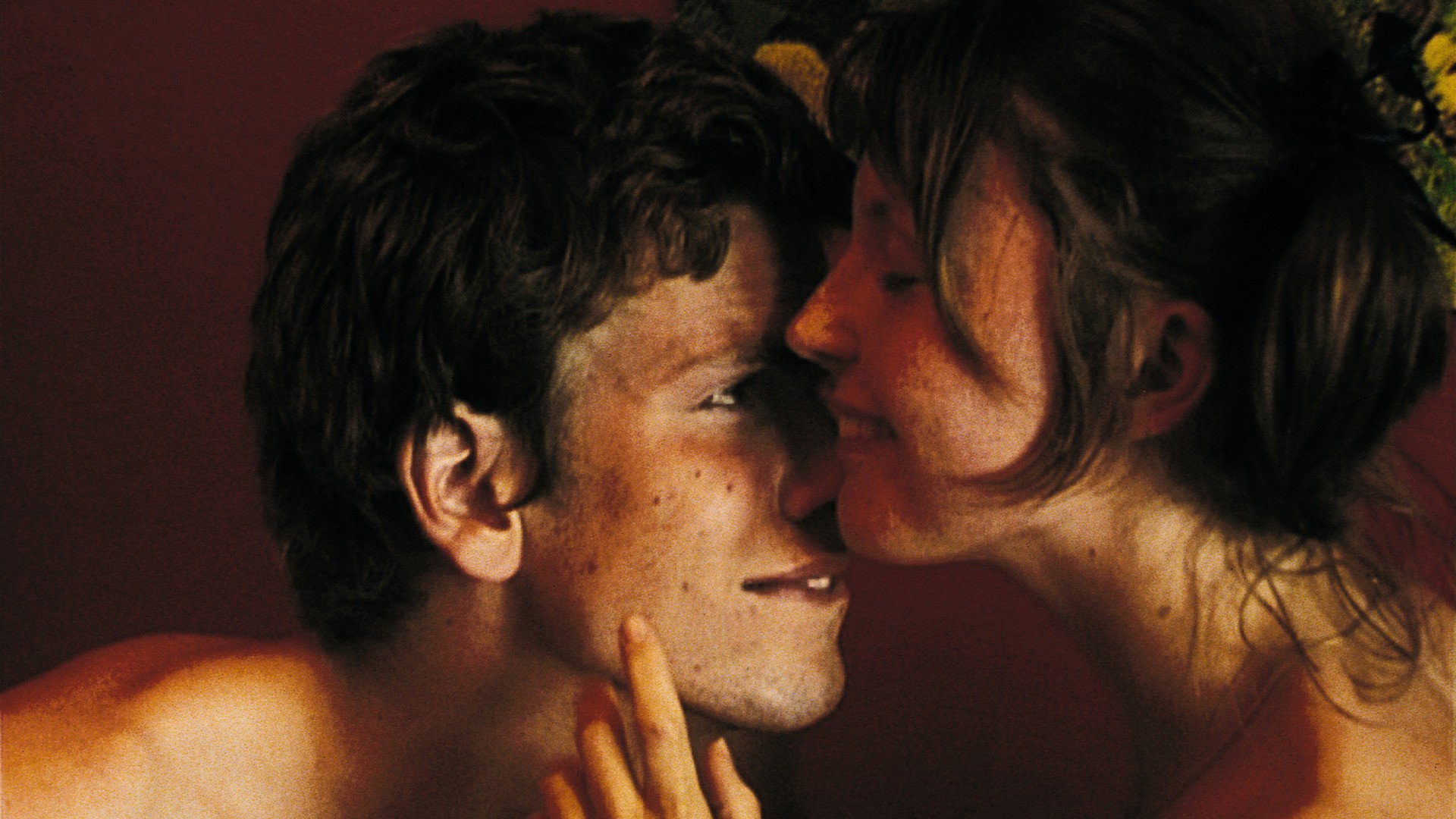
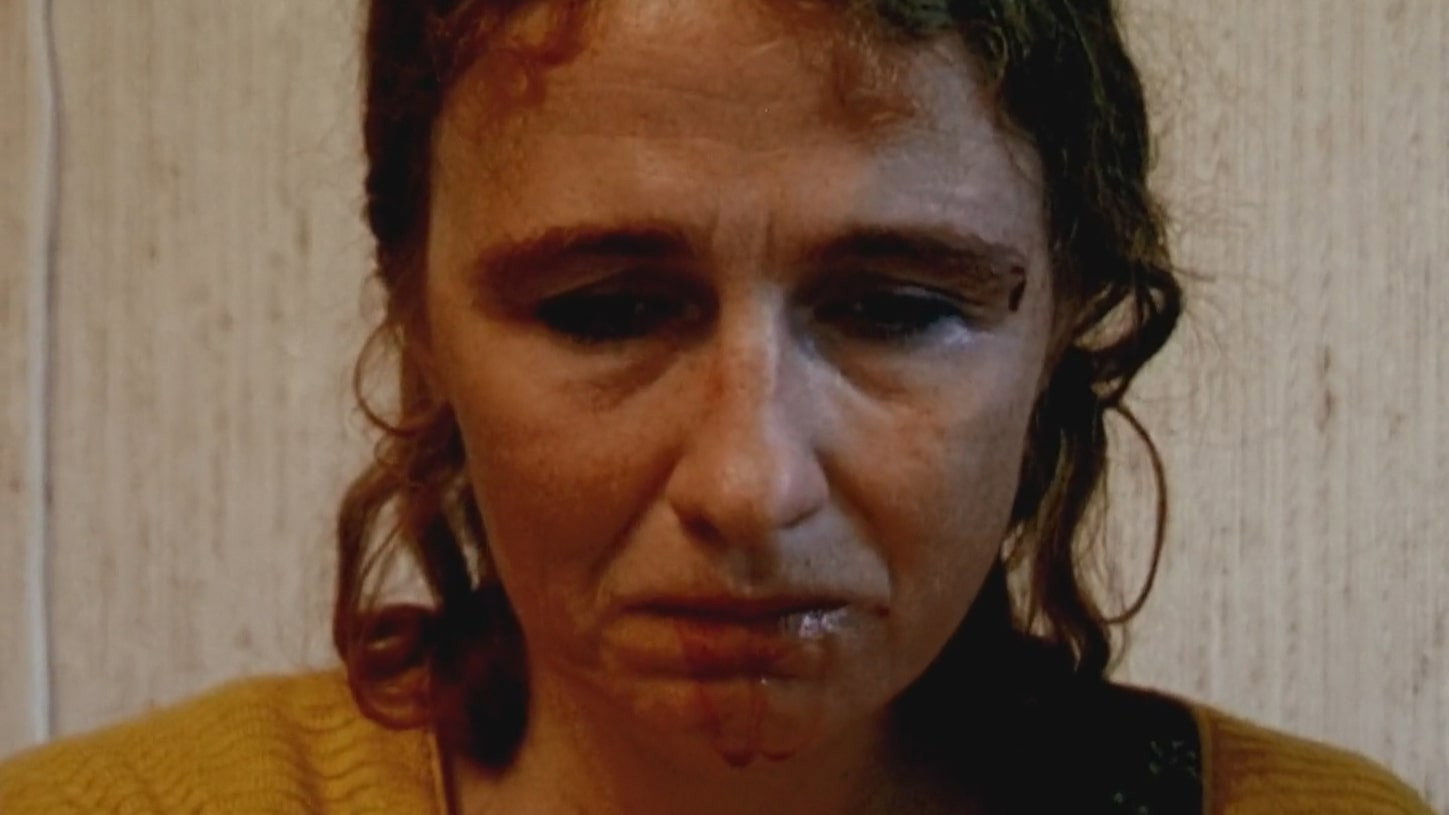
The acting is the strongest reason to persist. Bodil Jørgensen gives Karen a believable presence within the commune, and Anne Louise Hassing’s Susanne is similarly unforced. Their naturalistic work makes a useful case for von Trier’s approach, allowing some emotional involvement even when the premise is working hard to repel it. At these points, it is possible to take an interest in the people without endorsing their experiment.
Molly Malene Stensgaard’s editing cannot give the repeated provocations enough forward movement. Once the basic tactic is established, the film needs the group’s behaviour to become more revealing; too often it is merely another opportunity to squirm. Its wandering pace leaves the performances carrying an unreasonable share of the work. We do not need a conventional plot imposed on this material, but we do need a reason for another scene beyond the likelihood that it will make polite company uncomfortable.
Social satire needs a reasonably precise target, even when its characters have none. Here, bourgeois respectability is too broad an enemy, and pretending to have disabilities tells us little about what is wrong with it. The naturalistic acting and handheld immediacy are worth examining for anyone interested in how a film can unsettle an audience with little visible polish. For an evening’s viewing, though, we would want more than the chance to be made uncomfortable again.