Lars von Trier’s grief horror has the acting and the atmosphere to disturb us, but too little to say about the pain it exploits. Charlotte Gainsbourg gives it a seriousness the writing cannot sustain.
Lars von Trier’s Antichrist is frightening in stretches and painfully well acted, but its ideas about grief and women do not withstand the attention it demands. The writer-director wants bereavement, sexual need and fear of nature to belong to the same nightmare, and there are moments when the connection feels horribly plausible. He gives us two people with so little comfort to offer one another that intimacy itself becomes alarming. The difficulty comes when their suffering has to carry his broader claims about men and women.
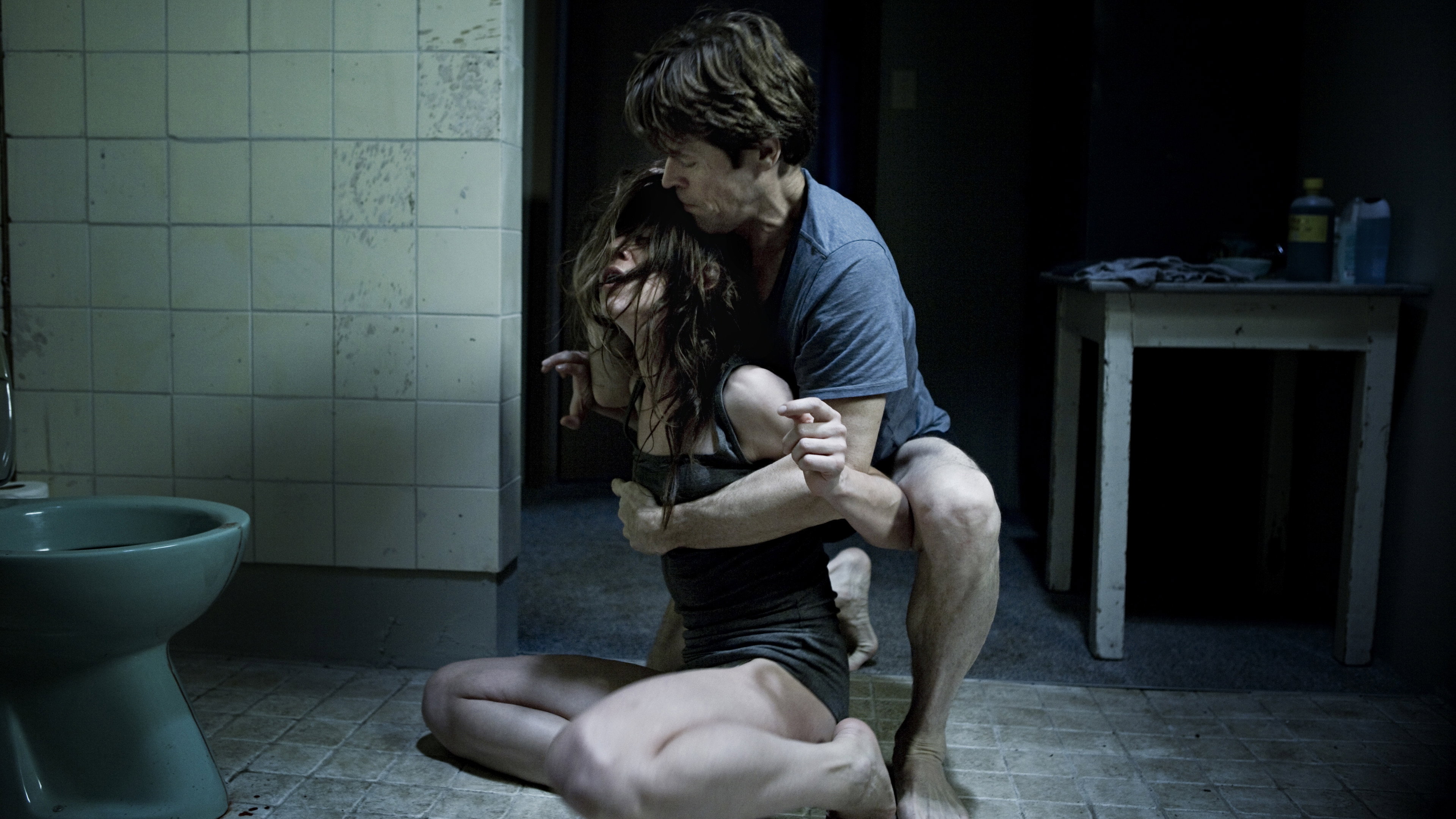
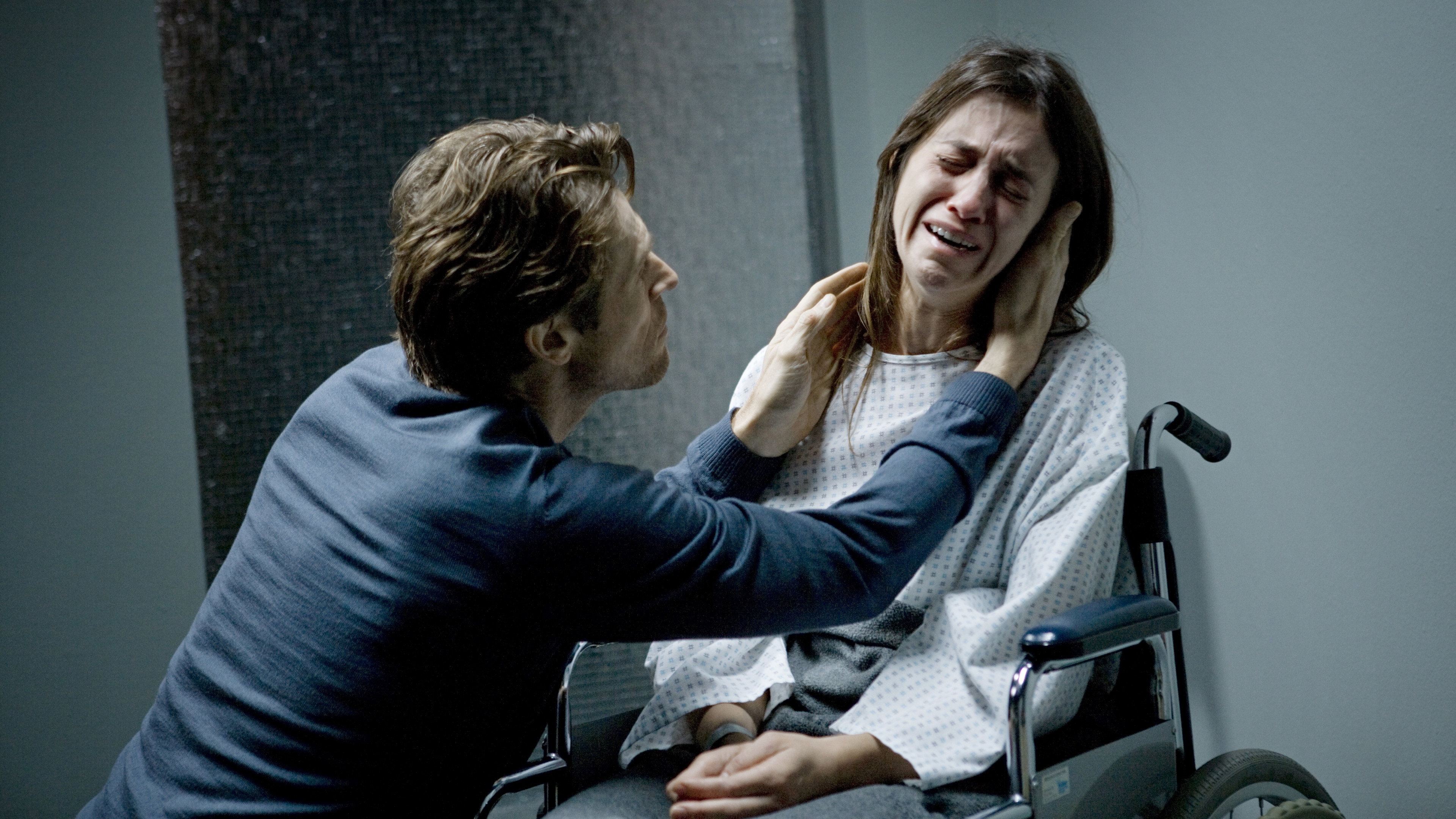
Charlotte Gainsbourg, credited as She, gives the grief an awkward physical urgency that makes the discussion around it feel inadequate. We were moved by her anguish in the early scenes, because she makes the effort of enduring it seem exhausting. There is nothing tidy about the way pain and sexual need occupy the same person, and her performance makes that uncomfortable to watch. Whenever von Trier leaves her enough space, she gives us someone whose distress matters beyond its usefulness to a horror film.
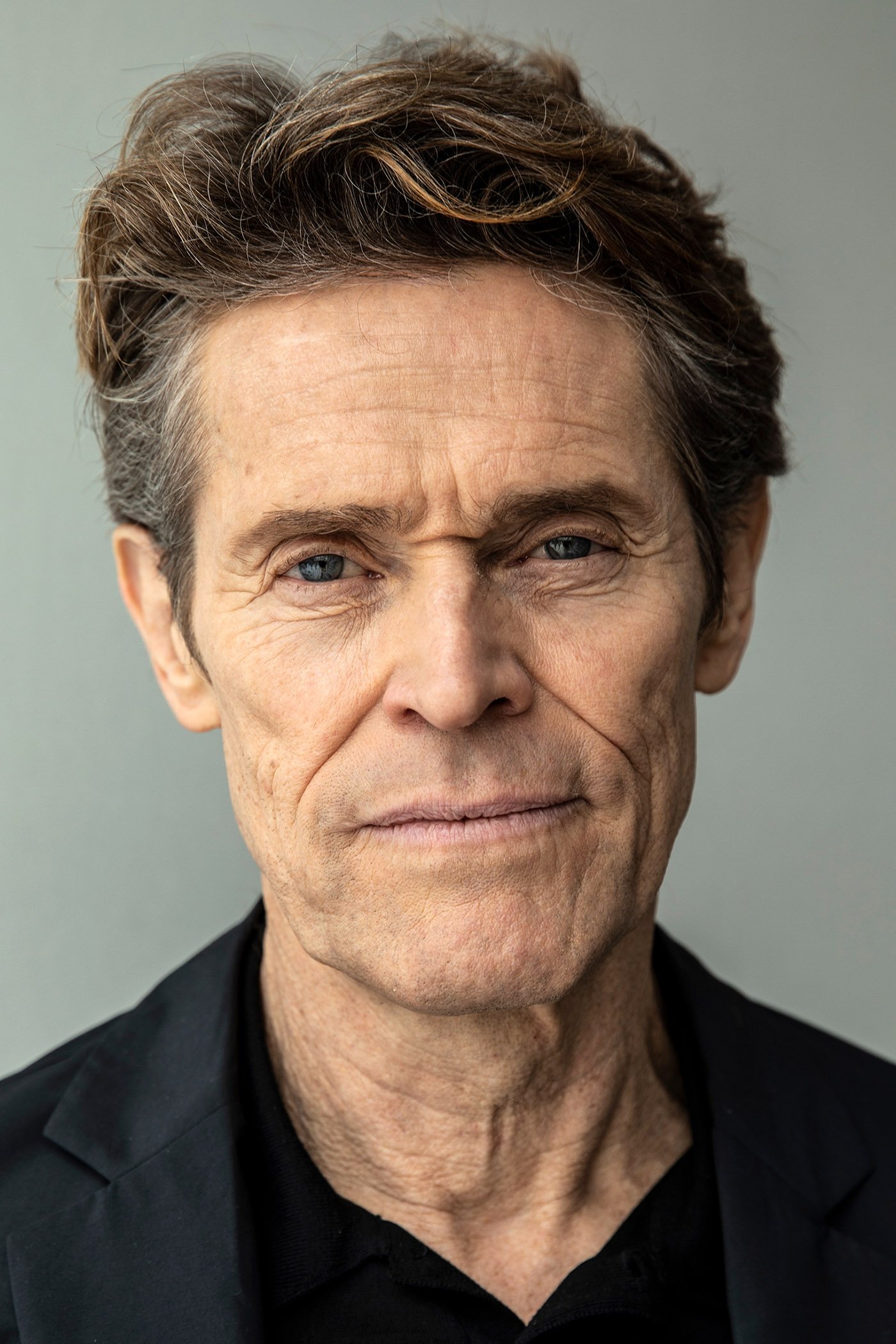
Willem Dafoe’s He gives Gainsbourg a convincing partner in this increasingly hostile intimacy. The therapy scenes are compelling because the attempt to discuss and explain distress looks painfully inadequate beside her performance. Dafoe plays the exchanges seriously enough to keep us listening even when the writing begins to sound like a lecture. For a while, the film finds something frightening in the ordinary difficulty of trying to help someone while assuming we understand them.
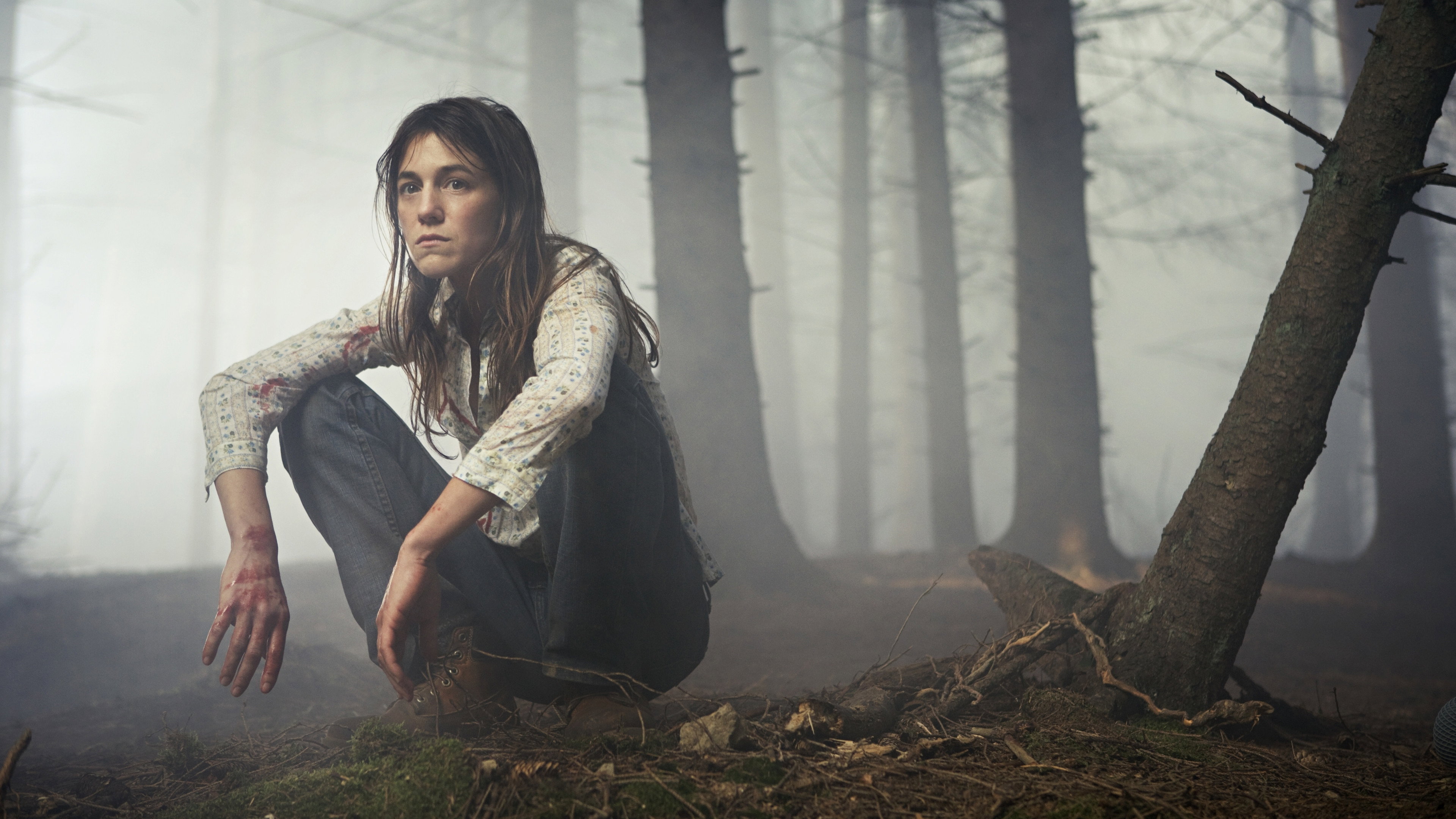
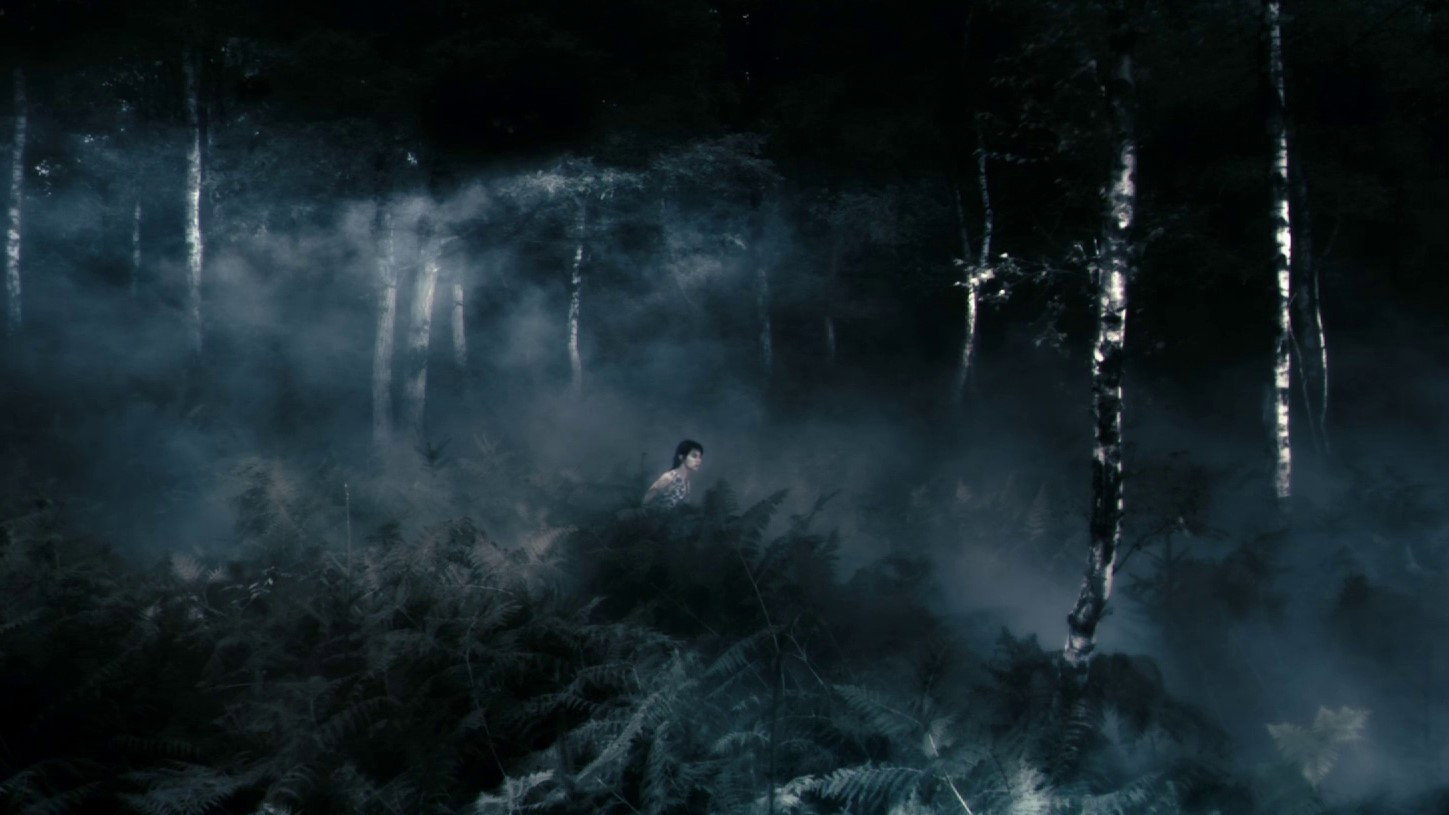
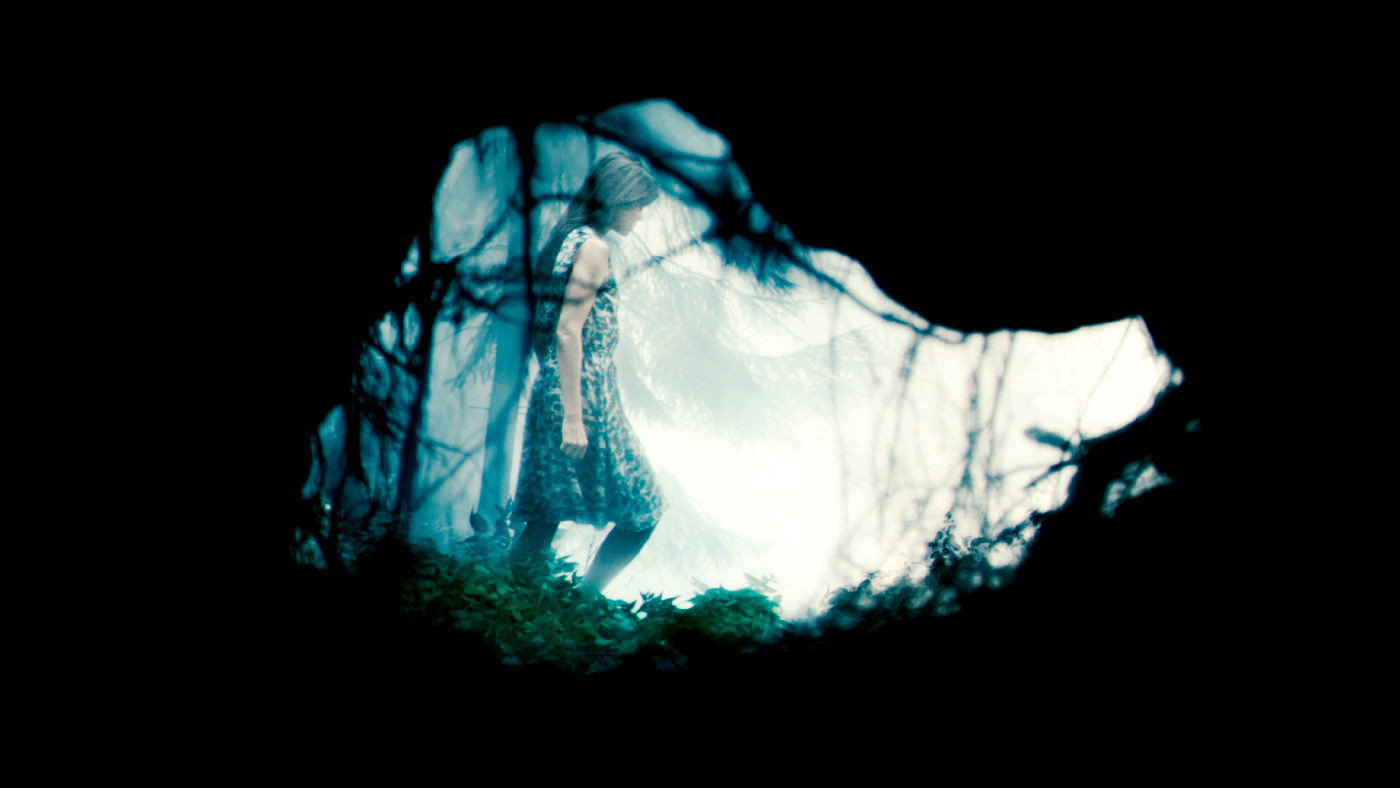
Anthony Dod Mantle’s tracking shots through the forest supply a more immediate fear. Moving into that space feels like a bad decision, and the images make nature seem capable of hostility without needing much explanation. Karl Júlíusson’s production design strengthens that Gothic atmosphere, making the setting feel inhospitable even before we consider what it might symbolise. The less controlled handheld camerawork is harder to defend: it unsettles our view, but sometimes breaks the concentration that the forest imagery has earned.
Anders Refn’s editing makes the changes of mood abrasive, with too little room for one response to settle before another is demanded. That can be effective in a nightmare, but here it also makes some of the escalation feel arbitrary. Kristian Eidnes Andersen’s music is effective at maintaining unease, though it cannot make the shifts between anguish and absurdity feel less forced. The film keeps increasing the discomfort when what we need is a better reason to stay with these people.
The larger problem is von Trier’s writing, particularly its treatment of female sexuality as something to fear. Gainsbourg supplies enough human detail to complicate that suspicion, but the film repeatedly pushes towards the bluntness her acting resists. We do not object to horror being ugly, or to a film taking an unpleasant view of its characters; the trouble is how little thought accompanies the provocation. Graphic violence can express despair, but here it increasingly distracts from the believable grief that made us care about the couple.
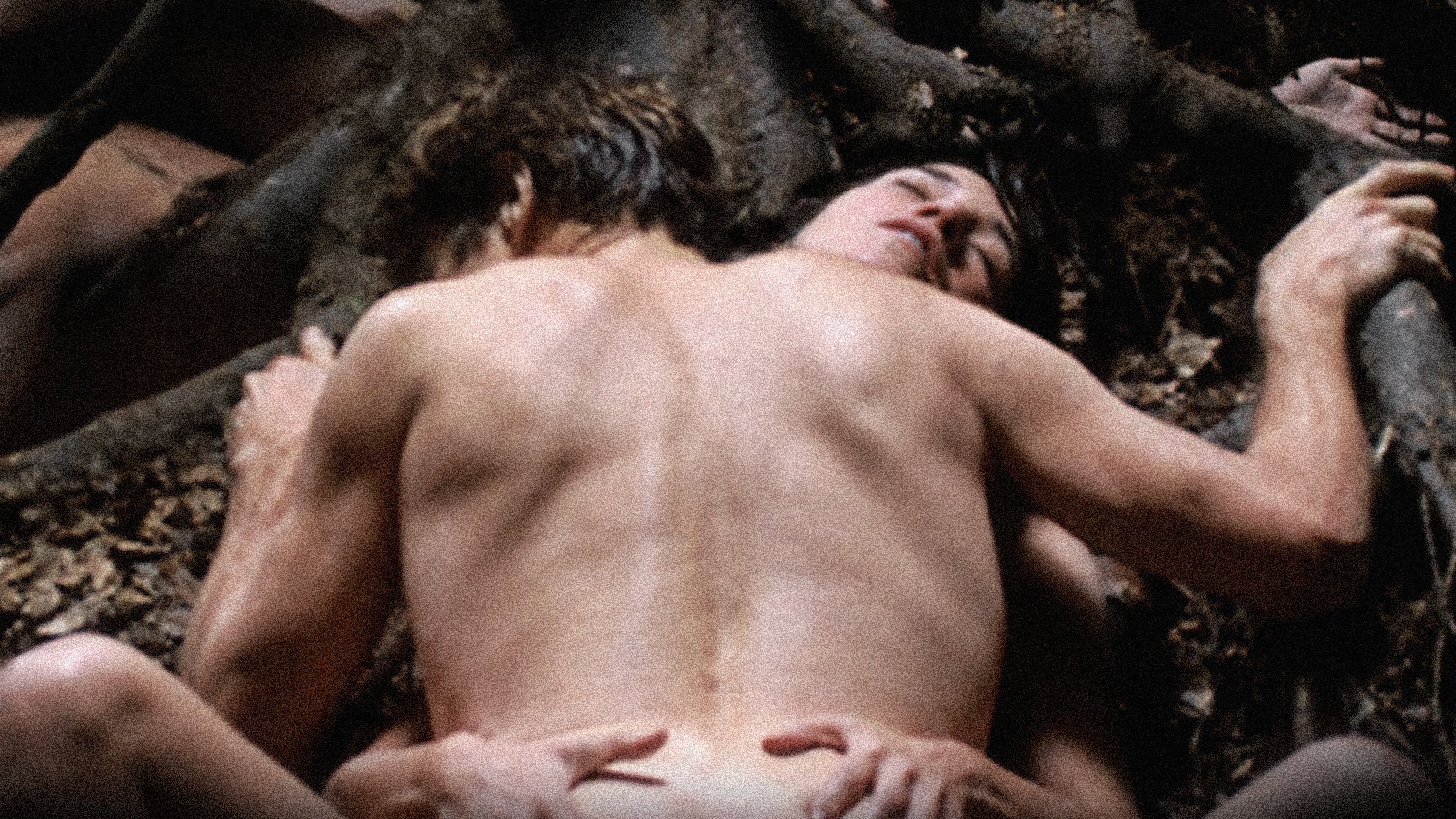
As psychological horror, Antichrist is most effective when it stays close to the couple and lets their difficulty with each other become frightening. At 104 minutes, it is not an endurance test simply because of its length, and the 18 certificate is worth taking seriously for the explicit sex and graphic violence. Those drawn to confrontational horror will find passages worth arguing over, especially in Gainsbourg’s performance. Do not choose it for someone else without a fairly frank conversation first.