Film review

Dogville

2003 · Directed by Lars von Trier · 2h 58m · MPA R

In a sentenceA bare stage turns out to be quite enough room for a town to disgrace itself

CrimeDramaThriller

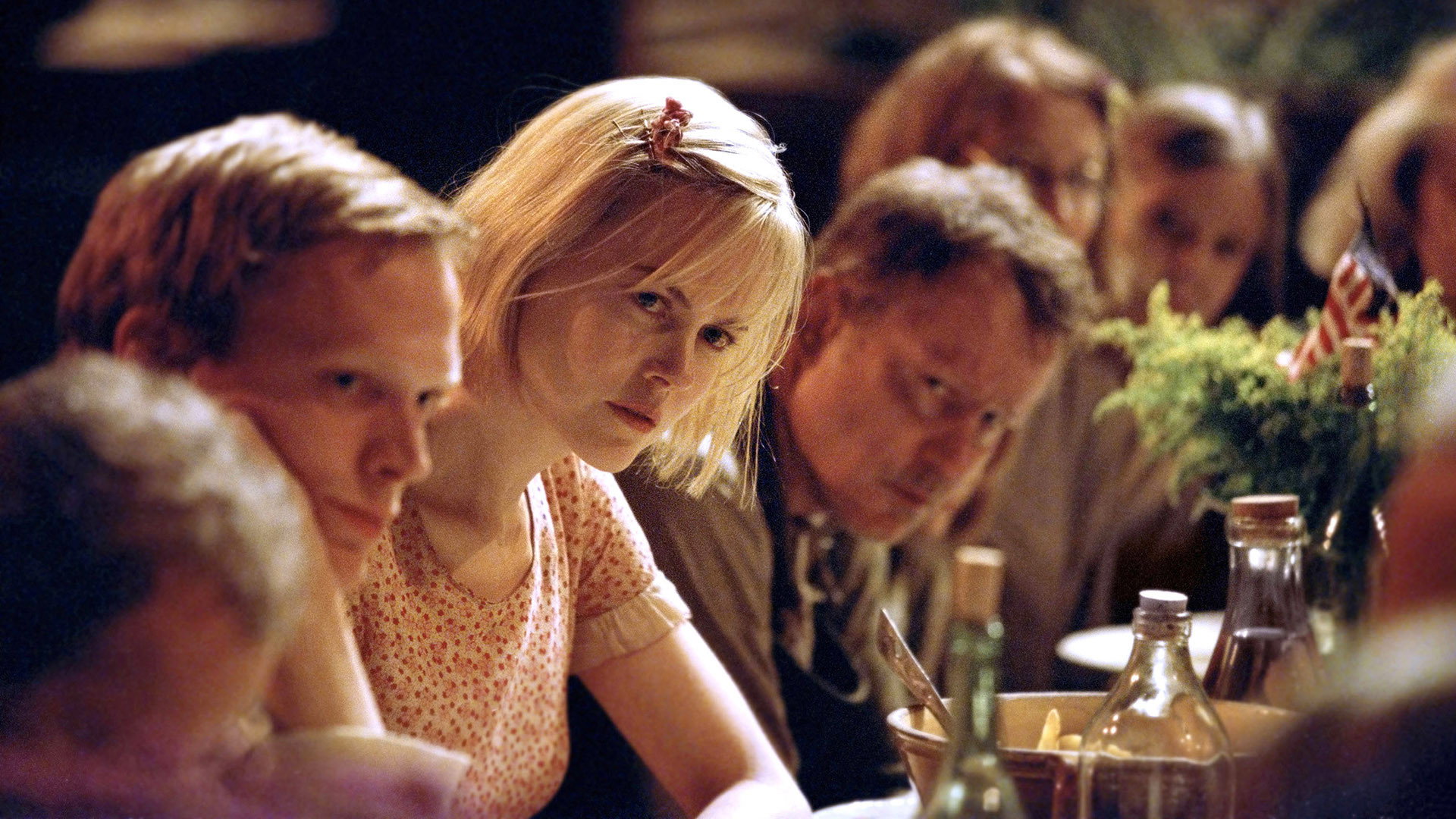
Grace Margaret Mulligan (Nicole Kidman) seeks refuge in Dogville, a small American town. Her arrival puts the inhabitants’ willingness to help a stranger to the test, with Tom Edison (Paul Bettany) among the people she encounters. As Grace tries to find a place among them, questions of kindness, obligation and power begin to shape her relationship with the community. Lars von Trier stages the story on a bare set, with John Hurt providing the narration. The townspeople include Chuck (Stellan Skarsgård), Vera (Patricia Clarkson) and Jack McKay (Ben Gazzara).

Plays from YouTube when you press play; nothing loads from them until then.

Fi1m review

Lars von Trier’s bare-stage fable makes a small town’s cruelty painfully convincing, with Nicole Kidman giving its victim a stubborn humanity. The repetition wears us down, but the performances make this gruelling drama worth the effort.

Lars von Trier’s Dogville is a gruelling moral fable worth the effort for its actors and its stark staging, provided patience is part of the evening’s plan. Nicole Kidman’s Grace seeks refuge in a small American town, where accepting a stranger becomes a test of the neighbours’ decency. Von Trier writes and directs with a determination to examine every unpleasant implication of that arrangement. At 178 minutes, he also gives us ample time to grasp points he will insist on making again.

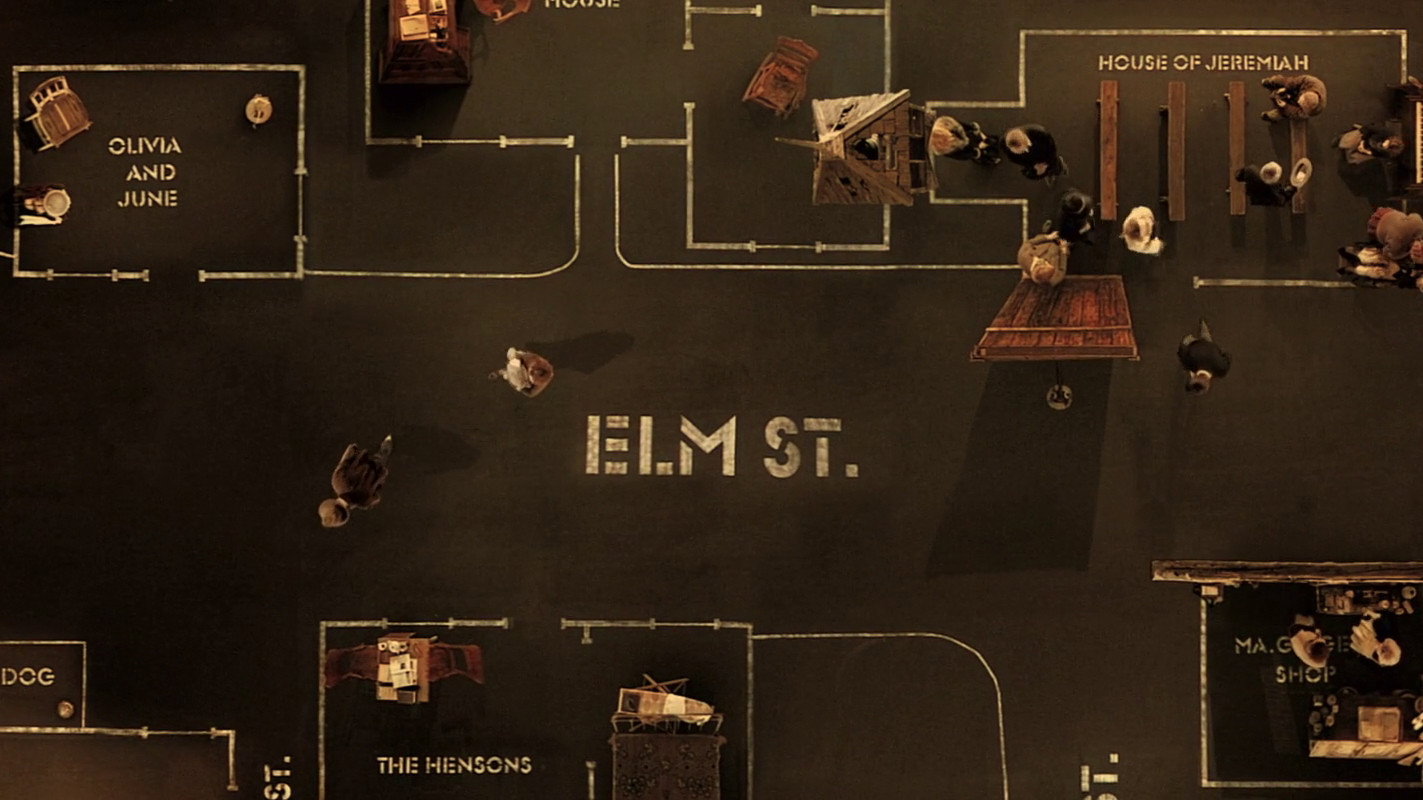
Production designer Peter Grant puts the town on a bare stage, which proves an effective way of making its inhabitants hard to ignore. The lack of scenery concentrates attention on the people and on the performance of being neighbourly. Anthony Dod Mantle’s intrusive camerawork prevents the theatrical setting from keeping us at a safe distance. The actors have to make this place credible without the usual help of convincing streets and houses. For much of the film, they manage it.

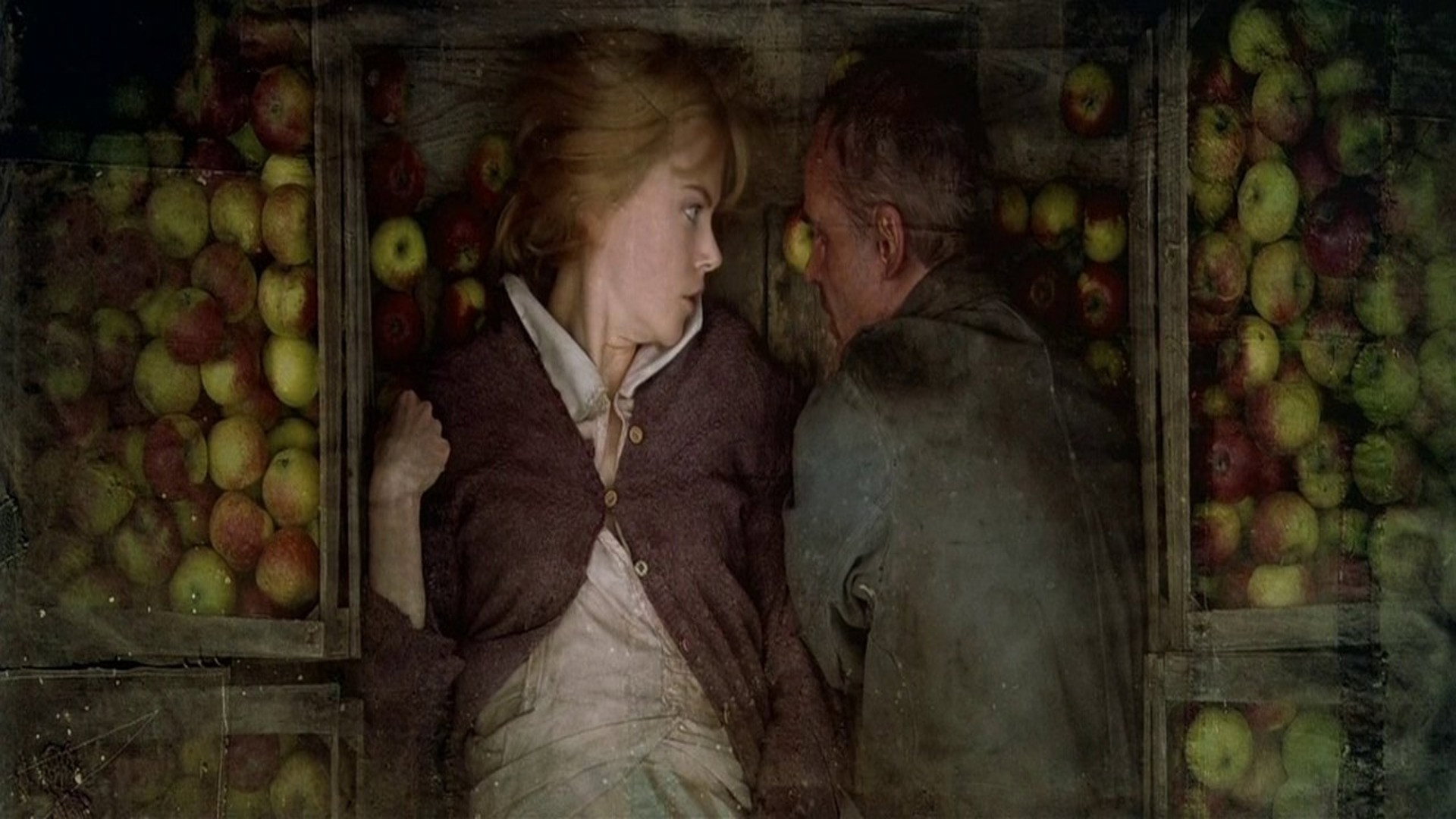
Kidman makes Grace’s need for shelter feel immediate, even when the script is busy using her to demonstrate the neighbours’ failings. We found her vulnerability upsetting: with so little scenery, there is no comfortable distraction from her dependence on the people around her. She gives us a reason to care about what happens to Grace before we have decided what to think about the town. That matters in a film whose writer seems so certain of his judgement. The supporting cast also make the artificial community sufficiently believable for its behaviour to hurt.

John Hurt’s narration gives the storytelling a welcome steadiness. Yet the voice can also make the moral lessons feel over-explained, as if the performances could not be trusted to make them clear. Editor Molly Malene Stensgaard keeps the spare setting from becoming inert, but cannot solve the script’s habit of returning to points already established. Once we understand the danger in Grace’s dependence, each further demonstration has to justify the time it takes. The pace becomes wearing well before there is any shortage of acting to admire.

As a small-town thriller, Dogville offers little of the pleasure of watching a mystery gradually become clear. Von Trier makes the town’s moral failings his subject, and the stripped-down staging asks us to pay attention to how people treat one another. Its American setting need not confine the film’s reach: the exploitation of someone who needs help is hardly difficult to recognise elsewhere. The strongest passages trust us to make that connection without further instruction.

The problem is how often von Trier appears dissatisfied with having made himself understood. The repetition makes us increasingly aware of the writer arranging the townspeople, and it risks turning their cruelty into something we merely wait through. That is a serious limitation in a film that depends on keeping us troubled by another person’s suffering. Choose it when there is time to sit with something bleak, and time afterwards to argue about it.


Critical consensus AI synthesised

60
Positive
4
Mixed
3
Negative
2

The reviews lean towards admiration, but agreement is limited. Praise centres on von Trier’s bare-stage setting and stripped-down theatrical approach, which supporters find well suited to a fable about exploitation and human cruelty. Nicole Kidman and the ensemble draw frequent praise for giving the deliberately artificial setting emotional force. For the more enthusiastic critics, the minimal scenery makes the town’s behaviour more disturbing rather than keeping it at a distance.

Reservations cluster around the length, repetition and heavy-handed allegory, with several critics finding the drama contrived or short on insight. The spread is wide: even the performances and staging that persuade supporters strike some detractors as monotonous or gimmicky. The political reading is also disputed. The New Yorker condemns a condescending attack on American values, while Radio Times sees a broader study of human frailty and explicitly rejects the anti-American reading.

Radio Times
★★★★ · David Parkinson
80

Von Trier creates a defiantly stylised picture on a bare sound stage with an excellent ensemble cast led by Nicole Kidman. It offers a sobering study in human frailty that is not anti-American.

Read the full review →
Screen Daily
19 May 2003 · festival review
75*

Dogville is a bold, uncompromising experiment in stripped-down narrative and theatrical execution that explores the disappointments of human nature. It is a must-see arthouse provocation that will divide audiences, with Von Trier remaining an original talent.

Read the full review →
The Guardian
13 February 2004 · ★★★ · Peter Bradshaw
60

The critic finds Dogville a technically accomplished Brechtian experiment with strong performances from Kidman and others but ultimately an exasperating, contrived shaggy-dog story lacking emotional depth or real insight into its subject.

Read the full review →
The New York Times
21 March 2004 · A. O. Scott
60*

The review examines the film's minimalist staging and its portrayal of small-town America as a site of hypocrisy and cruelty, noting the director's deliberate avoidance of realism to deliver a pointed moral fable.

Read the full review →
Time Out
30 August 2012 · GA
55*

The film is an ambitious but fatally self-important account of a small town's hypocrisy and intolerance toward a woman seeking refuge. It praises the strong performances and the wicked glee of the final scene while criticizing the repetitive, overlong drama and gimmicky Brechtian style.

Read the full review →
RogerEbert.com
9 April 2004 · Roger Ebert
35*

The critic finds the bare-stage concept intriguing but faults the execution as pedantic and overly long, turning a potentially strong idea into a tedious slog through heavy-handed allegory.

Read the full review →

Cast

Stills

Awards

European Film Award for Best Cinematographer, 2003

Won
European Film Award for Best Cinematographer

European Film Award for Best Director, 2003

Nominated
European Film Award for Best Director

European Film Award for Best Film, 2003

Nominated
European Film Award for Best Film

European Film Award for Best Screenwriter, 2003

Nominated
European Film Award for Best Screenwriter

European Film Award - People's Choice Award for Best Director, 2003

Nominated
European Film Award - People's Choice Award for Best Director

If you liked this, try…

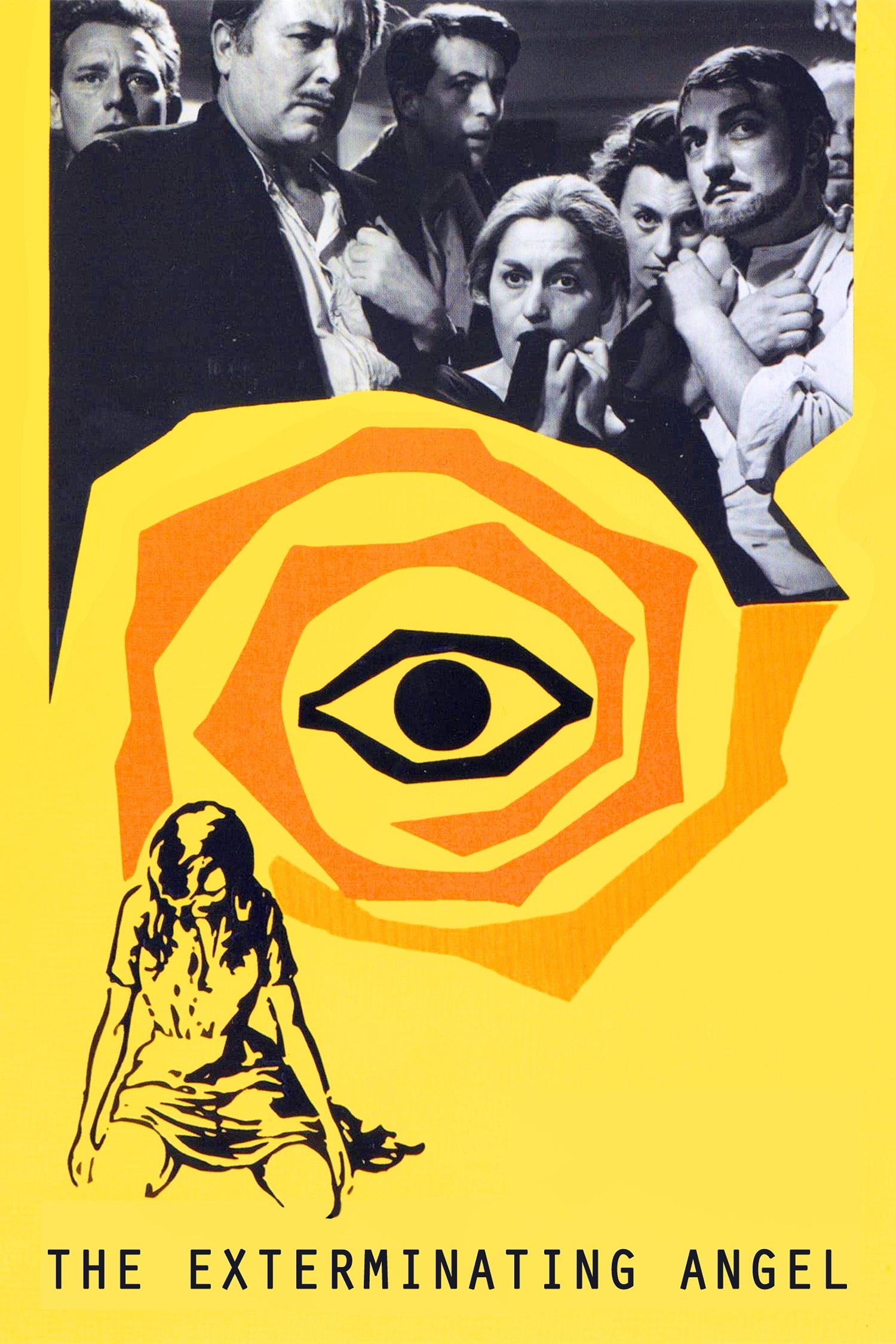
The Exterminating Angel poster

The Exterminating Angel

1962 · Another enclosed community discovers how quickly civilised manners stop being useful.

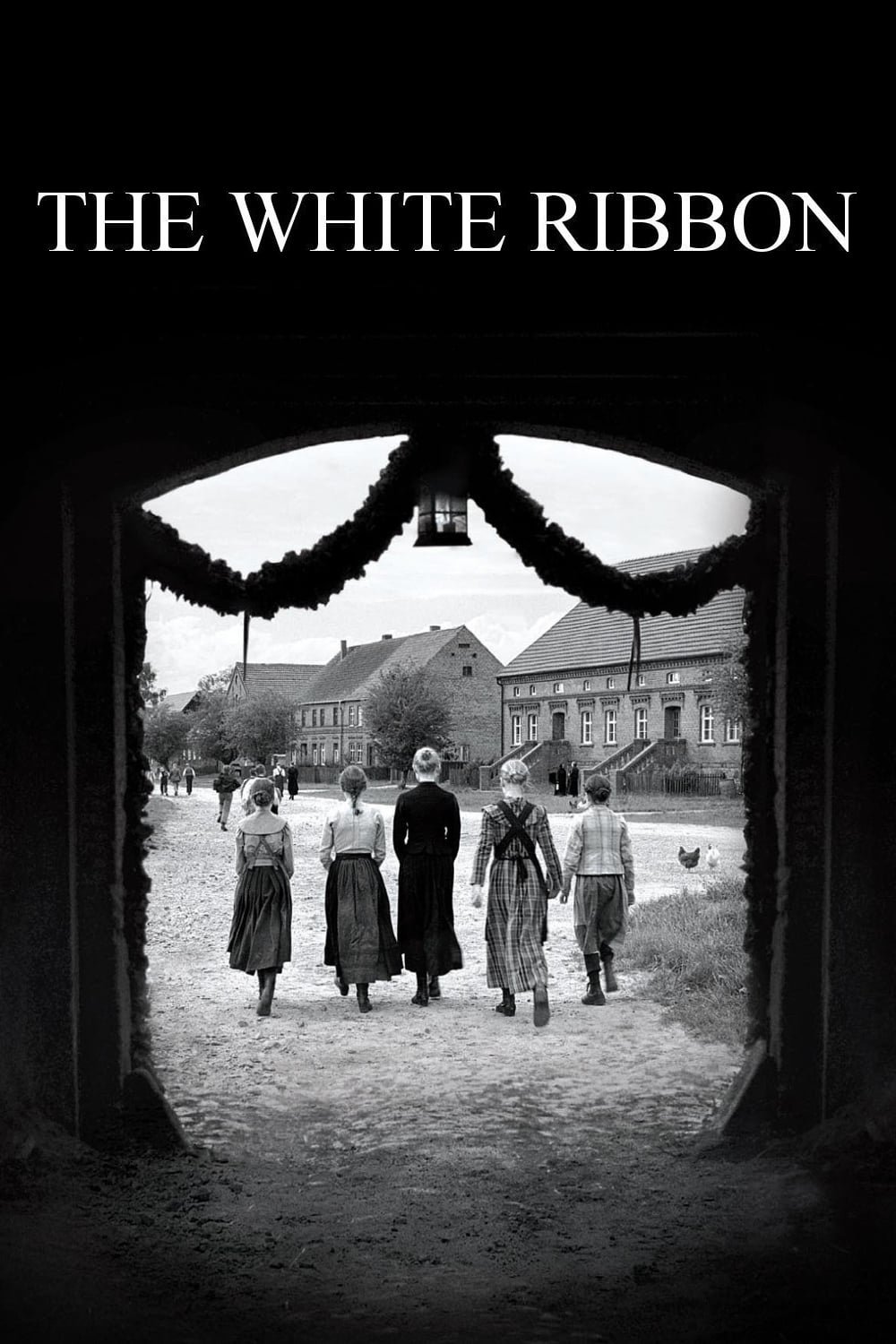
The White Ribbon poster

The White Ribbon

2009 · A village’s respectable surface conceals cruelty, with patience demanded and rewarded.

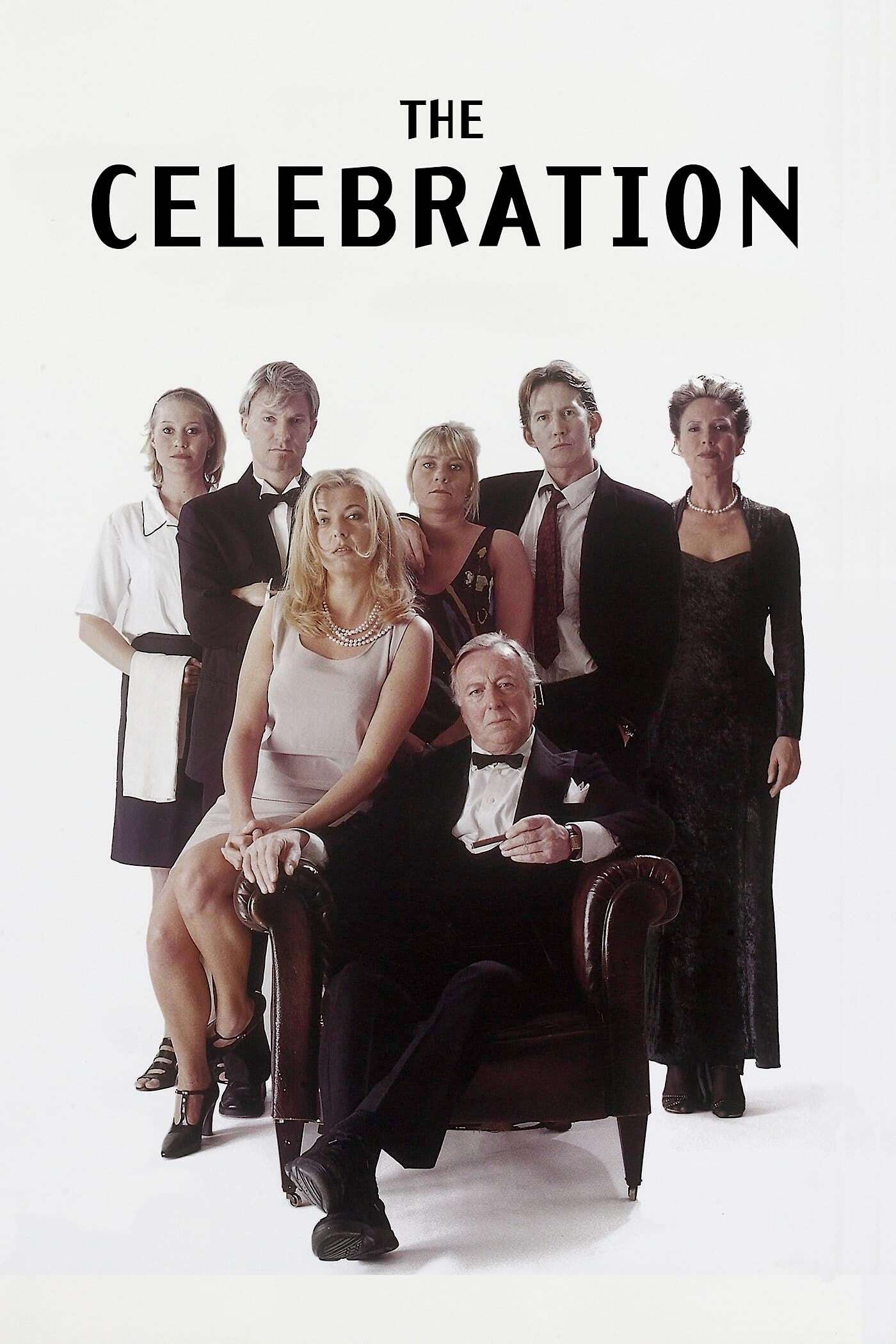
The Celebration poster85

The Celebration

1998 · Family hospitality becomes unbearable, with an ensemble that makes every evasion count.

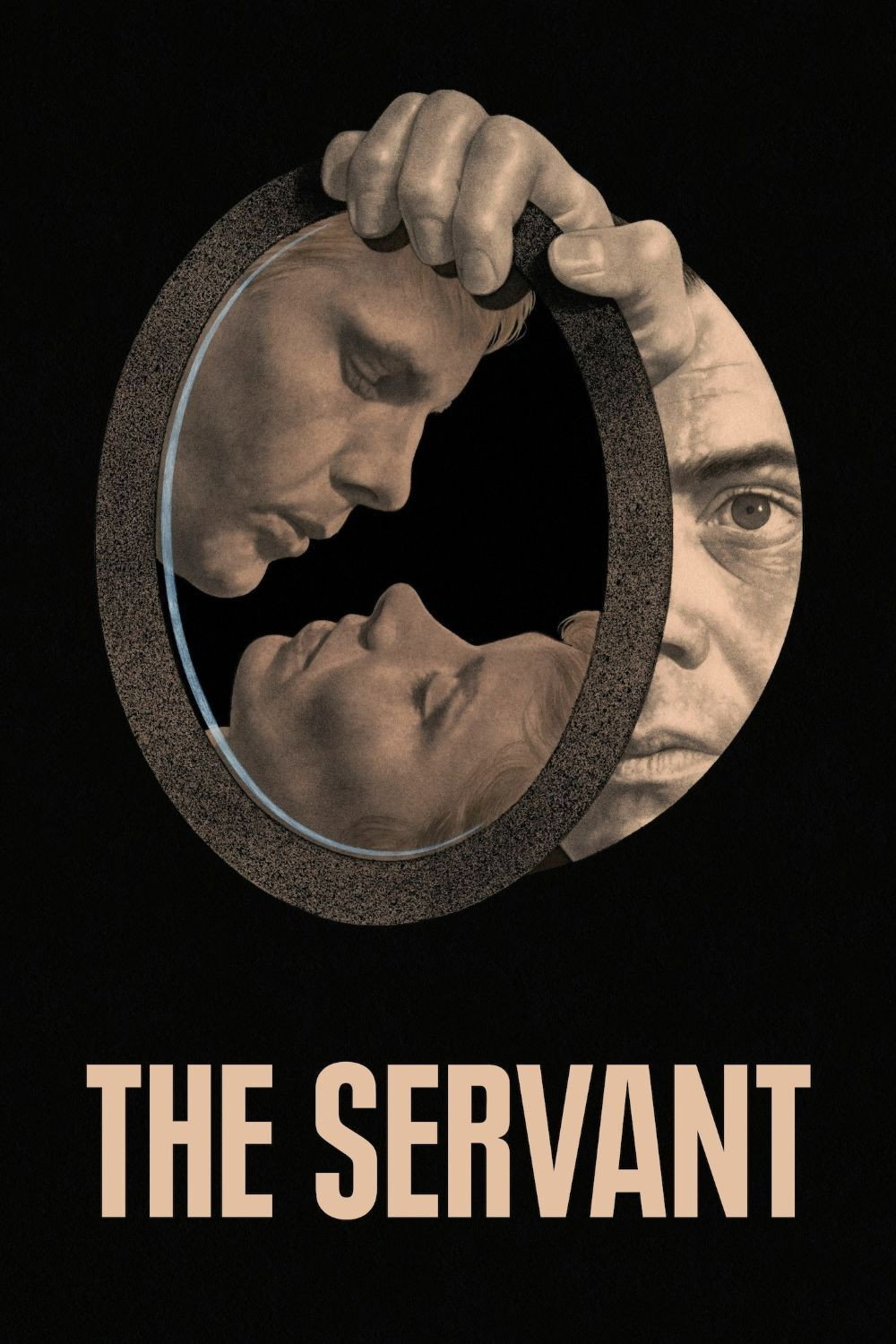
The Servant poster

The Servant

1963 · Dependence and class resentment turn domestic space into somewhere difficult to relax.

A Separation poster

A Separation

2011 · For moral pressure built from believable needs rather than predetermined villains.