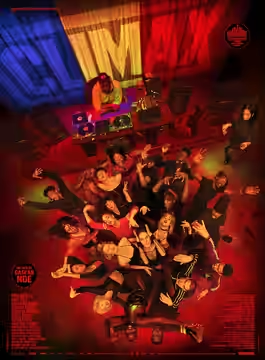
Gaspar Noé makes dance exhilarating and collective panic hard to escape. Climax is worth the ordeal for its choreography and camerawork, though the people remain frustratingly thin beneath the distress.
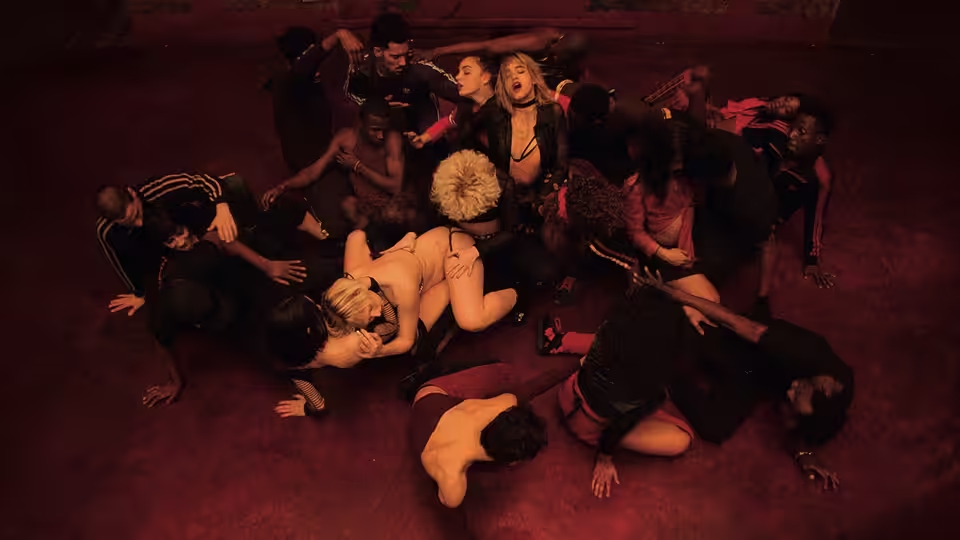
Gaspar Noé’s Climax is a gripping dance-horror film with thin characters and a weakness for prolonging its cruelty. The opening group routine gives it a considerable advantage: we have enjoyed watching these people together before we have to watch them become frightened. Noé wants that change to be felt physically, and his camera and soundtrack do much of the work. The trouble comes when the film expects mounting distress to tell us more about people than the screenplay has.
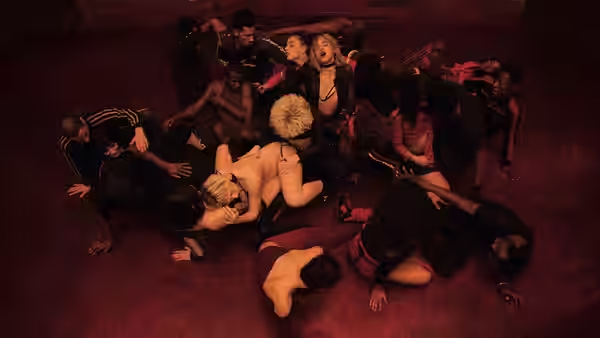
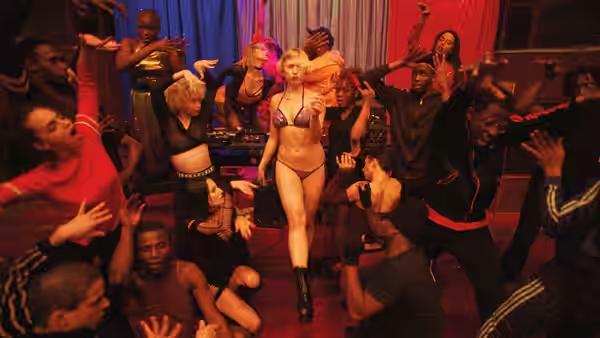
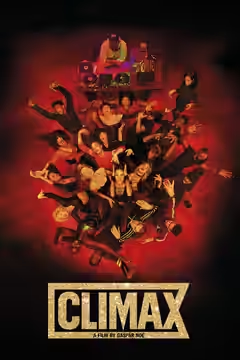
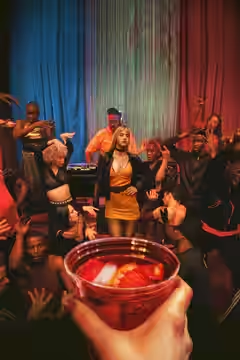
We were exhilarated by the opening routine, because the sustained shot lets us see the performers’ coordination without breaking their work into fragments. Benoît Debie follows the group with enough freedom to make the camera feel involved in the movement, while leaving the dancing legible. Individual performers catch our attention without the sequence losing its sense of a whole group at work. It is a pleasure to be allowed to look for ourselves rather than have each impressive movement isolated for inspection.
Editors Denis Bedlow and Gaspar Noé let that pleasure last, which matters when the film begins to turn unpleasant. We have been given time to watch the dancers before their behaviour becomes alarming. Thomas Bangalter’s music contributes to a soundtrack whose force is essential to this change: its volume keeps us involved even when we might prefer to step back. The sound can be punishing, but it does a clear job. It makes calm observation of the dancers’ distress difficult.
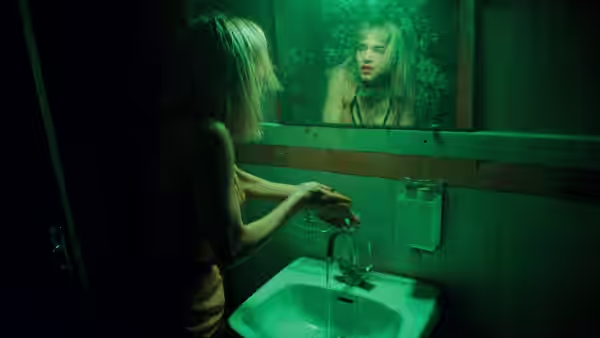
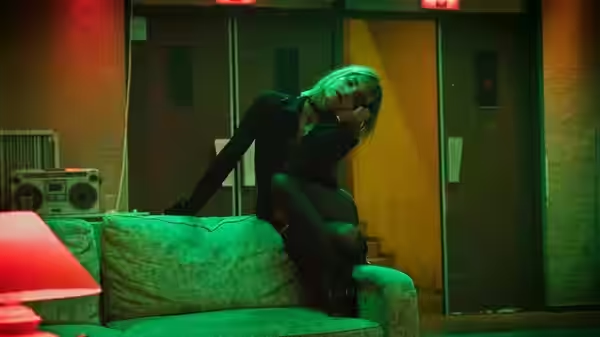
Jean Rabasse’s production design is effective chiefly because it gives Debie space to keep moving around the performers. As that movement grows disorientating, the surroundings begin to feel harder to escape, even without a cut telling us to be afraid. We were unsettled by how little relief the long takes allowed. The same uninterrupted attention that made the dancing pleasurable makes the panic difficult to put aside.
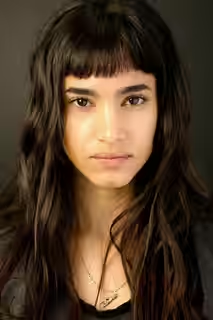
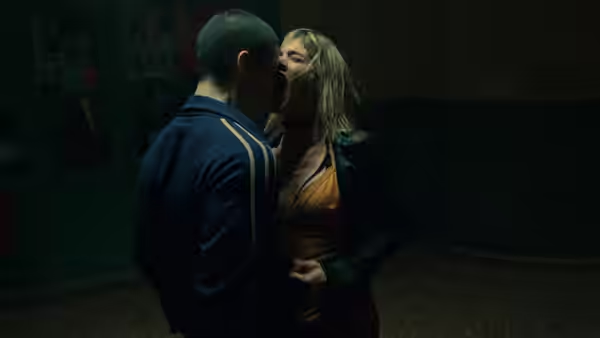
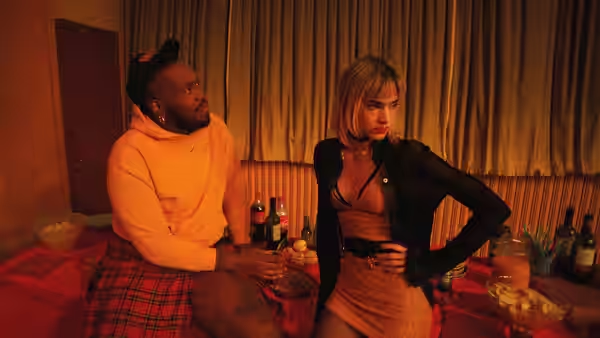
Noé’s screenplay is less persuasive when it asks us to distinguish the people from their reactions. Sofia Boutella gives Selva a physical presence we can hold on to, and the ensemble’s commitment keeps the distress from feeling merely decorative. But physical effort cannot supply every missing piece of character. Too often we understand what a person is feeling without having much sense of who they are, which limits how far the horror can develop.
A horror film can manage with a slight story if it keeps finding new ways to frighten us. Here, the escalating shocks become repetitive, and some of the later insistence feels unnecessary. The performers have already made the loss of control convincing; keeping them at that pitch for longer does not automatically make it more disturbing. We still wanted them to be all right, but we also wanted Noé to find another way of sustaining our concern.
At 97 minutes, this is short enough to tempt the curious, but its intensity needs taking seriously. We would save it for an evening when a punishing horror film sounds appealing, rather than use it to settle a disagreement over what to watch. Anyone hoping for the dance to provide a little relief should know that Noé has other plans.