Ivan Passer’s uneasy thriller is worth seeing for Jeff Bridges, John Heard and Lisa Eichhorn. Their performances keep us involved through a murder investigation that sometimes loses momentum.
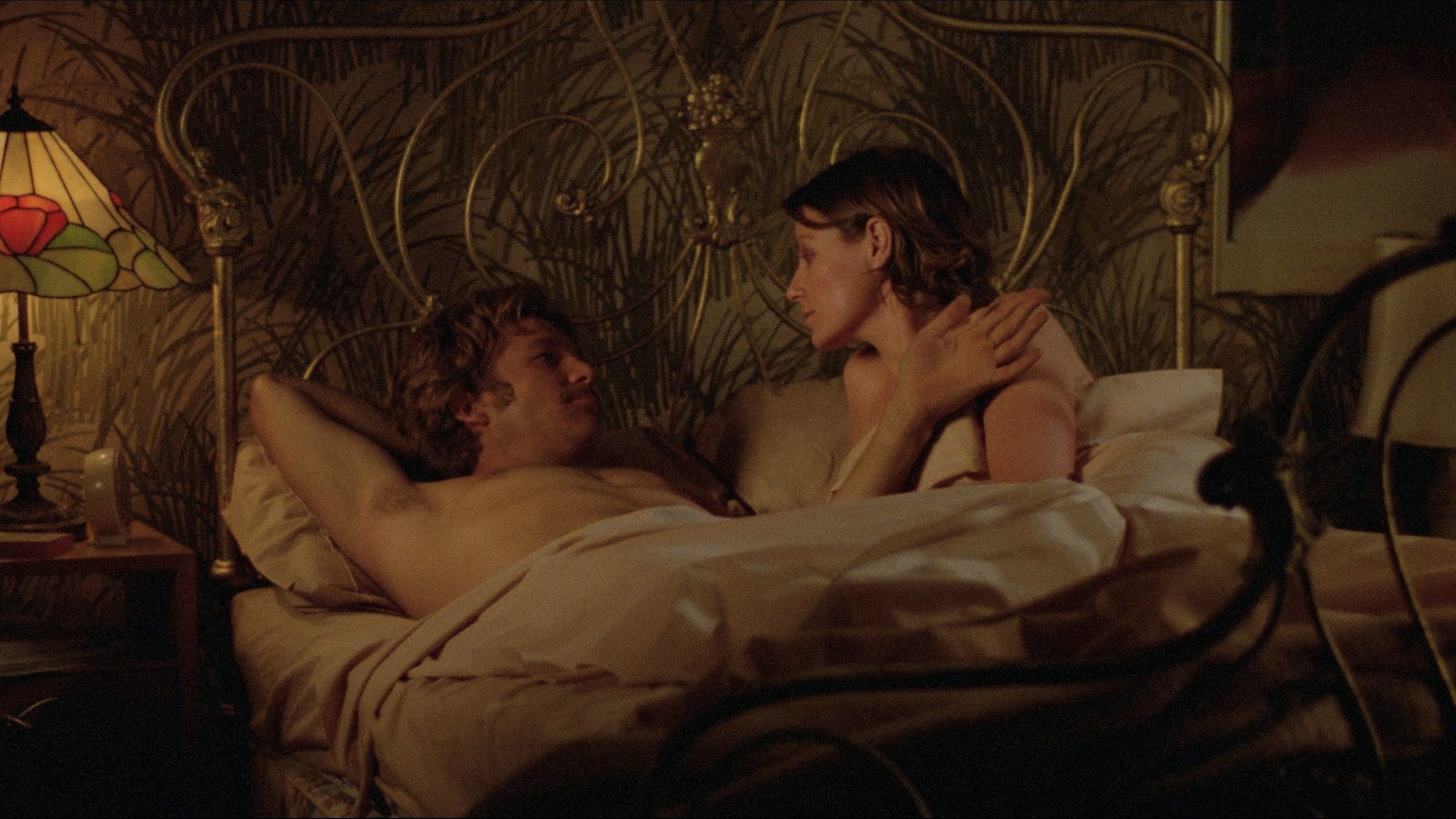
We recommend Cutter’s Way for its three central performances, though anyone expecting a tightly organised murder mystery will have to be patient. Ivan Passer is interested enough in the friendship between Richard Bone and Alex Cutter to let it interrupt the investigation. That choice pays off for much of the film’s 109 minutes. It also creates the principal weakness: sometimes we are kept with the characters after a scene has told us all it has to tell.
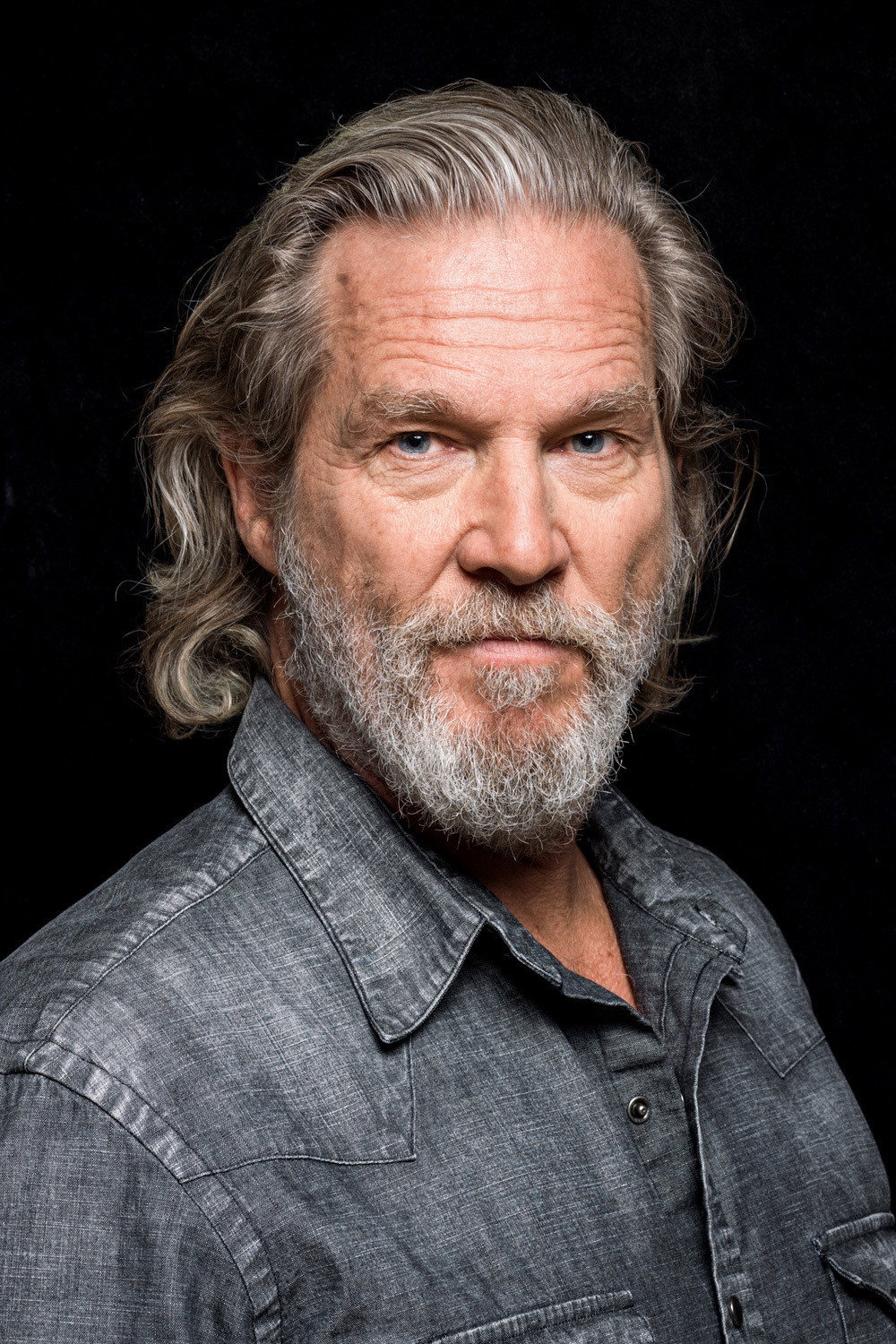
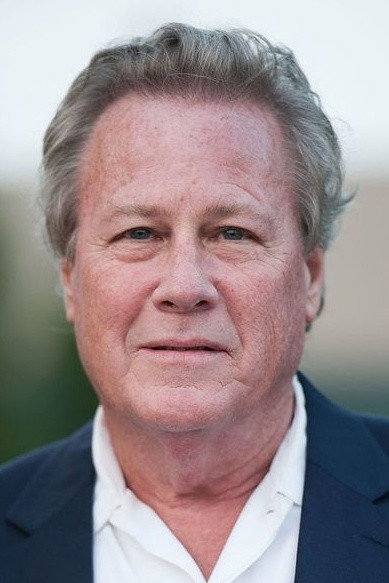
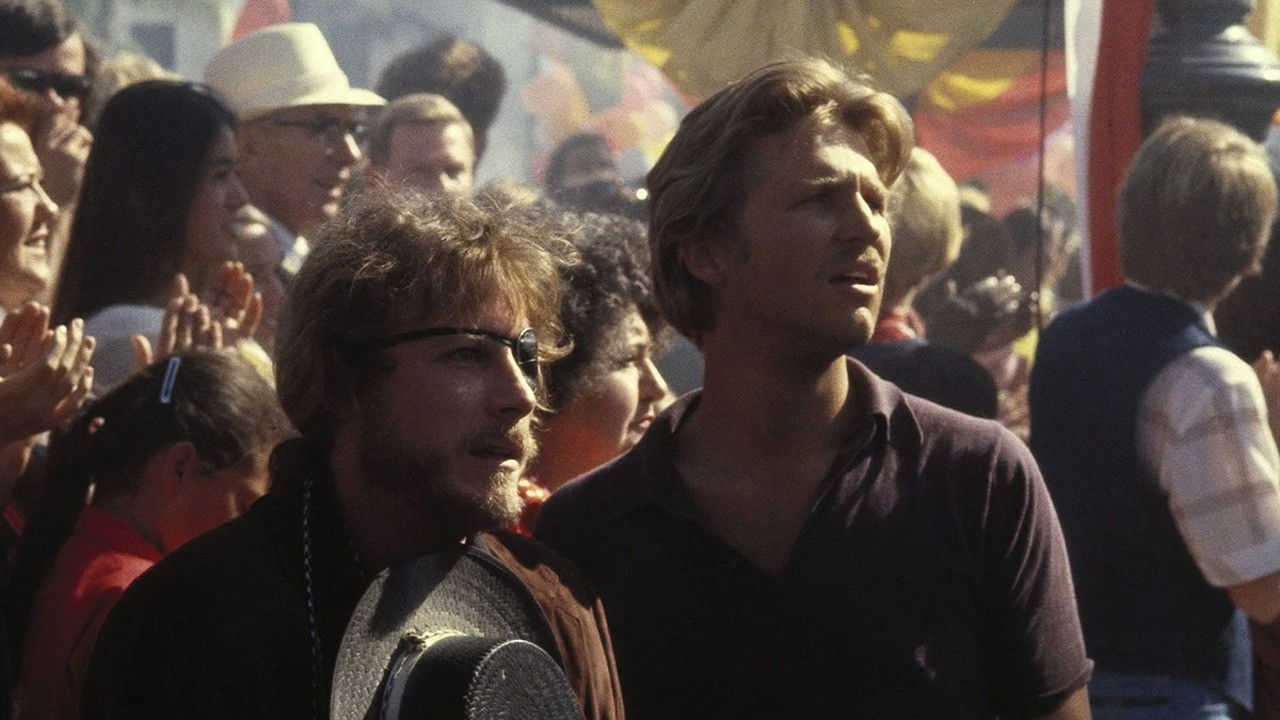
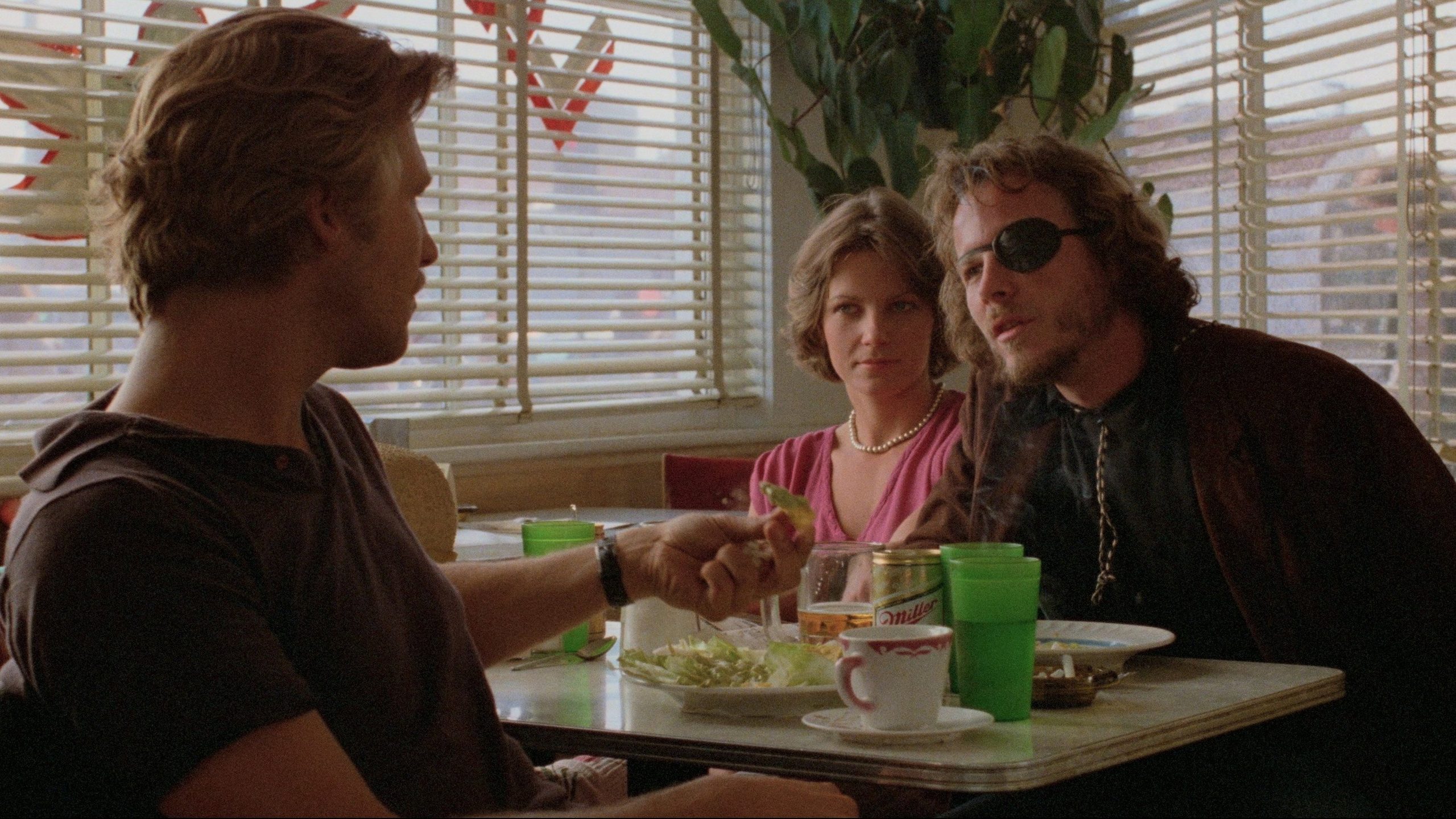
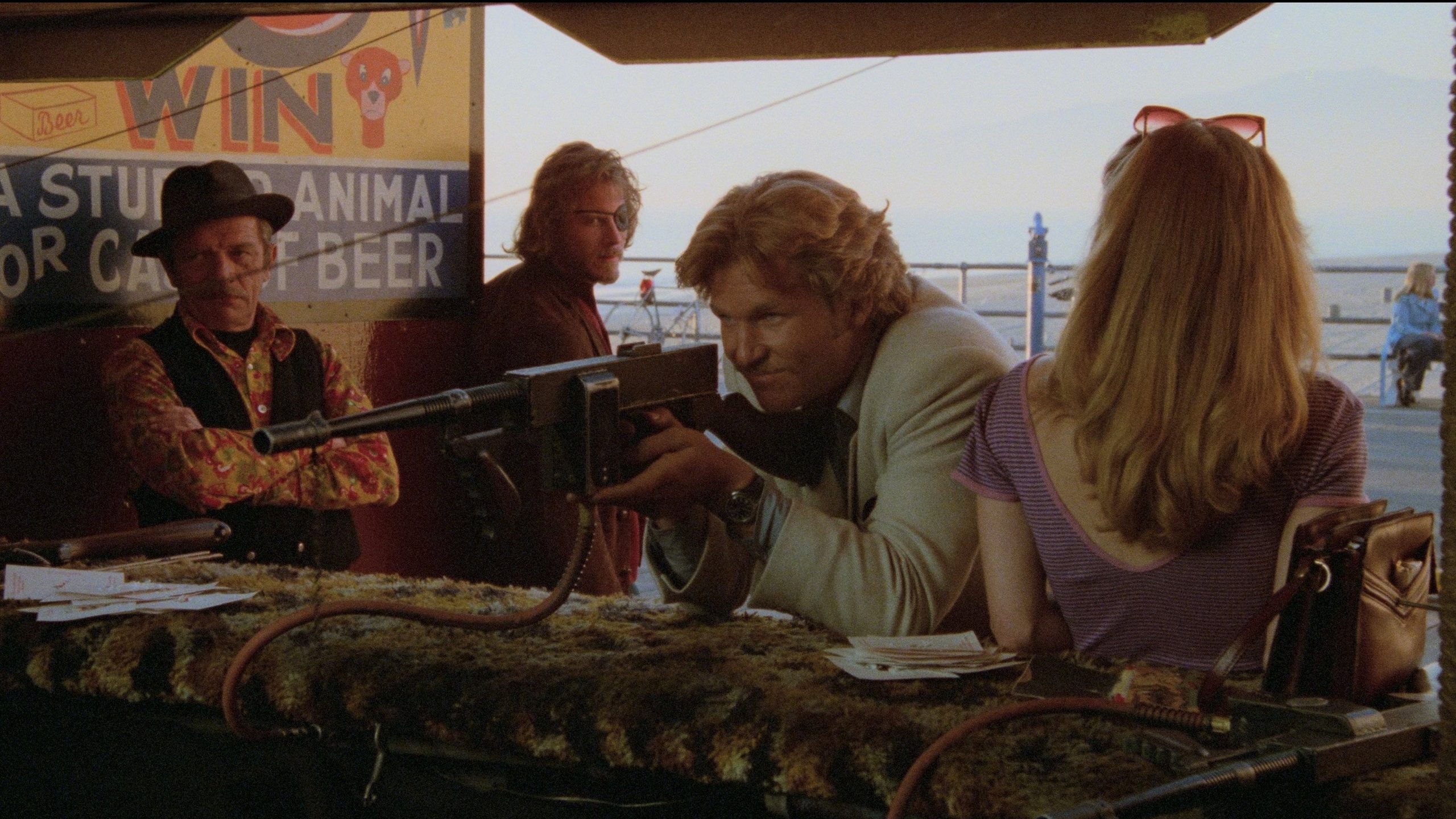
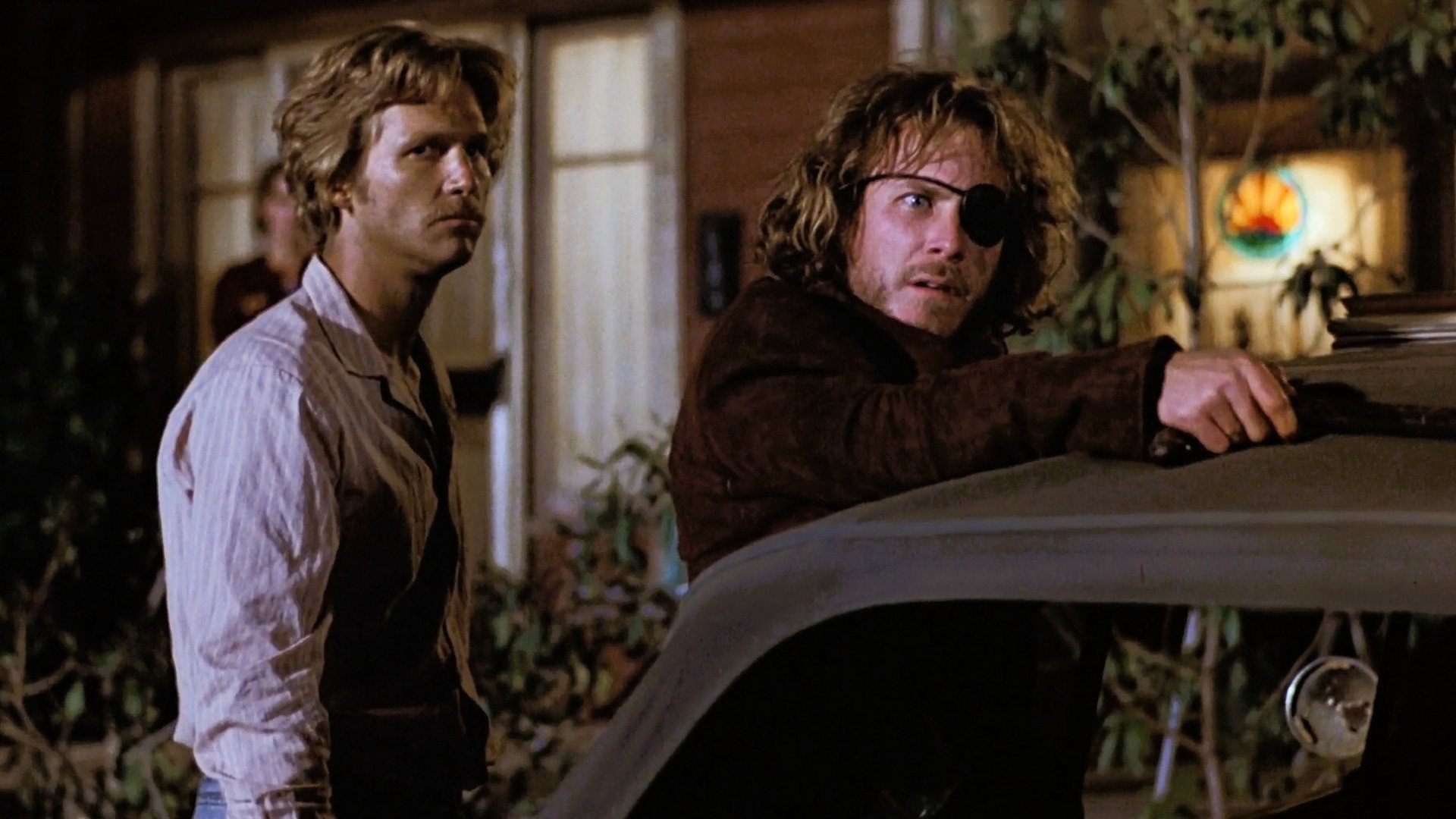
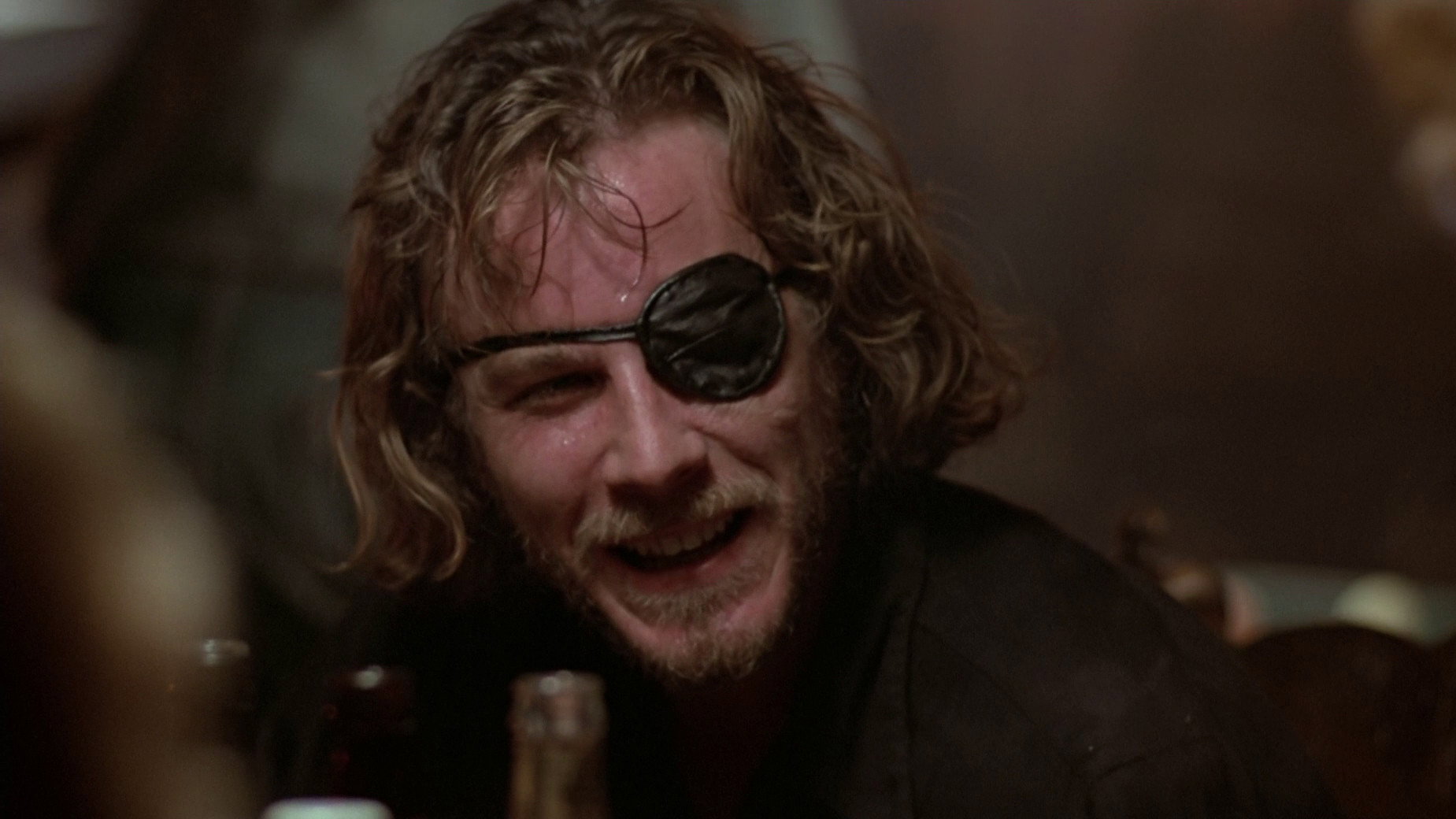
John Heard makes Alex Cutter abrasive enough that spending an evening with him sounds like an unreasonable request. His anger gives the film much of its energy, and Ivan Passer lets it become tiring as well as compelling. Jeff Bridges gives Richard Bone a weariness that can look like evasion, keeping the friendship from becoming a simple contest between a difficult man and a reasonable one. We were unsettled by their exchanges, because John Heard’s anger keeps demanding a response that Jeff Bridges seems unwilling to give.
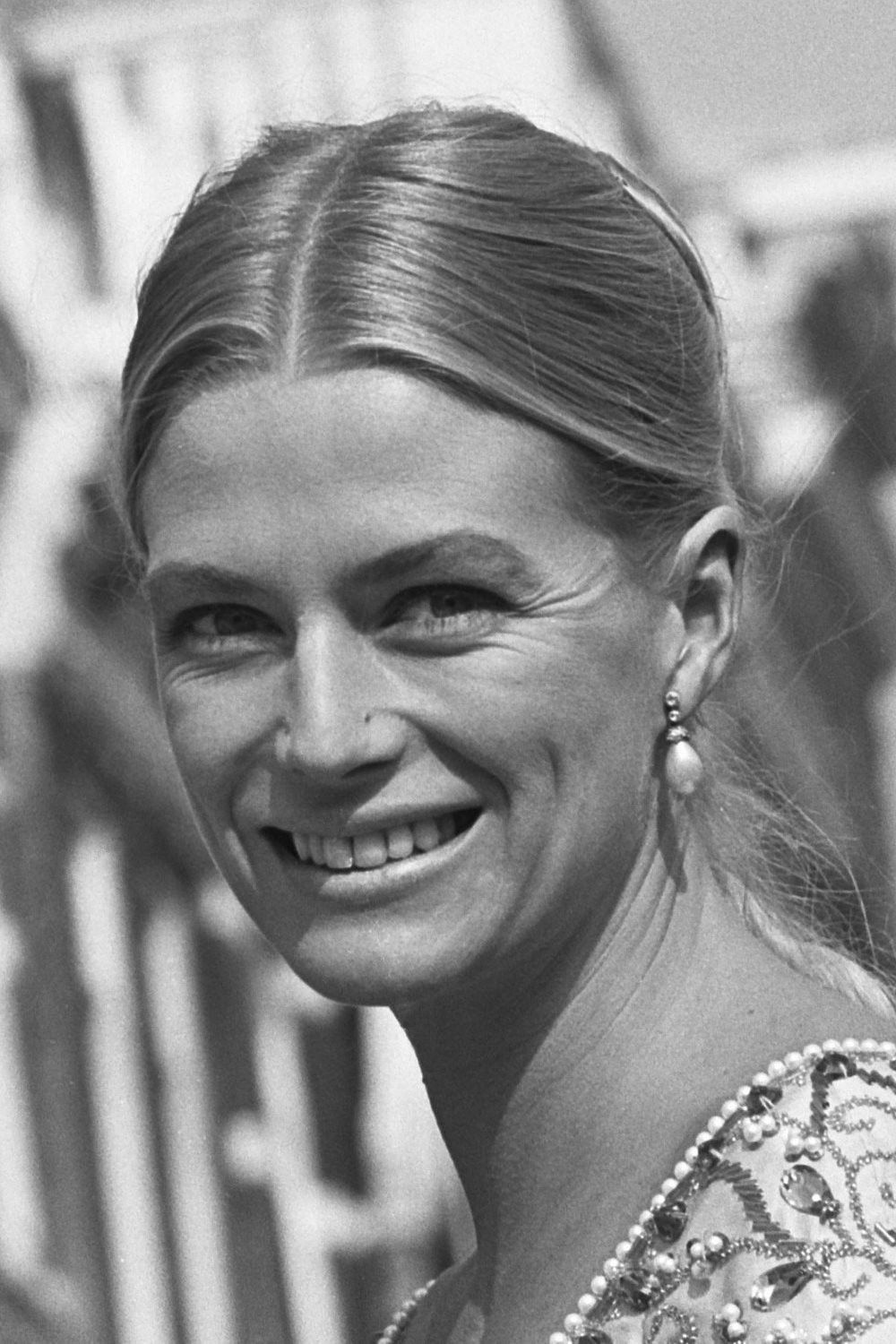
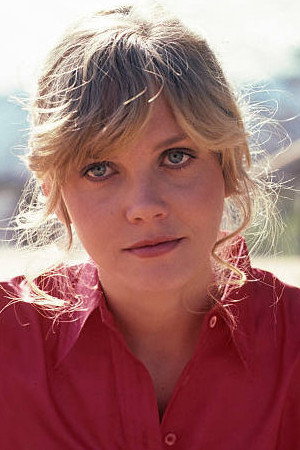
Lisa Eichhorn, as Maureen Cutter, ‘Mo’, gives the film a quieter source of distress. She holds our attention without competing with John Heard’s intensity, and her presence makes the men’s absorption in their own troubles harder to excuse. It is the performance we would point to when the film seems at risk of treating an abrasive personality as sufficient characterisation. She makes the unhappiness surrounding these men matter, even when the investigation has little use for it.
Jordan Cronenweth’s cinematography is important to that discomfort. The light in Santa Barbara has warmth, but the muted images never make the place feel carefree; we can enjoy looking at it without expecting the characters to enjoy living there. Josan F. Russo’s production design is restrained enough to keep our attention on the actors. The surroundings give them somewhere to seem stuck, even when the sunshine suggests they ought to be enjoying themselves.
Caroline Biggerstaff’s editing gives the actors time to establish this awkward company, and that patience is mostly well spent. The middle is where it becomes a liability: exchanges can prolong an impression already made without deepening it or advancing the inquiry. Jack Nitzsche’s music helps sustain the unease through those passages, although it cannot make every extended conversation necessary. Jeffrey Alan Fiskin’s screenplay is occasionally too fond of forceful talk, particularly when the words keep drawing attention to the speaker’s eccentricity.
A conventional detective thriller would make clearer progress through its evidence, and it is fair to miss that here. Vietnam’s damage, class resentment and the desire to hold someone responsible repeatedly complicate the investigation. Ivan Passer gives those feelings enough weight to make the wandering worthwhile, especially when the three leads are allowed to unsettle one another. There is pleasure in watching actors make such awkward people absorbing without making them agreeable. Choose it when difficult company sounds worth spending an evening with.