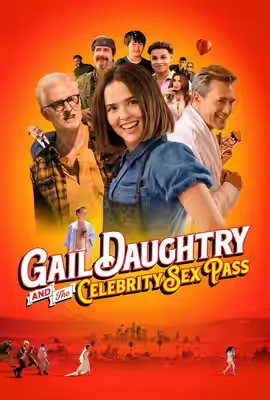
David Wain’s celebrity comedy gets by on Zoey Deutch’s warmth and John Slattery’s willingness to look ridiculous. There are laughs worth having, but the sprawling cast and overextended routines make 94 minutes feel less brisk than they should.
David Wain’s Gail Daughtry and the Celebrity Sex Pass is a likeable comedy that could do with someone being firmer about when a joke has finished. Wain and co-writer Ken Marino favour cheerfully unreasonable behaviour, and their willingness to be silly is welcome. The difficulty is keeping that silliness going between the good routines. We would recommend it to viewers with an appetite for broad, wayward comedy, with a warning that the gaps are noticeable.
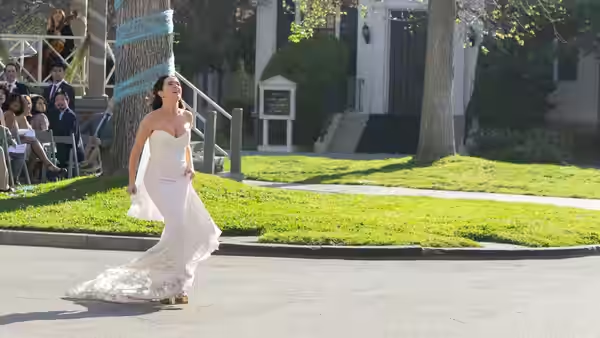
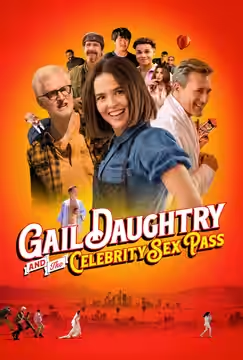
Zoey Deutch gives Gail a sunny certainty that helps the sexual material avoid becoming sour. Her naïveté leaves plenty of room for determination, particularly when she is being blunt about what she wants. We warmed to her because that sexual determination never costs her basic friendliness. It is a useful performance in a film this scattered: even when another joke wanders off, there is still someone at the centre worth spending time with.
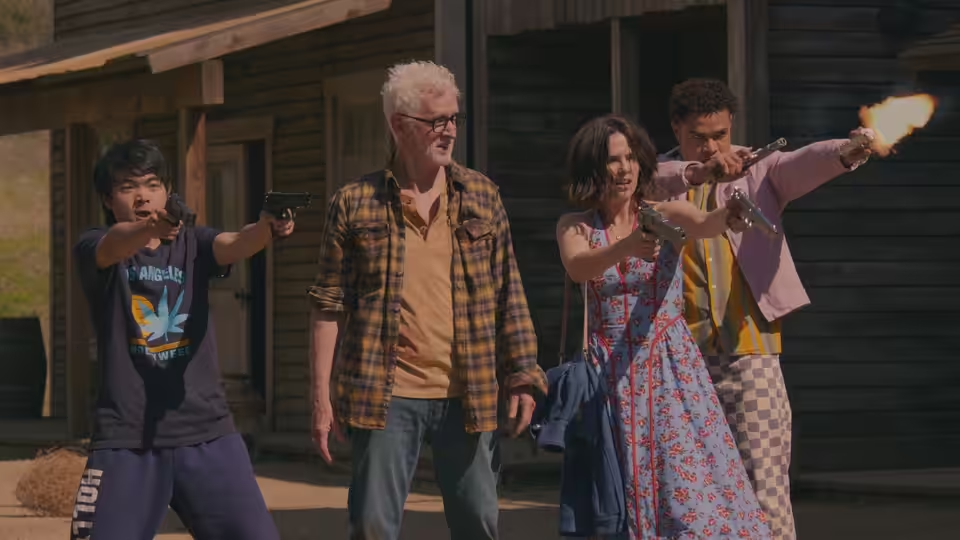
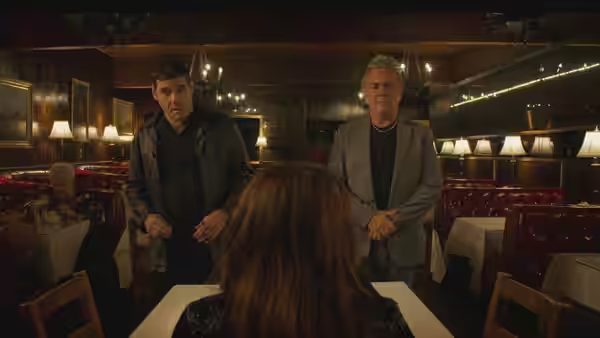
John Slattery, playing himself, is the other reliable attraction. His straight-faced commitment gives the self-mockery room to become increasingly absurd, rather than stopping at the easy pleasure of recognising a famous person. Jon Hamm also appears as himself, so celebrity recognition is plainly part of the offer. Slattery makes a persuasive case for the device by behaving as though there is no reason to protect his dignity.
The hotel concierge business and the repeated slapstick show what Wain and Marino are after. A gag can run beyond the point at which a sensible person would stop it and become funny again through persistence alone. We enjoyed that stubbornness when another repetition made the slapstick still more ridiculous. But it is a demanding way to sustain a feature, and the weaker material exposes how long we are waiting for the next laugh.
John Daigle’s editing has to accommodate both these extended routines and a story that needs to keep moving. The balance is uneven, with the patience that benefits individual jokes also allowing the surrounding action to sag. Kevin Atkinson’s cinematography and Justin Lieb’s production design provide less of the film’s comic appeal than the performances do, while Craig Wedren’s music is similarly secondary to the actors’ delivery. The cast’s commitment remains the strongest reason to stay with it through the slack stretches.
The screenplay’s larger problem is the wandering ensemble. There is pleasure in a cast committing to nonsense, but the supporting business takes time away from a heroine who remains more engaging than much of what surrounds her. A broad spoof need not have a substantial story; it does need to make the diversions feel worth taking. Here, too many feel like ideas that earned a place by being available, rather than by being funny enough.
At 94 minutes, this ought to be an easy recommendation for a light evening, and the uneven rhythm makes us qualify it. There is enough warmth to keep the vulgarity companionable, and enough comic nerve to forgive some failed attempts. We would choose it for company already sympathetic to deliberately foolish humour. If a joke refusing to finish usually makes you impatient, Zoey Deutch can only do so much.