James Gunn’s space adventure is funny enough to forgive its clutter. Chris Pratt leads a well-matched cast, and the team’s arguments make the familiar superhero business enjoyable, though the villains could use some of their personality.
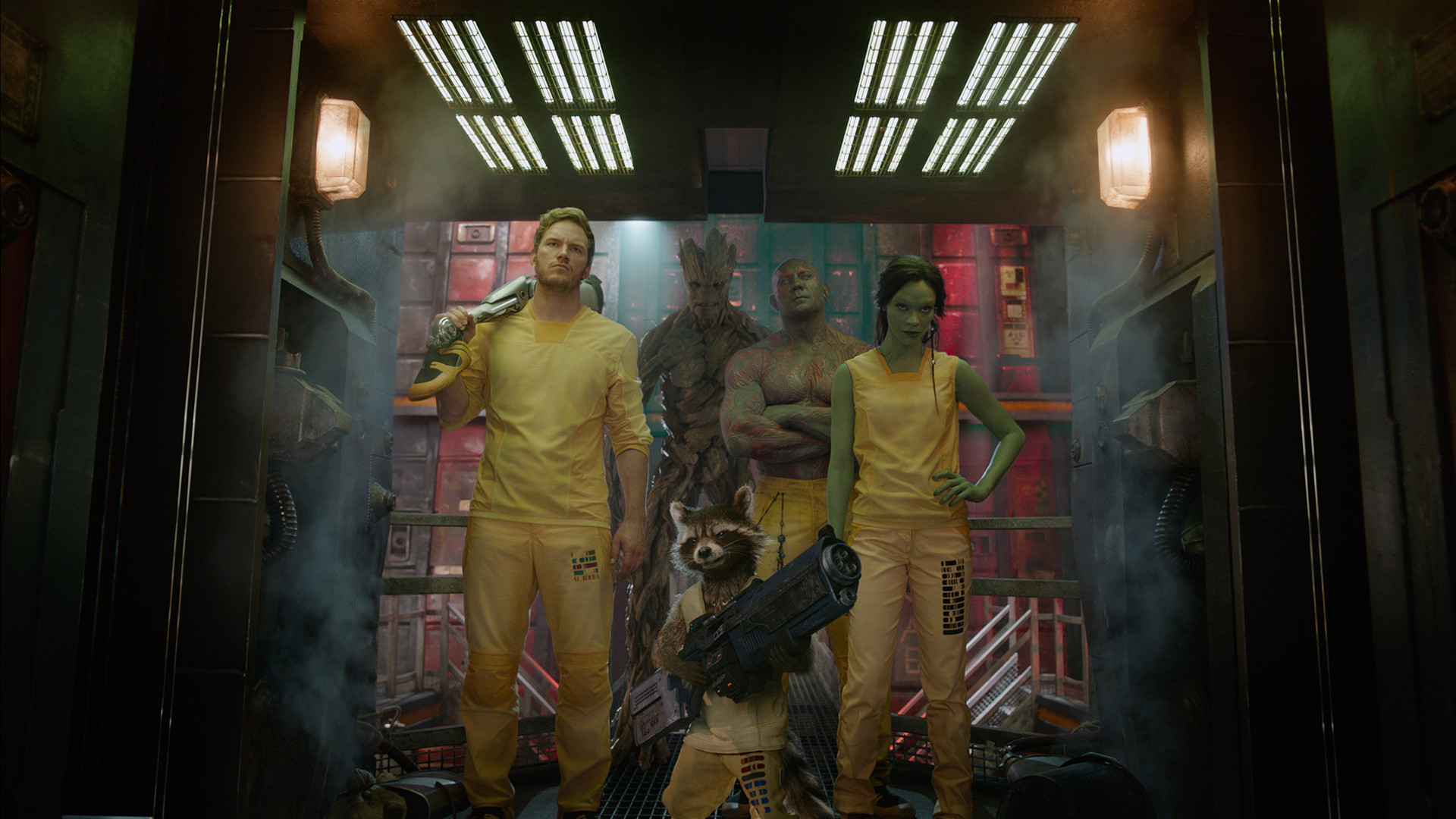
Guardians of the Galaxy is a good-natured space adventure that understands the pleasure of watching difficult people try to work together. Gunn, writing with Nicole Perlman, gives the central group plenty of opportunities to irritate one another and enough charm to make us stay for the argument. We recommend it, with a warning about the stretches spent explaining its cosmic business. Gunn makes the time spent together enjoyable before asking us to care about the larger adventure.
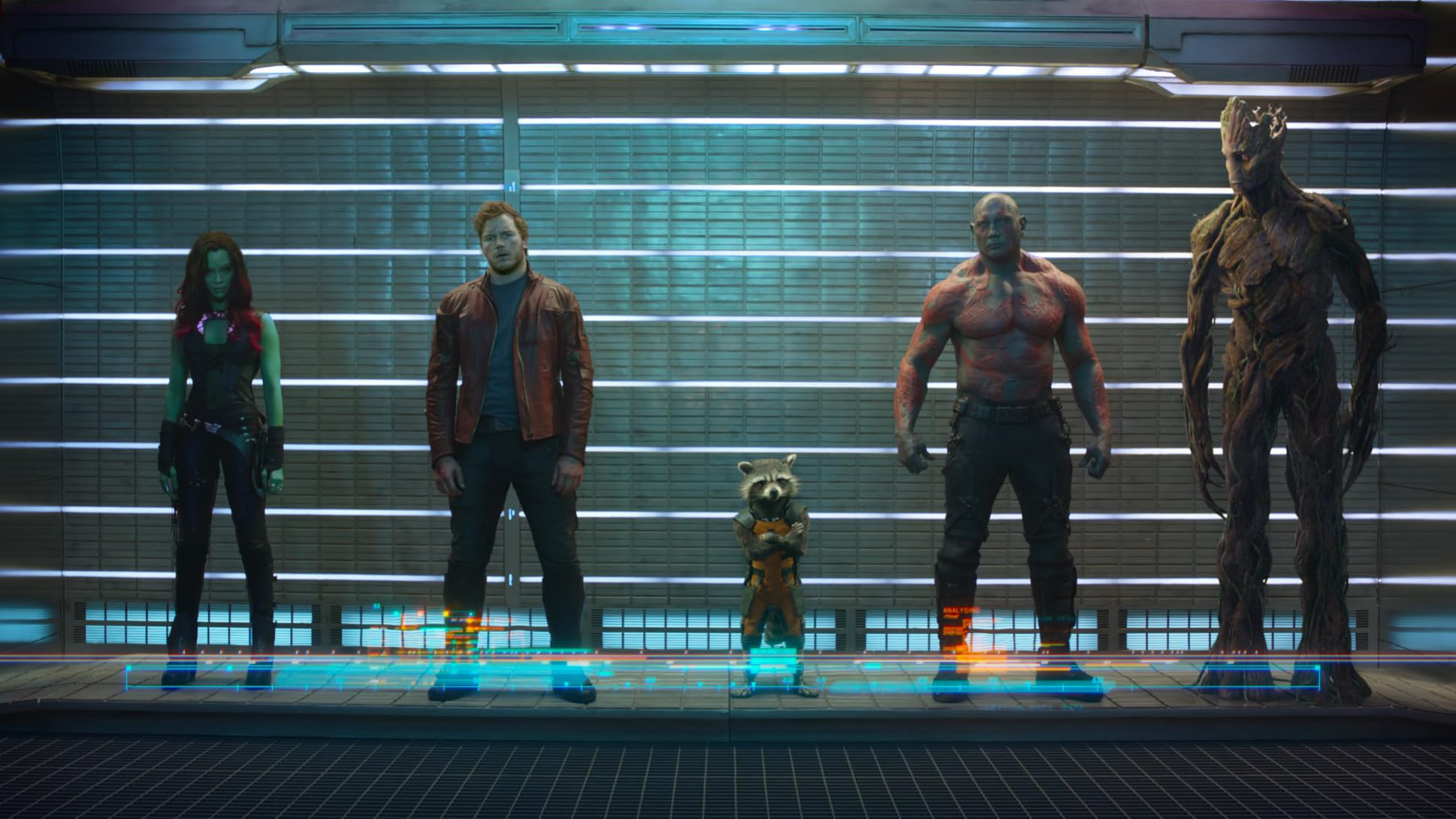
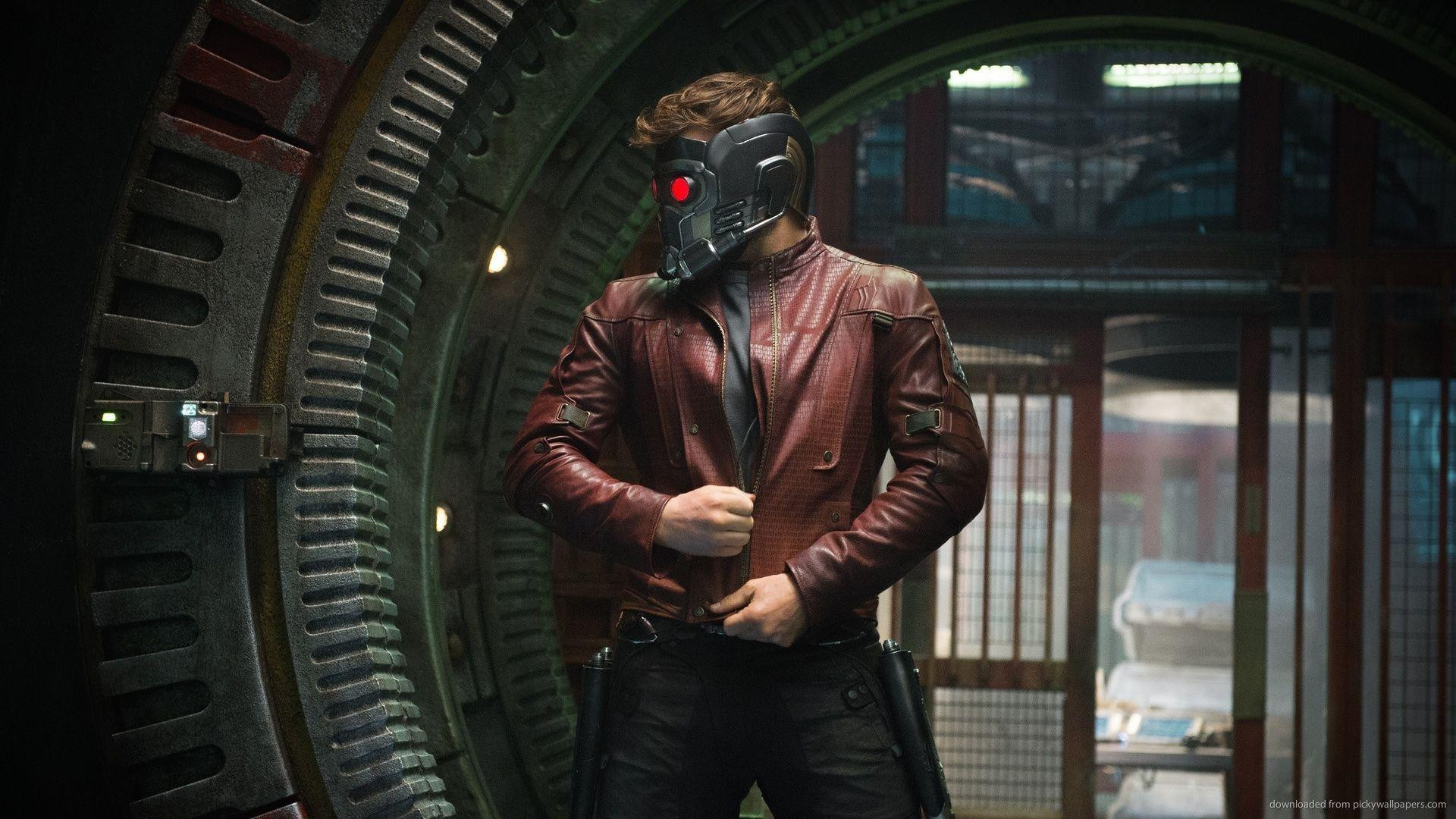
Chris Pratt gives Peter Quill an appealingly effortful confidence. He lets us notice the work involved in being charming, which stops the performance becoming a demand for affection. Zoe Saldaña’s Gamora gives the ensemble a firmer presence when the chatter threatens to become compulsory. Dave Bautista’s Drax is the comic surprise, and we laughed hardest at the seriousness Bautista brings to the jokes. He seems unwilling to let the absurdity of the company affect his own standards.
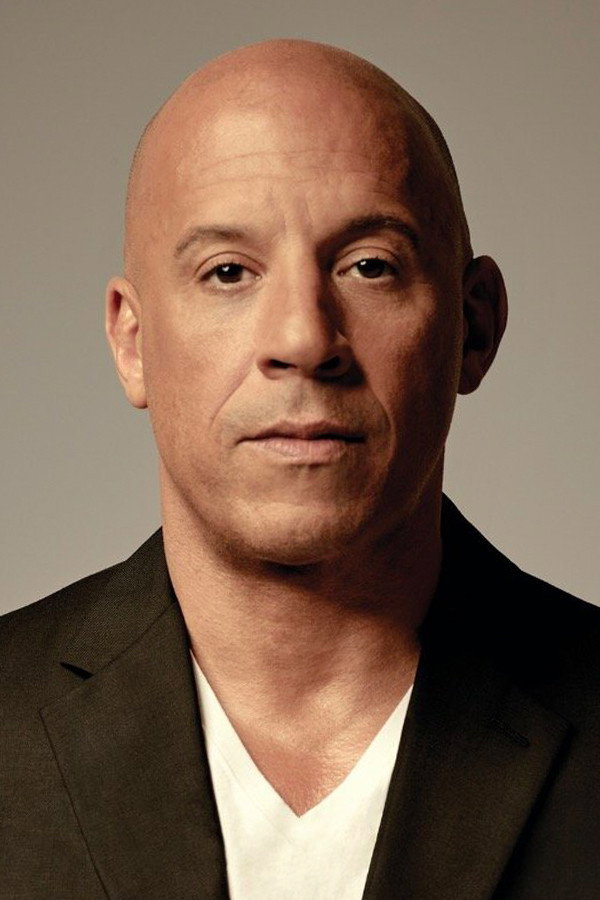
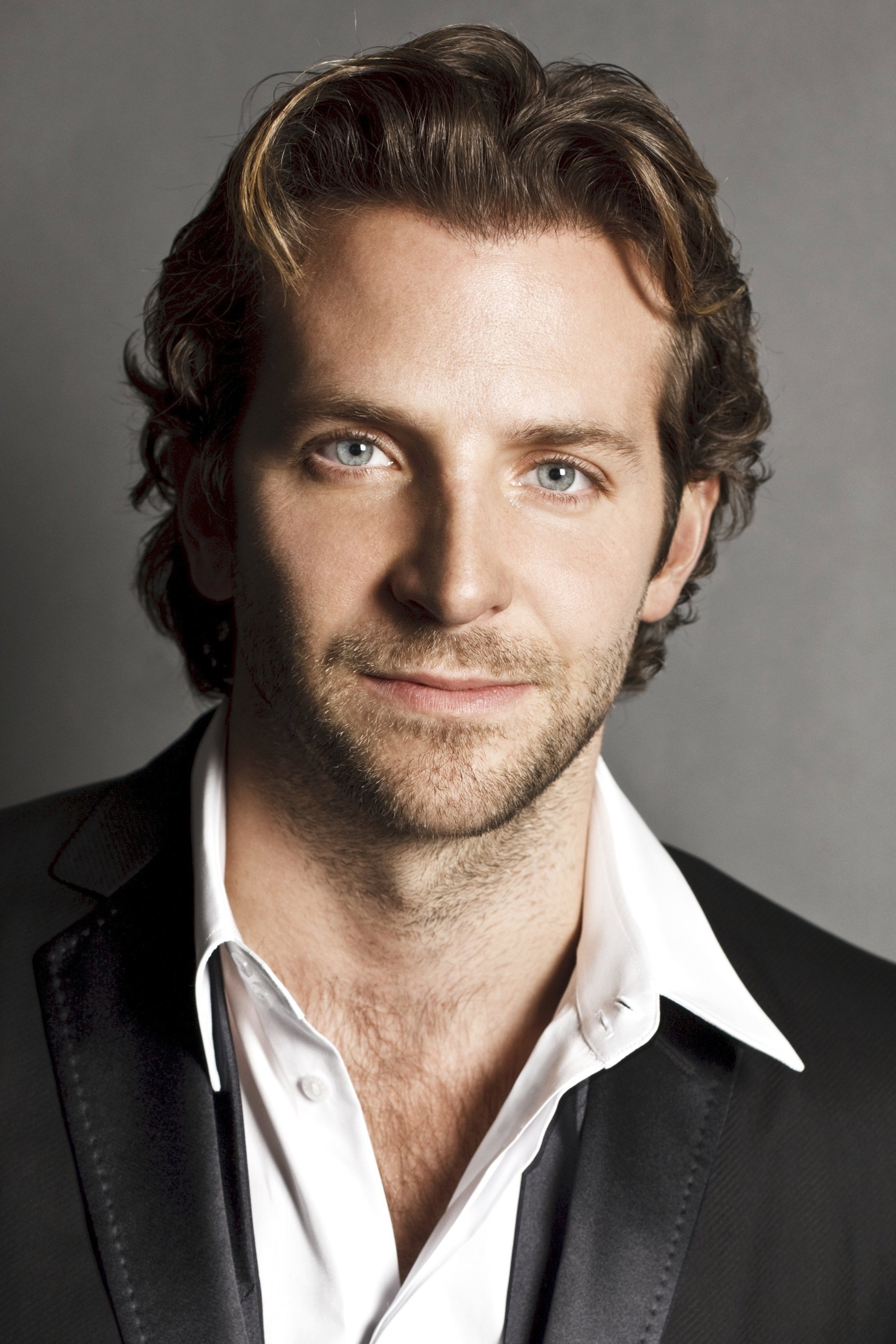
Bradley Cooper, voicing Rocket, gives the comedy a sharper, more impatient sound. Vin Diesel’s voice work as Groot makes a gentler contribution, and the contrast helps the group feel like a collection of personalities rather than five variations on one joke. Gunn also allows their vulnerability to show without stopping the adventure for a lesson in friendship. Those quieter passages matter: without them, spending this long with people who keep needling one another could become an obligation.
Ben Davis’s cinematography gives the alien landscapes colour without making everything equally insistent. Charles Wood’s production design supplies settings worth examining, even when the dialogue is keeping us busy with explanations. The images can be crowded, but the action generally remains readable. Editors Hughes Winborne, Fred Raskin and Craig Wood keep individual characters clear within the commotion. We can follow what people are doing, which gives the jokes room to work during the action.
Tyler Bates’s score keeps the adventure moving, though it is not the music we remember afterwards. The older pop songs have more personality, and their familiarity gives the space travel an ordinary human connection. They also help the emotional passages without announcing that the film has become serious. Gunn’s use of music is one of the reasons the warmth feels earned, even when the script is eager to get to the next wisecrack.
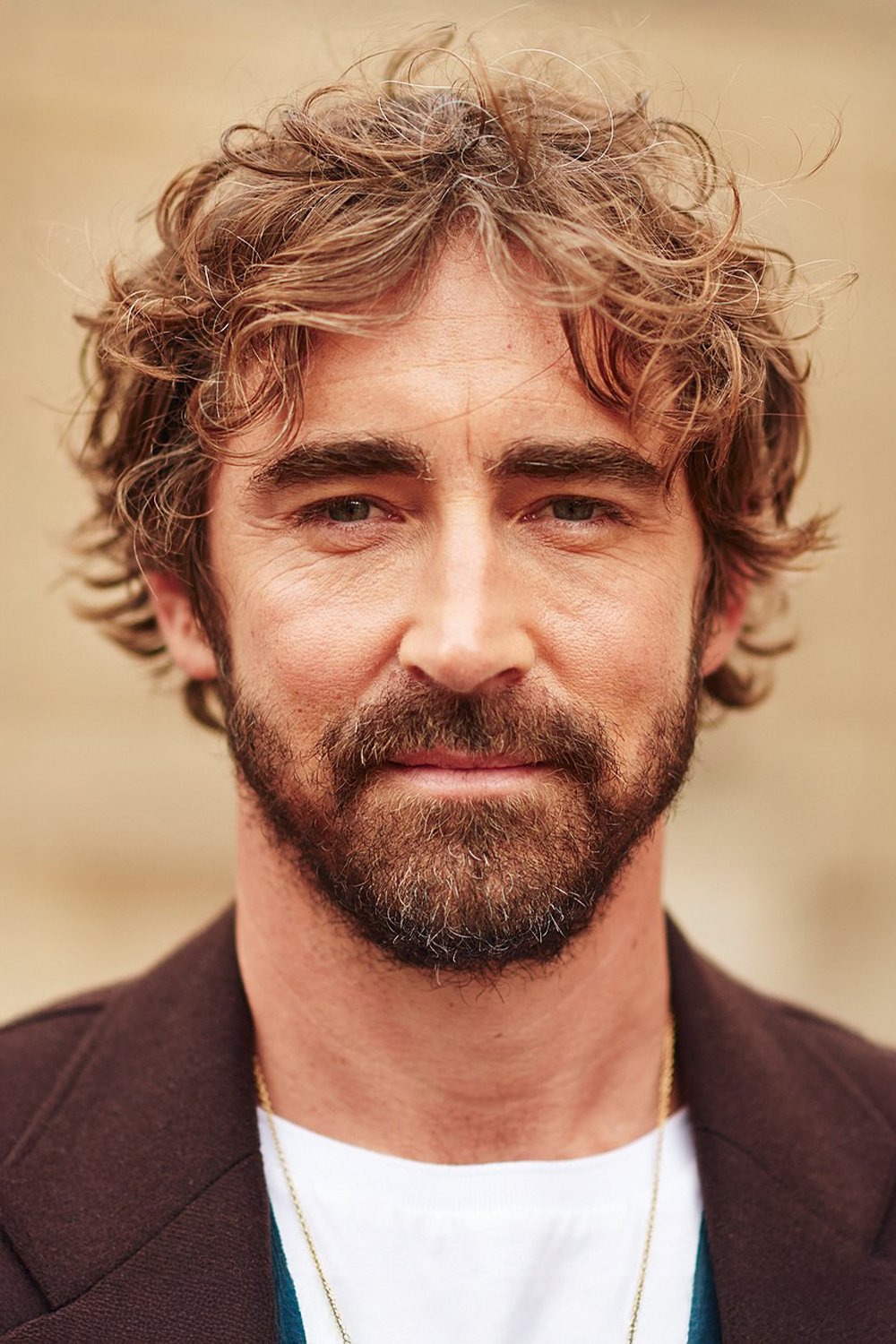
Lee Pace’s Ronan is less fortunate. Gunn and Perlman give the villains too little personality, leaving Pace with limited room to make an impression beside the central group. At 121 minutes, the film also has more explanation than this light adventure needs, and its talk of larger matters is seldom as engaging as its petty disagreements. The increasingly noisy action becomes tiring. By the time it reaches for a large-scale climax, we have already seen how much it can achieve by letting its cast irritate one another.
Space opera asks us to accept a great deal of unfamiliar scenery, and comedy helps us settle into it. Gunn understands the usefulness of having companions whose reactions are worth watching while we find our bearings. The superhero routine remains visible, but there is enough pleasure in the ensemble to make another trip through it welcome. Watch it with someone who does not require everyone on screen to behave sensibly.