Elaine May makes two hopeless songwriters worth caring about, and their dreadful music is often funny. Ishtar is good company until the political intrigue gets in the way; the friendship makes it worth the detours.
Ishtar is a good, uneven comedy about two men who badly need someone to discourage them. Elaine May writes and directs with enough affection for these talentless singer-songwriters to make their persistence touching, while allowing their work to remain dreadful. We recommend it for the songs and the friendship, with a warning that the political intrigue can be a chore. It is funniest when the men are allowed to get on with being bad at their chosen profession.
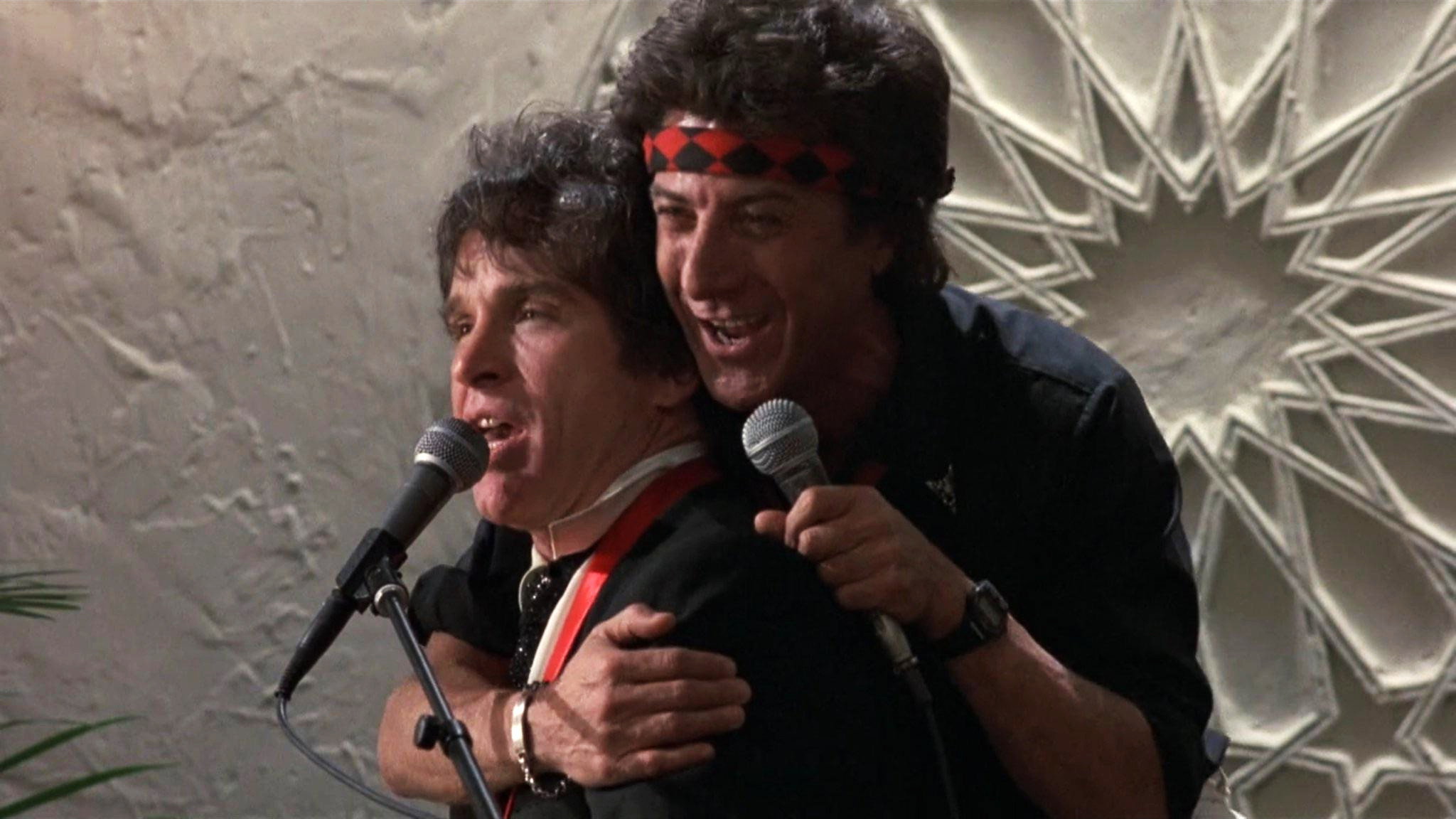
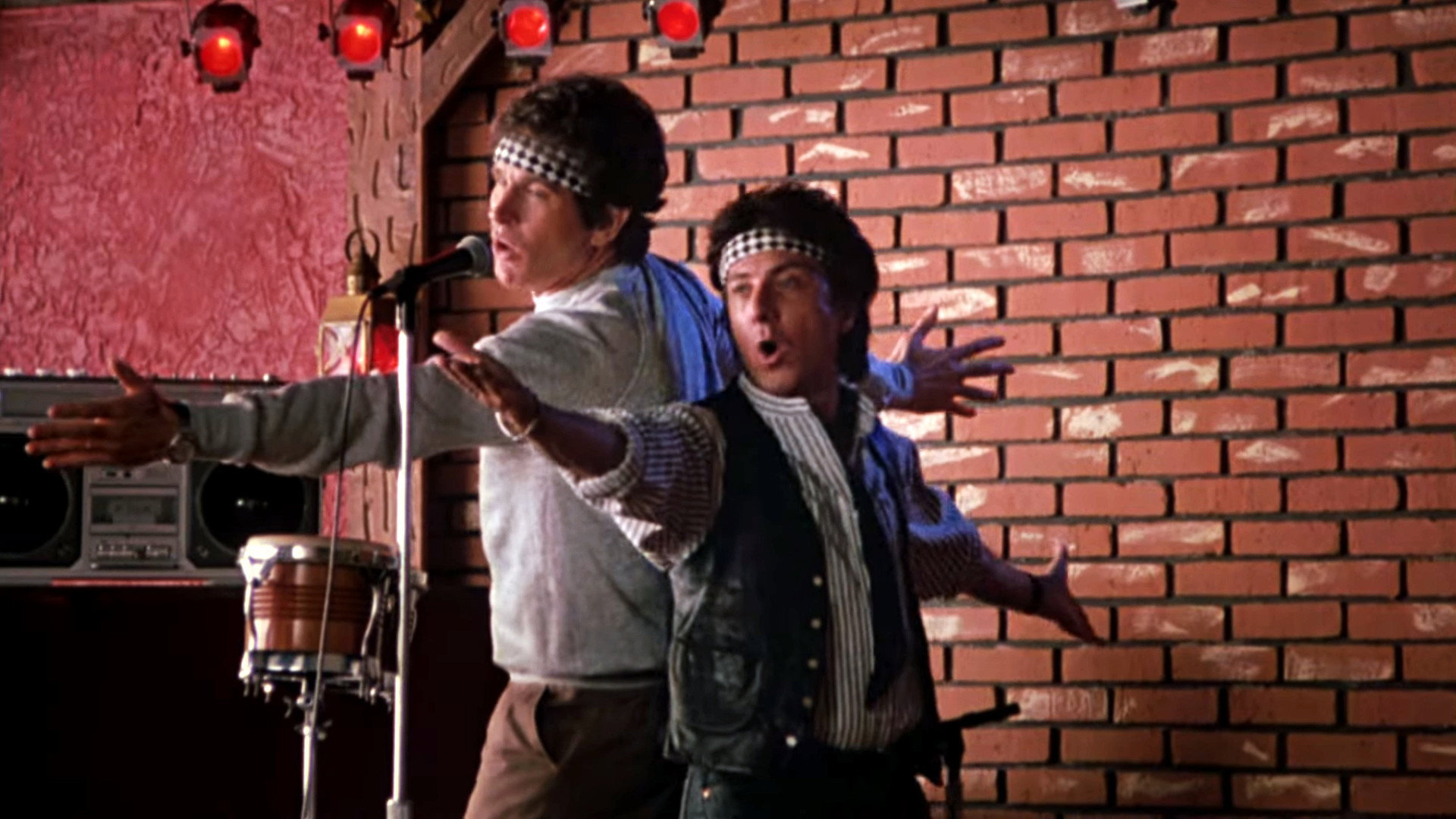
The opening songwriting scenes establish how carefully this needs to be done. We laughed at the songs, then felt protective of the men singing them. The music is bad enough to justify the laughter, but the effort is recognisable to anyone who has worked hard on something that did not deserve the hours. Elaine May does not treat their lack of talent as permission to stop looking at them closely. There is enough affection here to keep embarrassment from becoming the only joke.
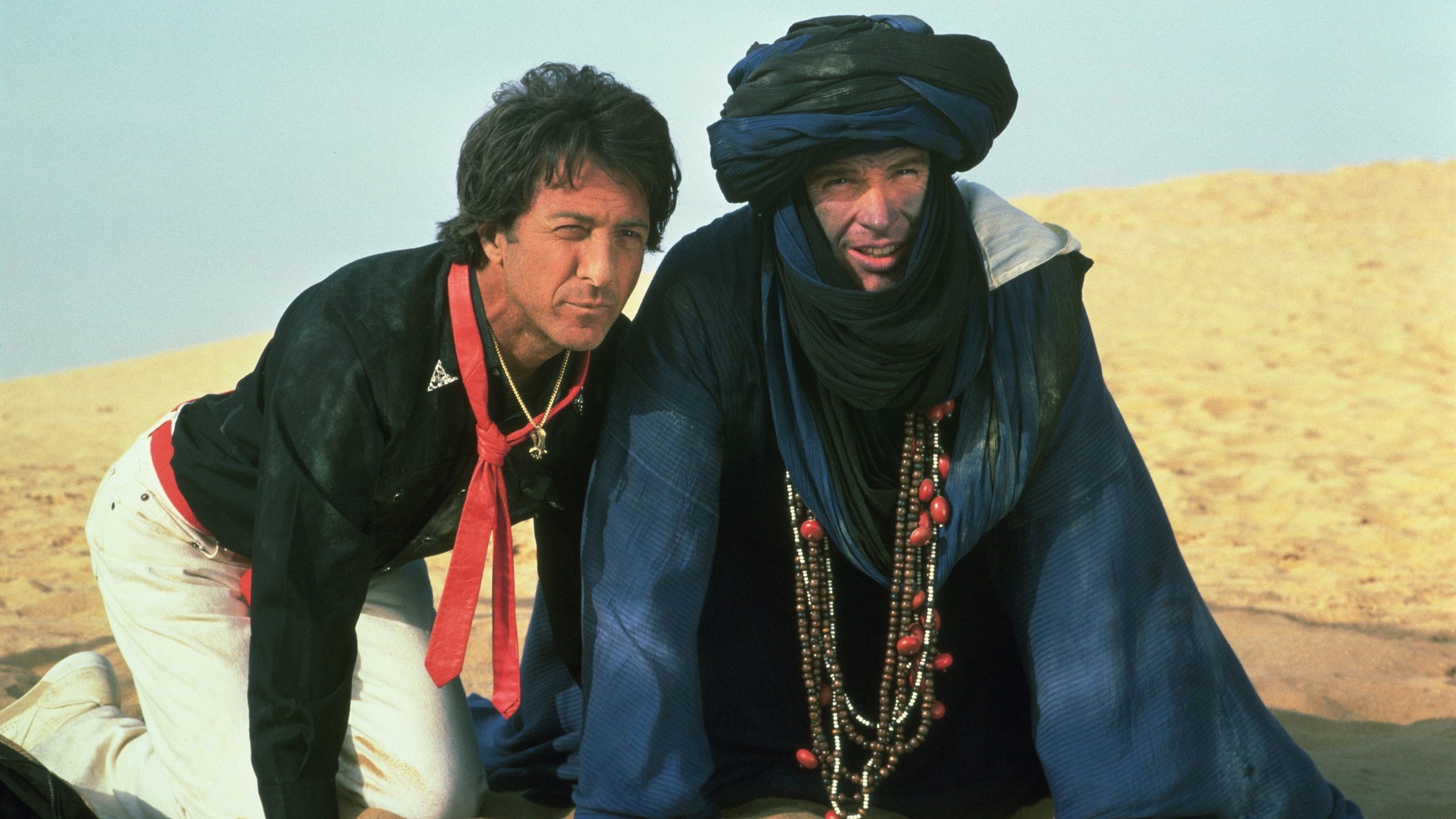
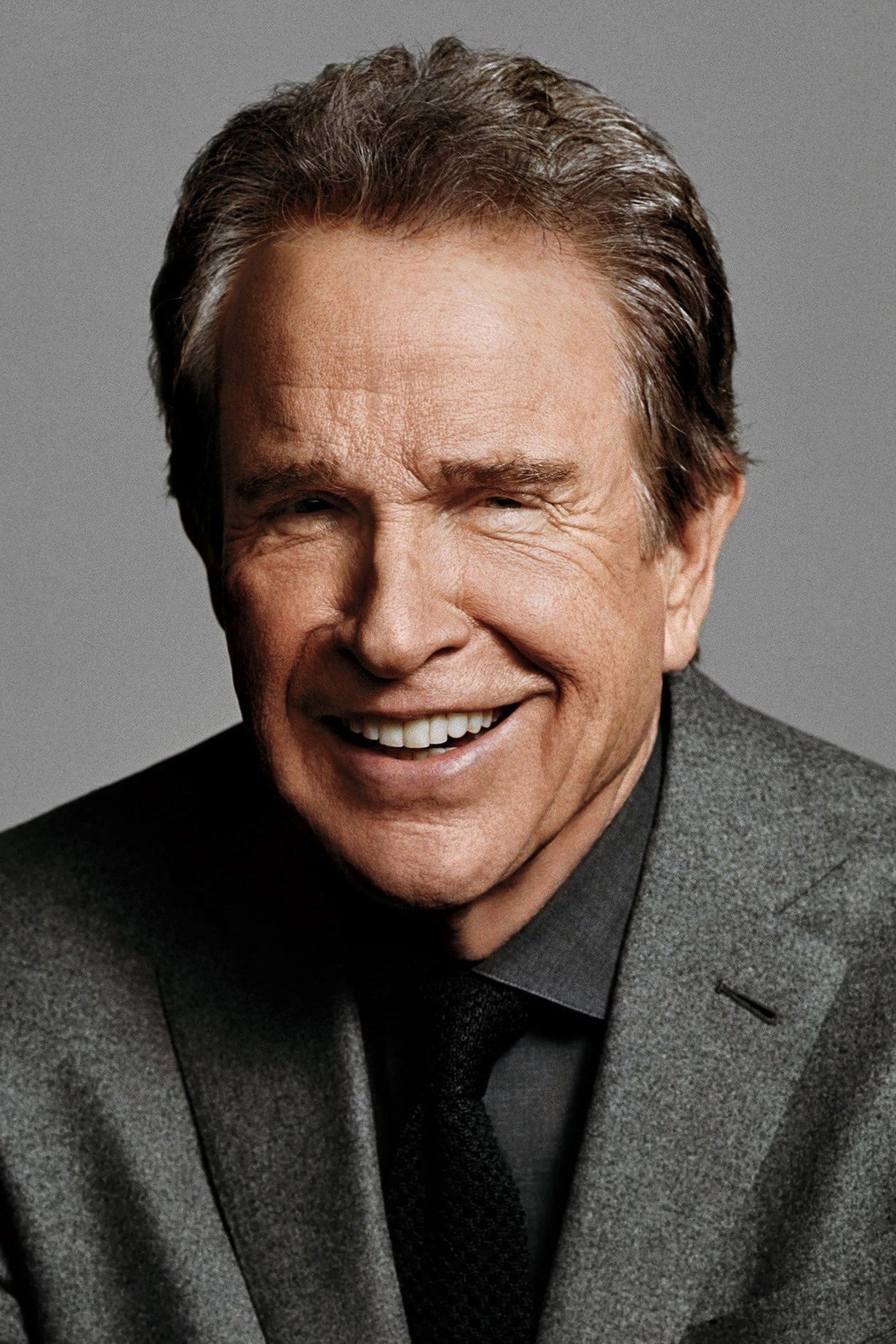
Warren Beatty plays Lyle Rogers and Dustin Hoffman plays Chuck Clarke without asking for credit for looking foolish. Their ineptitude is sustained, rather than brought out for a few convenient jokes. More importantly, the friendship makes sense: each man supplies encouragement that the other’s work cannot possibly supply for itself. We understand why they keep working together, and that makes their ambitions engaging even when the next humiliation is easy to anticipate.
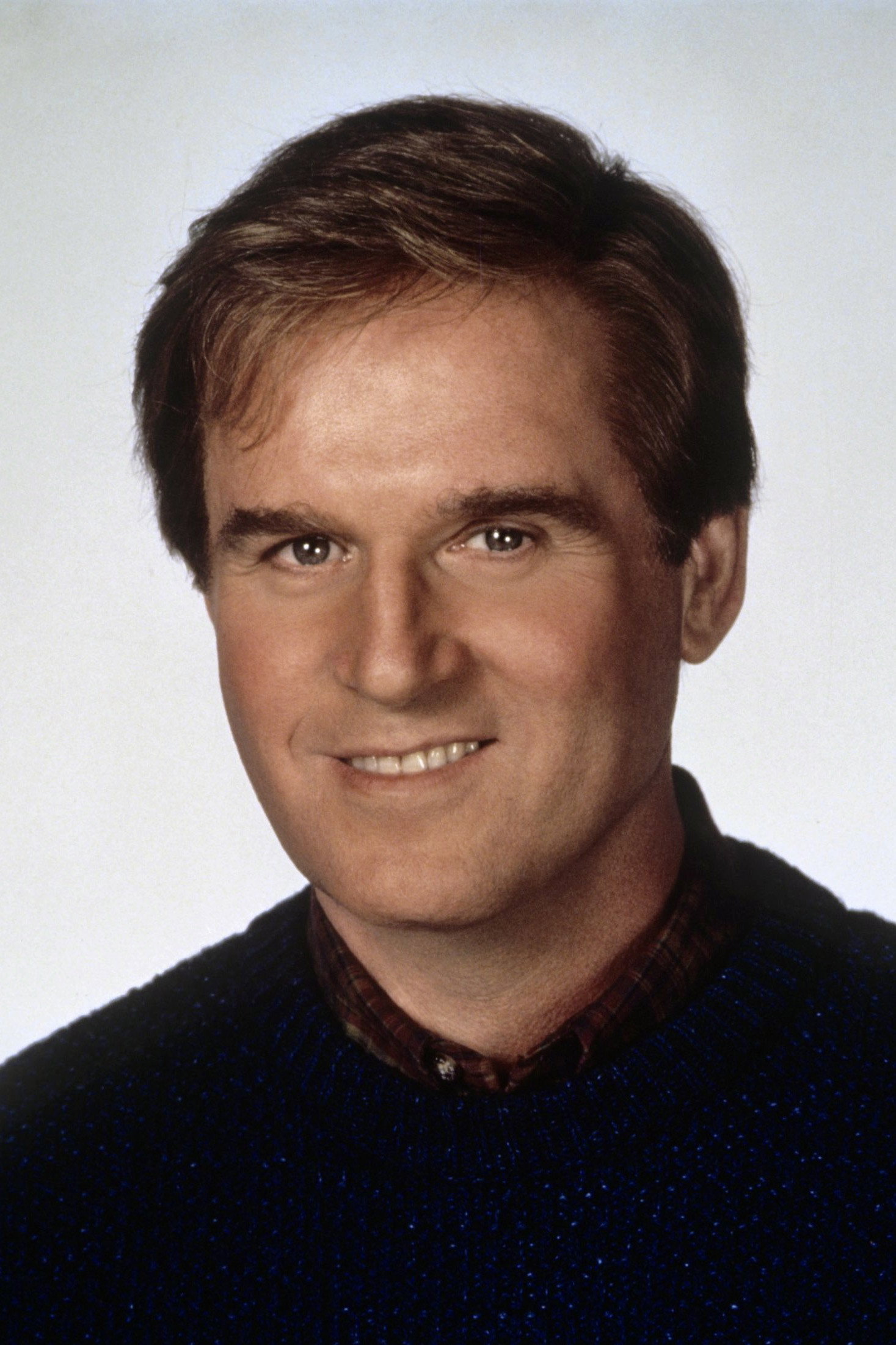
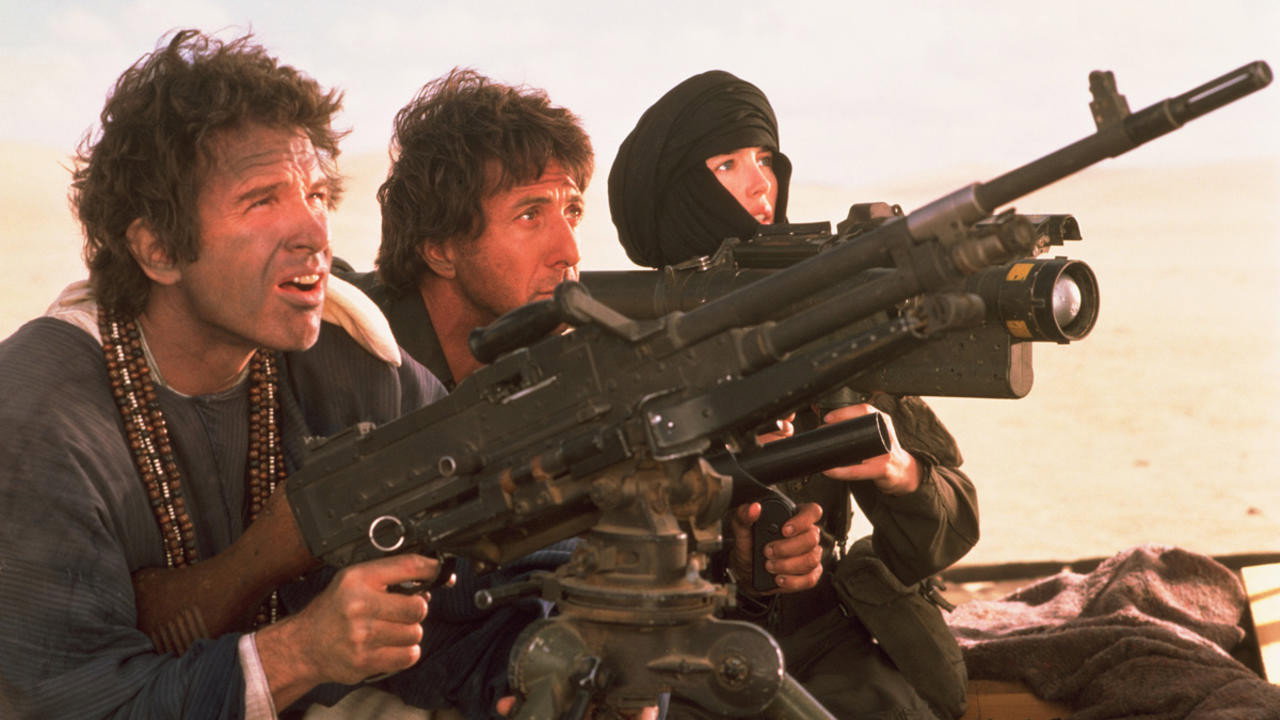
Isabelle Adjani’s Shirra Assel is most effective when she is working on the men’s vanity. The revolutionary understands that their eagerness to matter makes them easy to use, and Elaine May gets a sharper joke from that than from another complication in the intrigue. Charles Grodin, playing CIA man Jim Harrison, supplies welcome dry comedy. The satire of American foreign policy is clear enough, but the plotting repeatedly demands attention that the characters had already earned.
Vittorio Storaro’s cinematography gives the adventure an imposing scale, though the spectacle seldom produces a laugh to match the songwriting. Paul Sylbert’s production design gives the political business a solidity that makes the men’s foolishness look still more out of place. Dave Grusin’s score helps the adventure along without making its complications more engaging. These are capable contributions, but the deliberately bad songs remain the musical attraction, and the film’s size is not much help to its jokes.
The editing is credited to Stephen A. Rotter, Richard P. Cirincione and William Reynolds, and the rhythm becomes less sure as the political complications accumulate. Awkwardness can be productive when the subject is a bad song and the singers have no idea how bad it is. It is harder to enjoy when we are following a plot that keeps pulling us away from the friendship. Elaine May’s script has not made the intrigue funny enough to justify the interruptions.
By the standards of a buddy comedy, the pairing is strong enough to make the unevenness tolerable. The adventure is less successful, and there is no need to pretend that its confusion is part of the fun. The recommendation rests on how much pleasure there is in watching two people encourage each other so unwisely. Choose it for the bad songs, with patience for the business between them.