Shane Black’s crime comedy is worth the trouble of its tangled mystery for Robert Downey Jr. and Val Kilmer’s sparring. The cleverness occasionally gets tiresome, but the company seldom does.
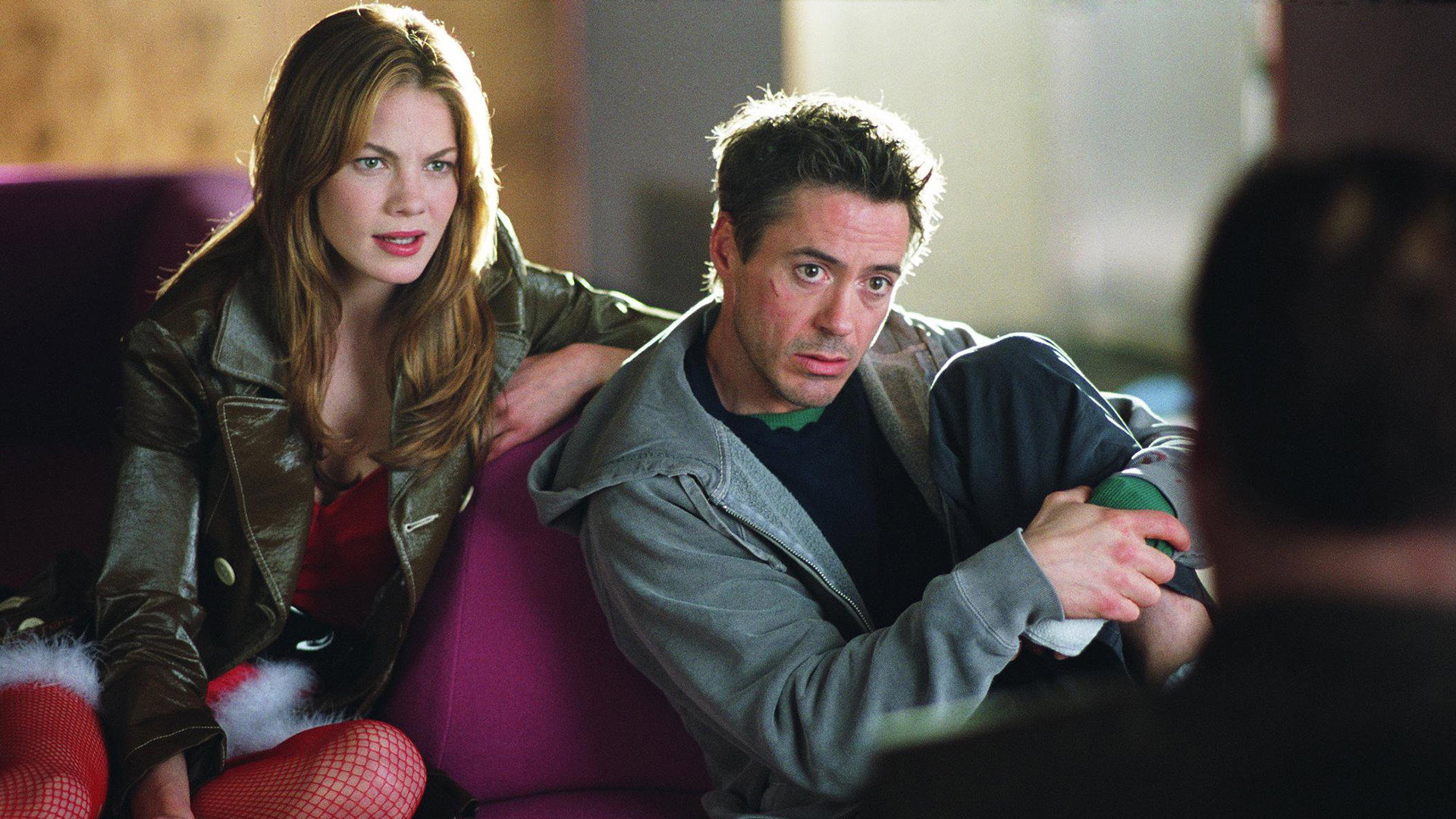
Kiss Kiss Bang Bang is a funny, unruly crime comedy whose chief pleasure is listening to people make one another’s lives difficult. Writer-director Shane Black wants to tell a detective story while letting the characters point out how such stories work, sometimes before we have had a chance to notice. That can be an exhausting way to spend an evening, and the film occasionally delays its own progress to demonstrate its cleverness. Robert Downey Jr. and Val Kilmer make the arrangement worth it.
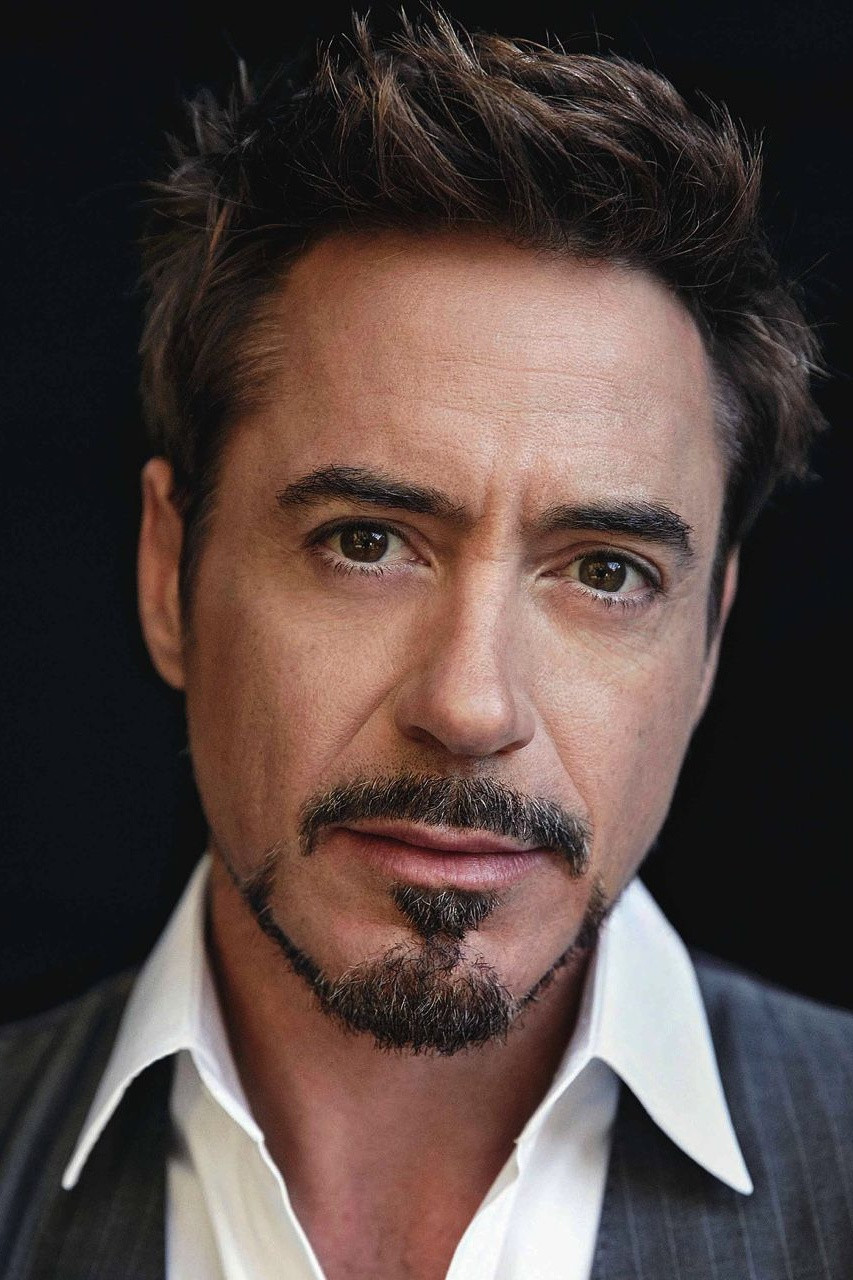
Downey’s Harry Lockhart is good company because Downey allows him to sound fallible, even when the writing is straining to be quick. The self-conscious narration gives Harry plenty of opportunities to interfere with the telling, and Black gets useful comedy from his inability to leave it alone. There is warmth in Downey’s performance, enough to keep the interruptions from feeling like a lecture on how clever detective films can be. He remains likeable through stretches when the interruptions themselves have stopped being useful.
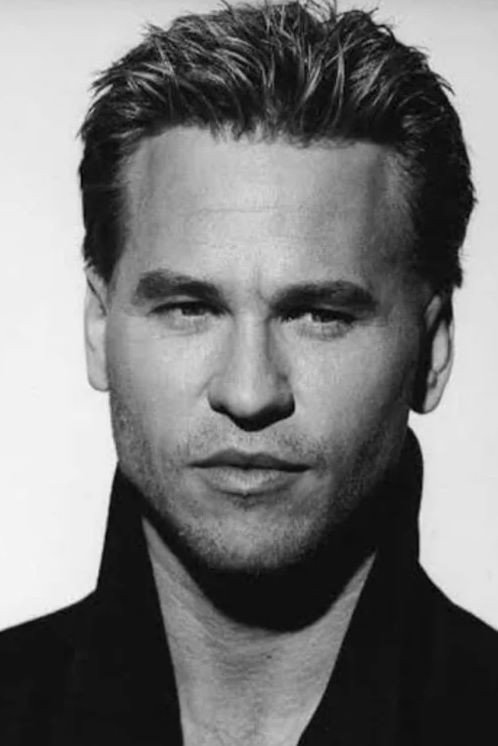
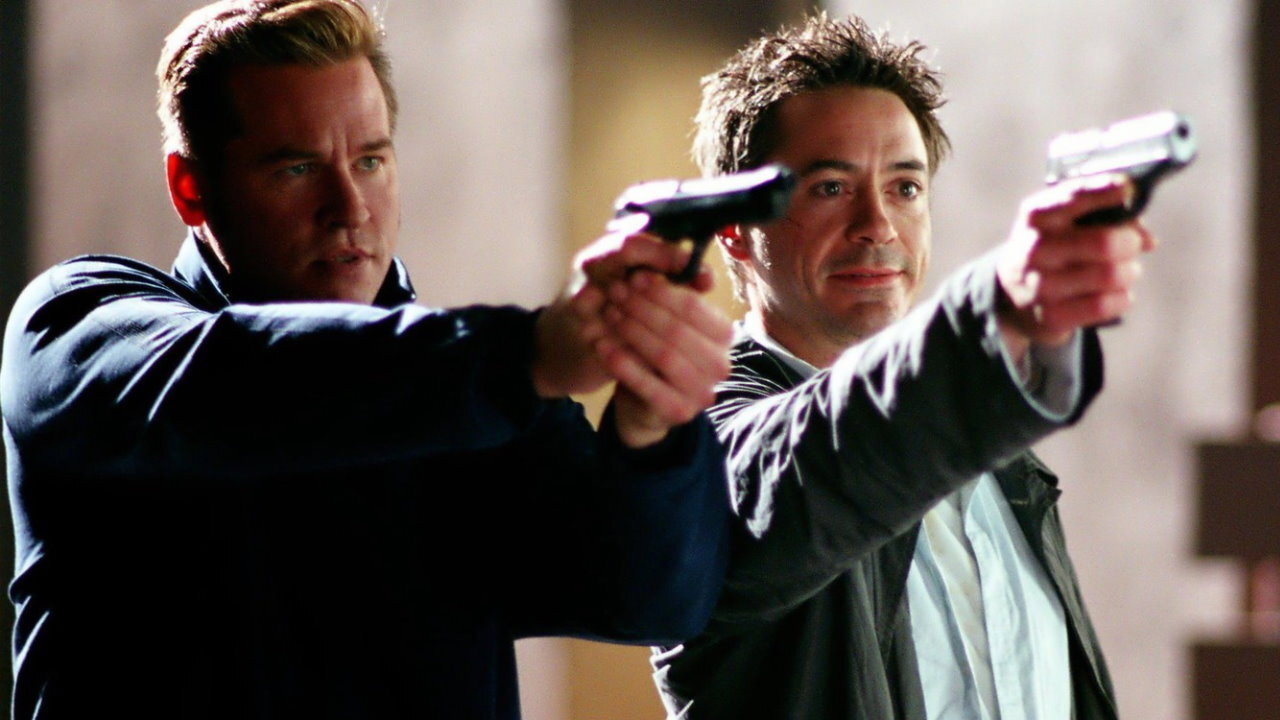
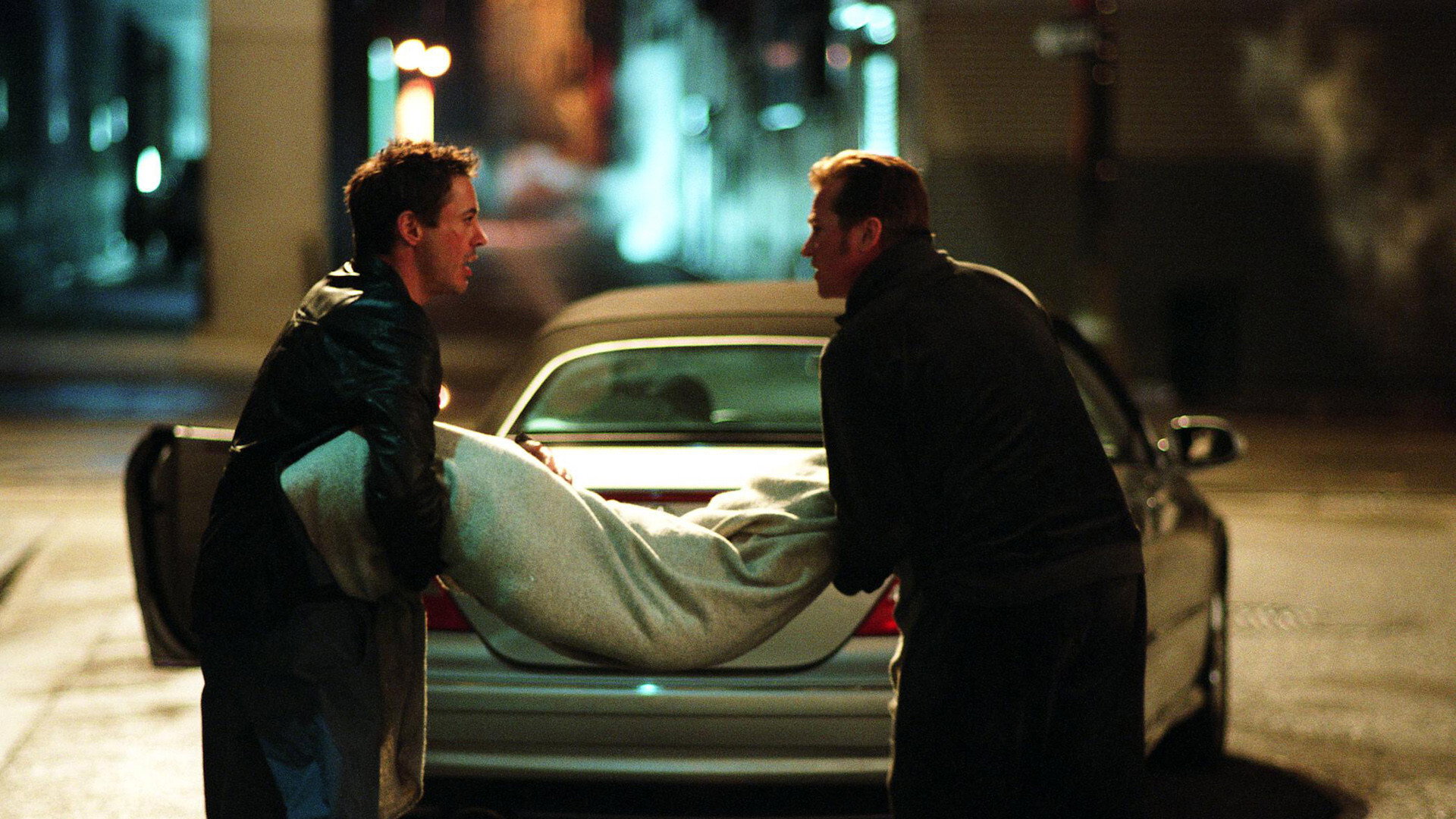
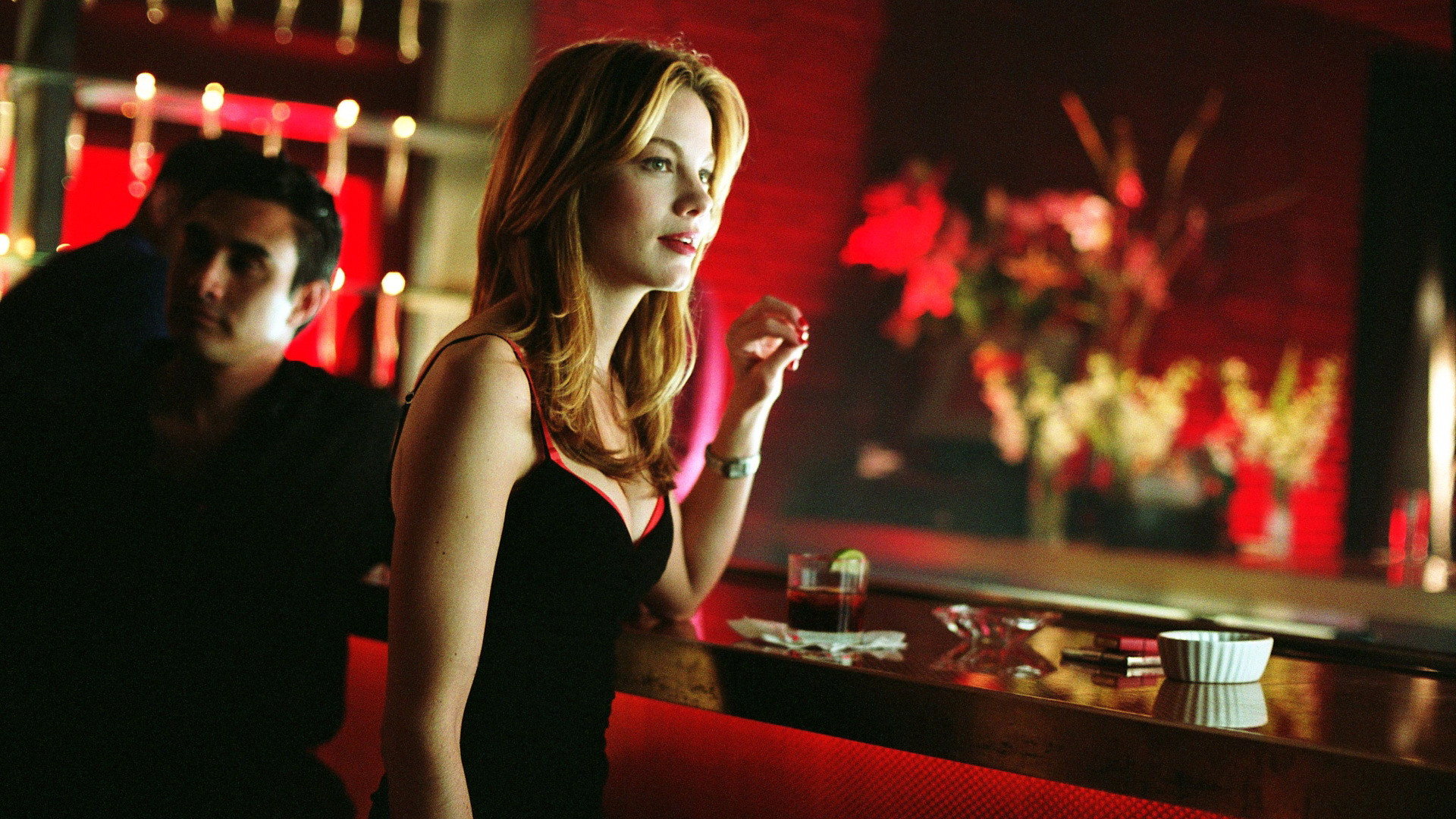
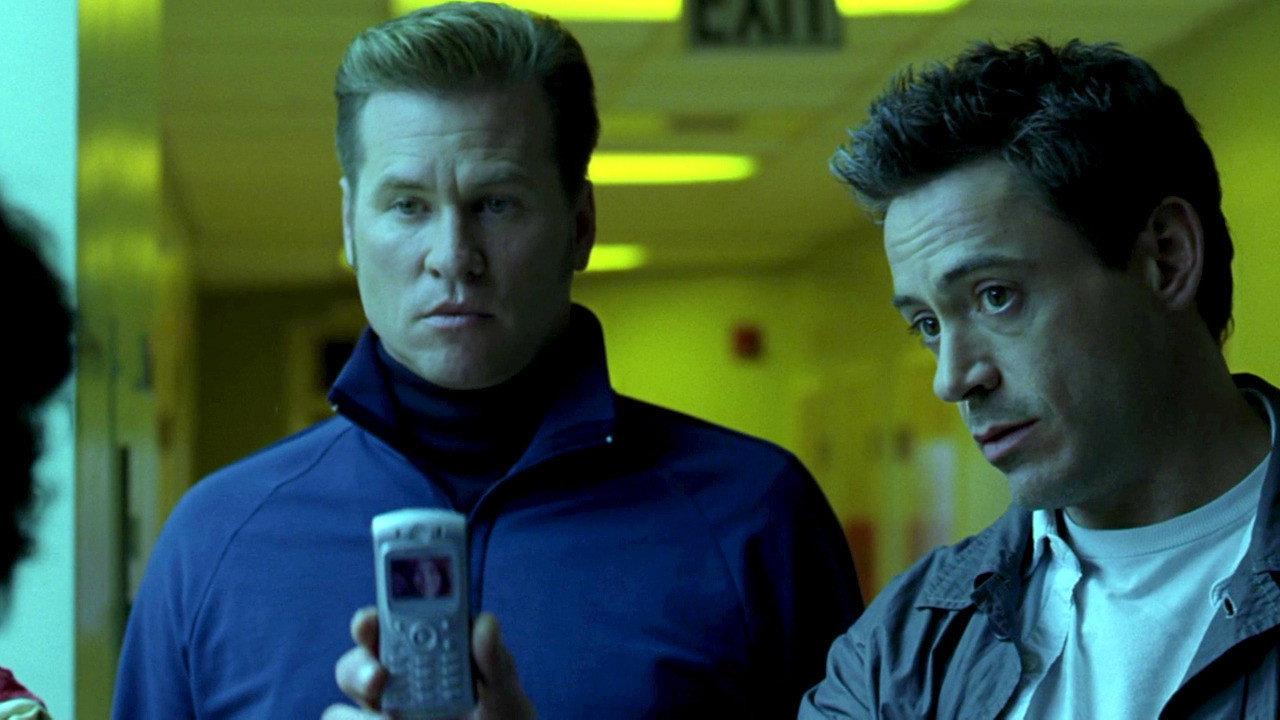
Kilmer, as private investigator Gay Perry, supplies the impatience that this arrangement needs. His exchanges with Downey have the ease of people who can annoy each other without preparation, and he delivers the insults without labouring over their ingenuity. We laughed at Perry’s exasperation with Harry; Kilmer makes the simple business of having to hear him out feel like an unreasonable demand. Michelle Monaghan’s Harmony Faith Lane holds her own in their company, bringing enough warmth to prevent the three-way conversation becoming merely a competition for the next joke.
Michael Barrett’s cinematography helps make the verbal sparring readable: we can watch the irritation as well as hear it. Aaron Osborne’s production design supplies the detective-film surroundings Black needs for the jokes to work, without competing with the actors. We recognise the kind of crime story we are watching even when its narrator struggles to get on with telling it. That familiarity gives Black some freedom to interrupt without having to start again from nothing.
Editor Jim Page has the awkward job of keeping a mystery moving while the narration keeps interrupting it. The comic exchanges hold together, but the accumulation of plot business is harder to follow, and pace cannot always compensate for muddle. John Ottman’s score helps keep a crime-film mood beneath the talk, giving the jokes something serious to interrupt. Even with that support, the investigation sometimes slips from our attention while we wait for the next exchange.
Black’s weakness is his reluctance to let a clever remark pass without another close behind it. The film can seem anxious that an ordinary piece of storytelling might be mistaken for a lapse, and the mystery is already complicated enough without that extra fuss. There is less of noir’s dread here than the genre play initially promises, though Black is plainly more interested in the people arguing their way through it. The affection in the performances keeps the insults from becoming unpleasant to sit through.
At 103 minutes, the film does not ask for limitless patience, although a cleaner mystery would have made those minutes easier. The cast reward the attention, particularly when Black allows an exchange to run without adding another comment on the storytelling. We recommend it for the conversation, with a warning that the detective work requires more goodwill. Choose it with someone who enjoys an argument about who had the better line.