Willem Dafoe gives this gentle drama about a rediscovered poet a warmth its younger characters do not always earn. We recommend it for the performances, with patience required for the mildness of its literary satire.
Kent Jones’s Late Fame is a good, gentle drama with a performance from Willem Dafoe that makes its modest stakes matter. Ed Saxberger is an ageing poet whose rediscovery by younger writers offers him another chance to be noticed. The question is how much he needs that attention, and how readily he will accept the company that brings it. Jones and screenwriter Samy Burch understand the temptation, though their kindness sometimes lets the younger admirers off with being amusingly pretentious.
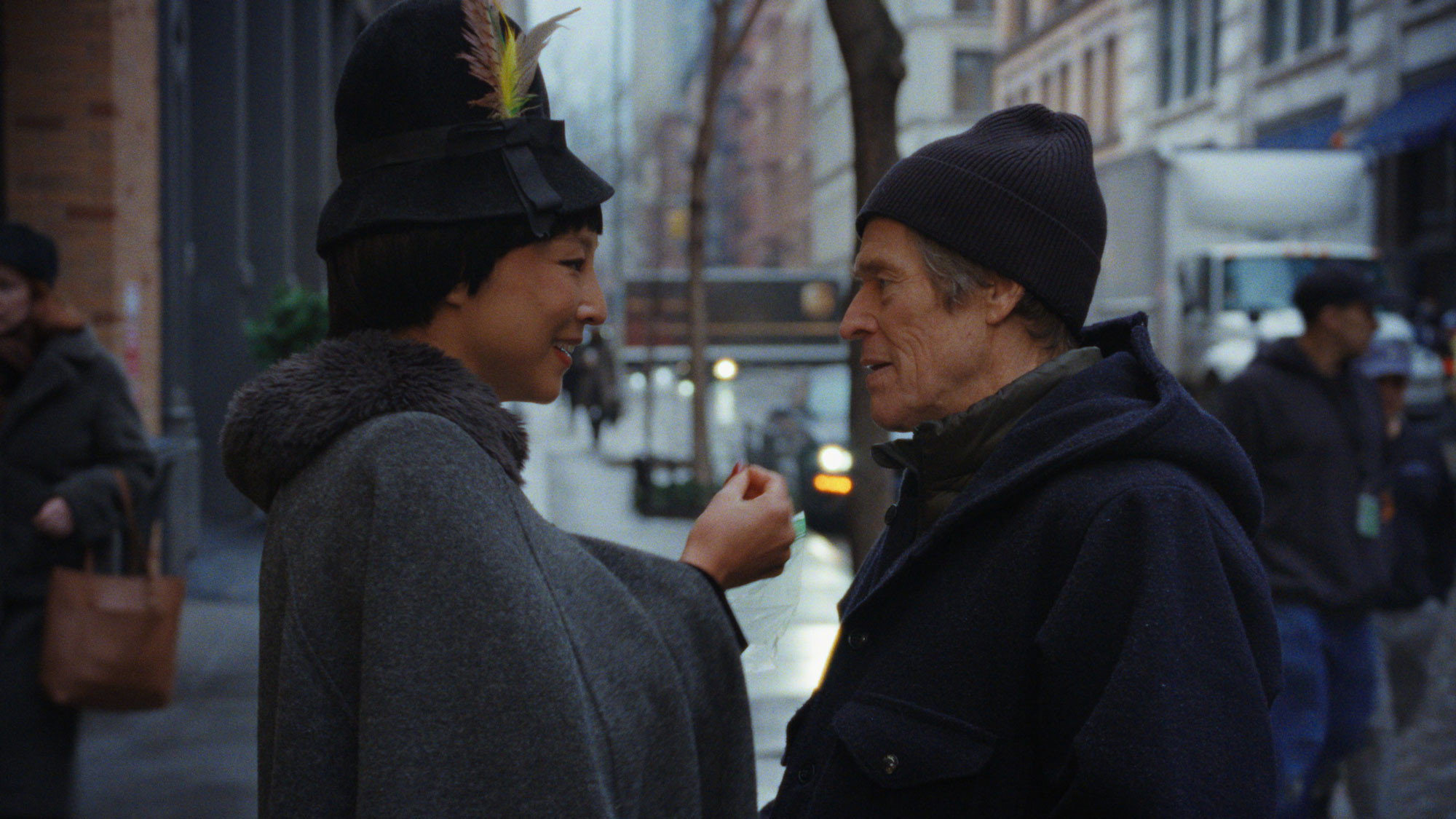
Dafoe gives Ed enough reserve for his pleasure at this recognition to feel earned. There is no need to make the man helpless or saintly, and Dafoe avoids both. We were moved by his response to the younger crowd’s admiration, because he makes the wish to be taken seriously so ordinary and so difficult to resist. The performance gives us reason to care about Ed before we have formed any opinion about his poetry. That is essential to a story whose audience may have limited patience for literary self-importance.
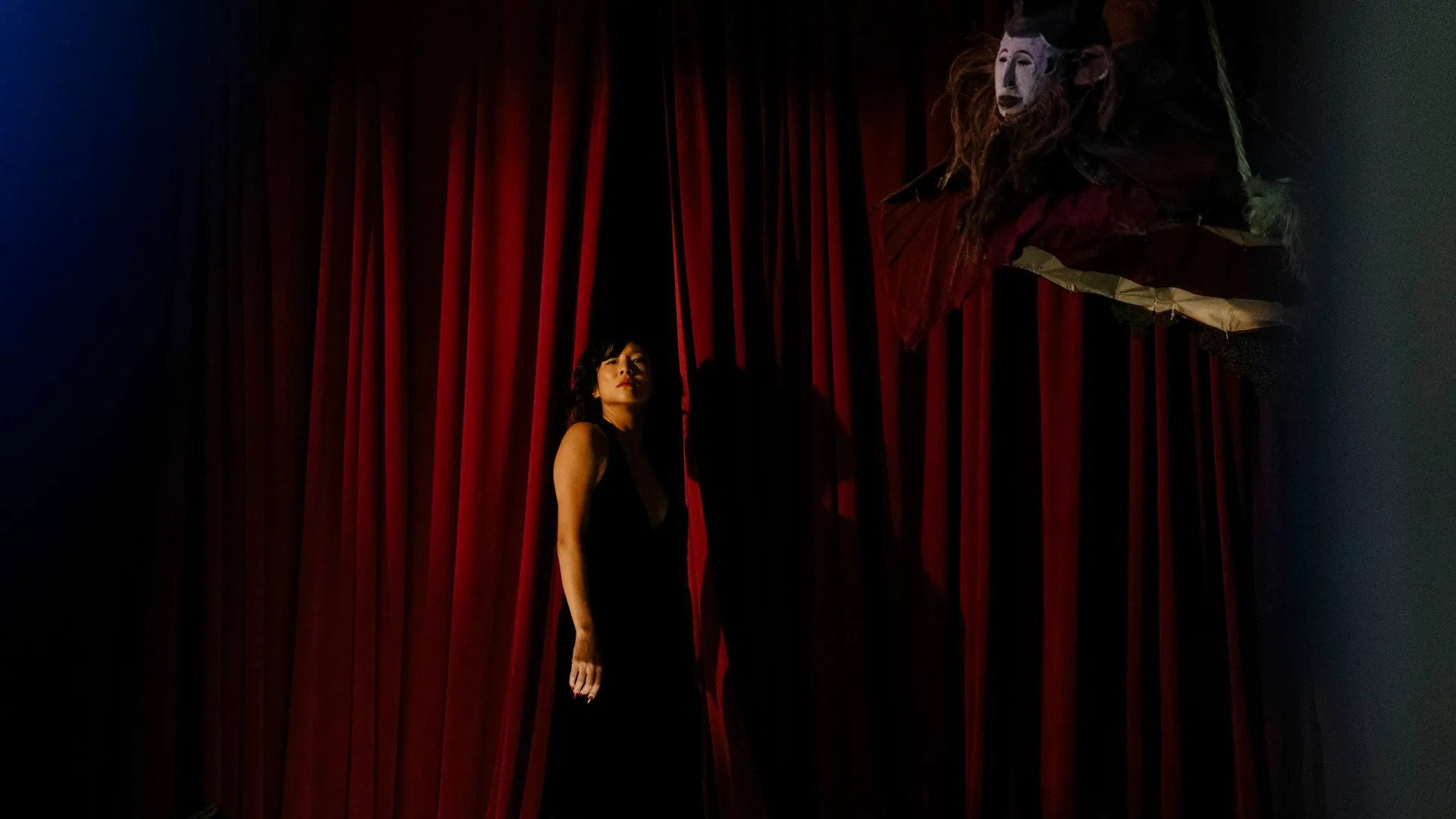
Greta Lee’s Gloria, an actress, supplies a more conspicuous kind of self-presentation. Her theatricality is funny alongside Dafoe’s composure, but Lee makes the effort of being memorable seem tiring as well as faintly ridiculous. She gives Jones’s sympathy something to work on: Gloria can be tiresome without becoming a disposable joke. The trouble comes with the younger artists around them, who are too often defined by their wish to be artists. Burch finds their affectations more readily than their differences.
Wyatt Garfield’s cinematography gives lower Manhattan enough character to make the film’s attachment to it understandable. We can believe that this place helps keep an idea of the literary life alive. Tommaso Ortino’s production design supports that feeling of an artistic circle attached to the past, though the nostalgia itself goes largely unexamined. We remain unconvinced that these fading literary habits deserve quite so much affection.
At 97 minutes, the film is hardly an ordeal, but its easy pace sometimes becomes an excuse to linger over familiar behaviour. Mike Selemon’s editing gives Dafoe’s performance room to develop, while doing less for the thinner supporting parts. Don Fleming’s music is well judged for a drama on this scale, though the actors supply its most affecting moments. The two leads make spending time with these people considerably easier.
Jones is attempting something harder than laughing at people who talk about writing. He wants us to understand why recognition appeals even to people who know its limits, and why calling oneself an artist can become a way of belonging. The film is perceptive about Ed’s susceptibility and less precise about what the younger group wants from him. Its generosity works whenever Dafoe or Lee gives it a recognisable human need; elsewhere, we wanted Burch to press a little harder.
Among dramas about artists, Late Fame has the sense not to require us to certify its central figure as a genius. Ed’s wish to matter is sufficient, and Dafoe makes it feel like something we might recognise in ourselves. That keeps the film worth an evening even when the satire settles for a fond smile. Give it an evening when two fine performances will be enough.