Xavier Dolan’s family melodrama is moving, funny and exhausting, with Anne Dorval superb as a mother struggling to care for her son. We recommend it for the performances, though its 138 minutes include more shouting than it needs.
Mommy is a moving, often funny family melodrama that becomes tiring when Xavier Dolan refuses to let a scene settle. We recommend it for its three lead performances, and especially for the generosity it extends to a mother whose temper would make her easy to dismiss. Anne Dorval plays Diane ‘Die’ Després, raising a teenage son who can be affectionate and violent. The film asks how she can keep caring for him without surrendering every other part of her life.
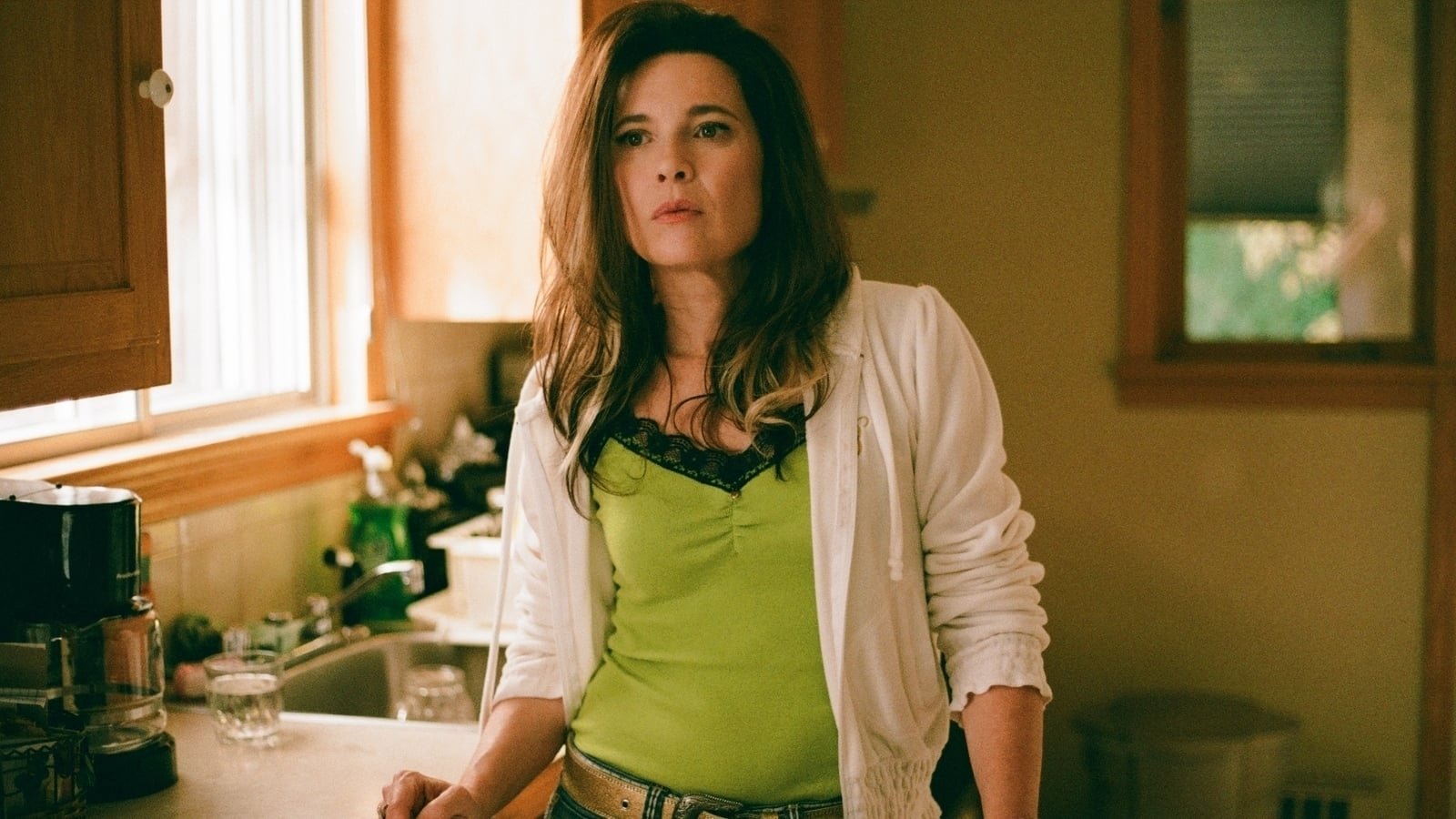
Anne Dorval gives Die’s anger enough variety that it does not become a single, exhausting note. Some of it is defensive, some of it impatient, and some of it comes from the effort of trying to manage her son. We were moved by the worry visible in her face during the arguments: she seems frightened of what might happen to him even while she is furious with him. Her humour also keeps Die from becoming merely a collection of hardships.
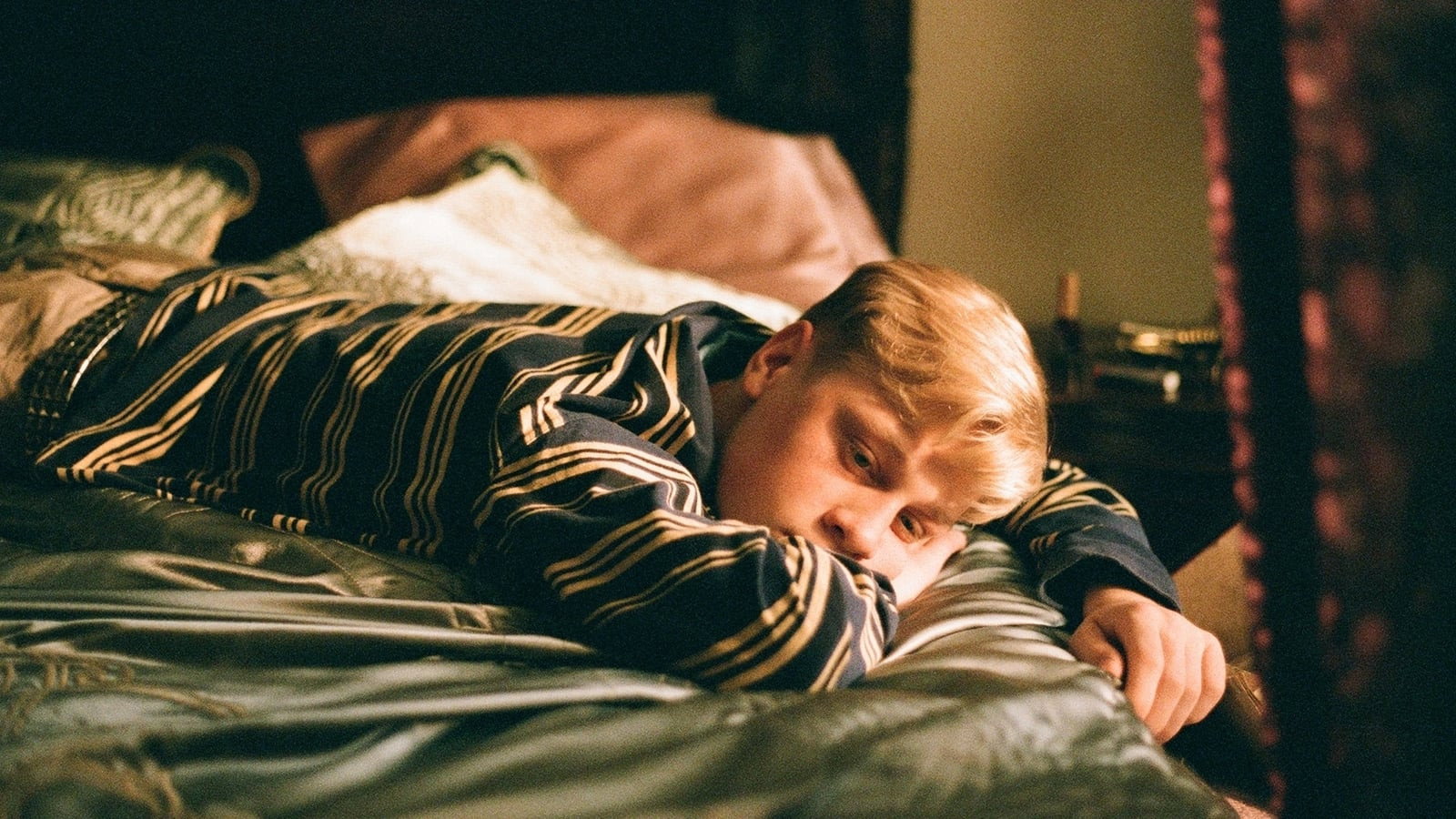
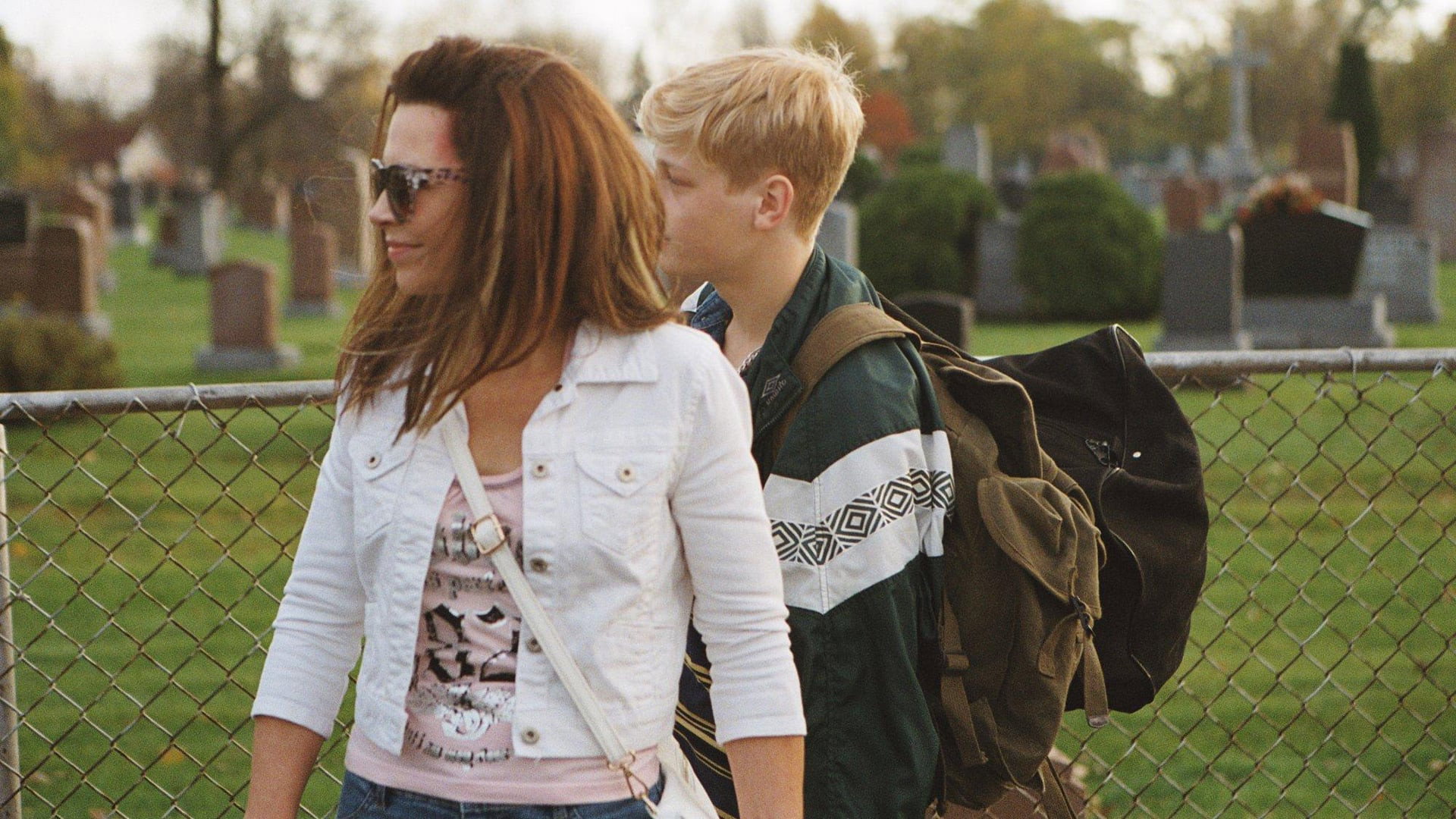
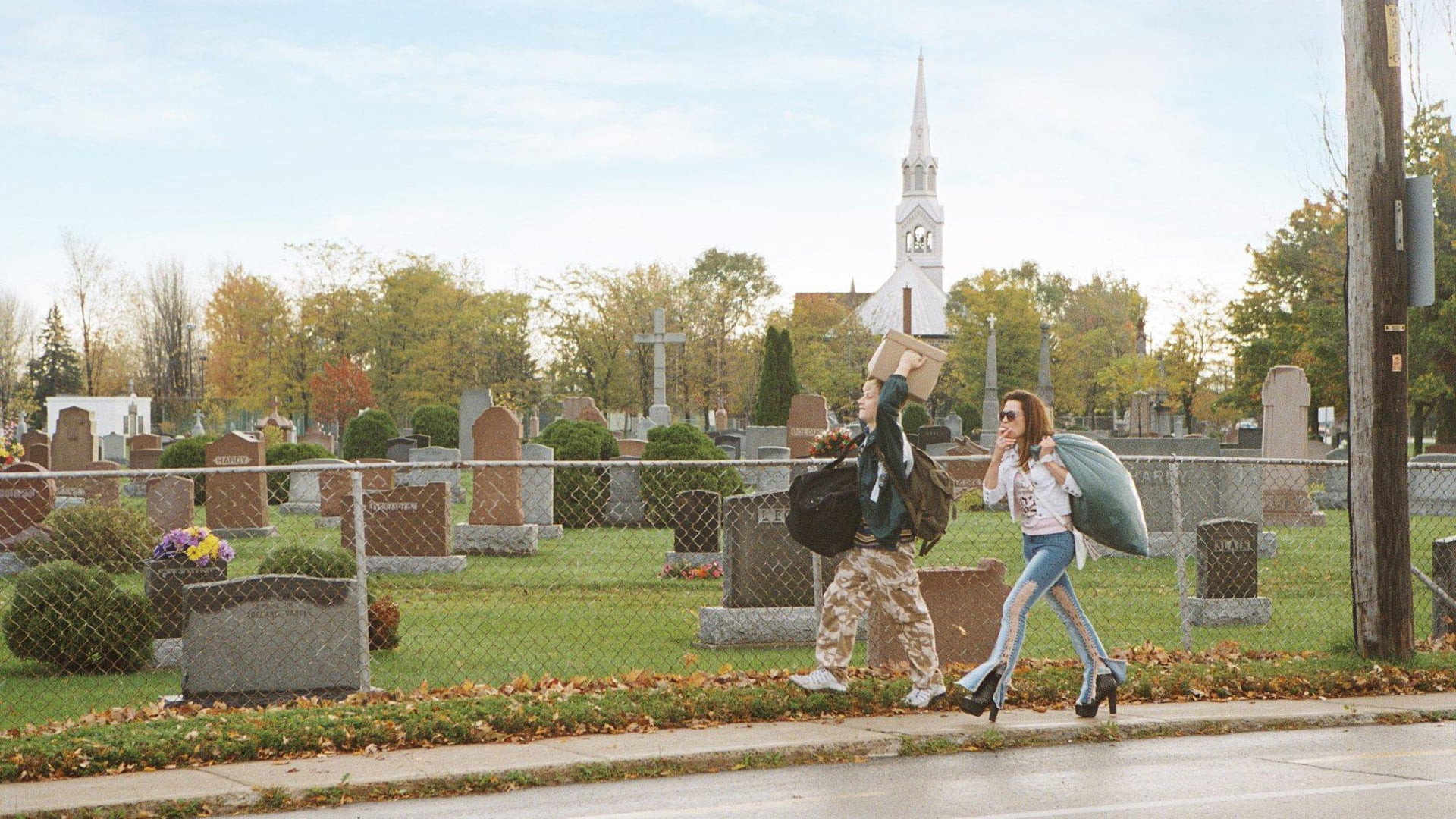
Antoine Olivier Pilon makes Steve difficult company, as he needs to be, but the violence never quite removes our wish that he might find some peace. There is a risk that his intensity will become the entire performance, and a few stretches get close. Suzanne Clément, playing their neighbour Kyla, gives the film another person worth attending to instead of merely someone to witness the family arguments. The friendship between the three matters because she feels entitled to a life outside their troubles.
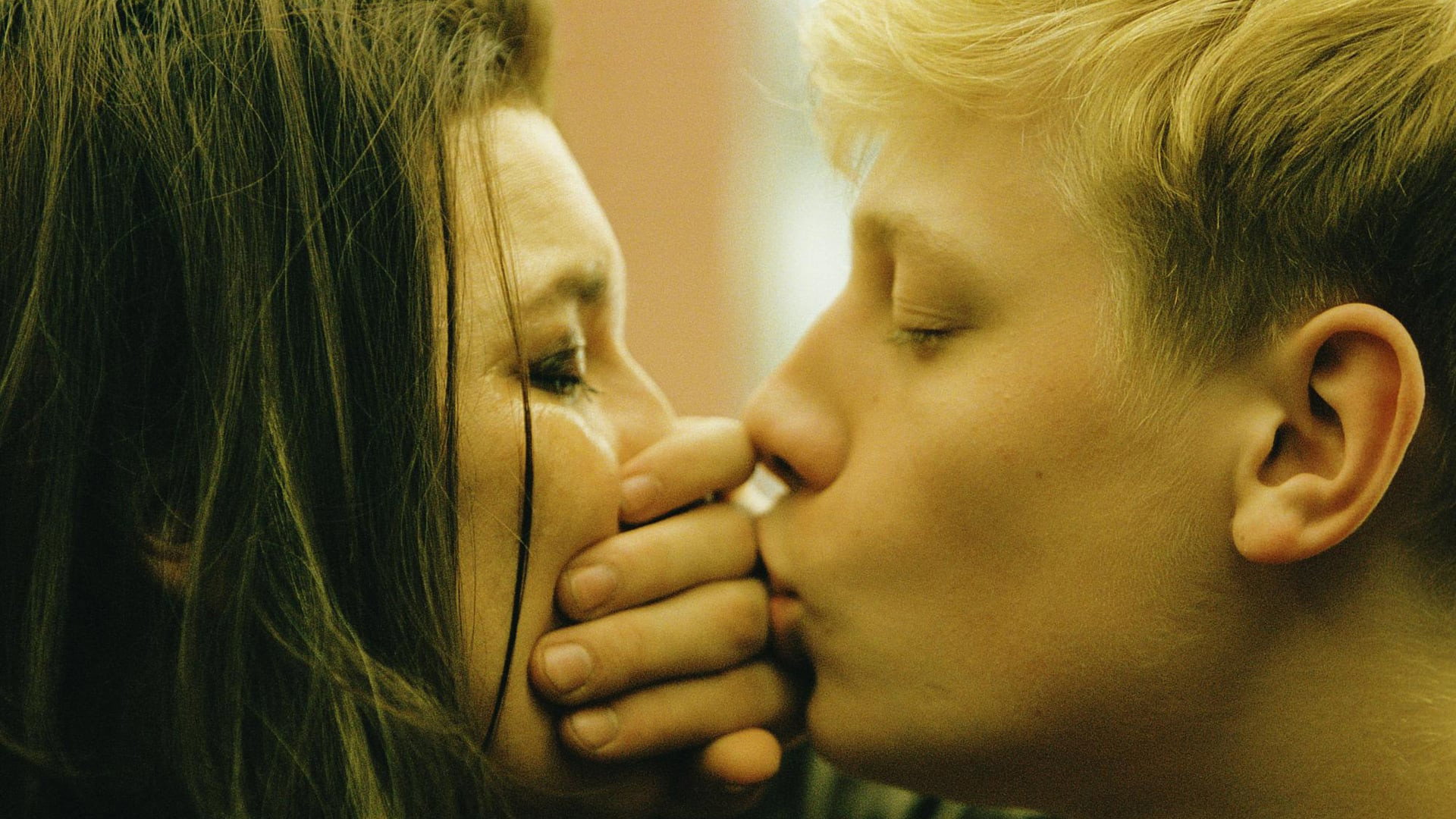
André Turpin’s cinematography uses a square, 1:1 frame that keeps our attention on faces and limits the space around them. The restriction makes the arguments uncomfortable to watch, since there is little else in the image to offer relief. It also rewards the small changes in expression that might be lost if we were studying a room. This is an unusually useful piece of conspicuous filmmaking, although its insistence on closeness can become tiring when the drama is already at full volume.
Xavier Dolan also edits, and this is where the film’s impatience with restraint becomes harder to defend. The swings from confrontation to exhilaration are effective at first; repeated across 138 minutes, they begin to make different scenes feel too similar. We sometimes get the force of an argument well before the film is prepared to leave it. The length matters because the performances have already told us how much these people need and hurt one another, without another sustained burst of feeling to confirm it.
The music is credited to Eduardo Noya Schreus, while the prominent rock-ballad soundtrack encourages the film’s appetite for large emotions. Those songs belong comfortably in a drama whose characters are not given to understatement, and we would miss their lack of embarrassment. The slow motion is less consistently persuasive, sometimes asking us to linger on an emotion the actors have already made clear. At such moments the direction gets in the way of performances strong enough to hold the scene without further encouragement.
The family melodrama does not require anyone to behave well, and this one gives its difficult people ample reason to be heard. We would not want their roughness politely corrected for our comfort. The three leads make the prospect of spending time with them attractive despite all the evidence that it will be hard work. Choose it when everyone watching is willing to sit through an argument without reaching for the remote.